Save Today Black Friday 12HRS 57MIN 10SEC Up to 20% off gift cards BLACK FRIDAY
GIFT CARD SAVINGS
$100 – $249SAVE 5% $250 – $499SAVE 10% $500 – $999SAVE 15% $1,000+SAVE 20% Shop gift cards Discount applied automatically at checkout. Each card keeps its full value.
Top activities
Top landmarks
Cruise ship visitors
Trip ideas
Nearby places
Black Friday
Save Today Black Friday 12HRS 57MIN 10SEC
UP TO 20% OFF GIFT CARDS
$100–$249(save 5%) $250–$499(save 10%) $500–$999(save 15%) $1,000+(save 20%)
Shop gift cards Discount applied automatically at checkout. Each card keeps its full value.
Florida

Cool things to do in Florida

Welcome to Florida

Florida reaches south from the rest of the country into warm, clear water, with the Atlantic on one side and the Gulf of Mexico on the other. That long shape gives you two very different coasts, a string of coral islands at its tip, and a wet, wild interior of springs, rivers and sawgrass. Miami brings Latin rhythm and pastel streets, Orlando is the theme park and space hub, Fort Lauderdale and Key West live on and around the water, and the Gulf towns of Destin, Naples, St Petersburg and Sarasota trade in white sand and calm bays. St Augustine holds the oldest European streets in the nation, and Crystal River is where you can swim near manatees. Most of what people book here happens on the water: boat trips, sailing, snorkeling and paddling, with nature outings and history walks close behind.

Miami

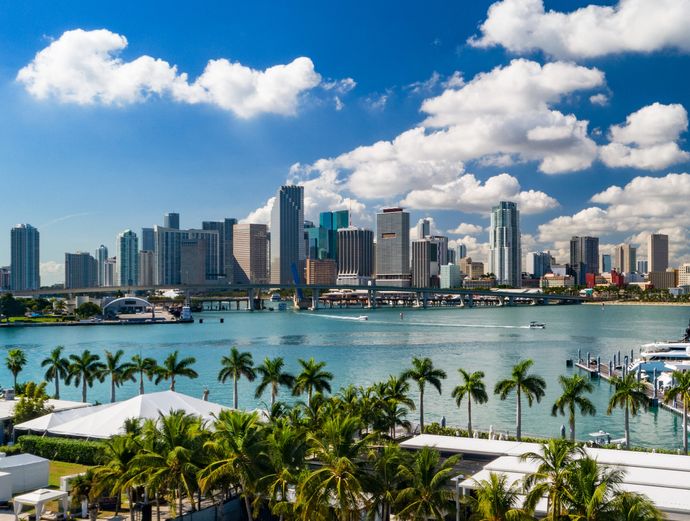
Spanish is heard as often as English in Miami. Start at South Beach, where pastel hotels face a wide strip of sand, then cross to Little Havana for cigar rollers, domino players and Cuban cooking. Coconut Grove feels slower and leafier, with shaded streets and a waterfront of sailboats, while Bayside Marketplace is the easy place to catch a harbor cruise past the island homes on the bay.

Private tours suit this city well, because a local driver can link neighborhoods that sit far apart. Cultural outings focus on food, street art and Cuban heritage, and outdoor trips head out onto the water or to the edge of the wetlands. As a busy cruise port, the city also offers plenty of shore excursions and port transfers.

Orlando

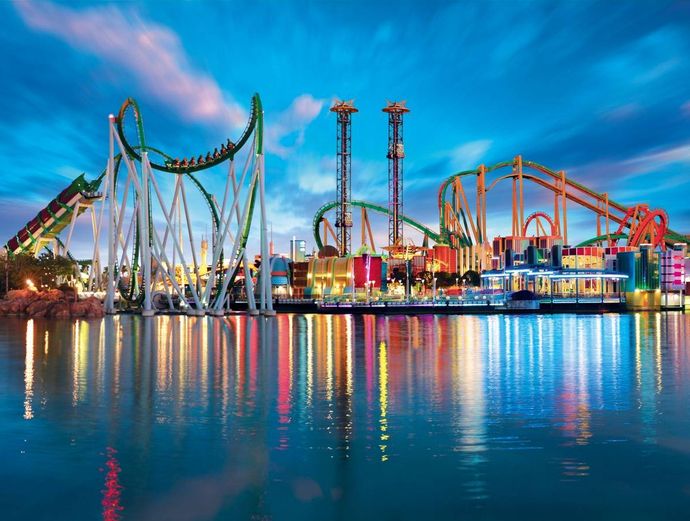
Orlando runs on big days out. The theme parks draw most visitors, and the rest of the city has learned to keep up: Disney Springs mixes shops, restaurants and live music with no park ticket needed, and Icon Orlando 360 lifts you in a glass capsule high above the lakes. Downtown, Lake Eola Park is a calmer stop, with swan-shaped pedal boats and a fountain at its center.

Getting around is the first thing to sort out here, which is why airport transfers and private drivers lead the list of what visitors book. Beyond the parks, you can ride an airboat across nearby marshes, paddle clear spring runs or take a day trip east to the Kennedy Space Center, where real rockets and launch pads make the space program feel close.

Fort Lauderdale

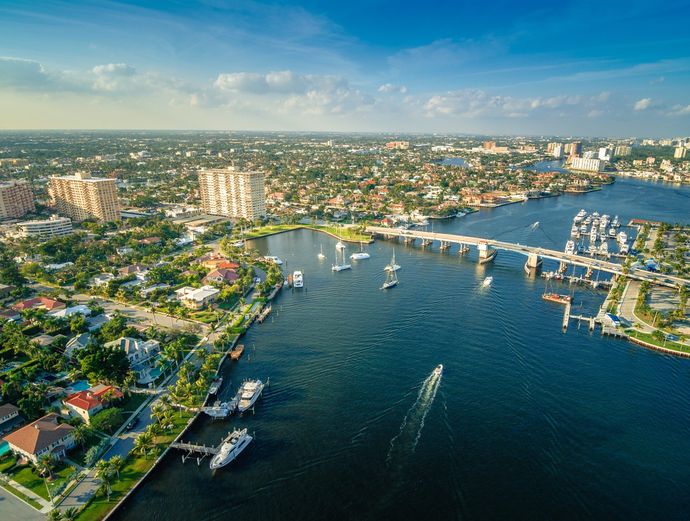
Canals run behind so many homes in Fort Lauderdale that the city is easiest to understand from a boat deck. Cruises on the Intracoastal Waterway glide past mansions and moored yachts, and Riverwalk Fort Lauderdale gives you a shaded path along the river with cafes and small parks. Las Olas Boulevard is the place for an evening stroll, lined with galleries, boutiques and patio dining, and the Fort Lauderdale Beachfront keeps a wide, open strand with a promenade facing the ocean.

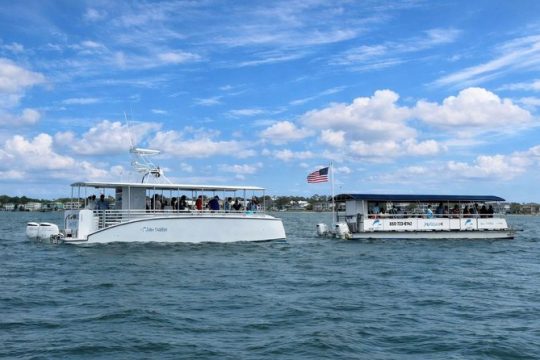
Boat tours and sailing trips form the core of the menu, joined by jet skis, paddleboards, parasailing and offshore fishing. Private charters appeal to groups who want their own captain for a few hours.

Key West

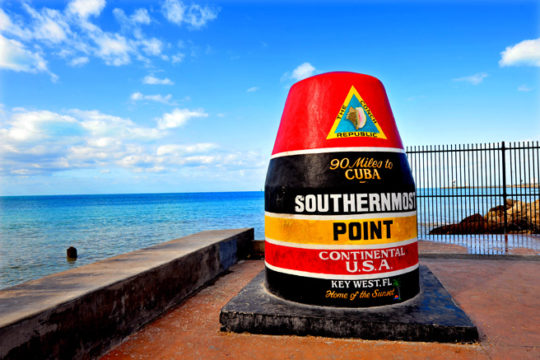
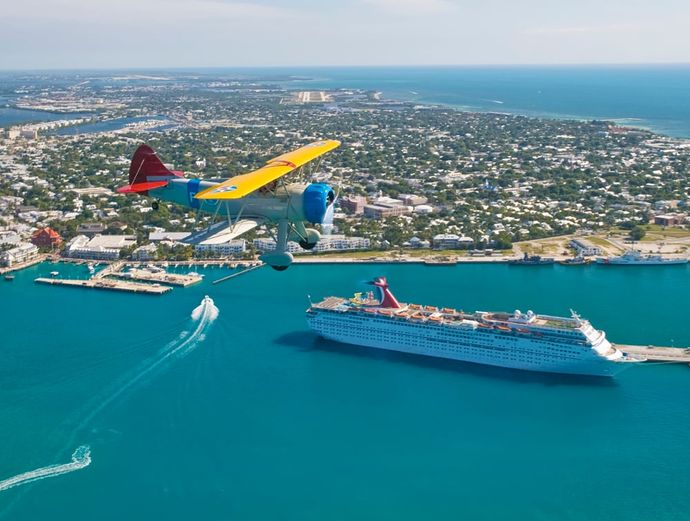
At the far end of the road, Key West feels closer to the Caribbean than to the mainland, with tin-roofed cottages, roosters wandering the lanes and an easygoing pace. The Key West Historic District rewards a slow walk or a bike ride past Bahamian-style houses and old cigar factories. Each evening, crowds gather at Mallory Square to watch the sun drop into the water while street performers entertain, and a short stroll away, the painted buoy at the Southernmost Point of the Continental USA draws a steady line of photographers.

Out on the reefs, the Florida Keys National Marine Sanctuary protects coral, sea turtles and bright fish, and snorkel boats and sailing trips head out to it regularly. Back on shore, history tours and food tastings fill the hours in between.

Destin

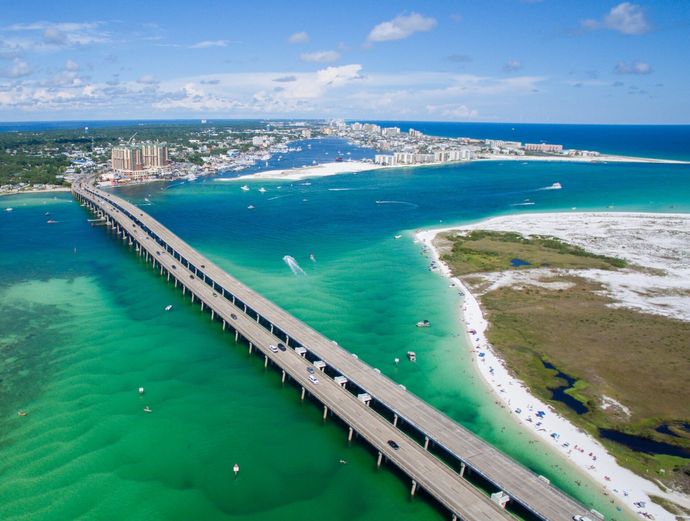
Fine white sand and water that turns a striking shade of green set Destin apart on the Gulf. Life here centers on the harbor: HarborWalk Village and the Destin Harbor Boardwalk are lined with fishing boats, seafood spots and booths for cruises, and Destin Commons offers open-air shopping when you need a break from the sun.

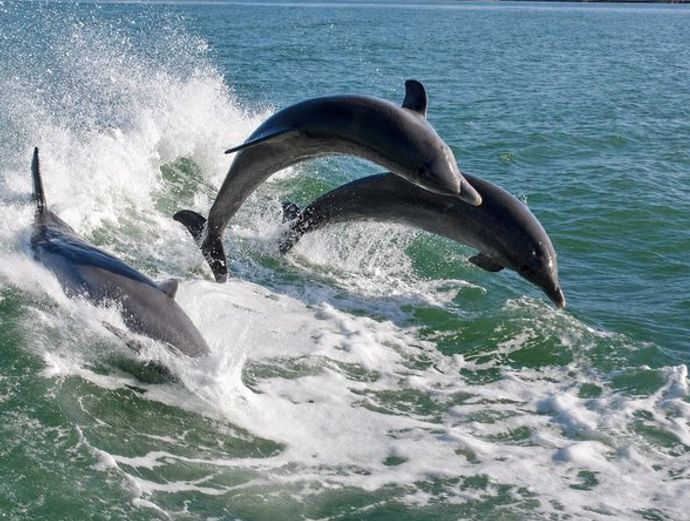
Dolphin watching ranks among the favorite outings, with bottlenose dolphins often seen close to the boats in the pass and the bay. Snorkel trips, parasailing and private fishing charters round out the water options.

Naples

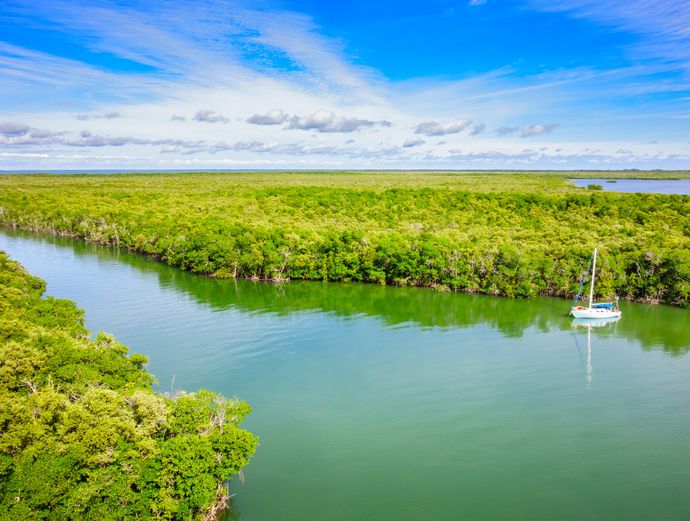
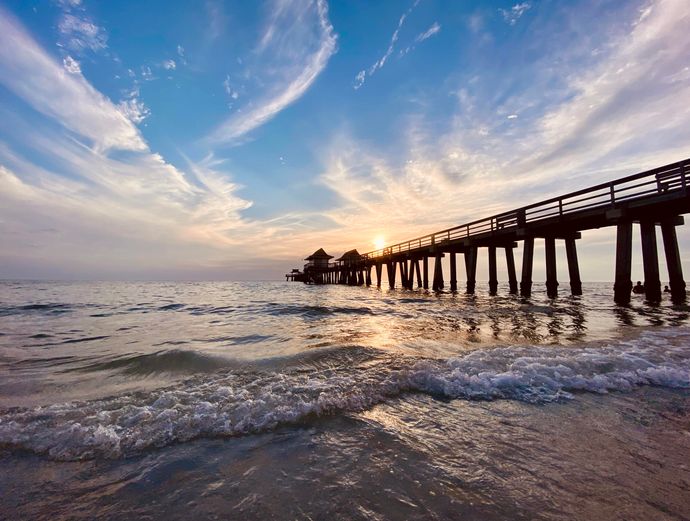
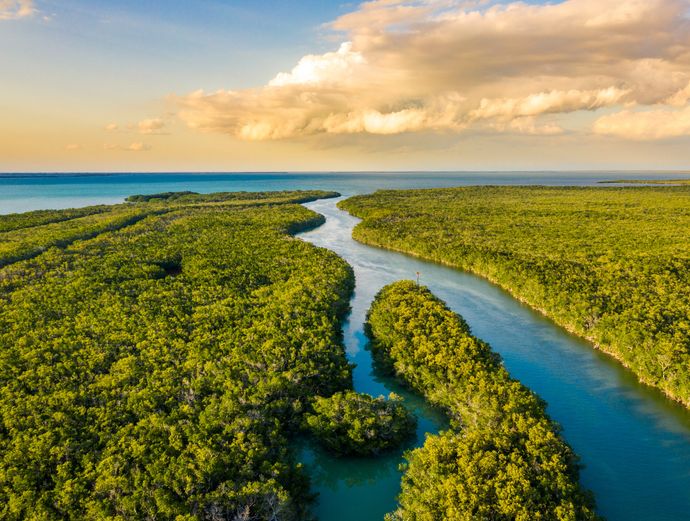
Quieter and more polished than the Atlantic side, Naples is about long beaches, calm sunsets and easy access to some of the wildest country in the state. Marco Island, just to the south, has wide beaches and good shelling, while the Ten Thousand Islands scatter mangroves across shallow water. Rookery Bay National Estuarine Research Reserve protects a rich estuary full of wading birds, and Big Cypress National Preserve opens up cypress swamp and prairie inland.

Nature and wildlife trips are the specialty: dolphin cruises, shelling excursions, paddling trips into the mangroves and airboat rides. Half-day outings fit neatly around beach time, so you can spend a morning with the birds and still be back on the sand by afternoon.

St Petersburg

St Petersburg pairs a lively arts downtown with barrier island beaches, all on the edge of a big, sheltered bay. North Straub Park is a green waterfront spot for a walk. St. Pete Beach offers soft sand and a relaxed strip of beach bars across the causeway, and the Sunshine Skyway Bridge sweeps high over the mouth of the bay in one of the most recognizable shapes in the state.

Boat trips here often head for Egmont Key, an island at the entrance to the bay with an old fort, a lighthouse and quiet beaches you can reach only by water. Half-day trips make it easy to pair a morning on the water with an afternoon in the galleries.

St Augustine

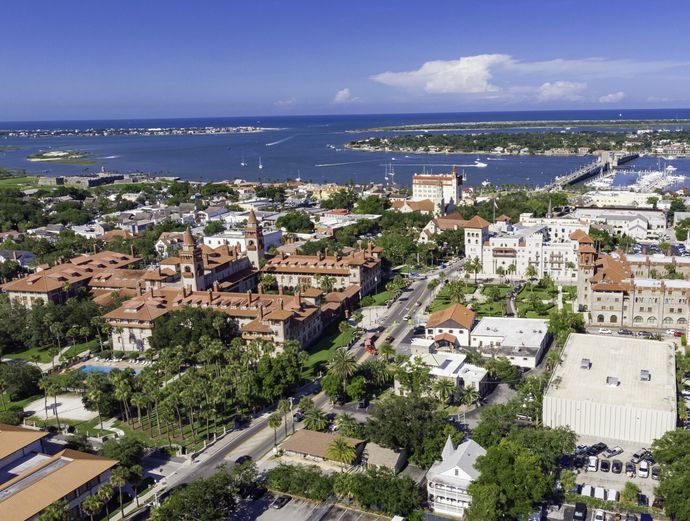
Walk the narrow streets of St Augustine and you are moving through the oldest continuously inhabited European settlement in the United States. Castillo de San Marcos National Monument, a star-shaped fort built from coquina shell stone, still guards the harbor, and Mission Nombre de Dios marks the ground where Spanish settlers first came ashore. The Lightner Museum fills a grand former hotel with decorative arts, and across the street Flagler College occupies another lavish hotel built by the railroad magnate Henry Flagler.

History is the main draw, so walking tours, trolley rides and heritage outings lead the way. After dark, ghost tours take over the old lanes and cemeteries.

Sarasota

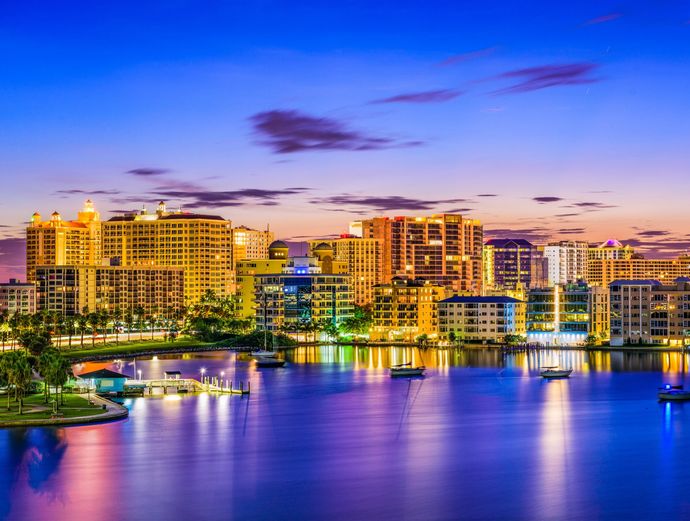
Arts and beaches share the stage in Sarasota. The Ringling, the estate of circus showman John Ringling, combines an art museum, a circus museum and a waterfront mansion, and Marie Selby Botanical Gardens shows off orchids and bromeliads beside the bay. The barrier island beaches nearby have sand so fine and white it stays cool underfoot.

Water is the other half of a stay. Kayak routes thread through tunnels of mangrove, boat trips look for dolphins and manatees in the bay, and sailing charters head out for sunset.

Crystal River

Small and quiet, Crystal River draws most of its visitors for a single reason: manatees. Warm springs feed the bay at a steady temperature, and that gentle warmth attracts large numbers of these slow, curious animals. Crystal River National Wildlife Refuge was created to protect them, and guided swims let you float alongside them in clear water under strict rules.

Snorkeling with manatees is the signature outing, usually an early boat trip with wetsuits and masks. Beyond that, you can paddle the spring runs or look for birds and turtles along the shore.

More places to explore in Florida

Beyond the best-known names, the state has plenty of smaller bases worth a day or a week.

  • Fort Myers: a laid-back Gulf base for boat trips to nearby islands and sunset cruises.
  • Clearwater: soft white sand and calm water, with dolphin cruises and private charters.
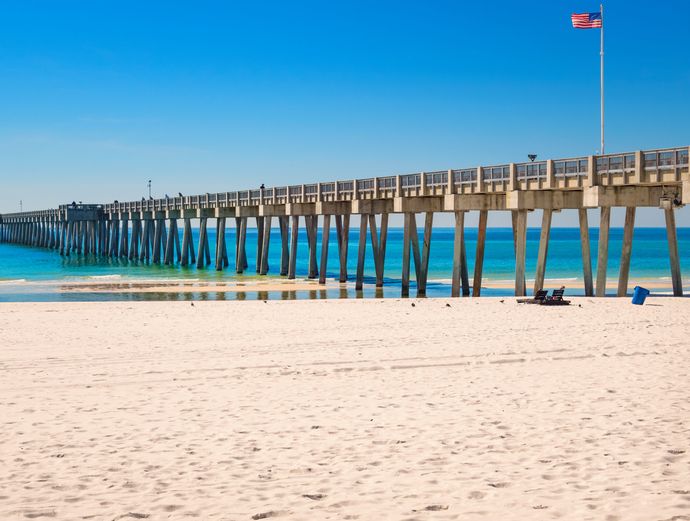
  • Panama City Beach: a lively northern Gulf beach town for jet skis, sailing and dolphin trips.
  • Tampa: a big bay city with Cuban roots, waterfront paths and cultural tours.
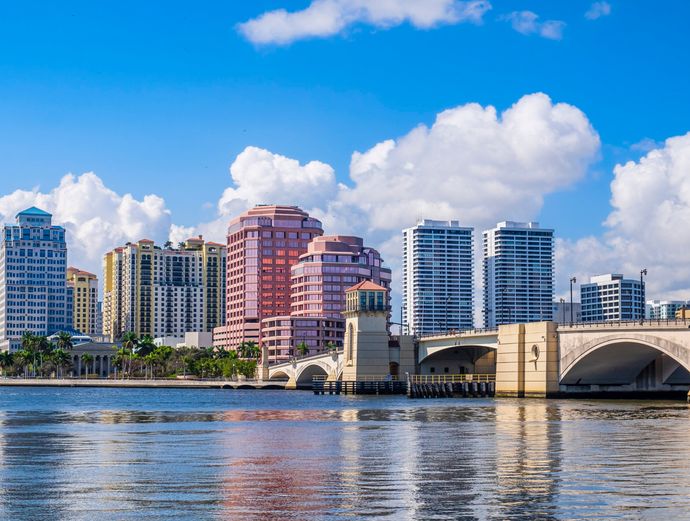
  • West Palm Beach: a polished waterfront city for boat tours and watersports.
  • Cocoa Beach: a surf town near the launch pads, good for paddling and kayaking.
  • Jacksonville: a sprawling river city with history tours, bike rides and long beaches.
  • Key Largo: the first of the islands heading south, with reef snorkeling and diving.
  • Daytona Beach: a wide, firm beach and a long racing heritage, with boat trips on the river.
  • Pensacola: Spanish, French and British history, white sand and a strong naval tradition.
  • Cape Canaveral: a busy cruise port, with transfers to and from ships and airports.
  • Islamorada: a sportfishing favorite in the islands, with private charters and boat tours.
  • Boca Raton: an upscale coastal city with private boat trips along the waterway.
  • Everglades National Park: a vast wetland of sawgrass and mangroves, seen by airboat or boat tour.
  • Tallahassee: the state capital, with walking tours of its hilly, oak-shaded center.
  • Gainesville: a college town ringed by springs, ideal for kayaking and canoeing.
  • Vero Beach: a quiet stretch of the Atlantic coast for boat tours and nature outings.

Planning a trip across Florida

Florida is bigger than it looks on a map, so choose a few bases instead of moving every night. A classic route starts with city life and nightlife on the Atlantic side, swings inland for the theme parks, then finishes slowly on the Gulf with beaches, wildlife and sunsets. History fans can add St Augustine in the north, and nature lovers can build a loop around Crystal River and Naples. Rent a car for the most freedom between stops.

Read more
Top 15 attractions in Florida
Marine Park#1

Marine Park

If you are looking for things to do in Florida we have 12 Tours and Activities to Experience Marine Park. Check out our verified traveler reviews and photos of Marine Park tours and other things to do in Florida, and book securely when you find the perfect one. Learn the best ways to see famous Marine Park and explore the most popular things to do in Florida.

More
Castillo de San Marcos National Monument#2
4.7 (19,392)

Castillo de San Marcos National Monument

Castillo de San Marcos National Monument protects the oldest masonry fort in the continental United States, a Spanish stronghold on the waterfront of St. Augustine, Florida. Built to guard the town and the sea lanes used by Spanish treasure fleets, it draws visitors for its massive stone walls, its harbor views and more than three centuries of history.Spain founded St. Augustine in the 16th century, and a series of wooden forts came first, none of which lasted. After pirates sacked the town, the Spanish crown ordered a stone fort, and work began in the late 17th century using coquina, a soft local stone made of compressed shells quarried on a nearby island. That choice proved wise. During sieges, cannonballs sank into the porous walls instead of shattering them, and the fort was never taken by force.Control changed hands through treaties rather than battle. Britain took over in the 18th century, Spain returned, and the fort became American when Spain handed Florida to the United States, which renamed it Fort Marion. In the 19th century it served as a military prison, holding Seminole and later Plains and Apache prisoners whose stories are part of the site. It became a national monument in the early 20th century and later took back its original Spanish name.The fort follows a star-shaped plan with pointed bastions at each corner, laid out so defenders could cover every approach. Vaulted chambers that once held stores, guardrooms and a chapel ring a central parade ground, and cannons on the upper level still point out over Matanzas Bay. A broad dry moat and sloping earthworks surround the walls. A guide brings the soldiers, families and prisoners who lived within them into sharper focus.

More
Historic Stranahan House Museum#3
4.5 (8,282)

Historic Stranahan House Museum

The house is seen through a guided tour, and a guide makes the visit worthwhile by bringing the pioneer trading post and the family who lived here to life. Docent-led tours are small, with a cap on group size, so booking ahead is wise. Pair your visit with a stroll along nearby Las Olas Boulevard or a ride on the river by water taxi. Admission is by guided tour only, and each tour lasts about 45 to 60 minutes. Tours begin on the hour in the afternoon, and times vary from day to day. Wear comfortable shoes, because you will be on your feet for most of the tour. Ramps lead to the first floor so wheelchair users can see all of it, but the second floor is reached only by stairs. Parking is limited near the house, so allow extra time to find a space and walk over.

More
St. Augustine Lighthouse & Maritime Museum#4
4.7 (5,702)

St. Augustine Lighthouse & Maritime Museum

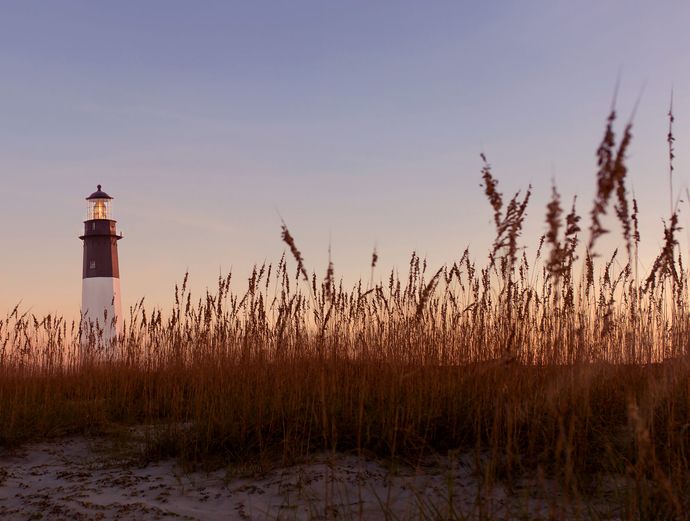
The St. Augustine Lighthouse and Maritime Museum stands on Anastasia Island, across the water from the oldest city in the United States. Its black-and-white spiral tower topped by a red lantern is a landmark of the Florida coast, and visitors come to climb it, tour the keepers' house and learn about the region's maritime past.The Spanish kept a wooden watchtower on Anastasia Island to look out for ships approaching St. Augustine, and after Florida joined the United States it was replaced by an early lighthouse. The sea slowly ate away the shoreline beneath that tower, and in the late 19th century a new and taller lighthouse was built farther inland, while the old one later toppled into the ocean. The new tower still holds its original first-order Fresnel lens, a tall beehive of glass prisms that sends the light far out to sea. During the Second World War the station became a lookout post for enemy submarines along the coast.Next to the tower, the brick keepers' house was restored after a fire and now holds exhibits about the families who tended the light, trimmed the wicks and polished the lens. The museum grounds include a boatbuilding shop where wooden boats are crafted by hand using traditional methods, and displays on shipwrecks found along the coast. The museum runs its own underwater archaeology program, which has studied wrecks lying offshore and brought up artifacts now shown on site, from ship fittings to everyday goods carried by sailors.From the top of the tower, the view takes in the inlet, the Matanzas River, the beaches of Anastasia Island and the spires of the old city. A guide can share the stories of the keepers, their wives and children and of the ships lost on this coast.

More
Mission Nombre de Dios#5
4.6 (8,399)

Mission Nombre de Dios

You can wander the grounds on your own and follow the markers from the chapel to the Great Cross. A guided tour of St. Augustine adds the story behind the landing and the first Thanksgiving Mass, and many history tours by trolley, on foot or by carriage pair the mission with the Old City's colonial sights, which saves you piecing the timeline together yourself. The grounds hold a historic chapel, a shrine church, a museum, a cemetery and the Great Cross, so wear comfortable shoes for walking outdoors. A marked walking route passes the cross, the cemetery, the mission plaque and the rustic altar. It is an active place of worship, so keep voices low and respect any service in the church or chapel. The museum shows artifacts from archaeological digs, church vestments and copies of early documents. Only service animals are allowed on the grounds.

More
Las Olas Boulevard#6
4.5 (7,283)

Las Olas Boulevard

Walking the boulevard on your own is easy, with plenty of cafes and galleries along the way. A guided food or art walk helps you find the best tables and studios, and a narrated water taxi ride lets you hop on and off at stops along the New River. Bike or Segway tours along the Riverwalk pair well with a Las Olas afternoon. Las Olas is a tree-lined mile of boutiques, galleries, restaurants and hotels that runs from downtown toward the beach. It is flat and walkable, so it suits families, couples and anyone who likes browsing shops and dining outdoors. Plan for two to three hours if you want to stroll, browse and stop for a meal. Shops and restaurants set their own hours, so check the ones you want to visit before you go. Parking is available at street meters, in city lots and in garages near the boulevard.

More
Hugh Taylor Birch State Park#7
4.4 (4,075)

Hugh Taylor Birch State Park

Hugh Taylor Birch State Park is a patch of coastal wilderness in the middle of Fort Lauderdale, Florida, between the Intracoastal Waterway and State Road A1A. People come to paddle its freshwater lagoon, walk shady trails, cycle and watch for birds and wildlife within sight of the city's high-rises.The park grew out of the estate of Hugh Taylor Birch, a Chicago attorney who acquired land on this stretch of coast when Fort Lauderdale was little more than a small settlement. He built an Art Deco home on the property and later donated the land so that it would stay natural, saving a piece of the barrier island before the city closed in around it. His gift is the reason the city still has this green space on its doorstep. His former home now serves as the visitor center.A freshwater lagoon about a mile long runs through the park, and two short trails wind through coastal hammock and native plants. The mix of fresh water, shade and quiet draws more than 200 species of wading birds, hawks and ducks, and sharp eyes may spot gopher tortoises, marsh rabbits and gray foxes. In a city known for beaches and canals, the park hints at how this coast looked before the towers arrived.Most visits are about getting outdoors. Paddlers glide along the lagoon by canoe or kayak, cyclists follow the park road, anglers cast a line and families spread out picnics under the trees. Segway tours offer another way to cover the grounds. Because the park sits so close to the ocean, it offers a natural contrast to a morning on the sand, trading surf and sunshine for birdsong and shade. A ranger or guide can point out wildlife and plants that are easy to miss.

More
John Pennekamp Coral Reef State Park#8
4.6 (5,170)

John Pennekamp Coral Reef State Park

John Pennekamp Coral Reef State Park is a marine park in Key Largo, at the top of the Florida Keys, and it was the first undersea park in the United States. Snorkelers, divers and boaters come to explore the living coral reef offshore, while the land side protects mangroves and quiet beaches.The park is named after John D. Pennekamp, a Miami newspaper editor who campaigned for years to protect South Florida's natural areas and also helped bring about Everglades National Park. In the middle of the 20th century, as divers began to notice damage to the reefs from shell and coral collectors, he and other supporters pushed for a protected area that would cover the sea as well as the shore. The result was a park where most of the territory lies underwater, and its waters now sit alongside the wider Florida Keys National Marine Sanctuary.Out on the reef, shallow water lets visitors see brain coral, elkhorn coral, waving sea fans and sponges, along with parrotfish, angelfish, barracuda and sometimes sea turtles or rays. The best-known sight is Christ of the Abyss, a bronze statue of Christ standing on the sea floor at Key Largo Dry Rocks with arms raised toward the surface, a copy of a famous statue in Italy. It has become a favorite target for snorkelers and divers. Closer to land, mangrove forests line the shore, their tangled roots sheltering young fish, and seagrass beds feed manatees and wading birds. Short nature trails cross hammocks of tropical hardwood trees, and calm lagoons suit paddlers who want to explore the channels at their own pace.For many people, a trip here is their first close look at a coral reef, and the park's mix of land and water makes it a natural introduction to the Keys. A guided boat trip adds a crew who know the reef well and can point out creatures that are easy to miss.

More
Florida Keys National Marine Sanctuary#9
4.7 (9,379)

Florida Keys National Marine Sanctuary

Most visitors see the sanctuary from the water. A guided snorkel or dive trip takes you out to the reefs by boat, with equipment, briefings and crew who know the sites and the rules. Glass-bottom boat and kayak trips are other easy ways to see marine life. Look for operators that the sanctuary recognizes for responsible practices. The sanctuary surrounds the Keys, so once you enter the water from any island you are inside it. Swimming, snorkeling, diving, kayaking and fishing are all welcome, as long as you follow the sanctuary rules. Do not touch coral with your hands, fins or gear, because even light contact can damage it. Many reef sites ban anchoring, so boats tie up to the mooring buoys instead. Sea conditions change quickly, so check the weather and water before you go.

More
Clearwater Beach#10
4.6 (8,103)

Clearwater Beach

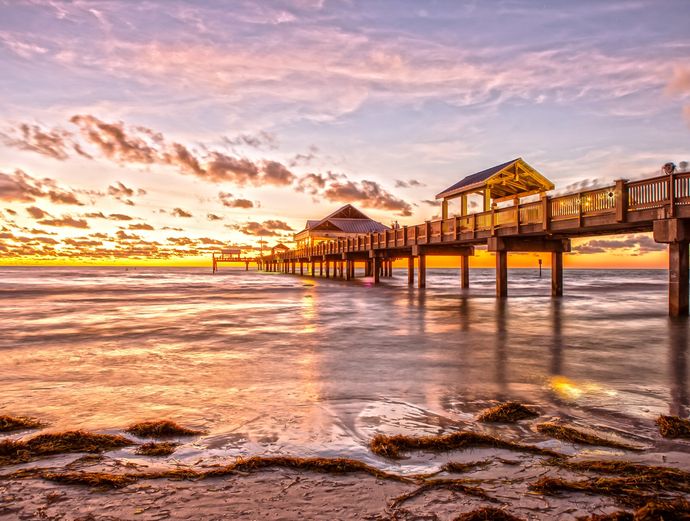
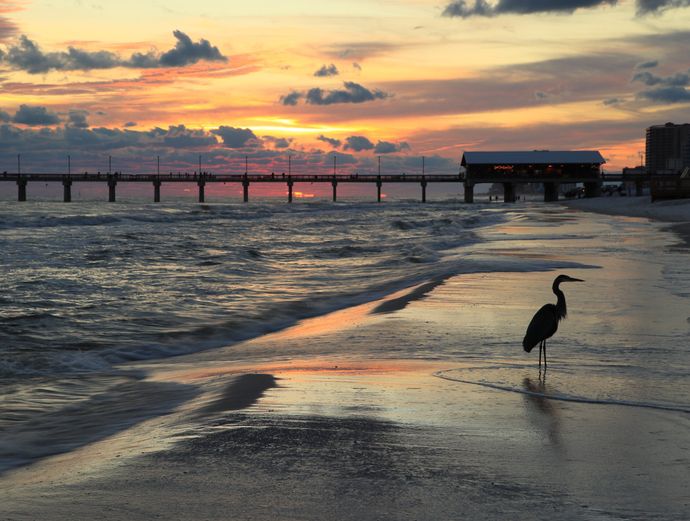
You can spend a day on the sand and the pier on your own, but the water is where guided trips shine. Dolphin-watching cruises, sunset sails, snorkel trips and parasailing run from the beach and marina area. Evenings bring the daily sunset gathering at Pier 60, with street performers, musicians and local artisans selling their work. Clearwater Beach sits on a barrier island with about 2.5 miles of Gulf shoreline and soft white sand. Pier 60 is the central gathering spot, with a playground, snack bar and fishing pier. Most parking is metered, and the lots fill early on busy days, so arrive early or late in the day. The Beach Walk area has drinking fountains, rinse showers and bike racks.

More
Mallory Square#11
4.7 (7,287)

Mallory Square

Mallory Square is the waterfront plaza in Key West's Old Town where crowds gather each evening to watch the sun slip into the Gulf of Mexico. Its Sunset Celebration, a lively mix of jugglers, musicians, craft sellers and snack carts, is one of the town's best-loved traditions and a classic way to end a day in the Keys.Long before the jugglers arrived, this was a working waterfront. In the 19th century Key West grew wealthy from wrecking, the risky business of salvaging cargo from ships that ran onto the reefs offshore, and a tall monument on the square honors the wreckers. The sunset gathering began more than half a century ago as an informal habit among artists, musicians and free spirits who came to the water's edge to toast the end of the day, and over time it grew into an organized nightly festival.When the city opened a cruise ship pier on the square, the move angered people who cherished the sunset ritual, and a local rule followed that sends the big ships out to sea well before dusk. Most evenings bring tightrope walkers, fire jugglers, acrobats and animal acts, each with a ring of onlookers, alongside painters and craft stalls. Some of the acts have performed here for decades and become local legends. When the sun finally touches the water, the crowd breaks into applause.The square has a quieter side as well. The Key West Historic Memorial Sculpture Garden lines up nearly 40 bronze busts of people who shaped the island, from Ernest Hemingway and Tennessee Williams to President Harry Truman and the railroad builder Henry Flagler, and the grand old Customshouse rises nearby. A local guide can fill in the tales of wreckers, writers and presidents that give this small island its outsized character.

More
Key West Aquarium#12
4.4 (4,419)

Key West Aquarium

The Key West Aquarium is a small, long-running public aquarium on Mallory Square in Old Town Key West, Florida. Families and curious travelers come to meet the sharks, sea turtles, rays and reef fish of the Florida Keys up close, and to learn about the shallow seas and mangroves that surround the island.The aquarium was built during the Great Depression as a public works project meant to revive Key West, whose economy had collapsed, by giving visitors a reason to come. It was one of the first tourist attractions on the island and among the earliest open-air aquariums in the state, with sunlight falling into the tanks from above. Over the decades it has been expanded several times and updated, but it has kept its original simple building near the harbor and its focus on the local waters rather than distant oceans.Exhibits are arranged around the marine habitats of the Keys. One area recreates the mangrove shoreline, where young fish shelter among the roots, and another shows the coral reef that runs offshore, with colorful grunts, snappers, angelfish and moray eels. A large tank holds nurse sharks and other species, and an outdoor pool is home to sea turtles, many of which were rescued after injuries and cannot return to the wild. Stingrays glide in an open tank, and the touch pool lets children feel the rough shell of a conch or the spines of an urchin. Staff talks explain how the animals feed, hunt and survive, and why the reef needs protecting.A visit here makes a good first look at Keys sea life before snorkeling the real reef, and a staff guide adds the stories of individual animals and how they came to live here.

More
South Beach#13
4.5 (14,215)

South Beach

You can spend a whole day here on your own with a towel, a rented chair and a stroll along Ocean Drive. For more depth, an Art Deco walking tour explains the pastel buildings along the strip, while surf lessons, kayak and paddleboard rentals and jet ski outings add time on the water. Evening food and nightlife tours help first-time visitors find the best spots. South Beach faces the open Atlantic, so surf and currents vary; swim near a lifeguard stand and look at the flag first. Flags show the sea's roughness: red means high, yellow medium, green low, and purple means stinging marine life. Parking is paid, and city garages are generally cheaper than metered street spaces, so consider walking, biking or the free trolley. Lummus Park behind the sand has restrooms, playgrounds, volleyball courts and a paved path for walking or biking. Ocean Drive is much busier at night than in the morning, so families may prefer to visit earlier in the day.

More
Southernmost Point of the Continental USA#14
4.6 (4,192)

Southernmost Point of the Continental USA

Most people visit on their own and spend only a few minutes on a photo. The buoy also works as one stop on a longer outing. Trolley, walking and bike tours of Old Town can include it, so ask the operator whether it is on the route. Many visitors pair it with sunset at Mallory Square. The buoy stands on an open street corner, so there is no gate, ticket or set visit time, and it suits every age. Seawall and plaza work around the buoy may limit access, so check with the City of Key West before you go. Most visitors queue for a photo, so take a few quick shots and let the next group step up. The marker is not the true southernmost point. Ballast Key holds that title, and the island's own southern tip is on Navy land closed to civilians.

More
Bayside Marketplace#15
4.4 (24,440)

Bayside Marketplace

You can browse the shops, eat by the water and watch the boats on your own. Narrated boat tours leave from the marina and pass Star Island, the cruise ships and the Art Deco district, which gives a sense of Miami's skyline from the water. Evenings pair well with live music, and the nearby observation wheel and downtown museums make it easy to build a full day. Bayside is an open-air waterfront shopping and dining center, so wear light clothing and bring sun protection. Individual shops and restaurants set their own hours, so check the directory for the places you want. Complimentary wheelchairs are offered, and stroller parking is available in the adjacent garage. Plan about one to three hours for shopping, a meal and a walk along the marina. Live music and events are held on site, so the mood changes between weekdays and weekend evenings.

More

Good to know Florida

Days here tend to start early and end on the water. Many travelers book a morning boat trip or snorkel outing, sit out the hottest hours by a pool, then head back out for a sunset sail.

Away from the beaches, Orlando runs on theme parks, St Augustine on history walks and Crystal River on early manatee swims. Most outings last a few hours, so two fit easily into a day.

The state suits families with kids, couples after a slow beach break and groups who want to fish or charter a boat together.

Winter and early spring bring dry, mild weather and the biggest crowds to Miami, Key West and Naples. This is also when manatees gather in the warm springs at Crystal River, so book swims early.

Summer is hot and humid, with short afternoon storms, and it is family season in Orlando and on the northern Gulf beaches around Destin. Plan water outings for the morning.

Storm season runs from June through November, so leave room in your plans and watch the forecast before any boat trip. Late fall brings calmer days and smaller crowds.

  • Several major airports serve the state, so flying into one and out of another saves backtracking.
  • A car is the usual way between bases, since crossing the peninsula takes most of a day.
  • Day tours with transport help if you prefer not to drive, especially around Orlando and Miami.
  • Reserve boat trips and manatee swims early, because small groups fill fast.
  • Pack reef-safe sunscreen, polarized sunglasses, a hat and a light rain jacket.
  • Drink plenty of water and save hikes for the cooler mornings.
Florida
Peak season Year-round
Local Currency US Dollar ($)
Weather now
Language(s) English
Time Zone EST (-5)
Country Code +1
Attractions 215
Tours 3,477
Reviews 483,567

Frequently Asked Questions

The answers provided below are based on answers previously given to customers' questions.

Activity name

Discover Florida