Frequently Asked Questions
The answers provided below are based on answers previously given to customers' questions.
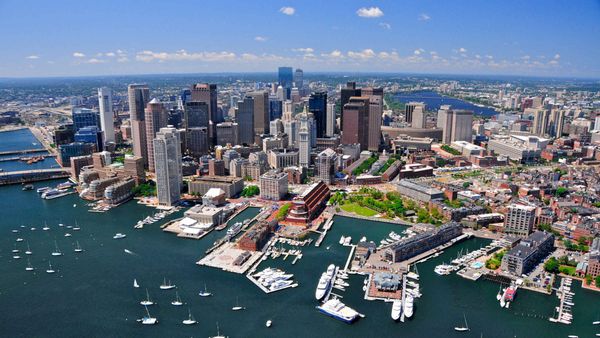
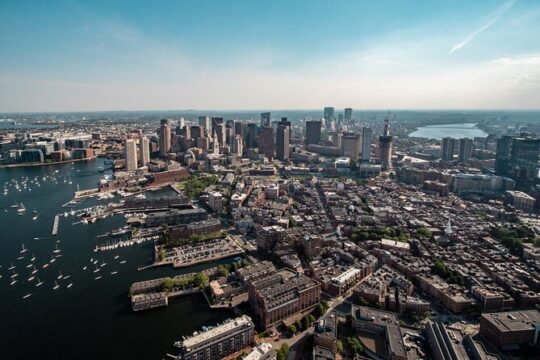
Boston packs centuries of American history into a compact, walkable city by the sea. Red-brick lanes, colonial churches and old burying grounds sit a few minutes from modern waterfront restaurants and lively squares, and nearly everything a first-time visitor wants to see lies within an easy stroll. Most experiences here are half-day outings on foot or by bus, built around the story of the Revolution, with food walks and harbor time adding variety. Spend a few days and you will understand why so many travelers call it their favorite American city to explore.
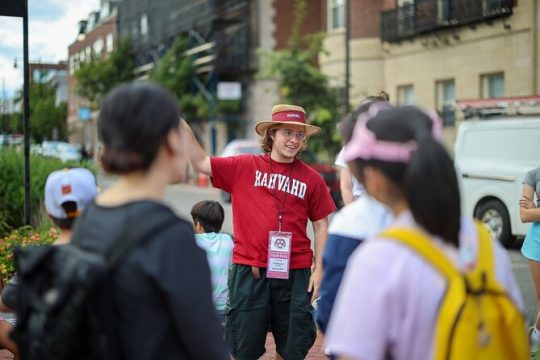
The red line set into the sidewalks of the Freedom Trail links many of the city's best-known sites, and guided history walks bring it to life. Starting on Boston Common, the oldest public park in the country, you pass the gold-domed Massachusetts State House, the Granary Burying Ground where Paul Revere and John Hancock rest, and the Old South Meeting House, where colonists gathered before the Boston Tea Party. The Boston Old State House and Faneuil Hall Marketplace follow, with the market's food stalls a natural lunch stop. Some guides dress in period costume, which keeps children interested. Most of these walks take two to four hours, so wear comfortable shoes for the brick and cobblestone.
Across the greenway, the Boston North End is the city's old Italian neighborhood, with narrow streets, bakeries and the Paul Revere House, the oldest home in downtown Boston. Food walks here are a favorite, tasting cannoli, pizza and espresso between stories of immigrants and patriots. Over the bridge in Charlestown, the USS Constitution, the oldest commissioned warship afloat, is moored at the navy yard, and the Bunker Hill Monument rises on the hill nearby. Harbor cruises add views of the skyline and islands, and a few experiences are timed for cruise passengers docking for the day.
For a quieter side of the city, Beacon Hill offers gas lamps, brick sidewalks and some of the most photographed streets in New England. The Boston Public Garden sits at its foot, with its lagoon, swan boats and weeping willows, a lovely place to slow down between tours. Private walks through these streets are a good fit for couples, and some history walks finish among them.
Most of the activities in Boston are short or half-day outings, which leaves room for museums, a game at Fenway Park or a long dinner. A handful go further as full-day trips out of town to nearby historic towns and the coast. Nearly half are private, a good choice for families who want to set their own pace, and about two in five are suitable for kids. Before you book, check:
Travelers give Boston's guides consistently strong reviews, and a well-told history walk is the best first step into the city.
#1You can wander the North End on your own, stopping at bakeries and cafes between landmarks. A guided walking tour adds the history behind the streets, from colonial times to the Italian immigrant era, and a food tour links tastings at family-run shops with neighborhood stories. Many visitors combine a guided Freedom Trail walk with a stop at Faneuil Hall, then spend the afternoon eating on Hanover Street. The North End is a compact, walkable neighborhood of narrow streets, so comfortable shoes matter more than a car. It is known for Italian restaurants, cafes, bakeries and groceries, and tables fill quickly at popular spots. Landmarks include the Paul Revere House, Old North Church and Copp's Hill Burying Ground. Many sights sit along the Freedom Trail, which you can follow by the red line on the sidewalk. Sidewalks are narrow and some streets are old and uneven, so strollers and wheelchairs may need extra care.
More
#2You can wander the burying ground on your own, but a guide brings the stories behind the names to life. Walking tours of the Freedom Trail stop here and point out the graves of patriots, Boston Massacre victims, and Benjamin Franklin's parents. Guided history walks and costumed-guide tours often combine it with the nearby Park Street Church, the Old State House, and King's Chapel, so you cover several stops with context in one outing. Plan on 20 to 30 minutes, since the burying ground is small and most visitors walk its paths once. Carved gravestones show winged skulls and other symbols, which makes it a good stop for history fans and curious older children. The main gate has steps, but an at-grade entrance off Beacon Street avoids them for wheelchairs and strollers. Paths are narrow and the ground can be uneven, so wear comfortable shoes and keep to the walkways.
More
#3Boston Common is the oldest public park in the United States, a broad expanse of lawns, shady malls and monuments in the heart of downtown Boston. People come to stroll, picnic and watch city life go by, and to trace American history from the spot where the Freedom Trail begins.The town's Puritan settlers bought the land in the 17th century from William Blaxton, its first European resident, and set it aside as shared pasture for their cows. Over the next two centuries it served as a militia training ground, a site of public punishment and executions, including the hanging of the Quaker Mary Dyer, and a camp for British troops in the tense years before the Revolution. In the 20th century it drew huge crowds for a civil rights rally led by Martin Luther King Jr. and a Mass celebrated by Pope John Paul II.Paths fan out across the grass toward a string of landmarks. The gold dome of the Massachusetts State House looks down from Beacon Street onto Augustus Saint-Gaudens's bronze memorial to Colonel Robert Gould Shaw and the 54th Massachusetts, one of the first Black regiments of the Civil War. The Soldiers and Sailors Monument crowns Flagstaff Hill, the Parkman Bandstand stands ready for concerts, and the ornate Brewer Fountain splashes near Park Street. In the Central Burying Ground lies Gilbert Stuart, painter of the famous unfinished portrait of George Washington.Bostonians treat the Common as a shared backyard, where softball games, dog walkers, protests and concerts all find room, so it feels as much a civic stage as a park. It also forms the first link in the Emerald Necklace, a chain of green spaces that stretches across the city. A guide can bring the old pasture's many lives back into view.
More
#4Volunteer guides lead tours of the building on weekdays, usually taking about 45 minutes through the historic chambers, halls and art. Larger groups should arrange their visit well ahead of time. You can also read up on the building through its online tour before you go. Many visitors combine it with a guided Freedom Trail or Beacon Hill walk, since Boston Common is directly across the street. Guided tours run on weekdays all year and start in Doric Hall on the second floor. The building is closed on weekends and holidays, so plan your visit for a weekday. Every visitor goes through security screening, so allow a few minutes at the door. The main entrance is on Beacon Street at the top of Park Street, and an accessible entrance is on the Bowdoin Street side. Highlights include Doric Hall, the Hall of Flags and the Sacred Cod hanging in the House Chamber.
More
#5Most visitors walk through on their own as one of the Freedom Trail stops, reading the old markers and looking across toward Charlestown. A guided North End walking tour adds the stories behind the Mather family, Prince Hall and Robert Newman, and links the burying ground with Paul Revere's neighborhood and other colonial sites. It works best as part of a longer walk. This is one of the older burying grounds in Boston, and it is a stop on the Freedom Trail, just a couple of minutes' walk from the Old North Church. Notable burials include Cotton and Increase Mather, Prince Hall and Robert Newman, the Old North Church sexton linked to the signal lanterns. Most visitors spend about 15 to 30 minutes walking the paths and reading the markers. The ground sits on a hill above the North End streets, so expect a slope, and visitor hours are shorter than at many attractions.
More
#6Many visitors explore the Public Garden on their own, following the paths past the lagoon, the footbridge, the Washington statue and the Make Way for Ducklings bronzes. A guided walking tour adds the stories behind the monuments and often links the garden with Boston Common, Beacon Hill and the Freedom Trail in one outing. In the warmer months, a short Swan Boat ride on the lagoon makes a relaxed add-on. The garden covers about 24 acres of paths, flower beds, monuments and a lagoon, so allow an hour or two for an unhurried walk. Swan Boat rides run only in the warmer months, and the boats are separate from simply walking through the garden. The Make Way for Ducklings bronzes stand near the Charles Street and Beacon Street entrance and are a favorite stop for families with children. There is no parking inside the garden, so plan on metered street parking or public transit.
More
#7TD Garden is Boston's main indoor arena, home of the Boston Bruins hockey team and the Boston Celtics basketball team. It sits in the West End above North Station, and fans come for games, big concerts and the chance to see where two of the city's most storied sports franchises play.The arena opened in the late 20th century, replacing the old Boston Garden that stood right beside it. The original building had hosted the Bruins and the Celtics for most of the century, along with boxing, circuses and political rallies, and it was famous for steep balconies that kept the crowd close to the action. Its successor has carried several sponsors' names over the years before settling on TD Garden, but locals still often call it simply the Garden.Some traditions made the move with the teams. The Celtics play on a parquet floor that echoes the famous patterned court of the old arena, and championship banners from both clubs hang high above the floor, alongside the retired numbers of legends such as Bill Russell, Larry Bird and Bobby Orr. Hockey nights bring the roar of a crowd that has followed the Bruins since the early days of the National Hockey League, and the building has staged many deciding games of title series in both sports.Beyond sports, the arena is one of the city's main stages for touring musicians, comedians and family shows. Inside the building, The Sports Museum traces New England's sporting past with memorabilia, photographs and stories of local heroes, from rowing and boxing to baseball and marathon running. Its location over a busy rail hub also ties it to the old neighborhood around it, where sports bars fill up before every game. A guide can bring back the great rivalries and playoff nights that made the Garden's name.
More
#8You can explore the exhibits at your own pace, but guided options bring the building's story to life. Themed tours cover topics such as the Boston Massacre and slavery and resistance, and a guide can point out details you might otherwise walk past. Many visitors pair it with the nearby Old State House, or join a guided Freedom Trail walking tour that includes it. A 3D online tour also shows areas closed to the public. This historic meeting house tells the story of the protests that led to the Boston Tea Party, so it suits history fans and families with older children. The entrance is on the Washington Street side, and the building is wheelchair accessible at the entrance and in the main hall. An elevator serves the restrooms and gift shop on the lower floor. Service animals are welcome in the galleries, and large-print materials, Braille, audio guides and visual descriptions are available. A combined visit with the Old State House fits easily into a Freedom Trail day.
More
#9Faneuil Hall Marketplace is a historic market complex in downtown Boston, made up of Faneuil Hall itself and the long buildings of Quincy Market, North Market and South Market. Nicknamed the Cradle of Liberty for the protests once held in its meeting hall, it draws visitors for its history, food hall, shops and street performers.The hall was a gift to the town in the 18th century from Peter Faneuil, a wealthy merchant whose fortune was tied in part to the trade in enslaved people, and it was built with a market on the ground floor and a meeting room above. In the years before the Revolution, Samuel Adams and other patriots rallied crowds here against British policy. The architect Charles Bulfinch later enlarged it, and a gilded grasshopper weathervane has crowned its cupola since colonial times.The building's role as a forum did not end with independence. Abolitionists, suffragists and labor organizers later spoke here, and the Great Hall, dominated by a huge painting of Daniel Webster addressing the Senate, still hosts ceremonies and public debates. Across from it stands Quincy Market, built in the 19th century under Mayor Josiah Quincy to give the growing city more room to trade, a long Greek Revival hall of granite topped by a copper dome.After decades of decline, the old market buildings were restored late in the 20th century as a festival marketplace of shops and eateries, an idea that cities across the country went on to copy. The central food hall is lined with counters serving clam chowder, seafood and other New England favorites, and street performers gather audiences on the open plazas outside. A guide can connect the bustle of the marketplace to the meetings that helped shape a nation.
More
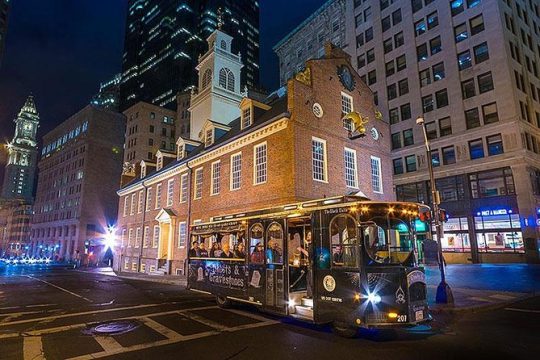
#10You can wander the exhibit rooms at your own pace, or join a guided tour to hear the stories behind the balcony, the council chamber and the square outside. Themed tours focus on topics such as the Boston Massacre and slavery and resistance. Many visitors fold it into a guided Freedom Trail walk, or pair it with the nearby Old South Meeting House for a fuller morning of history. The building is a museum with exhibit rooms on its first and second floors, covering Boston's colonial and Revolutionary story. Access is by stairs only, which matters for wheelchair users and strollers, so plan around that before you arrive. It is open seven days a week, with hours that change by season, and closes on a few holidays such as Thanksgiving and Christmas. A ring of cobblestones in the square outside marks the Boston Massacre site, and you can see it from the street. The building also offers a Passport to Your National Parks stamp, which is handy if you collect them.
More
#11Beacon Hill is one of Boston's oldest and best-loved neighborhoods, a slope of brick row houses, gas lamps and narrow lanes rising above Boston Common behind the gold-domed State House. Visitors come to wander its quiet streets, admire the doorways and window boxes, and follow the stories of the writers, politicians and abolitionists who once lived here.The name comes from a signal beacon that once stood on the summit to warn the early town of danger. In the late 18th and early 19th centuries, developers cut down much of the hilltop, used the earth to fill in nearby water, and built elegant homes for Boston's wealthy families. Charles Bulfinch, the architect of the State House, shaped much of its early look, and the Federal style he favored, with its fanlights, symmetry and red brick, still sets the tone.On the north slope, a free Black community grew up in the 19th century, and its African Meeting House became a center of the fight against slavery. That history is told along the Black Heritage Trail, which links homes, schools and meeting places from that era. Elsewhere, the details reward a slow walk. Acorn Street, once home to coachmen and servants, is a steep cobbled lane often called the most photographed street in the city, while Louisburg Square frames a private green with stately townhouses. Charles Street, at the foot of the hill, is lined with antique dealers, small shops and neighborhood restaurants.Look for purple panes in some older windows, tinted by a quirk in the glass, and for the Massachusetts State House, whose gilded dome crowns the top of the hill. Nearby, Mount Vernon Street holds some of the grandest houses, and the novelist Henry James once called it the most respectable street in America. A guide can point out who lived behind which door, from famous authors to leaders of the abolition movement.
More
#12You can wander Quincy Market on your own, grazing through the central food hall and browsing the shops in the flanking buildings. Guided options add context: Freedom Trail walking tours start nearby, ranger talks run in Faneuil Hall next door, and guided food tours pair market tastings with the North End. A walking tour plus a harbor stroll makes a full day downtown. Quincy Market suits families, groups, and first-time visitors who want many food choices and some browsing in one place. Allow one to two hours for eating and wandering, and more if you add Faneuil Hall and the Freedom Trail. Street performers and pushcart vendors work the open spaces between the buildings, so the area can feel busy at midday. Faneuil Hall next door has a ramp and elevator on its south side for step-free access. Individual shops and restaurants keep their own hours, so check before planning a meal around one.
More
#13You can walk through the towers on your own at any hour. A tour led by a trained guide adds the history behind each tower and the survivor quotes inside the glass. Because the memorial sits on the Freedom Trail, many walking tours pair it with Faneuil Hall, Quincy Market and other nearby historic sights. The memorial is an outdoor space that is open and accessible to the public at all times. Six glass towers stand for six major extermination camps, with survivor quotes inside and numbers engraved on the outer walls. Most visits take 20 to 30 minutes, longer if you read the quotes. It is a place of remembrance, so keep your voice low and treat the space with respect. Dress for the weather, since the memorial is open air.
More
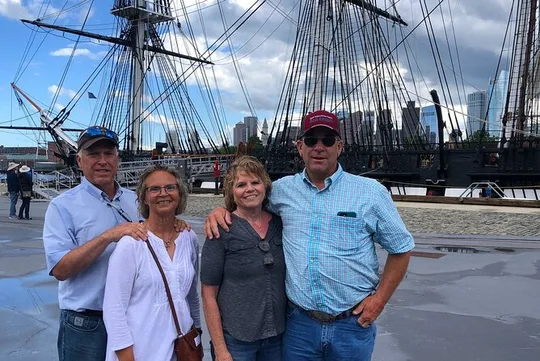
#14You can walk the yard on your own, step into the visitor center and board the ships when they are open. A guided option brings the shipyard to life with stories of the frigate Constitution and the wartime destroyer. Many visitors join a Freedom Trail walking tour that ends here, or pair the yard with a harbor cruise or a longer Boston history tour. The yard is a former shipyard in Boston National Historical Park, home to the USS Constitution, the USS Cassin Young and a visitor center. The grounds are open at all hours, but the ships, visitor center and museum keep their own seasonal hours. The USS Constitution is an active Navy ship, so expect security screening and possibly a photo ID check for adults boarding. The visitor center is fully accessible, but both ships involve steep ramps, steps and narrow spaces and are not accessible. Restrooms are in the visitor center and the USS Constitution Museum.
More
#15If you are looking for things to do in Boston we have 2 Tours and Activities to Experience Boston Theater District. Check out our verified traveler reviews and photos of Boston Theater District tours and other things to do in Boston, and book securely when you find the perfect one. Learn the best ways to see famous Boston Theater District and explore the most popular things to do in Boston.
MoreBoston days blend history lesson and neighborhood stroll. A morning might go to a guided walk past colonial landmarks like the Old State House and Paul Revere House, with chowder for lunch and a museum or harbor outing after.
Evenings center on a long dinner by the harbor or in the North End, and from spring through early fall, a ballgame at Fenway Park.
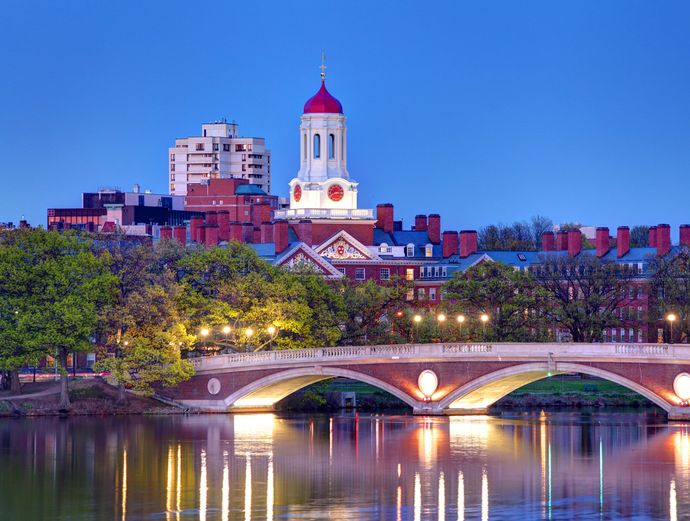
It suits families with curious kids, history buffs, students touring colleges and anyone who likes a city small enough to cover on foot.
Summer, from June to August, is warm and lively, with outdoor concerts, harbor cruises and baseball in full swing. Book popular walks and boat trips a few days out.
September and October bring crisp air and autumn color in the parks and nearby countryside, and many travelers rate fall as the best time to come. Hotels fill quickly on these weekends.
Spring arrives late and can be rainy, though the gardens bloom by May. Winter is cold and often snowy, with cozy restaurants and short lines.

The answers provided below are based on answers previously given to customers' questions.