


Scotland attractions
More things to do in the country
 #46
University of St. Andrews
You can explore on your own with the university's self-guided routes, which cover the town center and, in the longer version, the science buildings, sports center and pier. Student-led and private guided walks add stories about traditions and student life that a map cannot. A local guide can also tie the university to the old streets and the seafront. Many visitors pair St Andrews with a day trip from Edinburgh or Dundee. The university has no single campus, and its buildings are spread through the town, so a visit is mostly a walk. The town-center self-guided route takes about 30 minutes, and a longer route adds the North Haugh, Sports Centre and pier for about an hour. The walk is outdoors, so dress for Scottish weather. The town-center route has two small steps, which you avoid by entering St Salvator's Quad from North Street. The Library can be reached from North Street without steps.
More #47
Alnwick Castle
Alnwick Castle is a great medieval fortress and stately home beside the Northumberland town of Alnwick, in the far north of England. Home to the Percy family for more than seven centuries, it draws visitors for its lavish state rooms, its art and its role as a film set, most famously as Hogwarts.The first castle here went up in the years after the Norman Conquest, when the baron Ivo de Vesci raised defenses on the site, and it was rebuilt in stone in the 12th century. Standing close to the Scottish border, it saw repeated trouble: Scottish kings captured and besieged it, and during the Wars of the Roses it changed hands several times. The Percys acquired it in the early 14th century and made it a formidable border stronghold, adding towers and gateways that still guard the approach. Generations of the family, as earls and later dukes of Northumberland, have lived here ever since.Much of what you see reflects later rebuilding. In the 18th century the first Duke and Duchess called in leading designers such as Robert Adam, with Capability Brown shaping the surrounding parkland. In the Victorian era the fourth Duke had the architect Anthony Salvin give the exterior a more medieval character, while the main rooms inside were redecorated in an opulent Italianate style. The State Rooms hold a celebrated art collection, with old master paintings that include views by Canaletto.The castle's medieval silhouette has made it a favorite with filmmakers. It stood in for Hogwarts in the first two Harry Potter films, and the outer bailey where young wizards had their flying lesson is easy to recognize. Downton Abbey also filmed here. Towers along the walls hold exhibitions, including the regimental museum of the Royal Northumberland Fusiliers and archaeology from Pompeii and ancient Egypt. A guide brings the Percy family's long story into focus, linking battles, marriages and the art on the walls.
More #48
Bamburgh Castle
Bamburgh Castle is a great fortress on a basalt crag above the sea and dunes of the Northumberland coast in northeast England. A royal seat in Anglo-Saxon times and later restored as a grand family home, it draws visitors for its state rooms, collections and sweeping views of the coast and the Farne Islands.From the 6th century the rock was the stronghold of the Anglo-Saxon kings of Bernicia and later Northumbria, a fortress then called Bebbanburg. Vikings sacked it, and after the Norman Conquest a stone castle rose in its place, its great keep still standing at the heart of the site. During the Wars of the Roses, Bamburgh became the first castle in England to fall to gunpowder, battered by the cannon of Edward IV.By the 18th century much of it lay in ruin. Trustees of a charity set up by Lord Crewe, Bishop of Durham, repaired parts of the castle and used it as a school, a surgery and a refuge for shipwrecked sailors along this rocky shore. Then in the late 19th century the industrialist William Armstrong bought the castle and restored it completely as a lavish home. The Armstrong family still owns it.Inside, the King's Hall has a carved teak ceiling and walls hung with paintings and armor, while other rooms hold furniture, porcelain, weapons and fine art gathered over centuries. A museum in the old laundry displays engineering and aviation pieces linked to Armstrong's industrial empire, from his hydraulic machinery to aircraft parts. From the battlements, the view sweeps along the beach toward Holy Island and out to sea. A guide adds the stories behind the kings, sieges and restorations that shaped this rock.
More #49
Blackness Castle
Blackness Castle is a 15th-century fortress on the southern shore of the Firth of Forth, near Linlithgow and within easy reach of Edinburgh. Its long, narrow shape juts into the water like a stone ship, and visitors come to climb its towers and walls for wide views over the estuary and its famous bridges.The castle was built for the Crichtons, one of the most powerful families in medieval Scotland, on a rocky point beside the harbor that served the royal burgh of Linlithgow. It soon passed to the crown and spent most of its life not as a lordly home but as a garrison fortress and a state prison. Its cells held people who had fallen foul of the monarch, including Cardinal David Beaton, and later Covenanters jailed for their religious beliefs. In the 16th century its defenses were greatly thickened to resist cannon, making it one of the strongest artillery forts in Scotland.The ship comparison is more than a figure of speech. The north tower, pointing into the firth, is known as the stem, the south tower facing the land is the stern, and the tall central tower rising between them is called the mainmast, which is why the castle earned the nickname of the ship that never sailed. Later centuries put it to more practical use: it served as an ammunition depot into the 20th century before being restored as a historic monument.Its brooding walls have made it a favorite with filmmakers, and it has appeared in Outlander, Mary Queen of Scots and Outlaw King, as well as a big-screen Hamlet. From the towers and the wall walk, the views take in the water lapping at the rocks below, the shore of Fife across the firth and the three great bridges that span it to the east. A guide brings out the grim side of the castle's past, from its prisoners to its sieges.
More #50
Calton Hill
Calton Hill is easy to explore on your own, with the unfinished National Monument, the Nelson Monument and wide views over the city. A guided walk adds the stories behind the monuments, the observatory and the nearby Old Calton Burial Ground. Many tours join the hill to the Royal Mile and Holyrood, and sunset or evening walks are popular for the skyline views. The hill is open to walk up at any hour, and the summit paths are public. Allow one to two hours to see the monuments, walk the summit and take photos. Some routes up use steps, so look for a gentler path if you use a wheelchair or stroller. The Nelson Monument tower has its own seasonal hours and a daily break, separate from the open hill. The summit is exposed, so bring a windproof layer and sturdy shoes.
More #51
Doune Castle
Doune Castle is a remarkably complete medieval stronghold in the village of Doune, a short way northwest of Stirling in central Scotland. It draws history lovers with its great hall and towering gatehouse, and film and television fans who know it from Monty Python, Outlander and Game of Thrones.The castle was built in the late 14th century for Robert Stewart, Duke of Albany, who for many years ruled Scotland as regent for his imprisoned nephew and was one of the most powerful men in the kingdom. After his family fell from favor, Doune passed to the Crown and became a royal retreat and hunting base, used by Stewart kings and queens, including Mary, Queen of Scots. In the mid-18th century, during the last Jacobite rising, it held government prisoners, some of whom escaped by climbing down knotted bedsheets. By the 19th century it was a ruin, and an Earl of Moray restored the roofs and halls.Because it was built in one main campaign and later altered very little, Doune gives a clear idea of how a great noble household lived. The main gatehouse tower held the lord's private apartments, where the Lord's Hall has a double fireplace, a minstrels' gallery and a carved wooden screen. The Great Hall next door has an open timber roof and a central hearth, and leads to the kitchen tower, with a huge fireplace and a serving hatch for passing food to the hall. A spiral stair climbs to the wall walk, with views over the River Teith and the hills beyond. Film fans will recognize the courtyard as Winterfell and Castle Leoch, and the walls where Python's knights met French taunting.The audio guide, narrated in part by a member of the Python team, adds plenty of humor to the history.
More #52
Gladstone’s Land
You can wander the rooms at your own pace during the self-guided part of the day, then join a guided tour in the afternoon, where a guide brings the painted ceilings and the merchant families to life. The building sits on the Royal Mile, so it combines easily with Edinburgh Castle, St Giles' Cathedral and a guided walk through the Old Town closes and wynds. This restored 17th-century merchant's house suits history lovers, families and anyone curious about daily life in Edinburgh's Old Town. The upper floors are reached by a steep, narrow spiral staircase, so they are not suitable for wheelchairs or strollers. The ground floor is level and has the ticket desk, a shop, a cafe and an accessible toilet. The rooms follow three merchant families across three centuries and include painted ceilings and furnished interiors, so allow time to look closely.
More #53
Glasgow Gallery of Modern Art (GoMA)
You can wander the galleries at your own pace, but a guided visit adds context to works that can feel puzzling at first. Many walking tours of central Glasgow pass the gallery and its famous statue out front, and art-focused tours link it with other city museums and street art. Talks and learning programs offer another way to go deeper into the collection. Allow roughly one to two hours for the main galleries, longer if you stop at the café. The gallery shows contemporary art by local and international artists, and some displays deal with serious social themes. The accessible toilet is on the lower ground floor, and guide and assistance dogs are welcome. A café serves hot and cold drinks, sandwiches, and snacks during opening hours. Photography and filming follow the venue's guidelines, and filming may sometimes take place in the galleries.
More #54
Glengoyne Distillery
Glengoyne Distillery is a small, traditional Scotch whisky distillery at the foot of Dumgoyne hill near Killearn, in the countryside north of Glasgow. Whisky lovers come to see how it makes its smooth Highland single malt, taste the results and enjoy the setting between the Campsie Fells and Loch Lomond.Distilling in these hills has a long history, and illegal stills were common here before licensed distilleries arrived. Glengoyne was licensed in the early 19th century, originally under the name Burnfoot, and it has produced whisky on the same site ever since. Its name is usually said to mean glen of the wild geese. The distillery sits right on the Highland Line, the geological fault that divides the Scottish Highlands from the Lowlands. The whisky is distilled on the Highland side, then matured in warehouses across the road in the Lowlands, a detail the distillery enjoys sharing.Glengoyne is known for its slow distillation and for using barley dried by air rather than over peat smoke, which gives its whisky a fruity, smooth flavor without smokiness. Much of it is aged in sherry casks, which add rich, sweet notes. The whitewashed buildings, pagoda-style roof and small waterfall in the glen behind the distillery make it one of the most picturesque in Scotland. A visit takes you past the mash tun, the wooden washbacks and the copper stills, then into the warehouses where casks rest in the cool, damp air. In the tasting rooms you can compare whiskies of different ages and cask types. Dumgoyne, an old volcanic plug, rises behind the distillery, and walkers often climb it for views over the Campsie Fells and toward Loch Lomond.A guide can explain how every step of the process shapes the final flavor.
More #55
Greyfriars Kirk
Greyfriars Kirk is a historic parish church in Edinburgh's Old Town, set in a sloping kirkyard just off Candlemaker Row. It draws visitors for its role in Scotland's religious history, for its atmospheric graveyard full of grand tombs and ghost stories, and above all for Greyfriars Bobby, the loyal terrier whose tale has charmed the world.The church takes its name from the Franciscan friars, known as Grey Friars for the color of their habits, whose friary stood here before the Reformation. On the old friary land the town laid out a burial ground, and in the early 17th century the kirk itself was built, the first new church raised in Edinburgh after the Reformation. Less than two decades later it became the stage for a defining moment in Scottish history, when the National Covenant was signed here in defense of Presbyterian worship against the religious policies of King Charles I.The kirkyard holds layers of that turbulent past. Part of it served as an open-air prison for Covenanters captured after a later rebellion, and the grand tomb of George Mackenzie, the lawyer who prosecuted them, is said to be haunted. Iron cages called mortsafes guard some graves, a reminder of the days when body snatchers supplied the city's anatomy schools. Among the elaborate monuments lies the poet Allan Ramsay, and fans of Harry Potter seek out headstones whose names are said to have inspired characters in the books.Then there is Bobby. According to the story, the little Skye terrier kept watch over his master's grave here for many years. His bronze statue stands at the corner just outside the gates, and he lies buried a short way inside. The kirk itself is prized for its fine acoustics and often hosts concerts. A guide helps separate legend from history in a place that has plenty of both.
More #56
Holy Isle (Eilean Molaise)
Most visitors cross by small passenger boat from Lamlash and spend the day walking the island, either around the coast or up to the summit for wide views over Arran and the Firth of Clyde. Boat trips can also loop around the island and Lamlash Bay for wildlife, and guided Arran day trips and local walks often link Holy Isle with other parts of the island. Holy Isle suits walkers and anyone after a quiet day, and the island is a Buddhist retreat, so keep voices low. Visitors are asked to avoid alcohol, drugs, tobacco and vapes, and to leave pets on Arran. The retreat center is for guests, but day visitors can look around the front organic vegetable garden. There are no cafes for day visitors, so bring food and water; the boathouse offers hot drinks in bad weather. Crossings depend on tides and weather, and day visits are planned for the summer season.
More #57
Leith
Leith works well on foot, with a stroll along The Shore, the Water of Leith and the docks at your own pace. A guided walking tour covers the port's history, from medieval wharves to whisky and whaling, while food and drink tours stop at local pubs and restaurants. Many itineraries combine Leith with the Royal Yacht Britannia or a tram ride from the city center. Leith is a waterfront neighborhood rather than a single sight, so plan two to four hours. It suits food lovers, history fans and anyone who likes a relaxed walk by the water. The Shore has a good mix of pubs, cafes and restaurants, from casual to fine dining. Allow extra time if you add the Royal Yacht Britannia or the Ocean Terminal shopping center. The trams serving Leith are low floored and have wheelchair spaces, which helps if you have limited mobility.
More #58
Loch Ness Centre and Exhibition
The Loch Ness Centre is a visitor attraction in the village of Drumnadrochit, on the shore of Loch Ness in the Scottish Highlands, set in the old hotel where the modern monster legend began. Its rooms tell the story of the loch, from its formation to the searches for Nessie, and let visitors weigh the evidence for themselves.Long before the hotel, the loch had its legends. A biography of Saint Columba, written in the early Middle Ages, tells of the saint driving away a fearsome beast in the River Ness. The modern story began here, though, between the two world wars, when Aldie Mackay, who ran the Drumnadrochit Hotel with her husband, reported a large creature churning the surface of the loch. A local newspaper called it a monster, the word stuck, and reporters, hunters and sightseers soon poured into the Highlands.The exhibition reaches much further back still, to the forces that formed the loch. It lies along the Great Glen, a huge fault that slices across Scotland, and glaciers scoured it into a long, deep trench that holds more fresh water than all the lakes of England and Wales combined, stained dark by peat. From there the displays move through decades of sightings and photographs, including a famous image later exposed as a hoax, and on to the scientific expeditions that swept the loch with sonar from a line of boats.The exhibition sets eyewitness accounts, hoaxes and scientific findings side by side, so skeptics and believers alike leave with plenty to argue about. Just along the shore, the ruins of Urquhart Castle stand on a rocky headland above the water, one of the most photographed spots on the loch. A guide adds the local tales and characters that have kept the mystery alive for generations.
More #59
Museum of Edinburgh (Huntly House)
The Museum of Edinburgh is the city's own history museum, housed in Huntly House, a cluster of old buildings on the Canongate stretch of the Royal Mile. It tells the story of Scotland's capital through everyday objects and treasured relics, and visitors come for its crooked old rooms as much as for the collections inside.Huntly House dates from the 16th century, when the Canongate was a separate burgh outside the city walls, a favored address for nobles and merchants close to the royal palace of Holyrood. Over the centuries several houses were joined and altered, which explains the twisting stairs and uneven rooms inside. The building is nicknamed the speaking house for the Latin mottoes carved on its front, sayings that comment wryly on gossip and on the shortness of life.The collections range from the grand to the homely. One prized treasure is an original copy of the National Covenant, the document that rallied Scots behind their Presbyterian church in the 17th century. Another, far humbler, draws plenty of admirers: the collar and feeding bowl that belonged to Greyfriars Bobby, the dog whose devotion made him a local legend. Displays of Edinburgh silver, glassware and pottery reveal the skill of the city's craftsmen, and changing exhibitions draw on the wider civic collection to explore different corners of Edinburgh life.The building is an exhibit in its own right. Low doorways and uneven floors give a real sense of how people lived in the crowded Old Town, where families, traders and craftsmen were packed into tall stone houses along narrow closes. The museum's courtyard offers a quiet pause from the bustle of the Royal Mile. A guide can bring the Canongate's former residents back into view, from courtiers to servants, and show how their stories still cling to these walls.
More #60
National Museum of Scotland
The National Museum of Scotland, on Chambers Street in Edinburgh's Old Town, tells the story of Scotland and the wider world under one roof, from fossils and Viking hoards to science, design and fashion. Visitors come for its vast and varied collections and for the soaring Victorian Grand Gallery at its heart.The museum joins two strikingly different buildings. The older one opened in the 19th century as a museum of science and art, and its Grand Gallery, designed by the engineer Captain Francis Fowke, rises in tiers of white cast-iron balconies under a glass roof. Beside it, a modern building of golden sandstone with a rounded corner tower opened at the end of the 20th century to hold the national collections of Scottish history, and the two were brought together under one name early in the 21st century.The Scottish galleries move from the rocks that formed the land to the present day. Look for several of the Lewis chessmen, carved mostly from walrus ivory in the Middle Ages, the ornate Hunterston Brooch, and the Maiden, an early beheading machine once used in Edinburgh. Elsewhere, Dolly the sheep, the first mammal cloned from an adult cell, stands preserved in a science gallery, a cast of a Tyrannosaurus rex towers over the natural world displays, and the Millennium Clock comes alive with moving figures.Back in the Grand Gallery, towering displays of objects from across the collections rise beside the balconies. Up on the roof, a terrace garden looks out over the spires of the Old Town to Edinburgh Castle on its rock. A guide can steer you to the stories behind the most famous pieces and help you make sense of a collection that ranges across natural history, science, art and the world's cultures.
More #61
Ring of Brodgar
You can walk the path around the ring on your own and take your time among the stones. Ranger-led guided walks cover the history, wildlife and folklore of the site. A guided day tour of Mainland Orkney adds expert context and links the ring with the Stones of Stenness, Skara Brae, Maeshowe and the Ness of Brodgar, so you see the whole Neolithic landscape in one outing. The Ring of Brodgar is open all year and sits in open country between two lochs, so expect wind and quick weather changes. A well-trodden grass path leads around the circle, so wear sturdy, waterproof shoes. There is no secure, covered space on site to leave bags, so carry what you need. Access to the inner ring has at times been limited so the ground can recover, so follow the signs on site. The ring is part of the Heart of Neolithic Orkney, along with Skara Brae, Maeshowe and the Stones of Stenness.
More #62
Scapa Flow
Scapa Flow is a vast natural harbor in the heart of Orkney, ringed by the islands of Mainland, Hoy, South Ronaldsay and Burray off Scotland's northern tip. Through both world wars it was the Royal Navy's chief northern base, and visitors come for its wartime story, its scuttled German warships and its wild island scenery.Sheltered from the open sea yet reachable through several channels, the Flow has drawn fleets for centuries. Norse ships anchored here in the Viking age, and the name comes from Old Norse. In the First World War the British Grand Fleet sailed from these waters, and after the armistice the defeated German High Seas Fleet was interned here. Fearing his ships would be handed to the Allies, the German commander ordered his crews to scuttle them, and dozens of warships slipped beneath the surface in a single day.Disaster struck again early in the Second World War, when a German submarine crept through the defenses and sank the battleship HMS Royal Oak at anchor, with the loss of hundreds of lives. In response, Winston Churchill ordered the eastern channels sealed with causeways, and Italian prisoners of war helped build the Churchill Barriers, which carry a road linking the southern islands. On tiny Lamb Holm, the same prisoners turned surplus Nissen huts into the Italian Chapel, painting its interior with remarkable care, a moving symbol of faith and craft far from home.Traces of both wars are everywhere. Rusting blockships, sunk to close the channels before the barriers rose, still break the surface beside the causeways, and the naval cemetery at Lyness on Hoy holds the graves of sailors from both conflicts. Beneath the water, the German warships that were never salvaged now form some of the finest wreck diving in Europe. A guide can link these sites into one story and share the memories of islanders who lived through it.
More #63
Scottish National Gallery of Modern Art One
If you are looking for things to do in Scotland we have 1 Tours and Activities to Experience Scottish National Gallery of Modern Art One. Check out our verified traveler reviews and photos of Scottish National Gallery of Modern Art One tours and other things to do in Scotland, and book securely when you find the perfect one. Learn the best ways to see famous Scottish National Gallery of Modern Art One and explore the most popular things to do in Scotland.
More #64
Scottish National Gallery of Modern Art Two (Dean Gallery)
If you are looking for things to do in Scotland we have 2 Tours and Activities to Experience Scottish National Gallery of Modern Art Two (Dean Gallery). Check out our verified traveler reviews and photos of Scottish National Gallery of Modern Art Two (Dean Gallery) tours and other things to do in Scotland, and book securely when you find the perfect one. Learn the best ways to see famous Scottish National Gallery of Modern Art Two (Dean Gallery) and explore the most popular things to do in Scotland.
More #65
The Canongate
Most people stroll the Canongate on their own as the downhill end of a Royal Mile walk. A guided walking tour adds the stories behind the closes, the old burgh and the royal connections, and many tours link the Canongate with the High Street, the Castle or the Palace of Holyroodhouse in one itinerary. Evening and themed history walks give the street a different feel. The Canongate is a public street at the lower end of the Royal Mile, so you can walk it at any hour. Allow an hour for the street itself, longer if you step into the kirk, the museums or the Palace of Holyroodhouse. Canongate Kirk still holds Sunday services and weekday concerts, so interior access can vary. The People's Story Museum in the old Tolbooth and the Museum of Edinburgh in Huntly House both sit on the street. Look for the narrow closes, such as White Horse Close, that lead off the main street.
More #66
Aysgarth Falls
Aysgarth Falls is a series of three broad waterfalls on the River Ure in Wensleydale, in the Yorkshire Dales National Park, a short drive from Leyburn. The river tumbles over wide limestone steps through woodland, and people come for the riverside walks, the sound and spray of the water, and some of the most celebrated scenery in the Dales.The three falls are known as the Upper, Middle and Lower Force, and together they drop about 200 feet over roughly half a mile of river. They were shaped at the end of the last Ice Age, when meltwater held back by a ridge of glacial debris spilled over the valley and cut down through the clay and the limestone beneath it. The result is a staircase of ledges rather than a single plunge, so the river spreads wide and white across the rock. The falls are protected as a Site of Special Scientific Interest.The falls have drawn admirers for more than two centuries. The painter J. M. W. Turner sketched here, and the writers John Ruskin and William Wordsworth both praised the scene. Film crews followed much later: all three falls appear in the film Robin Hood: Prince of Thieves, where the river becomes the setting for Robin's first clash with Little John, and they also feature in a screen version of Wuthering Heights.Beyond the water itself, the setting rewards a slow look. The name comes from Old Norse and means the open space in the oak trees, and the woods along the banks still frame the falls. Nearby, St Andrew's Church is said to have the largest churchyard in England and keeps a medieval painted wooden screen rescued from the ruins of Jervaulx Abbey. A guide adds the stories behind the church, the river and the dale that most people walk straight past.
More #67
Bannockburn
You can walk the grounds on your own to see the statue of Robert the Bruce, the rotunda and the memorial flagpole. A guided tour brings the battle to life, explaining the armies, the tactics and the debate over where the fighting happened. Many travelers pair Bannockburn with Stirling Castle and the Wallace Monument for a full Scottish history day. The site lies on the southern edge of Stirling, with a memorial, a statue of Robert the Bruce and a rotunda set in open parkland. The monuments and grounds are open to walk around, so dress for the weather. A car park sits near the visitor center area. The battlefield is protected, and historians still debate exactly where the fighting took place. Allow time for a relaxed walk around the park and its viewpoints.
More #68
Ben Nevis Distillery
Ben Nevis Distillery is a Scotch whisky distillery at Lochy Bridge on the northern edge of Fort William, sitting at the foot of Ben Nevis, the highest mountain in the British Isles. Whisky lovers come to see single malt made in the shadow of the peak, using water that runs down from its slopes, and to taste the results where they are made.The distillery was founded in the early 19th century by John McDonald, a tall Highlander known to everyone as Long John, and it ranks among the older licensed distilleries in Scotland. His whisky became well enough known that the Long John name lived on as a brand long after him. In the 20th century, the site changed hands several times, and for a period it also produced grain whisky in a Coffey still, an unusual pairing for a Highland malt distillery. Later, a Japanese whisky company bought it, creating a rare link between Highland and Japanese whisky-making.The process follows the long tradition of Highland malt. Malted barley is mashed with water from the mountain stream, fermented in large vessels called washbacks and then distilled twice in copper pot stills before the new spirit is filled into oak casks to mature in the warehouses. The core aged single malt is joined from time to time by special releases, and the distillery's own blend, Dew of Ben Nevis, carries the mountain's name further afield.The setting adds much of the appeal. The distillery buildings sit with the great bulk of Ben Nevis rising behind them, often wrapped in cloud, while the River Lochy flows close by and the Caledonian Canal lies a short distance away. Inside the visitor centre, displays recall the people and stories behind the whisky. A guide brings the stills and warehouses to life with tales of the people who worked them.
More #69
Bowness-on-Windermere
Walk the lakefront on your own, then add a cruise on the lake for the best views of the shoreline and fells. Heritage boat tours run on restored Edwardian launches, and cruises with commentary explain the lake's story. Many visitors build a day around a boat trip, the Jetty Museum, Blackwell and the Beatrix Potter exhibition, or follow a five-mile trail between Bowness and Blackwell. Bowness is a lakeside town, so most visits mix a stroll along the shore with a cruise, a museum stop or a meal. The town gets very busy in summer, and parking is hard to find at that time. The World of Beatrix Potter suits families with young children, with interactive exhibits based on the author's tales. The Windermere Jetty Museum covers the lake's boats, people and history, and is a short walk from the town center.
More #70
British Golf Museum
If you are looking for things to do in Scotland we have 2 Tours and Activities to Experience British Golf Museum. Check out our verified traveler reviews and photos of British Golf Museum tours and other things to do in Scotland, and book securely when you find the perfect one. Learn the best ways to see famous British Golf Museum and explore the most popular things to do in Scotland.
More #71
Burrell Collection
If you are looking for things to do in Scotland we have 2 Tours and Activities to Experience Burrell Collection. Check out our verified traveler reviews and photos of Burrell Collection tours and other things to do in Scotland, and book securely when you find the perfect one. Learn the best ways to see famous Burrell Collection and explore the most popular things to do in Scotland.
More #72
Butt of Lewis Lighthouse
Many visitors drive up and explore on their own, walking the headland and watching the sea from the cliff edge. A guided tour of the island adds local stories and context and usually links the lighthouse with other stops on the north coast, such as the village of Eoropie, St Moluag's Church and Dun Eistean, so the trip feels like a full outing. This is a short stop for anyone who enjoys wild coastal scenery, usually 30 to 60 minutes with a walk along the cliffs. The headland is exposed and is described as one of the windiest places in the UK, so bring a windproof jacket. Keep children and pets close and stay back from the cliff edges. The lighthouse stands at the end of a minor road, so bring food and water before you set out.
More #73
Cairngorm Mountain
If you are looking for things to do in Scotland we have 4 Tours and Activities to Experience Cairngorm Mountain. Check out our verified traveler reviews and photos of Cairngorm Mountain tours and other things to do in Scotland, and book securely when you find the perfect one. Learn the best ways to see famous Cairngorm Mountain and explore the most popular things to do in Scotland.
More #74
Callanish Standing Stones
You can walk the stones at your own pace, and the exhibition at the visitor centre adds useful background on the site. A guided visit brings the circle, the avenue and the burial cairn to life with the stories behind them. Many guided day tours also combine Callanish with other sights in west Lewis, so you see more without planning a route yourself. The site suits most ages and takes about one to two hours with time in the exhibition and the café. A visitor pass covers the stones and the new exhibition, while the café, shop and toilets need no booking. The visitor centre has accessible parking bays, baby changing facilities and highchairs, and the café offers vegan, vegetarian and gluten-free choices. Paths and ground around the stones are open and exposed, so wear sturdy shoes and bring a waterproof layer.
More #75
Camera Obscura and World of Illusions
Wander at your own pace through more than 100 illusions across six floors, and time your visit for the Camera Obscura show and the views from the rooftop terrace. Booking a time slot online is recommended. Many visitors add it to a guided walking tour of the Royal Mile or a castle visit, since the entrance is at the top of the street just before the castle. Most visitors spend about an hour and 45 minutes inside, working up through six floors of illusions and exhibits. Floors are linked by stairs, so ask staff before you visit if you have mobility needs. Strollers must be left in the admissions area, and staff can lend a baby carrier on arrival. Children aged 12 and under must be accompanied by an adult aged 16 or over. Only guide and assistance dogs are allowed inside.
MoreDiscover Scotland

Cultural & Theme Tours
Prices from $3
Luxury & Special Occasions
Prices from $5
Tours & Sightseeing
Prices from $3
Walking & Biking Tours
Prices from $3
Day Trips & Excursions
Prices from $15
Food, Wine & Nightlife
Prices from $7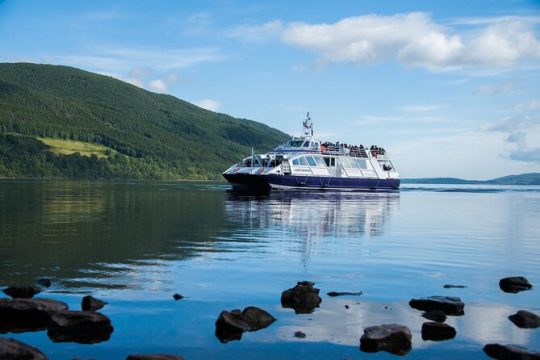
Outdoor Activities
Prices from $13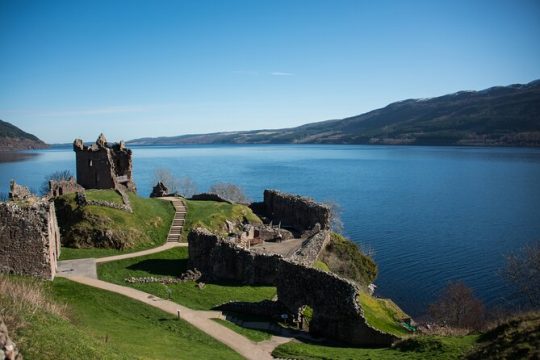
Cruises, Sailing & Water Tours
Prices from $24
Sightseeing Tickets & Passes
Prices from $6
Private & Custom Tours
Prices from $6
Shore Excursions
Prices from $27
Classes & Workshops
Prices from $57


Edinburgh Castle
Prices from $7
Loch Ness
Prices from $33
Royal Mile
Prices from $4
Glencoe (Glen Coe)
Prices from $52
Forth Bridge
Prices from $36
Deanston Distillery
Prices from $60
Loch Lomond & the Trossachs National Park
Prices from $33
Urquhart Castle
Prices from $33
Cairngorms National Park
Prices from $48
Grassmarket
Prices from $4
St. Giles Cathedral
Prices from $4
Edinburgh Old Town
Prices from $16
Hanukkah in Scotland
Dec 4–12, 2026
Christmas Eve in Scotland
Thu, Dec 24, 2026
Christmas activities in Scotland
Fri, Dec 25, 2026
Rainy day activities in Scotland
15 tours & activities
Senior-friendly tours Scotland
322 tours & activities
Scotland Foodie Tours
197 tours & activities
Family-friendly Scotland Tours
391 tours & activities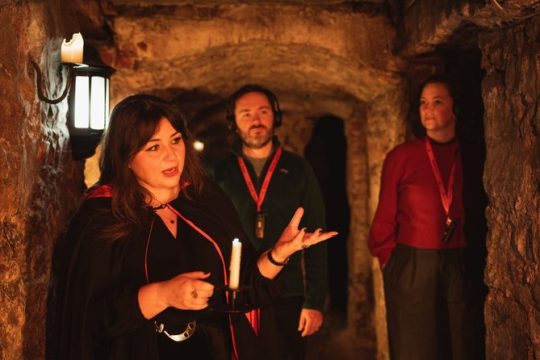
The best tours and activities for culture lovers in Scotland
988 tours & activities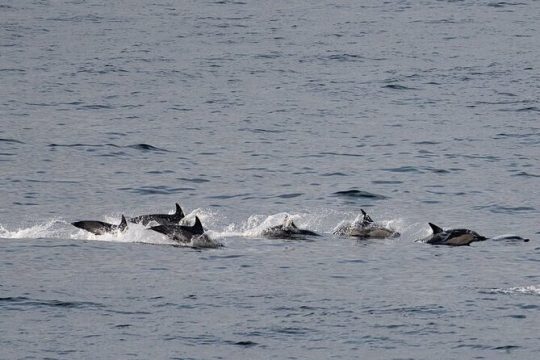
Top 10 Scotland 2026
10 tours & activities
Top Day Trips from Scotland
563 tours & activities
Things to do in Scotland this summer
1,121 tours & activities
 From $5
 From $3


