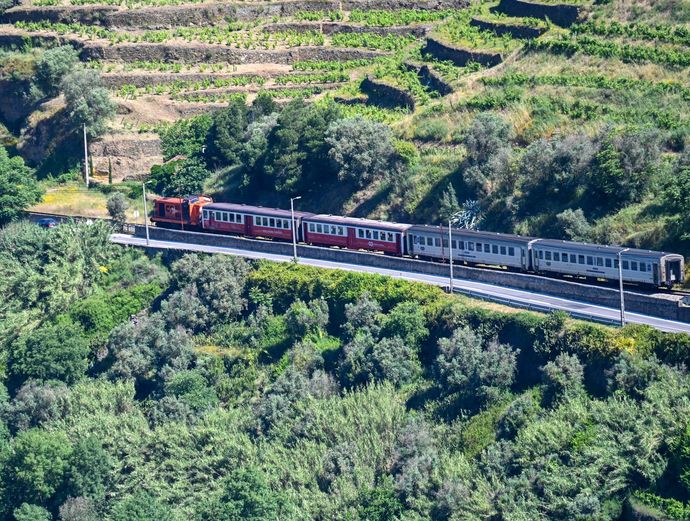
Pico is the Azores island of the mountain: a volcanic cone, the highest peak in Portugal, rising straight out of the Atlantic above black lava fields and stone-walled vineyards. Tours here are built around that landscape, with long days outdoors, and past travellers give them a perfect average rating. You can climb the volcano, explore lava caves, watch whales and dolphins from the island's old whaling harbors, and taste wine grown among the rocks.
Climbing Mount Pico
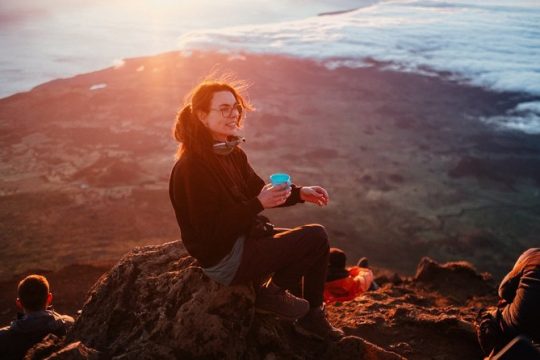
The climb to the summit of Mount Pico is the island's great challenge, a steep, rocky ascent that takes most of a day up and down. Guided climbs handle the route-finding on a mountain where cloud can roll in fast, and some start before dawn to reach the top for sunrise. It is for fit walkers with good boots, and climbers must register before setting out, so book with a guide if you have not hiked volcanic terrain before. From the crater rim, on a clear day, you look across the channel to the neighboring islands of Faial and São Jorge.
Lava, vineyards and the coast
Away from the summit, half-day and full-day outings explore the island by 4WD or minivan, crossing the high central plateau with its lakes and cattle pastures, and dropping down to the coast. Gruta das Torres, a long lava tube, can be visited with a helmet and lamp. The vineyards of Pico are planted in small plots walled with black basalt to shelter the vines from wind and salt, and food and wine tours take you into the cellars to taste the island's whites with local cheese and fish. Heritage tours visit the whaling museums in Lajes do Pico and São Roque do Pico, where the island's seafaring past is told through boats, tools and scrimshaw.
Whales, dolphins and the sea
Pico's waters are one of the best-known places in Europe to see sperm whales and several species of dolphin, and the island's long whaling history has turned into a watching tradition. Boat trips leave from the south coast with lookouts on the cliffs guiding them toward sightings, the same method the whalers once used. Sightings are never certain, so check what happens if the sea is rough or nothing appears. Many sea trips suit families with older children who are comfortable on a moving boat.
Planning your days
Nearly half of the tours take the full day, and the rest split between two to four hours and four to eight hours, with nothing under two hours. That rhythm suits a stay of several days: one day for the mountain, one at sea, one for caves and vineyards. Most tours start in the morning, and many are family-friendly, though the summit climb is not. Some include hotel pickup, and about a quarter are private, a good choice for couples or anyone celebrating. Ferries connect Pico with Faial and São Jorge, so a short crossing can extend your trip, and the weather can shift plans, so keep a spare day.
Read more







 From $8