


Oceania attractions
More things to do across the continent
 #196
Cape Byron Lighthouse
If you are looking for things to do in Oceania we have 7 Tours and Activities to Experience Cape Byron Lighthouse. Check out our verified traveler reviews and photos of Cape Byron Lighthouse tours and other things to do in Oceania, and book securely when you find the perfect one. Learn the best ways to see famous Cape Byron Lighthouse and explore the most popular things to do in Oceania.
More #197
Cape du Couedic
If you are looking for things to do in Oceania we have 5 Tours and Activities to Experience Cape du Couedic. Check out our verified traveler reviews and photos of Cape du Couedic tours and other things to do in Oceania, and book securely when you find the perfect one. Learn the best ways to see famous Cape du Couedic and explore the most popular things to do in Oceania.
More #198
Cape Woolamai
If you are looking for things to do in Oceania we have 7 Tours and Activities to Experience Cape Woolamai. Check out our verified traveler reviews and photos of Cape Woolamai tours and other things to do in Oceania, and book securely when you find the perfect one. Learn the best ways to see famous Cape Woolamai and explore the most popular things to do in Oceania.
More #199
Cascades Female Factory Historic Site
The Cascades Female Factory Historic Site in South Hobart preserves the remains of a workhouse and prison where convict women transported from Britain and Ireland were held, worked and punished. It is regarded as the most important place in Australia linked to female convicts, part of a World Heritage listing of convict sites. People come to hear the women's stories in the yards where they lived.The factory opened in the first half of the 19th century, when Van Diemen's Land, as Tasmania was then known, needed somewhere to hold the growing number of women arriving on convict ships. The colonial government converted a former distillery in a damp, shaded valley below kunanyi/Mount Wellington, beside the Hobart Rivulet, and over the following decades the site grew into a complex of several walled yards. Women here washed, sewed and picked oakum, were sorted into classes by their conduct, and could be sent out to work as servants in settlers' homes. Many arrived with young children or gave birth inside, and the death rate among their babies was painfully high.Much of the original complex has gone, so the site relies on surviving stone walls, marked outlines and careful interpretation to show what once stood here. Walking the yards, you read about individual women through the records the system kept on them: their crimes, their sentences, their punishments and the small acts of defiance that landed them in solitary cells. The Matron's Cottage, which still stands, gives a glimpse of the people who ran the place. Many Australians are descended from women who passed through factories like this one, and some visitors arrive hoping to trace an ancestor.This is a place for listening more than looking. A guide or storyteller puts names and voices to the women behind the walls, and that is what turns a quiet patch of ground in South Hobart into one of the most moving historic sites in Tasmania.
More #200
Constitution Dock
If you are looking for things to do in Oceania we have 5 Tours and Activities to Experience Constitution Dock. Check out our verified traveler reviews and photos of Constitution Dock tours and other things to do in Oceania, and book securely when you find the perfect one. Learn the best ways to see famous Constitution Dock and explore the most popular things to do in Oceania.
More #201
Customs House
If you are looking for things to do in Oceania we have 1 Tours and Activities to Experience Customs House. Check out our verified traveler reviews and photos of Customs House tours and other things to do in Oceania, and book securely when you find the perfect one. Learn the best ways to see famous Customs House and explore the most popular things to do in Oceania.
More #202
Darwin Aviation Museum
If you are looking for things to do in Oceania we have 4 Tours and Activities to Experience Darwin Aviation Museum. Check out our verified traveler reviews and photos of Darwin Aviation Museum tours and other things to do in Oceania, and book securely when you find the perfect one. Learn the best ways to see famous Darwin Aviation Museum and explore the most popular things to do in Oceania.
More #203
Devonport
If you are looking for things to do in Oceania we have 35 Tours and Activities to Experience Devonport. Check out our verified traveler reviews and photos of Devonport tours and other things to do in Oceania, and book securely when you find the perfect one. Learn the best ways to see famous Devonport and explore the most popular things to do in Oceania.
More #204
Double Island Point Lighthouse
Double Island Point Lighthouse is a heritage-listed lighthouse on a high headland in Queensland, at the southern end of Wide Bay in the Cooloola section of Great Sandy National Park. Travelers come for the sweeping coastal views from the point, the adventure of reaching it along the beach and the chance to spot dolphins and whales below.The light was built in the late 19th century to guide ships along this stretch of coast. Rather than heavy masonry, its builders chose a timber frame clad in metal, which cost less and suited the soft, sandy ground of the headland. The tower first stood partway up the point, but it was moved to the top so its beam could be seen by vessels approaching from the north. Over the years its lantern changed with the technology of the day, burning oil, then vaporized kerosene, then running on electricity before a final switch to solar power, after which the keepers were no longer needed. It flashes once every 7.5 seconds and is listed on the Queensland Heritage Register.From the top of the headland, the view ranks among the finest on this coast. To the north, the long curve of Wide Bay sweeps toward Rainbow Beach, Inskip Point and the low outline of K'gari, once called Fraser Island. To the south, the beaches of Cooloola run away toward Noosa. Just offshore rise the volcanic pinnacles of Wolf Rock, well known among divers, and the clear water below the cliffs can reveal dolphins, while humpback whales pass along the coast on their migration.The lighthouse itself is a modest white tower, but its lonely position on a sand-bound headland gives it the feel of an outpost at the edge of the continent. A guide can explain the history of the light station and point out wildlife and landmarks along the coast.
More #205
Dunedin Railway Station
If you are looking for things to do in Oceania we have 23 Tours and Activities to Experience Dunedin Railway Station. Check out our verified traveler reviews and photos of Dunedin Railway Station tours and other things to do in Oceania, and book securely when you find the perfect one. Learn the best ways to see famous Dunedin Railway Station and explore the most popular things to do in Oceania.
More #206
Fort Denison
If you are looking for things to do in Oceania we have 23 Tours and Activities to Experience Fort Denison. Check out our verified traveler reviews and photos of Fort Denison tours and other things to do in Oceania, and book securely when you find the perfect one. Learn the best ways to see famous Fort Denison and explore the most popular things to do in Oceania.
More #207
Gordon River
The Gordon River is a wilderness river in western Tasmania that winds through rainforest into Macquarie Harbour near the town of Strahan. Its lower reaches lie inside the Tasmanian Wilderness World Heritage Area, and people go to glide past old forest on still water that reflects the trees like a mirror.The lower river runs through the Franklin-Gordon Wild Rivers National Park, a landscape of steep, forested banks with little sign of roads or towns. The water is stained dark by tannins from the plants upstream, and the quiet is broken mostly by birds and the hum of a boat. Huon pine grows along these rivers, a slow-growing timber prized for its scent and its resistance to rot, and cutting it was once central to the local economy.The waters around the river carry a dark history. Hells Gates, the narrow channel between Macquarie Harbour and the Southern Ocean, earned its name from the difficult passage it offered ships. Inside the harbor, Sarah Island held one of the harshest penal settlements in the Australian colonies, where convicts cut pine and built boats far from any hope of escape. Strahan itself grew as a port for this remote coast, shipping out timber and other goods from the west.The river system is also part of one of Australia's best-known conservation stories. A proposed dam on the Franklin River, which joins the Gordon, sparked a national campaign that shaped how the country thinks about wild places, and the Franklin was never dammed. That history gives a trip here extra weight, since the forest along the banks is protected because people stood up for it. A guide on board can tie together the plants, the convict past and the campaign, giving the scenery a story.
More #208
Great Otway National Park
Great Otway National Park protects much of the Otway Ranges and their coast in southwest Victoria, along one of the most scenic stretches of the Great Ocean Road. Visitors come for cool rainforest gullies, towering eucalypts, waterfalls, wild beaches and a good chance of spotting koalas in the branches.The park is young, formed early in the 21st century by joining the old Otway National Park with several state parks, large areas of state forest and other public land after a long local campaign. Long before it became a park, the forests and shores were home to the Gadubanud people, whose descendants are among the Eastern Maar. It covers more than 100,000 hectares, climbing from surf beaches to Mount Cowley, its highest point. The ranges are among the wettest places in Victoria, and that rain feeds gullies of tree ferns, mosses and myrtle beech, a remnant of forests that once covered the ancient supercontinent of Gondwana.Short tracks lead to a string of waterfalls, among them Hopetoun, Beauchamp and Triplet Falls, where streams tumble through fern-filled gullies. At Maits Rest a boardwalk loops among old myrtle beeches, and at Melba Gully the stream banks glimmer after dark with glow worms, the luminous larvae of a small fly. Ghost fungus, which gives off a faint green glow, grows on old trees and stumps. Along the coast, the park takes in cliffs, rock platforms and long surf beaches.Next to the park at Cape Otway stands the oldest surviving lighthouse on mainland Australia, which has guarded this shipwreck coast since the 19th century. Koalas are often seen in the gum trees on the way to the cape, and from the cliffs you may spot southern right whales, humpbacks or dolphins. Birders come for rarities such as the rufous bristlebird and the pink robin.
More #209
Healesville Sanctuary
Healesville Sanctuary is a wildlife park devoted to Australian native animals, set in bushland at the foot of the Yarra Ranges east of Melbourne. Visitors come to see koalas, kangaroos, wombats, platypus and birds of prey up close, and to learn how the sanctuary helps protect threatened species.Its story began in the early 20th century, when Colin MacKenzie, an anatomist and pioneer of orthopedics, set up a research station here to study native animals. The land had been part of the Coranderrk Aboriginal reserve. After his work ended, the site opened as a sanctuary in the years between the world wars, and it soon became famous for a world first: under the direction of the naturalist David Fleay, the first platypus ever bred in captivity was born here in the middle of the century. Only one other place has managed the same feat. MacKenzie's caretaker's cottage still stands as the last trace of those early days.The grounds cover about 11 hectares of bush, and paths lead past more than 140 species. Kangaroos and wallabies graze in open areas, wombats and dingoes have their own enclosures, and a darkened house reveals nocturnal animals such as quolls, gliders and possums. The platypus area lets you watch these unusual animals swim and forage, while aviaries and wetlands are home to waterbirds, honeyeaters and parrots. Reptiles, Tasmanian devils and lace monitors add variety, and at the wildlife hospital visitors can look through viewing windows as vets care for animals brought in from the wild. The sanctuary also breeds the endangered helmeted honeyeater, Victoria's state bird emblem.The setting, with tall gum trees and the sound of birds all around, makes the visit feel more like a walk in the bush than a trip to a zoo. Keepers and guides share details about each animal's habits and the work being done to protect them.
More #210
Huon Valley
The Huon Valley is a green, rural region south of Hobart in Tasmania, following the broad Huon River through orchards, small towns and tall forest toward the island's far south. People come for its apples and cider, riverside villages, and the wild forests, caves and mountains on its western edge.The valley lies within the traditional country of the Mellukerdee people, who gathered food along the river flats and wetlands long before Europeans arrived. The river, the valley and the prized Huon pine all take their name from Jean-Michel Huon de Kermadec, a French naval officer who sailed these waters with Bruni d'Entrecasteaux's expedition in the late 18th century. Settlers came in the early 19th century, felling the dense forest, splitting timber and building ships from the slow-growing, rot-resistant Huon pine. Apples soon followed, and by the early 20th century the valley grew more than half of Tasmania's apple crop, earning it the name Apple Valley.Apples still shape the landscape, with orchards, roadside stalls and cider makers scattered among the hills, alongside cherry farms and salmon pens in the estuary. Each town has its own character. Huonville is the busy hub, Franklin keeps a strong link with wooden boatbuilding, Cygnet has a lively arts scene, and Geeveston, an old timber town, is the gateway to the Tahune forest, where Huon pines still grow beside the river. Farther west and south lie the alpine lakes and moors of Hartz Mountains National Park and the caves and warm spring pool at Hastings, while Dover and Southport sit beside quiet bays toward the valley's southern end.Orchard traditions live on in the valley's mid-winter festival, held in the spirit of an old English wassail to bless the apple trees. A guide can tie the food, forests and history together, explaining how timber and apples built these towns and how a new generation of growers and makers is shaping them.
More #211
Kaikōura Peninsula Walkway
The Kaikōura Peninsula Walkway is a coastal trail around the rocky peninsula beside Kaikōura, on the east coast of New Zealand's South Island. Walkers come for fur seals, seabird colonies, tidal rock platforms and huge views that sweep from the Pacific to the peaks of the Seaward Kaikōura Range.The peninsula's limestone and siltstone formed on the seabed about 60 million years ago, and it was once an island until debris eroded from the mountains tied it to the mainland. Uplift has bent and tilted the rock, and the sea has carved it into steep headlands and broad platforms cut into softer layers. The neighboring ranges are rising faster than any others in New Zealand, though erosion keeps pace, and offshore the deep Kaikōura Canyon reaches unusually close to land, feeding the rich sea life that made the town famous for whale watching.Māori tradition here reaches back more than 800 years, and at least fourteen pā, or fortified village sites, mark the peninsula, some of them the scene of fierce battles. The name Kaikōura, meaning roughly a meal of crayfish, recalls a legend of the ancestor Tama ki te Raki eating crayfish on this shore. In the 19th century Robert Fyffe opened the first shore whaling station, others followed at South Bay, and the trade faded only as whale numbers fell. Fyffe House, set on piles of whale vertebrae, still stands near the start of the route.From the clifftops the trail looks down on Point Kean, where fur seals sprawl across the rocks, and on Whalers Bay, where a noisy red-billed gull colony has earned the nickname Bird City. A predator-proof fence protects a colony of Hutton's shearwaters, and oystercatchers, reef herons and shags work the shore while little blue penguins feed offshore. A local guide can weave the geology, Māori history and whaling tales into one story.
More #212
Kangaroo Island
Kangaroo Island is a large, wild island off the coast of South Australia, across the water from the Fleurieu Peninsula south of Adelaide. Travelers come for its wildlife, seen in the open rather than behind fences, and for rugged coastlines, empty beaches, rich farm produce and some of the most dramatic rock formations in Australia.It is the third-largest island in Australia. The English navigator Matthew Flinders named it after the kangaroos his hungry crew hunted there when they landed in the early 19th century. Long separated from the mainland by rising seas, the island kept animals in their own forms, including a local kind of kangaroo, and it never had foxes or rabbits, which helped many native species thrive. Much of the land is protected in national and conservation parks. Bushfires burned large parts of the western end some years ago, and the bush there has been regrowing since.Wildlife is everywhere. At Seal Bay, on the south coast, a colony of Australian sea lions, an endangered species found only in southern and western Australia, rests on the beach between fishing trips, and pups can be seen in breeding season. In Flinders Chase National Park, at the western tip, long-nosed fur seals gather on the rocks beneath Admirals Arch, a sea cave worn into a cliff. Nearby, Remarkable Rocks are huge granite boulders shaped by wind and sea into strange, hollowed forms, patched with orange lichen. Koalas, echidnas and wallabies are also common sights.The island has quieter treasures too: Kelly Hill Caves, with their delicate formations, the sand dunes known as Little Sahara, and the Cape Willoughby Lighthouse, which has watched over shipping since the colonial era. Farm stops sell local honey, cheese, wine and seafood. A guide helps make sense of the island's ecology and knows where animals are likely to appear.
More #213
Kiwi Birdlife Park
Kiwi Birdlife Park is a wildlife park in central Queenstown, on New Zealand's South Island, devoted to the country's native birds and reptiles. Visitors go to see a kiwi, the shy, flightless national bird, along with mischievous kea, ancient-looking tuatara and other species that are hard to spot in the wild.The park spreads across a hillside, with gravel paths winding between ponds and aviaries. It is home to more than 20 native species, including kiwi, kea, kaka, weka and tuatara. Many of New Zealand's birds evolved in a land with almost no mammals to hunt them, which is why several lost the power of flight and why introduced predators have hit them so hard. Conservation, and the story of loss and recovery, runs through everything the park does.Kiwi are viewed in a dedicated Kiwi House, where low light keeps these nocturnal birds active during the day, and a keeper talk explains their habits as they forage with their long bills. Seeing one in person is a rare chance, since wild kiwi are seldom seen even by New Zealanders. A daily conservation show brings visitors close to native wildlife, with keepers describing how each species lives and the work being done to protect it. The tuatara, a reptile whose lineage reaches back to the age of the dinosaurs, is a quiet highlight.Kea, the alpine parrots known for their intelligence and curiosity, often steal the show, while kaka and weka add their own character. Weka, bold brown birds that often wander close, are a reminder that some natives are anything but shy. The Honey Bee Centre offers a different angle, with a see-through hive where the bees can be watched at work and honey to taste. In a town famous for bungy jumps and jet boats, the park makes a gentle and memorable change of pace.
More #214
Lake Burley Griffin
Lake Burley Griffin is the artificial lake at the center of Canberra, planned as the centerpiece of the city's design and lined with many of Australia's national institutions. Visitors walk, cycle and paddle around it, admire its towering water jet and carillon, and take in wide views of the capital's landmarks across the water.Canberra was built from scratch as Australia's capital, and the American architect Walter Burley Griffin won the international competition to design it, working closely with his wife, the architect Marion Mahony Griffin. Their plan put a great lake at its heart, with the city's main axes meeting across the water. It took decades to carry out: engineers finally dammed the Molonglo River with Scrivener Dam in the second half of the 20th century, and the valley filled to form a lake about 11 kilometers long named after the architect.Around the shore stand many of the buildings that tell Australia's story, including the National Gallery, the National Museum, the National Library and the High Court, with Parliament House on the rise beyond. In the central basin, the Captain James Cook Memorial Jet shoots a tall column of water skyward, and on Aspen Island the National Carillon sounds its 53 bronze bells. Parks, picnic lawns and a bike path ring the water, and on still days the lake mirrors the hills around the city.The lake is also a playground for locals, who row, sail and kayak on it, and its shores host festivals and events through the year. Seeing it from the water or a bike helps make sense of Griffin's plan, as the capital's landmarks line up one after another along the water. A guide adds the story of how a planned capital grew up around a quiet river valley.
More #215
Lake Manapouri
If you are looking for things to do in Oceania we have 9 Tours and Activities to Experience Lake Manapouri. Check out our verified traveler reviews and photos of Lake Manapouri tours and other things to do in Oceania, and book securely when you find the perfect one. Learn the best ways to see famous Lake Manapouri and explore the most popular things to do in Oceania.
More #216
Larnach Castle
Larnach Castle is a grand 19th-century mansion high on the Otago Peninsula above Dunedin, often described as New Zealand's only castle. Visitors come to explore its restored Victorian rooms, climb the tower for views over the harbor and peninsula, and wander gardens recognized as being of international significance, while hearing a family story full of ambition and heartbreak.The castle was built in the 19th century by William Larnach, a banker, businessman and politician, as a home for his first wife, Eliza. No expense was spared. Materials arrived from around the world, including marble from Italy, glass from Venice and tiles from England, and were combined with native New Zealand timbers, while skilled craftsmen spent years carving its ornate ceilings. Larnach later added a ballroom as a gift for his favorite daughter, Kate.The family's fortunes did not last. Eliza died young, Kate died of typhoid, and Larnach married twice more as his finances faltered and rumors swirled around his household. In the end he took his own life in the Parliament Buildings in Wellington, and bitter disputes over his estate followed. The castle passed through many hands and uses over the following decades and slowly fell into decline.In the second half of the 20th century, the Barker family bought the neglected house and began a long restoration, tracking down original furniture and reviving the grounds. The rooms now display Victorian furnishings and fine woodwork, and a winding stair leads up the tower, where the view takes in Otago Harbour and the rolling hills of the peninsula. Outside, the gardens mix formal beds, native plantings and playful touches, including a corner inspired by Alice in Wonderland. Few houses in New Zealand pack so much drama into one set of walls.
More #217
Magnetic Termite Mounds
If you are looking for things to do in Oceania we have 8 Tours and Activities to Experience Magnetic Termite Mounds. Check out our verified traveler reviews and photos of Magnetic Termite Mounds tours and other things to do in Oceania, and book securely when you find the perfect one. Learn the best ways to see famous Magnetic Termite Mounds and explore the most popular things to do in Oceania.
More #218
Maritime Museum of Tasmania
The Maritime Museum of Tasmania is a museum of ships and seafaring on the Hobart waterfront, facing Constitution Dock in Sullivans Cove. It tells the story of an island shaped by the sea, from the ships that first reached it to the boats built and raced in its waters.The museum grew out of the enthusiasm of volunteers. Members of the Shiplovers' Society had been gathering maritime records, photographs and models since the years between the two world wars, and in the late 20th century a small group of them opened a museum in St. George's Church in Battery Point. It later moved to Secheron House nearby before settling into its present home on the waterfront at the end of the century.That home is the Carnegie Building, a handsome former public library paid for by the Scottish-American industrialist Andrew Carnegie and one of only four Carnegie libraries in Australia. Queen Elizabeth II opened the restored building as the museum's new home. Inside, finds from maritime archaeology, paintings and historic objects trace how the sea has shaped life on the island, from the sailing ships of the early colony to the ferries, fishing boats and trading vessels that kept Tasmania linked to the world.Two objects stand out. Westward, a Tasmanian-built yacht that won the Sydney to Hobart race in back-to-back years just after the Second World War, has been restored as a working heritage vessel and is the largest item in the collection. Another prize is a sandstone statue poking fun at the colonial governor George Arthur, thought to be the work of the convict stonemason Daniel Herbert, a sly glimpse of convict-era humor. A guide helps connect the collection to the working harbor just outside the door.
More #219
Mawson's Hut Replica Museum
If you are looking for things to do in Oceania we have 4 Tours and Activities to Experience Mawson's Hut Replica Museum. Check out our verified traveler reviews and photos of Mawson's Hut Replica Museum tours and other things to do in Oceania, and book securely when you find the perfect one. Learn the best ways to see famous Mawson's Hut Replica Museum and explore the most popular things to do in Oceania.
More #220
Melbourne Town Hall
If you are looking for things to do in Oceania we have 5 Tours and Activities to Experience Melbourne Town Hall. Check out our verified traveler reviews and photos of Melbourne Town Hall tours and other things to do in Oceania, and book securely when you find the perfect one. Learn the best ways to see famous Melbourne Town Hall and explore the most popular things to do in Oceania.
More #221
Moonlit Sanctuary
Moonlit Sanctuary is a wildlife conservation park in the bushland of Pearcedale, on the edge of the Mornington Peninsula southeast of Melbourne. Visitors come to meet more than 70 species of Australian animals, from koalas and kangaroos to Tasmanian devils and owls, and to see the nocturnal creatures that give the park its name.As its name suggests, the sanctuary gives pride of place to Australia's night life. Many of the country's native mammals and birds are nocturnal and rarely seen in the wild, and here they live among native trees and shrubs. The park works to protect threatened species, among them the orange-bellied parrot, one of the rarest birds in the world, and the endangered Tasmanian devil, and it backs a local project to plant corridors of habitat for wild koalas. It acknowledges the Bunurong people as the Traditional Owners of the land on which it stands.By day, paths wind through the bush past mobs of kangaroos and wallabies that roam the grounds, koalas dozing in the trees, wombats, echidnas and dingoes. Aviaries hold laughing kookaburras, pink Major Mitchell's cockatoos and rare parrots, and there are quokkas, the small round-faced marsupials of Western Australia, and blue-tongue lizards basking in the sun. After dark the park changes character: squirrel gliders leap between branches and sip nectar, masked owls and barn owls come alert in their aviaries, and Tasmanian devils grow lively and loud.Together the animals give a broad picture of Australian wildlife, from outback birds to the forest dwellers of the east and the island state of Tasmania. Many are hard to spot in the wild, especially for visitors from overseas, so seeing them up close offers a rare chance to learn how each one lives and why it needs protecting. A keeper or guide can explain how the park's conservation work connects with recovery efforts beyond its fences.
More #222
Moreton Island
Moreton Island is a large sand island in Moreton Bay, off the coast from Brisbane, with most of its land protected as Gheebulum Kunungai (Moreton Island) National Park. People cross for clear water, towering dunes, freshwater lakes and long empty beaches, along with old shipwrecks, wild dolphins and a lighthouse on a rocky headland.The island's traditional owners are the Quandamooka people, whose ties to these sands, lagoons and fishing grounds reach back long before European ships entered the bay, and the park's dual name honors that heritage. Almost all of the island is built from sand, shaped by wind into high ridges covered in coastal heath, banksia and forest. Mount Tempest, near the center, is often described as one of the highest coastal sand dunes in the world.On the western shore, Tangalooma began as a whaling station in the middle of the 20th century, when humpbacks were hunted on their migration along the coast. That industry ended long ago and the site became a resort, best known for the wild dolphins that swim in to the beach at dusk. Just north, a line of old vessels was deliberately sunk to form a sheltered anchorage for small boats, and the rusting hulls now draw fish, coral and snorkelers.Farther afield, the Desert and the Little Sahara are bare sandblows where people slide down steep slopes on boards, while the Champagne Pools are rock pools in the northeast where surf bubbles over a natural wall. At the northern tip, Cape Moreton Lighthouse, the oldest in Queensland, looks out over the Pacific, and from the headland humpback whales are often seen passing on their journey along the coast. Inland, freshwater lakes such as Blue Lagoon lie among the dunes and paperbark forest.
More #223
Mount Field National Park
If you are looking for things to do in Oceania we have 14 Tours and Activities to Experience Mount Field National Park. Check out our verified traveler reviews and photos of Mount Field National Park tours and other things to do in Oceania, and book securely when you find the perfect one. Learn the best ways to see famous Mount Field National Park and explore the most popular things to do in Oceania.
More #224
Mt. Coot-tha
If you are looking for things to do in Oceania we have 12 Tours and Activities to Experience Mt. Coot-tha. Check out our verified traveler reviews and photos of Mt. Coot-tha tours and other things to do in Oceania, and book securely when you find the perfect one. Learn the best ways to see famous Mt. Coot-tha and explore the most popular things to do in Oceania.
More #225
Ngilgi Cave
Ngilgi Cave is a limestone show cave near Yallingup, in Leeuwin-Naturaliste National Park in the Margaret River region of Western Australia. Visitors come to descend into a chamber full of stalactites, stalagmites and delicate shawl formations, and to hear the Aboriginal story that gives the cave its name.For the Wardandi people, the traditional owners of this land, the cave is the setting of a battle between Ngilgi, a good spirit, and Wolgine, an evil spirit who lived in the cave. Ngilgi drove Wolgine out through the cave's roof, and the place took on the name of the victor. The area's name, Yallingup, is often translated as place of love. The cave was found by European settlers in the late 19th century when a local man stumbled on the entrance while searching for lost horses, and he went on to guide visitors through it by candlelight for many years. It is one of the oldest tourist attractions in the region.The cave was formed as rainwater seeped through the coastal limestone, dissolving the rock over thousands of years. As the water dripped into the open space, it left behind deposits of calcite that grew into columns, straws and curtains. The most striking features are the shawls, thin, translucent sheets of stone that hang from the ceiling and glow amber and cream when lit from behind. Some formations are white and sparkling, while others are stained by minerals in warm shades of orange. Around the cave entrance, the coastal heath and woodland of the national park are home to native plants and birds, and the ocean is a short drive away.A guide shares the Wardandi story and the science of how the shawls, straws and columns slowly grew.
MoreDiscover Oceania
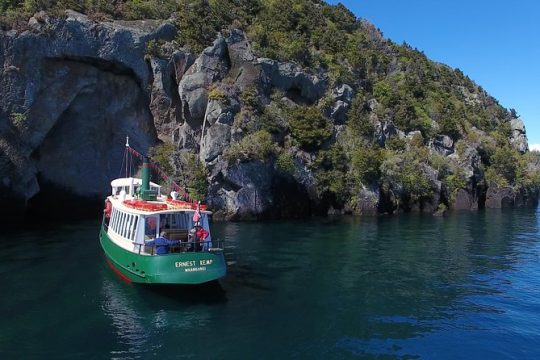
Luxury & Special Occasions
Prices from $5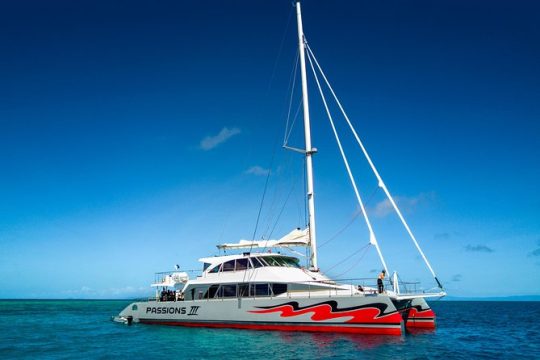
Tours & Sightseeing
Prices from $3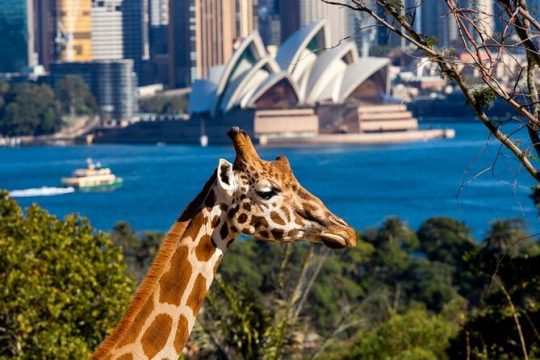
Outdoor Activities
Prices from $7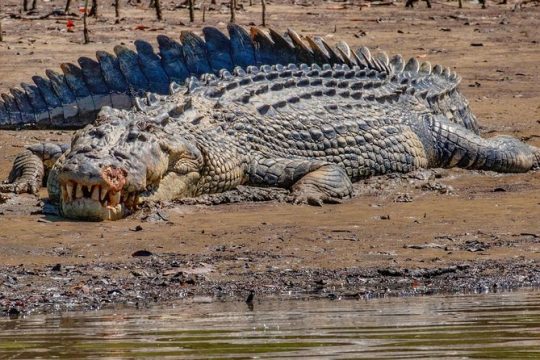
Cruises, Sailing & Water Tours
Prices from $17
Cultural & Theme Tours
Prices from $3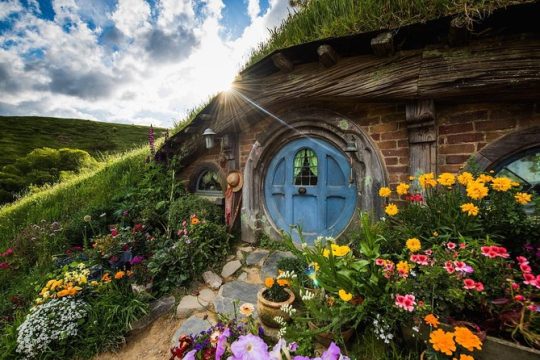
Sightseeing Tickets & Passes
Prices from $10
Day Trips & Excursions
Prices from $10
Walking & Biking Tours
Prices from $3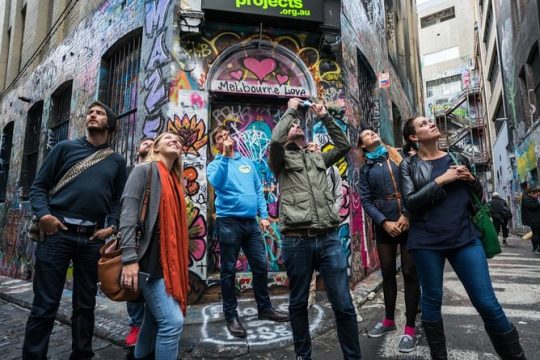
Food, Wine & Nightlife
Prices from $5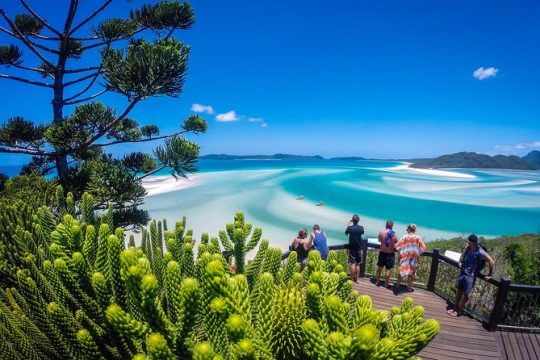
Water Sports
Prices from $11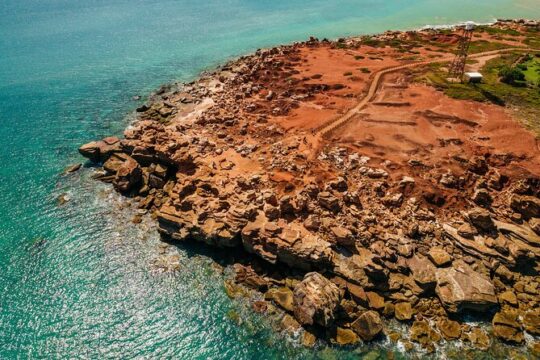
Shore Excursions
Prices from $7
Theme Parks
Prices from $10
Taronga Zoo Sydney
Prices from $26
Sydney Opera House
Prices from $10
Great Barrier Reef
Prices from $73
Sydney Harbour Bridge
Prices from $10
Mine Bay Maori Rock Carvings
Prices from $31
Sydney Harbour
Prices from $12
Lake Wakatipu
Prices from $44
Wai-O-Tapu Thermal Wonderland
Prices from $27
Whitehaven Beach
Prices from $84
Auckland Sky Tower
Prices from $12
Hill Inlet
Prices from $148
Melbourne Cricket Ground (MCG)
Prices from $26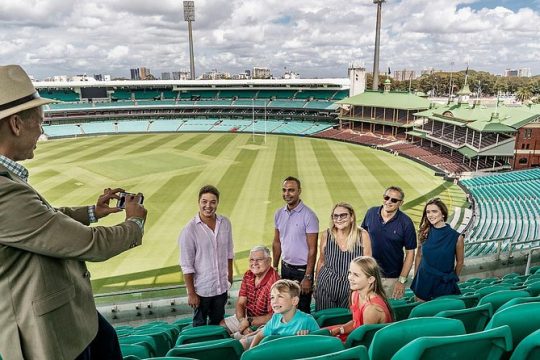




Oceania Event Calendar
View all events
Christmas activities in Oceania
Fri, Dec 25, 2026
Hanukkah in Oceania
Dec 4–12, 2026
New Year’s Eve in Oceania
Thu, Dec 31, 2026
Christmas Eve in Oceania
Thu, Dec 24, 2026
New Year’s Day long weekend in Oceania
Jan 1–3, 2027
Valentine's Day in Oceania
Sun, Feb 14, 2027
Easter in Oceania
Sun, Mar 28, 2027
Good Friday in Oceania
Fri, Mar 26, 2027


