


Oceania attractions
More things to do across the continent
 #166
Madame Tussauds Sydney
If you are looking for things to do in Oceania we have 2 Tours and Activities to Experience Madame Tussauds Sydney. Check out our verified traveler reviews and photos of Madame Tussauds Sydney tours and other things to do in Oceania, and book securely when you find the perfect one. Learn the best ways to see famous Madame Tussauds Sydney and explore the most popular things to do in Oceania.
More #167
Main Beach
If you are looking for things to do in Oceania we have 4 Tours and Activities to Experience Main Beach. Check out our verified traveler reviews and photos of Main Beach tours and other things to do in Oceania, and book securely when you find the perfect one. Learn the best ways to see famous Main Beach and explore the most popular things to do in Oceania.
More #168
Malcolm Douglas Crocodile Park
Malcolm Douglas Crocodile Park is a crocodile and wildlife park just outside Broome, in the Kimberley region of Western Australia. Visitors come face to face with some of the largest saltwater crocodiles in the country, along with other kinds of crocodile, alligators and a range of native animals and birds.The park carries the name of Malcolm Douglas, a Western Australian bushman and filmmaker whose adventure documentaries took viewers deep into the outback and the Kimberley. He spent much of his life filming and working with crocodiles and became a strong voice for their protection, at a time when the animals were still recovering from years of hunting. Over the decades his name became closely linked with the Kimberley, a vast, thinly settled region of gorges, rivers and tidal flats where crocodiles thrive. The park grew out of that passion, and his films are still on show in its museum display.The first thing you notice is the entrance, a giant fiberglass saltwater crocodile head with its jaws wide open, which you walk straight through. Inside, paths lead past ponds and enclosures where huge crocodiles lie motionless for long stretches before moving with sudden speed. Saltwater crocodiles are the largest living reptiles on Earth, and seeing the biggest of them up close gives a real sense of their size and strength. Dingoes, cassowaries, emus and many birds share the grounds, and outdoor seating looks out over the Long Lake system.The crocodile feeding is the moment most people remember, when keepers dangle food over the water and the animals launch themselves upward with an explosive snap of their jaws. It is a vivid lesson in why these ancient predators command such respect across northern Australia, where people share rivers and beaches with them.
More #169
Melbourne Chinatown
If you are looking for things to do in Oceania we have 12 Tours and Activities to Experience Melbourne Chinatown. Check out our verified traveler reviews and photos of Melbourne Chinatown tours and other things to do in Oceania, and book securely when you find the perfect one. Learn the best ways to see famous Melbourne Chinatown and explore the most popular things to do in Oceania.
More #170
Melbourne Convention and Exhibition Centre (MCEC)
The Melbourne Convention and Exhibition Centre, often called MCEC, is a large events complex on the south bank of the Yarra River at South Wharf in Melbourne. Made up of three connected buildings, it hosts conferences, trade fairs and public exhibitions, and its bold architecture and riverside setting make it a landmark of the city's waterfront.Locals know the exhibition building as Jeff's Shed, a nod to Jeff Kennett, the former state premier who backed the original project. It was designed by the architects Denton Corker Marshall, whose long, angular building stretches beside the river. The convention centre that joined it later, designed by NH Architecture and Woods Bagot, was built to meet a six star green building rating, an ambitious goal for a venue of its size. A further expansion added more exhibition space, a banquet room and a cafe and bar.Inside, the sheer scale is what stands out. The complex holds more than 60 meeting rooms and wide exhibition halls free of pillars, which lets organizers fill them with stands, stages and displays of almost any shape. The Plenary Hall seats more than 5,000 people and can be split into three separate theaters, so the same space can host one vast gathering or three smaller ones side by side. Over a year, the halls host everything from trade fairs to public exhibitions and international conferences.South Wharf was once a working stretch of docks, and the convention centre became the anchor of its rebirth as a district of venues, hotels and restaurants. Nearby, the restored tall ship Polly Woodside recalls the river's seafaring past, a pleasing contrast with the sleek modern halls. A guide can explain how this part of the Yarra changed from docklands to a lively waterfront, which gives the buildings a story beyond their events.
More #171
Melbourne Princess Theatre
The Melbourne Princess Theatre is one of the city's grandest stages, a 19th-century playhouse on Spring Street in the East End Theatre District. Behind its ornate facade, the lavish interior hosts big musicals and touring productions, and audiences come as much for the Victorian splendor of the building as for the show itself.Theater on this site goes back to the gold rush, when Melbourne was suddenly rich and hungry for entertainment. The first venue here was an amphitheater, which was later renamed the Princess's Theatre. In the late 19th century it gave way to the present building, designed by the architect William Pitt in the flamboyant Second Empire style of Paris, with tall mansard roofs and decorative flourishes across the front. One of its novelties was a sliding roof that could be opened to cool the auditorium on warm nights.Inside, a marble staircase sweeps up from grand foyers, and stained glass wintergardens add color and light. The auditorium holds around 1,500 people, spread over the Stalls, the Dress Circle and the Grand Circle. Over the generations its stage has hosted opera, drama and long runs of major musicals. The building is listed on the Victorian Heritage Register, which protects its historic fabric for future audiences.The Princess also carries one of the best-known ghost stories in Australian theater. Late in the 19th century, the baritone Frederick Federici died during a performance of Faust, stricken just after his character, Mephistopheles, sank through a trapdoor toward the flames of hell. Legend says he never left, and performers and staff have long told of a figure in evening dress seen in the theater. A seat is said to have been kept empty for him on opening nights.
More #172
Mirror Lakes
If you are looking for things to do in Oceania we have 24 Tours and Activities to Experience Mirror Lakes. Check out our verified traveler reviews and photos of Mirror Lakes tours and other things to do in Oceania, and book securely when you find the perfect one. Learn the best ways to see famous Mirror Lakes and explore the most popular things to do in Oceania.
More #173
Mirror Lakes Walk
If you are looking for things to do in Oceania we have 24 Tours and Activities to Experience Mirror Lakes Walk. Check out our verified traveler reviews and photos of Mirror Lakes Walk tours and other things to do in Oceania, and book securely when you find the perfect one. Learn the best ways to see famous Mirror Lakes Walk and explore the most popular things to do in Oceania.
More #174
Motutapu Island
If you are looking for things to do in Oceania we have 2 Tours and Activities to Experience Motutapu Island. Check out our verified traveler reviews and photos of Motutapu Island tours and other things to do in Oceania, and book securely when you find the perfect one. Learn the best ways to see famous Motutapu Island and explore the most popular things to do in Oceania.
More #175
New Zealand Maritime Museum (Hui Te Ananui A Tangaroa)
The New Zealand Maritime Museum, Hui Te Ananui A Tangaroa, tells the story of the country's relationship with the sea from its home on Hobson Wharf, beside Viaduct Harbour on the Auckland waterfront. Visitors come for historic boats, voyaging stories and the chance to head out on the harbor aboard a heritage vessel. Auckland is known as the City of Sails, and this is the place to see why.The museum started life as a charitable trust and opened as an Auckland maritime museum, taking its national name only after several renamings. Its Maori name was a gift and means the dwelling of Tangaroa, the god of the oceans, a fitting title for a museum that sits right on the harbor. The galleries follow New Zealand's seafaring past from the first Polynesian voyagers who crossed the Pacific to the yachts that won the America's Cup.Separate displays look at the voyaging canoes of Hawaiki, the working boats of coastal trade, the waves of migrants who arrived by ship, and the country's passion for yachting. The collection takes in more than 130 watercraft along with smaller treasures, including an anchor from HMS Bounty, the ship made famous by its mutiny. Seeing the boats up close makes it easier to imagine the courage each voyage demanded.The museum does not stop at the water's edge. Its heritage fleet includes the scow Ted Ashby, a flat-bottomed sailing cargo boat of a type once common in northern New Zealand waters, and the classic launch Nautilus, both of which take passengers out onto the harbor. On the water, the city skyline and the Auckland Harbour Bridge make a modern backdrop to these old boats. A guide brings the boats to life with stories of the sailors, traders and families who depended on them.
More #176
North Gorge Walk
If you are looking for things to do in Oceania we have 5 Tours and Activities to Experience North Gorge Walk. Check out our verified traveler reviews and photos of North Gorge Walk tours and other things to do in Oceania, and book securely when you find the perfect one. Learn the best ways to see famous North Gorge Walk and explore the most popular things to do in Oceania.
More #177
North Stradbroke Island (Straddie)
North Stradbroke Island, known as Straddie and by its traditional name Minjerribah, is a large sand island in Moreton Bay, off the coast near Brisbane in Queensland. People go for its surf beaches, clifftop walks and wildlife, and for the unhurried pace of its small island towns.The Quandamooka people are the traditional owners of Minjerribah, and their connection to the island reaches back long before European settlement. Today they manage the island's national park jointly with the Queensland government, so the landscape carries a living cultural story as well as a natural one. The island itself is among the largest sand islands in the world, covering about 275 square kilometers of dunes, freshwater lakes, eucalyptus woodland and low coastal heath.Point Lookout, on the ocean side, is the main visitor town, set on a rocky headland above a string of beaches. The Gorge Walk follows the edge of that headland, with boardwalks and lookouts over blowholes, sheltered coves and open sea, and it is a good place to spot turtles and dolphins in the water below. Each beach has its own character. Main Beach is a long, wild ocean stretch, Cylinder Beach and Home Beach curve gently near the town, and Frenchmans Beach and Flinders Beach feel quieter and more remote.Beyond the coast, the island shelters rare and threatened wildlife, including migratory wading birds that feed on the bay shores and the small wallum frogs that live in its acid heathland swamps. Kangaroos often graze on the grassy slopes at Point Lookout, and koalas live in the island's woodland. The blend of open ocean, quiet bay, lakes and bush makes it easy to fill a day with swimming, walking and watching. A guided trip led by the island's own people adds the stories that sit behind its place names.
More #178
Parnell
If you are looking for things to do in Oceania we have 22 Tours and Activities to Experience Parnell. Check out our verified traveler reviews and photos of Parnell tours and other things to do in Oceania, and book securely when you find the perfect one. Learn the best ways to see famous Parnell and explore the most popular things to do in Oceania.
More #179
Ponsonby
If you are looking for things to do in Oceania we have 6 Tours and Activities to Experience Ponsonby. Check out our verified traveler reviews and photos of Ponsonby tours and other things to do in Oceania, and book securely when you find the perfect one. Learn the best ways to see famous Ponsonby and explore the most popular things to do in Oceania.
More #180
Queen Victoria Market
Queen Victoria Market is Melbourne's great produce market, a sprawling block of sheds and halls just north of the central business district where traders sell fruit, meat, cheese, clothing and souvenirs. Locals shop here for their weekly groceries, and visitors come for the noise, the food and a slice of everyday Melbourne life in a setting more than a century old.The market opened in the late 19th century and was named for the reigning queen, and it has traded on the same ground ever since. That ground has a surprising past. Part of the site was once Melbourne's first cemetery, and when the market spread over it, many graves were left in place, so thousands of early settlers still lie beneath the sheds and car park. Its long life has earned it heritage protection, and it is the only one of central Melbourne's big 19th-century markets still trading.Walking through, you pass from open-sided sheds stacked high with fruit and vegetables into the older halls. The Meat and Fish Hall is lined with butchers and fishmongers calling to shoppers, and the Dairy Produce Hall, with its art deco shopfronts, is full of delis whose cheeses, olives and cured meats reflect the city's many migrant communities. Farther along, general merchandise stalls sell everything from sheepskin boots to T-shirts, and a small van selling hot jam doughnuts has drawn queues for generations.On some evenings the sheds host a night market, with street food, live music and craft stalls. Beyond the shopping, it is simply a good place to watch Melbourne go about its day, from chefs buying for their restaurants to families stocking up for the week. With a guide, each tasting comes with a story about the people behind the counter.
More #181
SEA LIFE® Sydney Aquarium
If you are looking for things to do in Oceania we have 2 Tours and Activities to Experience SEA LIFE® Sydney Aquarium. Check out our verified traveler reviews and photos of SEA LIFE® Sydney Aquarium tours and other things to do in Oceania, and book securely when you find the perfect one. Learn the best ways to see famous SEA LIFE® Sydney Aquarium and explore the most popular things to do in Oceania.
More #182
SkyPoint Observation Deck
SkyPoint Observation Deck sits near the top of the Q1 tower in the beachfront heart of Queensland's Gold Coast. From about 230 meters above the sand, its windows look out over Pacific beaches, the green hinterland and a skyline that runs north toward Brisbane, which makes it the simplest way to see the whole region at once.The tower beneath it is Q1, a residential skyscraper that ranks among the tallest buildings in the Southern Hemisphere. Most of its floors hold apartments, but two levels near the summit were opened to the public, first under the name QDeck and later as SkyPoint. From street level the deck is a speck near the top. The slender spire that crowns the building makes it easy to pick out from far along the shore, and its height changed the look of the whole skyline.Up on the deck, glass wraps all the way around, so you can follow the surf beaches south toward the New South Wales border, trace the canals and rivers that wind behind the coast, and pick out the forested ranges of the hinterland to the west. Below, the beachfront promenade and the streets of the resort district look like a scale model. A bistro and bar share the space, and many people linger over a drink while the light shifts across the ocean and the towers.For a bolder outing, the SkyPoint Climb takes harnessed groups outside onto the building's spire, billed as the highest external building climb in Australia. It trades the comfort of glass for wind, open air and a far sharper sense of height. Looking straight down, beachfront hotels shrink to toy size and the surf becomes a thin white line. A guide on the climb shares stories about the tower and names the landmarks below, which helps the scale sink in.
More #183
Sydney Olympic Park
Sydney Olympic Park is the sprawling sports and parkland precinct at Homebush Bay in western Sydney, created for the Olympic Games the city hosted at the turn of the millennium. People come for its big stadiums and arenas, the pool where Olympic swimmers raced, and wide stretches of wetland, woodland and riverside green.Before the Games, much of this ground was anything but parkland. The shores of the bay held a government abattoir, brickworks, a naval armaments depot and large waste dumps, and the land was badly polluted. Turning it into a showpiece took a long and ambitious cleanup, with contaminated soil sealed beneath landscaped hills and damaged wetlands and mangroves brought back to health.The sporting core still hosts major events. The main stadium, built for the Olympic opening and closing ceremonies, now stages rugby league, rugby union, football and big concerts, while the nearby arena, the athletics center and the aquatic center keep the precinct busy through the year. The Olympic cauldron stands in a park named for the runner Cathy Freeman, who lit the flame and then won gold on the track.Away from the venues, the parklands are the quieter surprise. An old brick pit, once the quarry for the brickworks, became a refuge for the endangered green and golden bell frog, and an elevated ring walk circles high above it. Mangrove-lined creeks, salt marsh and open lawns draw birdwatchers, cyclists and picnickers, and the old armory buildings at Newington recall the site's military past. The result is a rare mix of sporting history and recovered nature in a single stretch of the city. A guide helps connect the Olympic story with the land's industrial past and the wildlife that has returned.
More #184
Sydney Town Hall
If you are looking for things to do in Oceania we have 4 Tours and Activities to Experience Sydney Town Hall. Check out our verified traveler reviews and photos of Sydney Town Hall tours and other things to do in Oceania, and book securely when you find the perfect one. Learn the best ways to see famous Sydney Town Hall and explore the most popular things to do in Oceania.
More #185
Tasman Bridge
If you are looking for things to do in Oceania we have 7 Tours and Activities to Experience Tasman Bridge. Check out our verified traveler reviews and photos of Tasman Bridge tours and other things to do in Oceania, and book securely when you find the perfect one. Learn the best ways to see famous Tasman Bridge and explore the most popular things to do in Oceania.
More #186
Te Anau Glowworm Caves
The Te Anau Glowworm Caves are a system of young limestone caves on the remote western shore of Lake Te Anau, in Fiordland on New Zealand's South Island. Visitors come to follow an underground river past roaring waterfalls and then glide by boat into a silent grotto lit by thousands of tiny glowworms.Māori tradition long told of caves of rushing water on this shore, and the lake itself takes its name from them, from words often translated as the cave of swirling water. The caves were rediscovered in the middle of the 20th century by a local explorer who searched the lakeshore for years, guided by those old stories, until he found the entrance where a stream emerged from the hillside. In geological terms the caves are very young, and the water that carved them is still at work, cutting the rock and reshaping the passages.Inside, walkways and low passages follow the course of the river as it pours down a series of rapids and falls, some loud enough to drown out speech. Whirlpools have worn smooth hollows into the stone, and the walls are streaked with layers of limestone. Deeper in, the path reaches a still pool where visitors board a small boat and are pulled through the darkness in silence. Overhead, the ceiling glows with pinpoints of blue-green light, like a night sky. The lights come from the larvae of a native fungus gnat, which dangle sticky threads of silk to catch insects drawn to the glow. Above ground, the crossing of Lake Te Anau gives wide views of the forested mountains of Fiordland.A guide explains the life cycle of the glowworms and how water shaped the caves, helping you understand what you see in the dark.
More #187
Tiritiri Matangi Island
Tiritiri Matangi Island is a predator-free wildlife sanctuary in the Hauraki Gulf, off the Whangaparāoa Peninsula north of Auckland. Once bare farmland, it has been replanted with native forest, and nature lovers come to walk its tracks among rare birds such as takahē and saddlebacks that are hard to see almost anywhere else.For about a century the island was farmed, and by the time grazing stopped little of its original forest remained. A bold restoration followed, as volunteers planted native trees on a huge scale and introduced predators were cleared from the island. Threatened birds were then brought back, among them the saddleback, the little spotted kiwi and the takahē, a flightless bird once feared extinct. A volunteer group runs the island with the Department of Conservation, and it is often held up as a model of what community conservation can achieve.Tracks wind through the regrowing forest toward the lighthouse and visitor center, and the birdsong along the way is far louder than on the mainland. Bellbirds, tūī and stitchbirds flit through the branches, saddlebacks forage noisily near the ground, and takahē graze on the open grassland. Little spotted kiwi live here too, though as night birds they are seldom seen by day visitors. The lighthouse near the southern end has guided ships through the gulf since the 19th century and still operates.On the western side, Hobbs Beach offers a stretch of sand for picnics, swimming and snorkeling, and little penguins nest in boxes along the shore. From the high ground, the views reach across the gulf to neighboring islands and the mainland coast. The island's name is often translated as tossed by the wind, a fitting description of its exposed place in the gulf. Walking with someone who knows each call by ear turns a pleasant hike into a lesson in New Zealand's wildlife.
More #188
Arts Centre Melbourne
Arts Centre Melbourne is the city's leading performing arts complex, set beside the Yarra River in Southbank and crowned by a tall lattice spire. Audiences come for opera, ballet, drama and orchestral music in its theaters and concert hall, and the spire itself has become one of Melbourne's best-known landmarks.The complex was designed by the architect Sir Roy Grounds, and it took nearly a quarter of a century to plan and build. The site had a colorful past, hosting a circus, an amusement park, a cinema and a dance hall in the early 20th century before it ended up as informal parking. Construction was slowed by the challenge of digging deep below the water table beside the river, and the concert hall and theaters finally opened late in the 20th century, with interiors decorated by the designer John Truscott.The Theatres Building beneath the spire holds the State Theatre for opera and ballet, the Playhouse for drama and dance and the smaller Fairfax Studio, while Hamer Hall, named after a former state premier, is the main concert venue on the riverbank. Truscott gave the interiors a theatrical flair, adding mineral finishes to the faceted, cave-like concert hall and perforated brass balls to the draped steel-mesh ceiling of the State Theatre. Leading companies such as Opera Australia, The Australian Ballet and the Melbourne Symphony Orchestra perform here.The spire is the complex's signature. It was rebuilt to Grounds' original design, and its open metal webbing is said to have been inspired by a ballerina's tutu and the Eiffel Tower. Inside, galleries draw on the Australian Performing Arts Collection, the largest specialist collection of its kind in the country, with more than half a million items from circus, dance, music, opera and theater. A guide can share the stories of the stars and companies who have filled these stages.
More #189
Auckland Domain
Auckland Domain, also known as Pukekawa, is the oldest park in Auckland, a broad green space just east of the city center wrapped around the crater of an ancient volcano. Crowned by the Auckland War Memorial Museum, it draws visitors for its glasshouse gardens, native forest walks, wide lawns and views over the harbor.The park is what remains of Pukekawa, one of the oldest volcanoes in the Auckland volcanic field, which blasted out a wide crater ringed by a rim of ash, with a small cone, Pukekaroa, at its center. For Māori the sunny slopes suited kūmara gardens, the crater swamp supplied eels and water, and Pukekaroa served as a pā. After the Treaty of Waitangi, the Ngāti Whātua chief Apihai Te Kawau gifted land for the new capital, and within a few years of the city's founding the area was reserved as a public park. Its springs later gave the town its first piped water.Money raised by a grand exhibition held in the Domain in the early 20th century helped pay for the Wintergardens, two elegant glasshouses facing each other across a courtyard pool, one cool and one tropical, with a fernery tucked into an old quarry nearby. On the crater rim, the neoclassical War Memorial Museum looks north over the harbor, with the Cenotaph and Court of Honour in front. On Pukekaroa, a tōtara tree planted by Princess Te Puea Hērangi is guarded by carved ancestral figures.Elsewhere, the crater floor holds sports fields where cricket and the first rugby league test in New Zealand were played, duck ponds fed by water draining from the crater, and stands of native forest with pūriri, karaka and kauri, where tūī and fantails flit through the canopy. The park also hosts big public gatherings, from Christmas concerts to the city's largest Anzac service. A guide can explain the meanings of the Māori names and point out the native trees along the forest paths.
More #190
Auckland Ferry Terminal
The Auckland Ferry Terminal is the waterfront hub on Quay Street where ferries leave for the islands and harbor suburbs around Auckland, anchored by the grand Ferry Building and its clock tower. People come to set out across the Waitematā Harbour and to admire one of the city's most handsome Edwardian buildings.The Ferry Building went up in the early 20th century, when the Auckland Harbour Board wanted a fitting focal point for the busy ferry trade and a source of rent from its offices. The architect Alexander Wiseman chose the Edwardian Baroque style, building in sandstone and brick on a base of Coromandel granite, on land reclaimed from the harbor. His first plan called for five floors, but public objections to the height trimmed it to four plus the clock tower, and when Wiseman later suggested dropping the tower to save money, the board refused. For decades the ferry companies serving Devonport and Takapuna kept their headquarters inside.The building was the main gateway to the North Shore until the Auckland Harbour Bridge opened in the mid-20th century, and as travelers switched to cars, the ferry trade and the building both declined. Public opinion saved it. After a newer terminal rose alongside, the old building was strengthened and restored in the late 20th century and reopened by the Governor-General, and it is protected as a heritage landmark of the highest category. Beside it, the modern berths shelter under a curving roof shaped like a sail, with small turrets meant to echo the ships once tied up behind the old facade.From the wharves, boats fan out to the harbor suburbs and the islands of the Hauraki Gulf, and the view back to the city, with the Sky Tower rising behind the old clock tower, is one of the finest ways to take in Auckland. A guide adds the stories of the waterfront as it slips past.
More #191
Battery Point
If you are looking for things to do in Oceania we have 4 Tours and Activities to Experience Battery Point. Check out our verified traveler reviews and photos of Battery Point tours and other things to do in Oceania, and book securely when you find the perfect one. Learn the best ways to see famous Battery Point and explore the most popular things to do in Oceania.
More #192
Bicentennial Walkway
If you are looking for things to do in Oceania we have 1 Tours and Activities to Experience Bicentennial Walkway. Check out our verified traveler reviews and photos of Bicentennial Walkway tours and other things to do in Oceania, and book securely when you find the perfect one. Learn the best ways to see famous Bicentennial Walkway and explore the most popular things to do in Oceania.
More #193
Bonorong Wildlife Sanctuary
Bonorong Wildlife Sanctuary is a rescue and rehabilitation center for native animals in Brighton, north of Hobart in Tasmania. Visitors come to meet Tasmanian devils, wombats, kangaroos and echidnas at close range, and to learn how the sanctuary cares for injured and orphaned wildlife from across the island.Much of the sanctuary's work happens out of sight of visitors. It runs a rescue line that people anywhere in Tasmania can call when they find a hurt or orphaned animal, and it has its own wildlife hospital where patients are treated and, where possible, prepared for release. Animals that cannot return to the wild may stay on as permanent residents. The sanctuary also runs programs for seabird rehabilitation and quoll breeding, plus one that tackles the harm domestic cats do to small native species.Tasmanian devils are the animals most people want to see first. These stocky black marsupials, known for their fierce screech and powerful jaws, survive in the wild only in Tasmania, and a contagious facial tumor disease has cut their numbers badly, which makes every healthy devil part of a bigger conservation story. Around the grounds you can also see wombats, spiny echidnas, eagles and cockatoos, and kangaroos move freely through an open area where visitors can walk among them and hand them food.Bonorong feels more like a working refuge than a conventional zoo, with patches of bushland, simple paths and enclosures shaped around the animals in its care. That is much of its appeal: you leave knowing more about Tasmania's native wildlife and the people who spend their days looking after it. A keeper or guide fills in the stories of individual animals, from how each one arrived to why some can never go back to the bush.
More #194
Brighton Beach
If you are looking for things to do in Oceania we have 12 Tours and Activities to Experience Brighton Beach. Check out our verified traveler reviews and photos of Brighton Beach tours and other things to do in Oceania, and book securely when you find the perfect one. Learn the best ways to see famous Brighton Beach and explore the most popular things to do in Oceania.
More #195
Busselton Jetty
Busselton Jetty is a long timber jetty reaching out into Geographe Bay from the town of Busselton, in the southwest of Western Australia. Stretching for nearly two kilometers, it is one of the longest wooden piers in the Southern Hemisphere, and people come to walk or ride out over the sea and to see the marine life gathered around its piles.The first section was built in the 19th century so that ships could load timber, cut from the region's tall forests, without running aground in the shallow bay. As the ships grew larger, the jetty was extended again and again over the following decades, carrying a railway out to the deep water. When shipping ended in the second half of the 20th century, the structure fell into disrepair and was worn down further by the weather and a fire. Local people refused to let it go, raising support and campaigning until it was rebuilt and restored as a public landmark.Walking out along the deck, you see the town shrink behind you while fishers cast lines and dolphins sometimes cruise past. A small train runs the full length to the far end, where the Underwater Observatory takes you down a spiral staircase into a chamber with windows looking out among the piles. Over many years, the timber supports have become an artificial reef, covered in bright sponges, soft corals and sea squirts, with fish, octopus and other sea creatures living among them. A warm ocean current along this coast lets tropical and temperate species live side by side. Back at the shore, the Interpretive Centre tells the story of the jetty and the people who built and saved it.A guide in the observatory names the sea life on the piles and explains how the reef grew.
MoreDiscover Oceania
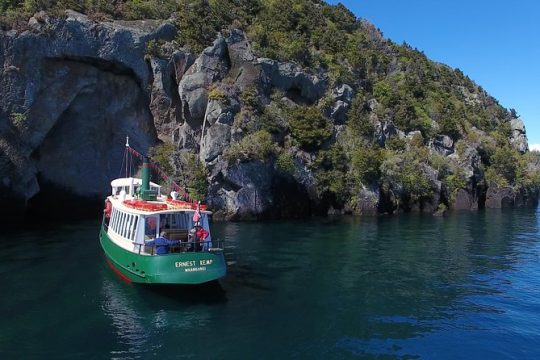
Luxury & Special Occasions
Prices from $5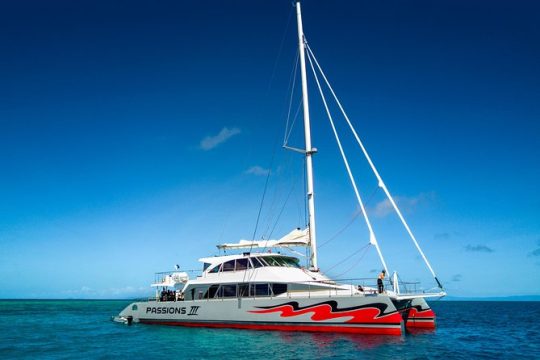
Tours & Sightseeing
Prices from $3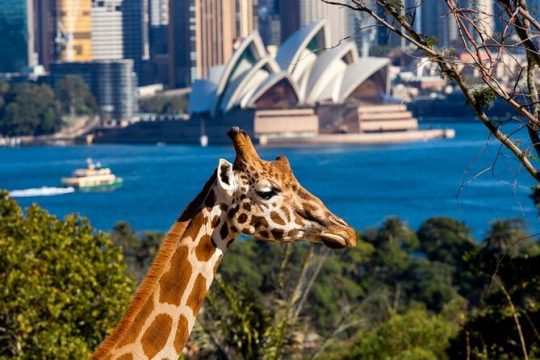
Outdoor Activities
Prices from $7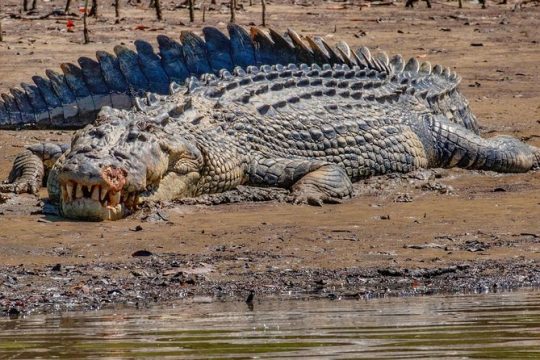
Cruises, Sailing & Water Tours
Prices from $17
Cultural & Theme Tours
Prices from $3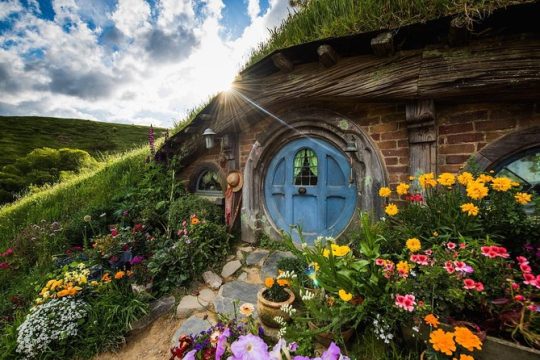
Sightseeing Tickets & Passes
Prices from $10
Day Trips & Excursions
Prices from $10
Walking & Biking Tours
Prices from $3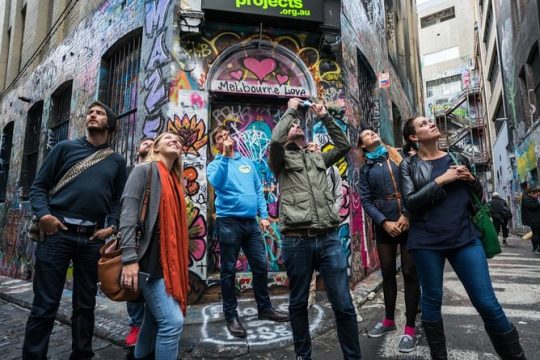
Food, Wine & Nightlife
Prices from $5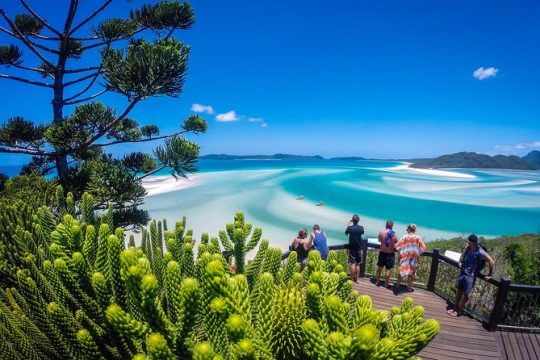
Water Sports
Prices from $11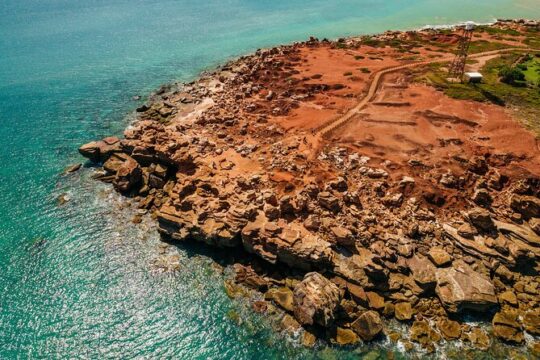
Shore Excursions
Prices from $7
Theme Parks
Prices from $10
Taronga Zoo Sydney
Prices from $26
Sydney Opera House
Prices from $10
Great Barrier Reef
Prices from $73
Sydney Harbour Bridge
Prices from $10
Mine Bay Maori Rock Carvings
Prices from $31
Sydney Harbour
Prices from $12
Lake Wakatipu
Prices from $44
Wai-O-Tapu Thermal Wonderland
Prices from $27
Whitehaven Beach
Prices from $84
Auckland Sky Tower
Prices from $12
Hill Inlet
Prices from $148
Melbourne Cricket Ground (MCG)
Prices from $26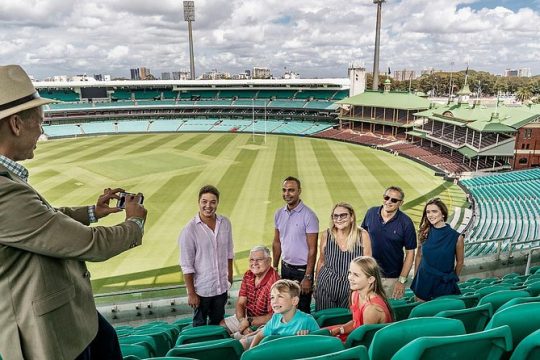




Oceania Event Calendar
View all events
Christmas activities in Oceania
Fri, Dec 25, 2026
Hanukkah in Oceania
Dec 4–12, 2026
New Year’s Eve in Oceania
Thu, Dec 31, 2026
Christmas Eve in Oceania
Thu, Dec 24, 2026
New Year’s Day long weekend in Oceania
Jan 1–3, 2027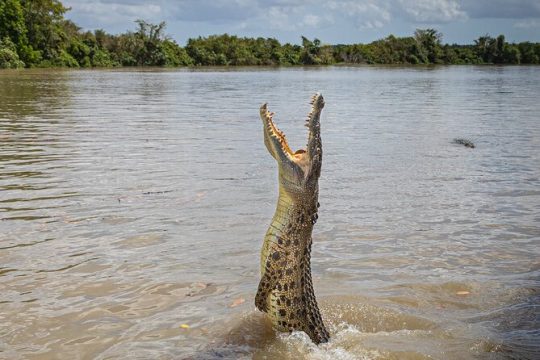
Valentine's Day in Oceania
Sun, Feb 14, 2027
Easter in Oceania
Sun, Mar 28, 2027
Good Friday in Oceania
Fri, Mar 26, 2027


