


Oceania attractions
More things to do across the continent
 #226
North Terrace
If you are looking for things to do in Oceania we have 8 Tours and Activities to Experience North Terrace. Check out our verified traveler reviews and photos of North Terrace tours and other things to do in Oceania, and book securely when you find the perfect one. Learn the best ways to see famous North Terrace and explore the most popular things to do in Oceania.
More #227
Olveston Historic Home (Olveston House)
Olveston is a grand Edwardian family home in Dunedin, preserved with its furniture, paintings and keepsakes just as the Theomin family left them. It stands on Royal Terrace, on the hillside above the city center, and people come to see how a prosperous merchant household lived in one of New Zealand's finest historic houses.The house was built in the early 20th century for David Theomin, a Bristol-born merchant who made his fortune in Dunedin importing pianos and other goods, and for his wife Marie and their children. Theomin named it after Olveston, a village near his birthplace, and engaged the London architect Sir Ernest George, who designed it in a Jacobean style of brick and stone with gables and tall chimneys. The family filled it with art and furnishings gathered at home and on travels overseas, and they lived there for decades.What sets Olveston apart is that nothing was cleared away. When Dorothy Theomin, the last of the family, died in the second half of the 20th century, she left the house and its contents to the city, and it opened as a museum soon after. Rooms are arranged as they were in daily use, from the formal reception rooms downstairs to the bedrooms upstairs and the kitchen and service areas that kept the household running. The collection takes in paintings, fine furniture, Japanese and Chinese art, silver, glass and ceramics, along with the family's own books, photographs and personal belongings.The Theomins belonged to Dunedin's small Jewish community and took an active part in the city's cultural life, so the house also reflects a wider story of a city grown wealthy in the decades after the Otago gold rush. Small details reward a close look, down to the everyday objects left on desks and dressing tables. With a guide, the objects turn into stories about the people who owned them.
More #228
Penitentiary Chapel
The Penitentiary Chapel is a convict-built sandstone complex on Campbell Street in central Hobart, Tasmania, where a prison chapel, criminal courtrooms and a gallows yard sit side by side. Visitors come for a close, sobering look at the convict system that shaped the island, told in the rooms where prisoners prayed, stood trial and in some cases were hanged.The story starts with the Hobart Prison Barracks, opened in the early 19th century to hold convicts serving their sentences. Tens of thousands of convicts were transported to Van Diemen's Land, as Tasmania was then known, and for decades every male convict who arrived was processed here before being sent out to work across the colony. The chapel, finished a little later, became the heart of the site, a place where the authorities hoped religion would reform the men in their care.In the middle of the 19th century the building changed role. Two wings of the chapel were turned into courtrooms for the Supreme Court and the Magistrates Court, while the third stayed a chapel, and the town's gallows moved into the yard. More than 30 people were executed here over the following decades. Most of the old gaol was later demolished, but the chapel and courts survived and remained in use as courts until late in the 20th century.What remains is remarkably intact. The courtrooms keep their wooden docks and benches, and from the dock a narrow passage drops into tunnels that led prisoners from the cells below straight into court. Tiny solitary cells show how men were punished for breaking prison rules, and the execution yard still holds the gallows. The chapel wing itself, with its plain stone walls and rows of seating, gives a sense of how many men once filled it. Displays of objects recovered from the gaol add personal stories, and the guides are skilled at bringing individual convicts back to life.
More #229
Perth Bell Tower
The Bell Tower in Perth is a glass and copper spire on the Swan River waterfront that houses the Swan Bells, a ring that includes centuries-old bells from London. Visitors come to see the bells up close, learn how they are rung, try ringing one themselves and take in views over the river and the city.Twelve of the bells came from St Martin-in-the-Fields, the church on Trafalgar Square in London. Their story reaches back before the 14th century, and they were recast in the reign of Elizabeth I and again in the 18th century by the Rudhall family of Gloucester. They are counted among the few sets of royal bells and are the only known set ever to leave England. After being tuned and restored at the Whitechapel foundry, they were given to Western Australia as part of Australia's bicentenary, and six new bells were cast to join them using metals mined in the state.A tower worthy of them was built to mark the new millennium. Its glass-clad spire rises more than 80 meters, and a concrete bell chamber sits inside, wrapped in tall copper sails and glass. Soundproof louvers and doors can direct the peals toward the city or out across the river. A much larger bell was added later, the Great ANZAC Bell, cast for the centenary of the armistice that ended the First World War, and swung by a motor rather than by hand.The tower stands at the water's edge on Barrack Square, with a boardwalk, fountains and reflection pools around its base. Bell enthusiasts travel to Perth to hear the bells, and a guide can explain the art of change ringing, in which the bells sound in ever-shifting orders rather than playing a tune.
More #230
Pinnacles Desert
The Pinnacles Desert is a field of thousands of limestone spires rising from yellow sand in Nambung National Park, on Western Australia's coast north of Perth. Its eerie, otherworldly landscape draws travelers who come to walk among the formations, photograph their strange shapes and learn how the sea and the wind created them.The pillars began as the remains of marine life. Fragments of coral and mollusc shells built up and hardened into beds of limestone, which weathering and erosion slowly broke apart, leaving the toughest pieces standing as softer rock and sand were stripped away. The tallest reach about 3.5 meters, while others are squat, roughly a meter high and wide, like old gravestones. Many show faint slanting layers that record shifts in the wind, and some wear mushroom-like caps where a harder crust of calcrete shields the softer stone beneath.The Yued people are the traditional custodians of this land, and the name Nambung comes from an Indigenous word that may mean crooked or winding. Dutch maps marked nearby hills as early as the 17th century, yet the pinnacles stayed little known to outsiders until a survey in the 20th century, and the national park took its present form later that century. At the Discovery Centre, displays explain the geology alongside the area's cultural and natural heritage.Beyond the spires, the park takes in coastal dunes, low heathland and beaches at Kangaroo Point and Hangover Bay. Western grey kangaroos graze among the scrub, and dolphins and sea lions live in the waters offshore. In the north of the park, a boardwalk at Lake Thetis passes thrombolites, rocky mounds built by microbes. A guide can share the area's Aboriginal heritage and point out wildlife that is easy to overlook.
More #231
Point Nepean National Park
If you are looking for things to do in Oceania we have 5 Tours and Activities to Experience Point Nepean National Park. Check out our verified traveler reviews and photos of Point Nepean National Park tours and other things to do in Oceania, and book securely when you find the perfect one. Learn the best ways to see famous Point Nepean National Park and explore the most popular things to do in Oceania.
More #232
Puffing Billy Railway
Puffing Billy is a narrow-gauge steam railway that winds through the forested foothills of the Dandenong Ranges, east of Melbourne. More than a century old, it ranks among the finest preserved heritage lines in Australia, loved for its puffing engines, timber trestle bridges and open carriages where riders sit with their legs dangling over the side.The line opened at the start of the 20th century as one of a handful of experimental narrow-gauge railways built by the state of Victoria to reach remote farming districts cheaply. Its small locomotives hauled timber, potatoes and fruit down toward the city markets, along with passengers from the hill towns. Cars and trucks slowly drew the trade away, and by the middle of the century the little trains had stopped running and the line fell quiet.Railway lovers refused to let it go. Volunteers raised money, cleared the line and soon had trains running again, then spent decades rebuilding it section by section out to Lakeside and, eventually, Gembrook. Much of the work, from firing the engines to staffing the stations, is still done by volunteers, and the old locomotives are kept alive in workshops where traditional skills are passed on. Several of the engines on the line were built more than a century ago, and their brass and paintwork are polished with obvious pride.The ride itself is gentle and full of small pleasures. The engine climbs through tall mountain ash and fern gullies, rumbles over the curving trestle bridge at Monbulk Creek and passes farmland, small villages and lakeside picnic grounds. Steam, whistle and the clank of couplings carry through the trees, and the slow pace leaves time to watch for crimson rosellas and cockatoos. For many Melbourne families, a trip on Puffing Billy is a childhood memory handed down from one generation to the next.
More #233
Queen's Wharf
If you are looking for things to do in Oceania we have 2 Tours and Activities to Experience Queen's Wharf. Check out our verified traveler reviews and photos of Queen's Wharf tours and other things to do in Oceania, and book securely when you find the perfect one. Learn the best ways to see famous Queen's Wharf and explore the most popular things to do in Oceania.
More #234
Queens Domain
If you are looking for things to do in Oceania we have 5 Tours and Activities to Experience Queens Domain. Check out our verified traveler reviews and photos of Queens Domain tours and other things to do in Oceania, and book securely when you find the perfect one. Learn the best ways to see famous Queens Domain and explore the most popular things to do in Oceania.
More #235
Redwoods Forest Whakarewarewa
Redwoods Forest Whakarewarewa, usually just called the Redwoods, is a forest on the southeastern edge of Rotorua on New Zealand's North Island. It is famous for its grove of towering California redwoods and for one of the country's best-loved trail networks, and people come to walk among the giant trunks, ride mountain bikes and breathe the cool forest air.The redwoods were planted early in the 20th century, when the government set up a tree nursery here to test which foreign species might grow well enough to supply the young country with timber. Many species from around the world went into trial plots, and the coast redwoods from California did far better than expected in the volcanic soil and mild, wet climate, shooting up into a cathedral-like stand. Much of the wider forest became a working plantation of pines and other timber trees, and the land holds deep meaning for local Māori, whose ties to this area reach back many generations.Walking into the main grove feels like entering a vast green hall. Straight, rust-colored trunks soar from a floor of soft needles and lush ferns, light falls in shafts through the canopy and the only sounds are birdsong and running water. Short loops wind through the giants and along a stream, while longer tracks climb to viewpoints over the city, passing native bush, tree ferns and stands of exotic conifers. Beyond the walking tracks lies a huge web of purpose-built mountain bike trails, from gentle flowing paths to steep technical descents, which has made Rotorua one of the best-known riding destinations in the world.Look for the tiny fantails that flit around walkers, chasing insects stirred up by footsteps, and for the silver undersides of ponga fronds, the fern that became a national emblem. A guide can explain the forest's Māori history and its planting story.
More #236
Royal Tasmanian Botanical Gardens
The Royal Tasmanian Botanical Gardens spread across a slope of the Queens Domain in Hobart, looking out over the River Derwent. Founded in the early 19th century and second in age only to Sydney's in Australia, they draw visitors with historic trees, rare island plants and a glasshouse found nowhere else.The gardens were founded when Tasmania was still the British colony of Van Diemen's Land, on ground long occupied by the Muwinina people. Shell middens and stone artifacts uncovered on the site are more than 5,000 years old. Many of the grand trees date from the 19th century and lend the grounds a mature, settled feel. Alongside the display beds, the gardens care for conservation collections of Tasmania's native flora, including the King's Lomatia, one of the most unusual plants on the island.The Subantarctic Plant House recreates the cold, misty climate of islands far to the south, with plants gathered on expeditions to Macquarie Island. Elsewhere you can wander from a conservatory of seasonal flowers to a Japanese garden, a lily pond and wide lawns under old trees. Seasonal plantings change through the year, so the colors are rarely the same twice. The Patch, a working vegetable garden, appears regularly on the television program Gardening Australia, and keen gardeners often make a point of seeing it. The visitor center includes a gallery with rotating shows by local artists.The gardens offer a calm counterpoint to Hobart's busy waterfront, and their blend of heritage, science and beauty makes them more than a pleasant stroll. From the upper paths there are glimpses of the Derwent and the Tasman Bridge, framed by the hills around Hobart. Walking with a guide helps you spot the island's endemic species and understand why saving them matters.
More #237
Ruakuri Cave
Ruakuri Cave is a limestone cave in the Waitomo district of New Zealand's North Island, set in a bush reserve just outside Waitomo village. People come to walk its long underground passages, where glowworms light the ceilings, streams rush through the rock and the formations change from one chamber to the next.The name means den of dogs. Maori hunters are said to have found wild dogs living in the cave mouth several centuries ago, and the site has been treasured by local iwi ever since. The original entrance is a burial place, so when the cave was redeveloped for visitors a new way in was carved through the hillside instead. That entrance is a wide spiral that winds down a shaft into the dark, and it has become one of the most memorable parts of the visit.Below ground, paths and walkways follow the course of an underground river. You hear the water long before you see it, then cross bridges over channels that drop into deep pools and small waterfalls. Stalactites hang in thin straws and heavy curtains, flowstone coats the walls like poured wax, and fossil shells show in the rock where an ancient seabed once lay. In the darker stretches, the glowworms appear as thousands of tiny blue points, each one a fungus gnat larva dangling silk threads to catch insects. Lighting in the cave is low and placed with care, so the natural colors and shapes stay the focus.Above ground, the reserve is a quieter world of native forest, mossy limestone bluffs and a stream that slips in and out of the hillside through natural arches and tunnels. Ferns and tall podocarp trees crowd the track, and birdsong fills the gully by day. A good guide turns the walk into a story, linking the geology, the glowworm life cycle and the Maori history of the place as you go.
More #238
Russell Falls
If you are looking for things to do in Oceania we have 14 Tours and Activities to Experience Russell Falls. Check out our verified traveler reviews and photos of Russell Falls tours and other things to do in Oceania, and book securely when you find the perfect one. Learn the best ways to see famous Russell Falls and explore the most popular things to do in Oceania.
More #239
Salamanca Market
If you are looking for things to do in Oceania we have 15 Tours and Activities to Experience Salamanca Market. Check out our verified traveler reviews and photos of Salamanca Market tours and other things to do in Oceania, and book securely when you find the perfect one. Learn the best ways to see famous Salamanca Market and explore the most popular things to do in Oceania.
More #240
Sarah Island
Sarah Island is a small island in Macquarie Harbour on the wild west coast of Tasmania, once the site of one of the harshest convict settlements in the British Empire. Visitors cross the harbor to walk among the ruins and hear the dark, remarkable stories of the men who were sent there.In the early 19th century the British colonial authorities chose the island as a penal station for male convicts who had reoffended or escaped elsewhere. The location did much of the guarding. Macquarie Harbour was hemmed in by a wide river, mountainous wilderness and the treacherous Hells Gates channel at its narrow mouth, so escape seemed close to impossible. The island could not grow food, and supplies came by sea, leaving prisoners weak from hunger and scurvy.Hard labor shaped daily life. Convicts felled Huon pine in the surrounding forests and rafted the logs down the river, and the timber fed a shipyard that for a short time was the largest shipbuilding operation in the Australian colonies. Despite the odds, the island became famous for its escapes. Alexander Pearce fled into the wilderness in a breakout that ended in cannibalism, and another group seized a brig they had helped to build and sailed it to Chile.What remains are weathered ruins, more about atmosphere than architecture. Standing among them, ringed by dark water and forested hills, makes the isolation of the place easy to feel, and it is not hard to picture the hunger, cold and fear that filled the settlement. The island lies within the Tasmanian Wilderness World Heritage Area, and the Sarah Island Historic Site is cared for by the Tasmania Parks and Wildlife Service. Few places in Australia tell the convict story with such raw clarity, or in such a striking setting.
More #241
Shark Island
If you are looking for things to do in Oceania we have 13 Tours and Activities to Experience Shark Island. Check out our verified traveler reviews and photos of Shark Island tours and other things to do in Oceania, and book securely when you find the perfect one. Learn the best ways to see famous Shark Island and explore the most popular things to do in Oceania.
More #242
South Australian Museum
If you are looking for things to do in Oceania we have 6 Tours and Activities to Experience South Australian Museum. Check out our verified traveler reviews and photos of South Australian Museum tours and other things to do in Oceania, and book securely when you find the perfect one. Learn the best ways to see famous South Australian Museum and explore the most popular things to do in Oceania.
More #243
State Library of South Australia (SLSA)
The State Library of South Australia stands on North Terrace, Adelaide's grand boulevard of museums, galleries and university buildings. Book lovers and architecture fans come for the Mortlock Chamber, a Victorian hall of ornate iron galleries beneath a glass dome, often ranked among the most beautiful libraries in the world.Its roots reach back to the colony's first months, when books collected by a literary society in London arrived aboard one of the early settler ships. After passing through a series of mechanics' institutes and subscription libraries, the collection became part of the South Australian Institute, which opened it free to the public in the mid-19th century. Its first purpose-built home, the Institute Building, still stands on the corner, a Victorian Renaissance design with a grand staircase and a long gallery lit by skylights.Within a generation a larger wing followed, built in French Renaissance style with a steep mansard roof and opened late in the 19th century. Inside is the Mortlock Chamber, where two tiers of galleries, one resting on stone columns and the other on cast-iron brackets, wrap around the room behind lacy wrought-iron balustrades. Daylight pours through the glass dome onto the floor below, and a clock installed in the chamber's early years is still wound each week. The room honors John Andrew Tennant Mortlock, whose bequest built up the library's collection on South Australia's history.That collection traces the state from before European settlement to the present, and the library also keeps South Australia's largest holding of rare books and a major research collection of children's literature. Journals and sound recordings gathered by the anthropologist Charles Mountford are inscribed on UNESCO's Memory of the World register. A glass-fronted modern wing, named for the writer and reformer Catherine Helen Spence, ties the old buildings together. A guide can share the stories behind the rooms and the people whose gifts filled their shelves.
More #244
Surfers Paradise Beach
If you are looking for things to do in Oceania we have 4 Tours and Activities to Experience Surfers Paradise Beach. Check out our verified traveler reviews and photos of Surfers Paradise Beach tours and other things to do in Oceania, and book securely when you find the perfect one. Learn the best ways to see famous Surfers Paradise Beach and explore the most popular things to do in Oceania.
More #245
Sydney Cricket Ground
If you are looking for things to do in Oceania we have 1 Tours and Activities to Experience Sydney Cricket Ground. Check out our verified traveler reviews and photos of Sydney Cricket Ground tours and other things to do in Oceania, and book securely when you find the perfect one. Learn the best ways to see famous Sydney Cricket Ground and explore the most popular things to do in Oceania.
More #246
Taieri Gorge Railway
The Taieri Gorge Railway is a heritage train journey from Dunedin into the rugged Taieri Gorge, on a single-track line that once formed part of the Otago Central Railway. People ride it for the scenery, a deep river canyon crossed by high viaducts and pierced by tunnels, in country that no road reaches.The Otago Central Railway was built to link Dunedin with the farming and gold-mining districts of inland Otago, and pushing it through the gorge was a major feat of engineering. Builders carved ten tunnels and raised about a dozen viaducts to carry the line along the Taieri River. The Wingatui Viaduct, near the start of the journey, was the largest wrought-iron structure in New Zealand when it was built. When regular services on the old line wound down, the section through the gorge was kept alive as a heritage railway.Trains depart from Dunedin Railway Station, a grand stone building in the Flemish Renaissance style, famed for its mosaic floor and often called one of the most photographed buildings in New Zealand. Beyond the city the line crosses open farmland before the hills close in and the track starts to cling to the sides of the gorge, high above the river. Landmarks along the way include Deep Stream and The Notches, where the scenery is at its wildest.Much of the pleasure lies in watching the landscape change, from green pasture to rocky canyon and on to the open, tussock-covered uplands around Pukerangi and Middlemarch. In places the only sign of people is the railway itself. The unhurried pace suits the scenery, leaving time to follow each bend of the river from the window. A guide adds the stories of the workers and engineers who forced a railway through such difficult ground, and of the communities it once served.
More #247
Tamaki Maori Village
If you are looking for things to do in Oceania we have 3 Tours and Activities to Experience Tamaki Maori Village. Check out our verified traveler reviews and photos of Tamaki Maori Village tours and other things to do in Oceania, and book securely when you find the perfect one. Learn the best ways to see famous Tamaki Maori Village and explore the most popular things to do in Oceania.
More #248
Tasmanian Museum and Art Gallery
If you are looking for things to do in Oceania we have 6 Tours and Activities to Experience Tasmanian Museum and Art Gallery. Check out our verified traveler reviews and photos of Tasmanian Museum and Art Gallery tours and other things to do in Oceania, and book securely when you find the perfect one. Learn the best ways to see famous Tasmanian Museum and Art Gallery and explore the most popular things to do in Oceania.
More #249
The Gap
If you are looking for things to do in Oceania we have 15 Tours and Activities to Experience The Gap. Check out our verified traveler reviews and photos of The Gap tours and other things to do in Oceania, and book securely when you find the perfect one. Learn the best ways to see famous The Gap and explore the most popular things to do in Oceania.
More #250
The Strand
If you are looking for things to do in Oceania we have 1 Tours and Activities to Experience The Strand. Check out our verified traveler reviews and photos of The Strand tours and other things to do in Oceania, and book securely when you find the perfect one. Learn the best ways to see famous The Strand and explore the most popular things to do in Oceania.
More #251
Tongariro National Park
Tongariro National Park sits in the center of New Zealand's North Island and protects three active volcanoes, Ruapehu, Ngauruhoe and Tongariro, in a landscape of lava fields, craters and bright mineral lakes. Hikers, skiers and nature lovers come for some of the most dramatic volcanic scenery in the country, including the route of the Tongariro Alpine Crossing.It is New Zealand's oldest national park and one of the first anywhere in the world. Its story began in the 19th century, when Te Heuheu Tūkino IV, paramount chief of Ngāti Tūwharetoa, gave the sacred peaks to the nation so they would be protected rather than divided and sold. That gift is one reason the park holds dual World Heritage status, recognized for its volcanic landscapes and for its deep cultural and spiritual meaning to Māori, who regard the mountains as ancestors.The Tongariro Alpine Crossing is the park's best-known walk, a traverse that climbs past steaming vents to the rim of the Red Crater, then drops toward the Emerald Lakes, whose vivid green water is tinted by minerals from the surrounding rock. On the descent, the view opens across to Lake Taupō in the distance. Mount Ngauruhoe, the near-perfect cone that rises beside the track, stood in for Mount Doom in the Lord of the Rings films, and it erupted often during the 20th century. Ruapehu, the highest peak on the North Island, carries ski fields on its slopes and a crater lake near its summit.Away from the crossing, shorter trails wind through beech forest, tussock and the stark alpine desert on the eastern side, reaching waterfalls such as Taranaki Falls and old lava flows. A guide can explain the volcanic activity that still shapes the land and share the Māori stories tied to each peak.
More #252
Torlesse Wines
If you are looking for things to do in Oceania we have 6 Tours and Activities to Experience Torlesse Wines. Check out our verified traveler reviews and photos of Torlesse Wines tours and other things to do in Oceania, and book securely when you find the perfect one. Learn the best ways to see famous Torlesse Wines and explore the most popular things to do in Oceania.
More #253
Victor Harbor
If you are looking for things to do in Oceania we have 8 Tours and Activities to Experience Victor Harbor. Check out our verified traveler reviews and photos of Victor Harbor tours and other things to do in Oceania, and book securely when you find the perfect one. Learn the best ways to see famous Victor Harbor and explore the most popular things to do in Oceania.
More #254
Victoria Square
If you are looking for things to do in Oceania we have 6 Tours and Activities to Experience Victoria Square. Check out our verified traveler reviews and photos of Victoria Square tours and other things to do in Oceania, and book securely when you find the perfect one. Learn the best ways to see famous Victoria Square and explore the most popular things to do in Oceania.
More #255
Weta Workshop
Weta Workshop is the design and effects studio in the Wellington suburb of Miramar that made the armor, weapons, creatures and prosthetics for The Lord of the Rings and many other films. Movie fans come to see how that work is done, to hold replica props and to peek into a studio that is still busy making things for the screen.The workshop was founded in the late 20th century by Richard Taylor and Tania Rodger, who started out making puppets and models for television and early low-budget films. It takes its name from the weta, a large insect found only in New Zealand. The big breakthrough came when director Peter Jackson asked the team to build the physical world of Middle-earth, from swords and suits of armor to orc masks and hobbit feet. That work won Academy Awards and helped turn Miramar into a center of filmmaking.Since then the studio has worked on productions such as Avatar, King Kong, District 9 and Black Panther: Wakanda Forever, along with museum exhibitions, games and collectibles. The tour passes through rooms set aside for visitors beside the working studio, where crew members show how an idea moves from sketch to sculpture to finished prop. You see prosthetic makeup, costumes, creatures and weapons up close, along with chainmail linked by hand from millions of tiny rings and a hulking Cave Troll.The most memorable moments are often hands-on. You can feel the weight of a battle-ready sword, try a little sculpting yourself and peer through windows at artists busy with whatever comes next, which might be a film, a game or a museum display. The guides share the techniques and the trial and error behind each piece, which leaves you watching fantasy films afterward with a sharper eye for the craft.
MoreDiscover Oceania
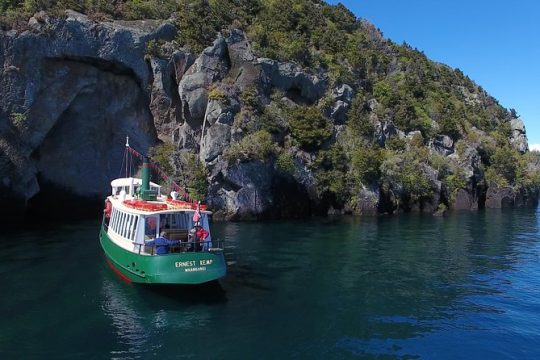
Luxury & Special Occasions
Prices from $5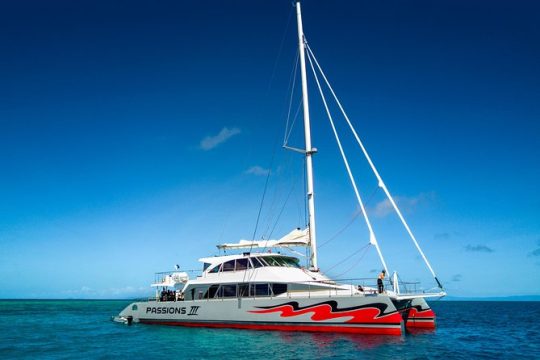
Tours & Sightseeing
Prices from $3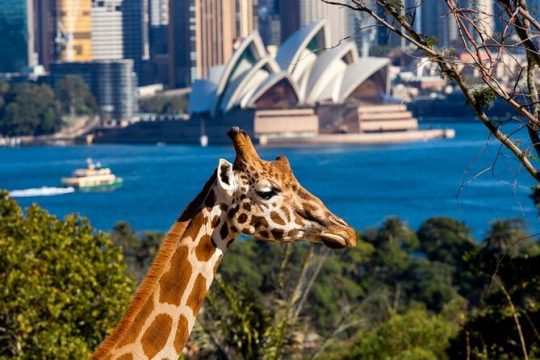
Outdoor Activities
Prices from $7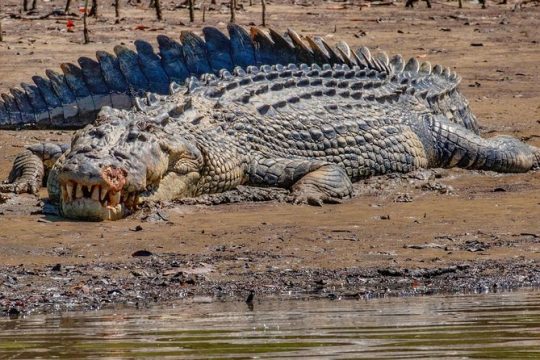
Cruises, Sailing & Water Tours
Prices from $17
Cultural & Theme Tours
Prices from $3
Sightseeing Tickets & Passes
Prices from $10
Day Trips & Excursions
Prices from $10
Walking & Biking Tours
Prices from $3
Food, Wine & Nightlife
Prices from $5
Water Sports
Prices from $11
Shore Excursions
Prices from $7
Theme Parks
Prices from $10
Taronga Zoo Sydney
Prices from $26
Sydney Opera House
Prices from $10
Great Barrier Reef
Prices from $73
Sydney Harbour Bridge
Prices from $10
Mine Bay Maori Rock Carvings
Prices from $31
Sydney Harbour
Prices from $12
Lake Wakatipu
Prices from $44
Wai-O-Tapu Thermal Wonderland
Prices from $27
Whitehaven Beach
Prices from $84
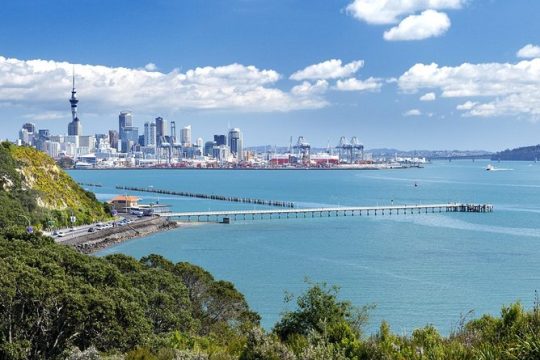
Auckland Sky Tower
Prices from $12
Hill Inlet
Prices from $148
Melbourne Cricket Ground (MCG)
Prices from $26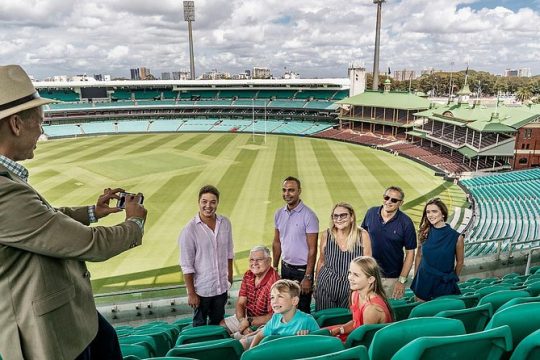




Oceania Event Calendar
View all events
Christmas activities in Oceania
Fri, Dec 25, 2026
Hanukkah in Oceania
Dec 4–12, 2026
New Year’s Eve in Oceania
Thu, Dec 31, 2026
Christmas Eve in Oceania
Thu, Dec 24, 2026
New Year’s Day long weekend in Oceania
Jan 1–3, 2027
Valentine's Day in Oceania
Sun, Feb 14, 2027
Easter in Oceania
Sun, Mar 28, 2027
Good Friday in Oceania
Fri, Mar 26, 2027


