


Oceania attractions
More things to do across the continent
 #136
Waitomo Caves
Waitomo Caves is a village and cave area in the green limestone hills of New Zealand's North Island, famous for its underground grottos lit by glowworms. Visitors come to drift by boat beneath ceilings that sparkle with tiny lights, to walk through vast chambers of stalactites and to try caving adventures in the dark.The name comes from Māori words for water and a hole or shaft, describing the streams that disappear into the ground here. The limestone formed from ancient sea creatures laid down on the seabed and later raised up, and water has been dissolving it into caves ever since. In the late 19th century, the local Māori chief Tane Tinorau and the English surveyor Fred Mace explored the Glowworm Cave together on a raft. Tinorau later opened it to visitors, and after a long period of government control, his descendants regained ownership and work at the cave to this day.The Glowworm Cave leads through limestone chambers to a tall space known as the Cathedral, whose acoustics have attracted famous singers, before visitors board a boat to float silently into the glowworm grotto. The blue-green lights overhead come from the larvae of a native gnat, which dangle sticky silk threads to catch prey. Nearby Ruakuri Cave, a place of great significance to local Māori, is entered through a spiral walkway and follows a stream past delicate formations. Aranui Cave, found by a Māori hunter chasing a pig, is known for its fine stalactites and pale, tinted columns. For more active visitors, black water rafting sends people floating on rubber tubes along underground rivers, and abseiling trips drop into deep shafts.A guide explains the geology, the glowworms and the Māori stories tied to the caves and the land above them.
More #137
Wentworth Falls
If you are looking for things to do in Oceania we have 47 Tours and Activities to Experience Wentworth Falls. Check out our verified traveler reviews and photos of Wentworth Falls tours and other things to do in Oceania, and book securely when you find the perfect one. Learn the best ways to see famous Wentworth Falls and explore the most popular things to do in Oceania.
More #138
Westhaven Marina
If you are looking for things to do in Oceania we have 32 Tours and Activities to Experience Westhaven Marina. Check out our verified traveler reviews and photos of Westhaven Marina tours and other things to do in Oceania, and book securely when you find the perfect one. Learn the best ways to see famous Westhaven Marina and explore the most popular things to do in Oceania.
More #139
Yarra Valley Chocolaterie & Ice Creamery
The Yarra Valley Chocolaterie & Ice Creamery is a chocolate maker, shop and cafe on a rural property at Yarra Glen, in the wine country northeast of Melbourne. Visitors come to see chocolate being made by hand, taste their way through a huge range of flavors and linger over ice cream in the countryside.Chocolate is the heart of the place. The chocolatiers make more than 500 varieties, mixing nostalgic favorites with inventive new creations, so the classics sit beside flavors you may never have tried. Ice cream is churned fresh every day in a wide range of combinations, and the cafe looks out across the valley.The property covers about 40 acres of open land, and Yarra Glen itself is a small country town in one of Australia's best-known wine regions. The Yarra Valley is celebrated for cool-climate wines, especially chardonnay, pinot noir and sparkling styles, and hot-air balloons often drift over its rolling hills in the early morning. Vines were first planted in the valley in the 19th century, and it is Victoria's oldest wine district. The highway outside is named after Dame Nellie Melba, the Australian opera singer who kept a country home nearby, a reminder that Melburnians have long escaped to this valley.A stop here fits naturally into a day spent touring the valley, offering a sweet contrast to cellar doors, cheese makers and farm gates, and Healesville Sanctuary, famous for its platypus and other native animals, is not far away. It appeals to children and grown-ups alike, and it gives anyone who would rather not spend the day tasting wine a treat of their own. A guide can put the visit in context, explaining how food and wine producers turned this corner of Victoria into a destination for eating well.
More #140
Admirals Arch
If you are looking for things to do in Oceania we have 10 Tours and Activities to Experience Admirals Arch. Check out our verified traveler reviews and photos of Admirals Arch tours and other things to do in Oceania, and book securely when you find the perfect one. Learn the best ways to see famous Admirals Arch and explore the most popular things to do in Oceania.
More #141
Art Gallery of South Australia
The Art Gallery of South Australia is the state's main art museum, set among the grand public buildings of North Terrace in Adelaide. It holds one of the largest state art collections in the country, and visitors come for its Australian and Aboriginal art, its European and Asian treasures and its bold contemporary exhibitions.The gallery opened in the late 19th century as the National Gallery of South Australia, a name it kept for decades before taking its present title. Its address on North Terrace places it along Adelaide's cultural boulevard, beside the museum, the state library and the university. Over time it has gathered tens of thousands of works, ranging across painting, sculpture, decorative arts, prints and photography.Australian art is the heart of the collection. Galleries trace the story from colonial painting through the Heidelberg School, whose artists captured the light of the bush in the late 19th century, and on into modern and contemporary work. Aboriginal and Torres Strait Islander art holds a central place, and the gallery hosts Tarnanthi, a festival of contemporary First Nations art that draws artists from across the country. It also holds a large group of drawings by Hans Heysen, the German-born South Australian painter famous for his gum trees.Beyond Australia, the collection reaches across European, British, Asian and North American art and sculpture, from old master paintings to decorative objects. On the forecourt, a large stainless steel sculpture by the artist Lindy Lee greets arrivals, its polished surface catching the sky and the passing street. Inside, grand older rooms and newer spaces sit side by side, so it is easy to move between centuries and continents in a single visit. A guide can draw out the connections between the collections and the stories behind them.
More #142
Auckland War Memorial Museum
The Auckland War Memorial Museum is a grand neoclassical building on a hilltop in the Auckland Domain, one of the city's oldest parks. It combines New Zealand's leading collection of Māori and Pacific treasures, natural history galleries and a national war memorial, and visitors come to understand the country's people, land and history in one place.The museum's roots go back to the mid 19th century, when a small collection opened in the young colonial town. After the First World War, the people of Auckland raised funds for a new building that would serve as a memorial to those who had died, and the present museum opened on the hill in the first half of the 20th century. It stands on Pukekawa, an old volcanic cone, and its columned facade faces the harbor and the city. The names of the fallen from many conflicts are carved into the walls of the memorial halls, and the Cenotaph in front is the focus of dawn services on Anzac Day.The Māori Court is the heart of the collection. Here you can see Hotunui, a carved meeting house from the 19th century, and Te Toki a Tapiri, a great war canoe carved from a single tree. Pacific galleries display canoes, tools and textiles from across Polynesia and Melanesia. Natural history rooms tell the story of New Zealand's unique wildlife, including the giant extinct moa, and a volcano gallery shows how Auckland sits on a field of volcanoes, with a dramatic simulated eruption.A modern extension added a large atrium under a wooden and copper dome, linking old and new spaces. Upstairs, the war memorial galleries trace New Zealand's experience of conflict, from colonial wars to the world wars, through personal stories and objects. A guide adds Māori perspectives and helps connect the collections to the land outside.
More #143
Australian Institute of Sport
The Australian Institute of Sport is the country's national training center for elite athletes, on a large campus in Bruce, a northern suburb of Canberra. Visitors come to see where Olympians and world champions train, test themselves on interactive sports challenges and get a glimpse of what it takes to compete at the top. It is a rare chance for the public to step inside the world of high-performance sport.The institute was created after a disappointing Olympic Games in Montreal, where Australia failed to win a single gold medal, a result that prompted a national rethink of how athletes were supported. It operates as a division of the Australian Sports Commission and has helped shape generations of athletes across a wide range of sports. Coaches, sports scientists and medical staff work side by side here, linking daily training with research into performance and recovery.The campus is built for serious work. An indoor arena is used for events as well as training, and the aquatic center, home to a 50-meter pool, sees swimmers put in long hours of laps. Around them are training halls, playing fields and research facilities where athletes are tested, measured and pushed to improve. Seeing the scale of it all helps explain how a country with a modest population has punched so far above its weight in world sport.Sportex is the most hands-on part of the experience, an interactive exhibit where visitors try sporting challenges and compare their efforts, surrounded by memorabilia from great Australian sporting moments. Outdoors, sculptures dotted across the campus add an artistic touch to the training grounds. A guide can share stories of the athletes who have trained here and the science that helps them shave fractions of a second off their best.
More #144
Australian Museum
The Australian Museum is the country's oldest natural history museum, housed in a grand sandstone building in central Sydney across the road from Hyde Park. Visitors come to see dinosaurs, glittering minerals, preserved animals and important collections from Aboriginal, Torres Strait Islander and Pacific cultures, all under one heritage roof.The museum began in the early decades of the colony as the Colonial Museum, gathering the unfamiliar animals, rocks and fossils that settlers and naturalists were finding in Australia. It later settled at the junction of William and College Streets, in a building now listed on the New South Wales State Heritage Register. Over nearly two centuries its holdings have grown to millions of objects, spanning zoology, minerals, fossils and anthropology. Scientists still build on that work through the museum's research institute and a research station on the Great Barrier Reef.In the galleries, dinosaur skeletons share space with cases of gleaming crystals and gemstones, cabinets of birds, insects and mammals, and displays on the animals that make Australia unlike anywhere else. Galleries devoted to First Nations cultures present the knowledge and stories of Aboriginal and Torres Strait Islander peoples, and other rooms hold objects from across the Pacific. One long gallery gathers a selection of the museum's greatest treasures, from rare specimens to objects linked with people who shaped Australia.Part of the pleasure is the building itself, where old sandstone wings and their long display halls sit beside bright modern spaces added in later renovations. The blend of old and new mirrors the museum's own journey, from a colonial cabinet of curiosities to a working scientific institution that places First Nations voices and the natural world at its center. Even a short visit gives a strong sense of how the land, its animals and its first peoples are bound together.
More #145
Blue Mountains National Park
Blue Mountains National Park is a vast stretch of sandstone plateau, sheer cliffs and forested valleys west of Sydney in New South Wales. Its name comes from the blue haze that hangs over the eucalyptus forests, and people go for the lookouts, waterfalls and bushwalks, above all for the view of the Three Sisters rock formation at Echo Point.The so-called mountains are really a deeply eroded plateau. Over millions of years, rivers cut down through layers of sandstone and shale to carve deep gorges, leaving tall cliffs and freestanding pillars. The blue color is real: fine droplets of oil released by the eucalyptus trees scatter sunlight and tint the air. The park forms part of the Greater Blue Mountains World Heritage Area, listed for its extraordinary range of eucalypts and the plants and animals that live among them.Long before European settlers arrived, the Darug and Gundungurra peoples lived on and around the plateau, and their stories are tied to its landforms; a popular legend holds that the Three Sisters are three young women turned to stone. For the colonists, the cliffs were a barrier that held them to the coast until an expedition in the early 19th century found a route along the ridges, opening the way to the inland plains. Towns such as Katoomba, Leura and Blackheath later grew along the railway as mountain retreats for city families.The best-loved sights sit along the cliff edges. At Wentworth Falls, water drops off the plateau into the Jamison Valley, while Govetts Leap looks over the wild Grose Valley, and tracks lead down into fern gullies, past cascades and along ledges cut into the rock. Lyrebirds, cockatoos and wallabies live in the forests, and the cliffs turn gold and orange in the late sun. A guide can share Aboriginal knowledge of the land and lead you onto tracks you might not find alone.
More #146
Currumbin Wildlife Sanctuary
Currumbin Wildlife Sanctuary is a long-running wildlife park on the southern Gold Coast of Queensland, set in rainforest and bushland a short way inland from Currumbin's beaches. People come to see koalas, kangaroos and other Australian animals up close, to watch the famous lorikeet feeding, and to learn about the work of its wildlife hospital.The sanctuary grew out of a flower farm. Its founder, a local beekeeper and grower named Alex Griffiths, began feeding the wild rainbow lorikeets so they would leave his flowers alone, and the daily feeding drew so many onlookers that it became an attraction in its own right. Over the years he added animals and land, and in the later 20th century he handed the sanctuary to the National Trust of Queensland so it could carry on as a place for conservation and education.Paths wind through eucalypt forest and rainforest past koalas, kangaroos, wallabies, Tasmanian devils, cassowaries, crocodiles and dingoes, along with reptiles and birds from across the country. The lorikeet feeding is still a highlight, when clouds of brightly colored birds swoop down to perch on outstretched arms and plates of nectar. A small train loops around parts of the grounds, and free-flight bird shows and keeper talks fill the day. Lost Valley adds a wilder rainforest setting with exotic animals from overseas.Behind the scenes, the Currumbin Wildlife Hospital treats sick, injured and orphaned native animals brought in from across the region, from koalas and possums to birds and sea turtles, and releases as many as possible back to the wild. Watching that work and hearing the vets and keepers explain it is often the part of a visit people remember longest, and it shows that the sanctuary is about far more than display.
More #147
Daintree Rainforest
The Daintree Rainforest is a vast tropical forest in Far North Queensland, running up the coast north of Port Douglas to meet the Coral Sea. Travelers go for its ancient trees, rare wildlife and the unusual sight of dense jungle spilling straight onto white beaches beside the Great Barrier Reef.Scientists count it among the oldest surviving tropical rainforests on Earth, a forest that held on while much of the continent dried out over millions of years. Many of its plants belong to ancient flowering families found almost nowhere else, which makes it a living record of how plant life developed. The Eastern Kuku Yalanji people have cared for this country for thousands of years, and their stories, food plants and place names run through the landscape. The forest takes its name from the Daintree River, and Cape Tribulation on its northern coast was named by Captain James Cook after his ship struck the reef offshore. Much of the area lies within a World Heritage Area.Walking here means looking up into layers of green: strangler figs wrapping old trunks, fan palms opening like umbrellas and tangled vines hanging from the canopy. The southern cassowary, a tall flightless bird with a bright blue neck and a horn-like crest, roams the forest floor, while Boyd's forest dragons cling to tree trunks and blue Ulysses butterflies flash through clearings. Saltwater crocodiles bask along the riverbanks, and the mangroves at the river mouth shelter fish and birds.Along the coast, clear creeks run out of the hills to sandy bays, and boardwalks lead through mangroves and swamp forest. Farther south, Mossman Gorge carries a fast river over granite boulders. A guide who knows the plants can show you which fruits the Kuku Yalanji ate, which leaves sting and where the shyer animals hide.
More #148
Eden on the River
Eden on the River is a nature park on the Rentapao River on the island of Efate, Vanuatu, a short way from the capital, Port Vila. Its tropical gardens, clear freshwater swimming holes and rainforest walks make it a popular escape for travelers who have had their fill of the sea.The park sits in the south of Efate, the island that holds Vanuatu's capital, where the Rentapao River runs down through forest toward the coast. Here the river slows into pools and small cascades, with smooth rock slides and shaded banks, and the land around it has been planted as gardens with flowering plants and fruit trees such as papaya and star fruit. A walking trail loops along the riverbank, so you can wander between the water and the gardens at an easy pace.The most adventurous part of Eden is a network of suspended bridges strung through the riverside rainforest, which ends with a short zip line. Other parts of the site look at island culture. Kava, made from the pounded root of a pepper plant, is Vanuatu's traditional drink, shared at ceremonies and gatherings in villages and town kava bars alike, and Eden grows its own. Its earthy flavor and the mild numbness it leaves on the lips tend to surprise first-timers. Eden's kitchen classes teach simboro, a local dish of grated root vegetables wrapped in leaves and cooked in coconut milk.Beyond the river, families will find an adventure playground and farmland where pigs, sheep and chickens wander. The property also has a cottage and a family farmhouse for guests who would rather stay the night than head back to town. A guide can share the names and uses of the plants along the paths, many of them part of everyday life in Vanuatu.
More #149
Eglinton Valley
The Eglinton Valley is a broad glacial valley in Fiordland National Park, on New Zealand's South Island, crossed by the Milford Road on its way from Te Anau to Milford Sound. Travelers stop for its wide golden grass flats ringed by beech forest and steep mountains, for mirror-still lakes and for some of the finest scenery on the drive.The valley was shaped by ice. During the ice ages, glaciers flowed down from the mountains and ground out a classic U-shaped trough with a flat floor and steep sides. When the ice retreated, the Eglinton River settled into the valley floor, tussock grass spread across the open flats and beech forest climbed the slopes. The result is an open, airy landscape that stands out in a region better known for dense rainforest, with long views across the grassland to peaks on every side.Several roadside stops show the valley at its best. At the Mirror Lakes, small sheltered ponds beside the road, the Earl Mountains are reflected almost perfectly when the air is still. Farther on, Lake Gunn lies in tall beech forest draped with moss and ferns. These woods shelter native birds such as the fantail, the tomtit and the tiny rifleman, and the valley is an important home for the mohua, or yellowhead, a songbird that has disappeared from much of its former range.The road itself is part of the story. Work gangs pushed it through these mountains in the middle decades of the 20th century, many of them men given relief work during the Great Depression, and it opened the remote valleys of Fiordland to road travelers. The national park is part of a vast World Heritage Area covering the southwest of the island. Even a short stroll away from the cars lets birdsong and the rush of the river replace the hum of traffic.
More #150
Emu Ridge Eucalyptus Oil Distillery
If you are looking for things to do in Oceania we have 10 Tours and Activities to Experience Emu Ridge Eucalyptus Oil Distillery. Check out our verified traveler reviews and photos of Emu Ridge Eucalyptus Oil Distillery tours and other things to do in Oceania, and book securely when you find the perfect one. Learn the best ways to see famous Emu Ridge Eucalyptus Oil Distillery and explore the most popular things to do in Oceania.
More #151
Fraser Island
Fraser Island, known by its traditional name K'gari, is the world's largest sand island, stretching along the Queensland coast north of Rainbow Beach. People go to drive its endless surf beaches, swim in clear freshwater lakes, walk through rainforest that grows straight out of the sand, and see the rusting wreck of an old ocean liner.The island is the home of the Butchulla people, whose name for it, K'gari, comes from a story of a spirit who helped create the land and loved it so much she stayed, becoming the island itself. Its European name came from Eliza Fraser, a shipwreck survivor whose dramatic account of her time here in the 19th century spread across the British world. Logging of its tall forests went on for more than a century, until the island's natural value won out. It is now protected as a national park and World Heritage Site, and its traditional name was formally restored.The landscape is full of surprises. Perched lakes such as Lake McKenzie sit in hollows lined with pure white silica sand, their water so clear it glows blue and turquoise. Eli Creek pours fresh water across the beach in a shallow, swift stream you can float down. Inland, the old logging hub of Central Station sits among towering satinay and kauri pines, ferns and a creek so clear it seems empty. On the ocean side, the long beach runs past the colored sand cliffs of the Pinnacles, the rusting hull of the Maheno, washed ashore in a cyclone, and a rocky headland lookout, where sharks, rays and migrating whales can be spotted below.Wild dingoes roam the beaches and dunes, and they are thought to be among the purest dingoes left in eastern Australia. A guide can share the Butchulla stories tied to the lakes and dunes, adding meaning to the scenery.
More #152
Great Ocean Road
The Great Ocean Road is a scenic coastal highway in Victoria, Australia, running west from near Melbourne along the Southern Ocean. It is famous for wild beaches, surf towns, rainforest and the Twelve Apostles, a cluster of limestone stacks rising from the sea, and travelers come to follow one of the most celebrated drives in the country.The road is also a war memorial, often called the largest in the world. After the First World War, returning soldiers were put to work building it, both to give them jobs and to honor comrades who did not come home. They cut the route by hand with picks, shovels and explosives, working through rough cliffs and dense bush, and the project took well over a decade to complete. A wooden memorial arch near Eastern View marks the story, with a statue of two workers beside it.The coast it follows is known as the Shipwreck Coast, because so many sailing ships were lost on its reefs. Loch Ard Gorge is named after one wreck, from which only two young survivors reached shore, a tale still told on signs at the cove. Nearby, the sea has carved arches, blowholes and stacks out of soft limestone cliffs, and some of those formations have collapsed within living memory, a reminder that the coastline keeps changing.Along the way you pass Bells Beach, a legendary surf break, and seaside towns such as Lorne, Apollo Bay and Port Campbell, each with cafés and fish and chips by the water. Inland, the Great Otway National Park shelters tall eucalypts, tree ferns and waterfalls, and koalas are often spotted in the trees near Kennett River. Cape Otway Lightstation, one of the oldest lighthouses on the Australian mainland, sits on a headland above the waves. A guide fills the long stretches between stops with stories of the builders, the wrecks and the wildlife.
More #153
Green Island
Green Island is a small coral cay off Cairns in tropical north Queensland, set within the Great Barrier Reef and protected as a national park and marine park. Travelers come to swim and snorkel over coral reefs, walk through a patch of rainforest and spend an easy day on white sand in warm water.The island takes its name from Charles Green, the astronomer who sailed with Captain James Cook along this coast in the 18th century. Long before that, it was a place of importance to the Gunggandji people, who used it for ceremonies and for gathering food from the reef. In more modern times it became one of the first places on the reef to welcome visitors, and an underwater observatory was later set into the sea off its jetty, letting people watch reef life without getting wet.Green Island is a true cay, a low mound of sand and coral rubble that slowly built up on top of the reef and was then colonized by plants. Seeds carried by birds and the tide took root, and a dense vine forest now covers much of the interior. A boardwalk winds through the trees, and interpretive signs explain how the island formed. Along the shore, sand gives way to shallow reef flats, seagrass beds and coral gardens where turtles graze and reef fish dart between the branches. Giant clams sit among the coral, and stingrays glide over the sand.Visitors spend time snorkeling from the beach, walking the island loop, watching birds in the forest and looking for marine life from boats with glass bottoms. A guide or naturalist can explain the reef's living systems and help you spot creatures you might miss.
More #154
Homer Tunnel
If you are looking for things to do in Oceania we have 24 Tours and Activities to Experience Homer Tunnel. Check out our verified traveler reviews and photos of Homer Tunnel tours and other things to do in Oceania, and book securely when you find the perfect one. Learn the best ways to see famous Homer Tunnel and explore the most popular things to do in Oceania.
More #155
Hooker Valley Track
If you are looking for things to do in Oceania we have 12 Tours and Activities to Experience Hooker Valley Track. Check out our verified traveler reviews and photos of Hooker Valley Track tours and other things to do in Oceania, and book securely when you find the perfect one. Learn the best ways to see famous Hooker Valley Track and explore the most popular things to do in Oceania.
More #156
Hunter Valley Gardens
Hunter Valley Gardens is a large display garden in Pokolbin, in the heart of the Hunter Valley wine region north of Sydney. Its themed gardens, from formal rose beds to a storybook garden for children, sit among vineyards and low hills, and people come to wander the paths, see the seasonal flowers and pair a garden visit with a day in wine country.The gardens were created in the early 21st century by Bob Oatley, a businessman who made his first fortune in coffee and later built one of the best-known wineries in the valley. He was also a keen sailor and a familiar name in ocean yacht racing. His gardens gave the region a major attraction beyond its cellar doors, a place where families and garden lovers could spend a whole day.Each themed area has its own personality. There is a rose garden with long beds of scented blooms, an Italian grotto, an Oriental garden with a moon gate, a sunken garden and an Indian mosaic garden, as well as broad formal lawns and borders planted for color through the seasons. In the Storybook Garden, characters from nursery rhymes and children's tales appear among the plants, which makes the gardens a favorite with young families. Paths link one garden to the next, so the visit unfolds as a series of changing scenes.Over the years the gardens have also become known for their festive lights, when the paths glow with colored displays, and for seasonal events that bring crowds from Sydney and beyond. The setting adds to the experience, with rows of vines on the surrounding slopes and the Brokenback Range rising to the west. A guide on a wine country day can add the story of the valley's vineyards and the families who planted them.
More #157
International Antarctic Centre
The International Antarctic Centre is a hands-on attraction at Christchurch Airport that shows what life and science are like on the frozen continent. It sits beside the Christchurch bases of the New Zealand, United States and Italian Antarctic programs, and visitors come to feel a polar blizzard, meet little blue penguins and ride in an all-terrain polar vehicle.Christchurch has been a gateway to Antarctica for more than a century. Robert Falcon Scott and Ernest Shackleton passed through the city on their way south, and later the US Navy based its Antarctic air operations at local airfields. The center grew out of that long connection. The airport company built it first as offices and warehouses for the national Antarctic programs, and a visitor attraction followed a couple of years later, designed to share the work of the scientists and support crews with the public.Inside, the Antarctic Storm room is the best-known experience, a few minutes in a simulated blizzard as icy wind sweeps through a room chilled to polar levels. The Hagglund ride carries you out in a tracked vehicle of the kind used on the ice, tilting up steep slopes and crossing a mock crevasse. Exhibits on snow and ice, an audiovisual show and a 4D theater explain the science and the daily routines of the people who spend seasons at the bottom of the world.The little blue penguin enclosure is a favorite with families. These are the smallest penguins in the world, and the center also helps care for injured wild penguins. Watching them waddle and preen offers a gentler moment after the storm and the ride. From the same airport, transport planes carry scientists and supplies south to the ice each season, so the journey the exhibits describe begins right next door.
More #158
Jewel Cave
Jewel Cave is a show cave in Western Australia's Leeuwin-Naturaliste National Park, near the southern tip of the Margaret River region. Described as the largest cave open to visitors in the state, it draws people underground to see vast chambers filled with delicate crystal formations.The cave lies beneath the Leeuwin-Naturaliste Ridge, a coastal ridge capped with limestone that runs down this corner of the state. Over immense spans of time, rainwater seeping through the rock dissolved passages and chambers, then slowly left behind minerals, drop by drop, to build the formations that fill them. Jewel Cave is made up of three large chambers, each hung and lined with crystal shapes that catch the light as you move through them.The best-known feature is one of the longest cave straws in Australia. Straws are thin, hollow tubes that form as water drips from the ceiling and leaves a fine ring of mineral behind, and because they are so fragile, a long one is rare. Around it, stalactites, stalagmites and other formations crowd the chambers, and the walk down through them reveals new shapes at every turn of the path.Above ground, the visitor area adds another layer to the story. An interpretive display includes a fossil thylacine, the striped marsupial often called the Tasmanian tiger, which once roamed mainland Australia before disappearing there long ago. Panels explain the cave's history and how it is protected, since formations grow so slowly that a careless touch can leave lasting damage. Seeing the fossil alongside the crystals is a reminder that caves keep records of ancient life as well as geology. A guide can describe how the chambers formed and point out details that are easy to miss in the low light.
More #159
Kalbarri National Park
Kalbarri National Park is a wide stretch of rugged sandstone country on Western Australia's Coral Coast, north of Geraldton, where the Murchison River has carved deep red gorges on its way to the Indian Ocean. People come for the gorge lookouts, the natural rock arch known as Nature's Window, the sea cliffs and the wildflowers.The land is the traditional country of the Nanda people, whose ties to the river and coast reach back many thousands of years. The rock tells an even older story. The banded red and white Tumblagooda sandstone was laid down by ancient rivers and tidal flats hundreds of millions of years ago, and its surfaces still carry ripple marks and the tracks of some of the earliest creatures to crawl out of the sea onto land.Inland, the Murchison winds through a long gorge in tight loops, and lookouts along the rim open onto sheer walls, river pools and layered cliffs. At the Loop, a wind-carved arch frames the river below like a picture, while at Z Bend the walls drop steeply to a sharp turn in the gorge. The Skywalk, a pair of platforms projecting out beyond the cliff edge, gives a floating view straight down into the valley.Along the coast south of town, the same sandstone ends in towering sea cliffs, cut into stacks, gullies and natural bridges by the Indian Ocean swell. Lookouts such as Red Bluff, Island Rock and Natural Bridge face open water where humpback whales pass on their yearly migration and dolphins play in the surf. After the winter rains, the heath bursts into color with banksias, grevilleas, kangaroo paws and many flowers found nowhere else. A guide can read the fossil tracks in the rock and point out wildlife that most visitors miss.
More #160
Kangaroo Island Wildlife Park
If you are looking for things to do in Oceania we have 3 Tours and Activities to Experience Kangaroo Island Wildlife Park. Check out our verified traveler reviews and photos of Kangaroo Island Wildlife Park tours and other things to do in Oceania, and book securely when you find the perfect one. Learn the best ways to see famous Kangaroo Island Wildlife Park and explore the most popular things to do in Oceania.
More #161
Kawarau River
If you are looking for things to do in Oceania we have 13 Tours and Activities to Experience Kawarau River. Check out our verified traveler reviews and photos of Kawarau River tours and other things to do in Oceania, and book securely when you find the perfect one. Learn the best ways to see famous Kawarau River and explore the most popular things to do in Oceania.
More #162
Kings Cross
If you are looking for things to do in Oceania we have 32 Tours and Activities to Experience Kings Cross. Check out our verified traveler reviews and photos of Kings Cross tours and other things to do in Oceania, and book securely when you find the perfect one. Learn the best ways to see famous Kings Cross and explore the most popular things to do in Oceania.
More #163
Lake Cave
Lake Cave is a limestone cave in Leeuwin-Naturaliste National Park, in the Margaret River region of Western Australia. It is named for the still underground lake on its floor, and people come to see that water and the formations that hang above it, mirrored so clearly that it can be hard to tell where rock ends and reflection begins.The cave is one of several that lie along Caves Road, a route that winds through forest country between the coast and the vineyards. This corner of the southwest is underlain by limestone, and over an immensely long time rainwater seeping through the stone has hollowed out chambers and passages beneath the trees. Lake Cave is the one where that water still sits in plain view, a reminder of the slow work that made all of them.The way in begins where the ground has collapsed into a deep, green hollow. A long flight of steps leads down through ferns and tall trees into the mouth of the cave, and the air turns cool and damp as daylight fades behind you. Inside, the chamber opens out over the lake. Straws, shawls and columns built drop by drop hang from the ceiling, and one well-known formation seems to float just above the surface of the water, held up by slender pillars of stone.The lake is remarkably calm, and that stillness creates the whole effect: carefully lit, the chamber appears twice, once above and once upside down beneath it. Visitors spend most of their time simply looking, picking out shapes in the rock and noticing how slowly everything here has grown. A guide brings out small details in the half light and shares the local stories behind the cave, which makes a short visit underground feel much fuller.
More #164
Lake Gunn
If you are looking for things to do in Oceania we have 12 Tours and Activities to Experience Lake Gunn. Check out our verified traveler reviews and photos of Lake Gunn tours and other things to do in Oceania, and book securely when you find the perfect one. Learn the best ways to see famous Lake Gunn and explore the most popular things to do in Oceania.
More #165
Luna Park Sydney
Luna Park Sydney is a historic amusement park on the north shore of Sydney Harbour, at Milsons Point near the northern end of the Harbour Bridge. Its giant grinning face at the entrance is one of the city's most recognizable sights, and people come for classic rides, carnival fun and views across the water.The site was once the workshop area where steel was prepared for the Harbour Bridge. When the bridge was nearly finished, a group of showmen who had run a Luna Park in Adelaide brought their rides across the country and opened this one in the years between the two World Wars. Opening day featured an Art Deco entrance face flanked by towers, a roller coaster called the Big Dipper and the Coney Island funhouse.Its story since then has had highs and lows. The park boomed during the Second World War as a favorite outing for servicemen, and pop artist Martin Sharp later repainted the famous face. A tragic fire on the Ghost Train closed the park in the late 20th century, and it shut and reopened several times as residents, lawmakers and fans argued over its future. A special law eventually protected the site for amusement use, and the park was added to the state heritage register.Coney Island, the last attraction left from opening day, is still packed with slides, spinning discs and old-fashioned funhouse tricks that adults enjoy as much as children. The Wild Mouse coaster, rebuilt with care, keeps its sharp, jolting turns, while a newer Big Dipper adds modern thrills and the Ferris wheel lifts riders high above the harbor. Between rides, the boardwalk looks straight across to the Opera House and the city skyline. At night, the face and its towers glow over the water, a sight familiar to generations of Sydneysiders.
MoreDiscover Oceania
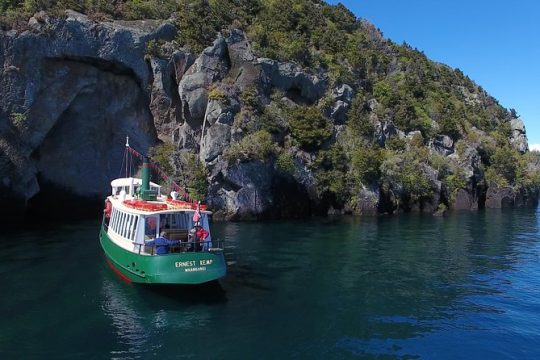
Luxury & Special Occasions
Prices from $5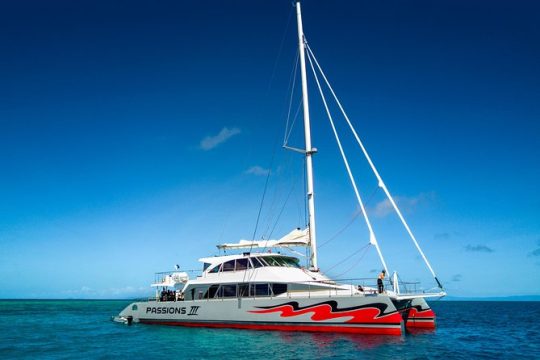
Tours & Sightseeing
Prices from $3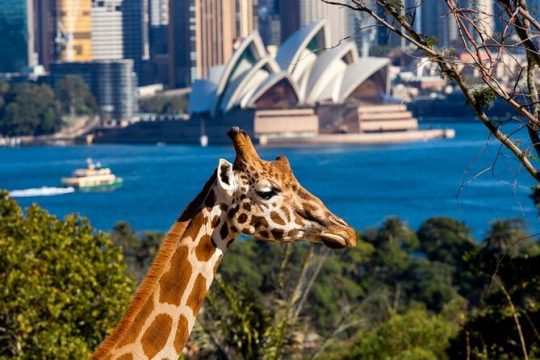
Outdoor Activities
Prices from $7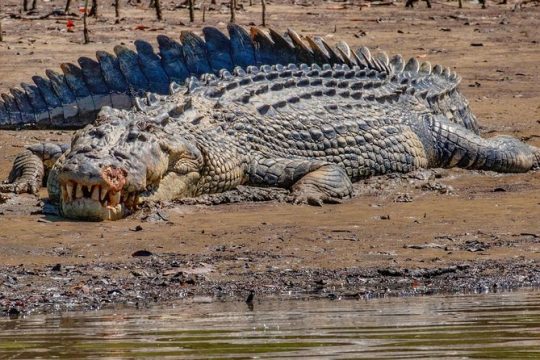
Cruises, Sailing & Water Tours
Prices from $17
Cultural & Theme Tours
Prices from $3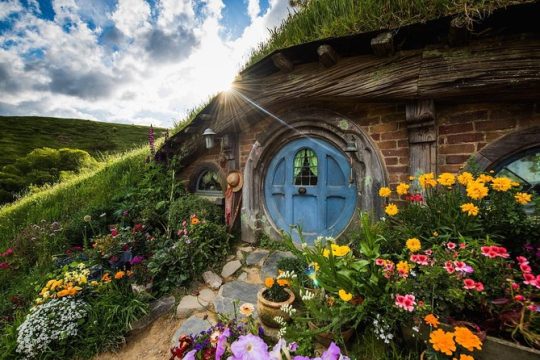
Sightseeing Tickets & Passes
Prices from $10
Day Trips & Excursions
Prices from $10
Walking & Biking Tours
Prices from $3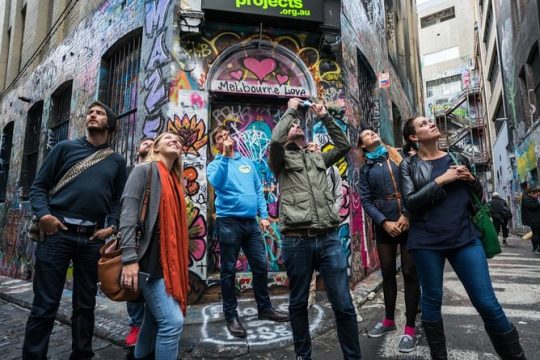
Food, Wine & Nightlife
Prices from $5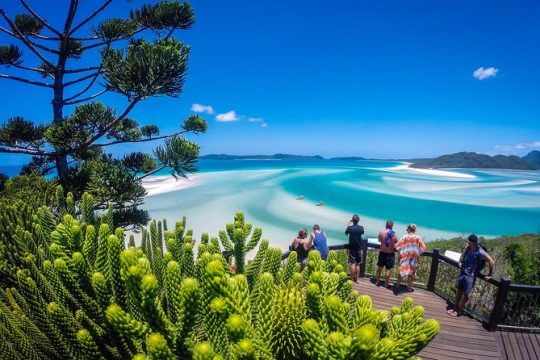
Water Sports
Prices from $11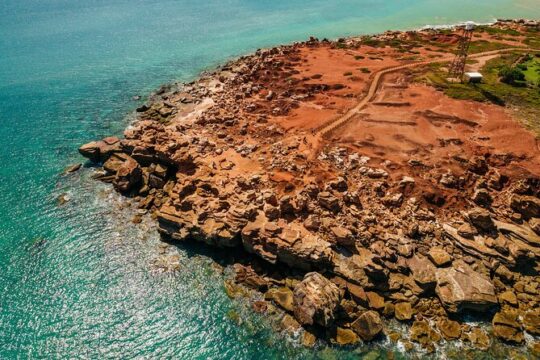
Shore Excursions
Prices from $7
Theme Parks
Prices from $10
Taronga Zoo Sydney
Prices from $26
Sydney Opera House
Prices from $10
Great Barrier Reef
Prices from $73
Sydney Harbour Bridge
Prices from $10
Mine Bay Maori Rock Carvings
Prices from $31
Sydney Harbour
Prices from $12
Lake Wakatipu
Prices from $44
Wai-O-Tapu Thermal Wonderland
Prices from $27
Whitehaven Beach
Prices from $84
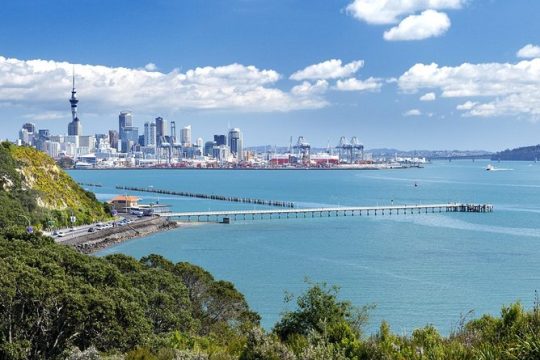
Auckland Sky Tower
Prices from $12
Hill Inlet
Prices from $148
Melbourne Cricket Ground (MCG)
Prices from $26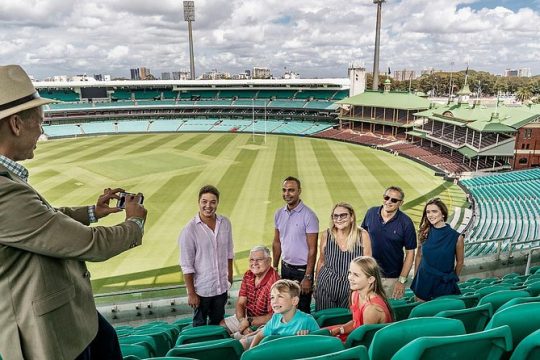




Oceania Event Calendar
View all events
Christmas activities in Oceania
Fri, Dec 25, 2026
Hanukkah in Oceania
Dec 4–12, 2026
New Year’s Eve in Oceania
Thu, Dec 31, 2026
Christmas Eve in Oceania
Thu, Dec 24, 2026
New Year’s Day long weekend in Oceania
Jan 1–3, 2027
Valentine's Day in Oceania
Sun, Feb 14, 2027
Easter in Oceania
Sun, Mar 28, 2027
Good Friday in Oceania
Fri, Mar 26, 2027


