


Asia attractions
More things to do across the continent
 #136
Singapore Flyer
The Singapore Flyer is a giant observation wheel on the edge of Marina Bay, in the Marina Centre area of Singapore. Riders circle slowly in enclosed capsules for wide views over the bay, the city skyline and Gardens by the Bay, which makes it one of the best ways to take in the city's shape from above.At about 165 meters tall, the Flyer held the title of the world's tallest Ferris wheel until a larger wheel elsewhere overtook it. Its engineering came from Arup and Mitsubishi Heavy Industries, with architecture by Kisho Kurokawa Architects and DP Architects. The wheel rises from land reclaimed from the sea around Marina Bay, part of a long effort to turn the waterfront into a new center for the city.The design puts the view first. Its 28 air-conditioned capsules are mounted on the outside of the rim, so the wheel's own structure never gets in the way of the outlook. Each capsule feels more like a small glass room than a carriage. As you climb, the view widens from the waterfront promenade below to the towers of the financial district and the ships anchored out at sea.From the top, the shape of modern Singapore becomes clear. Marina Bay Sands and its rooftop deck sit across the water, the domes of Gardens by the Bay curve beside them, and the older city spreads behind the river. The Flyer also sits beside the street circuit used for the city's night motor race, a reminder of how much the bay area has become a stage for big events. At the base, a three-story terminal building anchors the wheel. A guide on board can put names to the towers and explain how the bay was shaped.
More #137
Son Tra Mountain (Monkey Mountain)
If you are looking for things to do in Asia we have 2 Tours and Activities to Experience Son Tra Mountain (Monkey Mountain). Check out our verified traveler reviews and photos of Son Tra Mountain (Monkey Mountain) tours and other things to do in Asia, and book securely when you find the perfect one. Learn the best ways to see famous Son Tra Mountain (Monkey Mountain) and explore the most popular things to do in Asia.
More #138
Sri Mariamman Temple
If you are looking for things to do in Asia we have 3 Tours and Activities to Experience Sri Mariamman Temple. Check out our verified traveler reviews and photos of Sri Mariamman Temple tours and other things to do in Asia, and book securely when you find the perfect one. Learn the best ways to see famous Sri Mariamman Temple and explore the most popular things to do in Asia.
More #139
Sumilon Island
If you are looking for things to do in Asia we have 1 Tours and Activities to Experience Sumilon Island. Check out our verified traveler reviews and photos of Sumilon Island tours and other things to do in Asia, and book securely when you find the perfect one. Learn the best ways to see famous Sumilon Island and explore the most popular things to do in Asia.
More #140
Taj Mahal
The Taj Mahal is the white marble tomb that the Mughal emperor Shah Jahan built in Agra, in northern India, for his beloved wife Mumtaz Mahal. Often called the most beautiful building in the world, it draws travelers for its flawless symmetry, its delicate inlaid stone and a dome that seems to change color with the light.Mumtaz Mahal died in childbirth in the 17th century, and the grieving emperor ordered a tomb worthy of her. Thousands of masons, carvers and calligraphers worked on it for around two decades, following a design usually credited to the architect Ustad Ahmad Lahauri, with white marble from Rajasthan and precious stones gathered from across Asia. Shah Jahan's ending was bittersweet, for after his son Aurangzeb deposed him, he spent his last years confined in Agra Fort with a view of the tomb, and he now rests beside his wife inside it.The approach is carefully staged. You pass through a towering red sandstone gateway, and the tomb appears framed in its arch, floating above a formal garden divided into quarters by water channels and a reflecting pool. The marble is covered with flowers inlaid in carnelian, jade and lapis lazuli, and verses from the Quran frame the arches, the letters growing larger as they rise so they look even from below. Four slender minarets stand at the corners, built to lean slightly outward, and a red sandstone mosque on one side is matched by an identical twin on the other to keep the symmetry intact. Inside, the cenotaphs of the emperor and empress sit behind a marble screen carved as finely as lace.One detail rewards a close look, since the emperor's cenotaph, placed beside his wife's, is the only element in the whole complex that breaks the perfect balance. A guide can explain how the garden, the river and the inscriptions were meant to evoke the gardens of heaven.
More #141
Tam Coc
Most visitors take the rowed boat ride along the Ngo Dong River, which winds past rice fields and limestone peaks and through three caves. A guided outing adds context on the landscape and village life. Many day tours combine Tam Coc with nearby Hoa Lu and the Trang An landscape, often with hotel pickup from Hanoi. Cycling the quiet village lanes before or after the boat ride is a relaxed extra. The rowed boat trip suits most ages, and the small boats seat only a few people each. Plan on about 1.5 to 2 hours for the round trip through rice fields and three small caves. Bring a hat, sun protection and water, plus a light rain jacket if the weather looks wet. Local rowers often steer with their feet, which is part of the experience. The boats are low and open, so wear shoes with good grip and step in carefully.
More #142
Taman Ayun Temple (Pura Taman Ayun)
Taman Ayun Temple is a royal Hindu temple in Mengwi, in southern Bali, set inside a wide moat and planted with lawns, frangipani and lotus ponds. People come for its calm, garden-like courtyards and its rows of tall, tiered shrines, which rank among the most graceful pieces of temple architecture on the island.The temple was built in the 17th century by the rulers of the Mengwi kingdom, who wanted a family temple where the royal line could honor its deified ancestors. Its name is usually translated as beautiful garden, and the moat was meant to make the whole compound feel like a floating island, a sacred mountain surrounded by the sea. The kingdom fell long ago, but descendants of the royal family still care for the temple, and it remains a working place of worship.The layout rises in terraces from the outer courtyard to the inner sanctuary, each level a step closer to the gods. The outer area holds a wantilan, an open pavilion once used for cockfights and gatherings, along with a tall split gate. Beyond it, a low wall encloses the holiest courtyard, where the meru towers stand in a line, their thatched roofs of black palm fiber stacked in odd numbers up to eleven tiers. Walking the path around the wall gives a clear view of the shrines and the carved gateways.Taman Ayun is also part of the subak landscape, the old cooperative system that shares water among Bali's rice farmers through temples and canals, which is why it sits on UNESCO's World Heritage list as part of the island's cultural landscape. Its moat and channels reflect that link between worship and irrigation. A guide can explain the symbolism of each shrine and gate, which turns a pleasant garden walk into a lesson in Balinese belief.
More #143
Tanah Lot Temple (Pura Tanah Lot)
Tanah Lot is a Hindu sea temple perched on a rocky outcrop just off Bali's southwest coast, in the Tabanan regency northwest of Denpasar. Waves break around its base, and its silhouette against the evening sky has made it one of the most photographed sights on the island, while for Balinese Hindus it remains a deeply sacred place.Its name translates from Balinese as land in the sea, a fair description of a temple that stands on its own island of rock. Tradition credits the temple to Dang Hyang Nirartha, a Hindu priest who traveled through Bali, Lombok and Sumbawa in the 16th century. The story goes that he rested on the rock for a night, struck by its beauty, and told local fishermen to build a shrine there to honor the gods of the sea. He is still worshipped at the site, alongside the sea god known as Dewa Baruna or Bhatara Segara.Legend says the priest also turned his scarf into the venomous sea snakes that live in the crevices at the foot of the rock, where they are believed to guard the temple from evil spirits and intruders. Beside them, a spring of fresh water rises from the rock despite the salt sea all around, and worshippers receive this holy water as a blessing. The temple is one of a chain of sea temples along Bali's southwestern shore, each said to be within sight of the next, and the smaller Pura Batu Bolong stands on a rock arch a short walk to the north.The rock itself has needed help to survive the waves. When its face began to crumble late in the 20th century, a major conservation effort shored it up, and more than a third of what you see is in fact artificial. A guide can share the ceremonies and offerings that keep the temple at the heart of local life.
More #144
Temple of Literature (Van Mieu-Quoc Tu Giam)
You can walk the courtyards on your own, but a guided visit adds the stories behind the steles, the old imperial academy and the Confucian sanctuary. An interpretation service and an evening tour are offered on site, and calligraphy sessions let you try the brush yourself. Many visitors pair the temple with the Imperial Citadel of Thang Long and the Hoa Lo Prison Museum in a half-day city tour. Dress modestly, skip shorts and tank tops, and remove your hat when you enter the sanctuary area. The site is a series of open courtyards with a pavilion, a well and rows of stone steles on turtles, so expect plenty of walking outdoors. Calligraphy practice and heritage education sessions are offered, which suits families and anyone curious about Confucian scholarship. An evening program on some nights gives a different, quieter view of the courtyards after the day crowds leave.
More #145
Temple of the Reclining Buddha (Wat Pho)
Wat Pho is easy to explore on your own, wandering the courtyards, the Reclining Buddha hall and the rows of chedis at your own pace. A guided visit adds the stories behind the 108 mother-of-pearl symbols on the Buddha's feet and the temple's history as a center of learning. Many tours combine it with the nearby Grand Palace and a river ferry across to Wat Arun. Cover your shoulders and knees, since sleeveless tops, shorts and short skirts are not allowed in the temple. Remove your shoes before entering sacred halls, and do not climb on or touch Buddha images. Plan about one to two hours to see the Reclining Buddha, the courtyards and the many chedis. The temple has a traditional Thai massage school, so you can book a massage on the grounds. Paths are mostly flat, though thresholds and uneven stone can be tricky for wheelchairs and strollers.
More #146
Thang Long Water Puppet Theatre
The Thang Long Water Puppet Theatre is a Hanoi theater devoted to water puppetry, one of Vietnam's oldest folk arts, set beside Hoan Kiem Lake in the Old Quarter. Audiences come to watch lacquered wooden puppets dance across a pool of water to live traditional music, in shows that need no shared language to enjoy.The art began in the villages of the Red River Delta, where farmers performed in flooded rice fields when the waters rose. The water served as the stage, hiding the mechanics and letting the figures appear to glide and splash across the surface. In time the art moved from village ponds to purpose-built stages like this one, where a pool replaces the flooded field. Its name, Thang Long, is an old name for Hanoi itself. The theater carries that rural tradition into the capital, keeping the old craft alive for new generations and visitors from abroad.Behind a bamboo screen, puppeteers stand waist-deep in water and work the figures with long rods and hidden strings, so the audience sees only the puppets moving as if on their own. A traditional orchestra sits to one side, playing drums, gongs, bamboo flutes and the dan bau, a one-stringed instrument with a haunting, bending tone. Singers narrate each scene, giving voice to the characters.The short episodes draw on everyday rural life and old legends. Farmers plant rice, fishermen cast their nets, dragons spout water and folk heroes have their moment, while scenes of harvest celebrate the rhythm of the farming year. The humor is gentle and visual, and children and adults alike laugh at the same splashes and surprises. It offers a direct line to the village culture that shaped northern Vietnam, all within one performance. Knowing a little of the stories beforehand, perhaps from a guide, adds depth to every scene.
More #147
Thien Mu Pagoda
Thien Mu Pagoda is a Buddhist temple on Ha Khe Hill above the north bank of the Perfume River, just west of central Hue in Vietnam. Its slender seven-story tower is often called the unofficial symbol of the city, and visitors come for its river views, its peaceful grounds and its long, sometimes turbulent history.The name means Temple of the Celestial Lady. Legend says an old woman dressed in red and blue appeared on the hill, foretold that a lord would one day raise a pagoda on this spot to bring prosperity to the land, and then disappeared. Hearing the story, the governor Nguyen Hoang ordered the temple built at the start of the 17th century. The tower, called Phuoc Duyen, was added in the 19th century under Emperor Thieu Tri, with each of its stories dedicated to a different Buddha. In the 20th century the pagoda became a center of Buddhist protest against the government of Ngo Dinh Diem.The octagonal brick tower rises in seven tiers, with a pavilion on either side. One shelters a huge bell cast in the early 18th century and said to have carried for miles, and the other holds a stele on the back of a great marble turtle, a symbol of long life. Inside the main hall, a smiling Maitreya Buddha sits between two bodhisattvas. Toward the back of the grounds stands the pale blue Austin car in which the monk Thich Quang Duc was driven to a Saigon crossroads, where he burned himself to death in protest at the Diem government's treatment of Buddhists, an image that shocked the world.Seen from a boat on the Perfume River, the tower rising above the trees is one of the classic images of Hue. A guide can explain the Buddhist symbols around the grounds and the pagoda's place in the history of the Nguyen lords and emperors.
More #148
Third Tunnel of Aggression
If you are looking for things to do in Asia we have 2 Tours and Activities to Experience Third Tunnel of Aggression. Check out our verified traveler reviews and photos of Third Tunnel of Aggression tours and other things to do in Asia, and book securely when you find the perfect one. Learn the best ways to see famous Third Tunnel of Aggression and explore the most popular things to do in Asia.
More #149
Three Kings Monument (Anusawari Sam Kasat)
If you are looking for things to do in Asia we have 3 Tours and Activities to Experience Three Kings Monument (Anusawari Sam Kasat). Check out our verified traveler reviews and photos of Three Kings Monument (Anusawari Sam Kasat) tours and other things to do in Asia, and book securely when you find the perfect one. Learn the best ways to see famous Three Kings Monument (Anusawari Sam Kasat) and explore the most popular things to do in Asia.
More #150
Tiananmen Square (Tiananmen Guangchang)
Tiananmen Square is the vast public square in the center of Beijing, lying just south of the Forbidden City and named after the Gate of Heavenly Peace on its northern edge. It is one of the largest city squares in the world and the symbolic heart of modern China, ringed by some of the country's most important national buildings.The gate came first. Tiananmen was built in the Ming dynasty as the main entrance to the Imperial City, and in imperial times the area in front of it was a walled, T-shaped courtyard lined with government offices and closed to ordinary people. In the 20th century the space became a stage for national history. Students gathered here in the May Fourth Movement after the First World War, and from the rostrum of the gate Mao Zedong proclaimed the founding of the People's Republic. Over the following decade the old walls and offices were cleared and the square was enlarged to roughly its present size. Late in the century it was also the center of student-led protests that ended in a military crackdown.A giant portrait of Mao still hangs on the gate, facing south across the square. In the middle rises the Monument to the People's Heroes, a granite obelisk carved with scenes from China's revolutionary struggles, and beyond it stands the Chairman Mao Memorial Hall, where his embalmed body lies in state. The colonnaded Great Hall of the People, seat of the national legislature, lines the west side, and the National Museum of China fills the east.At the southern end, the old Zhengyang Gate and its arrow tower survive from the city walls that once encircled Beijing. The daily flag ceremony by an honor guard is a moment many Chinese visitors travel far to witness. A guide explains the political meaning of each building and the history the square has seen.
More #151
Togetsukyo Bridge
If you are looking for things to do in Asia we have 5 Tours and Activities to Experience Togetsukyo Bridge. Check out our verified traveler reviews and photos of Togetsukyo Bridge tours and other things to do in Asia, and book securely when you find the perfect one. Learn the best ways to see famous Togetsukyo Bridge and explore the most popular things to do in Asia.
More #152
Tra Nhieu
If you are looking for things to do in Asia we have 1 Tours and Activities to Experience Tra Nhieu. Check out our verified traveler reviews and photos of Tra Nhieu tours and other things to do in Asia, and book securely when you find the perfect one. Learn the best ways to see famous Tra Nhieu and explore the most popular things to do in Asia.
More #153
Tra Que Village
Tra Que is a traditional vegetable and herb farming village on the edge of Hoi An in central Vietnam, where neat green beds stretch toward the river. Visitors come to see how farmers grow fragrant herbs by age-old methods, try their hand at planting and watering, and cook with ingredients picked minutes before. It is a gentle, rural contrast to the busy lanes of the old town.Local accounts trace the village back several centuries, to families who settled here to supply food to Hoi An when it was a busy trading port. The town drew merchants from China, Japan and Europe, and Tra Que's gardens helped keep its markets stocked. Hoi An's old town, now a UNESCO World Heritage site, lies only a short distance away.Farmers here still use traditional techniques. The raised beds are fertilized mainly with aquatic weed gathered from the river, a low-chemical method locals credit for the herbs' strong aroma. Basil, perilla, Vietnamese coriander and spring onions grow in tidy rows, and farmers walk between the beds with watering cans hung from shoulder poles, a scene that has changed little over generations. The air along the narrow paths carries the scent of basil and other herbs. Even a short visit shows how much care goes into the greens that end up on plates across town.Visitors can join in. Hands-on sessions let visitors work the beds alongside farmers, and cooking classes put the fresh harvest to use in the kitchen. The village has been recognized by a United Nations tourism body as a notable tourism village, a sign of how well it has shared its way of life without losing it. A local guide can explain the rhythms of the farming year and the role these herbs play in central Vietnamese cooking, from fresh rolls to cao lau, Hoi An's signature noodle dish.
More #154
Tup Island (Koh Tup)
Tup Island, or Koh Tup, is a small limestone island off the coast of Krabi, linked to nearby islets by a sandbar that rises from the sea at low tide. People come to wade across that strip of white sand between two stretches of water and to swim in the clear, shallow sea around it.The island belongs to a small cluster in the bay southwest of Ao Nang, alongside Koh Poda and Chicken Island, all part of a marine national park that protects the coast, coral reefs and islands of this stretch of the Andaman Sea. Like much of the Krabi coast, these islands are tall knobs of limestone, their cliffs streaked gray and orange and fringed with trees that cling to the rock. The sea has carved notches along their bases, and the sand that gathers between them forms the bar. Locally the sandbar is known as Thale Waek, the separated sea, because at low water the sand appears to divide the sea in two.When the bar is exposed, you can walk from Tup across to its neighbors with water lapping on both sides, a favorite place for photos with the limestone stacks behind. The small beaches on Tup itself are soft and pale, and the water close to shore is calm and clear enough to watch small fish around your ankles. From the sand there are views back toward the mainland cliffs and across to Chicken Island, whose rocky head looks like a bird craning its neck.The bar is never quite the same shape twice, and watching it slowly surface from the water, or slip back under, is part of the appeal. A guide can explain how the islands formed and name the birds and sea creatures around them.
More #155
Ulun Danu Beratan Temple (Pura Ulun Danu Bratan)
Ulun Danu Beratan Temple is a Hindu water temple on the shore of Lake Bratan in the cool highlands of central Bali, famous for the tiered shrines that seem to float on the lake. Travelers come for its serene setting of mountains, mist and gardens, and for a glimpse of how Balinese faith and farming revolve around water.The temple dates from the 17th century and honors Dewi Danu, the Balinese goddess of lakes, rivers and water. Lake Bratan, which fills an old volcanic crater, is one of the main sources of irrigation for the island's center, feeding the rivers and channels that water rice fields far below. Offerings made here are meant to keep that water flowing, and smaller water temples downstream serve the subak, the farmers' cooperatives that share it out field by field, a system UNESCO has recognized as part of Bali's cultural landscape.The best-known shrine is an 11-tiered meru dedicated to Shiva and his consort Parvati, standing on a small island just off the shore. Meru towers rise from brick bases in stacked roofs of black palm thatch, always an odd number, with more tiers signaling a higher-ranking god. When the water is high, the shrines appear to drift on the lake, their reflections doubled against a backdrop of forested hills.The complex also reflects a spirit of harmony between faiths: a Buddhist stupa stands just outside the main temple area, and a statue of the Buddha is enshrined in the temple. Landscaped lawns and flower beds run along the lakeshore around the shrines, and during ceremonies worshippers in traditional dress arrive bearing tall, carefully stacked offerings of fruit and flowers. A guide can decode the symbolism of the shrines, the colors of the offerings and the rhythm of the Balinese ritual calendar.
More #156
Wat Chedi Luang
If you are looking for things to do in Asia we have 3 Tours and Activities to Experience Wat Chedi Luang. Check out our verified traveler reviews and photos of Wat Chedi Luang tours and other things to do in Asia, and book securely when you find the perfect one. Learn the best ways to see famous Wat Chedi Luang and explore the most popular things to do in Asia.
More #157
Wat Khunaram (Mummified Monk)
Wat Khunaram is a Buddhist temple in the south of Koh Samui, not far from Lamai Beach. It is famous for the preserved body of Luang Pho Daeng, a revered meditation teacher who sits upright in a glass case, and visitors come to see him and to glimpse everyday temple life on the island.Luang Pho Daeng was born on Koh Samui and became a monk only at around the age of fifty, later earning respect as a teacher of meditation. Near the end of his life he asked that his body be put on display, so that it would remind future generations how fleeting human life is. He is said to have died while seated in meditation, and he has stayed in that pose ever since.His body rests upright behind glass in its own hall, framed by flowers, candles, incense and offerings of fruit. Over time his eyes dried out, so he now wears a pair of sunglasses, a touch that startles many first-time visitors. For local people, though, he is no curiosity, and many come to pray, light incense and make merit before him.Reflecting on death has long been part of Theravada Buddhist practice, and monks are taught to contemplate the impermanence of the body. Luang Pho Daeng's wish turned that lesson into something anyone can see, and his seated figure is treated as a teaching as much as an object of devotion. Around his hall, the temple carries on as a working monastery, with Buddha images, shrines and monks going about their daily routines. The southern part of the island around it is quieter than the busy beach strips, with coconut groves and small villages. A guide can explain how Thai families mark death and remembrance, giving the visit a meaning that goes beyond the surprise of the sunglasses.
More #158
Xi'an City Wall (Chengqiang)
Xi'an City Wall (Chengqiang) is the massive Ming-dynasty fortification that still encloses the old center of Xi'an, in northwest China. One of the most complete ancient city walls in the country, it forms a broad rectangle ringed by a moat, and visitors come to walk or cycle along its wide top, past gate towers, watchtowers and views over the city.Xi'an was the capital of several great Chinese dynasties. The wall seen today was begun in the 14th century on the orders of the Hongwu Emperor, founder of the Ming dynasty, and took about eight years to build. Its builders followed the line of an older Tang-dynasty palace wall and reused earlier earthen embankments in places. At first it was made of tamped earth; in the 16th century it was faced with brick, and in the 18th century it was enlarged and given drainage channels and crenels.The scale is impressive. The wall stands about 12 meters high and is roughly as wide on top as it is tall, with a base even broader, so the walkway feels like a road in the sky. Ramparts jut out at regular intervals, letting defenders fire along the face of the wall, and nearly 6,000 crenels line the outer parapet. Each of the main gates was a layered defense, with an enclosed courtyard and an archery tower where attackers who broke through could be trapped and shot at from above.The wall has survived war and neglect. Bombs damaged it during fighting in the early 20th century, and during air raids in the Second World War residents dug shelters into its thick base. A major restoration in the later 20th century repaired crumbling stretches and restored the moat, and the broken sections were later joined into a single continuous loop. Walking the top, you look down on old rooftops on one side and the moat and modern city on the other.
More #159
55 Window Palace
If you are looking for things to do in Asia we have 1 Tours and Activities to Experience 55 Window Palace. Check out our verified traveler reviews and photos of 55 Window Palace tours and other things to do in Asia, and book securely when you find the perfect one. Learn the best ways to see famous 55 Window Palace and explore the most popular things to do in Asia.
More #160
Abeno Harukas (Osaka Harukas)
If you are looking for things to do in Asia we have 1 Tours and Activities to Experience Abeno Harukas (Osaka Harukas). Check out our verified traveler reviews and photos of Abeno Harukas (Osaka Harukas) tours and other things to do in Asia, and book securely when you find the perfect one. Learn the best ways to see famous Abeno Harukas (Osaka Harukas) and explore the most popular things to do in Asia.
More #161
Agra Fort
Agra Fort is a massive red sandstone fortress on the banks of the Yamuna River in Agra, India, for generations the main residence of the Mughal emperors. Within its walls lie marble palaces, audience halls and terraces, and visitors come to see the seat of an empire and the view across the river to the Taj Mahal.A brick fort stood here before the Mughals, but the emperor Akbar rebuilt it on a grand scale in the 16th century, enclosing a crescent of land along the river within double walls of red sandstone. His grandson Shah Jahan, builder of the Taj Mahal, transformed the interior in the 17th century, replacing some of Akbar's sandstone buildings with palaces of white marble inlaid with semiprecious stones. The fort is a UNESCO World Heritage site in its own right.The fort's most poignant story belongs to Shah Jahan himself. After his son Aurangzeb seized the throne, the old emperor spent his last years confined in the fort, and tradition says he gazed from the octagonal marble tower of Musamman Burj across the river to the tomb he had built for his wife Mumtaz Mahal. Nearby, the Khas Mahal opens onto a terrace of fountains and gardens, and the Sheesh Mahal, a former royal bathhouse, has walls set with tiny mirrors that once sparkled in lamplight.Elsewhere, the Diwan-i-Am, a long pillared hall of audience, is where the emperor heard petitions from his subjects, while the more intimate Diwan-i-Khas received nobles and ambassadors. Jahangiri Mahal, a sandstone palace built for the women of Akbar's court, blends Hindu and Central Asian design in its carved brackets and courtyards. The fort later changed hands between Maratha and British forces, and British residents sheltered here during the uprising of the mid-19th century. A guide can tell which emperor built which hall and why.
More #162
Ahsan Manzil (Pink Palace)
Ahsan Manzil, the Pink Palace, was the grand home of the Nawabs of Dhaka, and it faces the Buriganga River from the heart of the old city. Now a museum, its rose-tinted walls, crowning dome and restored rooms offer one of the clearest windows into Dhaka's aristocratic past.The site has layered roots. A French trading house once stood here, and Khwaja Alimullah bought the property for his family. His son, Khwaja Abdul Ghani, raised the palace in the 19th century and named it after his own son, Khwaja Ahsanullah. A fierce storm late in the century badly damaged the building, and the family rebuilt the ruined sections. For generations it was the residence and seat of the Nawab family, and a center of social and political life in Dhaka, where guests and officials were received in style.The building is a fine example of the Indo-Saracenic Revival style, which blended European and Mughal ideas. It stands on a raised platform, with a broad open staircase climbing from the riverside lawn and a tall central dome easy to pick out from the water. The eastern Rangmahal, under the dome, holds the grand public rooms, while the western Andarmahal was the more private wing. Inside, you pass through a ballroom, a drawing room, a library and a music room beneath vaulted ceilings, alongside displays on the Nawabs and the city they helped shape.After the family's fortunes faded, the palace slipped into disrepair, until the government restored it and placed it under the national museum. As you explore, notice the tall doorways, the period furnishings and the views from the upper veranda across the river and its constant traffic of boats. A guide helps connect the rooms to the wider story of the river port around them.
More #163
Akihabara
If you are looking for things to do in Asia we have 3 Tours and Activities to Experience Akihabara. Check out our verified traveler reviews and photos of Akihabara tours and other things to do in Asia, and book securely when you find the perfect one. Learn the best ways to see famous Akihabara and explore the most popular things to do in Asia.
More #164
Albert Hall Museum (Government Central Museum)
If you are looking for things to do in Asia we have 4 Tours and Activities to Experience Albert Hall Museum (Government Central Museum). Check out our verified traveler reviews and photos of Albert Hall Museum (Government Central Museum) tours and other things to do in Asia, and book securely when you find the perfect one. Learn the best ways to see famous Albert Hall Museum (Government Central Museum) and explore the most popular things to do in Asia.
More #165
Aling-Aling Waterfalls (Air Terjun Aling-Aling)
If you are looking for things to do in Asia we have 2 Tours and Activities to Experience Aling-Aling Waterfalls (Air Terjun Aling-Aling). Check out our verified traveler reviews and photos of Aling-Aling Waterfalls (Air Terjun Aling-Aling) tours and other things to do in Asia, and book securely when you find the perfect one. Learn the best ways to see famous Aling-Aling Waterfalls (Air Terjun Aling-Aling) and explore the most popular things to do in Asia.
MoreDiscover Asia
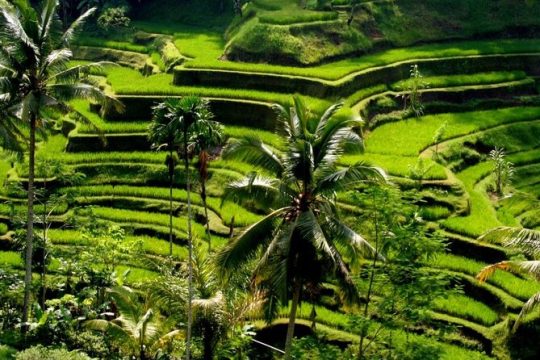
Tours & Sightseeing
Prices from $5
Luxury & Special Occasions
Prices from $5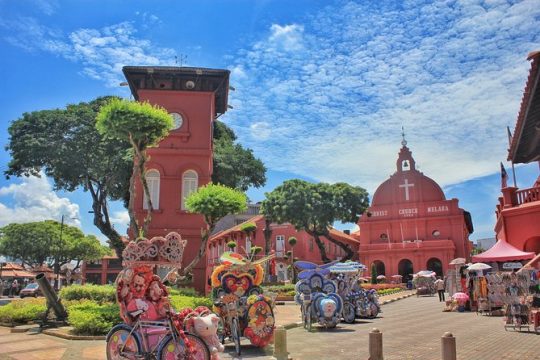
Cultural & Theme Tours
Prices from $5
Walking & Biking Tours
Prices from $5
Private & Custom Tours
Prices from $5
Day Trips & Excursions
Prices from $5
Food, Wine & Nightlife
Prices from $14
Shore Excursions
Prices from $5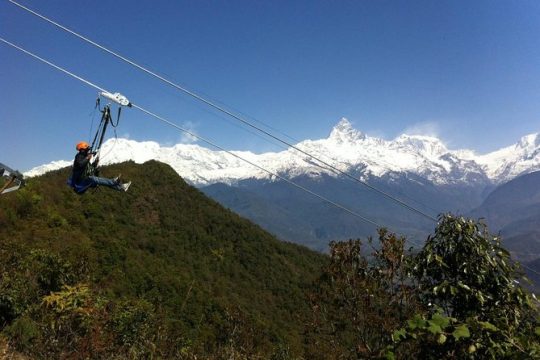
Outdoor Activities
Prices from $7
Cruises, Sailing & Water Tours
Prices from $7
Water Sports
Prices from $12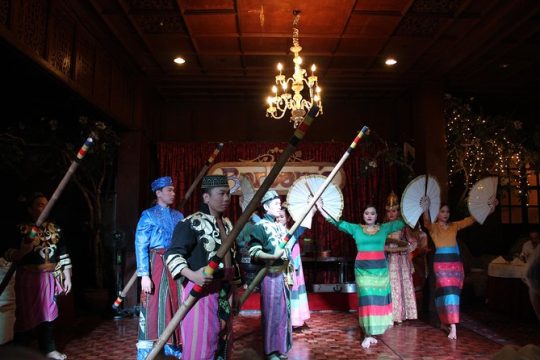
Shows, Concerts & Sports
Prices from $9


Tegenungan Waterfall (Air Terjun Tegenungan)
Prices from $8
Tegalalang Rice Terrace (Sawah Terasering Tegalalang)
Prices from $8
Nishiki Market
Prices from $53
Uluwatu Temple (Pura Luhur Uluwatu)
Prices from $11
Bangkok Chinatown (Yaowarat)
Prices from $36
Cu Chi Tunnels
Prices from $14
Gion Corner
Prices from $53
Kamogawa River (Kamo River)
Prices from $53
Karangasem
Prices from $12
Mt. Batur (Gunung Batur)
Prices from $8
My Son Sanctuary
Prices from $19
Padangbai (Padang Bai)
Prices from $30
Hanukkah in Asia
Dec 4–12, 2026
New Year’s Eve in Asia
Thu, Dec 31, 2026
New Year’s Day long weekend in Asia
Jan 1–3, 2027
Rainy day activities in Asia
10 tours & activities
Senior-friendly tours Asia
337 tours & activities
Asia Foodie Tours
222 tours & activities
Family-friendly Asia Tours
787 tours & activities
The best tours and activities for culture lovers in Asia
580 tours & activities
Top 10 Asia 2026
10 tours & activities
Top Day Trips from Asia
352 tours & activities
Things to do in Asia this summer
1,000 tours & activities


