Frequently Asked Questions
The answers provided below are based on answers previously given to customers' questions.
West Bengal runs across eastern India from the shores of the Bay of Bengal up to the foothills of the Himalayas, and its story is told most fully in its capital, Kolkata. This is a land of poets, painters, filmmakers and lively argument, where Bengali food, music and festivals shape daily life as much as any monument does. The trips travellers book here lean toward culture and history: long days spent walking old lanes, stepping into temples and colonial buildings, and learning how a riverside trading post grew into one of the great cities of the British Empire and later a cradle of the Indian independence movement. Most outings are private, so a guide moves at your pace and can steer the day toward architecture, faith or street food as your interests lead. Hotel pickup comes as standard, which takes the strain out of a place where traffic can be intense, and days usually start in the morning and carry on well into the afternoon. For a first visit to India, West Bengal offers a gentler way to meet the country's energy than some of the busier tourist circuits, with welcoming hosts, a proud literary culture and a rhythm that rewards curiosity. Give yourself time to sit with it, because the region reveals itself slowly, in conversations over tea, in the hush of a prayer hall after a noisy street, and in the stories a guide tells about the families and traders who built it.
Once the capital of British India, Kolkata wears its layers openly. Victorian offices, crumbling merchant mansions, crowded bazaars and riverside bathing steps sit side by side, and the city's intellectual life still hums in its coffee houses and bookstalls. College Street is the place to feel that spirit, a long stretch lined with secondhand book dealers close to some of the country's oldest colleges. Howrah Bridge, the giant steel cantilever over the river, carries a stream of people, cars and handcarts from dawn to dark, and the flower market near its foot is among the most photographed scenes in town. Faith offers a quieter side of the city. Mother House, where Mother Teresa lived and lies buried, receives visitors who come to pay their respects in near silence, while the Pareshnath Jain Temple dazzles with mirrorwork, colored glass and carefully tended gardens.
Travellers who like to learn as they go get the most from a stay here. Heritage and cultural tours are the main draw, often by private car or minivan so you can reach far-apart corners in a single outing, with walking stretches through the older neighborhoods in between. A full day lets a guide link the colonial core with temples, markets and the riverbank, and many people find that one well-planned day gives them enough context to explore confidently on their own afterward. Wear shoes you can walk in and dress modestly for temple visits, since footwear often comes off at the door. Street food is part of the education too, from puffed-rice snacks to syrupy sweets made from fresh cheese, and a good guide will know which stalls to trust. Expect noise, color and crowds, balanced by moments of real calm in courtyards and prayer halls. If one day leaves you wanting more, a second private outing can follow a single theme in depth, such as the old merchant quarters, the city's many faiths or its literary history, and it often turns out to be the highlight of the stay.
#1College Street is a book-lined street in central Kolkata, known locally as Boi Para, or Book Town, and home to the largest book market in India. Students, collectors and curious travelers come to hunt through stalls of new and secondhand books and to feel the street's deep ties to the city's intellectual life.The street runs for about 900 meters from Bidhan Sarani to Bowbazar and takes its name from the colleges and universities along its length. Presidency University, the University of Calcutta and Sanskrit College stand on or near it, alongside several old schools, and generations of students have bought their textbooks here. Several long-established Bengali publishers have their offices on the street, so it is a hub of Bengali literature as well as a place to shop.It is often described as one of the largest secondhand book markets in the world. Big bookshops stand beside tiny kiosks wedged against walls and railings, with books stacked high and spilling onto the pavement. You might find exam guides, Bengali poetry, old novels and the occasional rare edition in the same pile, and a seller asked for a title will often dig it out of the stacks.The Indian Coffee House, a high-ceilinged cafe on the street, has long drawn the city's writers, artists and thinkers, and its tables have hosted generations of argument over coffee. Sitting there among students and old regulars gives a sense of why Kolkata prizes its name as a city of readers and talkers. Even if you buy nothing, the street is a lively portrait of a city that treats books as part of everyday life. A guide who reads Bengali can translate titles on the spines and point you toward books you would otherwise pass by.
More
#2If you are looking for things to do in West Bengal we have 1 Tours and Activities to Experience Howrah Bridge. Check out our verified traveler reviews and photos of Howrah Bridge tours and other things to do in West Bengal, and book securely when you find the perfect one. Learn the best ways to see famous Howrah Bridge and explore the most popular things to do in West Bengal.
More
#3The Mother House in Kolkata is the headquarters of the Missionaries of Charity, the religious order founded by Mother Teresa, and the place where she lived, worked and is buried. Visitors come to pay their respects at her tomb, see the plain room she slept in and learn about her life in a small museum.Mother Teresa came to the city as a young teacher with the Loreto sisters before leaving the convent school to work among the poorest people in Kolkata's slums. She founded the Missionaries of Charity in the middle of the 20th century, and early in the order's life she and her sisters made this house their home. From here she prayed, planned and guided a congregation that spread to many countries, running homes for the dying, orphanages and clinics. She died in the house near the end of the 20th century, and the Catholic Church later declared her a saint, known as Saint Teresa of Calcutta.Her tomb lies on the ground floor of the main building, a plain slab where sisters and visitors kneel in prayer, often covered with flowers. The inscription on it asks people to love one another as she loved them. Her small room is kept just as she left it, with a simple bed, a desk and a cabinet, and it shows how little she kept for herself. Next to the tomb, the museum gathers her personal belongings, handwritten letters, photographs, paintings and the many awards she received, tracing her path from her childhood in Skopje to worldwide fame.The house remains a living religious house, full of sisters in their white saris with blue borders going about their duties, which gives a visit a quiet, lived-in feel rather than that of a museum. A guide can add stories of her early years in the city and of the sisters who carry on her work.
More
#4If you are looking for things to do in West Bengal we have 1 Tours and Activities to Experience Pareshnath Jain Temple (Parasnath Jain Temple). Check out our verified traveler reviews and photos of Pareshnath Jain Temple (Parasnath Jain Temple) tours and other things to do in West Bengal, and book securely when you find the perfect one. Learn the best ways to see famous Pareshnath Jain Temple (Parasnath Jain Temple) and explore the most popular things to do in West Bengal.
More
#5If you are looking for things to do in West Bengal we have 1 Tours and Activities to Experience St Paul's Cathedral. Check out our verified traveler reviews and photos of St Paul's Cathedral tours and other things to do in West Bengal, and book securely when you find the perfect one. Learn the best ways to see famous St Paul's Cathedral and explore the most popular things to do in West Bengal.
More
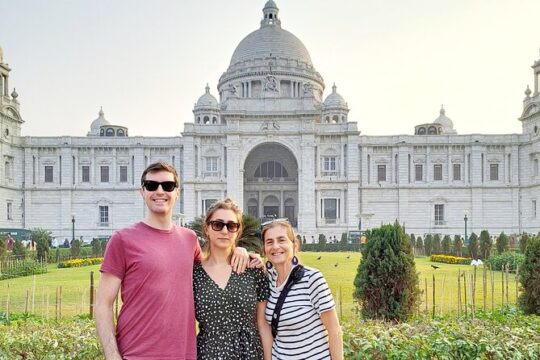
#6If you are looking for things to do in West Bengal we have 1 Tours and Activities to Experience Victoria Memorial. Check out our verified traveler reviews and photos of Victoria Memorial tours and other things to do in West Bengal, and book securely when you find the perfect one. Learn the best ways to see famous Victoria Memorial and explore the most popular things to do in West Bengal.
MoreMost West Bengal trips revolve around one long guided day in Kolkata. Pickup comes after breakfast, and private heritage and culture tours mix stretches in a car or minivan with walks through markets and old quarters until late afternoon.
Evenings are for sweet shops, a riverside stroll or a long Bengali dinner, and many visitors keep the next morning free to wander alone.
The region suits curious adults who love history, religion, books and food and prefer unhurried talk with a local guide to a rushed list of sights.
November to February is cooler and drier, the most comfortable stretch for exploring Kolkata on foot, with mild days and pleasant evenings for a stroll.
March through May turns very hot and sticky on the plains, so plan indoor breaks around midday. The monsoon usually arrives in June and stays into September, with heavy downpours and flooded streets.
Autumn is festival season, when Durga Puja fills the city with decorated pavilions, music, lights and huge crowds. Book rooms and guides well ahead if your trip falls then.

The answers provided below are based on answers previously given to customers' questions.