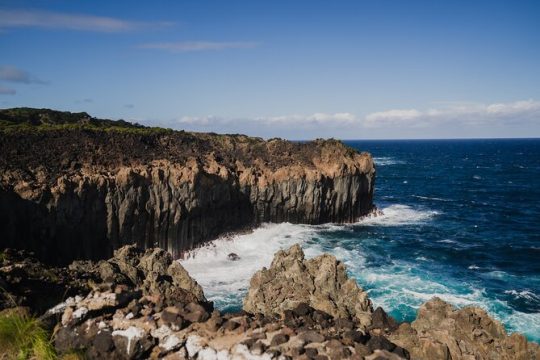
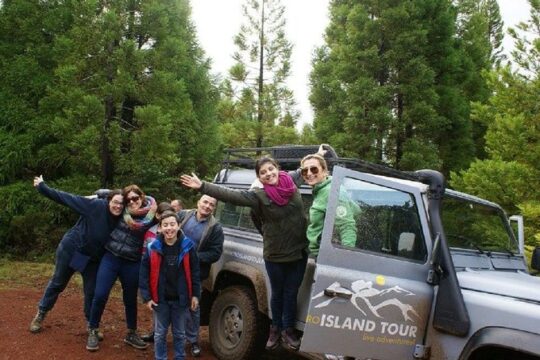
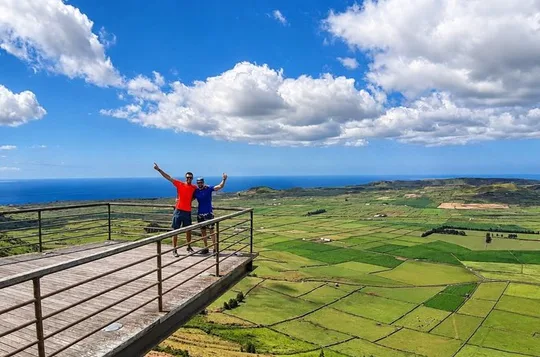
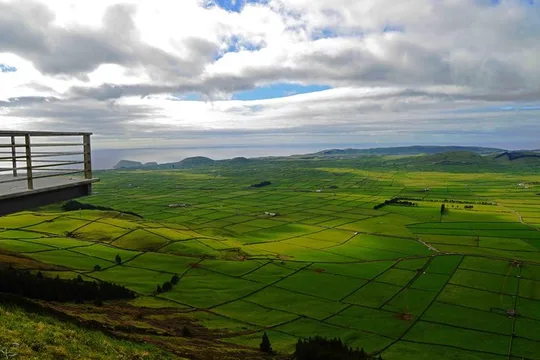
Terceira is one of the central islands of the Azores, a green volcanic island in the middle of the Atlantic with patchwork fields divided by stone walls, grazing cows and small villages of whitewashed churches. Its two towns give you very different bases. Angra do Heroísmo, on the south coast, is a historic port whose old center is a UNESCO World Heritage Site, full of colorful streets, grand churches and careful Renaissance planning. Praia da Vitória, on the east coast, is a relaxed seaside town with a long sandy bay, a marina and easy access to the airport. Between them lie crater lakes, lava caves, forested hills and natural swimming pools carved from black rock. The island is famous for its lively festivals, its street bullfights with a rope, and a hearty beef stew cooked slowly in clay pots. Most tours are outdoor and scenic: island loops by minivan, jeep rides into the volcanic interior, hikes, and cultural walks that explore its history and traditions. Free cancellation is standard, and the small scale of the island means you can see a great deal without long hours on the road.
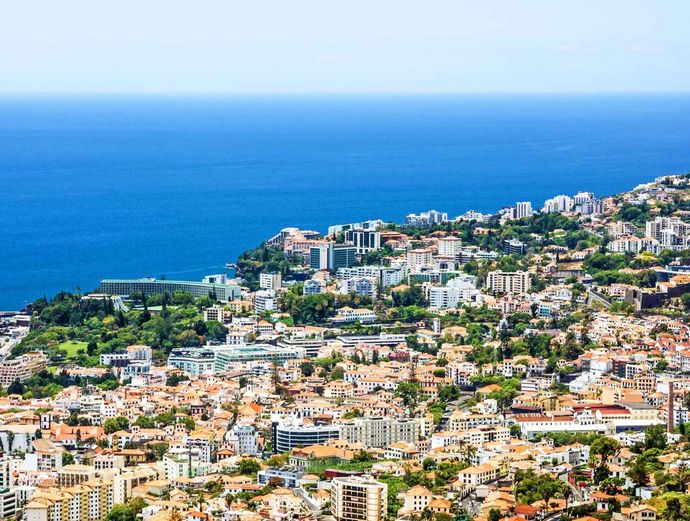
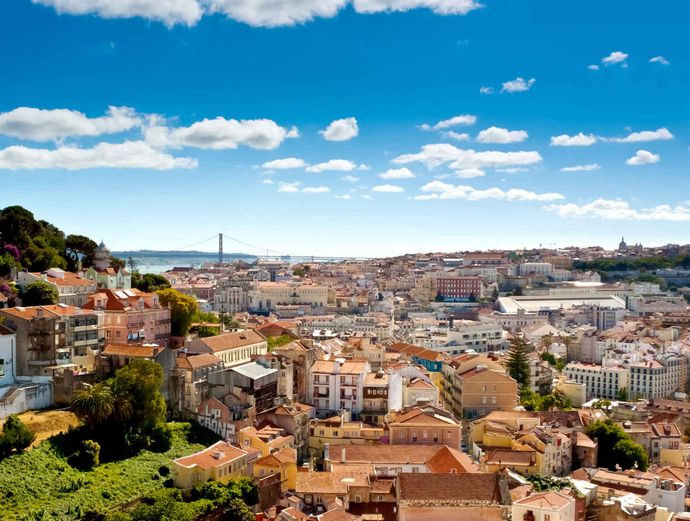
For centuries, ships sailing between Europe and the Americas stopped in the sheltered bay of Angra do Heroísmo to take on water and supplies, and the wealth that passed through built the town you see today. The streets are laid out in a neat grid, lined with pastel houses, wrought iron balconies and stately churches, and a fortress guards the volcanic headland above the harbor. A climb up the green hill beside town gives you a view over the rooftops and the sea. Rebuilt with care after an earthquake, the center is a pleasure to explore on foot, with cafés, small museums and pastry shops tucked between the squares.
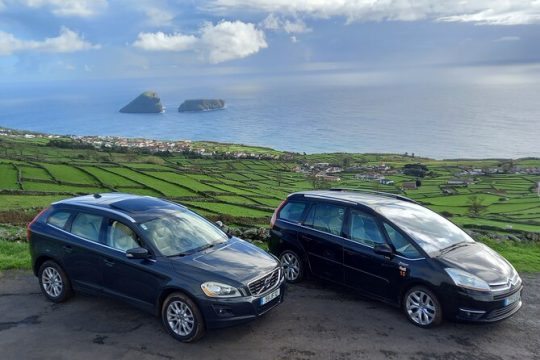
Cruise passengers often spend their day ashore here, so port transfers, shore excursions and ports-of-call tours are among the most common bookings. Bus and minivan tours start from town and loop around the island in half a day or a full day, taking in crater viewpoints, a lava cave, hydrangea-lined roads and fishing villages. For something more active, outdoor tours add hikes along volcanic ridges and coastal paths, and history buffs can follow the story of the explorers and traders who once filled the harbor.
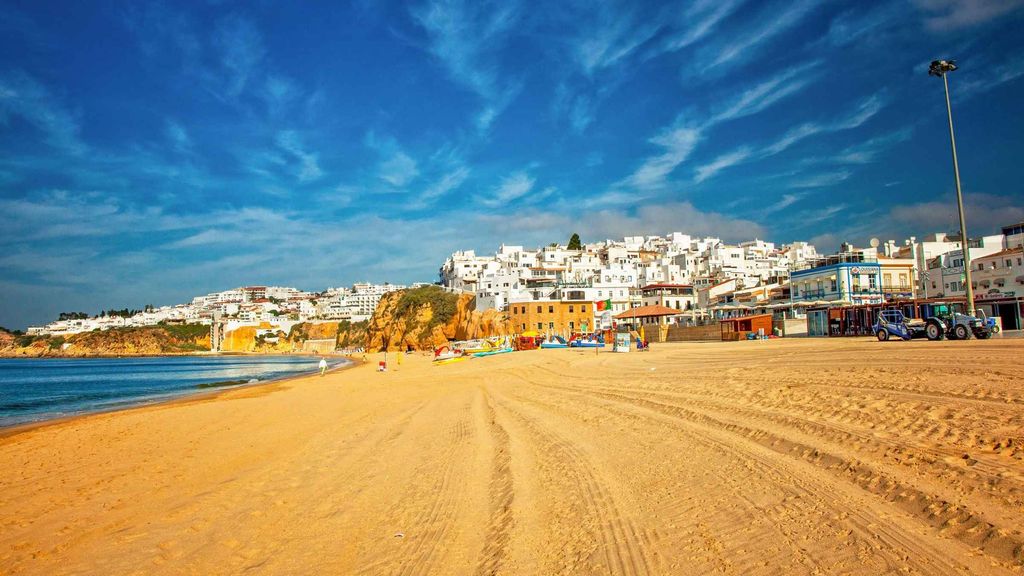
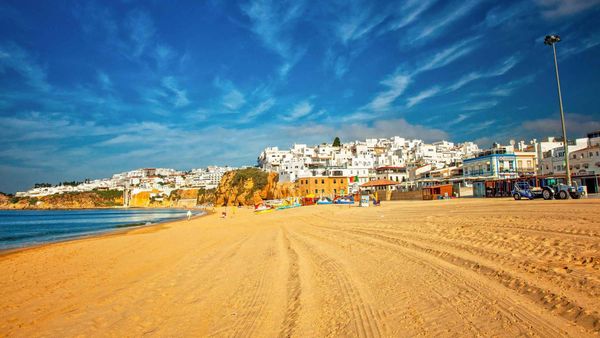
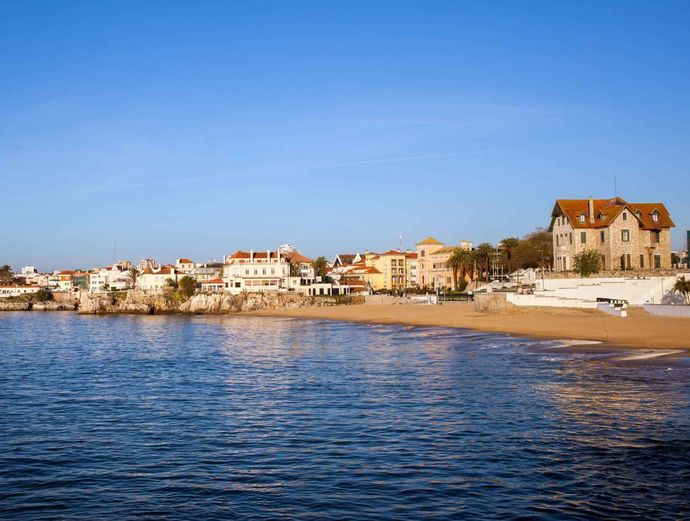
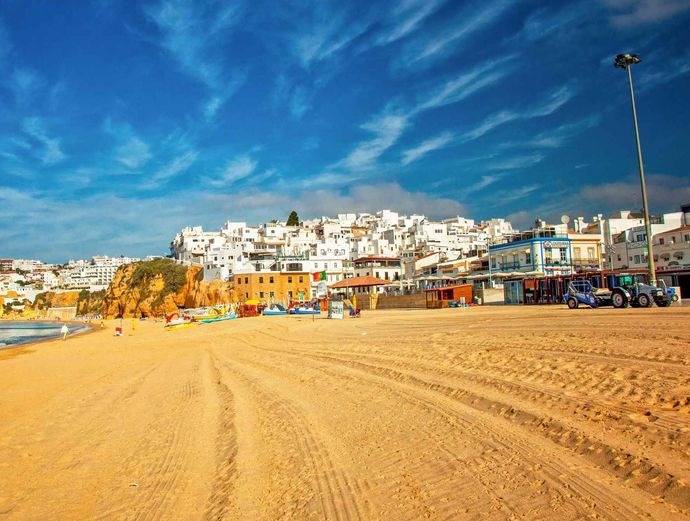
Named for a victory won on its shore during the struggle over the Portuguese crown, Praia da Vitória has an easygoing mood today. A wide, sheltered beach curves along the bay, sailboats fill the marina, and a seafront promenade leads to a viewpoint on the hill above town. Cruise ships often dock here, and the town sits close to the airport, which makes it a practical first or last stop on the island.
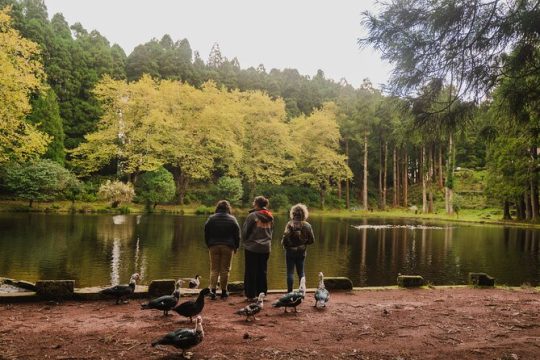
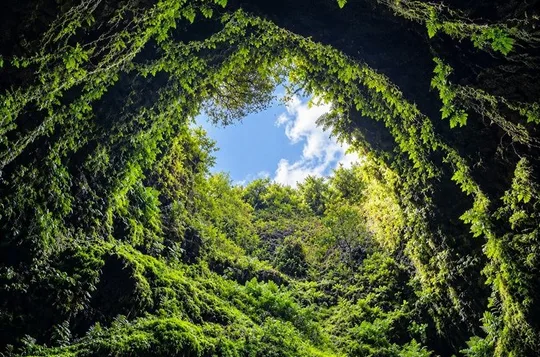
From here, shore excursions and full-day outings head inland to the green heart of the island, where crater lakes, cattle pastures and stands of cedar cover the hills. Day trips often combine a descent into a volcanic chimney, the sulfur vents of a steaming fumarole field, and a stop for local cheese or a glass of wine from vines grown inside stone walls. Outdoor fans can swim, kayak or snorkel in the bay, and the long sandy beach is a rare find in the Azores, ideal for families with young kids.
Read more