New York attractions
More things to do in the state
 #226
One if by Land, Two if by Sea
One if by Land, Two if by Sea is a fine dining restaurant in a former carriage house on Barrow Street in New York's West Village. Known as one of the city's most romantic places to eat, it draws couples and celebrating diners with its tasting menus and a building full of stories.The name recalls the lantern signal behind Paul Revere's famous ride, when lights in a Boston church steeple warned how British troops were on the move. The building's own link to that era is Aaron Burr, who the restaurant says kept his coach and horses here in the late 18th century. Over time it served in turn as a stable, an engine house and a silent movie theater, then as a string of bars and restaurants, before the present owners bought it and spent several years restoring it.The restoration turned up pieces of the past, including old coins, handmade horseshoes and bottles from the early 19th century, and it uncovered an original hitching post that still stands in the bar. The building also keeps a mystery. A stone-lined, barrel-vaulted tunnel runs from it toward Hudson Street, and no one has settled who dug it or why, which keeps the stories about the place alive. Details like these make dinner here feel a little like an evening in a lived-in museum.The dining rooms lean into old New York charm, with exposed brick, fireplaces and soft light, and live piano music drifts through from the bar. It has long been a favorite spot for proposals and anniversaries, and private rooms suit family celebrations and small gatherings. A guide who knows the West Village can set the carriage house among the bent streets and old row houses around it.
More #227
One Times Square
One Times Square is the narrow skyscraper at the southern tip of Times Square in Midtown Manhattan, best known as the tower where the ball drops at midnight on New Year's Eve. Wrapped in giant screens and advertising displays, it is one of the most photographed buildings in New York and the visual anchor of the square.The tower was built in the early 20th century as the headquarters of The New York Times, and the busy crossroads around it, then called Longacre Square, was renamed in the newspaper's honor. Its original design was neo-Gothic, with a facade of limestone and terracotta that made it one of the most elegant towers of its day. The newspaper celebrated its arrival with a fireworks display on New Year's Eve, and a few years later replaced it with a lit ball lowered down the flagpole at midnight, beginning a tradition that has grown into a worldwide event. The Times soon outgrew the building and moved to larger offices nearby, and in later decades the tower changed owners several times and lost its ornate stone skin in a modern makeover.Over time the building became more valuable for what covered it than for what was inside. Its front now carries a very large LED screen surrounded by stacked advertising panels, and it glows and flickers at all hours as the backdrop for countless photos and live broadcasts. The famous ball, covered in crystal panels and lights, now sits on the roof all year rather than appearing only for its midnight descent. An observation deck added outside the upper floors gives a view straight down onto the crowds, the yellow cabs and the theater signs of the square, a rare chance to see the crossroads from above.On a guided walk, the stories of the newspaper, the ball and the changing square add meaning to the bright lights.
More #228
Queens Museum
If you are looking for things to do in New York we have 1 Tours and Activities to Experience Queens Museum. Check out our verified traveler reviews and photos of Queens Museum tours and other things to do in New York, and book securely when you find the perfect one. Learn the best ways to see famous Queens Museum and explore the most popular things to do in New York.
More #229
Queensboro Bridge
If you are looking for things to do in New York we have 5 Tours and Activities to Experience Queensboro Bridge. Check out our verified traveler reviews and photos of Queensboro Bridge tours and other things to do in New York, and book securely when you find the perfect one. Learn the best ways to see famous Queensboro Bridge and explore the most popular things to do in New York.
More #230
Quincy Market
You can wander Quincy Market on your own, grazing through the central food hall and browsing the shops in the flanking buildings. Guided options add context: Freedom Trail walking tours start nearby, ranger talks run in Faneuil Hall next door, and guided food tours pair market tastings with the North End. A walking tour plus a harbor stroll makes a full day downtown. Quincy Market suits families, groups, and first-time visitors who want many food choices and some browsing in one place. Allow one to two hours for eating and wandering, and more if you add Faneuil Hall and the Freedom Trail. Street performers and pushcart vendors work the open spaces between the buildings, so the area can feel busy at midday. Faneuil Hall next door has a ramp and elevator on its south side for step-free access. Individual shops and restaurants keep their own hours, so check before planning a meal around one.
More #231
South Street Seaport Museum
The South Street Seaport Museum is a maritime museum in Lower Manhattan, where Fulton Street meets the East River beside the Brooklyn Bridge. It tells the story of New York as a port city, and visitors come for its galleries, its historic buildings and a fleet of old ships moored at the pier.For much of the 19th century this waterfront was the center of New York's maritime trade. Sailing ships crowded the piers, and the counting houses and warehouses along the streets handled cargo from around the world. As shipping moved elsewhere the district declined, and the museum grew out of a preservation effort led by Peter and Norma Stanford, who set out to save the old buildings and ships before they were lost.The ships are the heart of the collection. Wavertree is a tall ship with an iron hull and three masts, built to carry cargo under sail, and the lightship Ambrose once marked the main channel into New York Harbor. Both are moored at Pier 16. The fleet also includes the schooner Pioneer and the tugboat W. O. Decker, which take a more active role on the water. Walking the decks gives a sense of the hard working lives aboard.Ashore, the museum's galleries on Fulton and Water Streets include an immersive exhibition on the city's maritime story, set inside the historic buildings of Schermerhorn Row and its neighbors. Schermerhorn Row itself, a block of early brick warehouses, ranks among the oldest surviving commercial buildings in Manhattan. A working print shop turns out pieces on old presses, and a maritime library supports research into the port's past. A guide can connect the ships, the buildings and the streets into one picture of the city's working waterfront.
More #232
Staten Island Ferry
Many visitors ride round trip just for the harbor views. For more context, consider a guided harbor cruise or a walking tour of Lower Manhattan that covers Battery Park, Wall Street and the waterfront before or after your crossing. Guides explain the landmarks you pass, and combined itineraries can add other harbor sights such as the Statue of Liberty and Ellis Island. The crossing takes about 25 minutes each way, so allow about an hour for a round trip. The ride passes views of the Statue of Liberty, Ellis Island, Governors Island and the Lower Manhattan skyline. Bicycles are allowed, and riders walk them aboard through a ground-level bicycle entrance. Both terminals have elevators and escalators, and the outdoor decks are best with an extra layer.
More #233
Stone Street Historic District
Stone Street is one of the oldest streets in New York, a narrow cobbled way in Lower Manhattan where old merchants' buildings sit in the shadow of the bank towers. People come to eat and drink at the tables that spill onto its cobbles and to enjoy a rare pocket of old New York among the skyscrapers.In the days of New Amsterdam, when Manhattan was a Dutch trading post, this was Brewers Street, named for the breweries along it. The stretch farther east was known as High Street. In the 17th century its residents asked to pave it with cobblestones at their own expense, making it the first cobbled street in the colony. Under English rule it became known as Stone Street after that paving, and the name stuck.The street's Dutch houses are long gone. In the 19th century the Great Fire of New York swept through this part of Lower Manhattan, destroying hundreds of buildings, and Stone Street was rebuilt with handsome four-story buildings in the Greek Revival style, made as stores and lofts for dry-goods merchants and importers. As the Financial District rose around them, these modest blocks survived, though one section of the street vanished beneath a skyscraper, its old path traced in the curved lobby of the tower.Late in the 20th century the city named the area a historic district and restored the lane with new cobblestones and old-style street lamps. Its eastern blocks were then given over to restaurants and pubs. At the eastern end stands India House, a grand former cotton exchange that now holds a private club. Narrow Mill Lane, an alley from the 17th century, branches off the street nearby. A walking guide can link the street to the story of New Amsterdam and the rise of Wall Street a few blocks away.
More #234
Theodore Roosevelt Inaugural National Historic Site
The Theodore Roosevelt Inaugural National Historic Site is the Ansley Wilcox House on Delaware Avenue in Buffalo, New York, where Theodore Roosevelt took the oath of office as president. Visitors come to see the room where it happened and to learn how a sudden crisis put him in the White House.The swearing-in followed a national shock. President William McKinley was shot while visiting the Pan-American Exposition in Buffalo, and when he died days later, his vice president hurried back to the city. In the front library of his friend Ansley Wilcox's home, a federal judge gave the oath before around fifty people, making this one of the few inaugurations held outside Washington. Roosevelt became the youngest person ever to hold the office.The building is older than its famous moment. It began as the officers' quarters of the Buffalo Barracks, a military post built to guard the border with British Canada, and it is the only structure from that post still standing. After the barracks closed it became a private home, and Ansley and Mary Grace Wilcox later renovated it extensively. In later decades it served as a restaurant, which altered the rooms and cost the property its carriage house, before it was restored as a historic site.The National Park Service looks after the house. The first rooms hold a museum of items from the Pan-American Exposition, recalling the electric lights and optimism of the fair. The library has been returned to its look on the day of the oath, and the final room recreates Roosevelt's presidential office, with an interactive desk that lets visitors explore the issues he faced. A guide ties together the tragedy, the handover of power and the energetic young president who followed.
More #235
Tiffany & Co. Flagship Store
Most people wander the store on their own, starting with the ground-floor salesroom and the Atlas statue facing Fifth Avenue. A guided walking tour of Fifth Avenue or Midtown is a good way to learn the building's history and its place among the neighboring landmarks. Many itineraries pair the stop with Central Park, Rockefeller Center, and the nearby shopping blocks. The Landmark is a ten-story store, so allow an hour or more if you want to see several floors. You can browse without buying, and the street-level windows are changed several times a year. The Blue Box Cafe, run by chef Daniel Boulud, serves breakfast, lunch, and tea, so plan ahead if you want a table. The building holds an art collection and exhibition spaces, so it appeals to design fans as well as jewelry shoppers. Appointments are available in store for diamond consultations, gifting, cleaning, and repairs.
More #236
U.S. Marine Corps War Memorial
You can walk around the memorial on your own in an hour or two, or request a ranger program. Many guided tours of Washington include it as a stop, often paired with Arlington National Cemetery or the monuments across the river. Evening and sunset tours show the skyline at dusk. A summer Sunset Parade adds music and precision drill. The grounds are open from 6 am to midnight year-round, and the flag flies day and night. Plan one to two hours for a self-guided walk around the memorial and its views across the river to the monuments. The small parking lot has a one-hour limit, so allow extra time on busy days. Paved paths link the parking area, plaza and restrooms, and service animals are welcome. On summer Tuesday evenings the Marine Corps holds a Sunset Parade, and the plaza closes to the public for several hours around it.
More #237
USTA Billie Jean King National Tennis Center
The USTA Billie Jean King National Tennis Center is the tennis complex in Flushing Meadows-Corona Park in Queens, New York City, and the home of the US Open. Fans come to watch the world's best players compete in its big stadiums and to soak up the energy of one of tennis's four Grand Slam events.The center owes its site to a view from an airplane window. Late in the 20th century, the president of the US Tennis Association looked down while flying into LaGuardia and noticed the underused Singer Bowl, a stadium left from the World's Fair, and saw space for a new home for the national championships. The US Open moved here from Forest Hills soon after, and crews digging foundations turned up remains from both of the World's Fairs once held in the park.The grounds cover about 46 acres with 22 courts, plus a dozen more in the surrounding park. Arthur Ashe Stadium, the centerpiece, is the largest tennis stadium in the world, with more than 22,000 seats beneath a retractable roof. Louis Armstrong Stadium began life as the renovated Singer Bowl and has since been rebuilt with a roof of its own, while the Grandstand and Court 17, nicknamed the Pit because it sits sunk below ground level, offer more intimate views of the action.Early in the 21st century the center took the name of Billie Jean King, honoring the champion who beat Bobby Riggs in the Battle of the Sexes and spent decades pressing for equal pay and opportunity for women in sport. The venue has hosted more than tennis, too, including the first outdoor professional basketball game played in a regular season. For many fans, simply walking these grounds means following in the footsteps of the sport's greatest names.
More #238
Verrazano-Narrows Bridge
The Verrazzano-Narrows Bridge is the great suspension bridge linking Brooklyn and Staten Island across the Narrows, the strait at the entrance to New York Harbor. Travelers come to admire its soaring towers and graceful span from the shore or the water, and most ships bound for the port pass right beneath it.The bridge honors Giovanni da Verrazzano, the Italian navigator who, sailing for France, became the first European to enter New York Harbor in the 16th century. For decades its name was spelled with a single z, a slip carried over from the original construction contracts, until a state law restored the second z. The Swiss-born engineer Othmar Ammann, who also designed the George Washington Bridge, led the design team, and the upper deck opened in the second half of the 20th century.When it opened, its main span of more than 4,200 feet was the longest of any suspension bridge on Earth, a record it held until England's Humber Bridge was completed, and it still has the longest main span in the Americas. Its towers rise nearly 700 feet, and they stand so far apart that the designers had to allow for the curvature of the Earth: the tops sit more than an inch and a half farther apart than the bases. Its two decks carry 13 lanes of Interstate 278.The New York City Marathon starts on the bridge, sending a river of runners across both decks toward Brooklyn. Building it came at a cost to Bay Ridge, where thousands of residents were displaced to make room for the approach roads, and on the Staten Island side the span lands beside forts that guarded the harbor entrance long before any bridge was imagined. From a boat passing underneath, a guide can explain how it was built and why its towers are not quite parallel.
More #239
Washington Monument
The Washington Monument is the tall white marble obelisk at the center of the National Mall in Washington, DC, built to honor George Washington, the country's first president. Visitors come to see the city's most recognizable landmark up close and to ride to the top for views across the capital and its memorials.The idea of a national memorial to Washington was debated for many years, but construction began only in the middle of the 19th century, to a design by Robert Mills. Money ran short, the Civil War intervened, and the half-built shaft stood unfinished for more than two decades. When work resumed, builders could not match the original stone, and a subtle change in the color of the marble shows where they picked up again. The obelisk was finally completed late in the 19th century and capped with a small pyramid of aluminum, then a rare and costly metal.On its completion it was the tallest structure in the world, a title it held until the Eiffel Tower rose in Paris, and it is still the tallest obelisk on earth. Inside, the walls of the shaft are set with memorial stones donated by states, cities, organizations and foreign nations. From the observation level near the top, small windows look out in every direction, toward the Capitol, the White House, the Lincoln Memorial and across the Potomac into Virginia.The monument also anchors the layout of the Mall. It stands near the crossing of two axes, one running from the Capitol to the Lincoln Memorial and the other from the White House to the Jefferson Memorial, and a ring of American flags flutters around its base. Visible from almost anywhere in central Washington, it works as a compass point for anyone finding their way between the museums and memorials. A guide can add the story of the long struggle to build it and the symbolism behind its plain, soaring form.
More #240
200 Clarendon (John Hancock Tower)
There is no interior visit, so the tower is best enjoyed as part of a Back Bay walking tour. Guided walks through the neighborhood often pass the tower, Trinity Church and Copley Square, and a guide can explain the engineering and the story behind the building. For views from above, pair the stop with the public observation deck at the nearby Prudential Tower, which is the highest public deck in the city. The tower is a working office building, and it has no public observation deck. Most visitors view it from outside as part of a Back Bay walk. The glass facade mirrors Trinity Church across the street, which makes the pair a favorite photo subject. Copley station nearby has elevators and an escalator, and the station has no parking of its own. It is a short stop on its own, so combine it with Copley Square and the surrounding sights.
More #241
42nd Street New York City
Walking the street from east to west on your own is a good way to see Grand Central, the library, Bryant Park and the Times Square lights. Guided walking tours of Midtown and Grand Central add architecture and stories you would walk past. A Broadway show, a night walk through Times Square or a ferry ride from the west end all combine well. The street runs about two miles across Midtown, so pick a stretch such as Grand Central to Times Square instead of walking all of it. Times Square is crowded at all hours, so keep bags zipped and agree on a meeting point if you travel in a group. Highlights include Grand Central Terminal, the main New York Public Library branch, Bryant Park and Theatre Row. Broadway is closed to traffic around Times Square, so the plaza is a pedestrian space with benches. Not every subway station is step-free, so check the transit authority's accessibility details if you need elevators.
More #242
Al Hirschfeld Theatre
The Al Hirschfeld Theatre is a historic Broadway house on West 45th Street in Midtown Manhattan, on the western edge of the Theater District. Theatergoers come to see major musicals and plays in an ornate auditorium whose facade and interior are both protected New York City landmarks. Its name honors one of the best-loved artists ever to sketch the Broadway scene.The theater opened as the Martin Beck Theatre, built for Martin Beck, a leading figure in vaudeville who named it after himself. The architect G. Albert Lansburgh gave it a Byzantine and Romanesque style, an unusual choice among Broadway houses, with arches and rich ornament that set it apart from its neighbors. Decades later it was renamed in honor of Al Hirschfeld, the caricaturist whose flowing pen-and-ink drawings of actors and shows captured Broadway for generations of newspaper readers.Hirschfeld was famous for hiding his daughter's name, Nina, in the folds and curls of his drawings, and fans of his work still enjoy hunting for it. Hirschfeld's caricatures became so closely linked with Broadway that naming a theater after him felt like a natural tribute. In the theater that bears his name, the auditorium is arranged over an orchestra level and a mezzanine, with boxes along the sides, and the ornate decoration makes the moments before curtain part of the pleasure.Over the decades the stage has hosted a long line of hit productions, among them the long-running Kinky Boots, the musical about a struggling shoe factory that finds new life making high-heeled boots, and Into the Woods, Stephen Sondheim's twist on classic fairy tales. Whatever is playing when you come, you share the room with more than a century of Broadway history. A guide can share stories of the performers who have taken a bow on this stage.
More #243
Albert Einstein Memorial
Many visitors see the memorial on their own during a walk on the National Mall, since it stands near the Vietnam Veterans Memorial. A guided walking, bike or evening monuments tour adds the story behind the sculpture and links it with the Lincoln Memorial and other nearby sights. Guides also help you cover a long day of memorials without losing time finding each one. This is an outdoor statue, so most visits take 15 to 30 minutes. The bronze figure sits on a granite bench in a grove of elm and holly trees on the National Academy of Sciences grounds. Stand at the center of the granite dais, where speech is noticeably amplified, and look for the engraved equations and quotations. The academy building is open by appointment, with government-issued ID, so plan on seeing the statue from the lawn.
More #244
Ambassador Theatre
If you are looking for things to do in New York we have 3 Tours and Activities to Experience Ambassador Theatre. Check out our verified traveler reviews and photos of Ambassador Theatre tours and other things to do in New York, and book securely when you find the perfect one. Learn the best ways to see famous Ambassador Theatre and explore the most popular things to do in New York.
More #245
Amish Farm and House
The Amish Farm and House is a farm museum in Lancaster County, Pennsylvania, that introduces visitors to the life, faith and farming traditions of the local Amish community. Set on a working farm, it combines a guided look inside a historic farmhouse with animals, open fields and trips into the surrounding Amish countryside.It describes itself as the original Amish educational farm museum in Lancaster, and it sets out to answer the questions visitors so often have about the Amish: why they live without many modern conveniences, how their families and schools work, and how their beliefs shape everyday choices. The Amish trace their roots to the Anabaptist movement in Europe, and many families settled in this fertile corner of Pennsylvania in the 18th century, drawn by the promise of religious freedom. Their communities have farmed the county ever since.The heart of the visit is the farmhouse, where a guide leads you through rooms furnished in the plain Amish style and explains customs such as dress, worship in the home, language and the role of the family. Outside, the farm covers about 15 acres, and you can walk among the barns and fields and meet the farm animals. Bus outings take visitors farther afield, past Amish farms and landmarks in the rolling countryside, where horse-drawn buggies share the roads with cars.Some programs go further, such as a sunset dinner with a home-cooked meal served in an Amish home, a rare chance to sit at the table with a family. Taken together, the house, the farm and the countryside give a respectful, rounded picture of a way of life that many travelers find quietly fascinating, and a guide's answers to your questions are the real reward.
More #246
Arch Street Meeting House
Most visitors tour the museum and worship room at their own pace, then stroll the shaded grounds. The site sits steps from Independence Hall, so it fits neatly into a day of Old City sights. A guided walking tour of Old City can place the meeting house within Quaker and Revolutionary-era history, and groups can arrange private tours with the site. This is an active Quaker meeting house, and all are welcome at the Sunday morning worship. Entry includes a self-guided look at the historic worship room, where benches face each other and there is no altar. Exhibits cover Quaker beliefs, the building's design and an early anti-slavery petition. The grounds hold a historic burial ground and are open from morning to dusk daily. Follow the posted visitor code of conduct, and keep voices low in the worship space.
More #247
Artists & Fleas
If you are looking for things to do in New York we have 1 Tours and Activities to Experience Artists & Fleas. Check out our verified traveler reviews and photos of Artists & Fleas tours and other things to do in New York, and book securely when you find the perfect one. Learn the best ways to see famous Artists & Fleas and explore the most popular things to do in New York.
More #248
Astoria
If you are looking for things to do in New York we have 5 Tours and Activities to Experience Astoria. Check out our verified traveler reviews and photos of Astoria tours and other things to do in New York, and book securely when you find the perfect one. Learn the best ways to see famous Astoria and explore the most popular things to do in New York.
More #249
Atlantic City Boardwalk
The Atlantic City Boardwalk is a wooden promenade running along the Atlantic Ocean in Atlantic City, New Jersey, lined on one side by beach and on the other by casino hotels, shops and restaurants. People come to stroll the planks, walk out onto historic piers, try their luck in the casinos and soak up the sea air of a classic American resort.It began as a temporary seasonal structure, laid down to keep sand out of hotel lobbies and railroad cars, and grew into the longest and busiest boardwalk in the world. It stretches about five and a half miles from Absecon Inlet southwest into neighboring Ventnor City. Over the decades it became a symbol of the American seaside holiday, with grand hotels, rolling chairs and entertainers drawing crowds from the big East Coast cities.Historic piers reach out over the ocean from the boardwalk, most famously Steel Pier, a long-running home of amusements that once featured big-name performers and its famous diving horse. Boardwalk Hall, a vast arena, hosts concerts, sports and large events, and is long associated with the Miss America pageant. Inside, its pipe organ is counted among the largest ever built. Atlantic City's street names also inspired the original Monopoly board, which gave the Boardwalk worldwide recognition.Casinos arrived later and reshaped the resort, and their towers now dominate the central stretch. Storms have also left their mark: one destroyed a northern section of the boardwalk, while the casino-front stretch largely survived. Walking its length reveals layers of history, from old-fashioned saltwater taffy shops to modern resorts. The beach itself is broad and sandy, and the sound of the surf follows you the whole way. A local guide can point out where grand hotels once stood and explain how Prohibition-era bootleggers made the town notorious.
More #250
Back Bay
You can wander Back Bay on your own, taking in the brownstone blocks, Copley Square and the shops along Newbury Street. A guided walking tour explains how the neighborhood was built on filled land, points out the architectural styles on each block, and can include a historic house museum. It also pairs well with the nearby Public Garden and Boston Common in one day. Back Bay is an outdoor neighborhood, so you explore by walking its streets rather than entering one single site. The main sights are the Victorian brownstone rows, the Commonwealth Avenue Mall, and Copley Square with Trinity Church and the Boston Public Library. Newbury and Boylston streets are the shopping and dining streets, with boutiques, galleries and restaurants in converted townhouses. The area sits on reclaimed land and follows a regular street grid, which makes it easy to walk and navigate. Churches, libraries and museums here keep their own hours, so check before you plan an interior stop.
More #251
Barclays Center
If you are looking for things to do in New York we have 4 Tours and Activities to Experience Barclays Center. Check out our verified traveler reviews and photos of Barclays Center tours and other things to do in New York, and book securely when you find the perfect one. Learn the best ways to see famous Barclays Center and explore the most popular things to do in New York.
More #252
Barrymore Theatre
If you are looking for things to do in New York we have 3 Tours and Activities to Experience Barrymore Theatre. Check out our verified traveler reviews and photos of Barrymore Theatre tours and other things to do in New York, and book securely when you find the perfect one. Learn the best ways to see famous Barrymore Theatre and explore the most popular things to do in New York.
More #253
Bedford Avenue
If you are looking for things to do in New York we have 3 Tours and Activities to Experience Bedford Avenue. Check out our verified traveler reviews and photos of Bedford Avenue tours and other things to do in New York, and book securely when you find the perfect one. Learn the best ways to see famous Bedford Avenue and explore the most popular things to do in New York.
More #254
Belasco Theatre
If you are looking for things to do in New York we have 3 Tours and Activities to Experience Belasco Theatre. Check out our verified traveler reviews and photos of Belasco Theatre tours and other things to do in New York, and book securely when you find the perfect one. Learn the best ways to see famous Belasco Theatre and explore the most popular things to do in New York.
More #255
Benjamin Franklin National Memorial
If you are looking for things to do in New York we have 3 Tours and Activities to Experience Benjamin Franklin National Memorial. Check out our verified traveler reviews and photos of Benjamin Franklin National Memorial tours and other things to do in New York, and book securely when you find the perfect one. Learn the best ways to see famous Benjamin Franklin National Memorial and explore the most popular things to do in New York.
MoreDiscover New York

Tours & Sightseeing
Prices from $1
Luxury & Special Occasions
Prices from $1
Sightseeing Tickets & Passes
Prices from $9
Cultural & Theme Tours
Prices from $1
Kid Friendly
Prices from $9
Cruises, Sailing & Water Tours
Prices from $24
Walking & Biking Tours
Prices from $1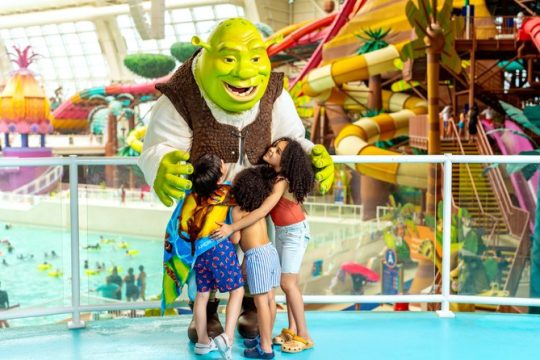
Theme Parks
Prices from $9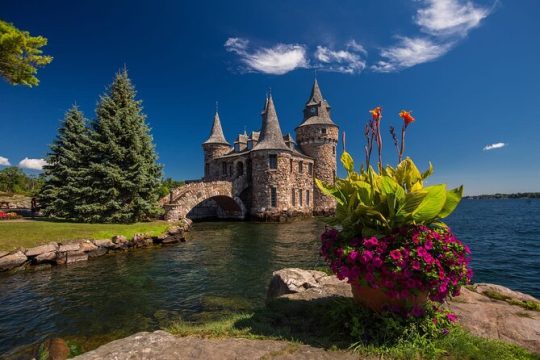
Day Trips & Excursions
Prices from $1
Food, Wine & Nightlife
Prices from $7
Outdoor Activities
Prices from $8
Holiday & Seasonal Tours
Prices from $8
American Dream
Prices from $9
Statue of Liberty
Prices from $11
Brooklyn Bridge
Prices from $1
Ellis Island
Prices from $10
One World Trade Center
Prices from $10
Hudson Yards
Prices from $6
Chrysler Building
Prices from $7
National September 11 Memorial & Museum
Prices from $6
Governors Island
Prices from $22
Central Park
Prices from $1
Little Island
Prices from $15
New York Harbor
Prices from $25







New York Event Calendar
View all events
Veteran's Day in New York
Thu, Nov 11, 2027
Thanksgiving in New York
Thu, Nov 25, 2027
Christmas activities in New York
Fri, Dec 25, 2026
Hanukkah in New York
Dec 4–12, 2026
New Year’s Eve in New York
Thu, Dec 31, 2026
Christmas Eve in New York
Thu, Dec 24, 2026
New Year’s Day long weekend in New York
Jan 1–3, 2027
MLK Day in New York
Jan 16–18, 2027
Valentine's Day in New York
Sun, Feb 14, 2027
President's Day in New York
Feb 13–15, 2027
St. Patrick's Day in New York
Wed, Mar 17, 2027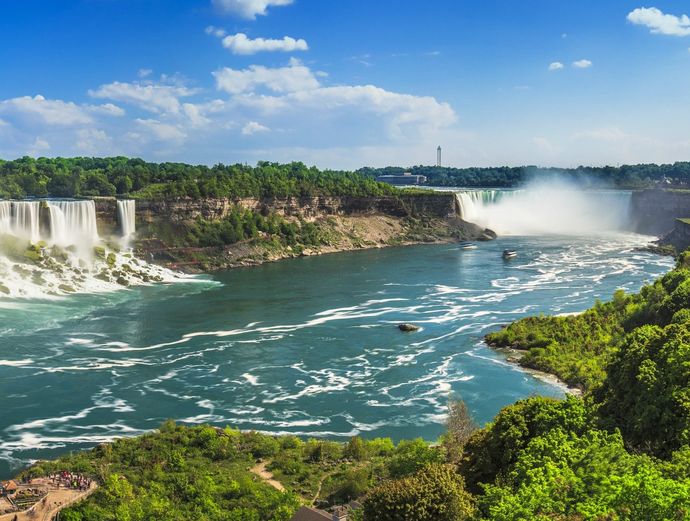
Niagara Falls & Around Tours
Prices from $9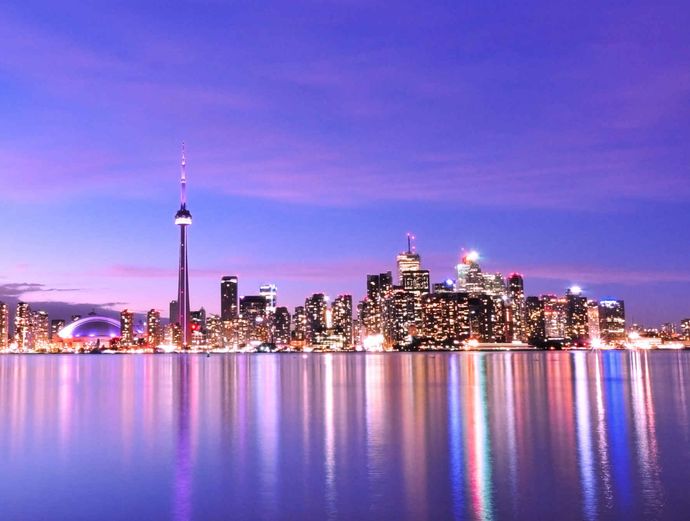
Toronto Tours
Prices from $4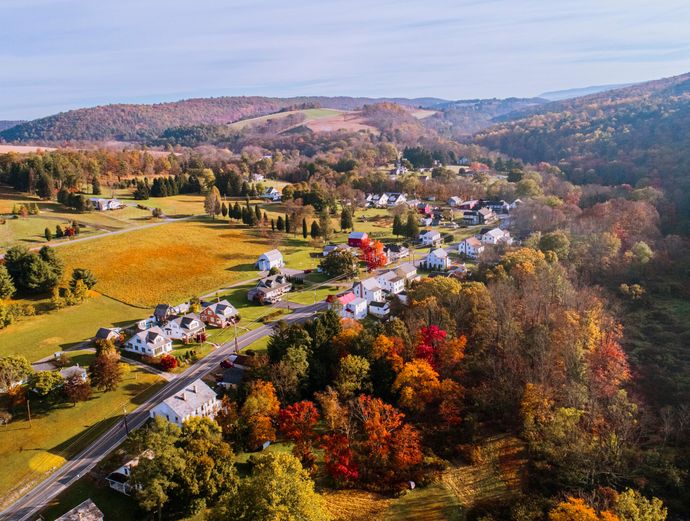
Pocono Mountains Tours
Prices from $10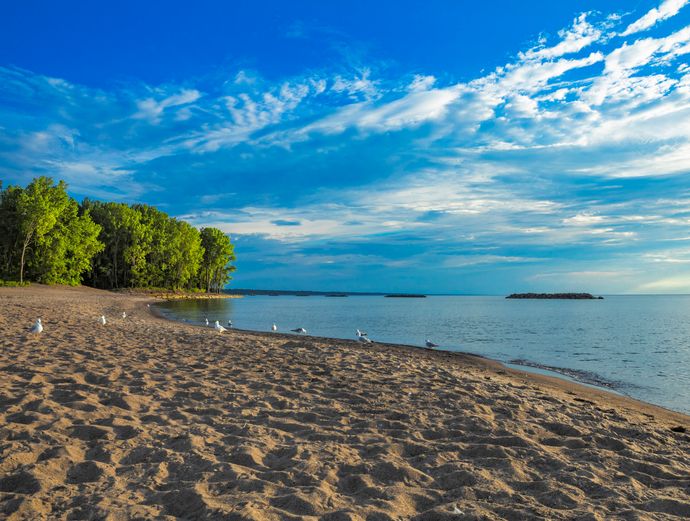
Erie Tours
Prices from $23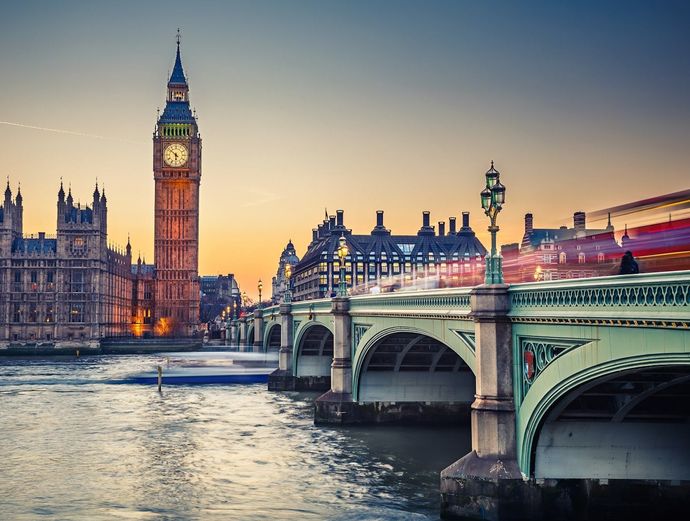
London Tours
Prices from $89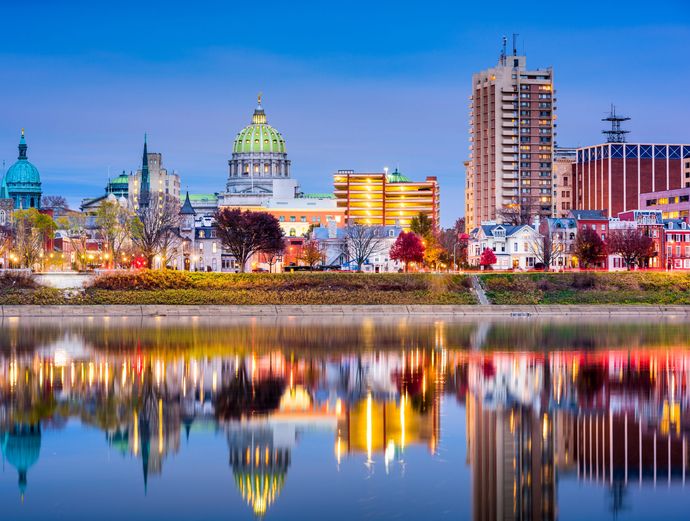
Harrisburg Tours
Prices from $10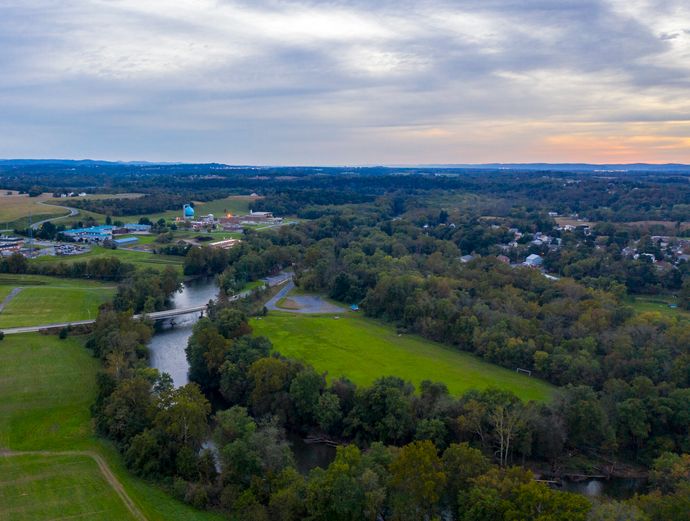
Hershey Tours
Prices from $119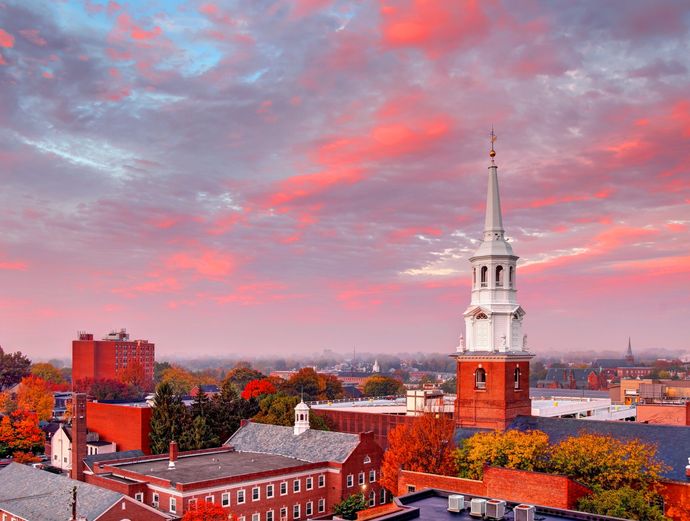
Lancaster Tours
Prices from $12
The Berkshires Tours
Prices from $150
Burlington Tours
Prices from $10
Pittsburgh Tours
Prices from $10