New York attractions
More things to do in the state
 #256
Benjamin Franklin’s Grave
Benjamin Franklin's grave lies in Christ Church Burial Ground, a walled colonial cemetery at the corner of Fifth and Arch Streets in Philadelphia's Old City. Franklin rests here beside his wife, Deborah, and visitors come to pay their respects to one of the nation's founders and to see the graves of other figures from the revolutionary era.The burial ground opened in the early 18th century as the cemetery of Christ Church, the Anglican congregation whose steeple still rises a few blocks away. Many of colonial Philadelphia's leading citizens were buried here, and the ground stayed in use long after the Revolution. Franklin died in the late 18th century, and at his own wish his grave was marked by a simple flat stone carrying only his name and Deborah's, along with the year of his death, rather than a grand monument.His fame soon made the plot a place of pilgrimage. In the 19th century, after visitors from Boston criticized how the grave was kept, railings were set into the brick wall on Arch Street so that passersby could see the stone from the sidewalk. The custom of leaving pennies on the slab is linked to the saying about a penny saved, which Franklin helped popularize, and coins often dot the stone.Franklin has distinguished company. Four other signers of the Declaration of Independence are buried here: Benjamin Rush, the physician and reformer; Francis Hopkinson; Joseph Hewes; and George Ross. Nearby lie John Dunlap, who printed the first copies of the Declaration, Michael Hillegas, the first Treasurer of the United States, and Charles Mason of the Mason-Dixon Line. Franklin's grandson Benjamin Franklin Bache, a fiery newspaper editor, is here too. A guide can connect these names to the events that unfolded a few streets away.
More #257
Bernard B. Jacobs Theatre
If you are looking for things to do in New York we have 2 Tours and Activities to Experience Bernard B. Jacobs Theatre. Check out our verified traveler reviews and photos of Bernard B. Jacobs Theatre tours and other things to do in New York, and book securely when you find the perfect one. Learn the best ways to see famous Bernard B. Jacobs Theatre and explore the most popular things to do in New York.
More #258
Betsy Ross House
The Betsy Ross House is a small colonial home on Arch Street in Philadelphia's Old City, linked by tradition to Betsy Ross, the upholsterer said to have sewn the first American flag. It is one of the most visited historic sites in the city, and people come for the flag story and a glimpse of everyday life in the era of the American Revolution.The front part of the house dates to the middle of the 18th century, built in the plain brick style of colonial Pennsylvania, with a rear section and stair hall added some years later. Betsy Ross, widowed young when her first husband died during the Revolution, ran an upholstery business in the neighborhood. Her descendants later told the story of her stitching the first flag, and they identified this house as her home, though the best evidence suggests she lived in the building next door, which no longer stands. Historians still debate both claims.By the early 20th century the house was in poor shape after years of changes and wear. The radio manufacturer Atwater Kent paid for its restoration, hiring an architect who kept original features where he could and used old materials from demolished period homes for the rest. Kent also bought neighboring land to create a garden, and the whole property was later given to the city.The restored rooms show how a working craftswoman and her household lived, with period furnishings, a workshop set up for upholstery and small family rooms. Before the nation's bicentennial, remains believed to be those of Betsy Ross and her third husband, John Claypoole, were reburied in the courtyard, where visitors still pause at the grave. A guide helps sort legend from record and explains why the flag story took such a firm hold.
More #259
Bloomingdale's 59th Street
Most people browse the floors on their own and set the pace themselves. To get more from the neighborhood, join a guided walking tour of SoHo. These tours explain the cast-iron architecture, the artist-loft history and the boutique streets around the store, and many combine easily with nearby sights such as Little Italy, Chinatown or the Lower Manhattan waterfront. This is a department store for fashion, beauty and home shopping, so it suits anyone who wants to browse in SoHo. The store carries an edited selection of what the Midtown flagship offers, so expect a smaller range than at the main store. Broadway and the streets around the store fill with shoppers and street vendors, so allow extra time to move between shops. A browse of the store plus a stroll through SoHo fits comfortably into a few hours.
More #260
Booth Theatre
If you are looking for things to do in New York we have 3 Tours and Activities to Experience Booth Theatre. Check out our verified traveler reviews and photos of Booth Theatre tours and other things to do in New York, and book securely when you find the perfect one. Learn the best ways to see famous Booth Theatre and explore the most popular things to do in New York.
More #261
Boston Harbor Islands National and State Park
You can ride the public ferries and explore an island on foot at your own pace, with trails, shoreline and historic sites to see. Guided options include ranger programs, island walks and harbor cruises that give context on the forts, lighthouses and wildlife. Some visitors combine a ferry visit to Georges Island with a stroll along the Boston waterfront on the same day. The islands can only be reached by ferry, so plan your day around the departure and return times. The public ferries run from late spring into early fall, and the schedule shifts as the season goes on. The ride from Boston to Georges Island takes about 45 minutes. Services on the islands are limited, so bring water, snacks and sun protection. Not every island is served every day, so check which islands the ferries visit before you choose a date.
More #262
Boston Massacre Site
You can see the marker on your own in a few minutes, or join a guided Freedom Trail walking tour where a guide explains what happened that night and how it fed the push toward revolution. Historian-led or costumed walks often link the marker with the Old State House, Faneuil Hall and the Old South Meeting House, adding stories a plaque cannot hold. The site is a small marker set in the street outside the Old State House, so most people spend only a few minutes here. It is a Freedom Trail stop and fits easily into a walking day with nearby sites. The marker is a circle of cobblestones inside a bronze ring of stars, set in the pavement. The outdoor site is wheelchair accessible, though the Old State House interior can only be reached by stairs. It sits at a busy downtown intersection, so watch for traffic and dress for the weather.
More #263
Boston Old State House
You can wander the exhibit rooms at your own pace, or join a guided tour to hear the stories behind the balcony, the council chamber and the square outside. Themed tours focus on topics such as the Boston Massacre and slavery and resistance. Many visitors fold it into a guided Freedom Trail walk, or pair it with the nearby Old South Meeting House for a fuller morning of history. The building is a museum with exhibit rooms on its first and second floors, covering Boston's colonial and Revolutionary story. Access is by stairs only, which matters for wheelchair users and strollers, so plan around that before you arrive. It is open seven days a week, with hours that change by season, and closes on a few holidays such as Thanksgiving and Christmas. A ring of cobblestones in the square outside marks the Boston Massacre site, and you can see it from the street. The building also offers a Passport to Your National Parks stamp, which is handy if you collect them.
More #264
Boston Tea Party Ships & Museum
The Boston Tea Party Ships and Museum is a floating museum on Fort Point Channel that retells one of the most famous protests in American history. Visitors board replica 18th-century ships, meet costumed patriots and toss chests of tea into the water, reliving the night colonists dumped British tea into Boston Harbor.In the late 18th century, anger over British taxes came to a head in Boston when three ships arrived carrying tea from the East India Company. Colonists objected to paying a tax imposed by a Parliament in which they had no voice, and after a mass meeting failed to send the ships away, a group of men, some loosely disguised as Mohawk warriors, boarded the vessels and dumped every chest of tea into the harbor. Britain responded with harsh laws that closed the port, and the protest helped push the colonies toward revolution.The experience begins in a recreated meeting house, where actors in period dress hand out the identities of real participants and rouse the crowd to action. On deck you can explore the replica ships, see how they were rigged and stowed, and throw a chest of tea over the side yourself. Inside the museum, the Robinson Half Chest, one of only two known surviving tea chests from the protest, is the prize exhibit, and talking portraits and a dramatic film carry the story on to the first battles of the war. Afterward, the tea room serves blends like those that were thrown overboard.The ships are moored close to where Griffin's Wharf, the site of the original protest, once stood, though the old shoreline has long since been filled in and built over. It is one of the liveliest history stops in the city, especially for children, who get to shout, cheer and take part rather than simply look. The interpreters' energy makes the politics behind the protest easy to follow.
More #265
Broadhurst Theatre
Seeing a performance is the main way to experience the Broadhurst, and its landmarked interior is part of the draw. Make it an evening by pairing a show with a guided walk through the Theater District or a pre-theater dinner nearby. Daytime walking tours of Times Square and Broadway history make a good lead-in, since the theater is only steps from the action. The Broadhurst is a Broadway playhouse with roughly 1,200 seats, so the experience depends on the show you book. The orchestra level is step-free from the street, and all wheelchair spaces are there. The balcony is not wheelchair accessible. An accessible restroom is on the main level, while other restrooms are down a flight of stairs. Both the facade and the auditorium interior are New York City landmarks, so arrive early to look around.
More #266
Bronx Museum of the Arts
If you are looking for things to do in New York we have 1 Tours and Activities to Experience Bronx Museum of the Arts. Check out our verified traveler reviews and photos of Bronx Museum of the Arts tours and other things to do in New York, and book securely when you find the perfect one. Learn the best ways to see famous Bronx Museum of the Arts and explore the most popular things to do in New York.
More #267
Brooklyn Historical Society
If you are looking for things to do in New York we have 2 Tours and Activities to Experience Brooklyn Historical Society. Check out our verified traveler reviews and photos of Brooklyn Historical Society tours and other things to do in New York, and book securely when you find the perfect one. Learn the best ways to see famous Brooklyn Historical Society and explore the most popular things to do in New York.
More #268
Brooks Atkinson Theatre
If you are looking for things to do in New York we have 1 Tours and Activities to Experience Brooks Atkinson Theatre. Check out our verified traveler reviews and photos of Brooks Atkinson Theatre tours and other things to do in New York, and book securely when you find the perfect one. Learn the best ways to see famous Brooks Atkinson Theatre and explore the most popular things to do in New York.
More #269
Bureau of Engraving and Printing
The official tour is guided and takes you above the production floor to watch currency being made. Many visitors pair it with a guided walking or bus tour of the National Mall, since the Washington Monument, the Holocaust Memorial Museum and the Tidal Basin are all close by. Small-group morning tours let you fit several monuments and museums into one day. The tour lasts about 45 minutes and suits older children and adults, with a short film followed by a guided walk above the production floor. Tours are limited in size and use reserved tickets, so book ahead at busy times such as spring break and cherry blossom season. Everyone passes through security screening, and the building has no lockers or storage for bags. Sealed water and wrapped food only; knives, sprays and other sharp or restricted items are not allowed. The Bureau is closed on weekends and federal holidays, and tours do not run in the evening.
More #270
Cafe Wha?
Cafe Wha? is a basement music club on MacDougal Street in Greenwich Village, born in the coffeehouse boom of the mid-20th century. People come for a lively night with the house band and for the thrill of being in the room where Bob Dylan, Jimi Hendrix and a string of future comedy stars played to early audiences.The club was opened by Manny Roth, an actor and Second World War veteran, who took over a basement that had once been a horse stable and painted its walls black. In those first years the stage drew folk singers such as Dave Van Ronk and a young Bob Dylan, who played a hootenanny night there soon after reaching New York and later sat in on harmonica. Mary Travers waited tables before finding fame with Peter, Paul and Mary, and comedians including Woody Allen, Lenny Bruce, Joan Rivers and Richard Pryor tried out material in the same room.Its most famous chapter came a few years later. On the advice of Richie Havens, Roth hired a young guitarist who played five sets a night under the name Jimmy James and the Blue Flames. Chas Chandler, bassist of the Animals, heard him at the club and brought him to England, where he became Jimi Hendrix. Bruce Springsteen's teenage band, the Castiles, also played afternoon sets here for a couple of months.When Roth moved on, the room spent years as Cafe Feenjon, a home for Israeli and Middle Eastern music, before the Dworman family revived the original name. The resident band plays energetic versions of familiar hits and keeps the mood informal, with plenty of back-and-forth between the stage and the tables. A guide to the Village can set the club in the wider story of the coffeehouses and clubs that made MacDougal Street famous.
More #271
Carpenters' Hall
Carpenters' Hall is easy to see on your own as a short stop, and the exhibits and park rangers explain what happened here. A guided walking tour of Independence Park puts it in context alongside Independence Hall, the Liberty Bell and nearby Old City streets. Guided options also include food, ghost and after-hours history walks that pass the hall, so you can pair it with other sights. Carpenters' Hall is where the First Continental Congress met, and it is a short, easy stop in Independence National Historical Park. Most visits take 20 to 30 minutes, which suits families and anyone short on time. Inside you can see the Assembly Room, a model of the hall, and the Speaker's chair with a replica guests can sit in. The hall is still owned by the Carpenters' Company, so it keeps its own days and holiday closures. Call ahead if you need wheelchair or other access information, since the hall does not list it online.
More #272
Cathedral Basilica of Saints Peter and Paul
Step inside on your own to see the dome, the apse stained glass and the side chapels at your own pace. A guided city walking tour or sightseeing tour can place the basilica within Logan Square and the Benjamin Franklin Parkway, adding context on its architecture and its role in Philadelphia's Catholic history. Many visitors combine it with other sights along the Parkway. This is a working cathedral, so keep your voice low and plan your visit around Mass times. The building is built of brownstone, and the dome carries a ceiling painting of the Assumption of the Virgin. The Crypt of the Bishops lies beneath the main altar and holds Philadelphia's early bishops and archbishops. Accessibility is limited: three exterior entrances have ramps, but only the door off the main parking lot has an automatic push-button.
More #273
Charles River
The Charles River is the broad, slow river that divides Boston from Cambridge, its banks lined with parks, paths and boathouses. Visitors come to walk or cycle beside the water, watch rowers and sailboats glide by, and take in classic views of the Boston skyline, Beacon Hill and the university buildings of Cambridge.The river takes its name from the future King Charles I of England, honored on an early 17th-century map of New England. Before the 20th century, the lower river was a tidal estuary of mudflats that smelled at low tide. Early in that century a dam near its mouth held back the sea, turning the stretch between the two cities into a freshwater basin with a steady level, an idea championed years before by the landscape architect Charles Eliot. On the Boston bank, the Esplanade grew into a long riverside park, later reshaped by Arthur Shurcliff with lagoons, islands and shaded walks.The river is famous among rowers. University crews and local clubs train on the basin, their slim boats slipping beneath the bridges past historic boathouses, while sailboats tack back and forth across the wider water. Look for the Longfellow Bridge, nicknamed the salt-and-pepper bridge for the shape of its towers, and the Harvard Bridge, whose length MIT students once measured using the height of a classmate, with the marks still painted along its sidewalk.A rock song once poked fun at the river's murky water, but decades of cleanup have transformed it, and herons, ducks and other birds feed along the shore. At dusk the Boston skyline and the rooftops of Back Bay glow across the basin, one of the loveliest views in the city. A guide can explain how the river shaped both cities and point out landmarks of science, learning and history along its banks.
More #274
Christ Church
You can walk in and look around at your own pace, or join a short guided tour of about 20 to 30 minutes that explains the church's history and its place in early American life. A guide points out details you would likely miss alone. Many visitors pair the church with the Burial Ground and a walking tour of Old City, or add Independence Hall nearby. Groups can reserve ahead. A guided tour of the church takes about 20 to 30 minutes, which suits history fans of all ages. Christ Church is an active Episcopal parish, so parts of Sunday are set aside for worship. The church is wheelchair accessible from 2nd Street. The Burial Ground, where Benjamin Franklin is buried, is a separate site a few blocks away at 5th and Arch Streets. Groups of 10 or more should reserve a tour ahead of time.
More #275
CN Tower
The CN Tower is the slender concrete tower that rises over downtown Toronto on the shore of Lake Ontario. For decades it was the tallest free-standing structure in the world, and people ride its glass-fronted elevators for sweeping views over the city, the lake and, on clear days, the land far beyond.It was built by Canadian National, the railway company whose initials it carries, to solve a practical problem: the new skyscrapers rising downtown were blocking broadcast signals, and a much taller antenna was needed. Crews poured the concrete shaft around the clock using a slip form that climbed as they worked, and a heavy-lift helicopter lowered the sections of the antenna mast into place at the top. When it was finished it took the title of the tallest free-standing structure on Earth and held it for more than a generation, and an American engineering society later named it one of the wonders of the modern world.It still carries radio and television signals for the region, but for most visitors it is all about the view. The main observation level wraps around the pod with floor-to-ceiling windows, and one level down a glass floor lets you stand over the drop to the streets below. A revolving restaurant turns slowly so diners see the whole skyline over a meal, while the highest viewing level lifts you higher still.From up top you can follow the curve of the waterfront, the Toronto Islands and their small airport, the towers of the financial district and the long line of the lakeshore. At night the tower becomes part of the skyline in a different way, lit in colors that change for holidays, causes and celebrations. For the boldest visitors, the EdgeWalk offers a harnessed walk on a ledge around the outside of the pod, high above the city.
More #276
Colgate Clock
Most visitors drop by on their own for a quick photo during a waterfront walk. A guided walking tour of the Jersey City waterfront or Paulus Hook adds history on the Colgate factory and the neighborhood. You can also combine it with a ferry ride or a skyline cruise on the Hudson, or pair it with a day in Lower Manhattan. The clock is an outdoor landmark on the waterfront, so you can see it at any hour. Allow about 20 to 30 minutes if you want to take photos and enjoy the views. The octagonal face is about 50 feet across, and it lights up at night. From the bench at its base you can look across the Hudson to Lower Manhattan and the Statue of Liberty. The waterfront paths are flat and open, which suits strollers and wheelchairs.
More #277
Cubbyhole
If you are looking for things to do in New York we have 1 Tours and Activities to Experience Cubbyhole. Check out our verified traveler reviews and photos of Cubbyhole tours and other things to do in New York, and book securely when you find the perfect one. Learn the best ways to see famous Cubbyhole and explore the most popular things to do in New York.
More #278
Daily News Building
Most visitors treat the lobby as a short stop on a walk around Midtown East. A guided architecture or Art Deco walking tour can explain the globe, the rotunda and the building's history in context. Guided Midtown tours often link the lobby with Grand Central Terminal, the Chrysler Building and Tudor City, all within a short walk, so you see more in one outing. Only the lobby is open to visitors, and the rest of the building is a working office. A visit takes about 15 minutes, which makes it an easy stop before or after Grand Central. The main sights are the rotating globe in its sunken pit and the compass rose inlaid in the floor. The lobby is wheelchair accessible. The building appeared as the Daily Planet headquarters in the Superman film, which many fans come to see.
More #279
David Geffen Hall at Lincoln Center
David Geffen Hall is the main symphonic hall at Lincoln Center on Manhattan's Upper West Side, where the New York Philharmonic, the oldest symphony orchestra in the United States, makes its home. Music lovers come to hear the orchestra in a rebuilt, more intimate auditorium and to linger in bright new public spaces before the music begins.It opened more than half a century ago as Philharmonic Hall, the first building to open on the new Lincoln Center campus, designed by architect Max Abramovitz. Its sound drew complaints from the start, and decades of adjustments and partial rebuilds never fully solved the problem. The hall was later renamed for Avery Fisher, the audio pioneer whose gift helped sustain it, and then for David Geffen, the entertainment executive whose major donation launched a full transformation.The rebuild started from the inside out. Diamond Schmitt Architects reshaped the concert hall into a more compact room, moving the stage forward and wrapping seats around it so the audience sits closer to the musicians, with warm wood paneling throughout. Tod Williams Billie Tsien Architects redesigned the public areas as open, light-filled spaces for meeting and mingling, complete with large video walls.The orchestra itself was founded in the 19th century, long before Lincoln Center existed, and played for decades at Carnegie Hall before moving here. Leonard Bernstein, one of its most celebrated music directors, conducted the opening concert in the original hall, and generations of conductors and soloists have followed him onto the same site. Around the hall, the plaza and its fountain, the Metropolitan Opera House and the David H. Koch Theater complete one of the world's great performing arts campuses. A guide can explain how the hall's long search for good sound shaped the building as it stands.
More #280
David H. Koch Theater
The David H. Koch Theater is the home stage of New York City Ballet, one of the three large halls that frame the fountain plaza at Lincoln Center in Manhattan. Built with dance in mind, it pairs a glittering auditorium with a grand promenade full of modern art, and it draws ballet lovers as well as admirers of midcentury architecture.The building opened more than half a century ago as the New York State Theater, part of the state's contribution to the World's Fair in Queens. Philip Johnson and John Burgee designed it, and choreographer George Balanchine and his co-founder Lincoln Kirstein pushed for a house shaped around the needs of ballet. New York City Ballet has performed here since the opening, and New York City Opera shared the stage for decades. A major renovation later improved the hall, and the theater now bears the name of the donor who paid for much of it.Inside, the auditorium rises in four main tiers beneath a gold latticed ceiling, with a large spherical chandelier at its center and small lights along the balcony fronts that glitter like jewelry. The bigger surprise is the promenade, a tall gallery above the lobby, where two oversized white marble figures by Elie Nadelman preside over the room. Works by Jasper Johns and Lee Bontecou add bolder modern notes, so the space feels part theater foyer and part art gallery.Beyond the company's own seasons, the stage welcomes other dance companies, and Balanchine's version of The Nutcracker has become a holiday tradition for New York families. The setting lends any performance a sense of occasion, with the plaza fountain glowing beyond the tall windows at intermission. A knowledgeable guide can explain how the Lincoln Center complex came together and why this hall looks the way it does.
More #281
David N. Dinkins Manhattan Municipal Building
The David N. Dinkins Manhattan Municipal Building is a grand early skyscraper at 1 Centre Street in Lower Manhattan, built to house the offices of New York City government. People come to see its soaring archway, its tiered tower crowned by a gilded statue and the classical detail that made it a model for civic buildings across the country.The building rose in the early 20th century, after the boroughs joined to form Greater New York and the enlarged city needed far more office space than City Hall could hold. The firm of McKim, Mead & White won the commission, with William M. Kendall leading the design. He blended Roman and Renaissance ideas into a tower of about 40 stories, close to 600 feet high, and it was the first building in the city with a subway station built into its base. Its influence spread widely, shaping later towers such as the Wrigley Building in Chicago and Terminal Tower in Cleveland, and even the arches of Moscow State University. It was later renamed for David N. Dinkins, the first African American mayor of New York City.From the street, the great central arch draws the eye. Inspired by Renaissance and ancient Roman gateways, it is flanked by columned screens and once carried traffic straight through the building. Beneath the south side, the vaulted ceiling is lined with pale Guastavino tile. Higher up, the facade steps back in layers of columns, turrets and lanterns toward a crown topped by Civic Fame, a gilded copper figure about 25 feet tall by the sculptor Adolph Alexander Weinman. For generations, couples also came here to marry at the city's marriage bureau, which long had its office inside.A guided walk brings out stories the stone cannot tell, from the model who posed for the statue to the way this one tower reshaped the look of American city halls.
More #282
East River Esplanade
If you are looking for things to do in New York we have 1 Tours and Activities to Experience East River Esplanade. Check out our verified traveler reviews and photos of East River Esplanade tours and other things to do in New York, and book securely when you find the perfect one. Learn the best ways to see famous East River Esplanade and explore the most popular things to do in New York.
More #283
El Museo del Barrio
If you are looking for things to do in New York we have 1 Tours and Activities to Experience El Museo del Barrio. Check out our verified traveler reviews and photos of El Museo del Barrio tours and other things to do in New York, and book securely when you find the perfect one. Learn the best ways to see famous El Museo del Barrio and explore the most popular things to do in New York.
More #284
Empire Outlets
If you are looking for things to do in New York we have 1 Tours and Activities to Experience Empire Outlets. Check out our verified traveler reviews and photos of Empire Outlets tours and other things to do in New York, and book securely when you find the perfect one. Learn the best ways to see famous Empire Outlets and explore the most popular things to do in New York.
More #285
Essex Market
Wander the stalls on your own for a casual lunch, or join a food tour that samples the market along with other classic Lower East Side bites. Walking tours of the neighborhood often cover its immigrant history and add context to what you taste. Guided tastings let you try several vendors in one stop, which saves you deciding where to start and helps you find the best stalls quickly. The market is indoors in the Essex Crossing development, so it works in any weather. More than 30 independent vendors sell groceries, prepared food, coffee and beer, so you can eat on site. Individual stalls and restaurants keep their own hours, so some may open or close at different times than the market. The market also hosts community cooking classes and special events through the year.
MoreDiscover New York

Tours & Sightseeing
Prices from $1
Luxury & Special Occasions
Prices from $1
Sightseeing Tickets & Passes
Prices from $9
Cultural & Theme Tours
Prices from $1
Kid Friendly
Prices from $9
Cruises, Sailing & Water Tours
Prices from $24
Walking & Biking Tours
Prices from $1
Theme Parks
Prices from $9
Day Trips & Excursions
Prices from $1
Food, Wine & Nightlife
Prices from $7
Outdoor Activities
Prices from $8
Holiday & Seasonal Tours
Prices from $8
American Dream
Prices from $9
Statue of Liberty
Prices from $11
Brooklyn Bridge
Prices from $1
Ellis Island
Prices from $10
One World Trade Center
Prices from $10
Hudson Yards
Prices from $6
Chrysler Building
Prices from $7
National September 11 Memorial & Museum
Prices from $6
Governors Island
Prices from $22
Central Park
Prices from $1
Little Island
Prices from $15
New York Harbor
Prices from $25








New York Event Calendar
View all events
Veteran's Day in New York
Thu, Nov 11, 2027
Thanksgiving in New York
Thu, Nov 25, 2027
Christmas activities in New York
Fri, Dec 25, 2026
Hanukkah in New York
Dec 4–12, 2026
New Year’s Eve in New York
Thu, Dec 31, 2026
Christmas Eve in New York
Thu, Dec 24, 2026
New Year’s Day long weekend in New York
Jan 1–3, 2027
MLK Day in New York
Jan 16–18, 2027
Valentine's Day in New York
Sun, Feb 14, 2027
President's Day in New York
Feb 13–15, 2027
St. Patrick's Day in New York
Wed, Mar 17, 2027
Niagara Falls & Around Tours
Prices from $9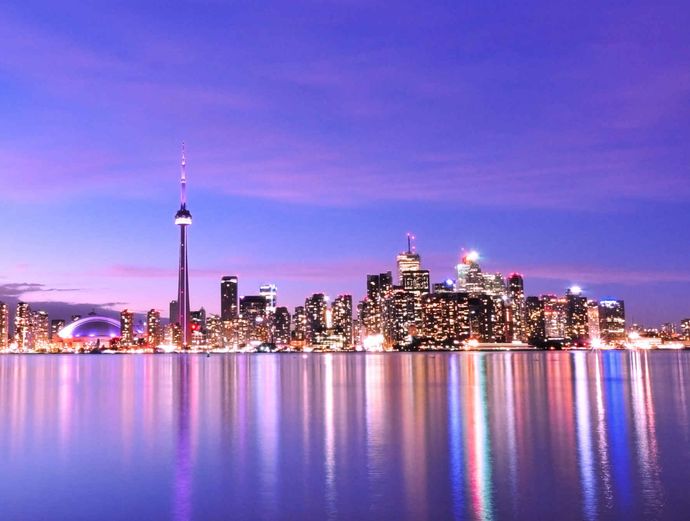
Toronto Tours
Prices from $4
Pocono Mountains Tours
Prices from $10
Erie Tours
Prices from $23
London Tours
Prices from $89
Harrisburg Tours
Prices from $10
Hershey Tours
Prices from $119
Lancaster Tours
Prices from $12
The Berkshires Tours
Prices from $150
Burlington Tours
Prices from $10
Pittsburgh Tours
Prices from $10