New York attractions
More things to do in the state
 #166
African Burial Ground National Monument
You can visit the outdoor memorial and the visitor center on your own, and a short park film in the visitor center sets the scene. Ranger-led tours add depth and personal stories, and they are reserved in advance. A guided walking tour of Lower Manhattan is a worthwhile way to link the monument with nearby City Hall, the Brooklyn Bridge area and other colonial-era history. The visitor center at 290 Broadway has airport-style security, so you may need to show photo ID and remove shoes. Eating and drinking, including gum, are not allowed at the memorial or in the visitor center. The outdoor memorial has no restrooms, but the visitor center has restrooms and water fountains. Allow about 15 minutes for the outdoor memorial and one to one and a half hours with the visitor center. This is a sacred burial site, so keep voices low and show respect.
More #167
Battery Park
Wander the Battery on your own for the harbor views, gardens and monuments, or join a guided walking tour of Lower Manhattan that adds the story of the old fort and the Financial District. Ferries to the Statue of Liberty and Ellis Island leave from the waterfront, and harbor cruises show the skyline from the water. Many travelers combine the park with Wall Street and the 9/11 Memorial. The Battery is a 25-acre waterfront park, so allow one to two hours for a relaxed walk. Castle Clinton, a fort run by the National Park Service, holds a small history exhibit and ferry ticket booths. The SeaGlass Carousel sits in the southwest corner, with rides of about three and a half minutes on fish designed to look bioluminescent. The park has more than 20 monuments and memorials plus gardens, including the four-acre Battery Bosque.
More #168
Broadway Theatre
The theatre is built for audiences, so the best way to experience it is with a ticket to the show that is playing. Many visitors build a Midtown evening around it, with a pre-theatre dinner nearby and a walk through the lights of Times Square. Guided Broadway and theatre district walking tours explain the history of the playhouses, the stories behind the shows, and how the district grew, and they work well as a daytime add-on. The Broadway Theatre is a working playhouse, so you see the inside by attending a show. Children under four are not admitted, and cameras, recording devices, and phones are not allowed during performances. The orchestra has no steps, but the mezzanine takes about 31 stairs and there are no elevators or escalators. Wheelchair seating is in the orchestra only, and a wheelchair-accessible restroom is on the lobby level. Outside food and drinks are not permitted, and latecomers are seated at the theatre's discretion.
More #169
Canal Street
Walk it on your own and drift between stalls, jewelry counters and bakeries at your own pace. A guided Chinatown food or walking tour adds the context, linking the street's origins as a drainage channel with nearby sights such as the Eldridge Street Synagogue, Columbus Park and the Museum of Chinese in America. A guide also helps you find tea parlors and dumpling spots that are easy to miss on a busy block. Canal Street is a busy street rather than a single site, so expect crowded sidewalks and a lively mix of stalls and shops. It suits anyone who likes browsing, from jewelry counters in the east to open-air stalls in the west. Stalls and small stores sell items such as perfume, purses and hardware, so bring a bag for anything you pick up. The street runs just over a mile, so wear comfortable shoes if you plan to walk all of it. Only some nearby subway platforms are step-free, so wheelchair users should plan their route in advance.
More #170
Cayuga Lake
If you are looking for things to do in New York we have 2 Tours and Activities to Experience Cayuga Lake. Check out our verified traveler reviews and photos of Cayuga Lake tours and other things to do in New York, and book securely when you find the perfect one. Learn the best ways to see famous Cayuga Lake and explore the most popular things to do in New York.
More #171
Color Factory New York
If you are looking for things to do in New York we have 1 Tours and Activities to Experience Color Factory New York. Check out our verified traveler reviews and photos of Color Factory New York tours and other things to do in New York, and book securely when you find the perfect one. Learn the best ways to see famous Color Factory New York and explore the most popular things to do in New York.
More #172
FAO Schwarz
FAO Schwarz is a celebrated toy store at Rockefeller Plaza in Midtown Manhattan, the flagship of a brand that calls itself the oldest toy seller in America. Families and grown-up fans come to watch toys demonstrated, hug giant stuffed animals and dance across the floor piano made famous by the film Big.The company grew from a shop founded in Baltimore in the 19th century by Frederick August Otto Schwarz, a German immigrant whose initials still form the brand's name. A New York store followed soon after, and over the next century FAO Schwarz became the city's best-known toy shop, a place generations of children begged to visit. For decades its flagship stood on Fifth Avenue, and after a pause the store reopened at Rockefeller Center.The store's place in popular culture was sealed by the film Big, in which Tom Hanks, as a boy who wakes up in a grown man's body, hops across a giant floor keyboard with Robert Loggia to play Heart and Soul and Chopsticks. That scene turned the floor piano into an attraction of its own, and stomping out a tune on the keys is the first thing many visitors want to do.Beyond the piano, the store is designed for play rather than quiet browsing. Staff demonstrate toys right on the shop floor, the shelves mix hard-to-find brands with the store's own lines, and the plush section is known for life-sized animals that tower over the children hugging them. A doorman dressed as a toy soldier often greets families at the entrance, a tradition that adds to the storybook mood. A guide exploring Rockefeller Center with you can explain how the store fits into the area's long history of holiday spectacle.
More #173
Grand Army Plaza
You can see the plaza in a short stop on your own: walk around the arch, look at the sculpture groups and Bailey Fountain, then continue into Prospect Park. A guided walking tour adds the history behind the Civil War memorial and the thinking behind the plaza's design, and many Brooklyn tours link it with the park and the library next door, which saves you working out a route. The plaza is public open space that suits families, walkers and anyone heading into Prospect Park. Allow 30 to 60 minutes for the arch, the sculpture groups and Bailey Fountain, and longer if you walk on into the park. The arch interior is not open for general entry, so you see it from outside except on special ranger-led tours. An accessible curb cut serves the north entrance, and the plaza sits inside a busy traffic circle, so cross at the signals. A farmers market fills part of the plaza on Saturdays, so expect more people and less open space.
More #174
Hudson River
The Hudson River flows down the west side of Manhattan, separating New York City from New Jersey before it meets the harbor and the Atlantic. Its Manhattan bank is lined with a long park of piers, lawns and paths, and the water itself offers some of the finest views of the skyline, bridges and the Statue of Liberty.The river rises in the Adirondack Mountains far to the north, and for much of its length it is a tidal estuary, its current reversing with the tides well inland. The Lenape people knew it by a name often translated as the river that flows both ways. Its English name honors Henry Hudson, who sailed upstream for the Dutch in the early 17th century, and the trading post of New Amsterdam that followed on Manhattan's tip grew into New York. For centuries the waterfront was a working port of docks and warehouses, where ocean liners and cargo ships tied up along the piers.As shipping moved to larger terminals, the old piers fell into ruin, and late in the 20th century the city and state set out to turn the shoreline into Hudson River Park. Former cargo piers now hold lawns, gardens, sports fields and playgrounds, linked by a riverside greenway busy with cyclists and runners. Little Island, a leafy park perched on concrete pillars shaped like tulips, seems to float above the water, and farther north the aircraft carrier Intrepid serves as a museum of sea, air and space.Out on the river, the view widens to take in the Palisades cliffs on the New Jersey shore, the George Washington Bridge upstream and the towers of Lower Manhattan. A guide brings back the river's stories, from the busy docks of the old port to the passenger jet that famously landed safely on its icy water.
More #175
National Comedy Center
The National Comedy Center in Jamestown, New York, is a museum devoted entirely to comedy, set in the hometown of Lucille Ball. Visitors come to laugh, to learn how comedy has evolved, and to try their own hand at it through more than fifty interactive exhibits that follow humor from vaudeville stages to viral memes.The center grew out of an earlier museum about Lucille Ball and Desi Arnaz, a natural fit for a town that has long celebrated its most famous daughter. From those roots it expanded into something far broader, and Congress later designated it the official cultural institution and museum of the United States dedicated to comedy. That status reflects its ambition: to treat comedy as an art form with its own history, pioneers and craft, worth preserving as seriously as any other.What sets the visit apart is how personal it feels. Each guest receives a wristband that stores a humor profile, and the exhibits read it to serve up material matched to your sense of humor, so two friends walking side by side may get very different jokes. Along the way you can step up and perform stand-up, pull funny faces and create your own comic strip. The playful, hands-on approach turns a museum visit into something closer to a game.Behind the fun sits a serious archive. The center holds materials from comedians such as Carol Burnett, George Carlin, Jerry Seinfeld and Lily Tomlin, offering glimpses of how celebrated performers built their work. It also runs the annual Lucille Ball Comedy Festival, which brings live comedy to Jamestown and keeps the town's bond with its famous native alive. For anyone who grew up quoting sitcoms or stand-up specials, the center is a chance to see where those laughs came from and to understand the craft behind them.
More #176
New York City Hall
City Hall is a working government building, so a guided tour is the main way inside. Docent-led tours cover the rotunda and the historic rooms and run on a few weekdays each week, with reservations needed. A guide adds the stories behind the staircase, chambers and portraits. Pair the visit with a stroll through City Hall Park, the Brooklyn Bridge and the other Civic Center landmarks nearby. City Hall is a working government building, so public access is limited to guided tours and people with appointments. Adults need a photo ID, and everyone passes through security before entering City Hall Plaza. Arrive early, because late arrivals get a shorter tour and those more than 20 minutes late may not be able to join. Tour groups are small, so plan ahead and reserve your place. Tours meet at City Hall Plaza in front of the Nathan Hale statue, or in the lobby in bad weather.
More #177
New York City Madison Avenue
Of all the avenues of New York City, Madison Avenue is the one whose name became shorthand for a whole industry. The long Manhattan avenue runs north from Madison Square through Midtown and the Upper East Side to Harlem, and visitors come for its luxury boutiques, its grand old buildings and a string of landmarks along the way.Madison Avenue was not part of Manhattan's original street grid. It was cut through in the 19th century between what are now Park and Fifth avenues, largely thanks to Samuel B. Ruggles, the developer behind Gramercy Park, and it took its name from Madison Square, which honors James Madison, the fourth president. Wealthy families built grand homes along it, and the banker J. P. Morgan lived at the corner of 36th Street, where the Morgan Library and Museum still shows his collection of manuscripts, drawings and rare books.In the 20th century the avenue's name took on a second meaning. As advertising boomed after the First World War, so many agencies opened offices on or near Madison Avenue that the street became a byword for the American advertising industry, a world later dramatized in the television series Mad Men, whose title plays on the name. Many agencies have since moved elsewhere, but the label has stuck.A walk along it shows how much its character changes. At the southern end, Madison Square Park sits beside the clock tower of the Metropolitan Life building and the gilded pyramid roof of the New York Life Building. In Midtown the avenue runs behind St. Patrick's Cathedral and past the Villard Houses, a set of 19th-century mansions now joined to a hotel. North of 59th Street it becomes one of the city's most exclusive shopping streets, lined with the flagship boutiques of great fashion houses, jewelers and art galleries, before giving way to the residential blocks of East Harlem and Harlem.
More #178
Nolita
Nolita is easy to explore on your own, strolling from boutique to cafe along Mulberry, Mott and Elizabeth Streets. A guided walking tour adds the neighborhood's history as part of old Little Italy, its churches and its newer fashion scene. Food tours and combined itineraries with SoHo, Chinatown and Little Italy let you taste and see several downtown neighborhoods in one outing. Nolita is a compact, walkable neighborhood of small boutiques, cafes and restaurants, and a visit can take an hour or two. Many shops are small and open late morning, so arrive after mid-morning for the best experience. St. Patrick's Old Cathedral at Mulberry and Prince Streets is worth a look for its history and architecture. Sidewalks are narrow in places and can be crowded on weekends. The neighborhood suits shoppers, food lovers and anyone exploring Lower Manhattan on foot.
More #179
Orpheum Theatre
If you are looking for things to do in New York we have 1 Tours and Activities to Experience Orpheum Theatre. Check out our verified traveler reviews and photos of Orpheum Theatre tours and other things to do in New York, and book securely when you find the perfect one. Learn the best ways to see famous Orpheum Theatre and explore the most popular things to do in New York.
More #180
SeaGlass Carousel
Most visitors ride on their own as a quick stop while exploring the Battery. It pairs well with a guided walking tour of Lower Manhattan, which can take in the park, Castle Clinton and the harbor waterfront, or with a ferry trip to the Statue of Liberty and Ellis Island, which departs from the same park. The ride suits children and families, and riders sit inside a large fish figure that turns and moves up and down. Tickets are sold on site, and the operator publishes a code of conduct and accessibility policies to review before you go. The carousel stands in a glass pavilion in The Battery, with views toward the harbor and the Statue of Liberty. Park vendors nearby sell ice cream and tacos, and riders get a discount when they show their carousel ticket. Bad weather, maintenance or delays can close the ride, so check the carousel's social page before you set out.
More #181
The Hamptons
You can drive between villages and beaches at your own pace, but a guided day trip handles the driving and the planning. Guided options include coach sightseeing tours from New York City, winery and farm visits, estate and architecture tours, bike rides and boat trips on the bays. A guide can fit the lighthouse, a village stroll and a beach stop into one day. The Hamptons is a string of villages and beaches on the South Fork, so pick a base town and plan around it. Many beaches need a town parking permit or day pass, and the rules differ from town to town. Summer weekends bring heavy traffic, so allow extra time on the roads. Many shops, restaurants and attractions cut their hours or close from late fall to spring. Bring a light layer, since the ocean breeze can feel cool in the evening even in summer.
More #182
The Met Cloisters
If you are looking for things to do in New York we have 2 Tours and Activities to Experience The Met Cloisters. Check out our verified traveler reviews and photos of The Met Cloisters tours and other things to do in New York, and book securely when you find the perfect one. Learn the best ways to see famous The Met Cloisters and explore the most popular things to do in New York.
More #183
The Stonewall Inn
Many people visit on their own: see the bar's exterior, the Gay Liberation statues in Christopher Park, the rainbow crosswalk and the visitor center, then go inside the bar for a drink. A guided walking tour of Greenwich Village tells the story of the uprising and the neighborhood's LGBTQ+ history, and it links nearby landmarks. Evenings at the bar bring karaoke, drag shows and dance nights. The Stonewall Inn is a working bar, so you must be 21 or older and bring a physical ID to go in. The bar serves drinks only, so plan a meal elsewhere in Greenwich Village. The National Park Service visitor center next door has exhibits on the uprising and the bar, and it is wheelchair accessible. Christopher Park, across the street, is paved with brick and holds the Gay Liberation statues.
More #184
Thomas Jefferson Memorial
The Thomas Jefferson Memorial is a domed, columned monument beside the Tidal Basin in Washington, DC, honoring the author of the Declaration of Independence and third president of the United States. Visitors come to stand before his towering bronze statue, read his words carved into the walls and take in the views across the water.The memorial was designed by John Russell Pope, who drew on the Pantheon in Rome and on Jefferson's own love of classical architecture, seen in his designs for Monticello and the University of Virginia. Its site and style stirred debate, and protesters even chained themselves to cherry trees that were to be cleared for construction. President Franklin D. Roosevelt laid the cornerstone and dedicated the finished memorial during the Second World War, on the anniversary of Jefferson's birth.The war left its mark on the statue. Metal was scarce, so the first figure of Jefferson was a painted plaster cast, and the bronze by sculptor Rudulph Evans replaced it only after the war ended. Jefferson stands in a long fur-collared coat, gazing toward the White House across the water. Around him, panels carry passages from the Declaration of Independence, his writings on religious freedom and his thoughts on how laws and institutions must change with the times, while a frieze below the dome carries his vow of eternal hostility against every form of tyranny over the mind of man.Jefferson's legacy is complicated, since the man who wrote that all men are created equal held people in slavery at Monticello throughout his adult life, and a visit invites reflection on both sides of that story. The setting adds to the experience: the cherry trees ringing the basin, first given by the city of Tokyo, frame the white marble, and the dome is mirrored in the still water. A guide can connect the memorial to the city plan and to the other monuments in view.
More #185
TriBeCa
Tribeca is easy to explore on your own, since most of the interest is in the streets, the converted warehouses and the small parks. A guided walking tour adds context on the warehouse architecture, the film festival's roots and the filming locations. Many visitors pair it with SoHo, the Hudson River waterfront or a food tour. Tribeca suits a relaxed walk of one to two hours, longer if you stop for a meal or a coffee. Many streets are cobblestone and many buildings are converted warehouses, so wear comfortable shoes. Restaurants, bars, galleries and boutiques are spread throughout the neighborhood, so food is easy to find. Washington Market Park has a playground and gardens, which makes it a good stop with children. Hudson River Park runs along the western edge and offers a flat waterfront stretch for a break.
More #186
U.S. Capitol
A reserved Capitol tour takes you through the building's most historic spaces, and the Visitor Center has exhibits you can browse on your own. A guided walking tour of Capitol Hill or the National Mall adds context about the buildings and the people who shaped them. Many visitors pair the Capitol with the nearby Library of Congress and Supreme Court on one itinerary. Capitol tours run on timed-entry passes, so reserve online or through your senator's or representative's office before you go. The Capitol Visitor Center is the main entrance and sits beneath the East Front plaza. Expect security screening and plan to arrive well ahead of your reservation time. The Visitor Center has no bag storage, so leave large bags at your hotel. Visitors with mobility needs can request an on-demand shuttle to the entrance through the Office of Congressional Accessibility Services.
More #187
Astor Place Theatre
If you are looking for things to do in New York we have 1 Tours and Activities to Experience Astor Place Theatre. Check out our verified traveler reviews and photos of Astor Place Theatre tours and other things to do in New York, and book securely when you find the perfect one. Learn the best ways to see famous Astor Place Theatre and explore the most popular things to do in New York.
More #188
Astoria Park
If you are looking for things to do in New York we have 1 Tours and Activities to Experience Astoria Park. Check out our verified traveler reviews and photos of Astoria Park tours and other things to do in New York, and book securely when you find the perfect one. Learn the best ways to see famous Astoria Park and explore the most popular things to do in New York.
More #189
Beacon Hill
Beacon Hill is one of Boston's oldest and best-loved neighborhoods, a slope of brick row houses, gas lamps and narrow lanes rising above Boston Common behind the gold-domed State House. Visitors come to wander its quiet streets, admire the doorways and window boxes, and follow the stories of the writers, politicians and abolitionists who once lived here.The name comes from a signal beacon that once stood on the summit to warn the early town of danger. In the late 18th and early 19th centuries, developers cut down much of the hilltop, used the earth to fill in nearby water, and built elegant homes for Boston's wealthy families. Charles Bulfinch, the architect of the State House, shaped much of its early look, and the Federal style he favored, with its fanlights, symmetry and red brick, still sets the tone.On the north slope, a free Black community grew up in the 19th century, and its African Meeting House became a center of the fight against slavery. That history is told along the Black Heritage Trail, which links homes, schools and meeting places from that era. Elsewhere, the details reward a slow walk. Acorn Street, once home to coachmen and servants, is a steep cobbled lane often called the most photographed street in the city, while Louisburg Square frames a private green with stately townhouses. Charles Street, at the foot of the hill, is lined with antique dealers, small shops and neighborhood restaurants.Look for purple panes in some older windows, tinted by a quirk in the glass, and for the Massachusetts State House, whose gilded dome crowns the top of the hill. Nearby, Mount Vernon Street holds some of the grandest houses, and the novelist Henry James once called it the most respectable street in America. A guide can point out who lived behind which door, from famous authors to leaders of the abolition movement.
More #190
Boston Common
Boston Common is the oldest public park in the United States, a broad expanse of lawns, shady malls and monuments in the heart of downtown Boston. People come to stroll, picnic and watch city life go by, and to trace American history from the spot where the Freedom Trail begins.The town's Puritan settlers bought the land in the 17th century from William Blaxton, its first European resident, and set it aside as shared pasture for their cows. Over the next two centuries it served as a militia training ground, a site of public punishment and executions, including the hanging of the Quaker Mary Dyer, and a camp for British troops in the tense years before the Revolution. In the 20th century it drew huge crowds for a civil rights rally led by Martin Luther King Jr. and a Mass celebrated by Pope John Paul II.Paths fan out across the grass toward a string of landmarks. The gold dome of the Massachusetts State House looks down from Beacon Street onto Augustus Saint-Gaudens's bronze memorial to Colonel Robert Gould Shaw and the 54th Massachusetts, one of the first Black regiments of the Civil War. The Soldiers and Sailors Monument crowns Flagstaff Hill, the Parkman Bandstand stands ready for concerts, and the ornate Brewer Fountain splashes near Park Street. In the Central Burying Ground lies Gilbert Stuart, painter of the famous unfinished portrait of George Washington.Bostonians treat the Common as a shared backyard, where softball games, dog walkers, protests and concerts all find room, so it feels as much a civic stage as a park. It also forms the first link in the Emerald Necklace, a chain of green spaces that stretches across the city. A guide can bring the old pasture's many lives back into view.
More #191
Boston Public Garden
Many visitors explore the Public Garden on their own, following the paths past the lagoon, the footbridge, the Washington statue and the Make Way for Ducklings bronzes. A guided walking tour adds the stories behind the monuments and often links the garden with Boston Common, Beacon Hill and the Freedom Trail in one outing. In the warmer months, a short Swan Boat ride on the lagoon makes a relaxed add-on. The garden covers about 24 acres of paths, flower beds, monuments and a lagoon, so allow an hour or two for an unhurried walk. Swan Boat rides run only in the warmer months, and the boats are separate from simply walking through the garden. The Make Way for Ducklings bronzes stand near the Charles Street and Beacon Street entrance and are a favorite stop for families with children. There is no parking inside the garden, so plan on metered street parking or public transit.
More #192
Boston Public Library
Wander on your own through the courtyard, the Bates Hall reading room and the Chavannes Gallery with its murals. The library also offers art and architecture tours, which add stories about the building, its sculpture and its collections. Pair the visit with Copley Square, including Trinity Church across the plaza, or continue on a walk along Boylston Street through Back Bay. The Central Library has two connected parts: the historic McKim Building and the modern Boylston Street Building. The building has an accessible entrance, and the nearest subway stop is also marked as accessible. Cafes inside the library make it easy to stop for a drink or a snack. Bates Hall and the other reading rooms are in daily use, so keep your voice low. Hours are shorter on Friday, Saturday and Sunday, and the library closes on some holidays.
More #193
Boston Symphony Hall
If you are looking for things to do in New York we have 3 Tours and Activities to Experience Boston Symphony Hall. Check out our verified traveler reviews and photos of Boston Symphony Hall tours and other things to do in New York, and book securely when you find the perfect one. Learn the best ways to see famous Boston Symphony Hall and explore the most popular things to do in New York.
More #194
Broadway Comedy Club
Broadway Comedy Club is a stand-up venue in a basement on West 53rd Street, in the Hell's Kitchen neighborhood of Manhattan. It draws visitors and New Yorkers alike for an evening of live comedy from the city's working comics, in a room with ties to one of the most famous clubs in American stand-up.A few blocks away, the New York Improv opened more than six decades ago and gave stage time to comedians such as Andy Kaufman and Robin Williams as their careers took shape. The present club was reopened by people who had worked with that original venue, and it carries on the same idea of a modest room where newcomers and veterans can both find an audience and sharpen their acts.The heart of the program is the showcase format, a New York tradition in which a host introduces a string of comics who each get a short set. That makes for a quick pace and plenty of range, so one night might swing from sharp observations on city life to personal stories and banter with the front rows. Lineups mix television personalities with seasoned regulars from the club circuit, and a comic you have never heard of can turn out to be the highlight.Beyond the regular showcases, the club runs special shows, including improv sets, in which performers build scenes on the spot, and open-mic sessions, in which newer comics try out material in front of a live room. Together they offer a look at how New York comedy is made, from rough first drafts to finished routines. The setting fits the mood, too: Hell's Kitchen, once a tough working-class district near the Hudson River docks, has become one of the city's liveliest neighborhoods for food and nightlife.
More #195
Bronx Little Italy
Bronx Little Italy is the cluster of Italian bakeries, butchers, delis, cheese shops and family restaurants along Arthur Avenue and East 187th Street, in the Belmont section of the Bronx. Food lovers come for fresh mozzarella, cured meats, warm bread and pastries, and for a neighborhood that feels more like an old market street than a tourist strip.Belmont took shape as an Italian neighborhood in the early 20th century, when immigrants settled here, many of them laborers who helped build the Bronx Zoo and the New York Botanical Garden nearby. The main street had already been named for President Chester A. Arthur, reportedly at the request of Catherine Lorillard, an admirer of his. As the community grew, pushcart vendors crowded its sidewalks, until Mayor Fiorello La Guardia opened an indoor market to bring them under one roof.Along the surrounding blocks, bakeries pull long crusty loaves from their ovens, pasta makers sell fresh ravioli by the pound, and pork stores hang salami and links of sausage in their windows. Cafés serve espresso and cannoli, and several shops have been run by the same families for generations. The church of Our Lady of Mount Carmel, a Catholic parish created for the Italian newcomers, has anchored the neighborhood for just as long.The avenue has had its moments on screen too. The Oscar-winning film Marty opens on Arthur Avenue, and later crime dramas borrowed its storefronts and restaurants for their scenes. The American Planning Association has honored it as one of the country's great streets, and although newer arrivals from other countries now live in Belmont too, its Italian food culture is still what draws people from across the city. A guide can lead you to the counters locals swear by and explain each specialty as you taste.
MoreDiscover New York

Tours & Sightseeing
Prices from $1
Luxury & Special Occasions
Prices from $1
Sightseeing Tickets & Passes
Prices from $9
Cultural & Theme Tours
Prices from $1
Kid Friendly
Prices from $9
Cruises, Sailing & Water Tours
Prices from $24
Walking & Biking Tours
Prices from $1
Theme Parks
Prices from $9
Day Trips & Excursions
Prices from $1
Food, Wine & Nightlife
Prices from $7
Outdoor Activities
Prices from $8
Holiday & Seasonal Tours
Prices from $8
American Dream
Prices from $9
Statue of Liberty
Prices from $11
Brooklyn Bridge
Prices from $1
Ellis Island
Prices from $10
One World Trade Center
Prices from $10
Hudson Yards
Prices from $6
Chrysler Building
Prices from $7
National September 11 Memorial & Museum
Prices from $6
Governors Island
Prices from $22
Central Park
Prices from $1
Little Island
Prices from $15
New York Harbor
Prices from $25








New York Event Calendar
View all events
Veteran's Day in New York
Thu, Nov 11, 2027
Thanksgiving in New York
Thu, Nov 25, 2027
Christmas activities in New York
Fri, Dec 25, 2026
Hanukkah in New York
Dec 4–12, 2026
New Year’s Eve in New York
Thu, Dec 31, 2026
Christmas Eve in New York
Thu, Dec 24, 2026
New Year’s Day long weekend in New York
Jan 1–3, 2027
MLK Day in New York
Jan 16–18, 2027
Valentine's Day in New York
Sun, Feb 14, 2027
President's Day in New York
Feb 13–15, 2027
St. Patrick's Day in New York
Wed, Mar 17, 2027
Niagara Falls & Around Tours
Prices from $9
Toronto Tours
Prices from $4
Pocono Mountains Tours
Prices from $10
Erie Tours
Prices from $23
London Tours
Prices from $89
Harrisburg Tours
Prices from $10
Hershey Tours
Prices from $119
Lancaster Tours
Prices from $12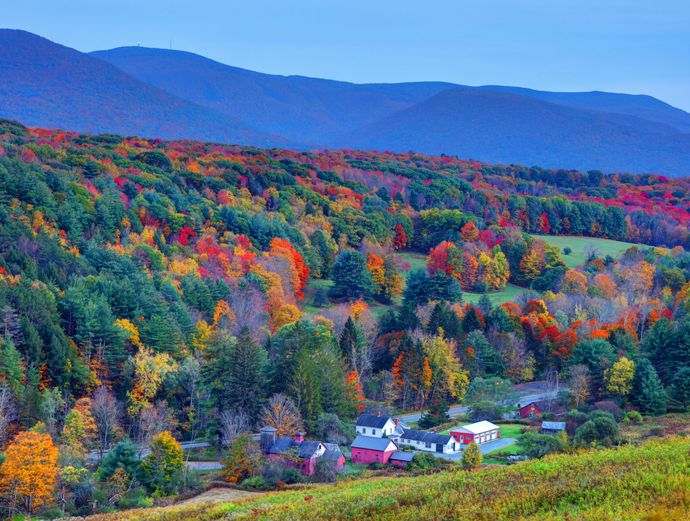
The Berkshires Tours
Prices from $150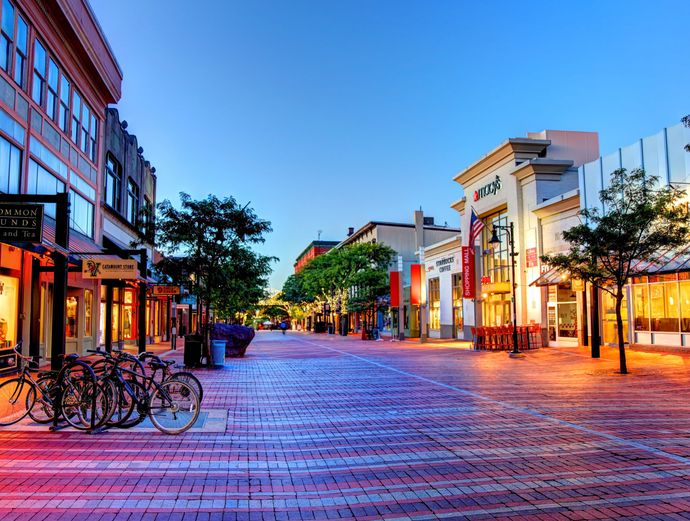
Burlington Tours
Prices from $10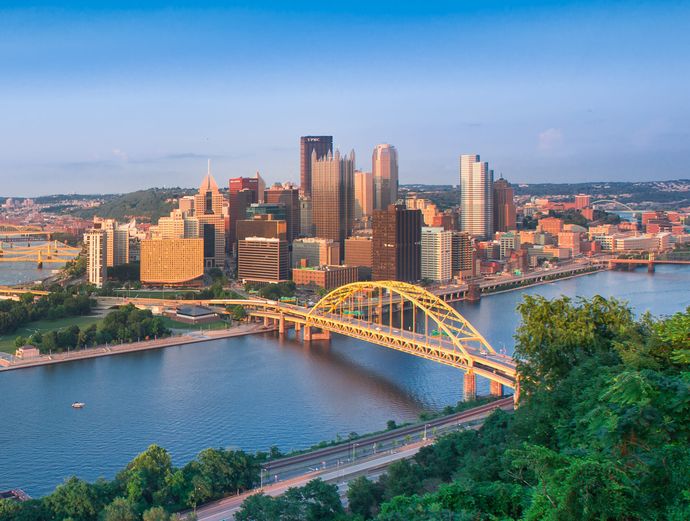
Pittsburgh Tours
Prices from $10