New York attractions
More things to do in the state
 #136
Luna Park in Coney Island
If you are looking for things to do in New York we have 4 Tours and Activities to Experience Luna Park in Coney Island. Check out our verified traveler reviews and photos of Luna Park in Coney Island tours and other things to do in New York, and book securely when you find the perfect one. Learn the best ways to see famous Luna Park in Coney Island and explore the most popular things to do in New York.
More #137
Museum of Jewish Heritage
If you are looking for things to do in New York we have 2 Tours and Activities to Experience Museum of Jewish Heritage. Check out our verified traveler reviews and photos of Museum of Jewish Heritage tours and other things to do in New York, and book securely when you find the perfect one. Learn the best ways to see famous Museum of Jewish Heritage and explore the most popular things to do in New York.
More #138
New-York Historical Society Museum and Library
The New-York Historical Society Museum and Library, now known simply as New York Historical, is a museum and research library of American history on Central Park West in Manhattan. Visitors come for collections that tell the story of the city and the nation through art, objects, photographs and documents, from colonial times to the present.Its founding was led by John Pintard, a New York merchant who wanted the young republic to preserve the records of its own past, and it is often described as New York's first museum. The hyphen in New-York is a relic of the way the city's name was once written. The society's granite home on Central Park West, designed by York and Sawyer, is a designated city landmark, its stately columns facing the park.The art collection is a highlight. Hudson River School landscapes show the American wilderness as painters saw it in the 19th century, and the museum holds John James Audubon's preparatory watercolors for The Birds of America, one of its great treasures. Among the objects are George Washington's camp bed from the Revolutionary War and a dazzling collection of Tiffany lamps and glass. Many such lamps were designed by Clara Driscoll and the women of Tiffany's studio, whose part in the work was long overlooked. Late 19th-century American board games and photographs by Bill Cunningham round out a wide-ranging collection.Behind the galleries lies the Patricia D. Klingenstein Library, one of the oldest research libraries in the country, with more than three million books, maps, newspapers and manuscripts. Families have their own space in a children's history museum inside the building, where young visitors meet the past through the stories of real children. A guide can show how a single lamp, letter or painting connects to the larger story of the nation.
More #139
Rocky Statue
The steps are an easy stop on your own: climb to the top, take photos and enjoy the view down the Parkway. Guided city tours often include the steps along with nearby Parkway landmarks, and film-themed tours add behind-the-scenes stories from the Rocky movies. Pair the steps with a museum visit or a walk or bike ride along the riverfront for a fuller day. The Rocky Steps are an outdoor public space, so a visit suits all ages and takes as little as 20 minutes. The staircase has 72 steps, so take your time and pause for the view of the Parkway. An elevator inside the museum offers another way up if you prefer not to climb the stairs. The statue's position near the museum has changed over the years, so look for signs when you arrive. The museum keeps a shorter weekly schedule than the steps, so check open days if you want to go inside.
More #140
Roosevelt Island
Roosevelt Island is a narrow sliver of land in New York's East River, lying between Manhattan and Queens. Visitors come for close-up skyline views, a ride on the aerial tram, quiet riverside walks, the haunting ruins of its old hospitals, and Four Freedoms Park, a striking memorial to President Franklin D. Roosevelt at its southern tip.For much of its history the island held the places New York preferred to keep out of sight. Farmed by the Blackwell family in colonial times, it was bought by the city in the 19th century and filled with a penitentiary, a workhouse, an almshouse, a lunatic asylum and hospitals for smallpox and other contagious diseases. The journalist Nellie Bly feigned madness to get herself committed to the asylum, and her account of its cruel conditions caused a sensation. Known first as Blackwell's Island and later as Welfare Island, it was renamed for Roosevelt in the late 20th century, when a planned residential community began to rise along its length.Traces of that past survive. Near the southern end stand the Gothic ruins of the Smallpox Hospital, designed by James Renwick Jr., architect of St. Patrick's Cathedral. The Octagon, the domed centerpiece of the old asylum, now forms the entrance to an apartment building, while Blackwell House, one of the oldest farmhouses in the city, and a small stone lighthouse at the northern tip recall earlier times. Four Freedoms Park, designed by Louis Kahn and completed long after his death, ends the island with a tapering lawn lined with linden trees that leads to a granite room open to the river, facing the United Nations.The aerial tram that links the island with Manhattan has become a sight in its own right, gliding beside the Queensboro Bridge high above the river, and it has featured in several Hollywood films. A guide can connect the island's surprising past with the city rising around it.
More #141
Roosevelt Island Tramway
Most people ride the tram on their own as a quick, scenic way to reach Roosevelt Island. It also fits well into a longer day. Guided walking tours of Midtown East and the Upper East Side, city sightseeing outings and photography tours often pair the ride with skyline views. A local guide can name the landmarks across the water and add stories you would miss alone. The ride across the East River takes only about three to four minutes, so it suits short stops and families. Cabins can carry wheelchairs and other mobility devices, strollers and bicycles, and the Manhattan terminal has elevators. You pay with the same tap-to-pay or pass system used on city subways and buses, and transfers to buses and subways at either end are free. Each cabin holds about 110 people, so rush hours can be crowded and window space is limited. Stand near a window early in the ride for the best view of the skyline and the bridges.
More #142
St. Paul's Chapel
Many visitors walk in on their own and spend a quiet half hour inside and in the churchyard. A guided walking tour of Lower Manhattan adds context on the chapel's role as George Washington's place of worship and as a refuge for recovery workers after the World Trade Center attacks. Guided routes also link it with the nearby World Trade Center site, Wall Street and Trinity Church in one outing. Every visitor goes through a security and safety check before entering the chapel or churchyard. The chapel is compact, so a visit is short and fits easily into a wider day around Lower Manhattan. The churchyard closes earlier than the chapel and may shut altogether in rough weather. Look for the Bell of Hope and items honoring World Trade Center victims and rescue workers, plus a painting of the Great Seal above Washington's former pew. It is an active place of worship that also hosts concerts and cultural programs, so parts of the space can be set aside for services.
More #143
Table Rock Welcome Centre
Table Rock Welcome Centre stands at the brink of the Horseshoe Falls, so many visitors begin here on their own before moving on to other attractions. Guided Niagara tours often fold the walk behind the falls into a longer day with a boat cruise, a drive along the parkway, and time in town. That saves you planning each stop and keeps the day moving smoothly. Journey Behind the Falls is on the first floor of the welcome centre, and a full visit takes about an hour, with the tunnels taking 30 to 45 minutes. Wear layers you do not mind getting damp, keep electronics protected, and expect a poncho for the observation deck. The attraction is only partially accessible, and strollers are not permitted inside, so check accessibility details before you go.
More #144
Alexander Hamilton US Custom House
Visit on your own to wander the rotunda and the museum exhibits at your own pace. A guided walking tour of Lower Manhattan often includes the Custom House alongside Bowling Green, Wall Street, and the waterfront, and a guide adds the stories behind the architecture and the port. Combined itineraries also link it with Battery Park and harbor cruises. The building houses a Smithsonian museum on the ground and second floors, so most of what you see is museum space and the grand rotunda. The rotunda has a skylight, a self-supporting tiled ceiling, and murals of ships and explorers. The Four Continents sculptures flank the front steps and are worth seeing from outside before you go in. Allow an hour or more if you want to see both the rotunda and the exhibits. Two subway stations sit beside the building, so it combines easily with a walk through Battery Park and other Lower Manhattan sights.
More #145
Congress Hall in Philadelphia
You can join the park's own short programs inside the hall, which walk through the House and Senate chambers. A guided walking tour of the wider historic district adds stories about the founders and links Congress Hall with Independence Hall, the Liberty Bell and the surrounding streets. Pairing it with a guided visit lets you see several sites of the early republic in one outing. Congress Hall stands on Independence Square and is where the United States Congress met when Philadelphia was the capital. Visitors pass through a security screening before entering the buildings on the square, so bring only small bags to speed things up. Weapons, pepper spray and pocket knives are not allowed through screening. The first floor is wheelchair accessible, and assistive listening devices and audio description are available on request. Tours leave at regular intervals during the day, and a short visit fits easily alongside other sites on the square.
More #146
Elfreth's Alley
You can stroll Elfreth's Alley on your own at any hour and use the audio tour on your phone for the story of the street. A guided tour on weekend afternoons walks the full length of the alley, including Bladen's Court, and includes entry to the two museum houses. Private and school groups can request their own tour, and many visitors pair the alley with other Old City sights nearby. The alley is a public street you can walk at any time, but most houses are private homes where people live, so keep your voice down. The alley is short, and a guided tour of its full length, including Bladen's Court, takes about 40 minutes. The museum fills two houses, numbers 124 and 126, and tickets are sold in person at the museum. An audio tour is available on your smartphone at any hour, which suits visits outside museum hours.
More #147
Empty Sky 9/11 Memorial
The Empty Sky 9/11 Memorial is New Jersey's official memorial to the victims of the 9/11 attacks. It stands in Liberty State Park in Jersey City, on the Hudson River waterfront facing Lower Manhattan, and people come to remember and reflect within sight of the place where the Twin Towers once stood.Across the river, the towers had been part of the everyday skyline for New Jersey, and many people watched the attacks unfold from this shore. On the day itself, the park became a landing point where boats brought evacuees from Lower Manhattan for care. Hundreds of the state's residents were killed, and the memorial was created so that each of them would be named within sight of the site where most of them died. Its design was chosen through an international competition and is credited to Jessica Jamroz and Frederic Schwartz.The memorial is strikingly simple. Two long, parallel walls clad in stainless steel rise about 30 feet, each matching the width of one of the original towers. Between them a granite path points straight across the water toward the former World Trade Center site, so walking it draws your eyes to where the towers stood. The names of the New Jersey victims are etched into the steel, and the shining surface mirrors the sky and the city beyond.The name Empty Sky comes from a Bruce Springsteen song written in response to the attacks, a fitting link for a memorial in the singer's home state. Around it, the open lawns and waterfront promenade of Liberty State Park look out on the Statue of Liberty and Ellis Island, lending a sense of hope to the quiet. A guide can share personal stories behind some of the names, giving the walls an even deeper meaning.
More #148
Foley Square
Foley Square is a civic plaza in Lower Manhattan, surrounded by some of New York City's grandest courthouses and government buildings. It draws visitors for its monumental architecture, its place in the city's legal and political life and the layers of history beneath it, from a vanished freshwater pond to a long-forgotten African burial ground.The square sits on part of the old Collect Pond, once one of the city's main sources of fresh water. By the early 19th century the pond had become badly polluted and was blamed for outbreaks of disease, so it was drained and filled. The low, damp land that remained became the Five Points, a crowded and notorious slum famous for its gangs. The square itself was later named after Thomas Foley, known as Big Tom, a saloon owner and Tammany Hall district leader.Around the square rise the landmarks of the Civic Center. The New York County Courthouse, with its broad steps and columned portico, stands beside the Thurgood Marshall United States Courthouse, a classical building topped by a tall tower with a gilded roof. The Javits and Weiss federal buildings, the Court of International Trade and, a short way south, the towering Municipal Building complete the scene, and the courthouse steps have appeared in many films and television dramas.On the square, Lorenzo Pace's black granite sculpture Triumph of the Human Spirit honors the Africans buried beneath this part of Manhattan. Their burial ground, used in the 18th century by free and enslaved people of African descent and rediscovered during construction work late in the 20th century, is recalled by bronze medallions set into the sidewalks and is protected as a national monument. The square has also long served as a gathering place for mass protests and rallies. A guide can tie these threads together, from the pond and the slum to the courts and the crowds.
More #149
General Grant National Memorial
Visit on your own to explore the mausoleum, murals and crypt at your own pace, and ask the rangers at the visitor center about the site. A guided walking tour of Morningside Heights or Harlem adds the stories behind Grant and the neighborhood. Many visitors pair the memorial with a stroll through Riverside Park or a wider Upper Manhattan itinerary. The memorial is the tomb of Ulysses S. Grant and his wife Julia, and a visit to the mausoleum itself takes about half an hour. The visitor center and restrooms are in the Overlook Pavilion, across the street from the mausoleum. Inside, the main level is shaped like a Greek cross with mosaics and murals, and the red granite sarcophagi sit in the crypt below. Pets and firearms are not allowed inside the memorial. Rangers at the visitor center can answer questions and point you to other park sites in the city.
More #150
Lincoln Center for the Performing Arts
Lincoln Center for the Performing Arts is the cluster of theaters, concert halls and schools on Manhattan's Upper West Side that serves as New York's home for opera, ballet, classical music and theater. People come for performances by some of the world's best-known companies, and also to stroll its travertine plaza and fountain, which feel like a stage in their own right.The center rose in the mid-20th century as part of a vast urban renewal scheme that cleared a crowded neighborhood known as San Juan Hill, a project led by John D. Rockefeller III and shaped by some of the era's leading architects. The idea was to gather the city's great performing companies in one place, and over the following years the Metropolitan Opera, the New York Philharmonic, New York City Ballet and the Juilliard School all settled here. Later renovations opened up the street edges, added a sloping lawn on a restaurant roof and rebuilt the concert hall inside.The plaza centers on the Revson Fountain, framed by three main buildings. The Metropolitan Opera House glows behind tall arched windows that reveal two vast Marc Chagall murals, and inside, starburst crystal chandeliers rise toward the ceiling just before the curtain goes up. To one side, the David H. Koch Theater is home to the ballet, and opposite it David Geffen Hall hosts the orchestra. Nearby stand the Vivian Beaumont Theater, the performing arts branch of the public library and Alice Tully Hall with its glass corner.Even without a ticket, the campus rewards a wander: dancers and musicians hurry between rehearsals, free events sometimes spill onto the plaza, and the reflecting pool and its Henry Moore sculpture make a calm corner. Seeing the halls empty, with a guide explaining the acoustics and the backstage machinery, adds a whole new layer to a night at the opera.
More #151
National Air and Space Museum
You can explore at your own pace, mixing the aircraft and spacecraft galleries with a planetarium show or an IMAX film. A guided tour adds the stories behind the famous objects and keeps a large, busy museum easy to follow, which helps first-time visitors and families. The museum sits on the National Mall, so it pairs well with a walking tour of nearby Smithsonian museums and monuments in a single day. Timed-entry passes are required for every visitor, including young children, and you can reserve several at once. A pass does not limit how long you stay, but if you leave the building you need another pass to get back in. Everyone goes through a security checkpoint, so carry as little as you can to move through faster. Strollers and mobility aids are allowed, and wheelchairs can be borrowed at the security desk on a first-come basis. Outside food is not allowed, but bottled water is, and Mars Café on the lower level serves meals and snacks.
More #152
Tenement Museum
Because the museum can only be seen on a guided tour, the choice is which tour to take. Apartment tours step into restored homes where immigrant families once lived, told through the stories of real residents. Neighborhood walking tours head outdoors to explore the streets, shops and history of the Lower East Side. Pair a tour with time wandering the surrounding blocks for food and shopping. The museum can only be seen on a guided tour, and every visit starts at the visitor center and shop on Orchard Street. You can choose between apartment tours inside restored tenement buildings and walking tours of the surrounding Lower East Side. Several tours are wheelchair accessible and the museum lends a limited number of wheelchairs, so read each tour description when you book. Service dogs are welcome on every tour, but other pets are allowed only on the outdoor walking tours. Tours have set start times and should be reserved in advance, so plan the rest of your day around yours.
More #153
The White House
The White House is the home and office of the President of the United States, set on Pennsylvania Avenue in downtown Washington, DC. People come to stand at the fence of the most famous address in American politics and, when they can arrange it, to walk through the historic state rooms inside.George Washington picked the site and approved a neoclassical design by the Irish-born architect James Hoban, but he never lived there. John Adams became the first president to move in, at the very end of the 18th century. During a war with Britain early in the 19th century, British troops set the mansion on fire, and it was rebuilt within the surviving stone walls. The white paint that covered them gave the house its everyday name, which Theodore Roosevelt later made official. The West Wing and the Oval Office were added in the early 20th century, and after the Second World War the interior was found so unsound that it was gutted and rebuilt inside the original shell.A visit takes in rooms on the ground and state floors. The East Room, the largest, has hosted receptions, weddings, press conferences and the lying in state of presidents. The oval Blue Room looks out over the South Lawn, while the Green Room and Red Room are smaller parlors furnished with fine early American pieces. The State Dining Room, under a portrait of Abraham Lincoln, seats formal banquets. Along the corridors hang portraits of presidents and first ladies, and display cases hold china chosen by different administrations. Outside, the north front with its columned porch faces Lafayette Square, and the curved South Portico rises above the lawn toward the Washington Monument.A guide fills in the people behind the rooms, from the first ladies who restored them to the decisions made a few steps away.
More #154
Upper East Side
Wander on your own along Fifth Avenue's museums, through Central Park and over to Carl Schurz Park by the East River. A guided walking tour adds stories about the mansions, townhouses and historic districts that you would otherwise just walk past. Museum-focused guided visits and combined itineraries with Central Park make it easy to see several highlights in one day. The Upper East Side is mostly residential, so plan around its museums and parks rather than one single landmark. Museum Mile on Fifth Avenue runs roughly from 82nd to 105th Street, and two or three museums can fill a full day. Museums keep their own weekly closing days, so check each one before you go. Wear comfortable shoes, because the best way to see the neighborhood is on foot between the museums, Central Park and the East River.
More #155
Arlington National Cemetery
Arlington National Cemetery is the country's best-known military burial ground, spread over the hills of Arlington, Virginia, within sight of Washington, DC. Visitors come to pay their respects among long rows of white headstones, to see the Tomb of the Unknown Soldier and the Kennedy graves, and to understand how the nation honors those who served.The land was once a private estate. George Washington Parke Custis, the step-grandson of George Washington, built Arlington House on the hilltop in the early 19th century partly as a memorial to the first president. His daughter married Robert E. Lee, and the couple lived there until the Civil War, when Lee joined the Confederacy and Union troops took over the property. As the war's dead mounted, the army began burying soldiers in the grounds, placing the first graves close to the house partly so the family could never live there again, and the estate became a national cemetery.Since then it has received veterans of every American war, along with presidents, astronauts, generals, nurses and many others whose lives were tied to the armed forces. Arlington House still crowns the hill, and the view from its portico takes in the Lincoln Memorial and the Washington skyline. Nearby, an eternal flame burns at the grave of President John F. Kennedy, set among simple stones beside Jacqueline Kennedy Onassis.Beside the Memorial Amphitheater stands the Tomb of the Unknown Soldier, which first held an unidentified American soldier from the First World War. Sentinels from the Army's Old Guard watch over it at every hour of the day and night, in all weather, and their precise, silent ritual is one of the most moving sights in the region. A guide helps you find the stories, and the graves, that are easy to pass by among so many quiet rows.
More #156
Central Park Conservatory Garden
Most visitors wander the garden on their own, following the paths between the beds. Garden staff lead a behind-the-scenes tour, and a self-guided tree walk runs up the park's east side to the garden. Guided options add plant knowledge and context you would not get alone. The garden also combines well with a longer walk through the north end of Central Park. The garden is designated a Quiet Zone, so keep noise down and treat it as a place for slow strolling. It opens at 8 am daily, and closing time moves earlier in winter and later in summer. Restrooms are open daily from 8 am until dusk. Wheelchair users can enter through the northwest entrance.
More #157
Columbia University
You can wander the campus on your own, looking at Low Memorial Library, the Alma Mater statue and Butler Library. Guided campus tours add stories about the architecture, history and sculpture, and registering ahead secures a spot. Many visitors also fit in nearby Morningside Heights sights, including the Cathedral of St. John the Divine, Riverside Church and Grant's Tomb, on a longer walking itinerary. Columbia's campus in Morningside Heights suits architecture fans, history buffs and prospective students. Campus visit programs do not run on university holidays, and tours need advance registration. Filming during information sessions and campus tours is not permitted. Plan about an hour to walk the main grounds around Low Memorial Library, the Alma Mater statue and Butler Library.
More #158
Korean War Veterans Memorial
You can walk the memorial on your own and read the inscriptions at your own pace. Park rangers lead programs on the National Mall, including evening walks, and a guided tour of the nearby memorials adds history you will not get from the signs. Many visitors pair it with the Lincoln Memorial and the other memorials on a walking, bike, or evening bus tour. The memorial is open around the clock, so you can visit in daylight or in the evening. Most visitors spend 30 to 45 minutes among the statues, the mural wall, and the pool. The path changes from sidewalk to stone near the entrance and can be slippery when wet. The circular pool has no barrier at its edge, and the granite benches have no backs or armrests. The Cost of Freedom wayside has audio, braille, and tactile elements.
More #159
Museum at Eldridge Street
Docent-led tours run Sunday to Friday, and advance registration is strongly encouraged. The history and culture tour takes about an hour and explains the sanctuary, its restoration and the immigrants who built it. A longer walking tour of the Jewish Lower East Side adds the surrounding streets, and combined building and walking tours are offered. A guide brings the building's story to life far more than a quiet self-guided visit. The museum is a restored synagogue, and it suits history, architecture and family visitors. Backpacks must be checked, and luggage and wheeled bags are not allowed. Food and drink are not allowed inside, and photos are fine without flash. All four levels are reachable by ramp and elevator, and the museum asks for notice of access needs ahead of time. The main history tour takes about 45 to 60 minutes.
More #160
Queen Victoria Park
You can stroll the gardens and the walkways above the gorge on your own, but a guided tour gives you the history of the park and the falls. Many tours combine the park with a boat ride to the base of the falls, the walk behind the falls and an evening visit when the falls are lit. Park-and-ride and shuttle options make it easy to link several nearby sights in one day. The park is open year-round and no ticket is needed, so you can come and go as you like. Allow one to two hours for the gardens, the Floral Showhouse and the views of the Horseshoe Falls. Oakes Garden Theatre, at the foot of Clifton Hill, makes a scenic entrance to the park. Pathways are paved and the park is marked as accessible, which suits strollers and wheelchairs. Bring a rain layer, since spray from the falls can reach the nearby paths.
More #161
Rainbow Bridge
Many visitors simply walk across the bridge over the Niagara River, then continue to sights on the other side. Guided tours can combine both sides of the falls in one day, with the route and timing planned for you. Boat rides, observation towers and walking tours in each city make easy additions. Rainbow Bridge is the only crossing between the US and Canada in the Niagara area that pedestrians can use. Carry proper identification for yourself and any children traveling with you, since you cross an international border. Pedestrians heading into the US are directed to stairs on the US-bound route. Commercial trucks are not allowed on the bridge, while bicycles are permitted. The Rainbow Tower on the Canadian side has a carillon that plays several times a day.
More #162
Schomburg Center for Research in Black Culture
You can explore the galleries on your own and read the exhibition texts at your own pace. The center also hosts readings, discussions, film screenings and theater events, so check the events calendar for something that fits your visit. Walking tours of Harlem often pair the center with nearby landmarks, historic churches and music venues, which puts the collections in the context of the neighborhood. Researchers can request archive materials ahead of time. The center is a research library and cultural venue in Harlem, and it suits history, literature, art and photography lovers of all ages. Plan on one to two hours for the galleries, longer if you attend a talk or reading. The building is fully accessible, and the nearby subway station is also accessible. Some divisions, including Art and Artifacts, are open by appointment only, and research materials are best requested before you arrive. Hours differ by day and division, so check the library's schedule before you go.
More #163
Shakespeare Garden
The Shakespeare Garden is a four-acre hillside garden on the west side of Central Park in New York City, planted with flowers, herbs, shrubs and trees named in the works of William Shakespeare. Winding paths, rustic benches and small bronze plaques of quotations make it one of the park's calmest corners, a favorite for a slow stroll.The garden began in the early 20th century as an outdoor classroom where children could learn about nature, an idea put forward by the parks commissioner Charles B. Stover. Edmond Bronk Southwick, an entomologist who worked from the nearby Swedish Cottage, transformed a rocky patch of hillside into planted beds. It was dedicated to Shakespeare exactly three centuries after his death and laid out to recall the countryside of his native England.Care of the garden passed between different hands over the decades until the Central Park Conservancy restored it late in the 20th century. That work extended it up the slope to Belvedere Castle, added meandering paths and installed the rustic benches and railings that give it the feel of a cottage garden. One of its gardeners says something blooms here every day of the year, from sheets of tiny spring bulbs, tulips and daffodils to roses, lilies and black-eyed Susans, and the flowers draw butterflies, bees and hummingbirds.Small details reward a closer look. Ten bronze plaques carry lines from Shakespeare about flowers and gardening. The curved Whisper Bench, named for Stover, sits high on the slope above the Delacorte Theater, and a word spoken softly into one end carries clearly to the other. Another bench honors the actor Richard Burton and his mentor Philip Burton, and a sundial stands among the beds, still set to standard time. A guide can share the stories behind the plants and the people remembered on its benches.
More #164
Trump Tower
The public areas of the building can be seen in a short stop on your own. A guided walking tour of Midtown makes the visit richer, placing the tower among Fifth Avenue's famous department stores, flagship shops and landmark buildings, with a guide explaining the architecture and the neighborhood's history. Many Manhattan sightseeing and city walks include Fifth Avenue as one stop among several. Only the public atrium areas are open to visitors, and the rest of the tower is private. The public areas include the main lobby, the lower level concourse with restrooms, and two outdoor terraces on upper floors. Upper level public spaces can be hard to find, so ask staff for directions if you want to see them. Elevators and escalators connect the street, the concourse and the upper levels. Shops and restaurants keep their own hours, so some spaces may be closed while others are open.
More #165
Vietnam Veterans Memorial
The Vietnam Veterans Memorial is the long black granite wall on the National Mall in Washington, DC, engraved with the names of the Americans who died or went missing in the Vietnam War. People come to pay their respects, to find the name of a relative or friend, and to experience one of the most moving memorials in the country.The memorial began with a veteran, Jan Scruggs, who wanted a lasting tribute to those who served in a war that had deeply divided the nation. A fund raised private donations, and a national design competition drew a huge number of entries. The winner was Maya Lin, then an architecture student, whose plan for a simple polished wall cut into the earth broke sharply with the heroic statues of older war memorials. It caused fierce debate, and as a compromise a bronze statue of three soldiers and a flagpole were added nearby. A separate sculpture honoring the women who served, many of them nurses, came later.The design works on visitors in quiet ways. Two walls meet in a shallow V, one arm pointing toward the Washington Monument and the other toward the Lincoln Memorial. As you walk down the path, the wall rises beside you and the names multiply until they tower overhead at the center, then fall away again as you climb back out. The names are listed in the order the casualties occurred rather than by rank, beginning and ending at the apex, so the war reads as a single story. The polished stone reflects your own face and the sky behind you, placing the living alongside the dead.Visitors often take pencil rubbings of names on paper, and many leave flowers, letters, photographs and medals at the foot of the wall. The park service collects and keeps these offerings. A guide can share the stories of the memorial's creation and of some of the people whose names it carries.
MoreDiscover New York

Tours & Sightseeing
Prices from $1
Luxury & Special Occasions
Prices from $1
Sightseeing Tickets & Passes
Prices from $9
Cultural & Theme Tours
Prices from $1
Kid Friendly
Prices from $9
Cruises, Sailing & Water Tours
Prices from $24
Walking & Biking Tours
Prices from $1
Theme Parks
Prices from $9
Day Trips & Excursions
Prices from $1
Food, Wine & Nightlife
Prices from $7
Outdoor Activities
Prices from $8
Holiday & Seasonal Tours
Prices from $8
American Dream
Prices from $9
Statue of Liberty
Prices from $11
Brooklyn Bridge
Prices from $1
Ellis Island
Prices from $10
One World Trade Center
Prices from $10
Hudson Yards
Prices from $6
Chrysler Building
Prices from $7
National September 11 Memorial & Museum
Prices from $6
Governors Island
Prices from $22
Central Park
Prices from $1
Little Island
Prices from $15
New York Harbor
Prices from $25








New York Event Calendar
View all events
Veteran's Day in New York
Thu, Nov 11, 2027
Thanksgiving in New York
Thu, Nov 25, 2027
Christmas activities in New York
Fri, Dec 25, 2026
Hanukkah in New York
Dec 4–12, 2026
New Year’s Eve in New York
Thu, Dec 31, 2026
Christmas Eve in New York
Thu, Dec 24, 2026
New Year’s Day long weekend in New York
Jan 1–3, 2027
MLK Day in New York
Jan 16–18, 2027
Valentine's Day in New York
Sun, Feb 14, 2027
President's Day in New York
Feb 13–15, 2027
St. Patrick's Day in New York
Wed, Mar 17, 2027
Niagara Falls & Around Tours
Prices from $9
Toronto Tours
Prices from $4
Pocono Mountains Tours
Prices from $10
Erie Tours
Prices from $23
London Tours
Prices from $89
Harrisburg Tours
Prices from $10
Hershey Tours
Prices from $119
Lancaster Tours
Prices from $12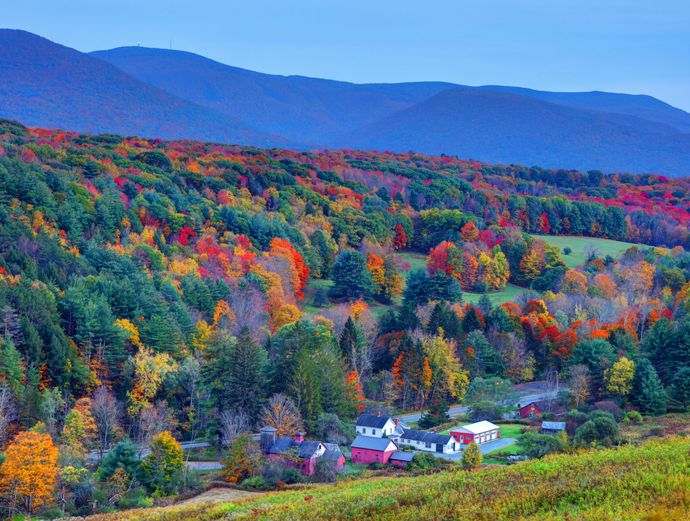
The Berkshires Tours
Prices from $150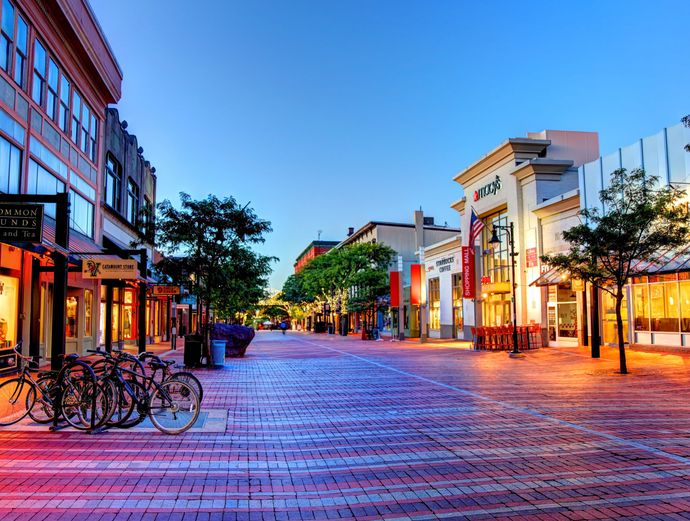
Burlington Tours
Prices from $10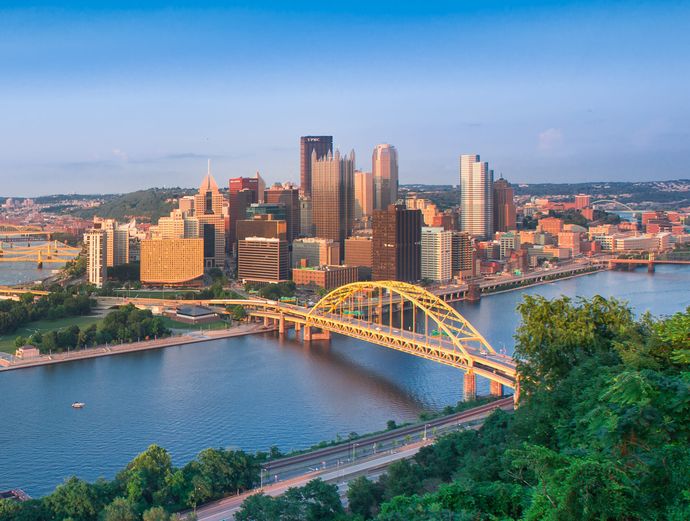
Pittsburgh Tours
Prices from $10