Mainz sits where the Main flows into the Rhine, a compact riverside city with a red sandstone cathedral, a lively market square and wine bars tucked into its old half-timbered lanes. It is the city of Johannes Gutenberg, the capital of the Rhineland-Palatinate state and the gateway to Rheinhessen, one of Germany's largest wine regions. Tours here lean toward history and wine, mostly in compact sessions of a few hours, and many are private, so you can see the heart of the city in a morning and still be sipping a local Riesling by evening.
The cathedral quarter and the old town
Mainz Cathedral dominates the center with its towers and rose-red stone, and most heritage walks begin in the square beside it, where farmers sell produce on market days. A guide will lead you through many centuries of bishops and emperors, then into the old town, with its narrow alleys, carved house fronts and small squares. Walks of under two hours cover the essentials, while half of all tours fall in the two to four hour range and leave time for a museum stop or a coffee along the way. Audio guided options suit travelers who like to wander and listen at their own speed.
Chagall's blue windows
Up the hill from the old town, St. Stephan's Church is known for its stained glass windows by Marc Chagall, which fill the Gothic interior with a deep, glowing blue. It is one of the most memorable sights in the city and a quiet contrast to the bustle below. Many cultural tours include it, and its cloister is a calm place to sit for a few minutes. Plan your visit for a time of day when the light is strong if you want the glass at its brightest.
Wine taverns and evenings by the river
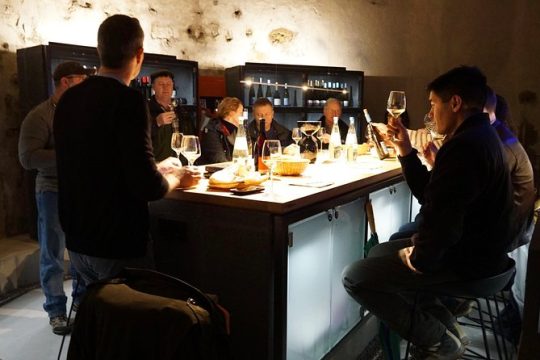
Mainz takes its wine seriously, and the evening is when that shows. A good share of tours run after dark, from tastings in traditional wine taverns to strolls that pair local history with a glass or two. Riesling and Silvaner are the grapes to look for, often served in small glasses with simple regional dishes. A few longer outings head into the Rheinhessen vineyards or along the Rhine for a half or full day, and bus and minivan tours take care of the driving between estates. Luxury and private options can add a cellar visit or a seated tasting with a winemaker.
Practical tips before you book
The tours here are clearly designed with adults in mind, and very few are listed as suitable for children, so families should check each one carefully. About half are listed as wheelchair accessible, which helps on the flat riverside streets. Hotel pickup is offered on most tours, and every option can be canceled for free, which keeps your plans easy to change. When comparing, look at:
- whether the evening tastings include food
- how many wines are poured and of what kind
- whether the cathedral and St. Stephan's are both on the route
Travelers rate the guides here highly, and start with a short walk on your first day so you can find your way around the old town on your own later.
Read more














 From $6
 From $3
 From $4
 From $3