Frequently Asked Questions
The answers provided below are based on answers previously given to customers' questions.
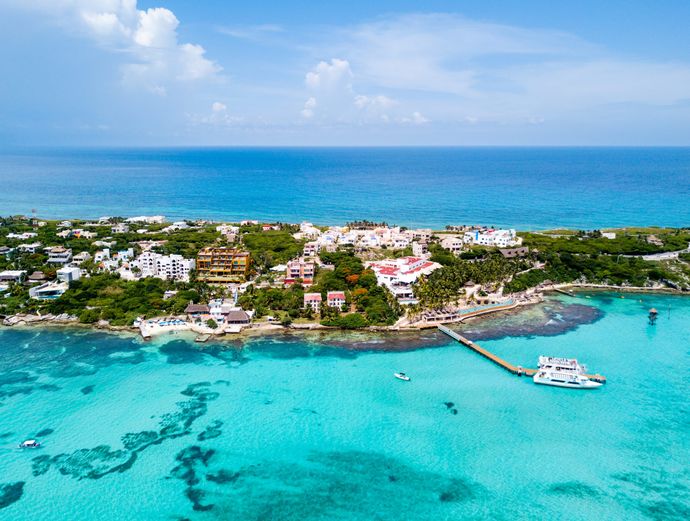
Costa Maya is a quiet stretch of Caribbean coast in southern Quintana Roo, and for most visitors it is a day ashore from a cruise ship. That shapes the tours: nearly all are set up near the port, most run four to eight hours, and almost every one starts in the morning so you are back aboard in good time. In a single day you can climb the pyramids at Chacchoben, swim in the many shades of blue at Lake Bacalar, or settle into a beach club on the reef. Most tours offer free cancellation and the large majority welcome children, so it is an easy port to plan for families.
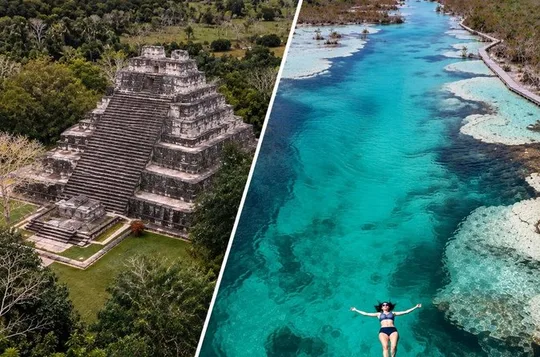
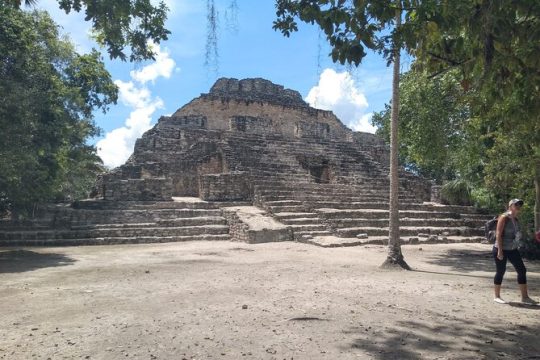
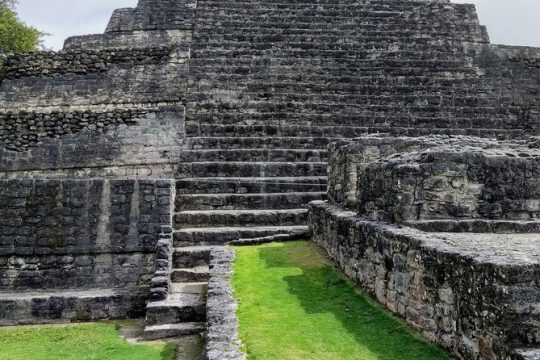
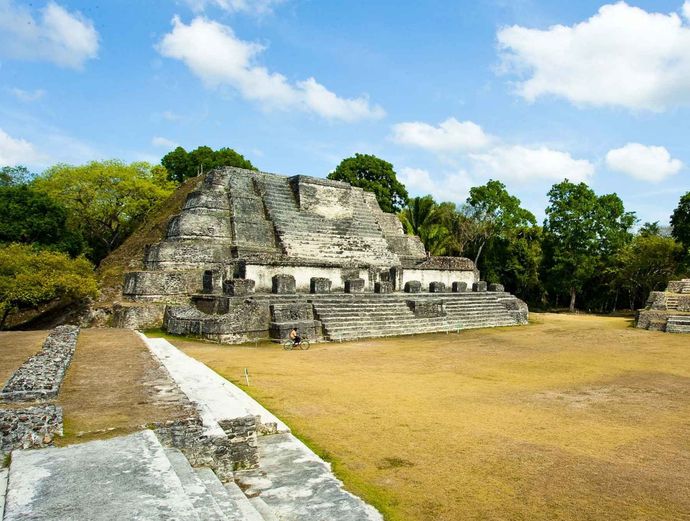
Chacchoben lies inland from the port, a cluster of temples and plazas rising out of thick forest. Archaeology tours bring the site's history into focus, explaining how the ancient Maya built, farmed and traded in this corner of the Yucatan. The paths are shaded but uneven, so comfortable shoes matter more than you might expect. Many travelers like to pair the ruins with a stop for lunch or a swim later in the day, and several tours are designed to do exactly that.
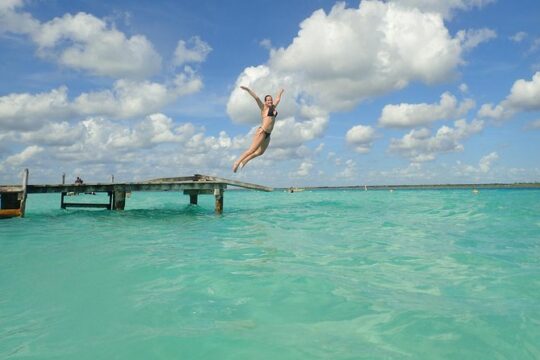
Lake Bacalar is known as the lake of seven colors, its clear water shifting from pale turquoise to deep blue over sandy shallows. Boat rides, paddling and simple swimming are the main draws, and the town of Bacalar adds Fuerte San Felipe, an old stone fort built to defend against pirates. Nearby, Cenote Azul Bacalar is a deep, round sinkhole fringed by trees, and Cenote de la Bruja offers another natural swimming spot with its own atmosphere. These outings work well for couples and groups of friends looking for a calm, scenic day rather than a busy itinerary.
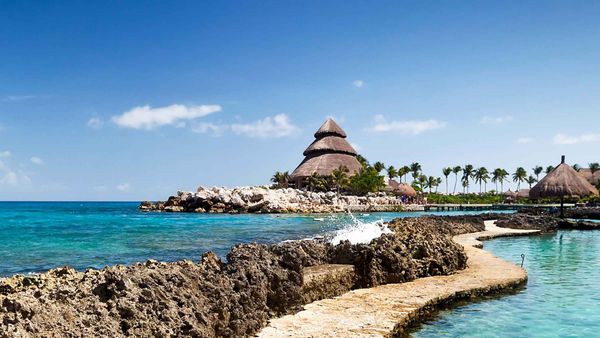
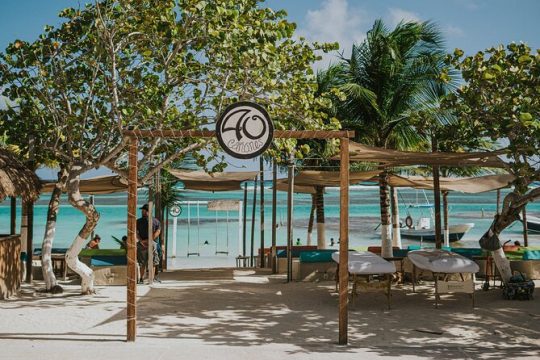
If you would rather keep things easy, Punta Sur Eco Beach Park, part of the Faro Celerain Ecological Reserve, sets a beach against protected coastline with snorkeling and lounging close at hand. Water sports, from kayaking to snorkeling, are a big part of the menu here. A few points to confirm when you book:
With only one day to spend, pick a single main focus, ruins, lagoon or beach, and let the tour handle the logistics. Shorter options under two hours are rare, so expect most outings to fill the better part of your time ashore. Shared bus and minivan tours are the typical choice and keep costs sensible for families, while private options, which make up a smaller share, let you set the pace or combine the ruins with a lagoon stop. Hotel pickup is uncommon because most guests start at the pier. Reviews are solid across the destination, so check the timings and inclusions on a few tours and choose the day that suits your group.
#1Many visitors reach Chacchoben on a shore excursion from the Costa Maya cruise port, which handles transport and timing so you can focus on the ruins. A guided visit adds context on the temples, the traces of red paint and the carved stela at the base of the largest pyramid. Independent travelers can walk the circular path at their own pace, and some pair the ruins with a stop near Bacalar. A circular path passes three restored pyramids, walls and staircases, so the visit suits many ages and fitness levels. Shaded areas protect the structures, but much of the walk is in the open, so wear a hat and sunscreen. Food, smoking and pets are not allowed on the grounds, and professional cameras need an extra permit. Some mounds are still being excavated and the surrounding jungle is wild, so stay on the marked path.
More
#2Lake Bacalar is a long, narrow freshwater lagoon in southern Quintana Roo, Mexico, beside the small town of Bacalar near the Belize border. Known as the Lake of Seven Colors, it draws travelers for its clear water that shifts from pale turquoise to deep blue, and for slow days spent swimming, paddling and floating.The colors come from the lake's white limestone bottom, its changing depths and the sunlight on water fed by underground rivers and cenotes. In the shallows the sand glows almost white, while the deep sinkholes turn the surface nearly black. Along parts of the shore live stromatolites, rocky mounds built up very slowly by microbes, a form of life among the oldest on Earth. They make the lake a place of real scientific interest as well as beauty.People have lived around the lagoon for a very long time. The Maya town here was known as Bakhalal, and after the Spanish arrived it became a frontier outpost. In the 17th century pirates sailed up from the coast through the narrow channel now called the Pirates Canal to raid the settlement, and in the 18th century the Spanish built the Fort of San Felipe on a rise above the water to defend it. The star shaped fort still stands and holds a small museum on the region's past. Bacalar itself keeps a relaxed, low rise character and has been named one of Mexico's Pueblos Magicos.On the lake you can float past mangroves, swim at the edge of Cenote Azul or Cenote Negro, and watch the light change the water through the day. Wooden docks stretch out from the shore, and boats glide by under sail. A guide adds the names of the spots, the science of the stromatolites and the old pirate stories.
More
#3Many visitors come on their own and spend a relaxed morning swimming and snorkeling. A guided day trip makes it easier to see more of Bacalar, pairing the cenote with a lagoon outing by boat, sail or paddleboard and a stop at nearby cenotes such as Cocalitos. Guides handle transport and timing, which helps if you have no car. Plan on one to three hours; it suits swimmers, snorkelers and anyone who wants a relaxed day by the water. The cenote is very deep, so wear a life jacket if you are not a confident swimmer. Sunscreen, lotions and insect repellent are not allowed in the water, so rinse off before you swim. A lakeside restaurant is on site, and carrying some cash is wise for entry and small purchases. There are no lockers, so leave valuables behind and bring your own mask and snorkel.
More
#4You can paddle out by kayak or stand-up paddleboard, or arrive by bike or car for a short stop. A lagoon boat tour is often the easiest way in, and many include time to swim and snorkel here along with other stops such as the Pirates' Canal and Cocalitos. Local guides also tell the witch legend behind the cenote's name. The cenote has no facilities of any kind on site, so bring water, snacks, and anything else you need. The water drops off sharply from the shallow lagoon, so it suits confident swimmers. Skip sunscreen, lotion, and bug spray before getting in, which helps protect the water. Diving here requires a certified guide because of the depth and underwater formations. Currents run stronger in some seasons, so ask about the water before you get in.
More
#5You can wander the fort alone in under an hour, but a guide adds the stories behind the walls, the pirate raids and the Caste War. Local guides often offer short history tours near the entrance. Many visitors pair the fort with a boat tour on Bacalar Lagoon, which can include views of the fort from the water, and a stroll around the main square and its cafes. The fort sits on a small hill above Bacalar Lagoon, and most visitors spend 30 to 60 minutes on the grounds and in the exhibits. Displays cover piracy in the Caribbean, old maps, ship models, weapons, archaeological finds and the Caste War. The hill, walking paths and a moat with a drawbridge make access harder for wheelchairs and strollers, so ask locally if mobility is a concern. Much of the visit is outdoors on the walls, so bring sun protection and water.
More
#6Punta Sur is an ecological park and nature reserve on the southern tip of Cozumel, the Caribbean island off Mexico's Yucatán Peninsula. It protects lagoons, mangroves, reefs and wild beaches, and visitors come to climb a lighthouse, look for crocodiles and wading birds, snorkel off quiet sands and see a small Maya temple.The reserve's official name, Faro Celarain, comes from the lighthouse that marks the island's southernmost point, and a small museum of navigation beside it tells the story of the light and the ships that passed these reefs. For the Maya, Cozumel was a sacred island, a place of pilgrimage to the goddess Ixchel. Close by stands El Caracol, a small Maya structure studded with conch shells, built several centuries before the Spanish arrived. Its openings are said to whistle when strong winds blow through, and many believe it warned the Maya of coming storms or guided canoes traveling along the coast.Inland, Colombia Lagoon and the smaller lagoons around it are fringed with mangroves, a nursery for young fish and a haven for wildlife. American crocodiles bask along the banks, while flamingos, herons, egrets and cormorants feed in the shallows. From the top of the lighthouse the view takes in the lagoons, the long curve of the coast and the deep blue water where the island's reefs begin. Offshore, the Colombia reef and its neighbors form part of the great barrier reef system that runs along the Caribbean coast from Mexico to Honduras.The beaches here are wild and barely developed, with soft sand, low dunes and coral heads just offshore, and sea turtles haul themselves up the sand to lay their eggs. A guide can name the birds and reef fish, explain how the lagoon and the reef depend on each other, and share the history of this windswept point.
MoreCosta Maya is a cruise port first, so the day follows the ship. Most passengers pick one main outing, such as Maya ruins in the jungle, a lagoon swim or a beach club, and leave the pier soon after docking.
Back at the port, there is time to browse the shops and lounge by the pools before sailing. Some visitors add a food and tequila tasting to round off the day.
The port suits families with kids, first-time cruisers and anyone who prefers a gentle, sunny day to a crowded schedule.
December through April is the dry season, with sunshine, low humidity and calm seas. Most cruise calls fall in these months, so reserve the ruins and lagoon trips before you sail.
May and early summer turn hotter and more humid. The water is great for long swims, but the walk around Chacchoben can feel tiring, so carry water and go easy.
Heavy afternoon showers and the peak of hurricane season run from late summer into October, so ships sometimes change course. By November the air dries out and the weather turns pleasant again.

The answers provided below are based on answers previously given to customers' questions.