


Asia attractions
More things to do across the continent
 #256
Chowpatty Beach
Chowpatty Beach, properly Girgaon Chowpatty, is a broad public beach in South Mumbai where Marine Drive curves around to meet Malabar Hill. Mumbaikars come to stroll, snack and watch the sun set over the Arabian Sea, and the beach is famous for its street food and for the huge crowds that gather to immerse idols of Ganesh in the sea.The beach sits at one end of the long seafront arc known as the Queen's Necklace, named for the way its streetlights glitter after dark. Around it lie the old neighborhood of Girgaon and the slopes of Malabar Hill, one of the city's most exclusive districts, while the towers of Nariman Point mark the far end of the bay. Chowpatty has long been the people's beach of South Mumbai, where office workers, families, couples and children share the same sand.Food is the great draw. Stalls at the edge of the sand serve bhelpuri, a tangy mix of puffed rice, chutneys and crisp sev closely tied to this beach, along with creamy kulfi and shaved ice soaked in bright syrups. The beach has also played a part in the city's public life. Bal Gangadhar Tilak, the nationalist leader who helped turn Ganesh Chaturthi into a great public festival, was cremated here, and his statue stands by the sand. At the end of that festival, processions carry towering idols through the streets to Chowpatty, where they are lowered into the sea amid drums, chanting and vast crowds.Close by, Wilson College faces the beach across the road, the Babulnath Temple rises at the foot of Malabar Hill and the Taraporewala Aquarium lies a short way along Marine Drive. A local guide can explain the rituals of the immersion and the stories behind the idols, which gives the festival scenes far more meaning.
More #257
Churchgate
If you are looking for things to do in Asia we have 3 Tours and Activities to Experience Churchgate. Check out our verified traveler reviews and photos of Churchgate tours and other things to do in Asia, and book securely when you find the perfect one. Learn the best ways to see famous Churchgate and explore the most popular things to do in Asia.
More #258
Ciater Hot Spring (Pemandian Air Panas Ciater)
Ciater Hot Spring, known locally as Pemandian Air Panas Ciater, is a hot spring bathing area in the hills of Subang Regency, West Java, north of Bandung. People come to soak in pools of naturally heated volcanic water amid cool highland air. For families from Bandung and beyond, it is a favorite escape and a restful contrast to the busy city below.The warmth of the water comes from deep underground. Ciater lies on the slopes below Mount Tangkuban Perahu, an active stratovolcano near Lembang, and the same volcanic heat that drives the crater's steaming vents and bubbling mud warms the water that flows into Ciater's pools. Over time this natural supply has given rise to a cluster of hot spring resorts, including Sari Ater, and the area has become widely known for them.A visit centers on the water. Bathers ease into warm pools ringed by hills, and the contrast between the heated water and the fresh mountain air is a large part of the appeal. Many Indonesian visitors believe the mineral-rich water soothes tired muscles and skin, so a soak here feels like a small treat for body and mind. Tea gardens cover much of the surrounding hillside, framing the resorts in green and giving the area a quiet, rural feel.The mountain above Ciater carries its own story. Its name, Tangkuban Perahu, means upturned boat in Sundanese, and local legend says the peak is the boat Sangkuriang kicked over in anger after failing to finish it in a single night. The tale, about a young man and the woman he did not know was his mother, is among the best-known legends of West Java. A guide can tie together the legend, the volcano's restless craters and the warm water that rises at Ciater.
More #259
Citadel of Samré (Banteay Samré)
If you are looking for things to do in Asia we have 1 Tours and Activities to Experience Citadel of Samré (Banteay Samré). Check out our verified traveler reviews and photos of Citadel of Samré (Banteay Samré) tours and other things to do in Asia, and book securely when you find the perfect one. Learn the best ways to see famous Citadel of Samré (Banteay Samré) and explore the most popular things to do in Asia.
More #260
City Palace
City Palace is the royal palace complex in the heart of Jaipur's walled old city, built by the ruler who founded the city. Visitors come for its ornate gateways and courtyards, its museum of royal textiles, arms and paintings, and the chance to see a palace where the former royal family still lives.Maharaja Sawai Jai Singh II began the palace soon after moving his capital from Amber to the new city of Jaipur in the early 18th century, with the Bengali architect Vidyadhar Bhattacharya leading the design. Jaipur was laid out on a grid, and the palace sits at its center. Its plans drew on the traditional Indian science of architecture, and later rulers added halls and wings over the next two centuries. The result blends Rajput, Mughal and European ideas, from cusped arches and screened balconies to a clock tower added in the 19th century.The courtyards lead from public spaces to private ones. The Diwan-i-Khas, an open hall for private audiences, holds two enormous silver urns, each made from about 14,000 melted silver coins, which a maharaja commissioned to carry Ganges water on a voyage to England. They are listed as the largest sterling silver vessels in the world. The Diwan-i-Aam, the public audience hall, has marble columns, cusped arches and a painted ceiling.Deeper in, the Pritam Niwas Chowk courtyard has four painted doorways, each tied to a season and a deity, with the Peacock Gate the most photographed. Above it rises the seven-story Chandra Mahal, still the royal family's home, with the royal flag flying from its top pavilion. The Mubarak Mahal, built to receive foreign guests, holds a textile gallery, and other rooms display arms and armor and court paintings. The Govind Dev Ji temple, dedicated to Krishna, is also part of the complex. A guide can decode the symbols worked into each gate.
More #261
Clarke Quay
Clarke Quay is a lively riverside quarter on the Singapore River, where rows of restored 19th-century warehouses now hold restaurants, bars and nightclubs. People come to eat by the water, watch the river glow after dark and ride a bumboat downstream toward the towers of Marina Bay.The quay takes its name from Sir Andrew Clarke, one of Singapore's early colonial governors. In the colonial era the river was the trading heart of the port, and bumboats ferried goods from ships anchored offshore up to the godowns, or warehouses, that lined the banks here. Laborers hauled sacks of rice, spices and rubber on their backs between boat and store, and the water grew crowded and badly polluted. After a major government cleanup in the late 20th century moved the cargo trade elsewhere, the old warehouses were restored and the quay was reborn as a place for food and nightlife.Today brightly painted warehouse fronts face a riverside promenade, and tall canopies shade the lanes between them from sun and rain. At night, colored lights wash over the facades and shimmer on the river. Old Chinese junks moored along the bank have been refitted as floating pubs, and a reverse bungee ride at the entrance flings riders high above the river. Across the water, more restaurants line Riverside Point, and footbridges link the two banks.Upriver lies Robertson Quay and downstream are Boat Quay and the old colonial district, so a walk along the water traces Singapore's growth from trading port to modern city. Fort Canning Park, the hill where ancient Malay rulers and later colonial leaders made their homes, rises just behind the quay. A guide brings back the traders, boatmen and porters who once made this bend of the river their workplace.
More #262
Cloud Forest at Gardens by the Bay
The Cloud Forest is a cooled indoor conservatory at Gardens by the Bay in Singapore, built around a tall artificial mountain clad in plants from tropical highlands. Visitors come for its indoor waterfall, the walkways that circle the peak and the cool, misty air, a striking change from the heat of the city outside.The conservatory recreates the conditions of mountain forests in the tropics, places that sit high enough to stay cool and are often wrapped in cloud. Inside, the air is kept cool and damp to suit the orchids, ferns, mosses and other plants that cover the slopes. A 35-meter waterfall pours from the top of the mountain, filling the space with sound and drifting spray as you enter.The mountain is meant to be explored from several heights. At its summit, carnivorous plants such as pitcher plants and Venus flytraps show how some species survive on poor soils by trapping insects. The Cloud Walk then descends around the outside of the mountain, opening views over the gardens and Marina Bay, while the Treetop Walk lower down lets you look up into the canopy from beneath. A digital art experience begins at the mountain as well.The Cloud Forest is one of two cooled conservatories at Gardens by the Bay, part of the same waterfront project as the Supertree Grove and the Flower Dome next door. Its purpose goes beyond display: the planting highlights how fragile highland forests are as the climate warms. Walking out of the misty air into Singapore's heat afterward makes the engineering feel all the more remarkable. A guide can explain how the building stays cool in the tropics and point out plants you might otherwise walk past.
More #263
Colaba
If you are looking for things to do in Asia we have 1 Tours and Activities to Experience Colaba. Check out our verified traveler reviews and photos of Colaba tours and other things to do in Asia, and book securely when you find the perfect one. Learn the best ways to see famous Colaba and explore the most popular things to do in Asia.
More #264
Colaba Causeway
Colaba Causeway, officially Shahid Bhagat Singh Road, is a busy shopping street in Colaba at the southern tip of Mumbai, a short walk from the Gateway of India. People come to browse its stalls and shops, hunt for bargains and stop at old cafes that have been part of city life for generations.The name recalls the street's origin. Mumbai was once a cluster of separate islands, and the causeway was built in the 19th century to link Colaba with Old Woman's Island, joining them to the growing city. Over time the land between was filled in and built up, and the causeway became one of South Mumbai's liveliest streets, close to the Taj Mahal Palace hotel, the Gateway of India and the Parsi residential colony of Cusrow Baug.The street mixes upmarket showrooms with small shops and a long line of footpath stalls selling shawls, carpets, antiques, jewelry, clothes and leather slippers. Haggling is part of the fun, and the stalls spill along the arcades under old colonial buildings. Victorian and art deco facades rise above the stalls, a reminder of the street's long history. A long-running pavement bookstall adds stacks of books to the scene, a small institution in its own right. The crowd is part of the show, a mix of shoppers, office workers, tourists and street vendors calling out their wares.The cafes are landmarks too. Cafe Leopold and Cafe Mondegar were founded by Iranian immigrants, part of a tradition of Irani cafes that once filled Mumbai, and both have long drawn travelers, students and locals. Mondegar's walls are covered with cartoon murals by the artist Mario Miranda. Nearby, the National Gallery of Modern Art and the Chhatrapati Shivaji Maharaj Museum offer a quieter change of pace. A guide adds stories about the street's buildings, its cafes and the city's colonial past.
More #265
College Street
College Street is a book-lined street in central Kolkata, known locally as Boi Para, or Book Town, and home to the largest book market in India. Students, collectors and curious travelers come to hunt through stalls of new and secondhand books and to feel the street's deep ties to the city's intellectual life.The street runs for about 900 meters from Bidhan Sarani to Bowbazar and takes its name from the colleges and universities along its length. Presidency University, the University of Calcutta and Sanskrit College stand on or near it, alongside several old schools, and generations of students have bought their textbooks here. Several long-established Bengali publishers have their offices on the street, so it is a hub of Bengali literature as well as a place to shop.It is often described as one of the largest secondhand book markets in the world. Big bookshops stand beside tiny kiosks wedged against walls and railings, with books stacked high and spilling onto the pavement. You might find exam guides, Bengali poetry, old novels and the occasional rare edition in the same pile, and a seller asked for a title will often dig it out of the stacks.The Indian Coffee House, a high-ceilinged cafe on the street, has long drawn the city's writers, artists and thinkers, and its tables have hosted generations of argument over coffee. Sitting there among students and old regulars gives a sense of why Kolkata prizes its name as a city of readers and talkers. Even if you buy nothing, the street is a lively portrait of a city that treats books as part of everyday life. A guide who reads Bengali can translate titles on the spines and point you toward books you would otherwise pass by.
More #266
Crawford Market (Matahma Jyotiba Phule Market)
Crawford Market, officially Mahatma Jyotiba Phule Mandai, is one of South Mumbai's oldest and best-known markets, housed in a Victorian building near Chhatrapati Shivaji Terminus. People come to lose themselves in its crowded lanes of produce, spices and everyday goods, and to admire the carved stone architecture that frames the city's daily trade.The market was completed in the second half of the 19th century and named after Arthur Crawford, the first municipal commissioner of what was then Bombay. The British architect William Emerson designed it in a Victorian Gothic style blended with Indian elements, using buff-colored stone from Kurla with red stone from Bassein, now Vasai. A local benefactor, Cowasji Jehangir, donated it to the city, and it became the first building in India lit by electricity. For more than a century it was Mumbai's main wholesale fruit market, until that trade moved to Navi Mumbai near the end of the 20th century, and it was later renamed in honor of the social reformer Jyotiba Phule.The exterior is worth slowing down for. Above the entrance, carved panels depicting Indian laborers were made by John Lockwood Kipling, father of the writer Rudyard Kipling, and inside, a tall skylight lets daylight fall across the central hall. Beyond it the market becomes a maze of lanes: stacks of seasonal fruit, sacks of dried fruit and nuts, heaps of spices, stalls of clothing, toys, jewelry and kitchenware, and a noisy corner where birds, puppies and kittens are sold. Shopkeepers call out to passersby, and the whole building hums with the business of a city that rarely pauses.Crawford Market is less a monument to tick off than a slice of working Mumbai, and much of its appeal lies in simply watching how the city shops. A guide can add the backstory of the building and point out Victorian carvings above the stalls that are easy to miss.
More #267
Da Nang Cathedral (Pink Church)
If you are looking for things to do in Asia we have 1 Tours and Activities to Experience Da Nang Cathedral (Pink Church). Check out our verified traveler reviews and photos of Da Nang Cathedral (Pink Church) tours and other things to do in Asia, and book securely when you find the perfect one. Learn the best ways to see famous Da Nang Cathedral (Pink Church) and explore the most popular things to do in Asia.
More #268
Daibutsu (Great Buddha of Kamakura)
If you are looking for things to do in Asia we have 2 Tours and Activities to Experience Daibutsu (Great Buddha of Kamakura). Check out our verified traveler reviews and photos of Daibutsu (Great Buddha of Kamakura) tours and other things to do in Asia, and book securely when you find the perfect one. Learn the best ways to see famous Daibutsu (Great Buddha of Kamakura) and explore the most popular things to do in Asia.
More #269
Daitoku-ji Temple
If you are looking for things to do in Asia we have 1 Tours and Activities to Experience Daitoku-ji Temple. Check out our verified traveler reviews and photos of Daitoku-ji Temple tours and other things to do in Asia, and book securely when you find the perfect one. Learn the best ways to see famous Daitoku-ji Temple and explore the most popular things to do in Asia.
More #270
Dambulla Cave Temple (Golden Temple of Dambulla)
If you are looking for things to do in Asia we have 3 Tours and Activities to Experience Dambulla Cave Temple (Golden Temple of Dambulla). Check out our verified traveler reviews and photos of Dambulla Cave Temple (Golden Temple of Dambulla) tours and other things to do in Asia, and book securely when you find the perfect one. Learn the best ways to see famous Dambulla Cave Temple (Golden Temple of Dambulla) and explore the most popular things to do in Asia.
More #271
Dashashwamedh Ghat
Dashashwamedh Ghat is the principal ghat, or flight of stone steps, leading down to the Ganges in Varanasi, close to the Kashi Vishwanath Temple at the heart of the old city. It is the busiest and most celebrated of the city's riverfront ghats, and people come above all for the Ganga Aarti, the prayer ceremony of fire and song held here at dusk.The name means the ghat of ten horse sacrifices. Hindu legend tells that Brahma performed ten ashvamedha rituals here, in some versions to welcome Shiva back to the city, which made the spot one of the holiest on the river. The present stone ghat dates from the 18th century, when the Maratha leader Peshwa Balaji Baji Rao had it built, and toward the end of that century Ahilyabai Holkar, the queen of Indore, added a haveli and other buildings nearby.The steps are alive from first light. Pilgrims bathe in the river and offer prayers, priests sit under bamboo umbrellas reading scriptures and performing rituals, flower sellers and boatmen call out, and sadhus, families and travelers mingle on the stone. The scene captures the devotion, noise and color of Varanasi, often called one of the oldest living cities in the world and for many Hindus the holiest of all.The highlight comes at dusk with the Ganga Aarti. Young priests in matching robes line up on platforms facing the river, conch shells sound, and to the rhythm of bells and devotional songs they raise and circle tall brass lamps blazing with flame, offering light to the goddess Ganga. Smoke, incense and chanting fill the air, while small leaf boats carrying flowers and candles drift away on the water. Special versions mark religious festivals. A guide can explain each stage of the ritual and the meaning of the offerings.
More #272
Den Den Town (Nipponbashi)
If you are looking for things to do in Asia we have 2 Tours and Activities to Experience Den Den Town (Nipponbashi). Check out our verified traveler reviews and photos of Den Den Town (Nipponbashi) tours and other things to do in Asia, and book securely when you find the perfect one. Learn the best ways to see famous Den Den Town (Nipponbashi) and explore the most popular things to do in Asia.
More #273
Devaraja Market
If you are looking for things to do in Asia we have 1 Tours and Activities to Experience Devaraja Market. Check out our verified traveler reviews and photos of Devaraja Market tours and other things to do in Asia, and book securely when you find the perfect one. Learn the best ways to see famous Devaraja Market and explore the most popular things to do in Asia.
More #274
Dhakeshwari Temple
If you are looking for things to do in Asia we have 1 Tours and Activities to Experience Dhakeshwari Temple. Check out our verified traveler reviews and photos of Dhakeshwari Temple tours and other things to do in Asia, and book securely when you find the perfect one. Learn the best ways to see famous Dhakeshwari Temple and explore the most popular things to do in Asia.
More #275
Dharavi
Dharavi is a vast, densely built neighborhood in the middle of Mumbai, often described as one of the largest informal settlements in Asia. Visitors come not for monuments but to understand its remarkable working life, from potters and leather workers to recyclers who give much of the city's waste a second life.In the 18th century this was a marshy island of mangrove swamp, home to a small village of Koli fishing families. As Bombay boomed in the late 19th century, tanneries moved in from the city center, Gujarati potters settled on leased land, and embroiderers from Uttar Pradesh later started a garment trade, each community bringing its own skills. Growth came without planning or basic services, and by the middle of the 20th century it was counted as the largest slum in India. Estimates of its population range up to about a million people on roughly two square kilometers, though the true figure is unknown.What surprises many visitors is how much gets made here. In the potters' quarter, kilns smoke between homes as families shape clay pots and lamps, while leather workshops turn out bags and jackets and tailoring units stitch clothes sold far beyond Mumbai. Recycling is one of the biggest trades, employing huge numbers of people who sort, wash and reprocess plastic, metal and cardboard collected across the city. Between the workshops are homes, schools, temples, mosques, churches and tea stalls, and people from many regions and faiths live side by side.Dharavi has featured in many films, from Hindi classics to Slumdog Millionaire and Gully Boy, and its future is hotly debated, as large redevelopment plans have been put forward again and again. Seen with respect and with someone who knows the community, it reveals a side of Mumbai defined by enterprise and resilience as much as by hardship.
More #276
Dhobi Ghat
You can see Dhobi Ghat on your own by looking down from the bridge near the station. A guided visit goes further, explaining how clothes are washed, dyed, dried and pressed, and how the trade passes through families. Some guides lead you closer to the wash pens and drying lines. Many city tours combine the laundry with other Mumbai sights such as Mahalaxmi Temple, Marine Drive and the Haji Ali area. Dhobi Ghat is a working open-air laundry where washers scrub clothes by hand, so treat it as someone's workplace. Most visitors watch from a bridge above the wash pens near Mahalaxmi station, and a visit often takes under an hour. Ask permission before photographing any of the workers up close. Expect heat, noise and a busy road around the viewpoint, so wear sun protection and comfortable shoes. Mahalaxmi Temple, Haji Ali and the racecourse are close by, so it combines well with other south Mumbai stops.
More #277
Diamond Beach
Some visitors rent a scooter or hire a driver and go on their own, which gives flexible timing. A guided east Nusa Penida tour is easier on the narrow roads and usually links Diamond Beach with Atuh Beach, the Thousand Island Viewpoint and the Tree House, so you see the whole east coast in one trip. Diamond Beach is on the far east coast of Nusa Penida at the foot of a large limestone cliff. A staircase carved into the cliff leads down, easy at first and steep at the end with a rope, so wear shoes with good grip. The descent takes roughly 15 to 25 minutes, and rain makes the steps slippery. Swimming is off limits given the powerful surf, so most visitors just paddle in the very shallow water. A small kiosk sells drinks and snacks, and the beach can be covered by water at high tide.
More #278
Doi Inthanon National Park
Doi Inthanon National Park protects the slopes of Doi Inthanon, the highest mountain in Thailand, rising southwest of Chiang Mai in the district of Chom Thong. Travelers come for cool mountain air, misty cloud forest, powerful waterfalls and a pair of graceful royal pagodas, along with some of the best birdwatching in the country.The mountain is named after King Inthawichayanon, one of the last kings of Chiang Mai, who asked that his remains be placed on its summit, where a small stupa honors him. The park climbs from about 800 meters to more than 2,500 meters, and that great span of altitude stacks one habitat on top of another, from warmer lowland forest to the cool, damp evergreen forest of the upper slopes, where moss, lichens and ferns cling to every branch.Water pours off the mountain in a string of falls. Wachirathan is a broad, roaring cascade that throws spray across the viewing area, while Mae Klang, Siriphum and Mae Ya each have their own character, from wide curtains of water to long, slender ribbons. Near the summit stand the twin royal pagodas, built to honor King Bhumibol and Queen Sirikit, set among gardens bright with flowers and looking out over the ranges when the clouds lift.Birdwatchers travel from far and wide, since the park records hundreds of species, among the most of any national park in Thailand, including bright sunbirds that feed among the summit flowers. Trails range from short boardwalks through the mossy forest near the top to longer walks along open, grassy ridges with sweeping views. Up there, a sphagnum bog and wild rhododendrons create a scene that feels closer to the Himalayas than the tropics. On the lower slopes, Karen and Hmong villages grow coffee, vegetables and flowers, adding a human story to the mountain's natural one.
More #279
Don Antonio Blanco Museum
If you are looking for things to do in Asia we have 1 Tours and Activities to Experience Don Antonio Blanco Museum. Check out our verified traveler reviews and photos of Don Antonio Blanco Museum tours and other things to do in Asia, and book securely when you find the perfect one. Learn the best ways to see famous Don Antonio Blanco Museum and explore the most popular things to do in Asia.
More #280
Dong Ba Market (Cho Dong Ba)
If you are looking for things to do in Asia we have 1 Tours and Activities to Experience Dong Ba Market (Cho Dong Ba). Check out our verified traveler reviews and photos of Dong Ba Market (Cho Dong Ba) tours and other things to do in Asia, and book securely when you find the perfect one. Learn the best ways to see famous Dong Ba Market (Cho Dong Ba) and explore the most popular things to do in Asia.
More #281
Dong Xuan Market
You can browse on your own through the covered halls, which sell fabric, clothing, household goods and handicrafts, with food stalls at the rear. A guided food or walking tour of the Old Quarter helps you find the best stalls and explains what you are tasting. On Friday to Sunday evenings the streets nearby fill with the night market, which pairs well with a market visit and a street food stroll. Allow about 90 minutes to browse the market, and longer if you stop for a bowl of noodles at the food stalls. Most stalls prefer cash, so bring small notes. Keep your bag zipped and in front of you in the crowded aisles. Shoes with good grip help, because the floors can be slippery when wet. Bargaining is common at many stalls, and it is polite to ask before photographing a vendor's goods.
More #282
Dotonbori
Dotonbori is Osaka's best-known entertainment strip, a canal in the Namba area lined with giant neon signs, oversized mechanical figures and busy restaurants. People come to stroll the canal walks, photograph the glowing billboards and eat their way through the city's favorite dishes, from takoyaki to okonomiyaki.The district takes its name from Yasui Doton, a merchant who began digging the canal in the early 17th century to boost trade in the area. He was killed during the Siege of Osaka before it was finished, and his relatives completed the work, and the city's new lord named the waterway in his honor. Theaters soon gathered along the south bank, and for centuries the street was the heart of kabuki and bunraku puppet drama in Osaka. Those old playhouses have almost all gone, but the appetite for spectacle never left.The Glico running man, arms raised as he breaks the finish tape, has watched over Ebisu Bridge for generations, and copying his pose for a photo is a local ritual. Along the street, a huge mechanical crab waves its legs above a seafood restaurant, a drumming clown called Kuidaore Taro greets passersby, and oversized models of the food sold inside hang above shop doors. The word kuidaore, roughly meaning to eat yourself into ruin, sums up the spirit of the place.Eating here is quick, casual and a little theatrical. Takoyaki, batter balls with a piece of octopus inside, are flipped in iron molds at street counters, okonomiyaki pancakes sizzle on hot plates, and deep-fried kushikatsu skewers arrive with a shared sauce pot that you may dip into only once. Short boat rides along the canal give a low, water-level view of the signs. With a guide, the evening becomes a lesson in Osaka's food culture and its playful, merchant-city humor.
More #283
Drum Tower (Gulou)
If you are looking for things to do in Asia we have 1 Tours and Activities to Experience Drum Tower (Gulou). Check out our verified traveler reviews and photos of Drum Tower (Gulou) tours and other things to do in Asia, and book securely when you find the perfect one. Learn the best ways to see famous Drum Tower (Gulou) and explore the most popular things to do in Asia.
More #284
Dujiangyan Irrigation System
If you are looking for things to do in Asia we have 1 Tours and Activities to Experience Dujiangyan Irrigation System. Check out our verified traveler reviews and photos of Dujiangyan Irrigation System tours and other things to do in Asia, and book securely when you find the perfect one. Learn the best ways to see famous Dujiangyan Irrigation System and explore the most popular things to do in Asia.
More #285
Dujiangyan Panda Base
If you are looking for things to do in Asia we have 1 Tours and Activities to Experience Dujiangyan Panda Base. Check out our verified traveler reviews and photos of Dujiangyan Panda Base tours and other things to do in Asia, and book securely when you find the perfect one. Learn the best ways to see famous Dujiangyan Panda Base and explore the most popular things to do in Asia.
MoreDiscover Asia
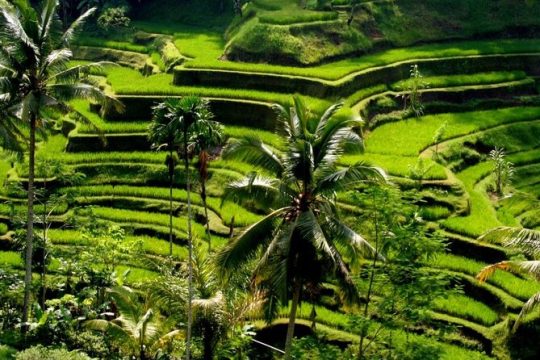
Tours & Sightseeing
Prices from $5
Luxury & Special Occasions
Prices from $5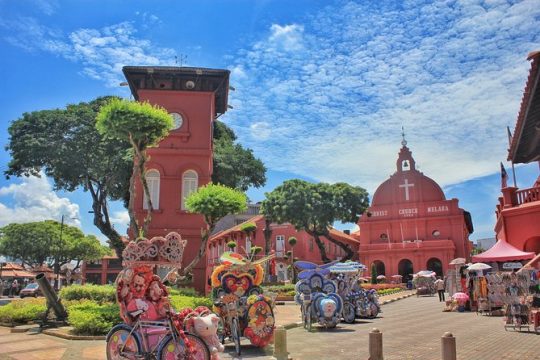
Cultural & Theme Tours
Prices from $5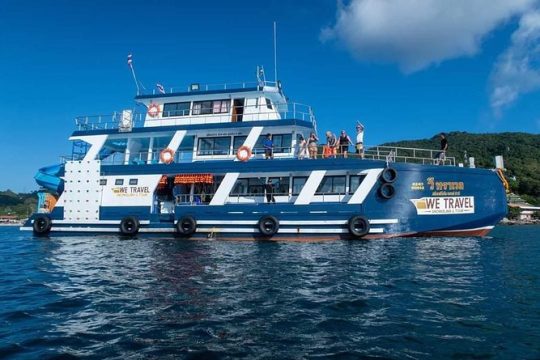
Walking & Biking Tours
Prices from $5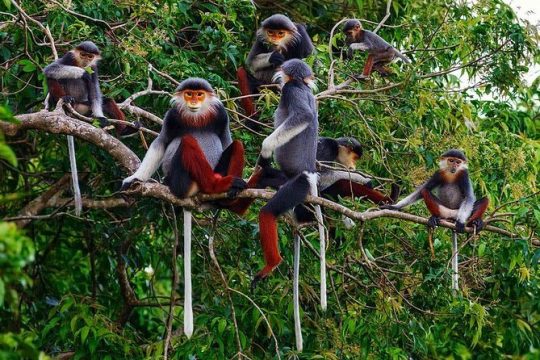
Private & Custom Tours
Prices from $5
Day Trips & Excursions
Prices from $5
Food, Wine & Nightlife
Prices from $14
Shore Excursions
Prices from $5
Outdoor Activities
Prices from $7
Cruises, Sailing & Water Tours
Prices from $7
Water Sports
Prices from $12
Shows, Concerts & Sports
Prices from $9


Tegenungan Waterfall (Air Terjun Tegenungan)
Prices from $8
Tegalalang Rice Terrace (Sawah Terasering Tegalalang)
Prices from $8
Nishiki Market
Prices from $53
Uluwatu Temple (Pura Luhur Uluwatu)
Prices from $11
Bangkok Chinatown (Yaowarat)
Prices from $36
Cu Chi Tunnels
Prices from $14
Gion Corner
Prices from $53
Kamogawa River (Kamo River)
Prices from $53
Karangasem
Prices from $12
Mt. Batur (Gunung Batur)
Prices from $8
My Son Sanctuary
Prices from $19
Padangbai (Padang Bai)
Prices from $30
Hanukkah in Asia
Dec 4–12, 2026
New Year’s Eve in Asia
Thu, Dec 31, 2026
New Year’s Day long weekend in Asia
Jan 1–3, 2027
Rainy day activities in Asia
10 tours & activities
Senior-friendly tours Asia
337 tours & activities
Asia Foodie Tours
222 tours & activities
Family-friendly Asia Tours
787 tours & activities
The best tours and activities for culture lovers in Asia
580 tours & activities
Top 10 Asia 2026
10 tours & activities
Top Day Trips from Asia
352 tours & activities
Things to do in Asia this summer
1,000 tours & activities


