Aquitaine attractions
More things to do in the region
 #16
Basilica of St. Michael (Basilique St. Michel)
You can visit on your own to walk the nave and chapels and take in the tower from the square outside. A guided walking tour of Bordeaux's old town places the basilica within the Saint-Michel district and links it with the Pont de Pierre and the riverside quays. Guides explain the architecture, the history of the detached tower and the Santiago de Compostela pilgrimage connection that earned the church its heritage listing. The basilica is a large Flamboyant Gothic church and the second biggest Catholic church in Bordeaux. Its bell tower stands apart from the church and rises about 114 meters, the tallest church tower in southern France. Inside, look for the many side chapels, the modern stained glass and the carved organ case. It is a working parish church, so keep quiet during services and allow about half an hour inside.
More #17
Bilbao's Santiago Cathedral
You can visit on your own and look at the Gothic nave, chapels, and cloister at your own pace. A guided visit gives more detail on the architecture and the cathedral's place on the pilgrim route to Santiago, and a combined visit with the nearby San Antón church is offered. Many walking tours of the old town include the cathedral along with the Seven Streets. The cathedral is a working church, so Mass and other services can limit when you can walk around. Guided visits are offered in Basque and Spanish, and a combined visit with the nearby San Antón church is available. The Gothic cloister is a highlight and connects to the street through the Puerta del Ángel. The cathedral sits on the Northern Way of the Camino de Santiago, so you may see pilgrims.
More #18
Bordeaux Hôtel de Ville (Palais Rohan)
You can admire the neoclassical façade and courtyard on your own from the square. To see the grand staircase and reception rooms, join a guided visit, which adds the stories behind the building's past as an archbishop's residence, a prefecture and a city hall. Visits run on set weekday slots and need advance booking. Many walking tours of the old center also pass the palace, linking it with the cathedral and nearby streets. The palace is still the working city hall, so most visitors admire the façade and courtyard from Place Pey Berland. The grand staircase and reception rooms are seen on guided visits, which are given in French. Guided visits must be booked online in advance, and some rooms may be closed to visitors depending on official business. The palace stands beside Bordeaux Cathedral, so many visitors combine the two in one short stroll.
More #19
Bordeaux Museum of Fine Arts (Musée des Beaux-Arts de Bordeaux)
If you are looking for things to do in Aquitaine we have 1 Tours and Activities to Experience Bordeaux Museum of Fine Arts (Musée des Beaux-Arts de Bordeaux). Check out our verified traveler reviews and photos of Bordeaux Museum of Fine Arts (Musée des Beaux-Arts de Bordeaux) tours and other things to do in Aquitaine, and book securely when you find the perfect one. Learn the best ways to see famous Bordeaux Museum of Fine Arts (Musée des Beaux-Arts de Bordeaux) and explore the most popular things to do in Aquitaine.
More #20
Bordeaux Wine and Trade Museum (Musée du Vin et du Négoce de Bordeaux)
If you are looking for things to do in Aquitaine we have 2 Tours and Activities to Experience Bordeaux Wine and Trade Museum (Musée du Vin et du Négoce de Bordeaux). Check out our verified traveler reviews and photos of Bordeaux Wine and Trade Museum (Musée du Vin et du Négoce de Bordeaux) tours and other things to do in Aquitaine, and book securely when you find the perfect one. Learn the best ways to see famous Bordeaux Wine and Trade Museum (Musée du Vin et du Négoce de Bordeaux) and explore the most popular things to do in Aquitaine.
More #21
Buen Pastor Cathedral
You can step inside on your own for a quiet look at the stained glass, the three naves and the carved stonework. A guided walking tour of the city center usually includes the cathedral and adds context on the architecture and the neighborhood's growth. Many visitors combine it with the nearby cultural center and a stroll toward the old town and the seafront. It is the largest religious building in San Sebastian, with a Neo-Gothic tower you can see from much of the city. Most visits take 20 to 30 minutes, so it fits easily into a walk through the center. Dress modestly and keep quiet, as it is an active church. The entrance has a ramp and stairs, the door is heavy, and lighting inside is dim. The interior is wheelchair accessible, with adapted toilets on one side of the building.
More #22
Constitution Square (Plaza de la Constitución)
Most people pass through on a stroll of the Old Town, and the square is easy to enjoy on your own. A guided walking tour explains the balcony numbers, the history of the old quarter and local food habits. Pintxos tours link the square with nearby bars, and some itineraries add Santa María church, the San Telmo Museum or Mount Urgull. The square is an open public space in the Old Town, so there is no ticket and no set visiting time. Look up at the numbered balconies, which were once used as boxes when bullfights took place in the square. The former town hall on the square now houses the public library. Bars and restaurants line the edges, and the surrounding Old Town has the city's densest cluster of pintxos bars. The square fills during local festivals, so expect crowds and noise on festival days.
More #23
Girondins Monument (Monument aux Girondins)
You can see the monument on your own in a short stop, walking around the pedestal to take in the bronze horses, fountain basins and sculpture groups. A guided walking tour of central Bordeaux adds the story of the Girondin deputies and often links the square with the Grand Théâtre, the Allées de Tourny, the Public Garden and the Place de la Bourse. The monument stands in the middle of the Place des Quinconces, an open public square, so there is no gate, entry queue or ticket to deal with. A stop of about half an hour is enough to walk around the pedestal and look at the bronze horses, fountain basins and sculpture groups. The sculptures on each side face a different direction, so walk all the way around to see them all. The square hosts fairs, circuses and other events through the year, which can take up large parts of it.
More #24
Grand Theatre
A guided visit is the best way to see the interior. The tour starts outside, where the guide explains the columns and statues, then moves through the vestibule, up the grand staircase and into the auditorium. Groups are small, so you can ask questions along the way. Many travelers pair it with a walk through the surrounding historic center, or book an evening opera or ballet performance. The Grand Theatre is an opera and ballet house, so seeing a performance is the best way to experience the auditorium. Guided visits last about 50 minutes and run in French, English or Spanish on selected days. Arrive at the main entrance about 5 minutes before the visit begins, as groups are small. The building has an elevator and reserved wheelchair spaces, and guided visits are accessible to people with reduced mobility.
More #25
Graves Wine Region
You can visit estates on your own by booking tastings directly, but the area is spread out and public transport is limited. Guided half-day and full-day wine tours from Bordeaux handle the driving and set up visits at several estates, often including Sauternes. Small-group and private tours let you focus on reds, dry whites or sweet wines, and some add a castle or a garden stop. Graves is a wine area south of Bordeaux, and its northern part, Pessac-Léognan, sits closest to the city. Many estates welcome visitors for tours and tastings, and booking ahead is the safest way to get a spot. Plan on a driver or a guided tour if you want to taste at several estates in a day. The area covers red, dry white and sweet wines, including the Sauternes area, so you can try several styles. Some estates add gardens, art walks or castles, which suit families and non-drinkers.
More #26
Guggenheim Museum
The Guggenheim Museum Bilbao is a museum of modern and contemporary art on the bank of the Nervion River in Bilbao, in Spain's Basque Country. Its curving, metal-clad building by the architect Frank Gehry is as much of a draw as the art inside, and it turned the world's attention to a city once known mainly for shipyards and steel.The museum was built near the end of the 20th century on former industrial land beside the river, as part of a wider plan to remake Bilbao after the decline of its heavy industry. The Basque authorities partnered with the Solomon R. Guggenheim Foundation of New York, and Gehry designed a building of swooping forms wrapped in thin titanium panels, set off by limestone and glass. Its success in reviving the city became so famous that planners elsewhere began speaking of a Bilbao effect.Inside, a tall atrium filled with light connects galleries on several floors, some regular in shape and others as twisting as the exterior. The largest gallery holds The Matter of Time, Richard Serra's immense steel sculptures, which you walk into and around as their curved walls lean and spiral above you. The collection and changing exhibitions focus on art from the mid 20th century onward, with major international names on show.The outdoor works are part of the experience. Jeff Koons's Puppy, a giant terrier covered in living flowers, guards the entrance, while Louise Bourgeois's towering spider Maman stands near the water. Fog drifts across the pool beside the river from a sculpture by Fujiko Nakaya, and the La Salve bridge is folded into the building's design. A guide can explain how Gehry's shapes were engineered and what the artists were reaching for.
More #27
Hondarribia
Hondarribia is easy to explore on your own, since the walled old town and the harbor quarter sit close together. A guided walking tour adds the stories behind the gates, the palaces and the long siege, and it usually starts at the Santa Maria gate. Many guided day trips from San Sebastian pair Hondarribia with Pasaia and other stops along the Basque coast. Hondarribia is a small walled town, so you can see the old town and the fishing quarter on foot in a few hours. Wear comfortable shoes, because the old town has narrow historic streets that are best explored by walking. The Marina quarter, where the fishermen once lived, has colorful houses and plenty of places to eat and drink. The town faces France across the bay, and a small boat crosses to Hendaye if you want to add a short trip.
More #28
La Concha Beach (Playa de la Concha)
Walking the seafront promenade on your own is the classic way to see the bay, passing the Alderdi Eder Gardens, the Miramar Palace gardens and the Chillida sculpture. In summer you can rent a canoe or paddleboard, or take a motorboat from the port to Santa Clara Island. Guided walking and food tours link the beach with the old town, and routes up Mount Igueldo or Mount Urgull add views. The beach is more than 1,300 meters of fine golden sand in the city center, with a shallow bay that suits families. Tides change the beach, and high tide leaves little dry sand, so check tide times before planning a beach day. Toilets and showers are open all year, while lifeguards, lockers, changing rooms and sunshade and chair rentals run in summer. Summer assistance is available for visitors with reduced mobility, including help for swimmers with disabilities.
More #29
Museum of Aquitaine (Musée d'Aquitaine)
If you are looking for things to do in Aquitaine we have 4 Tours and Activities to Experience Museum of Aquitaine (Musée d'Aquitaine). Check out our verified traveler reviews and photos of Museum of Aquitaine (Musée d'Aquitaine) tours and other things to do in Aquitaine, and book securely when you find the perfect one. Learn the best ways to see famous Museum of Aquitaine (Musée d'Aquitaine) and explore the most popular things to do in Aquitaine.
More #30
Médoc
The Médoc is the long peninsula between the Gironde estuary and the Atlantic, just northwest of Bordeaux, and one of the most celebrated wine regions on earth. Travelers come to tour its famous châteaux, taste some of the world's most prized red wines in villages such as Margaux and Pauillac, and drive past gravelly vineyards that run down to the river.Much of the peninsula was once marshland, and it was Dutch engineers in the 17th century who drained the land along the estuary, exposing the deep gravel banks where vines now thrive. These well-drained, stony soils, washed down from the Pyrenees and the Massif Central over ages, suit Cabernet Sauvignon, which ripens on warm pebbles and gives the region's wines their structure. Bordeaux merchants shipped them to England and northern Europe for centuries, and for the Universal Exhibition in Paris in the 19th century, the leading châteaux were ranked into a classification that still shapes their prestige.Each village has its own character. Margaux is known for elegant, perfumed wines, while Pauillac holds three of the five first growths of that ranking, Lafite Rothschild, Latour and Mouton Rothschild, and Saint-Julien and Saint-Estèphe have their own loyal followers. The château architecture is part of the pleasure, from the Palladian columns of Château Margaux and the turreted Pichon Baron to the pagoda-topped towers of Cos d'Estournel, built by a merchant who traded with India.Beyond the vines the peninsula turns wilder. Vauban's Fort Médoc still guards the estuary, pine forests and long surf beaches line the Atlantic shore, and off the northern tip the Renaissance lighthouse of Cordouan rises from a reef at the mouth of the Gironde. A guide adds depth to each tasting, explaining the classification, the blends and the subtle differences between neighboring villages.
More #31
National Prehistoric Museum (Musée National de Préhistoire)
If you are looking for things to do in Aquitaine we have 2 Tours and Activities to Experience National Prehistoric Museum (Musée National de Préhistoire). Check out our verified traveler reviews and photos of National Prehistoric Museum (Musée National de Préhistoire) tours and other things to do in Aquitaine, and book securely when you find the perfect one. Learn the best ways to see famous National Prehistoric Museum (Musée National de Préhistoire) and explore the most popular things to do in Aquitaine.
More #32
Place Gambetta
Place Gambetta is one of the main squares of central Bordeaux, a broad 18th-century space framed by matching pale stone facades with a leafy garden at its heart. Many people simply cross it on the way elsewhere, but it rewards a pause for its elegant architecture, its old city gate and its grim role during the Revolution.The square was laid out in the middle of the 18th century as Place Dauphine, named in honor of the heir to the French throne, as part of the great building program of the royal intendant Tourny. He wanted Bordeaux to break out of its cramped medieval walls, and he gave the city a series of grand squares and avenues lined with harmonious stone fronts. Here the houses follow a single design, with arcades at street level, wrought-iron balconies above and carved masks over the windows, the smiling and grimacing faces known in Bordeaux as mascarons.At one edge stands the Porte Dijeaux, an old entrance to the city rebuilt in the same period as a triumphal arch of pale stone. The Revolution brought darker days: during the Terror the guillotine stood on this square and claimed many lives. In the late 19th century the square was renamed for Léon Gambetta, the fiery statesman who helped found the Third Republic. Its open center was later planted as a garden with lawns, trees and a pool.Today the garden is a calm pocket of green in the middle of the traffic, and the benches beneath its trees give a good view of the facades all around. The square also works as a hinge between two cities: the planned 18th-century Bordeaux of Tourny on one side, and the older streets beyond the gate on the other. A guide brings out details that are easy to miss, from the expressions on the mascarons to the way a royal square became a revolutionary stage.
More #33
Pomerol
You can drive between estates on your own if you book tastings ahead. Guided wine tours from Bordeaux or Libourne are a good alternative: a guide arranges the visits, handles the driving and explains the wines, which is helpful in an area with few signs. Many itineraries combine Pomerol with nearby Saint-Emilion, so you can compare two famous appellations in a single day. Pomerol is a small wine village and appellation rather than a big sight, so it suits wine lovers who enjoy a slow-paced day. The wines are mostly red and led by Merlot, and it is one of the smallest wine areas in Bordeaux. Most producers are small family estates, so tastings are often arranged in advance rather than on a drop-in basis. Some estates have little signage, so keep each address ready on your phone before you set out. If you are tasting at several estates, arrange a driver or a guided trip so everyone can enjoy the wine.
More #34
Port of the Moon
If you are looking for things to do in Aquitaine we have 3 Tours and Activities to Experience Port of the Moon. Check out our verified traveler reviews and photos of Port of the Moon tours and other things to do in Aquitaine, and book securely when you find the perfect one. Learn the best ways to see famous Port of the Moon and explore the most popular things to do in Aquitaine.
More #35
Porte de Bourgogne
If you are looking for things to do in Aquitaine we have 4 Tours and Activities to Experience Porte de Bourgogne. Check out our verified traveler reviews and photos of Porte de Bourgogne tours and other things to do in Aquitaine, and book securely when you find the perfect one. Learn the best ways to see famous Porte de Bourgogne and explore the most popular things to do in Aquitaine.
More #36
Pyla Dune (Dune du Pilat)
You can climb the dune at your own pace and walk the crest for views over the Arcachon Bay and the pine forest. Guided options include sunset walks and nature tours that explain how the dune moves and shapes the coast. Many travelers combine it with a boat trip on the bay, an oyster tasting at nearby ports, or a day tour from Bordeaux. The climb is steep and tiring, and in the stair season a staircase of about 160 steps leads to the crest. Outside the stair season you climb through loose sand, which is slower and harder. Sand gets very hot in summer, so bring water, sun protection and consider an early start. Smoking is not allowed on the dune, and parking along the road or in the forest is prohibited. Restaurants and takeaway shops sit near the base, and a car park is reserved for visitors with reduced mobility, though the climb itself is demanding.
More #37
Saint-Jean-De-Luz
If you are looking for things to do in Aquitaine we have 1 Tours and Activities to Experience Saint-Jean-De-Luz. Check out our verified traveler reviews and photos of Saint-Jean-De-Luz tours and other things to do in Aquitaine, and book securely when you find the perfect one. Learn the best ways to see famous Saint-Jean-De-Luz and explore the most popular things to do in Aquitaine.
More #38
San Sebastian Old Town (Parte Vieja Donostiarra)
You can wander the Parte Vieja freely, moving from Plaza de la Constitución to the churches, the San Telmo Museum and the port. A guided walking tour adds the story of the city's rebuilding and local life, while a food-focused tour takes you through several pintxo bars with someone who knows what to order. Many visitors pair the old town with the climb up Monte Urgull. The whole old town is pedestrian only, so wear comfortable shoes for narrow streets and busy squares. The street down to the port is the one steep stretch and can be tricky with a wheelchair or stroller. Allow a couple of hours for a relaxed walk, and longer if you stop at several pintxo bars. Churches such as Santa Maria and San Vicente are active places of worship, so access can change during services.
More #39
Victoria Eugenia Theater (Teatro Victoria Eugenia)
The best way to see the hall at its best is to attend a concert, dance show, play or film screening and take in the dome and stage in use. The theater also offers guided visits that tell its story, including its role in the city's film festival. A city walking tour that passes the theater is an easy way to see it alongside the elegant seafront, and the tourist bus departs from right in front. This is a working theater, so what you can see depends on the performance program and on when guided visits are offered. It suits fans of architecture, film and the performing arts, and the main hall seats about 890 beneath a painted dome. The main entrance has an automatic door, a lift serves the interior, wheelchair seats are in row 14, and assistance dogs are admitted. A coffee bar is on site, and the theater stands next to the María Cristina Hotel on the riverfront.
MoreDiscover Aquitaine

Luxury & Special Occasions
Prices from $2
Cultural & Theme Tours
Prices from $2
Tours & Sightseeing
Prices from $2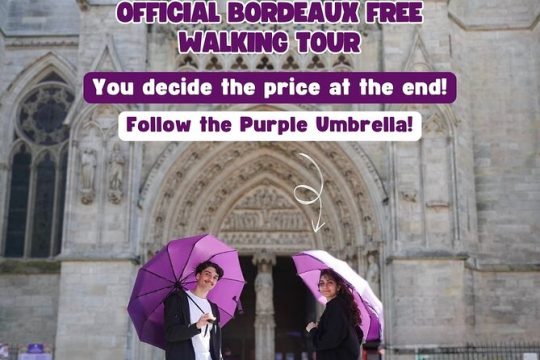
Walking & Biking Tours
Prices from $2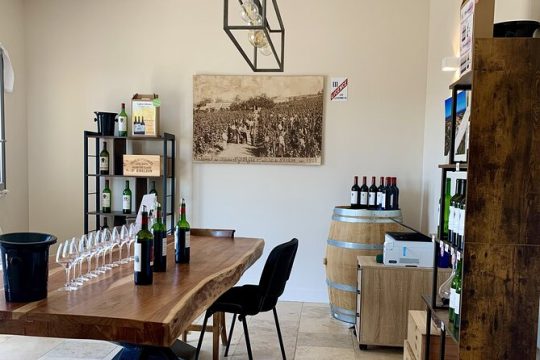
Food, Wine & Nightlife
Prices from $6
Private & Custom Tours
Prices from $3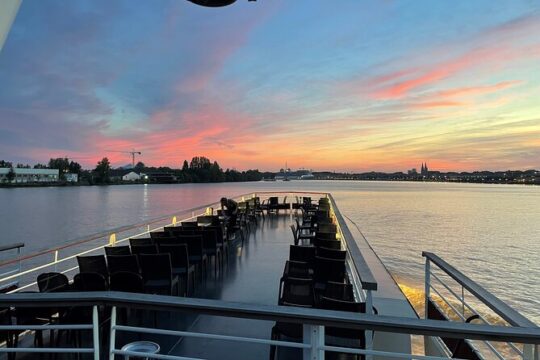
Cruises, Sailing & Water Tours
Prices from $17
Day Trips & Excursions
Prices from $58
Air, Helicopter & Balloon Tours
Prices from $133
Classes & Workshops
Prices from $89
Holiday & Seasonal Tours
Prices from $17
Multi-day & Extended Tours
Prices from $426


Bordeaux Cathedral (Cathédrale St. André)
Prices from $2
La Cité du Vin
Prices from $3
Palais Gallien
Prices from $25
Pont de Pierre
Prices from $17
Biarritz
Prices from $32
Bordeaux Public Garden (Jardin Public)
Prices from $35
Château Margaux
Prices from $80
Commarque Castle (Chateau de Commarque)
Prices from $201
Grosse Cloche
Prices from $10
Place de la Bourse (Place Royale)
Prices from $2
Porte Cailhau
Prices from $2
Quinconces Square (Place des Quinconces)
Prices from $3
Hanukkah in Aquitaine
Dec 4–12, 2026
New Year’s Eve in Aquitaine
Thu, Dec 31, 2026
New Year’s Day long weekend in Aquitaine
Jan 1–3, 2027
Rainy day activities in Aquitaine
3 tours & activities
Senior-friendly tours Aquitaine
79 tours & activities
Aquitaine Foodie Tours
166 tours & activities
Family-friendly Aquitaine Tours
123 tours & activities
The best tours and activities for culture lovers in Aquitaine
148 tours & activities
Top 10 Aquitaine 2026
10 tours & activities
Top Day Trips from Aquitaine
65 tours & activities
Things to do in Aquitaine this summer
205 tours & activities
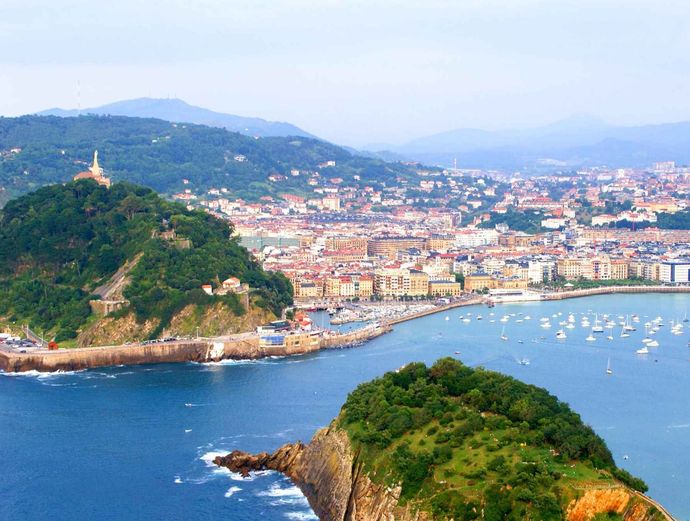
 From $4
 From $13