Walachei-Sehenswürdigkeiten
Weitere Aktivitäten in der Region
 #16
Schloss Cantacuzino (Castelul Cantacuzino)
Schloss Cantacuzino ist ein prachtvolles neoromanisches Herrenhaus in Bușteni, einer Bergstadt im rumänischen Prahova-Tal. Es wurde für einen der reichsten Aristokraten des Landes erbaut. Besucher kommen wegen der kunstvoll geschnitzten und bemalten Innenräume, des weitläufigen Gartens und des atemberaubenden Panoramablicks von der Terrasse auf das Bucegi-Gebirge. Das Schloss wurde von Fürst Gheorghe Grigore Cantacuzino in Auftrag gegeben, einem so wohlhabenden Staatsmann, dass er den Beinamen „Nabob“ trug. Es ersetzte ein altes Jagdschloss der Familie an der Straße nach Brașov. Eine Inschrift im Innenhof erklärt, dass er es zu Ehren seiner Vorfahren und zum Schutz seiner Nachkommen errichten ließ. Der Architekt Grigore Cerchez, eine Schlüsselfigur des neoromanischen Stils, verband lokale Traditionen mit europäischer Pracht. In der kommunistischen Ära wurde das Schloss verstaatlicht und als Sanatorium genutzt, seine Mauern wurden übermalt. Nach der Rückgabe an die Familie legte eine Restaurierung die ursprüngliche Dekoration frei, und das Haus wurde als Privatbesitz der Öffentlichkeit zugänglich gemacht. Das Schloss diente bereits als Drehort für die Netflix-Serie „Wednesday“. Im Inneren findet sich eine Mischung aus Materialien aus ganz Europa: venezianische Wandmalereien, Muranoglas, italienische glasierte Keramik, geschnitzte Eichentüren und Kassettendecken aus Eiche. Eine Treppe, die scheinbar ohne Stütze von den Wänden getragen wird, führt empor, und Marmortreppen erschließen die oberen Etagen. Eine Galerie mit auf Cordoba-Leder gemalten Wandbildern zeigt lebensgroße Porträts des walachischen Zweigs der Familie Cantacuzino, und im Ballsaal sind die Wappen verwandter Adelsfamilien ausgestellt. Im Außenbereich befinden sich im Innenhof Brunnen, Skulpturen, ein Jagdturm und eine kleine Holzkirche, während in einer Kunstgalerie im Obergeschoss wechselnde Ausstellungen gezeigt werden. Das Schloss bietet einen Einblick in das aristokratische Leben in den Karpaten. Ein Guide erweckt die Familiengeschichte und die Bedeutung der Heraldik zum Leben.
Mehr #17
Carol Park (Parcul Carol)
Carol Park (Parcul Carol) is a grand historic park south of central Bucharest, laid out as a formal French-style garden and named after Romania's first king, Carol I. With fountains, a lake, shaded alleys and monuments rising on Filaret Hill, it is one of the city's most elegant green spaces and a quiet window onto its history.The park was designed by the French landscape artist Édouard Redont and opened in the early 20th century on the anniversary of Carol I's coronation. It was created to host the great Bucharest Exhibition, a showcase of the young kingdom's progress, and pavilions filled the grounds for the occasion. Of all those buildings, only two survive: the Roman Arenas, an open-air amphitheater still used for concerts, and the building that now houses the Dimitrie Leonida Technical Museum.The Technical Museum gathers engines, machines and inventions that trace the story of engineering in Romania, and it is named after the engineer who founded it. Elsewhere in the park, the fountains draw the eye: the Zodiac Fountain carries the signs of the zodiac, and the Cantacuzino Fountain is an elegant older piece. Paths lead down to Lake Filaret, which adds open water and reflections to the formal layout. Along the alleys, mature trees shade the walks between these landmarks, giving the park its calm, old-fashioned feel.The most striking monument stands at the top of the main alley. Built in the communist era as a mausoleum for party leaders, the domed structure on the hill was later rededicated, and it now holds the Tomb of the Unknown Soldier, which had stood in the park before. The shift captures how Bucharest has reworked its past, and the whole park, a listed historical monument, reads like a layered record of Romania's modern story, from royal celebration to communist ambition and beyond.
Mehr #18
Katharinentor (Poarta Ecaterinei)
Catherine's Gate, or Poarta Ecaterinei, is a 16th-century gate tower on the southwest side of Brașov's old city walls in Transylvania, topped by a slender spire and four small corner turrets. Visitors come to see this storybook piece of Saxon defense and to learn how it once controlled who could enter the walled city.The Tailors' Guild built the gate in the middle of the 16th century to replace an older entrance destroyed by a flood. It takes its name from St. Catherine's Monastery, which once stood on the site. The tower you see is only part of the original gateway, since a wooden section was pulled down in the 19th century. Above the entrance is the city's coat of arms, a crown resting on an oak trunk with its roots.The four turrets were more than decoration. They announced that Brașov held the right of the sword, the power to pass death sentences, a mark of the town's legal independence. The gate also sat on an old social divide. Under Saxon rule, Romanians could not own property inside the walls and lived in the Șchei district beyond them, and old records call this the Wallachian Gate, the entrance set aside for them, which they could pass only at fixed hours, paying a toll on goods for market.Inside, a small museum explains the history of the gate and of the fortified town, while outside the tower makes a fine picture against the wooded hills that ring the old center. The walls and bastions nearby show how the craft guilds each took charge of defending a stretch of the city. A guide can connect the gate to the wider story of the Saxon merchants and the Romanian community of Șchei.
Mehr #19
CEC-Palast (Palatul CEC)
CEC Palace, or Palatul CEC, is a grand domed bank headquarters on Calea Victoriei in the historic center of Bucharest, facing the National Museum of Romanian History. Built at the end of the 19th century for Romania's oldest bank, a public savings institution, it ranks among the city's finest landmarks, admired for its glass and metal dome and richly decorated facade.The palace was designed by the French architect Paul Gottereau, while Ion Socolescu supervised the building work. It stands on ground with a long past, once occupied by the Saint John the Great monastery and its inn, whose church, restored by Prince Constantin Brâncoveanu in the early 18th century, later fell into ruin and was pulled down in the 19th century. The new palace captured the spirit of a capital eager to rival the great cities of Western Europe, an era when Bucharest earned the nickname Little Paris.Its style is usually called eclectic or Beaux-Arts, mixing French classical grandeur with Renaissance touches. The entrance sits beneath a tall arch carried on two pairs of composite columns, and each of the four corners rises to a gable bearing a coat of arms, topped by a smaller Renaissance-style dome. Over the center floats the great glass and metal dome, which gives the palace its unmistakable outline along the avenue.More than a century after it opened, the palace still serves its original purpose as the headquarters of CEC Bank. Its setting adds to the effect, since Calea Victoriei, the capital's best-known avenue, is lined with palaces, churches and mansions, and the narrow lanes of the old town begin just behind it. A guide can point out the carved emblems and other details on the facade that are easy to miss from across the street.
Mehr #20
Choral-Tempel (Templul Coral)
The Choral Temple is Bucharest's grand 19th-century synagogue, on Strada Sfânta Vineri in the city's old Jewish quarter. With its onion-domed towers and Moorish Revival decoration, it is one of the few active synagogues left in Romania, and visitors come to see its ornate interior and learn about the country's Jewish community.The synagogue was built in the middle of the 19th century, when many in Bucharest's Jewish community wanted a modern house of worship with a trained choir, the feature that gave it its name. Its designers modeled it very closely on the Leopoldstadt Temple in Vienna, one of the great synagogues of the Habsburg capital, and the brick building took on the same Moorish Revival style, with horseshoe arches and a richly painted interior. The Vienna original was destroyed in the Nazi era, so the Bucharest copy now preserves a lost design.The building has survived hard times. Far-right vandals attacked it in the years before the Second World War, and during the Legionnaire rebellion early in the war it was devastated along with other Jewish sites in the city. It was restored after the war and became a center of Jewish life again, though the community shrank sharply as most Romanian Jews emigrated in the following decades. A later refurbishment of the main hall brought back its colors and decoration, and daily services still take place in a smaller hall.Inside, the main hall is a blaze of color, with gilded details, painted ornament and arches that frame the ark, while upper galleries look down on the benches below. The hall's beauty is all the more striking given everything the building has been through. A guide can explain the symbols in the decoration and the story of the families who once filled this neighborhood.
Mehr #21
Kirche auf dem Hügel (Biserica din Deal)
Wenn Sie nach Unternehmungen in der Walachei suchen, bieten wir Ihnen 10 Touren und Aktivitäten rund um die Bergkirche (Biserica din Deal) an. Sehen Sie sich die Bewertungen und Fotos verifizierter Reisender zu Touren zur Bergkirche (Biserica din Deal) und anderen Aktivitäten in der Walachei an und buchen Sie sicher, sobald Sie die perfekte Tour gefunden haben. Erfahren Sie, wie Sie die berühmte Bergkirche (Biserica din Deal) am besten besichtigen und entdecken Sie die beliebtesten Sehenswürdigkeiten der Walachei.
Mehr #22
Glockenturm
Wenn Sie nach Unternehmungen in der Walachei suchen, bieten wir Ihnen 45 Touren und Aktivitäten rund um den Glockenturm. Lesen Sie die Bewertungen und sehen Sie sich Fotos von verifizierten Reisenden zu unseren Glockenturm-Touren und anderen Aktivitäten in der Walachei an. Buchen Sie bequem und sicher, sobald Sie die perfekte Tour gefunden haben. Entdecken Sie die besten Möglichkeiten, den berühmten Glockenturm zu besichtigen, und erkunden Sie die beliebtesten Sehenswürdigkeiten der Walachei.
Mehr #23
Cotroceni-Palast (Palatul Cotroceni)
Cotroceni Palace is the official residence of the President of Romania, set on a hill in western Bucharest, and it also houses the National Cotroceni Museum. Visitors come to see its royal reception rooms, rich furnishings and art collections, and to learn how a monastery site became the home of royalty and presidents.The story begins in the late 17th century, when Serban Cantacuzino, prince of Wallachia, built a monastery on Cotroceni Hill. Two centuries later, King Carol I commissioned a royal palace on the site, designed by the French architect Paul Gottereau. The building follows the Brancovenesc style, a Romanian tradition that blends Byzantine, Renaissance and Ottoman influences into something distinctly local, with carved stone details and graceful arcades.Queen Marie, one of the best-loved figures of Romania's royal past, lived here and shaped many of the interiors, and her taste lives on in the rooms the museum preserves. The collection holds some 20,000 objects, including paintings, icons, ceramics, carpets and furniture, displayed in settings that recall the life of the royal court. Highlights include the Hall of Honour, the German Living Room and the Hunting Room, each with a character of its own, from formal grandeur to a more private feel.What sets the palace apart is that it remains a working seat of state. The museum's royal rooms sit within the same complex as the presidency, so a visit offers a rare look inside a building that has carried Romania's story from monastery to monarchy to republic. Few places in Bucharest show so clearly how the country's rulers wished to present themselves, through architecture, art and ceremony. A guide can untangle the many lives of the hill, from its monks and princes to a queen with a strong artistic eye.
Mehr #24
Altstadt von Dubrovnik
Dubrovnik Old Town is the walled medieval city on the Adriatic coast of southern Croatia, a UNESCO World Heritage Site ringed by massive stone ramparts. People come to walk its polished limestone streets, circle the walls above red-tiled roofs and see the churches, palaces and squares of a former maritime republic.For centuries this was the Republic of Ragusa, a small but wealthy city-state that lived by trade and diplomacy. Its ships sailed across the Mediterranean, and its leaders kept their freedom by balancing the great powers around them, from Venice to the Ottoman Empire. The republic was known for forward-looking public institutions, including a quarantine system, an orphanage and an early ban on the slave trade. A devastating earthquake in the 17th century destroyed much of the city, which was rebuilt in the more uniform Baroque style seen along the main street. The republic finally came to an end under Napoleon in the early 19th century.In the late 20th century the Old Town was shelled during the Croatian War of Independence, and careful restoration has since repaired the damage. Stradun, the main street, runs between the city gates, its paving worn smooth by countless feet. Along the way you pass Onofrio's Fountain, the Franciscan Monastery with one of the oldest working pharmacies in Europe, the Rector's Palace where the republic's elected leader lived during his short term, and the Sponza Palace, once the customs house.Above it all, the walls wrap around the city with towers and forts, including the round Minčeta Tower at the highest point. Their views take in the old harbor, the green island of Lokrum and the steep hills behind. Many corners will look familiar to fans of television fantasy. A guide explains how the republic thrived and how the city rose again.
Mehr #25
Erste rumänische Schule (Prima Scoala Romaneasca)
Suchen Sie nach Unternehmungen in der Walachei? Wir bieten Ihnen drei Touren und Aktivitäten rund um die Erste Rumänische Schule (Prima Scoala Romaneasca). Sehen Sie sich die Bewertungen und Fotos verifizierter Reisender zu Touren durch die Erste Rumänische Schule (Prima Scoala Romaneasca) und anderen Aktivitäten in der Walachei an und buchen Sie bequem, sobald Sie die perfekte Tour gefunden haben. Entdecken Sie die besten Möglichkeiten, die berühmte Erste Rumänische Schule (Prima Scoala Romaneasca) zu besichtigen, und erkunden Sie die beliebtesten Sehenswürdigkeiten der Walachei.
Mehr #26
Nationalmuseum George Enescu (Cantacuzino-Palast)
Suchen Sie nach Unternehmungen in der Walachei? Wir bieten Ihnen vier Touren und Aktivitäten rund um das George-Enescu-Nationalmuseum (Palast Cantacuzino). Lesen Sie die Bewertungen und sehen Sie sich die Fotos von verifizierten Reisenden zu Touren durch das George-Enescu-Nationalmuseum (Palast Cantacuzino) und anderen Aktivitäten in der Walachei an. Buchen Sie bequem und sicher, sobald Sie die perfekte Tour gefunden haben. Entdecken Sie die besten Möglichkeiten, das berühmte George-Enescu-Nationalmuseum (Palast Cantacuzino) zu besichtigen, und erkunden Sie die beliebtesten Sehenswürdigkeiten der Walachei.
Mehr #27
Große Synagoge (Sinagoga Mare)
The Great Synagogue, also called the Great Polish Synagogue, is a historic Jewish house of worship in Bucharest's old Jewish quarter, built by a congregation with roots in Poland. Visitors come for its ornate, richly painted interior and for a memorial exhibition honoring Romanian Jews who suffered and died in the Holocaust.Ashkenazi Jews who had come to Bucharest from Poland built the synagogue in the 19th century, and for a long time it was the largest prayer house of the city's Jews, which is how it came to be called Great. Early in the 20th century the building was redesigned and its interior repainted in the rococo style, giving it the decorative look it still has.The synagogue lived through the darkest chapter in the story of Romania's Jews. During the Second World War it was ransacked in the violence unleashed by the fascist Iron Guard, and it was repaired after the war ended. Alongside its role as a working synagogue, it now houses an exhibition in memory of the Jewish martyrs of that era, recalling the persecution, deportations and killings that tore apart Jewish communities across the country. For many visitors it is the most moving part of the visit, a reminder that Romania was once home to one of the largest Jewish populations in Europe.The interior is the heart of the building. A wooden barrel vault curves over the prayer hall, a large chandelier hangs beneath it, and painted decoration spreads across the walls, blending baroque and rococo flourishes. From the street the synagogue is easy to miss, hidden by tall apartment blocks built around it in later years, which makes the ornate interior all the more striking. A guide who knows the old Jewish quarter can connect the building to the streets, families and institutions that once filled this part of the city.
Mehr #28
Holocaust-Mahnmal
Wenn Sie nach Aktivitäten in der Walachei suchen, bieten wir Ihnen 5 Touren und Aktivitäten zum Holocaust-Mahnmal an. Sehen Sie sich die Bewertungen und Fotos verifizierter Reisender zu Touren zum Holocaust-Mahnmal und anderen Sehenswürdigkeiten in der Walachei an und buchen Sie sicher, sobald Sie die perfekte Tour gefunden haben. Erfahren Sie, wie Sie das berühmte Holocaust-Mahnmal am besten besuchen und die beliebtesten Aktivitäten in der Walachei entdecken können.
Mehr #29
Iasi
Iasi is a historic university city in northeastern Romania and the former capital of the principality of Moldavia, often called the country's cultural capital. Travelers come for its grand neo-Gothic Palace of Culture, richly carved monasteries and churches, leafy parks and a lively student scene that keeps the old streets busy.From the 16th to the 19th century, Iasi was the seat of the princes of Moldavia, and it played a leading role in the union of Moldavia and Wallachia that laid the foundations of modern Romania. During the First World War it briefly served as the capital of the whole country while Bucharest was occupied. The city also became a center of learning and letters: it is home to Romania's oldest university, and in the 19th century it nurtured the Junimea literary society and the national poet Mihai Eminescu.The Palace of Culture dominates the center, a fairy-tale neo-Gothic building with a tall clock tower, built in the early 20th century on the site of the old princely court. Its museums cover the history of Moldavia, art, folk traditions and science and technology. Nearby, the Trei Ierarhi Monastery is one of the jewels of Romanian architecture, its outer walls covered from top to bottom in intricate carved stone patterns that were once gilded. The vast Metropolitan Cathedral holds the relics of Saint Paraskeva, a focus of devotion for Orthodox believers across Romania.Iasi is also a city of green spaces and quiet corners. Copou Park, laid out in the 19th century, shelters the Obelisk of Lions and the old linden tree under which Eminescu is said to have written, and the nearby botanical garden is the oldest in the country. Other sights include the Golia Monastery with its fortified walls and tower, the Great Synagogue, among the oldest surviving in Romania, and the ornate National Theater. A guide can connect these places to the princes, poets and scholars who shaped Romanian identity.
Mehr #30
Konstantsalieva-Haus
Wenn Sie nach Unternehmungen in der Walachei suchen, bieten wir Ihnen 7 Touren und Aktivitäten rund um das Konstantsalieva-Haus an. Sehen Sie sich die Bewertungen und Fotos verifizierter Reisender zu den Touren durch das Konstantsalieva-Haus und anderen Aktivitäten in der Walachei an und buchen Sie bequem, sobald Sie die perfekte Tour gefunden haben. Erfahren Sie, wie Sie das berühmte Konstantsalieva-Haus am besten besichtigen und die beliebtesten Sehenswürdigkeiten der Walachei entdecken können.
Mehr #31
Altstadt von Kotor
Die Altstadt von Kotor ist das ummauerte mittelalterliche Herz der Hafenstadt am inneren Ende der Bucht von Kotor an der montenegrinischen Adriaküste. Ihre mit Marmor gepflasterten Gassen, Kirchen und Paläste schmiegen sich an den Fuß eines steilen Berges. Besucher kommen wegen der Architektur, der langen venezianischen Geschichte und der Aussicht von den hoch aufragenden Festungsmauern. Seit der Antike leben Menschen an diesem geschützten Ufer, und die Stadt wechselte zwischen römischer, byzantinischer und mittelalterlicher serbischer Herrschaft, bevor Venedig im 15. Jahrhundert die Kontrolle übernahm. Unter venezianischer Herrschaft, die Jahrhunderte währte, entwickelte sich Kotor zu einem befestigten Handelshafen und erhielt die Steinhäuser und Verteidigungsanlagen, die das Stadtbild bis heute prägen. Später geriet die Stadt unter österreichische Herrschaft, und nach einem verheerenden Erdbeben im 20. Jahrhundert wurde ein Großteil der Stadt sorgfältig restauriert. Die Altstadt und ihre Bucht gehören zum UNESCO-Weltkulturerbe. Die Stadt ist ein Gewirr enger Gassen, die sich zu kleinen Plätzen öffnen, von denen jeder seine eigene Kirche oder seinen eigenen Palast hat. Die Kathedrale des Heiligen Tryphon, eine romanische Kirche mit zwei Glockentürmen, ist das spirituelle Zentrum der Stadt und beherbergt Reliquien und Fresken. Ganz in der Nähe diente die kleine Kirche des Heiligen Lukas einst sowohl katholischen als auch orthodoxen Gläubigen, während die orthodoxe Kirche des Heiligen Nikolaus auf einem eigenen Platz steht. Prächtige Familienpaläste, ein Uhrturm und ein Schifffahrtsmuseum zeugen vom Reichtum der ortsansässigen Kapitäne. Über allem winden sich die Wehrmauern in Serpentinen den Berghang hinauf zur Festung San Giovanni und passieren dabei die kleine Kirche Unserer Lieben Frau der Heilung. Kotor ist auch für seine vielen Katzen bekannt, die durch die Gassen streifen und zu einem lokalen Symbol geworden sind. Ein Reiseführer kann die Geschichten der Seeleute, Kaufleute und Heiligen erzählen, die diese kompakte Stadt aufgebaut haben.
Mehr #32
Burg von Kruja
Wenn Sie nach Unternehmungen in der Walachei suchen, bieten wir Ihnen 56 Touren und Aktivitäten rund um die Burg Kruja an. Lesen Sie die Bewertungen und sehen Sie sich die Fotos von verifizierten Reisenden zu den Touren rund um die Burg Kruja und anderen Sehenswürdigkeiten in der Walachei an. Buchen Sie bequem und sicher, sobald Sie die perfekte Tour gefunden haben. Entdecken Sie die besten Möglichkeiten, die berühmte Burg Kruja zu besichtigen, und erkunden Sie die beliebtesten Aktivitäten in der Walachei.
Mehr #33
Ohridsee
Der Ohridsee ist ein tiefer, klarer Bergsee an der Grenze zwischen Nordmazedonien und Albanien. Die Altstadt von Ohrid schmiegt sich an einen Hügel an seinem nordöstlichen Ufer. Besucher kommen wegen des azurblauen Wassers und der Strände, aber auch wegen der byzantinischen Kirchen, Klöster und Ruinen, die dem See und der Stadt einen Platz auf der UNESCO-Welterbeliste eingebracht haben. Der See zählt zu den ältesten Europas und entstand durch tektonische Bewegungen lange vor den letzten Eiszeiten. Ein Großteil seines Wassers stammt aus unterirdischen Quellen, die durch Kalkstein aus dem nahegelegenen Prespa-See in den Bergen gespeist werden. Diese lange Isolation schuf eine ganz eigene Welt: Zahlreiche Pflanzen- und Tierarten, darunter die Ohridforelle, ungewöhnliche Schwämme und viele Arten winziger Schnecken, kommen hier nur hier vor. Menschen leben seit prähistorischen Zeiten an diesen Ufern. In der Knochenbucht wurde ein Dorf aus Holzhäusern auf Stelzen über dem Wasser wiederaufgebaut, wo einst eine antike Siedlung am Seeufer stand. Die Griechen und Römer kannten die Stadt als Lychnidos, und ihr antikes Theater thront noch heute auf dem Hügel. Im späten 9. Jahrhundert gründeten die Gelehrten Clemens und Naum hier ein Bildungszentrum, das die slawische Schrift und den christlichen Glauben auf dem Balkan verbreitete. Später diente die Stadt als Hauptstadt von Zar Samuel, dessen Festungsmauern den Hügel krönen. Einst hieß es, Ohrid habe für jeden Tag des Jahres eine Kirche. Die meistfotografierte ist die kleine Johanneskirche in Kaneo, die auf einem Felsen über dem Wasser thront, während die Kirchen St. Sophia und St. Clemens einige der schönsten mittelalterlichen Fresken der Region beherbergen. Weiter südlich am Ufer liegt das Kloster St. Naum neben den Quellen, wo Pfauen durch den Innenhof stolzieren.
Mehr #34
Lipscani
Lipscani is the old merchant quarter at the heart of Bucharest's historic center, a web of narrow lanes named after the trades that once filled them. People come to wander past old churches, grand bank palaces and restored caravan inns, and to linger in the cafes and bars that spill onto the streets.The district grew around the princely court that Wallachian rulers built here in the late Middle Ages, and the earliest known document to mention Bucharest by name was issued by Vlad the Impaler, who fortified the residence. Merchants and craftsmen settled around the court, and the main street took its name from traders who brought goods from Leipzig, known in old Romanian as Lipsca. Nearby lanes still carry the names of the saddlers, furriers and blacksmiths who once worked there. The ruins of the Old Princely Court survive beside the small church that served it, counted among the oldest in the city.Later centuries added more layers. Stavropoleos Church, built in the early 18th century, is a jewel of the Brâncovenesc style, with carved stone columns, painted walls and a small courtyard lined with old gravestones. Manuc's Inn, a caravanserai built by an Armenian merchant in the early 19th century, keeps its wooden galleries around a broad courtyard. Toward the end of the 19th century the banks arrived, leaving landmarks such as the domed CEC Palace and the National Bank, while glass-roofed arcades like the Macca-Villacrosse Passage linked the streets. Under communism the quarter was neglected and left to decay, and its revival as a pedestrian area for dining and nightlife came only after the regime fell.Lipscani rewards a slow pace, with eyes raised to the stucco and ironwork of the facades above the busy terraces. A guide brings out the stories of princes, merchants and bankers in streets that many visitors only see after dark.
Mehr #35
Altstadt von Ljubljana
Ljubljana Old Town is the historic heart of Slovenia's capital, a compact quarter of Baroque churches, pastel townhouses and riverside cafes along both banks of the Ljubljanica River, below the castle hill. People come to wander its bridges and squares, eat at the market and enjoy one of the most relaxed city centers in Europe.The town grew up in the Middle Ages on a narrow strip between the castle hill and the river, near the site of the Roman town of Emona. For centuries it was ruled by the Habsburgs as the capital of the province of Carniola. A powerful earthquake at the end of the 19th century damaged much of the city, and the rebuilding left many of the Vienna Secession facades seen around Prešeren Square and the main streets. In the 20th century, the architect Jože Plečnik reshaped the riverbanks with terraces, colonnades and bridges, giving Ljubljana the elegant, human-scaled look it keeps.Prešeren Square, named for the national poet whose statue faces the window of his beloved, is the meeting point, overlooked by the pink Franciscan Church of the Annunciation. From there Plečnik's Triple Bridge fans across the water into the old streets. Nearby stand his long colonnaded market along the river, the Dragon Bridge with its green copper dragons, the Town Hall and the Robba Fountain of the three Carniolan rivers, and St. Nicholas Cathedral with its bronze doors.Narrow streets such as Mestni trg, Stari trg and Gornji trg wind beneath the castle, full of small shops, galleries and wine bars, while the riverside terraces fill with tables under the willows. The castle above gives a view over the red roofs to the Alps on clear days. A local guide brings out the stories in the details, from the dragon legend to Plečnik's quiet touches that are easy to walk past.
Mehr #36
Mogosoaia-Palast
Suchen Sie nach Unternehmungen in der Walachei? Wir bieten Ihnen 15 Touren und Aktivitäten rund um den Palast von Mogosoaia. Lesen Sie die Bewertungen und sehen Sie sich die Fotos unserer verifizierten Reisenden zu den Touren durch den Palast von Mogosoaia und anderen Sehenswürdigkeiten in der Walachei an. Buchen Sie bequem und sicher, sobald Sie die perfekte Tour gefunden haben. Entdecken Sie die besten Möglichkeiten, den berühmten Palast von Mogosoaia zu besichtigen, und erkunden Sie die beliebtesten Aktivitäten in der Walachei.
Mehr #37
Sinnesmuseum Bukarest
The Museum of Senses is an interactive museum of optical illusions and perception tricks in Bucharest, set on the first floor of the AFI Cotroceni shopping mall. It suits visitors of every age, and people come to test their eyes, balance and sense of direction in more than 40 rooms and installations, and to leave with a camera full of puzzling photos.The museum treats perception as a playground. Each room is a small experiment in how the brain builds a picture of the world from what the senses report, and how readily that picture can be bent. Some rooms target sight, while others work on balance and the sense of where your body is. The aim is to be fooled and then to notice how easily it happened.The Ames Room is a favorite: its walls and floor are built at hidden angles, so two people standing in opposite corners seem to swap size as they cross the room. In the Infinity Room, mirrors multiply your reflection into what looks like a space without end. The Vortex Tunnel spins a painted cylinder around a steady walkway, and although the floor never moves, your body is sure that it does. An inverted room fixes the furniture to the ceiling, so photos show you apparently standing on your head.One of the most photographed corners is the 2D Cafe, painted with heavy black outlines so that real tables, chairs and cups look like a cartoon sketch. Sitting there feels like stepping into a drawing. The mix of puzzles and photo spots makes it popular with families and groups, and it offers a lighthearted contrast to the palaces and churches of the city. A guide on a wider city tour can fit it in as a playful break between historic sights.
Mehr #38
Nationales Kunstmuseum Rumäniens (Muzeul National de Arta al Romaniei)
Suchen Sie nach Unternehmungen in der Walachei? Wir bieten Ihnen 10 Touren und Aktivitäten rund um das Rumänische Nationalmuseum für Kunst (Muzeul National de Arta al Romaniei). Lesen Sie die Bewertungen und sehen Sie sich die Fotos unserer verifizierten Reisenden zu den Touren im Nationalmuseum für Kunst (Muzeul National de Arta al Romaniei) und anderen Aktivitäten in der Walachei an. Buchen Sie bequem und sicher, sobald Sie die perfekte Tour gefunden haben. Entdecken Sie die besten Möglichkeiten, das berühmte Rumänische Nationalmuseum für Kunst (Muzeul National de Arta al Romaniei) zu besuchen, und erkunden Sie die beliebtesten Sehenswürdigkeiten der Walachei.
Mehr #39
Nationalmuseum für rumänische Geschichte (Muzeul National de Istorie a Romaniei)
The National Museum of Romanian History (Muzeul National de Istorie a Romaniei) traces the story of Romania from prehistory to modern times inside a grand former post office on Calea Victoriei in Bucharest. Visitors come above all for its glittering treasury and for a complete cast of Trajan's Column, which shows the Roman conquest of Dacia scene by scene.The building was designed by Alexandru Savulescu as the Postal Palace at the end of the 19th century, after he toured post offices around Europe for ideas. Its stone front, with a portico of ten Doric columns above a wide flight of steps, lends the avenue a stately air. The museum moved in during the second half of the 20th century, and the palace has room for about 60 exhibition halls.The treasury is the highlight for most visitors. It holds the Pietroasele Treasure, a hoard of Gothic gold from the 4th century that Romanians call the Hen with the Golden Chicks, along with heavy spiral bracelets of Dacian gold. The royal regalia are here too, among them the Steel Crown of King Carol I, forged from a cannon captured at Plevna, and the gold crown of Queen Elisabeth.Elsewhere, the cast of Trajan's Column is displayed in sections at eye level, so you can follow Roman soldiers as they build camps, cross the Danube and battle the Dacian king Decebalus, scenes that are hard to make out on the original in Rome. The wars it records made Dacia a Roman province and helped give Romanian its Latin roots. Out front, a modern bronze of the emperor Trajan holding a wolf, an emblem of the Dacians, has long divided opinion in the city. A guide can tie the treasures to the people and battles behind them.
Mehr #40
Alte Brücke (Stari Most)
Die Alte Brücke, Stari Most, ist der einzelne Steinbogen, der sich im Herzen der Altstadt von Mostar in Bosnien und Herzegowina über die Neretva spannt. Sie ist das Wahrzeichen der Stadt, und die meisten Besucher kommen, um ihren steilen, abgenutzten Bogen zu überqueren, den Tauchern beim Sprung in den grünen Fluss zuzusehen und die Aussicht vom Ufer zu genießen. Die Osmanen erbauten die Brücke im 16. Jahrhundert im Auftrag von Sultan Süleyman dem Prächtigen und ersetzten eine ältere Holzbrücke durch einen eleganten Steinbogen, entworfen vom Architekten Mimar Hayruddin. Ihre Spannweite war für die damalige Zeit so gewaltig, dass der Erbauer der Legende nach sein eigenes Begräbnis vorbereitete, falls die Brücke beim Abbau des Gerüsts einstürzen sollte. Die Stadt verdankt ihren Namen den Brückenwächtern, den Mostari, die sie bewachten, und an beiden Ufern entstand ein Marktviertel mit Werkstätten und Moscheen. Über vier Jahrhunderte lang überstand der Bogen Überschwemmungen, Erdbeben und Kriege, bis er im Krieg nach dem Zerfall Jugoslawiens durch Artilleriebeschuss in den Fluss stürzte. Ihr Verlust wurde zum Symbol für die Zerstörung gemeinsamen Erbes. Nach dem Krieg bauten Ingenieure und Handwerker die Brücke mit den Methoden der ursprünglichen Erbauer wieder auf, indem sie Bruchstücke aus dem Flussbett bargen und neue Blöcke aus demselben lokalen Kalkstein schlugen. Die restaurierte Brücke und die Altstadt wurden in die Liste des UNESCO-Welterbes aufgenommen. Aus der Nähe betrachtet ist die Brücke steiler und schmaler, als es Fotos vermuten lassen. In den Stein eingelassene Rillen verhindern das Ausrutschen, und an jedem Ende befindet sich ein Wehrturm. Noch heute springen Taucher des örtlichen Vereins nach jahrhundertealter Tradition von der Brüstung und warten, bis sich Zuschauer versammelt haben. Am Ostufer schlängelt sich die Kujundžiluk, die alte Kupferschmiedestraße, zwischen Ständen mit gehämmertem Kupfer und Teppichen hinauf zur Brücke. Ein Fremdenführer erzählt die menschlichen Schicksale des Krieges und des Wiederaufbaus, die der Brücke ihre Bedeutung verleihen.
Mehr #41
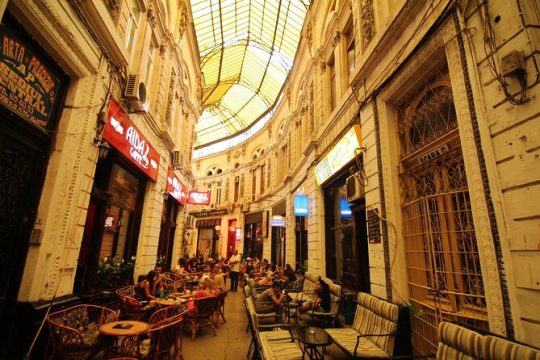
Pasajul Macca-Vilacrosse (Macca-Villacrosse-Passage)
Wenn Sie nach Unternehmungen in der Walachei suchen, bieten wir Ihnen 19 Touren und Aktivitäten an, um den Macca-Villacrosse-Pass zu erleben. Lesen Sie die Bewertungen und sehen Sie sich die Fotos unserer verifizierten Reisenden zu den Touren durch den Macca-Villacrosse-Pass und anderen Aktivitäten in der Walachei an. Buchen Sie sicher, sobald Sie die perfekte Tour gefunden haben. Entdecken Sie die besten Möglichkeiten, den berühmten Macca-Villacrosse-Pass zu besichtigen, und erkunden Sie die beliebtesten Sehenswürdigkeiten der Walachei.
Mehr #42
Patriarchalische Kathedrale (Metropolitankirche)
Suchen Sie nach Unternehmungen in der Walachei? Wir bieten Ihnen 7 Touren und Aktivitäten rund um die Patriarchalkathedrale (Metropolitankirche). Lesen Sie die Bewertungen und sehen Sie sich die Fotos unserer verifizierten Reisenden zu Touren durch die Patriarchalkathedrale (Metropolitankirche) und anderen Sehenswürdigkeiten in der Walachei an. Buchen Sie bequem und sicher, sobald Sie die perfekte Tour gefunden haben. Entdecken Sie die besten Möglichkeiten, die berühmte Patriarchalkathedrale (Metropolitankirche) zu besichtigen, und erkunden Sie die beliebtesten Aktivitäten in der Walachei.
Mehr #43
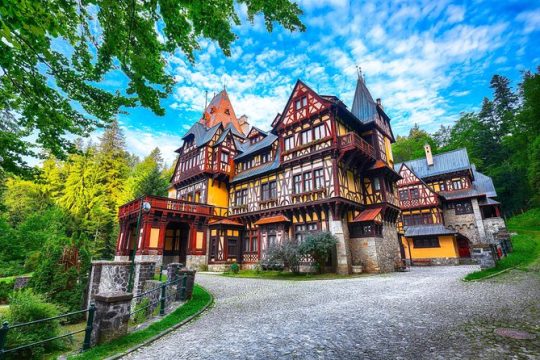
Schloss Pelisor (Castelul Pelișor)
Suchen Sie nach Aktivitäten in der Walachei? Wir bieten Ihnen drei Touren und Aktivitäten rund um Schloss Pelișor (Castelul Pelișor). Lesen Sie die Bewertungen und sehen Sie sich die Fotos von verifizierten Reisenden zu den Touren durch Schloss Pelișor (Castelul Pelișor) und anderen Sehenswürdigkeiten in der Walachei an. Buchen Sie bequem und sicher, sobald Sie die perfekte Tour gefunden haben. Entdecken Sie die besten Möglichkeiten, das berühmte Schloss Pelișor (Castelul Pelișor) zu besichtigen, und erkunden Sie die beliebtesten Aktivitäten in der Walachei.
Mehr #44
Peristylplatz (Peristil)
Suchen Sie nach Unternehmungen in der Walachei? Wir bieten Ihnen 88 Touren und Aktivitäten rund um den Peristylplatz (Peristil). Lesen Sie die Bewertungen und sehen Sie sich die Fotos von verifizierten Reisenden zu unseren Touren und anderen Aktivitäten in der Walachei an. Buchen Sie bequem und sicher, sobald Sie die perfekte Tour gefunden haben. Entdecken Sie die besten Möglichkeiten, den berühmten Peristylplatz (Peristil) zu besichtigen, und erkunden Sie die beliebtesten Sehenswürdigkeiten der Walachei.
Mehr #45
Piata Mare (Großer Platz)
Suchen Sie nach Unternehmungen in der Walachei? Wir bieten Ihnen 60 Touren und Aktivitäten rund um den Piața Mare (Großen Platz). Lesen Sie die Bewertungen und sehen Sie sich die Fotos von verifizierten Reisenden zu Touren auf dem Piața Mare und anderen Sehenswürdigkeiten in der Walachei an. Buchen Sie bequem und sicher, sobald Sie die perfekte Tour gefunden haben. Entdecken Sie die besten Möglichkeiten, den berühmten Piața Mare zu besichtigen, und erkunden Sie die beliebtesten Aktivitäten in der Walachei.
MehrEntdecken Sie die Walachei

Kultur- und Themenreisen
Preise ab $3
Luxus und besondere Anlässe
Preise ab $5
Touren & Sehenswürdigkeiten
Preise ab $3
Wander- und Radtouren
Preise ab $3
Essen, Wein & Nachtleben
Preise ab $21
Private und individuelle Touren
Preise ab $5
Eintrittskarten und Pässe für Besichtigungen
Preise ab $17
Hochzeiten und Flitterwochen
Preise ab $21
Klassen & Workshops
Preise ab $103
Kreuzfahrten, Segel- und Wassertouren
Preise ab $104
Tagesausflüge und Exkursionen
Preise ab $28
Feiertags- und Saisontouren
Preise ab $21
Arcul de Triumf (Triumphbogen)
Preise ab $9
Parlamentspalast (Palatul Parlamentului)
Preise ab $5
Schwarze Kirche (Biserica Neagra)
Preise ab $28
Schloss Bran (Draculas Schloss)
Preise ab $28
Rathausplatz (Piata Sfatului)
Preise ab $59
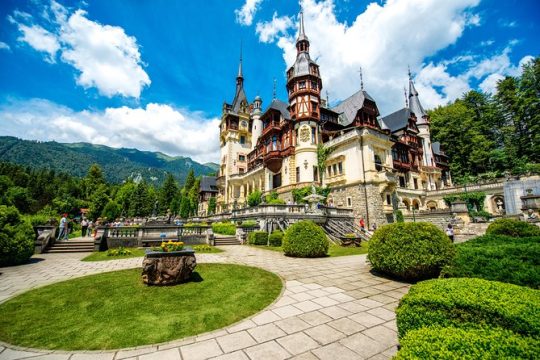
Schloss Peles (Castelul Peles)
Preise ab $28
Victoriei-Straße
Preise ab $8
Dorfmuseum (Muzeul Satului)
Preise ab $9
Balchik-Palast (Dvoreca)
Preise ab $2,545
Balea-See (Lacul Balea)
Preise ab $55
Bucht von Kotor
Preise ab $3,020
Brücke der Lügen (Podul Minciunilor)
Preise ab $163




Walachei Veranstaltungskalender
Alle Veranstaltungen
Weihnachtsaktivitäten in der Walachei
Fr, 25. Dez. 2026
Chanukka in der Walachei
4.–12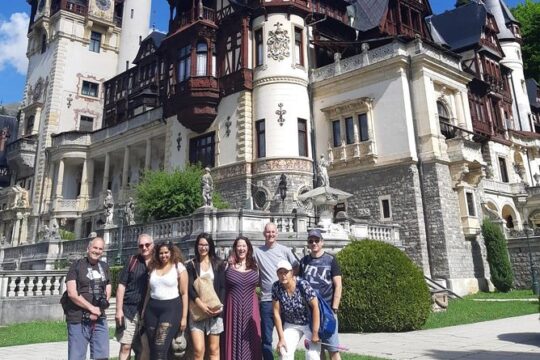
Silvester in der Walachei
Do., 31. Dez. 2026
Heiligabend in der Walachei
Do., 24. Dez. 2026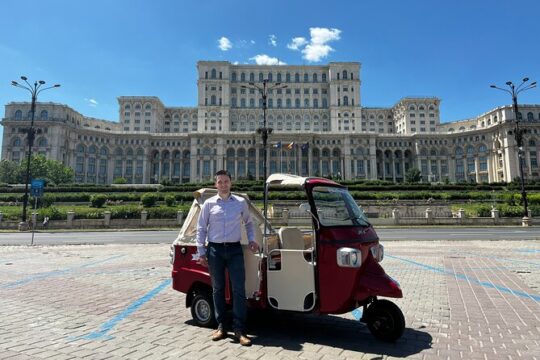
Neujahrs-Verlängerungswochenende in der Walachei
1.–3. Januar 2027
Valentinstag in der Walachei
So, 14
Ostern in der Walachei
So, Mai 2, 2027
Karfreitag in der Walachei
Fr, 30. April 2027