Sehenswürdigkeiten in Quebec
Weitere Aktivitäten in der Provinz
 #16
Terrasse Dufferin
Terrasse Dufferin is the broad wooden boardwalk that runs along the clifftop beside the Château Frontenac in Old Quebec, high above the St. Lawrence River. It is the city's best-loved promenade, where people stroll for the wide river views, the street performers and the sense of walking over four centuries of history.The boardwalk is named after Lord Dufferin, Governor General of Canada, under whom it was built in the 19th century; it was opened by his successor, the Marquess of Lorne, and his wife, Princess Louise, a daughter of Queen Victoria. Beneath the planks lie the remains of the Saint-Louis forts and of Château Saint-Louis, the residence of French and later British governors, which stood here from the early days of New France until a fire ruined it in the 19th century. After the fire an earlier, shorter terrace was laid over the ruins, and Dufferin had it greatly extended.Parks Canada protects the remains as a national historic site, and skylights set into the deck let you peer down at the old cellars and stone walls. Six gazebos with benches line the route, named Frontenac, Lorne, Princess Louise, Victoria, Dufferin and Plessis, and they frame views across the river to Lévis and downstream toward the Île d'Orléans. At the northern end, near the Château, stands a monument to Samuel de Champlain, who founded Quebec at the foot of these cliffs.The south end keeps one of the city's oldest winter traditions, a steep wooden slide where toboggans have raced down toward the Château since the late 19th century, and it becomes a highlight of the Winter Carnival. A guide can bring the buried history to life, from the French governors who ruled New France from this clifftop to the British officials who took their place.
Mehr #17
Mount Royal
Suchen Sie nach Unternehmungen in Québec? Wir bieten Ihnen 17 Touren und Aktivitäten rund um den Mont Royal. Lesen Sie die Bewertungen und sehen Sie sich Fotos von verifizierten Reisenden zu Mont-Royal-Touren und anderen Aktivitäten in Québec an. Buchen Sie bequem und sicher, sobald Sie die perfekte Tour gefunden haben. Entdecken Sie die besten Möglichkeiten, den berühmten Mont Royal zu besichtigen, und erkunden Sie die beliebtesten Sehenswürdigkeiten in Québec.
Mehr #18
Mount-Royal-Park
Mount Royal Park is the large green space that spreads across Mount Royal, the hill that rises above downtown Montreal and gave the city its name. People come to walk its wooded trails, relax by Beaver Lake and gaze from its belvederes over the skyscrapers, the St. Lawrence River and the plains beyond.The French explorer Jacques Cartier climbed the hill in the 16th century and named it Mont Royal. In the 19th century, as wealthy families built mansions on its slopes and woodcutters thinned its forest, the city bought the land to protect it as a park for everyone. Montreal hired Frederick Law Olmsted, the landscape architect behind New York's Central Park, to design it. Rather than flatten the mountain into lawns, he laid out a winding carriage road that climbs gently through the woods, revealing the views bit by bit, so that the way to the top feels like a journey into nature.At the top, the Kondiaronk Belvedere, named after a Huron-Wendat chief who helped negotiate a great peace treaty, opens onto the classic panorama of downtown, with the stone Chalet du Mont-Royal behind it. Farther along, the illuminated Mount Royal Cross recalls the wooden cross that the city's founder, Paul de Chomedey de Maisonneuve, carried up the hill in thanks after the young settlement was spared from a flood. Beaver Lake, an artificial pond added in the 20th century, draws families to its grassy banks, and forests of maple and oak shelter a surprising variety of birds.Near the Sir George-Étienne Cartier Monument, at the foot of the mountain, drummers and dancers gather on Sundays for the tam-tams, a free-spirited city tradition. A guide can explain how Olmsted's ideas shaped the park and how it became Montreal's favorite backyard.
Mehr #19
Saint-Paul-Straße (Rue Saint-Paul)
Suchen Sie nach Unternehmungen in Québec? Wir bieten Ihnen 13 Touren und Aktivitäten, um die Rue Saint-Paul zu entdecken. Lesen Sie die Bewertungen und sehen Sie sich die Fotos von verifizierten Reisenden zu unseren Touren durch die Rue Saint-Paul und anderen Aktivitäten in Québec an. Buchen Sie bequem und sicher, sobald Sie die perfekte Tour gefunden haben. Erfahren Sie, wie Sie die berühmte Rue Saint-Paul am besten erkunden und entdecken Sie die beliebtesten Sehenswürdigkeiten in Québec.
Mehr #20
Jacques-Cartier-Platz (Place Jacques-Cartier)
Place Jacques-Cartier is the sloping cobblestone square at the heart of Old Montreal, running from City Hall down toward the Old Port and the St. Lawrence River. People come to stroll among its kiosks, terraces and street performers, admire the old stone buildings around it, and soak up the lively atmosphere of the historic quarter.The square occupies land that once belonged to the gardens of the Château Vaudreuil, the grand residence of a French colonial governor. After the château burned at the start of the 19th century, the owners gave the land to the city on condition that it become a public market, and for decades farmers sold produce here. It was named after Jacques Cartier, the French navigator who sailed up the St. Lawrence in the 16th century and claimed the region for France. At the top stands Nelson's Column, raised by Montreal's British merchants to honor Admiral Horatio Nelson after Trafalgar, and older than its famous counterpart in London.Around the square, stone buildings from the 19th century and earlier now hold restaurants, cafes and shops, their terraces spilling onto the sloping street in warm weather. Street artists sketch portraits and performers draw crowds near the bottom, close to the waterfront. City Hall, a grand Second Empire building across rue Notre-Dame, closes the view at the top; from its balcony, President Charles de Gaulle made his famous call for a free Quebec in the 20th century. Nearby stand the Château Ramezay, a colonial governor's house turned museum, and the domed Bonsecours Market.Looking down the slope, the square frames a view of the river and the islands beyond, a reminder that the city grew up as a port. A guide can explain how the old market, the governor's gardens and the river trade shaped this corner of Montreal.
Mehr #21
Chinatown von Montreal
Suchen Sie nach Unternehmungen in Québec? Wir bieten Ihnen neun Touren und Aktivitäten, um Montreals Chinatown zu entdecken. Sehen Sie sich die Bewertungen und Fotos verifizierter Reisender zu unseren Touren durch Montreals Chinatown und anderen Aktivitäten in Québec an und buchen Sie bequem, sobald Sie die perfekte Tour gefunden haben. Erfahren Sie, wie Sie das berühmte Montrealer Chinatown am besten erkunden und welche Sehenswürdigkeiten in Québec besonders beliebt sind.
Mehr #22
St.-Josephs-Oratorium des Mount Royal (L'Oratoire Saint-Joseph du Mont-Royal)
Suchen Sie nach Unternehmungen in Québec? Wir bieten Ihnen 15 Touren und Aktivitäten rund um das Oratorium Saint-Joseph du Mont-Royal. Lesen Sie die Bewertungen und sehen Sie sich die Fotos von verifizierten Reisenden zu Touren durch das Oratorium Saint-Joseph du Mont-Royal sowie zu anderen Aktivitäten in Québec an. Buchen Sie bequem und sicher, sobald Sie die perfekte Tour gefunden haben. Entdecken Sie die besten Möglichkeiten, das berühmte Oratorium Saint-Joseph du Mont-Royal zu besichtigen, und erkunden Sie die beliebtesten Sehenswürdigkeiten in Québec.
Mehr #23
Montmorency Falls Park (Parc de la Chute-Montmorency)
Der Montmorency Falls Park umgibt einen imposanten Wasserfall am Rande von Québec City, wo der Montmorency-Fluss kurz vor seiner Mündung in den Sankt-Lorenz-Strom über eine Klippe stürzt. Besucher bewundern die Fälle von der Klippe, von einer Brücke über den Kamm und vom Fuß des Wasserfalls aus und erkunden die Geschichte des darüberliegenden Herrenhauses. Samuel de Champlain benannte die Fälle im frühen 17. Jahrhundert nach Heinrich II., Herzog von Montmorency, einem französischen Admiral und damaligen Vizekönig von Neufrankreich. Im späten 18. Jahrhundert lebte Prinz Edward, Herzog von Kent und Vater von Königin Victoria, mit seinem Gefährten in einem Landhaus mit Blick auf die Fälle. Das Herrenhaus, das sich heute noch an dieser Stelle befindet, ist als Kent House bekannt. Die Fälle waren auch Schauplatz von Kriegen. Während des Siebenjährigen Krieges lagerte General James Wolfe mit seinen britischen Truppen am Ostufer des Flusses und unternahm einen erfolglosen Angriff auf die französischen Linien bei Beauport unterhalb der Fälle. Seine Niederlage hier ereignete sich nur wenige Wochen vor seinem berühmten Sieg auf den Abraham-Ebenen, der über das Schicksal Neufrankreichs und der Stadt Québec entschied. Der Wasserfall verändert sich mit den Jahreszeiten. Im Sommer färbt das Eisen im Flussbett das Wasser golden, und an Sommerabenden erleuchtet ein internationales Feuerwerk den Himmel über der Klippe. Im Winter gefriert der Sprühnebel am Fuße des Wasserfalls zu einem großen weißen Hügel, den die Einheimischen Zuckerhut nennen. Eine Seilbahn verbindet den Fuß mit dem Gipfel, und Wege und Treppen führen zu Aussichtspunkten, von denen aus man den Sprühnebel im Gesicht spüren kann. Ein Führer erzählt die Geschichten von Champlain, dem Prinzen und der Schlacht, die der stille Park zu bieten hat.
Mehr #24
Rathaus von Montreal (Hotel de Ville de Montréal)
Suchen Sie nach Unternehmungen in Québec? Wir bieten Ihnen fünf Touren und Aktivitäten rund um das Rathaus von Montreal (Hôtel de Ville de Montréal). Lesen Sie die Bewertungen und sehen Sie sich die Fotos von verifizierten Reisenden zu den Touren durch das Rathaus von Montreal (Hôtel de Ville de Montréal) und anderen Sehenswürdigkeiten in Québec an. Buchen Sie bequem und sicher, sobald Sie die perfekte Tour gefunden haben. Entdecken Sie die besten Möglichkeiten, das berühmte Rathaus von Montreal (Hôtel de Ville de Montréal) zu besichtigen, und erkunden Sie die beliebtesten Aktivitäten in Québec.
Mehr #25
Orleans-Insel (Ile d'Orléans)
Suchen Sie nach Unternehmungen in Québec? Wir bieten Ihnen 18 Touren und Aktivitäten auf der Île d'Orléans. Lesen Sie die Bewertungen und sehen Sie sich die Fotos unserer verifizierten Reisenden zu Touren auf der Île d'Orléans und anderen Aktivitäten in Québec an. Buchen Sie bequem und sicher, sobald Sie die perfekte Tour gefunden haben. Entdecken Sie die schönsten Seiten der berühmten Île d'Orléans und die beliebtesten Sehenswürdigkeiten in Québec.
Mehr #26
Ebenen von Abraham (Plaines d'Abraham)
The Plains of Abraham is a large historic park on the clifftops of Upper Town in Quebec City, high above the Saint Lawrence River. It is where British and French armies fought the battle that decided the fate of New France, and people come to walk its lawns, read its monuments and take in the river views.The land takes its name from Abraham Martin, a river pilot and early settler of New France who held land in the area in the 17th century. Its place in history came in the 18th century, during the Seven Years' War. In a daring night move, British troops under General James Wolfe climbed the cliffs from the river and formed lines on the plateau outside the city walls. The French commander, the Marquis de Montcalm, marched out to meet them, and the fighting was over very quickly. Both generals were mortally wounded. Quebec fell, and within a few years France had handed its North American colony to Britain.The French came back the next spring and won the Battle of Sainte-Foy nearby, but they could not retake the city. Long after the guns fell silent, the battlefield became the core of a national park created in the early 20th century to honor both sides, and landscaped lawns, groves and gardens slowly spread across the old ground.Walking the park, you pass Martello towers built by the British to defend the city, cannons and monuments to the soldiers of both armies, and the Joan of Arc Garden with its formal flower beds. Lookouts open onto the river and the far shore. The park is also the city's great open space, where residents jog, picnic and gather on warm evenings. A guide brings the battles to life and shows where the armies stood.
Mehr #27
Plateau-Mont-Royal (das Plateau)
Suchen Sie nach Unternehmungen in Québec? Wir bieten Ihnen 14 Touren und Aktivitäten, um das Plateau-Mont-Royal (das Plateau) zu erleben. Lesen Sie die Bewertungen und sehen Sie sich die Fotos unserer verifizierten Reisenden zu den Touren auf dem Plateau-Mont-Royal (dem Plateau) und anderen Aktivitäten in Québec an. Buchen Sie sicher, sobald Sie die perfekte Tour gefunden haben. Entdecken Sie die besten Möglichkeiten, das berühmte Plateau-Mont-Royal (das Plateau) zu erkunden, und finden Sie die beliebtesten Sehenswürdigkeiten in Québec.
Mehr #28
Kreuzfahrthafen von Quebec City
The Quebec City Cruise Port is the passenger harbor on the St. Lawrence River at the foot of Old Quebec, where cruise ships tie up almost beneath the walls of the old city. For passengers it is the doorstep to one of the oldest cities in North America, with the cliffs, spires and copper roofs of the upper town rising straight above the quays.Quebec City grew from a French trading post founded at this narrow point in the river in the early 17th century, and the waterfront has been busy with ships ever since. In the 19th century the Old Port was one of the great harbors of the British Empire, loading timber for shipbuilding and receiving waves of immigrants from Europe. Later, as industrial shipping shifted to other docks, much of the old waterfront was reshaped for visitors, with promenades, a marina and the cruise terminal taking the place of sheds and warehouses.Most ships berth at Pointe-à-Carcy, where the Ross Gaudreault Terminal looks out over the river and the busy channel. From the decks and the quay, the view takes in the Château Frontenac high on the cliff, the green slopes and stone ramparts of the Citadelle, and the ferries crossing to Lévis on the far shore. Just inland lies the lower town, with Place Royale and its small stone church, Notre-Dame-des-Victoires, the narrow lanes of Petit-Champlain lined with shops and cafés, and the funicular that climbs the cliff to the upper town.The setting explains the city itself. Its name comes from an Algonquian word for the place where the river narrows, and from here the St. Lawrence widens steadily toward the Gulf and the Atlantic. Holding this narrow passage meant controlling the route into the continent, which is why the French fortified the cliff and the British fought to take it. A local guide can connect the waterfront to that French and British past.
Mehr #29
Alter Hafen (Vieux-Port) von Quebec City
Suchen Sie nach Unternehmungen in Québec? Wir bieten Ihnen 5 Touren und Aktivitäten, um den Alten Hafen (Vieux-Port) von Québec City zu entdecken. Sehen Sie sich die Bewertungen und Fotos verifizierter Reisender zu Touren durch den Alten Hafen (Vieux-Port) von Québec City und anderen Aktivitäten in Québec an und buchen Sie sicher, sobald Sie die perfekte Tour gefunden haben. Erfahren Sie, wie Sie den berühmten Alten Hafen (Vieux-Port) von Québec City am besten erkunden und entdecken Sie die beliebtesten Sehenswürdigkeiten in Québec.
Mehr #30
Oberstadt (Haute-Ville)
Suchen Sie nach Unternehmungen in Québec? Wir bieten Ihnen 15 Touren und Aktivitäten, um die Oberstadt (Haute-Ville) zu entdecken. Lesen Sie die Bewertungen und sehen Sie sich die Fotos unserer verifizierten Reisenden zu den Touren in der Oberstadt (Haute-Ville) und anderen Aktivitäten in Québec an. Buchen Sie bequem und sicher, sobald Sie die perfekte Tour gefunden haben. Erfahren Sie, wie Sie die berühmte Oberstadt (Haute-Ville) am besten erkunden und welche Sehenswürdigkeiten in Québec besonders beliebt sind.
Mehr #31
Unterstadt (Basse-Ville) von Québec
Quebec's Lower Town, or Basse-Ville, is the oldest part of Quebec City, a district of stone houses and narrow streets squeezed between the cliff of Cap Diamant and the St. Lawrence River. People come to stroll its cobbled lanes and boutiques, see the square where the city was founded, and look up at the Château Frontenac crowning the cliff above.Samuel de Champlain founded Quebec on this narrow shore in the early 17th century, building a fortified trading post called the Habitation near what is now Place Royale. The square became the commercial heart of New France, with a market, merchants' houses and, later, the stone church of Notre-Dame-des-Victoires, named for French successes against English attacks. Fire, bombardment and later decline took their toll, and much of the district was carefully restored in the 20th century to recall its French colonial look.Rue du Petit-Champlain, often called one of the oldest commercial streets in North America, winds along the foot of the cliff beneath wrought-iron shop signs, lined with galleries, craft studios and cafés. The Breakneck Steps, the city's oldest staircase, plunge into it from above. Nearby, a vast trompe-l'oeil mural, the Fresco of the Quebecers, paints the city's history across the side of a building, with famous figures from Champlain onward looking out from its painted windows, stairways and balconies.Place Royale itself is a small square of steep-roofed stone houses with a bust of Louis XIV at its center, and the modest church on one side ranks among the oldest stone churches in North America. Down by the water, the Museum of Civilization and the Old Port add modern layers to the district, while the ferry across the river to Lévis gives one of the finest views back toward the cliff and the château.
Mehr #32
Olympiapark Montreal (Parc Olympique de Montréal)
Der Olympiapark Montreal ist der weitläufige Sportkomplex im Osten der Stadt, der anlässlich der Olympischen Sommerspiele errichtet wurde. Herzstück ist das Olympiastadion mit seinem schiefen Turm, ein kühnes Bauwerk aus Beton. Besucher kommen wegen der Architektur, der olympischen Geschichte und der Aussicht vom Turm. Der französische Architekt Roger Taillibert entwarf Stadion und Turm als eine einzige, eindrucksvolle Skulptur: eine geschwungene Betonhülle mit einem Mast, der ein einziehbares Dach anhebt. Dieser ambitionierte Plan hatte seinen Preis. Die Baukosten sprengten das Budget bei Weitem, das Stadion wurde vor seiner Fertigstellung eröffnet, und der Turm wurde erst etwa zehn Jahre nach den Spielen fertiggestellt. Die Einheimischen nannten ihn „Big O“ (wegen seines ringförmigen Daches) und „Big Owe“ (wegen der Schulden, deren Tilgung fast drei Jahrzehnte dauerte). Das Dach wurde zu einer eigenen Geschichte. Die ursprüngliche Stoffabdeckung ließ sich nur bei Windstille öffnen, riss immer wieder und wurde schließlich durch ein festes Dach ersetzt. Viele Jahre lang war das Stadion die Heimstätte des Baseballteams Expos und diente auch als Austragungsort für Football- und Fußballspiele, Großkonzerte und Messen. Der Turm neigt sich um 45 Grad und ragt rund 165 Meter in die Höhe – er ist der höchste geneigte Turm der Welt. Rund um das Stadion erinnern zahlreiche Stätten an die Spiele, von den offenen Esplanaden bis zum olympischen Schwimmbecken unter dem Turm, das noch immer von einheimischen Schwimmern genutzt wird. Die ehemalige olympische Radrennbahn am Fuße des Turms beherbergt heute das Biodôme, ein Museum für lebende Ökosysteme. Von der Aussichtsplattform bietet sich ein Panoramablick über die Stadt, den Mont Royal und den Sankt-Lorenz-Strom. Ein Guide erzählt die Geschichte hinter den Kulissen der Spiele und die langen Bemühungen um die Fertigstellung des Gebäudes.
Mehr #33
Untergrundstadt Montreal
Suchen Sie nach Unternehmungen in Québec? Wir bieten Ihnen fünf Touren und Aktivitäten, um die unterirdische Stadt von Montreal zu entdecken. Sehen Sie sich die Bewertungen und Fotos verifizierter Reisender zu Touren durch die unterirdische Stadt von Montreal und anderen Aktivitäten in Québec an und buchen Sie sicher, sobald Sie die perfekte Tour gefunden haben. Erfahren Sie, wie Sie die berühmte unterirdische Stadt von Montreal am besten erkunden und entdecken Sie die beliebtesten Sehenswürdigkeiten in Québec.
Mehr #34
Kulturerbestätte Artillery Park
Suchen Sie nach Unternehmungen in Québec? Wir bieten Ihnen 12 Touren und Aktivitäten rund um das Artillery Park Heritage Site. Lesen Sie die Bewertungen und sehen Sie sich die Fotos von verifizierten Reisenden zu den Touren durch das Artillery Park Heritage Site und anderen Aktivitäten in Québec an. Buchen Sie bequem und sicher, sobald Sie die perfekte Tour gefunden haben. Entdecken Sie die besten Möglichkeiten, das berühmte Artillery Park Heritage Site zu besichtigen, und erkunden Sie die beliebtesten Sehenswürdigkeiten in Québec.
Mehr #35
Zitadelle von Quebec (Citadelle de Quebec)
Die Zitadelle von Québec ist eine sternförmige Steinfestung auf dem Cap Diamant, dem höchsten Punkt der Klippen über dem Sankt-Lorenz-Strom am Rande der Altstadt von Québec. Sie beherbergt ein berühmtes Regiment und dient als offizielle Residenz des kanadischen Generalgouverneurs. Besucher kommen wegen ihrer Militärgeschichte, ihrer Zeremonien und des atemberaubenden Panoramablicks über den Fluss. Die Franzosen befestigten diese strategisch wichtige Anhöhe im 17. und 18. Jahrhundert, und ein steinernes Pulvermagazin aus jener Zeit ist noch heute innerhalb der Mauern erhalten. Die Zitadelle in ihrer heutigen Form wurde in der ersten Hälfte des 19. Jahrhunderts von den Briten erbaut, nachdem ein Krieg mit den Vereinigten Staaten die Verwundbarkeit der Kolonie gegenüber Invasionen aus dem Süden aufgezeigt hatte. Ingenieure entwarfen sie mit niedrigen, schrägen Mauern und Bastionen, die es den Verteidigern ermöglichten, jeden Zugangsweg abzudecken. Sie wird oft als die größte britische Festung Nordamerikas bezeichnet. Der befürchtete Angriff blieb aus, und die Festung wurde nie Schauplatz einer Schlacht. Seit Beginn des 20. Jahrhunderts ist die Zitadelle Heimat des Königlichen 22. Regiments, eines französischsprachigen Infanterieregiments, das sich in beiden Weltkriegen und darüber hinaus einen stolzen Ruf erworben hat. Das Regimentsmuseum erzählt diese Geschichte anhand von Uniformen, Waffen, Medaillen und persönlichen Gegenständen, die im alten Pulvermagazin und einem ehemaligen Militärgefängnis ausgestellt sind. An feierlichen Tagen findet auf dem Paradeplatz die Wachablösung statt, an der manchmal auch das Regimentsmaskottchen, eine Ziege namens Batisse, teilnimmt. Von den Wehrmauern aus bietet sich ein Blick auf den Fluss, das gegenüberliegende Ufer bei Lévis und die Dächer der Altstadt von Québec. Ein Führer erläutert Details des Militärlebens und der Festungsarchitektur, die die Mauern allein nicht preisgeben.
Mehr #36
Nationale historische Stätte der Befestigungsanlagen von Québec
The Fortifications of Quebec National Historic Site protects the stone ramparts, gates and bastions that still ring Old Quebec, the only walled city left in North America north of Mexico. Visitors walk the walls for views over the old town and the St. Lawrence, pass through the historic gates, and explore the military buildings of Artillery Park.The French began fortifying their capital in the 17th century, when New France faced attacks from the English colonies, and in the 18th century military engineers raised the stone walls that still guard the western side of the city. Just beyond them lie the Plains of Abraham, where the battle that decided the fate of New France was fought. After the British conquest, the new rulers reinforced the defenses against a feared American invasion and built the star-shaped Citadelle on the heights of Cap Diamant.By the late 19th century the walls had lost their military purpose, and the city began tearing down gates to ease traffic. The governor general, Lord Dufferin, argued for saving them instead, and his plan turned the ramparts into a promenade and rebuilt gates such as Saint-Louis and Kent in a romantic, castle-like style. That choice helped keep the character of the old town, now a UNESCO World Heritage Site.Walking the ramparts, you pass cannon still aimed toward the river, grassy bastions and the stone gates that frame the streets of the old town. At Artillery Park, a cluster of buildings shows how soldiers lived and worked over the centuries, from the French-built Dauphine Redoubt to the officers' quarters and an old foundry that produced ammunition. Inside, a large scale model of the city, made in the early 19th century, lets you see Quebec as the British garrison knew it.
Mehr #37
Albert Gilles Copper Art Museum und Boutique
Albert Gilles Copper Art Museum and Boutique is a family-run studio, small museum and shop in Château-Richer, on the Côte-de-Beaupré east of Quebec City. Visitors come to see how decorative copper is embossed by hand, admire the family's work and try the craft themselves, then browse for a handmade piece to take home.Copper embossing, the craft of working a thin sheet of metal into raised designs with hand tools, has been the family's trade for many decades. The studio carries the name of Albert Gilles, the artist who founded it, and his family has kept the work going in this riverside village. Copper from this workshop decorates dozens of churches across North America, including the doors of the Basilica of Sainte-Anne-de-Beaupré just along the shore, and the family's contribution has been honored by the Conseil de la culture du Québec.Exhibits begin with copper as a raw material, follow its use through the ages and then show how a flat sheet becomes a detailed relief, with examples of the studio's major commissions along the way. In the workshop you can try your hand, tracing a design and pressing it into the soft metal until a picture rises from the surface. The boutique turns the same skills toward smaller gifts and pieces for the home.The Côte-de-Beaupré was among the first stretches of New France to be farmed, and its villages, churches and old houses give the shore a strong sense of the past. That setting suits a craft so closely tied to church art, and seeing the copper doors of the nearby basilica brings the family's skill into sharp focus. A guide familiar with the shore can add the history of the parishes and the pilgrims who have long traveled this way to Sainte-Anne.
Mehr #38
Barbie-Ausstellung
Wenn Sie in Québec nach Aktivitäten suchen, haben wir eine Tour oder Aktivität im Angebot, um die Barbie Expo zu erleben. Sehen Sie sich die Bewertungen und Fotos von verifizierten Reisenden zu Barbie Expo-Touren und anderen Aktivitäten in Québec an und buchen Sie sicher, sobald Sie die perfekte Tour gefunden haben. Erfahren Sie, wie Sie die berühmte Barbie Expo am besten besuchen und die beliebtesten Sehenswürdigkeiten in Québec entdecken können.
Mehr #39
Festungsmuseum (Musée du Fort)
Suchen Sie nach Unternehmungen in Québec? Wir bieten Ihnen zwei Touren und Aktivitäten rund um das Fort-Museum (Musée du Fort). Lesen Sie die Bewertungen und sehen Sie sich die Fotos unserer verifizierten Reisenden zu den Touren ins Fort-Museum (Musée du Fort) und anderen Aktivitäten in Québec an. Buchen Sie bequem und sicher, sobald Sie die perfekte Tour gefunden haben. Entdecken Sie die besten Möglichkeiten, das berühmte Fort-Museum (Musée du Fort) zu besichtigen, und erkunden Sie die beliebtesten Sehenswürdigkeiten in Québec.
Mehr #40
Lachine-Kanal (Canal de Lachine)
Suchen Sie nach Unternehmungen in Québec? Wir bieten Ihnen 6 Touren und Aktivitäten entlang des Lachine-Kanals (Canal de Lachine). Lesen Sie die Bewertungen und sehen Sie sich die Fotos unserer verifizierten Reisenden zu Touren entlang des Lachine-Kanals (Canal de Lachine) und anderen Aktivitäten in Québec an. Buchen Sie bequem und sicher, sobald Sie die perfekte Tour gefunden haben. Entdecken Sie die besten Möglichkeiten, den berühmten Lachine-Kanal (Canal de Lachine) zu besichtigen, und erkunden Sie die beliebtesten Sehenswürdigkeiten in Québec.
Mehr #41
St. Patrick's Basilica in Montreal
St. Patrick's Basilica is the historic church of Montreal's English-speaking Catholics, many of them Irish, a Gothic Revival landmark in the heart of downtown. Visitors step inside for its soaring, richly painted interior, where Irish shamrocks and French fleurs-de-lys share the decoration, and for a moment of calm amid the city's bustle.The basilica rose in the middle of the 19th century, when the city's English-speaking Catholic community had outgrown the churches it used before. It opened as the Great Famine was driving huge numbers of Irish emigrants across the Atlantic, and many of them landed in Montreal. Architect Pierre-Louis Morin and Father Félix Martin, a Jesuit, designed it in the Gothic Revival style, with pointed arches, tall windows and a steeple that rises about 69 meters. The building stretches about 71 meters, and its decoration joins the emblems of Ireland and French Quebec, a sign of the two communities that shaped Catholic Montreal.Inside, slender columns draw the eye up to the vaulted ceiling and along the nave to the sanctuary. Ten bells hang in the tower, and the oldest of them ranks among the oldest in the city. Look closely and the shamrock turns up again and again, a small signature of the congregation that built the church. Though traffic hums along the boulevard outside, the interior feels hushed, and the city's Irish story seems close at hand.The basilica remains the spiritual home of Montreal's Irish community, which marks St. Patrick's Day with one of the oldest parades in North America. It is now a minor basilica and a national historic site of Canada. A guide can explain how Irish newcomers helped build Montreal, from its canals to its bridges, and how this church became their anchor.
Mehr #42
Museum des frankophonen Amerikas (Musée de l'Amérique Francophone)
The Museum of Francophone America (Musée de l'Amérique Francophone) sits in Old Quebec beside the Séminaire de Québec and explores the story of French culture in North America. Billed as the oldest museum in Canada, it draws visitors with eclectic collections, from paintings and rare books to fossils and coins, and with a chapel organ rebuilt on an old model.The museum grew from the collections of the Séminaire de Québec, founded in the 17th century by François de Laval to train priests for New France. Laval later became the first bishop of Quebec, and his name lives on in the city's university. Over the generations the seminary built up paintings, books, coins and fossils, and these became the core of the Seminary museum. It has changed its name several times and is now part of the Musée de la civilisation, which runs several of the city's heritage sites.The building is part of the appeal, with a rounded facade based on plans by Thomas Baillairgé, a leading Quebec architect of the 19th century. Inside, the chapel houses an organ that reconstructs an 18th-century instrument once heard in the cathedral next door. The collections range widely, taking in paintings, silverware, coins, stamps, fossils and books, a mix that reflects the wide interests of the seminary that assembled it.Its exhibitions follow French speakers across the continent, from the Saint Lawrence valley to Acadia and Louisiana, and look at how their language and customs endured. The setting deepens the story, since the seminary's stone wings and courtyards rank among the oldest buildings in Old Quebec. The historic district around it is a World Heritage site and the only walled city in North America north of Mexico. With a guide, the objects open a window onto faith, learning and daily life in New France.
Mehr #43
Kirche Notre-Dame-des-Victoires (Église Notre-Dame-des-Victoires)
Suchen Sie nach Unternehmungen in Québec? Wir bieten Ihnen 8 Touren und Aktivitäten rund um die Kirche Notre-Dame-des-Victoires (Église Notre-Dame-des-Victoires). Sehen Sie sich die Bewertungen und Fotos verifizierter Reisender zu Touren rund um die Kirche Notre-Dame-des-Victoires (Église Notre-Dame-des-Victoires) und anderen Aktivitäten in Québec an und buchen Sie sicher, sobald Sie die perfekte Tour gefunden haben. Entdecken Sie die besten Möglichkeiten, die berühmte Kirche Notre-Dame-des-Victoires (Église Notre-Dame-des-Victoires) zu besichtigen, und erkunden Sie die beliebtesten Sehenswürdigkeiten in Québec.
Mehr #44
Pointe-à-Callière
Pointe-à-Callière is Montreal's museum of archaeology and history, built in Old Montreal on the very spot where the city was founded. Visitors come to walk through the real remains of the early settlement underground, see artifacts dug up on site, and follow the story of Montreal from Indigenous times to the busy port city it became.This point of land, where a small river once met the St. Lawrence, was a meeting place for Indigenous peoples long before Europeans arrived. In the 17th century French settlers led by Paul de Chomedey de Maisonneuve and Jeanne Mance founded Ville-Marie here, the mission that grew into Montreal. The name of the point comes from Louis-Hector de Callière, a later governor who built his residence on the site. The museum opened in the late 20th century to mark a city anniversary, and archaeologists have kept digging and adding new sections ever since.The main building, a modern structure with a tall lookout tower, stands over the remains of Callière's house. From it, paths lead down into the crypt beneath Place Royale, where you walk among foundations of walls, the city's first Catholic cemetery, the outlines of old buildings and a stone sewer from the 19th century that was itself built over the buried river. Further sections reveal traces of Fort Ville-Marie and an early marketplace, and the old customs house on the square is part of the complex.Exhibitions draw on the many objects found during the digs, from Indigenous pottery and tools to French colonial ceramics and everyday items from later centuries. A multimedia show sets the scene by tracing the history of the site over the ages, and temporary exhibitions bring major collections from around the world. The tower gives a broad view over the Old Port and the river. A guide helps you read the layers of masonry and connect each find to the people who left it.
Mehr #45
Observatorium der Hauptstadt Québec (Observatoire de la Capitale)
Das Observatorium der Hauptstadt Québec (Observatoire de la Capitale) ist eine Aussichtsplattform im 31. Stock des Marie-Guyart-Gebäudes, dem höchsten Turm der Stadt. Von hier aus bietet sich Besuchern ein atemberaubender Blick auf die Altstadt, das Parlamentsgebäude und den breiten Sankt-Lorenz-Strom. Der Turm beherbergt Büros der Regierung von Québec und liegt direkt außerhalb der historischen Stadtmauern, unweit der Nationalversammlung. Benannt ist er nach Marie Guyart, einer Ursulinen-Nonne des 17. Jahrhunderts, auch bekannt als Marie von der Menschwerdung. Sie gründete die erste Mädchenschule in Neufrankreich und gilt als eine der Gründerinnen der Kolonie. Das Observatorium wird im Auftrag der Regierung betrieben und dient der Präsentation der Hauptstadt. Es ist so gestaltet, dass Aussicht und Stadtgeschichte Hand in Hand gehen. Hohe Fenster erstrecken sich über die gesamte Etage und ermöglichen einen Rundumblick auf die Stadt. Auf der einen Seite liegt die Altstadt von Québec mit den grünen Kupferdächern des Château Frontenac und den alten Steinhäusern innerhalb der Stadtmauern. Weiter draußen erstrecken sich die Abraham-Ebenen, wo sich das Schicksal Neufrankreichs entschied, und der breite Fluss schlängelt sich zur Île d’Orléans. Noch weiter draußen erhebt sich das Land zu den Laurentinischen Hügeln. Die Multimedia-Präsentation „Horizons“, unter der künstlerischen Leitung von Olivier Dufour, zeichnet die Geschichte der Stadt und die Wurzeln der Identität Québecs mit Bildern, Ton und Licht nach. Schautafeln und Audiokommentare helfen Ihnen, die Namen den Dächern, Kirchtürmen und Sehenswürdigkeiten zuzuordnen, von der Zitadelle bis zum Hafen. Der Blick von oben auf die Hauptstadt verdeutlicht ihren Grundriss auf eine Weise, wie es die verwinkelten Straßen unten nicht können. Ein Guide erzählt Geschichten über die Schlachten, Kirchen und Menschen hinter jedem sichtbaren Wahrzeichen.
MehrEntdecken Sie Québec

Luxus und besondere Anlässe
Preise ab $1
Touren & Sehenswürdigkeiten
Preise ab $1
Kultur- und Themenreisen
Preise ab $1
Kreuzfahrten, Segel- und Wassertouren
Preise ab $18
Wander- und Radtouren
Preise ab $1
Feiertags- und Saisontouren
Preise ab $25
Essen, Wein & Nachtleben
Preise ab $14
Outdoor-Aktivitäten
Preise ab $24
Tagesausflüge und Exkursionen
Preise ab $1
Private und individuelle Touren
Preise ab $1
Landausflüge
Preise ab $24
Eintrittskarten und Pässe für Besichtigungen
Preise ab $12
Alter Hafen von Montreal (Vieux Port de Montréal)
Preise ab $1
Altstadt von Montreal (Vieux-Montréal)
Preise ab $5
Runde
Preise ab $18
Biosphäre Montreal (la Biosphère)
Preise ab $18
Kanadisches Museum für Geschichte
Preise ab $10
Nationalgalerie von Kanada
Preise ab $41
Basilika Notre-Dame von Montreal (Basilique Notre-Dame de Montréal)
Preise ab $1
Altstadt von Québec (Vieux-Québec)
Preise ab $4
Parlamentshügel in Ottawa
Preise ab $41
Royal Canadian Mint
Preise ab $41
Königlicher Platz von Québec (Place-Royale)
Preise ab $3
Bonsecours-Markt (Marché Bonsecours)
Preise ab $5

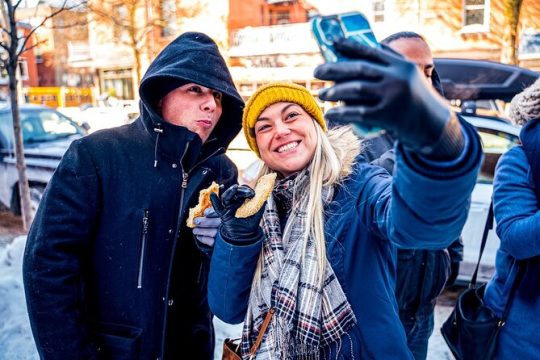


Veranstaltungskalender für Quebec
Alle Veranstaltungen
Aktivitäten am zweiten Weihnachtsfeiertag in Quebec (Aktualisiert 2026)
Sa, 26. Dezember 2026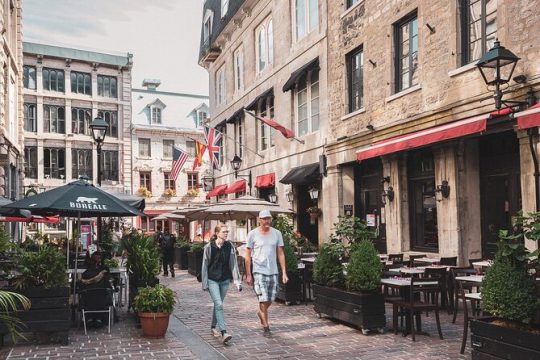
Aktivitäten am Canada Day in Quebec (Aktualisiert 2026)
Do., 1. Juli 2027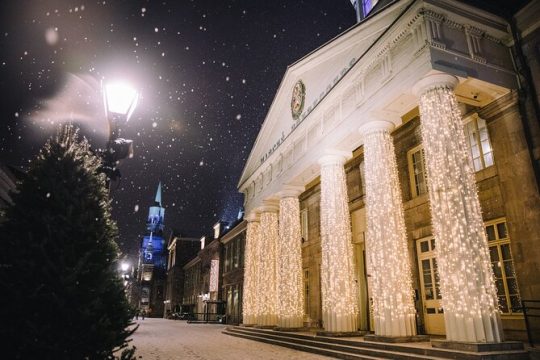
Weihnachtsaktivitäten in Quebec
Fr, 25. Dez. 2026
Chanukka in Quebec
4.–12
Silvester in Quebec
Do., 31. Dez. 2026
Heiligabend in Quebec
Do., 24. Dez. 2026
Langes Neujahrswochenende in Quebec
1.–3. Januar 2027
Valentinstag in Quebec
So, 14
Ostern in Québec
So, 28. März, 2027
Karfreitag in Quebec
Fr, 26. März 2027
Halloween in Québec
So, 31. Okt. 2027
Burlington Touren
Preise ab $10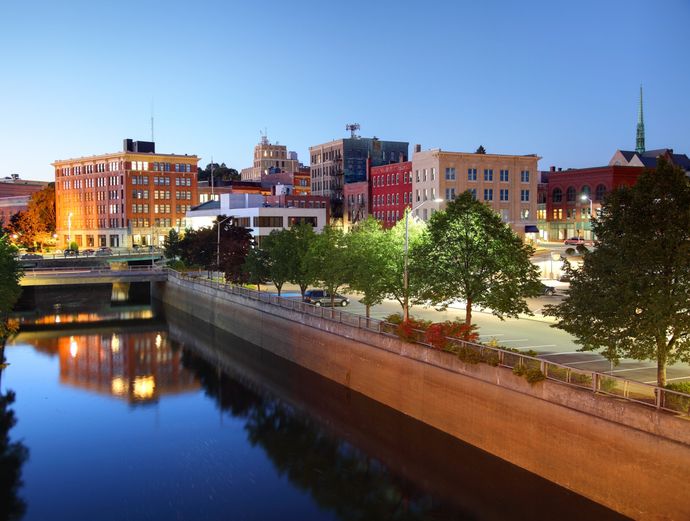
Bangor Touren
Preise ab $20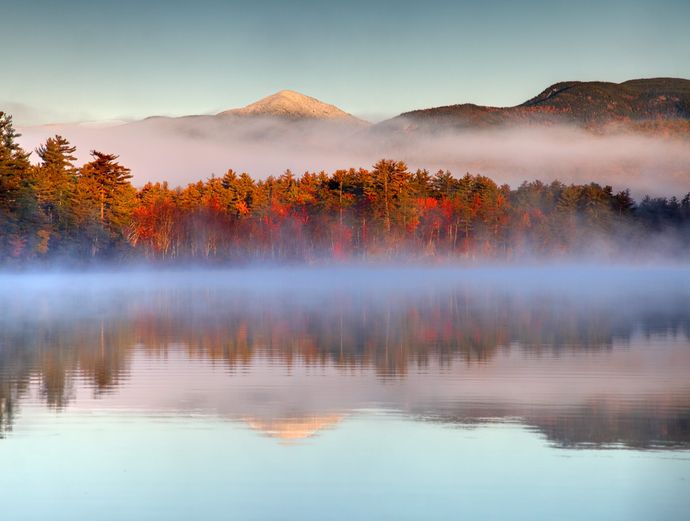
Touren in den White Mountains
Preise ab $10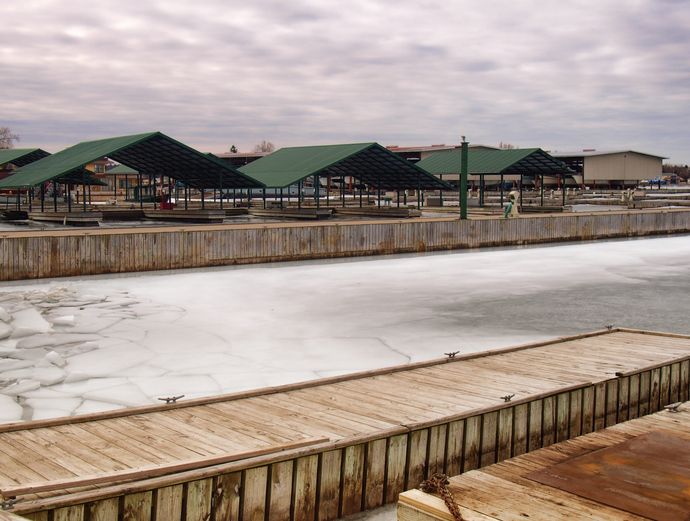
Clayton-Touren
Preise ab $27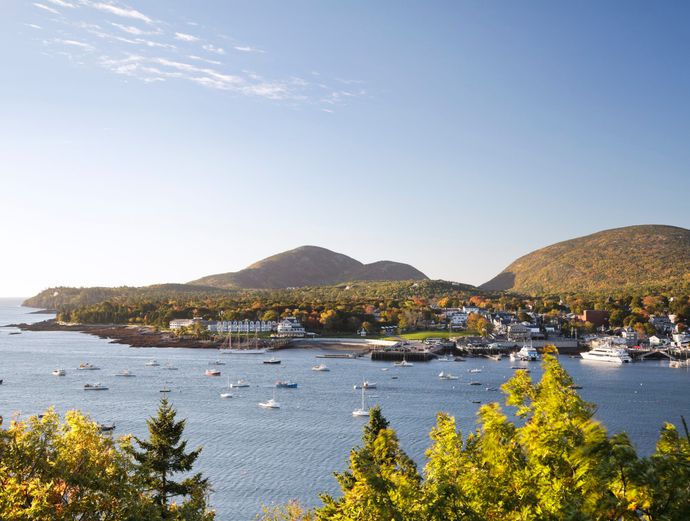
Bar Harbor Touren
Preise ab $8
Lake George Touren
Preise ab $23
Portland-Touren
Preise ab $8
Kennebunkport Touren
Preise ab $29
Saratoga Springs Touren
Preise ab $10
Portsmouth Touren
Preise ab $10
Manchester Touren
Preise ab $47