Vanliga frågor om partihandel med mat och dryck
Svaren nedan är baserade på tidigare svar på kundernas frågor.
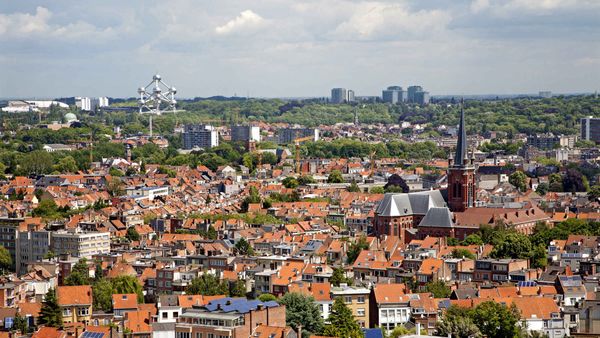
Wallonia is the French-speaking south of Belgium, a land of rolling farmland, deep wooded valleys and old industrial cities that have found new life as places to eat, walk and explore. The Meuse cuts through the region, lined with cliffs, citadels and towns built of grey stone, while the hills of the Ardennes roll on toward the borders with France, Luxembourg and Germany. The pace here is slower than in the Flemish cities to the north, and that is much of the appeal. You come for hearty food, abbey beers, castles perched on rocky outcrops and a layered history that runs from medieval prince-bishops to the hard fighting of the Second World War. For now, most of what travellers book in the region centers on Liège, its largest city and liveliest base. From there you can join a guided walk through the old quarter, hire a bike or follow an audio guide as slowly as you like, test your wits in an escape room, or set off on a heritage outing that reaches deep into the forests of the south. Most experiences are private, which suits couples, families and small groups who want to set their own rhythm. Beer lovers can sample Trappist ales brewed by monks in the south of the region, while food lovers find rich stews, local cheeses and fresh bread in every village bakery. Expect friendly locals, generous portions and a strong sense of regional pride. French is the everyday language, though you may hear Walloon expressions slipped into conversation, and many people who work with visitors speak English too. It is an easy region to warm to once you slow down and let it show you its character.
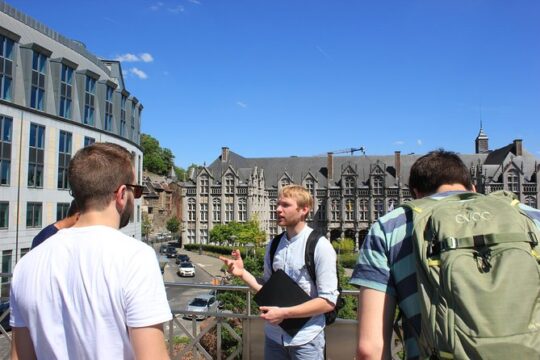
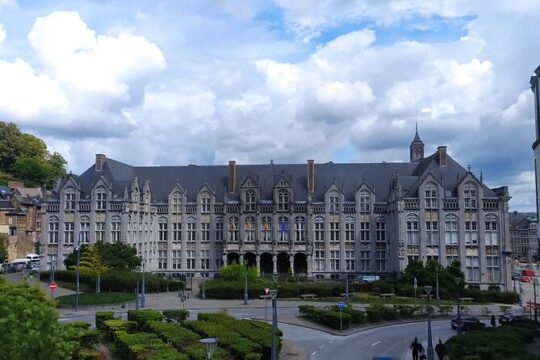
Liège sits where the Ourthe flows into the Meuse, a working city with a rough charm, steep stairways and a café culture that carries on late into the night. Its heart is compact enough to cover on foot, so a guided walking tour makes a natural first step: you climb lanes above the rooftops, pass grand old courtyards and stop for a warm waffle or a plate of meatballs in a rich, sweet sauce. On Sunday mornings the riverbank fills with stalls for La Batte Market, a long, lively street market where you can snack your way past cheeses, flowers, fruit and bric-a-brac. Self-guided routes and bike rentals let you follow the river paths whenever the mood takes you, and audio guides fill in the stories behind the facades. Locals are fond of peket, a juniper spirit served in small glasses, and the bars around the old center pour it with pride.
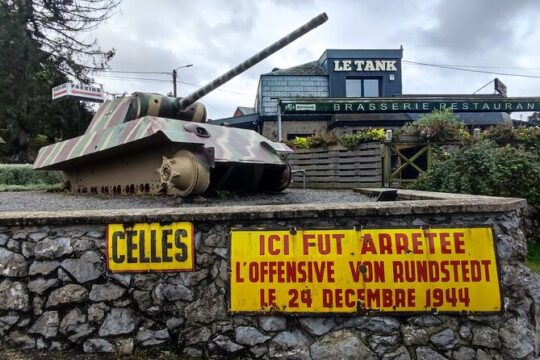
For rainy afternoons or a playful evening, the city has a good choice of escape games, where small teams race the clock to crack codes and solve puzzles. Older children enjoy these games as much as adults do, and most outings in the city wrap up within a few hours, so it is easy to fit two into one day. History runs deep here as well. Many visitors use Liège as the base for a day out to Bastogne, the Ardennes town that held out under siege during the Battle of the Bulge. At the Bastogne War Museum, you follow that battle through the eyes of soldiers and civilians, with scenes that bring the cold and fear of those weeks to life. A private guide can link the museum to the surrounding countryside, where memorials and old foxholes still mark the forest floor. Pair a heritage outing like this with a slow afternoon back in town and you will have seen both sides of Wallonia: its proud urban streets and the quiet, wooded hills that shaped its past.
#1Bastogne rewards a slower visit. At the museum, an audioguide follows four characters whose stories are based on real events, and themed guided activities can be reserved. A historical tour in a World War II vehicle adds atmosphere. Guided day trips link the town with the Mardasson Memorial, Bois Jacques and other Battle of the Bulge sites, with a guide linking the places together. The war museum takes about two and a half hours including its immersive Generations 45 experience, so give yourself a generous half day with the memorial. The museum has an elevator, an on-site wheelchair, and accessible restrooms, and strollers are welcome inside. The trails to the foxholes at Bois Jacques can be impractical for strollers and wheelchairs, though the entrance has an adapted gate. Lockers are available for bags, and the Bistrot de la Paix serves food and overlooks the Mardasson Memorial. Online tickets are strongly recommended because entry is not guaranteed at the museum at busy times.
Snarare
#2Bastogne krigsmuseum är ett modernt museum på Mardasson-kullen utanför Bastogne, i de belgiska Ardennerna, tillägnat andra världskriget och framför allt Ardennerna. Det förklarar hur konflikten nådde denna lilla marknadsstad och varför belägringen som utkämpades här blev ett avgörande ögonblick under krigets sista vinter. Under krigets sista vinter i Europa inledde tyska styrkor en överraskningsoffensiv genom de snötäckta Ardennerna i syfte att splittra de allierade arméerna. Bastogne låg där flera huvudvägar möttes, och amerikanska trupper, inklusive fallskärmsjägare från 101:a luftburna divisionen, omringades där. När tyskarna krävde deras kapitulation skickade den amerikanske befälhavaren, general Anthony McAuliffe, tillbaka ett enordssvar, Nötter, och staden höll ut tills Pattons tredje armé bröt igenom ringen. Striderna kostade tusentals liv på båda sidor och lämnade Bastogne svårt skadat. Museet berättar denna historia genom ögonen på fyra personer som var inblandade i den: en belgisk pojke, en skollärare, en ung tysk soldat och en amerikansk fallskärmsjägare. Deras röster bär dig från vägen till krig genom ockupation och befrielse till själva striden, med uniformer, vapen, fordon och vardagliga tillhörigheter utställda längs vägen. Flera uppslukande scener, iscensatta med ljud, ljus och film, placerar dig i den frusna skogen och bland civila som söker skydd från beskjutningen. Museet ligger bredvid Mardasson-monumentet, ett stort stjärnformat monument som restes av det belgiska folket för att hedra de amerikanska soldater som dödades eller sårades i striden. Dess väggar bär namnen på de amerikanska staterna, och kryptan nedanför är dekorerad med mosaiker av den franske konstnären Fernand Léger. Från toppen av minnesmärket blickar du ut över det böljande landskapet där striderna ägde rum.
Snarare
#3If you are looking for things to do in Wallonia we have 2 Tours and Activities to Experience La Batte Market. Check out our verified traveler reviews and photos of La Batte Market tours and other things to do in Wallonia, and book securely when you find the perfect one. Learn the best ways to see famous La Batte Market and explore the most popular things to do in Wallonia.
SnarareWallonia rewards a slow pace. A typical day opens with a guided walk or a self-led route through Liège, breaks for a long lunch and closes with a local beer on a busy square.
Outings usually last two to four hours, which leaves time to wander, and rainy evenings suit an escape room. A longer day out heads south into the Ardennes to trace the wartime story of Bastogne.
Most tours are private, so the region suits couples, families with older kids and history fans who like to ask questions.
Late spring and early fall bring mild weather, green valleys and smaller crowds, a good time for the streets of Liège and the forest trails of the Ardennes.
Summer, from June to August, is the busiest season, with long evenings, outdoor terraces and festivals in many towns, so book private guides a little ahead.
Winter is cold and damp, but Christmas markets light up the city, and escape rooms and museums fill the wet days. December also suits anyone following the wartime history of Bastogne.

Svaren nedan är baserade på tidigare svar på kundernas frågor.