Sevärdheter i Québec
Fler saker att göra i provinsen
 #16
Terrass Dufferin
Terrasse Dufferin is the broad wooden boardwalk that runs along the clifftop beside the Château Frontenac in Old Quebec, high above the St. Lawrence River. It is the city's best-loved promenade, where people stroll for the wide river views, the street performers and the sense of walking over four centuries of history.The boardwalk is named after Lord Dufferin, Governor General of Canada, under whom it was built in the 19th century; it was opened by his successor, the Marquess of Lorne, and his wife, Princess Louise, a daughter of Queen Victoria. Beneath the planks lie the remains of the Saint-Louis forts and of Château Saint-Louis, the residence of French and later British governors, which stood here from the early days of New France until a fire ruined it in the 19th century. After the fire an earlier, shorter terrace was laid over the ruins, and Dufferin had it greatly extended.Parks Canada protects the remains as a national historic site, and skylights set into the deck let you peer down at the old cellars and stone walls. Six gazebos with benches line the route, named Frontenac, Lorne, Princess Louise, Victoria, Dufferin and Plessis, and they frame views across the river to Lévis and downstream toward the Île d'Orléans. At the northern end, near the Château, stands a monument to Samuel de Champlain, who founded Quebec at the foot of these cliffs.The south end keeps one of the city's oldest winter traditions, a steep wooden slide where toboggans have raced down toward the Château since the late 19th century, and it becomes a highlight of the Winter Carnival. A guide can bring the buried history to life, from the French governors who ruled New France from this clifftop to the British officials who took their place.
Snarare #17
Mount Royal
Om du letar efter saker att göra i Quebec har vi 17 turer och aktiviteter för att uppleva Mount Royal. Kolla in våra verifierade resenärsrecensioner och bilder på Mount Royal-turer och andra saker att göra i Quebec, och boka säkert när du hittar den perfekta. Lär dig de bästa sätten att se berömda Mount Royal och utforska de mest populära sakerna att göra i Quebec.
Snarare #18
Mount Royal Park
Mount Royal Park is the large green space that spreads across Mount Royal, the hill that rises above downtown Montreal and gave the city its name. People come to walk its wooded trails, relax by Beaver Lake and gaze from its belvederes over the skyscrapers, the St. Lawrence River and the plains beyond.The French explorer Jacques Cartier climbed the hill in the 16th century and named it Mont Royal. In the 19th century, as wealthy families built mansions on its slopes and woodcutters thinned its forest, the city bought the land to protect it as a park for everyone. Montreal hired Frederick Law Olmsted, the landscape architect behind New York's Central Park, to design it. Rather than flatten the mountain into lawns, he laid out a winding carriage road that climbs gently through the woods, revealing the views bit by bit, so that the way to the top feels like a journey into nature.At the top, the Kondiaronk Belvedere, named after a Huron-Wendat chief who helped negotiate a great peace treaty, opens onto the classic panorama of downtown, with the stone Chalet du Mont-Royal behind it. Farther along, the illuminated Mount Royal Cross recalls the wooden cross that the city's founder, Paul de Chomedey de Maisonneuve, carried up the hill in thanks after the young settlement was spared from a flood. Beaver Lake, an artificial pond added in the 20th century, draws families to its grassy banks, and forests of maple and oak shelter a surprising variety of birds.Near the Sir George-Étienne Cartier Monument, at the foot of the mountain, drummers and dancers gather on Sundays for the tam-tams, a free-spirited city tradition. A guide can explain how Olmsted's ideas shaped the park and how it became Montreal's favorite backyard.
Snarare #19
Saint Paul Street (Rue Saint-Paul)
Om du letar efter saker att göra i Quebec har vi 13 turer och aktiviteter för att uppleva Rue Saint-Paul (Saint Paul Street). Kolla in våra verifierade resenärsrecensioner och bilder på turer längs Rue Saint-Paul (Saint Paul Street) och andra saker att göra i Quebec, och boka säkert när du hittar den perfekta. Lär dig de bästa sätten att se den berömda Rue Saint-Paul (Saint Paul Street) och utforska de mest populära sakerna att göra i Quebec.
Snarare #20
Jacques-Cartier Square (Place Jacques-Cartier)
Place Jacques-Cartier is the sloping cobblestone square at the heart of Old Montreal, running from City Hall down toward the Old Port and the St. Lawrence River. People come to stroll among its kiosks, terraces and street performers, admire the old stone buildings around it, and soak up the lively atmosphere of the historic quarter.The square occupies land that once belonged to the gardens of the Château Vaudreuil, the grand residence of a French colonial governor. After the château burned at the start of the 19th century, the owners gave the land to the city on condition that it become a public market, and for decades farmers sold produce here. It was named after Jacques Cartier, the French navigator who sailed up the St. Lawrence in the 16th century and claimed the region for France. At the top stands Nelson's Column, raised by Montreal's British merchants to honor Admiral Horatio Nelson after Trafalgar, and older than its famous counterpart in London.Around the square, stone buildings from the 19th century and earlier now hold restaurants, cafes and shops, their terraces spilling onto the sloping street in warm weather. Street artists sketch portraits and performers draw crowds near the bottom, close to the waterfront. City Hall, a grand Second Empire building across rue Notre-Dame, closes the view at the top; from its balcony, President Charles de Gaulle made his famous call for a free Quebec in the 20th century. Nearby stand the Château Ramezay, a colonial governor's house turned museum, and the domed Bonsecours Market.Looking down the slope, the square frames a view of the river and the islands beyond, a reminder that the city grew up as a port. A guide can explain how the old market, the governor's gardens and the river trade shaped this corner of Montreal.
Snarare #21
Montreal Chinatown
Om du letar efter saker att göra i Quebec har vi 9 turer och aktiviteter för att uppleva Montreal Chinatown. Kolla in våra verifierade resenärsrecensioner och bilder på Montreal Chinatown-turer och andra saker att göra i Quebec, och boka säkert när du hittar den perfekta. Lär dig de bästa sätten att se berömda Montreal Chinatown och utforska de mest populära sakerna att göra i Quebec.
Snarare #22
St. Joseph's Oratory of Mount Royal (L'Oratoire Saint-Joseph du Mont-Royal)
Om du letar efter saker att göra i Quebec har vi 15 turer och aktiviteter för att uppleva St. Joseph's Oratory of Mount Royal (L'Oratoire Saint-Joseph du Mont-Royal). Kolla in våra verifierade resenärsrecensioner och bilder på turer och andra saker att göra i Quebec, och boka säkert när du hittar den perfekta. Lär dig de bästa sätten att se det berömda St. Joseph's Oratory of Mount Royal (L'Oratoire Saint-Joseph du Mont-Royal) och utforska de mest populära sakerna att göra i Quebec.
Snarare #23
Montmorency Falls Park (Parc de la Chute-Montmorency)
Montmorency Falls Park omger ett mäktigt vattenfall i utkanten av Quebec City, där Montmorencyfloden rinner över en klippa precis innan den möter St. Lawrencefloden. Besökare kommer för att se fallen från klipptoppen, från en bro över krönet och från basen, och för att utforska herrgårdens historia ovanför. Samuel de Champlain uppkallade fallen i början av 17-talet efter Henri II, hertig av Montmorency, en fransk amiral som då var vicekung i Nya Frankrike. I slutet av 18-talet bodde prins Edward, hertig av Kent och far till drottning Victoria, i ett lantställe med utsikt över fallen med sin följeslagare, och herrgården som står på platsen är fortfarande känd som Kent House. Fallen utsattes också för krig. Under sjuårskriget slog general James Wolfe läger med sina brittiska trupper på flodens östra strand och inledde en misslyckad attack mot de franska linjerna vid Beauport, nedanför fallen. Hans nederlag här kom bara veckor före hans berömda seger på Abrahams slätter, som avgjorde både Nya Frankrikes och Quebecs öde. Vattenfallet förändras med årstiderna. På sommaren kan järnet i flodbädden färga vattnet gyllene, och en internationell fyrverkeritävling lyser upp himlen ovanför klippan på sommarkvällarna. På vintern fryser stänket runt foten till en stor vit kulle som lokalbefolkningen kallar sockerlimpan. En linbana förbinder foten och toppen, och stigar och trappor leder till utsiktsplatser där du kan känna dimman i ansiktet. En guide berättar historierna om Champlain, prinsen, och striden som den tysta parken kan dölja.
Snarare #24
Montreals stadshus (Hotel de Ville de Montréal)
Om du letar efter saker att göra i Quebec har vi 5 rundturer och aktiviteter för att uppleva Montreals stadshus (Hotel de Ville de Montréal). Kolla in våra verifierade resenärsrecensioner och bilder på rundturer i Montreals stadshus (Hotel de Ville de Montréal) och andra saker att göra i Quebec, och boka säkert när du hittar det perfekta alternativet. Lär dig de bästa sätten att se det berömda Montreals stadshus (Hotel de Ville de Montréal) och utforska de mest populära sakerna att göra i Quebec.
Snarare #25
Orleans Island (Ile d'Orléans)
Om du letar efter saker att göra i Quebec har vi 18 turer och aktiviteter för att uppleva Orleans Island (Ile d'Orléans). Kolla in våra verifierade resenärsrecensioner och bilder på turer till Orleans Island (Ile d'Orléans) och andra saker att göra i Quebec, och boka säkert när du hittar den perfekta. Lär dig de bästa sätten att se den berömda Orleans Island (Ile d'Orléans) och utforska de mest populära sakerna att göra i Quebec.
Snarare #26
Abrahams slätter (Plaines d'Abraham)
The Plains of Abraham is a large historic park on the clifftops of Upper Town in Quebec City, high above the Saint Lawrence River. It is where British and French armies fought the battle that decided the fate of New France, and people come to walk its lawns, read its monuments and take in the river views.The land takes its name from Abraham Martin, a river pilot and early settler of New France who held land in the area in the 17th century. Its place in history came in the 18th century, during the Seven Years' War. In a daring night move, British troops under General James Wolfe climbed the cliffs from the river and formed lines on the plateau outside the city walls. The French commander, the Marquis de Montcalm, marched out to meet them, and the fighting was over very quickly. Both generals were mortally wounded. Quebec fell, and within a few years France had handed its North American colony to Britain.The French came back the next spring and won the Battle of Sainte-Foy nearby, but they could not retake the city. Long after the guns fell silent, the battlefield became the core of a national park created in the early 20th century to honor both sides, and landscaped lawns, groves and gardens slowly spread across the old ground.Walking the park, you pass Martello towers built by the British to defend the city, cannons and monuments to the soldiers of both armies, and the Joan of Arc Garden with its formal flower beds. Lookouts open onto the river and the far shore. The park is also the city's great open space, where residents jog, picnic and gather on warm evenings. A guide brings the battles to life and shows where the armies stood.
Snarare #27
Plateau-Mont-Royal (platån)
Om du letar efter saker att göra i Quebec har vi 14 turer och aktiviteter för att uppleva Plateau-Mont-Royal (platån). Kolla in våra verifierade resenärsrecensioner och bilder på Plateau-Mont-Royal (platån)-turer och andra saker att göra i Quebec, och boka säkert när du hittar den perfekta. Lär dig de bästa sätten att se berömda Plateau-Mont-Royal (platån) och utforska de mest populära sakerna att göra i Quebec.
Snarare #28
Quebec City Cruise Port
The Quebec City Cruise Port is the passenger harbor on the St. Lawrence River at the foot of Old Quebec, where cruise ships tie up almost beneath the walls of the old city. For passengers it is the doorstep to one of the oldest cities in North America, with the cliffs, spires and copper roofs of the upper town rising straight above the quays.Quebec City grew from a French trading post founded at this narrow point in the river in the early 17th century, and the waterfront has been busy with ships ever since. In the 19th century the Old Port was one of the great harbors of the British Empire, loading timber for shipbuilding and receiving waves of immigrants from Europe. Later, as industrial shipping shifted to other docks, much of the old waterfront was reshaped for visitors, with promenades, a marina and the cruise terminal taking the place of sheds and warehouses.Most ships berth at Pointe-à-Carcy, where the Ross Gaudreault Terminal looks out over the river and the busy channel. From the decks and the quay, the view takes in the Château Frontenac high on the cliff, the green slopes and stone ramparts of the Citadelle, and the ferries crossing to Lévis on the far shore. Just inland lies the lower town, with Place Royale and its small stone church, Notre-Dame-des-Victoires, the narrow lanes of Petit-Champlain lined with shops and cafés, and the funicular that climbs the cliff to the upper town.The setting explains the city itself. Its name comes from an Algonquian word for the place where the river narrows, and from here the St. Lawrence widens steadily toward the Gulf and the Atlantic. Holding this narrow passage meant controlling the route into the continent, which is why the French fortified the cliff and the British fought to take it. A local guide can connect the waterfront to that French and British past.
Snarare #29
Quebec City Old Port (Vieux-Port)
Om du letar efter saker att göra i Quebec har vi 5 turer och aktiviteter för att uppleva Quebecs gamla hamn (Vieux-Port). Kolla in våra verifierade resenärsrecensioner och bilder på turer i Quebecs gamla hamn (Vieux-Port) och andra saker att göra i Quebec, och boka säkert när du hittar den perfekta. Lär dig de bästa sätten att se den berömda Quebecs gamla hamn (Vieux-Port) och utforska de mest populära sakerna att göra i Quebec.
Snarare #30
Upper Town (Haute-Ville)
Om du letar efter saker att göra i Quebec har vi 15 turer och aktiviteter för att uppleva Övre stan (Haute-Ville). Kolla in våra verifierade resenärsrecensioner och bilder på turer i Övre stan (Haute-Ville) och andra saker att göra i Quebec, och boka säkert när du hittar den perfekta. Lär dig de bästa sätten att se den berömda Övre stan (Haute-Ville) och utforska de mest populära sakerna att göra i Quebec.
Snarare #31
Quebec Lower Town (Basse-Ville)
Quebec's Lower Town, or Basse-Ville, is the oldest part of Quebec City, a district of stone houses and narrow streets squeezed between the cliff of Cap Diamant and the St. Lawrence River. People come to stroll its cobbled lanes and boutiques, see the square where the city was founded, and look up at the Château Frontenac crowning the cliff above.Samuel de Champlain founded Quebec on this narrow shore in the early 17th century, building a fortified trading post called the Habitation near what is now Place Royale. The square became the commercial heart of New France, with a market, merchants' houses and, later, the stone church of Notre-Dame-des-Victoires, named for French successes against English attacks. Fire, bombardment and later decline took their toll, and much of the district was carefully restored in the 20th century to recall its French colonial look.Rue du Petit-Champlain, often called one of the oldest commercial streets in North America, winds along the foot of the cliff beneath wrought-iron shop signs, lined with galleries, craft studios and cafés. The Breakneck Steps, the city's oldest staircase, plunge into it from above. Nearby, a vast trompe-l'oeil mural, the Fresco of the Quebecers, paints the city's history across the side of a building, with famous figures from Champlain onward looking out from its painted windows, stairways and balconies.Place Royale itself is a small square of steep-roofed stone houses with a bust of Louis XIV at its center, and the modest church on one side ranks among the oldest stone churches in North America. Down by the water, the Museum of Civilization and the Old Port add modern layers to the district, while the ferry across the river to Lévis gives one of the finest views back toward the cliff and the château.
Snarare #32
Montreal Olympic Park (Parc Olympique de Montréal)
Montreals olympiska park är det vidsträckta sportkomplexet i stadens östra ände, byggt när staden var värd för sommar-OS. Dess mittpunkt är Olympiastadion med sitt lutande torn, en djärv betongkonstruktion, och folk kommer för arkitekturen, den olympiska historien och utsikten från toppen av tornet. Den franske arkitekten Roger Taillibert designade stadion och dess torn som en dramatisk skulptur, ett böjt betongskal med en mast avsedd att lyfta ett infällbart tak. Ambitionen kom med ett pris. Byggandet översteg budgeten långt, stadion öppnade innan den var klar och tornet färdigställdes bara ungefär ett decennium efter spelen. Lokalbefolkningen gav det smeknamnet "Det stora O:et" för dess munkformade tak och "Den stora skulden" för en skuld som tog ungefär tre decennier att betala av. Taket blev en egen saga. Det ursprungliga tygöverdraget kunde bara öppnas i lugnt väder, revs sönder om och om igen och ersattes så småningom av ett fast tak. Under många år var stadion hem för basebollaget Expos, och den har varit värd för fotboll, gigantiska konserter och mässor. Tornet lutar 45 grader och reser sig cirka 165 meter, vilket gör det till världens högsta lutande torn. Runt stadion finns minnen från spelen, från de öppna esplanaderna till den olympiska simbassängen under tornet, som fortfarande används av lokala simmare. Den tidigare olympiska cykelbanan vid foten av tornet har blivit Biodôme, ett inomhusmuseum för levande ekosystem. Från observatoriet har man utsikt över staden, Mount Royal och St. Lawrencefloden. En guide berättar om spelen bakom kulisserna och det långa arbetet med att färdigställa byggnaden.
Snarare #33
Montreal Underground City
Om du letar efter saker att göra i Quebec har vi 5 rundturer och aktiviteter för att uppleva Montreals underjordiska stad. Kolla in våra verifierade resenärsrecensioner och bilder på rundturer i Montreals underjordiska stad och andra saker att göra i Quebec, och boka säkert när du hittar den perfekta. Lär dig de bästa sätten att se den berömda Montreals underjordiska stad och utforska de mest populära sakerna att göra i Quebec.
Snarare #34
Artilleriparkens kulturarvsplats
Om du letar efter saker att göra i Quebec har vi 12 turer och aktiviteter för att uppleva Artillery Park Heritage Site. Kolla in våra verifierade resenärsrecensioner och bilder på Artillery Park Heritage Site-turer och andra saker att göra i Quebec, och boka säkert när du hittar den perfekta. Lär dig de bästa sätten att se den berömda Artillery Park Heritage Site och utforska de mest populära sakerna att göra i Quebec.
Snarare #35
Citadelle of Quebec (Citadelle de Quebec)
Quebecs citadell är en stjärnformad stenfästning på Cap Diamant, klippornas högsta punkt ovanför floden St. Lawrence, vid kanten av Gamla Quebec. Den är hemvist för ett berömt regemente och en officiell residens för Kanadas generalguvernör, och folk kommer hit för dess militära historia, dess ceremonier och dess vidsträckta utsikt över floden. Fransmännen befäste denna imponerande höjd på 17- och 18-talen, och ett krutmagasin från den eran står fortfarande innanför murarna. Citadellet, som det ser ut idag, byggdes av britterna under första hälften av 19-talet, efter att ett krig med USA hade visat hur utsatt kolonin kunde vara för invasion från söder. Ingenjörer konstruerade den med låga, vinklade murar och bastioner som lät försvarare täcka alla anslutningar, och den beskrivs ofta som den största brittiska fästningen som byggts i Nordamerika. Den fruktade attacken kom aldrig, och fästningen utkämpade aldrig strid. Sedan början av 20-talet har citadellen varit hemvist för Royal 22nd Regiment, ett fransktalande infanteriregemente som förtjänade en stolt meritlista i både världskrigen och därefter. Regementsmuseet berättar den historien genom uniformer, vapen, medaljer och personliga föremål, som visas i det gamla krutmagasinet och ett tidigare militärfängelse. På ceremoniella dagar utför soldater i röda tunikor och höga björnskinnshattar vaktavlösningen på paradtorget, och regementets maskot, en get vid namn Batisse, deltar ibland. Från vallarna har man utsikt över floden, den bortre stranden vid Lévis och hustaken i Gamla Quebec. En guide tar fram detaljer om militärlivet och fästningens design som väggarna ensamma inte avslöjar.
Snarare #36
Befästningar av Quebec National Historic Site
The Fortifications of Quebec National Historic Site protects the stone ramparts, gates and bastions that still ring Old Quebec, the only walled city left in North America north of Mexico. Visitors walk the walls for views over the old town and the St. Lawrence, pass through the historic gates, and explore the military buildings of Artillery Park.The French began fortifying their capital in the 17th century, when New France faced attacks from the English colonies, and in the 18th century military engineers raised the stone walls that still guard the western side of the city. Just beyond them lie the Plains of Abraham, where the battle that decided the fate of New France was fought. After the British conquest, the new rulers reinforced the defenses against a feared American invasion and built the star-shaped Citadelle on the heights of Cap Diamant.By the late 19th century the walls had lost their military purpose, and the city began tearing down gates to ease traffic. The governor general, Lord Dufferin, argued for saving them instead, and his plan turned the ramparts into a promenade and rebuilt gates such as Saint-Louis and Kent in a romantic, castle-like style. That choice helped keep the character of the old town, now a UNESCO World Heritage Site.Walking the ramparts, you pass cannon still aimed toward the river, grassy bastions and the stone gates that frame the streets of the old town. At Artillery Park, a cluster of buildings shows how soldiers lived and worked over the centuries, from the French-built Dauphine Redoubt to the officers' quarters and an old foundry that produced ammunition. Inside, a large scale model of the city, made in the early 19th century, lets you see Quebec as the British garrison knew it.
Snarare #37
Albert Gilles Copper Art Museum and Boutique
Albert Gilles Copper Art Museum and Boutique is a family-run studio, small museum and shop in Château-Richer, on the Côte-de-Beaupré east of Quebec City. Visitors come to see how decorative copper is embossed by hand, admire the family's work and try the craft themselves, then browse for a handmade piece to take home.Copper embossing, the craft of working a thin sheet of metal into raised designs with hand tools, has been the family's trade for many decades. The studio carries the name of Albert Gilles, the artist who founded it, and his family has kept the work going in this riverside village. Copper from this workshop decorates dozens of churches across North America, including the doors of the Basilica of Sainte-Anne-de-Beaupré just along the shore, and the family's contribution has been honored by the Conseil de la culture du Québec.Exhibits begin with copper as a raw material, follow its use through the ages and then show how a flat sheet becomes a detailed relief, with examples of the studio's major commissions along the way. In the workshop you can try your hand, tracing a design and pressing it into the soft metal until a picture rises from the surface. The boutique turns the same skills toward smaller gifts and pieces for the home.The Côte-de-Beaupré was among the first stretches of New France to be farmed, and its villages, churches and old houses give the shore a strong sense of the past. That setting suits a craft so closely tied to church art, and seeing the copper doors of the nearby basilica brings the family's skill into sharp focus. A guide familiar with the shore can add the history of the parishes and the pilgrims who have long traveled this way to Sainte-Anne.
Snarare #38
Barbie-expo
Om du letar efter saker att göra i Quebec har vi 1 rundtur och aktivitet för att uppleva Barbie Expo. Kolla in våra verifierade resenärsrecensioner och bilder på Barbie Expo-turer och andra saker att göra i Quebec, och boka säkert när du hittar den perfekta. Lär dig de bästa sätten att se berömda Barbie Expo och utforska de mest populära sakerna att göra i Quebec.
Snarare #39
Fort Museum (Musée du Fort)
Om du letar efter saker att göra i Quebec har vi två rundturer och aktiviteter för att uppleva Fort Museum (Musée du Fort). Kolla in våra verifierade resenärsrecensioner och bilder på rundturer till Fort Museum (Musée du Fort) och andra saker att göra i Quebec, och boka säkert när du hittar den perfekta. Lär dig de bästa sätten att se det berömda Fort Museum (Musée du Fort) och utforska de mest populära sakerna att göra i Quebec.
Snarare #40
Lachine Canal (Canal de Lachine)
Om du letar efter saker att göra i Quebec har vi 6 turer och aktiviteter för att uppleva Lachinekanalen (Canal de Lachine). Kolla in våra verifierade resenärsrecensioner och bilder på turer längs Lachinekanalen (Canal de Lachine) och andra saker att göra i Quebec, och boka säkert när du hittar den perfekta. Lär dig de bästa sätten att se den berömda Lachinekanalen (Canal de Lachine) och utforska de mest populära sakerna att göra i Quebec.
Snarare #41
Montreals Sankt Patricks basilika
St. Patrick's Basilica is the historic church of Montreal's English-speaking Catholics, many of them Irish, a Gothic Revival landmark in the heart of downtown. Visitors step inside for its soaring, richly painted interior, where Irish shamrocks and French fleurs-de-lys share the decoration, and for a moment of calm amid the city's bustle.The basilica rose in the middle of the 19th century, when the city's English-speaking Catholic community had outgrown the churches it used before. It opened as the Great Famine was driving huge numbers of Irish emigrants across the Atlantic, and many of them landed in Montreal. Architect Pierre-Louis Morin and Father Félix Martin, a Jesuit, designed it in the Gothic Revival style, with pointed arches, tall windows and a steeple that rises about 69 meters. The building stretches about 71 meters, and its decoration joins the emblems of Ireland and French Quebec, a sign of the two communities that shaped Catholic Montreal.Inside, slender columns draw the eye up to the vaulted ceiling and along the nave to the sanctuary. Ten bells hang in the tower, and the oldest of them ranks among the oldest in the city. Look closely and the shamrock turns up again and again, a small signature of the congregation that built the church. Though traffic hums along the boulevard outside, the interior feels hushed, and the city's Irish story seems close at hand.The basilica remains the spiritual home of Montreal's Irish community, which marks St. Patrick's Day with one of the oldest parades in North America. It is now a minor basilica and a national historic site of Canada. A guide can explain how Irish newcomers helped build Montreal, from its canals to its bridges, and how this church became their anchor.
Snarare #42
Museum of Francophone America (Musée de l'Amérique Francophone)
The Museum of Francophone America (Musée de l'Amérique Francophone) sits in Old Quebec beside the Séminaire de Québec and explores the story of French culture in North America. Billed as the oldest museum in Canada, it draws visitors with eclectic collections, from paintings and rare books to fossils and coins, and with a chapel organ rebuilt on an old model.The museum grew from the collections of the Séminaire de Québec, founded in the 17th century by François de Laval to train priests for New France. Laval later became the first bishop of Quebec, and his name lives on in the city's university. Over the generations the seminary built up paintings, books, coins and fossils, and these became the core of the Seminary museum. It has changed its name several times and is now part of the Musée de la civilisation, which runs several of the city's heritage sites.The building is part of the appeal, with a rounded facade based on plans by Thomas Baillairgé, a leading Quebec architect of the 19th century. Inside, the chapel houses an organ that reconstructs an 18th-century instrument once heard in the cathedral next door. The collections range widely, taking in paintings, silverware, coins, stamps, fossils and books, a mix that reflects the wide interests of the seminary that assembled it.Its exhibitions follow French speakers across the continent, from the Saint Lawrence valley to Acadia and Louisiana, and look at how their language and customs endured. The setting deepens the story, since the seminary's stone wings and courtyards rank among the oldest buildings in Old Quebec. The historic district around it is a World Heritage site and the only walled city in North America north of Mexico. With a guide, the objects open a window onto faith, learning and daily life in New France.
Snarare #43
Notre-Dame-des-Victoires-kyrkan (Église Notre-Dame-des-Victoires)
Om du letar efter saker att göra i Quebec har vi 8 turer och aktiviteter för att uppleva Notre-Dame-des-Victoires kyrka (Église Notre-Dame-des-Victoires). Kolla in våra verifierade resenärsrecensioner och bilder på turer och andra saker att göra i Notre-Dame-des-Victoires kyrka (Église Notre-Dame-des-Victoires) i Quebec, och boka säkert när du hittar den perfekta. Lär dig de bästa sätten att se den berömda Notre-Dame-des-Victoires kyrka (Église Notre-Dame-des-Victoires) och utforska de mest populära sakerna att göra i Quebec.
Snarare #44
Pointe-à-Callière
Pointe-à-Callière is Montreal's museum of archaeology and history, built in Old Montreal on the very spot where the city was founded. Visitors come to walk through the real remains of the early settlement underground, see artifacts dug up on site, and follow the story of Montreal from Indigenous times to the busy port city it became.This point of land, where a small river once met the St. Lawrence, was a meeting place for Indigenous peoples long before Europeans arrived. In the 17th century French settlers led by Paul de Chomedey de Maisonneuve and Jeanne Mance founded Ville-Marie here, the mission that grew into Montreal. The name of the point comes from Louis-Hector de Callière, a later governor who built his residence on the site. The museum opened in the late 20th century to mark a city anniversary, and archaeologists have kept digging and adding new sections ever since.The main building, a modern structure with a tall lookout tower, stands over the remains of Callière's house. From it, paths lead down into the crypt beneath Place Royale, where you walk among foundations of walls, the city's first Catholic cemetery, the outlines of old buildings and a stone sewer from the 19th century that was itself built over the buried river. Further sections reveal traces of Fort Ville-Marie and an early marketplace, and the old customs house on the square is part of the complex.Exhibitions draw on the many objects found during the digs, from Indigenous pottery and tools to French colonial ceramics and everyday items from later centuries. A multimedia show sets the scene by tracing the history of the site over the ages, and temporary exhibitions bring major collections from around the world. The tower gives a broad view over the Old Port and the river. A guide helps you read the layers of masonry and connect each find to the people who left it.
Snarare #45
Quebec City Capital Observatory (Observatoire de la Capitale)
Quebec City Capital Observatory, eller Observatoire de la Capitale, är ett inomhusgalleri på 31:a våningen i Marie-Guyart-byggnaden, det högsta tornet i Quebec City. Från dess fönster kan besökarna se in den gamla muromgärdade staden, parlamentsbyggnaden och den breda floden Saint-Lawrence i ett svep. Tornet inrymmer Quebecs regeringskontor och ligger strax utanför de historiska murarna, nära nationalförsamlingen. Det är uppkallat efter Marie Guyart, en ursulinsk nunna från 17-talet, även känd som Marie de la Inkarnation, som grundade den första flickskolan i Nya Frankrike och är ihågkommen som en av kolonins grundare. Observatoriet drivs för regeringen som en plats att introducera huvudstaden, och det är inrett så att utsikten och stadens historia går hand i hand. Höga fönster löper runt hela våningen, så att du kan följa staden från en sida till en annan. På ena sidan ligger Gamla Quebec, med de gröna koppartaken på Chateau Frontenac och de gamla stenhusen innanför vallarna. Till en annan sträcka sträcker sig Abrahams slätter, där Nya Frankrikes öde avgjordes, och den breda floden som böjer sig mot Ile d'Orleans. Längre ut stiger landet mot de Laurentianska kullarna. Multimediapresentationen Horizons, skapad under Olivier Dufours konstnärliga ledning, spårar stadens historia och rötterna till Quebecs identitet med bilder, ljud och ljus. Paneler och ljudkommentarer hjälper dig att matcha namn med hustaken, spirorna och landmärkena nedanför, från citadellen till hamnen. Att se huvudstaden ovanifrån gör dess utformning tydlig på ett sätt som de slingrande gatorna nedanför inte kan. En guide lägger till berättelser om striderna, kyrkorna och människorna bakom varje landmärke i sikte.
SnarareUpptäck Québec

Lyx & speciella tillfällen
Priser från $1
Rundturer och sightseeing
Priser från $1
Kultur- och tematurer
Priser från $1
Kryssningar, segling och vattenturer
Priser från $18
Promenad- och cykelturer
Priser från $1
Semester- och säsongsresor
Priser från $25
Mat, vin & nattliv
Priser från $14
Äventyrsresor
Priser från $24
Dagsturer och utflykter
Priser från $1
Privata och anpassade turer
Priser från $1
Strandutflykter
Priser från $24
Sightseeingbiljetter och pass
Priser från $12
Gamla hamnen i Montreal (Vieux Port de Montréal)
Priser från $1
Old Montreal (Vieux-Montréal)
Priser från $5
La Ronde
Priser från $18
Montreal Biosphere (la Biosphère)
Priser från $18
Kanadensiska historiska museet
Priser från $10
National Gallery of Canada
Priser från $41
Notre-Dame Basilica of Montreal (Basilique Notre-Dame de Montréal)
Priser från $1
Gamla Quebec (Vieux-Québec)
Priser från $4
Ottawa Parliament Hill
Priser från $41
Royal Canadian Mint
Priser från $41
Quebec Royal Square (Place-Royale)
Priser från $3
Bonsecours Market (Marché Bonsecours)
Priser från $5

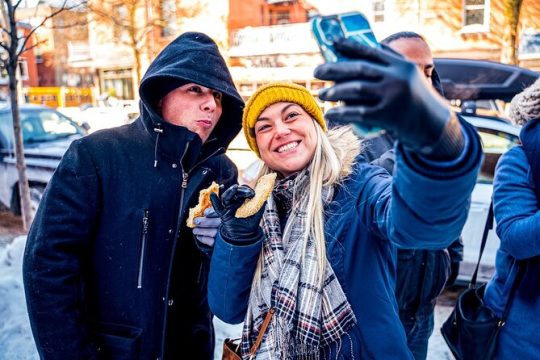


Quebec evenemangskalender
Visa alla händelser
Saker att göra på annandagen i Quebec (uppdaterad 2026)
Lör 26 dec 2026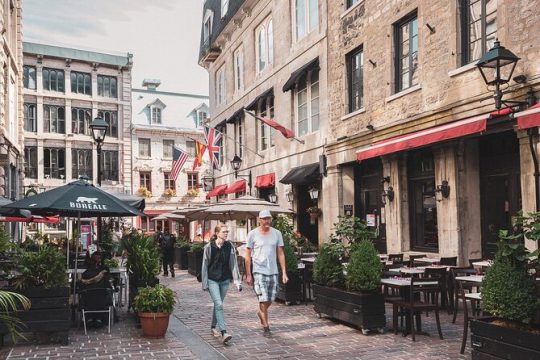
Saker att göra på Kanadadagen i Quebec (uppdaterad 2026)
tors 1 juli 2027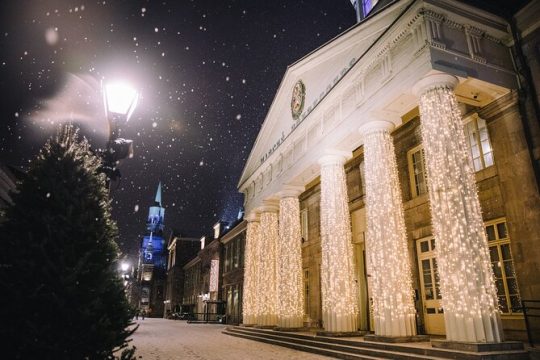
Julaktiviteter i Quebec
Fre, dec 25, 2026
Hanukka i Quebec
4–12 december 2026
Nyårsafton i Quebec
tors 31 december 2026
Julafton i Quebec
tors 24 december 2026
Nyårsdagen långhelg i Quebec
1–3 januari 2027
Alla hjärtans dag i Quebec
Sön 14 februari 2027
Påsk i Quebec
Sön 28 mars 2027
Långfredag i Quebec
Fre 26 mars 2027
Halloween i Quebec
Sön 31 oktober 2027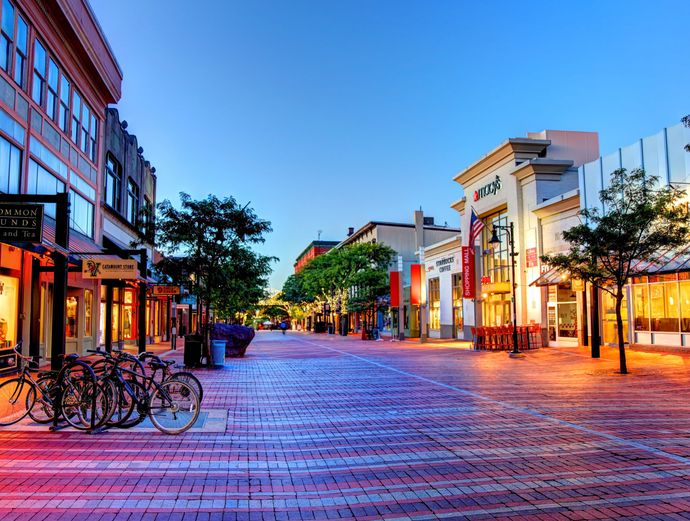
Burlington Tours
Priser från $10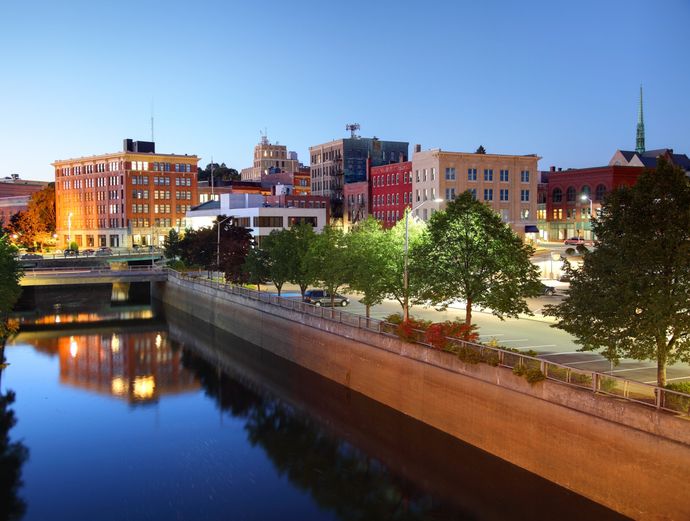
Bangor Tours
Priser från $20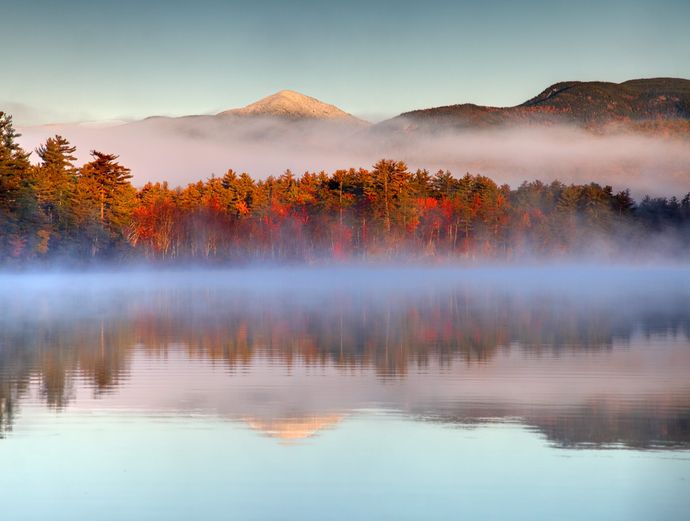
Vita bergen Tours
Priser från $10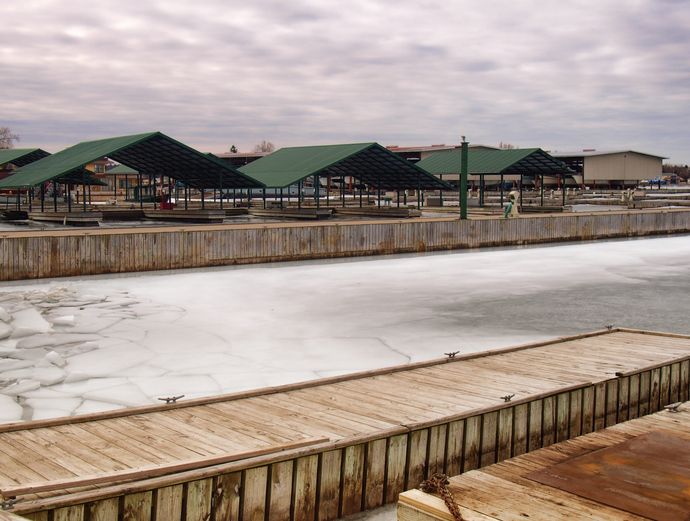
Clayton Tours
Priser från $27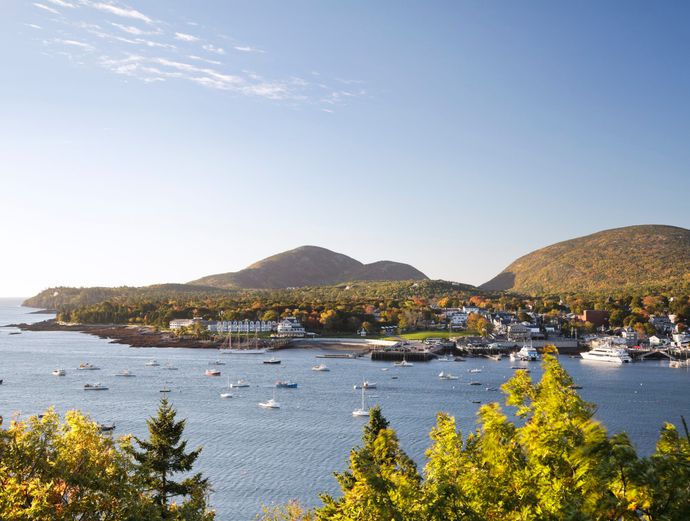
Bar Harbor Tours
Priser från $8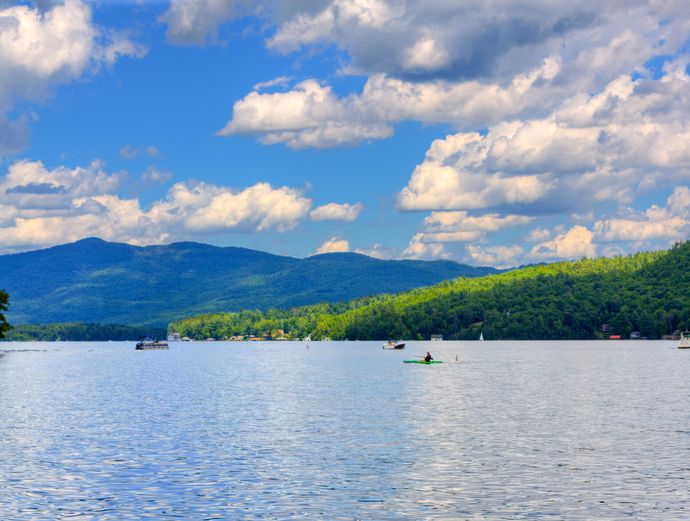
Lake George Tours
Priser från $23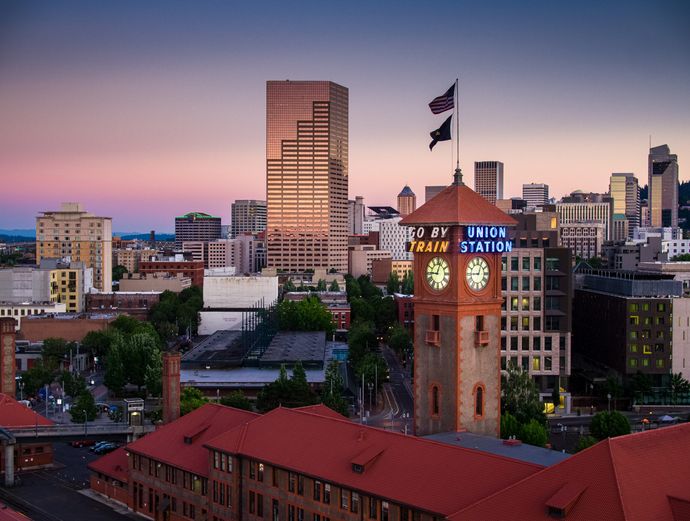
Portland Tours
Priser från $8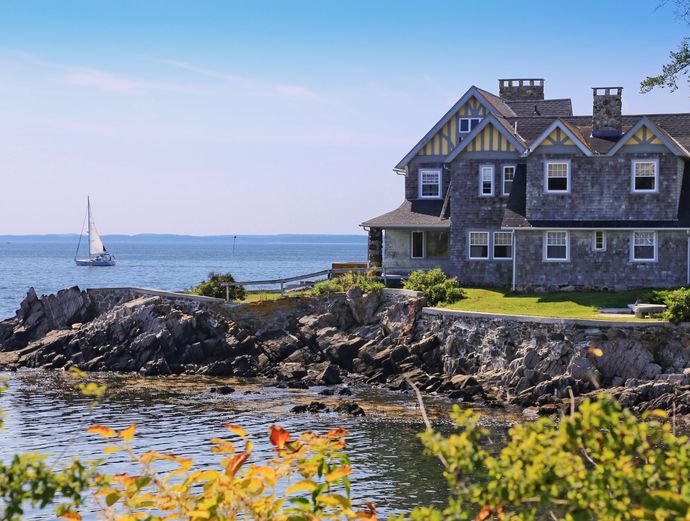
Kennebunkport Tours
Priser från $29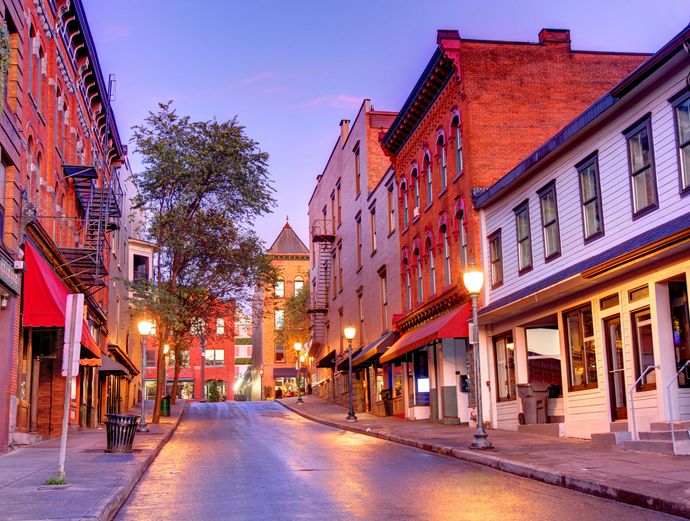
Saratoga Springs Tours
Priser från $10
Portsmouth Tours
Priser från $10
Manchester Tours
Priser från $47