Atrações de Lahaina
Mais coisas para fazer na região
 #16
Ka'anapali
Kaʻanapali is a resort area on the sunny west coast of Maui, just north of Lahaina, built around a long, golden beach. People come to swim and snorkel, stroll the oceanfront path past hotels and restaurants, and watch the sun set over the channel toward Lānaʻi and Molokaʻi.Long before the hotels, this shore was a favored retreat of Maui's chiefs, who came to fish, race canoes and relax along the sand. At its northern end rises Puʻu Kekaʻa, known as Black Rock, a volcanic headland that Hawaiian tradition holds was a leina, a place where the spirits of the dead leapt into the afterlife. The great Maui chief Kahekili is said to have jumped from its cliffs to show his courage and his disregard for that fear.For much of the 20th century the land behind the beach was planted in sugarcane, and a small railroad hauled the harvest to the mill in Lahaina. As the plantation era faded, the fields were transformed into one of Hawaii's first master-planned resorts, with hotels, condominiums, golf courses and a shopping village laid out along the shore. The village's whaling-era themes and museum displays nod to the days when Lahaina was a busy whaling port.The snorkeling around Black Rock is some of the best on this coast, with reef fish, coral and sea turtles close to shore. Each evening at sunset, a torch lighter runs along the headland and a cliff diver leaps into the sea, reenacting Kahekili's jump. Beyond Black Rock lies the quieter Kahekili Beach Park, named for the same chief. In winter, humpback whales gather in the channel offshore, and their spouts and breaches are often visible from the beach. A guide on the water adds Hawaiian names, stories and sea life you might not spot alone.
Mais #17
Makena
Se você está procurando o que fazer em Lahaina, temos 14 passeios e atividades para você aproveitar Makena. Confira as avaliações e fotos de viajantes verificados sobre os passeios em Makena e outras atrações em Lahaina, e reserve com segurança quando encontrar a opção perfeita. Descubra as melhores maneiras de conhecer a famosa Makena e explore as atividades mais populares em Lahaina.
Mais #18
Costa Norte de Oahu
A costa norte é extensa, com pequenas cidades e praias, sendo ideal para um dia relaxante com várias paradas, em vez de uma visita única e fixa. Para nadar, escolha uma praia com posto de salva-vidas e verifique as placas antes de entrar na água. O inverno traz ondas grandes para praias como Waimea Bay e Sunset Beach, tornando-se a temporada perfeita para observar as ondas, enquanto o verão é para nadar. Os estacionamentos em praias populares como Waimea Bay enchem cedo, então chegue pela manhã. Leve protetor solar, água e uma toalha, pois a sombra é limitada em muitas praias.
Mais #19
Memorial Nacional de Pearl Harbor
Pearl Harbor National Memorial, on the south shore of Oahu near Honolulu, marks the site of the surprise Japanese attack that drew the United States into the Second World War. Visitors come to pay their respects at the USS Arizona Memorial, which spans the sunken battleship, and to learn the story of that morning in museums beside the harbor.The attack came early on a Sunday morning, when waves of Japanese aircraft struck the ships of the U.S. Pacific Fleet at anchor and the airfields around the island. By the time the planes withdrew, battleships lay sunk or burning, aircraft were wrecked on the ground and many servicemen and civilians were killed. The USS Arizona suffered the worst, exploding and sinking with the loss of most of its crew, and many of those men still lie within its hull.The white memorial that spans the wreck was designed by the architect Alfred Preis. Its roofline sags in the middle and rises at both ends, a shape meant to suggest early defeat followed by final victory. Inside, a shrine room holds a marble wall engraved with the names of the men lost aboard, and through the open sides you can see the outline of the ship just beneath the surface. Drops of oil still rise from the hull and spread in rainbow films across the water, often called the tears of the Arizona.Back on shore, the visitor center's museums trace the road to war and the attack itself through photographs, artifacts and personal stories. Some survivors of the Arizona chose to have their ashes placed inside the wreck with their shipmates, a sign of how deeply this place is felt. The memorial also honors other ships lost that day, including the USS Utah and USS Oklahoma, remembered on Ford Island. A guide can explain how the attack unfolded and point out where each battleship lay at its mooring.
Mais #20
Waimea Canyon
Waimea Canyon is a deep, many-colored gorge on the west side of Kauai, often called the Grand Canyon of the Pacific. People come to gaze from lookouts along the rim road at layered red and green cliffs, waterfalls dropping into side valleys and the river winding far below, with the cooler forests of Kokee rising above.The canyon is the work of fire and water. Kauai is the oldest of the main Hawaiian Islands, and the volcano that built it partly collapsed long ago, leaving weaknesses that the Waimea River and its tributaries cut into, grinding down through layer after layer of lava. Much of that water falls first as rain on Mount Waialeale, the island's central summit and one of the rainiest places on earth. The result is a gorge many miles long and thousands of feet deep, its walls striped where one eruption laid a flow over the last.Color is the first thing most visitors notice. Iron in the weathered rock tints the walls rust, ochre and red, broken by bands of green growth and shifting shadow as clouds drift past. The name Waimea means reddish water in Hawaiian, after the silt the river carries. From the rim you can pick out Waipoo Falls spilling down a side canyon, and white-tailed tropicbirds often glide on the air currents below the edge. Trails run down toward the canyon floor or out along ridges to the top of the falls, while farther up the road the Kokee uplands open onto views of the Kalalau Valley on the Na Pali Coast.The river that carved the canyon reaches the sea at Waimea town, where Captain James Cook first came ashore in the islands in the late 18th century, a turning point in Hawaiian history. A guide brings in the Hawaiian place names and old stories tied to these ridges, which give the scenery a deeper layer of meaning.
MaisDescubra Lahaina

Passeios e pontos turísticos
Preços de $110
Luxo e ocasiões especiais
Preços de $168
Passeios e excursões de um dia
Preços de $180
Excursões em terra
Preços de $151
Atividades ao ar livre
Preços de $180
Passeios culturais e temáticos
Preços de $220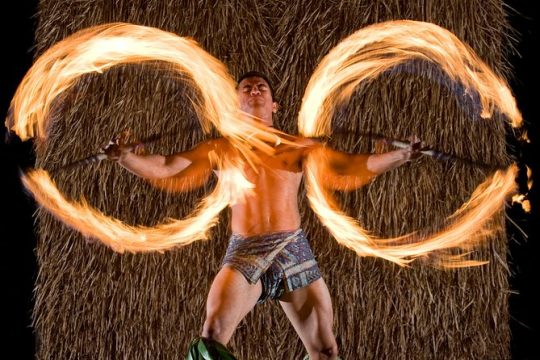
Shows, Concertos e Esportes
Preços de $189
Passeios a pé e de bicicleta
Preços de $229
Passeios de férias e sazonais
Preços de $157
Comida, Vinho e Vida Noturna
Preços de $189
Transferências e Transporte Terrestre
Preços de $12
Cruzeiros, passeios de barco e passeios aquáticos
Preços de $168
Parque Estadual Wayside de Pua'a Ka'a
Preços de $180
Estrada para Hana (Hana Highway)
Preços de $210
Parque Estadual de Waianapanapa
Preços de $210
Parque da Praia Hoʻokipa
Preços de $180
Paia
Preços de $180
Cratera Haleakala
Preços de $229
Parque Estadual Kaumahina Wayside
Preços de $180
Floresta de bambu
Preços de $210
Parque nacional de Haleakala
Preços de $264
Hana
Preços de $210
Plantação Tropical de Maui
Preços de $294
Luau Real Lahaina
Preços de $189




Calendário de eventos de Lahaina
Ver todos os eventos
Dia do Veterano em Lahaina
Qui, 11 de novembro de 2027
Ação de Graças em Lahaina
Qui, 26 de novembro de 2026
Hanukkah em Lahaina
4 a 12 de dezembro de 2026
Véspera de Ano Novo em Lahaina
Qui, 31 de dezembro de 2026
Fim de semana prolongado de Ano Novo em Lahaina
1 a 3 de janeiro de 2027
Dia de MLK em Lahaina
16 a 18 de janeiro de 2027
Dia dos Namorados em Lahaina
Dom, 14 de fev de 2027
Dia do Presidente em Lahaina
13–15 de fevereiro de 2027
Dia de São Patrício em Lahaina
Quarta, 17 de março de 2027
Páscoa em Lahaina
Dom, 28 mar 2027
Sexta-feira Santa em Lahaina
Sex, 26 de março de 2027
Passeios em Oahu
Preços de $4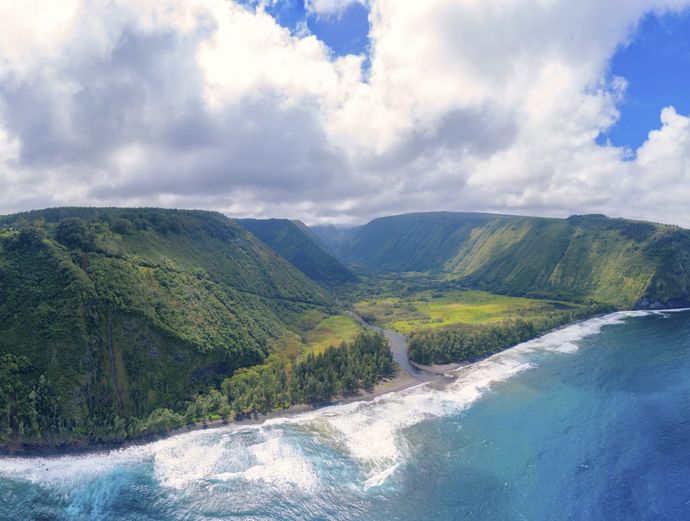
Passeios pela Ilha Grande do Havaí
Preços de $5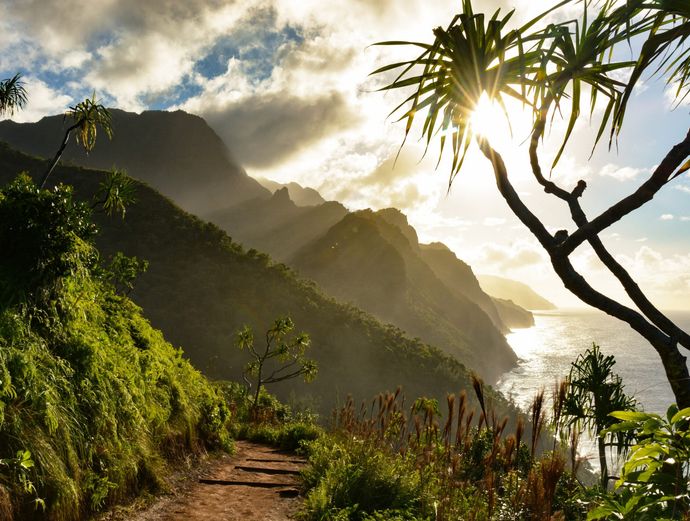
Passeios Kauai
Preços de $17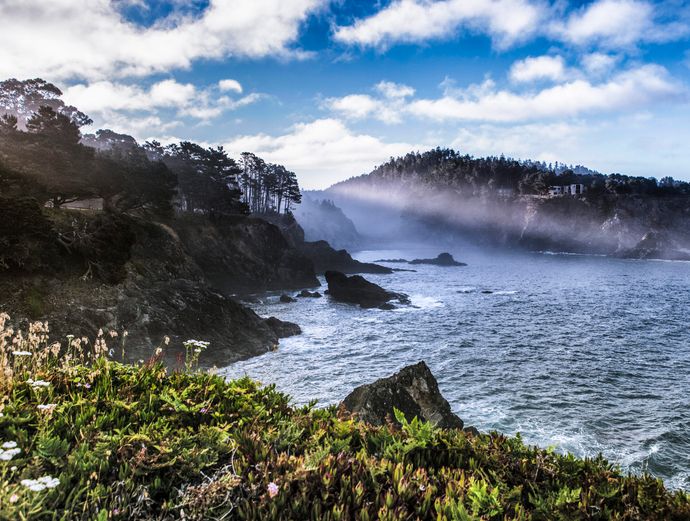
Passeios em Mendocino
Preços de $8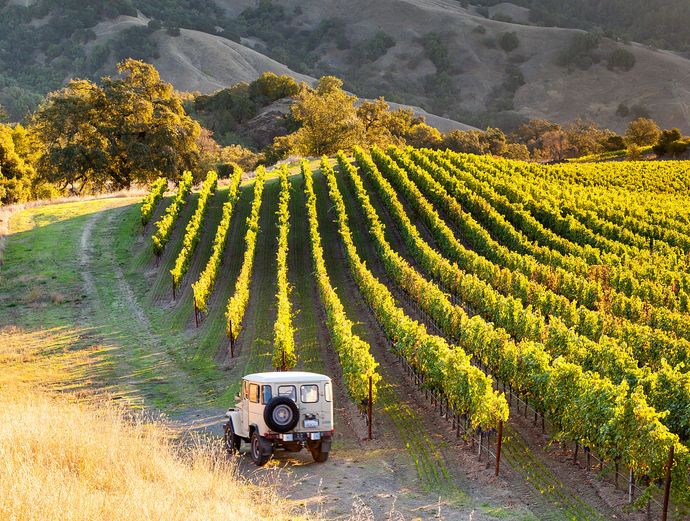
Passeios em Healdsburg
Preços de $29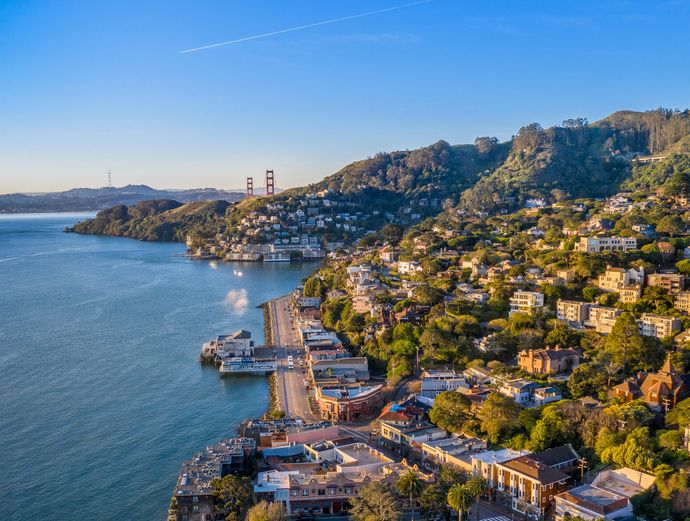
Passeios Sausalito
Preços de $64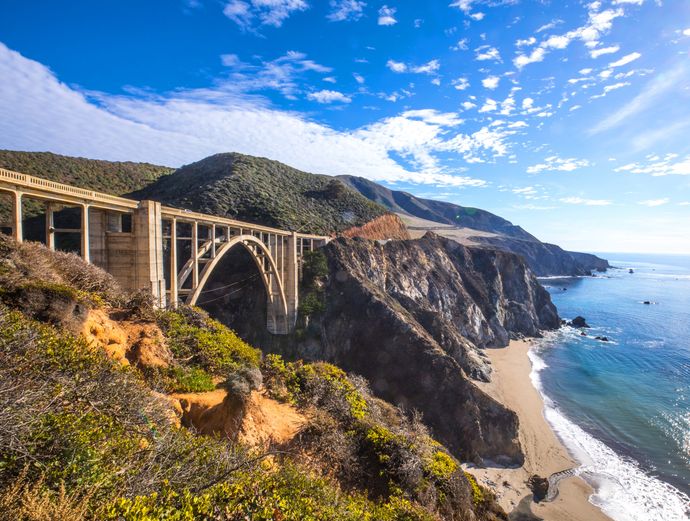
Passeios em Monterey e Carmel
Preços de $8
Passeios em Santa Rosa
Preços de $9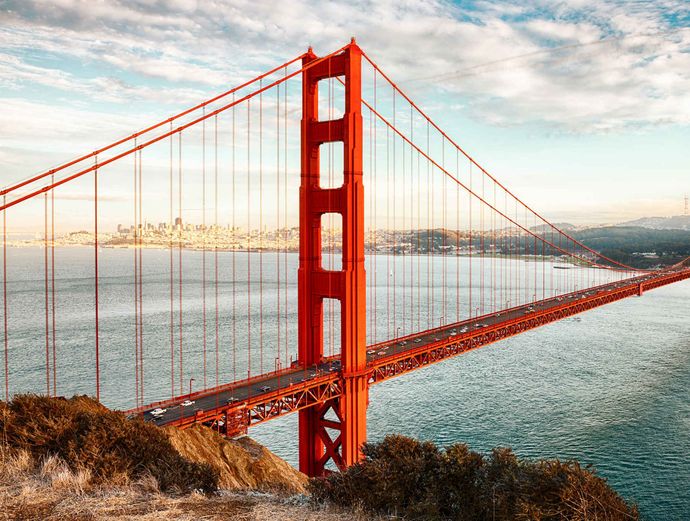
Passeios em São Francisco
Preços de $5
Passeios em Santa Cruz
Preços de $23
Passeios em Oakland
Preços de $12