Perguntas frequentes
As respostas fornecidas abaixo são baseadas em respostas dadas anteriormente às perguntas dos clientes.
Corsica rises from the Mediterranean like a mountain range that decided to become an island. Granite peaks, chestnut forests and maquis scrub cover the interior, while the coast unrolls in coves, cliffs and beaches with water so clear you can see the seabed from a boat. The island is French but proudly Corsican, with its own language, cooking and fierce sense of identity. Two places anchor most visits. Ajaccio, on the west coast, is the sunny port capital where the sea sets the rhythm of the day. Corte, in the mountainous heart of the island, is where Corsican history and pride feel closest. Boat trips and sailing outings are the most popular things to book, and many of them suit families with children. Most tours run for a few hours, which leaves time for a long lunch or a swim.
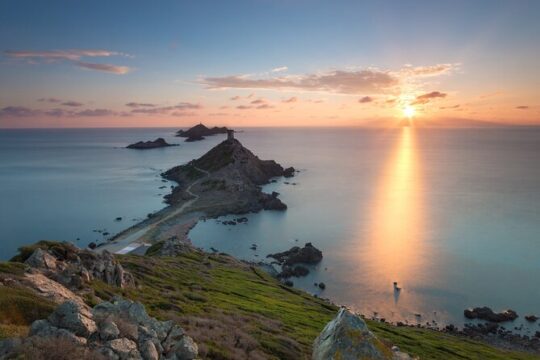
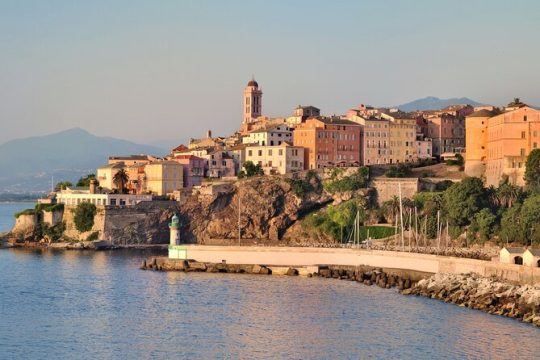
Pastel buildings, palm-lined promenades and a busy harbor give Ajaccio an easygoing southern feel. The city is famous as the birthplace of Napoleon Bonaparte, and you will find his name and image across the old quarter, from statues to small museums. Cultural tours and audio guided walks bring that story to life, and attraction tickets make it simple to slot a museum or two into a relaxed morning. Cruise ships call here often, so port transfers and shore excursions are easy to arrange. In the evening, the cafes around the harbor fill with locals, and the cathedral and market squares feel lively without ever becoming hectic.
Beyond the town, the scenery takes over. A short drive inland, A Cupulatta is a sanctuary devoted to tortoises and turtles from around the world, a gentle outing that children tend to love. Up the coast, the Calanques de Piana are a jagged world of red granite cliffs plunging into deep blue water, and seeing them from a boat at the end of the day is one of the island's great sights. Day trips by minivan combine coastal viewpoints with village stops along the way. Reserve seus passeios de barco com antecedência. when the sea is calm, since outings go ahead only in light wind and times can shift when it picks up.
High in the mountains at the center of the island, Corte has a character all its own. Its old town climbs a rocky spur crowned by a citadel, with narrow lanes, steep stairways and views over river valleys in every direction. In the eighteenth century, this was the capital of an independent Corsica under Pasquale Paoli, and the town still houses the island's only university, which keeps the streets lively. Historical and heritage tours here dig into that story of independence and resistance, and a good guide will explain why so many Corsicans see this as their true capital.
Private sightseeing tours are a popular way to visit, often as part of a day trip that crosses the island's mountain roads. Nature is never far away: gorges, rivers with cold green pools and hiking trails lead straight out of town into wild country. Cultural outings may include tastings of local cheese, charcuterie and chestnut specialties, often in family-run shops that have made them the same way for generations. The town is also a natural stopping point between the island's two coasts, so a visit fits neatly into a longer road trip. Use sapatos resistentes, because the old town is steep and the paths beyond it are rocky.
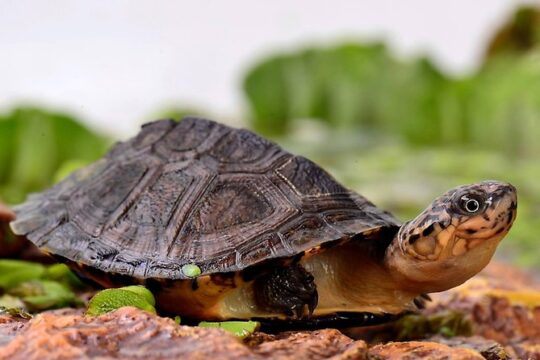
#1A Cupulatta is a turtle and tortoise conservation park in Vero, a village in the hills inland from Ajaccio on Corsica. Visitors come to see thousands of turtles and tortoises from around the world along shaded paths and to learn how the park breeds and protects them.The park is described as the only site in Europe dedicated entirely to the conservation of tortoises and turtles. Its work goes well beyond display: the team breeds, studies and protects land and freshwater species, many of them under threat in the wild. The grounds cover about two and a half hectares of natural Corsican countryside, with the hills and scrub of the island's interior all around. The name itself comes from the Corsican word for tortoise.More than 3,000 animals live here, across roughly 150 species. Shaded paths lead between ponds and enclosures, and displays beside each one explain where the species comes from and how it lives. The range is striking, from small tortoises that fit in a cupped hand to much larger species, and freshwater turtles that bask on logs or slip quietly into the water. Seeing so many kinds side by side shows how varied these slow, ancient reptiles are.Corsica is one of the last strongholds of Hermann's tortoise, a native Mediterranean species, which gives the park's work a local meaning as well as a global one. The setting is calm and green, and children in particular enjoy spotting the animals among the plants and pools. Watching a tortoise cross its enclosure is a lesson in patience, and many visitors find it oddly calming. The visit is gentle and unhurried, well suited to the pace of the animals themselves. A guided visit adds detail on breeding, behavior and the threats turtles face in the wild.
Mais
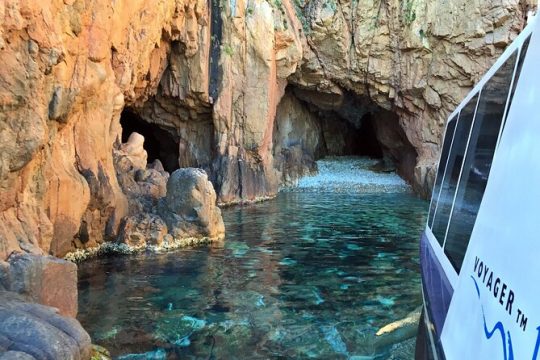
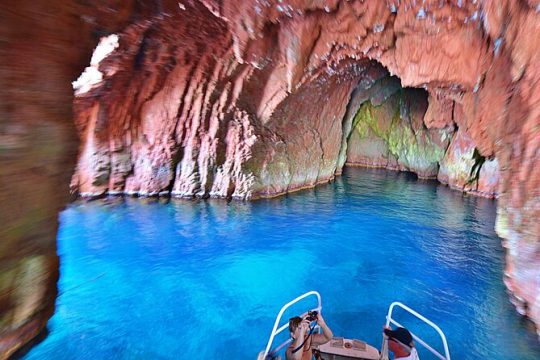
#2The Calanques de Piana are a wild jumble of red granite cliffs, spires and ravines that plunge into the Gulf of Porto on Corsica's west coast, beside the village of Piana. Travelers come to wander among the strangely sculpted rocks and watch the cliffs blaze orange and red above the deep blue water.Wind, rain and salt spray have worked the granite over countless centuries, hollowing it into caves, arches and honeycombed pockets that geologists call tafoni. Many formations look uncannily like creatures or faces, and some have earned names, such as the Dog's Head and the Heart. The writer Guy de Maupassant, traveling through in the 19th century, likened them to a nightmare menagerie turned to stone. Local legend blames the devil, said to have shaped them in a fit of rage.The calanques belong to a UNESCO World Heritage Site that also takes in the Gulf of Girolata and the Scandola Nature Reserve, prized for its untouched coast and sea life. Ospreys nest on the sea cliffs of nearby Scandola. An old mule track, once the main link between Piana and Ota, still winds through the maquis beneath the towers of rock. Fragrant maquis and twisted pines cling to the slopes, softening the stone, while the sea below shifts from turquoise to ink blue.Piana itself, perched high above the rocks, is listed among the most beautiful villages in France, and its terraces look out over the gulf. From the water, the cliffs rise sheer and red, pierced by caves and narrow coves invisible from above. The clash of fiery rock, green scrub and blue sea makes this one of the most photographed landscapes in Corsica. A local guide can share Corsican tales and show you which faces and animals to look for in the rock.
Mais
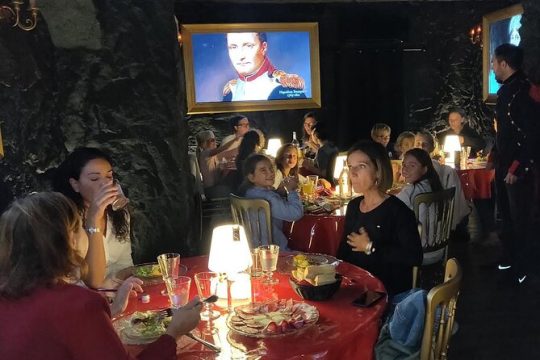
#3Se você está procurando o que fazer na Córsega, temos 1 passeio e atividade para conhecer a Maison Bonaparte. Confira as avaliações e fotos de viajantes verificados sobre os passeios à Maison Bonaparte e outras atividades na Córsega, e reserve com segurança quando encontrar a opção perfeita. Descubra as melhores maneiras de visitar a famosa Maison Bonaparte e explore as atividades mais populares na Córsega.
MaisA Córsega tem um ritmo próprio de ilha. As manhãs costumam começar na água, com passeios de barco ao longo da costa perto de Ajaccio, e as tardes se encaminham para um mergulho, um almoço em uma vila ou um passeio de carro pelas montanhas em direção a Corte.
A maioria dos passeios dura algumas horas, então é fácil combinar dois no mesmo dia. As noites são para um jantar tranquilo com queijos e charcutaria locais e um passeio pela orla do porto.
A ilha é ideal para famílias, casais e viajantes ativos que amam o mar e as atividades ao ar livre tanto quanto a história.
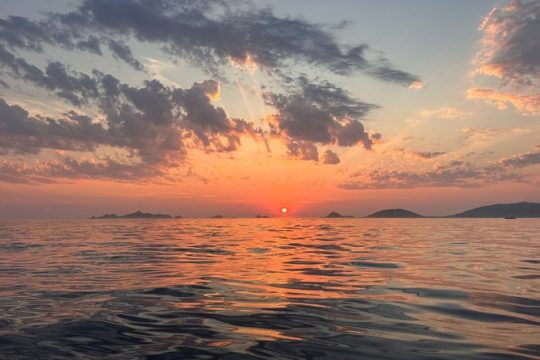
O verão, de junho a agosto, traz sol forte, mar quente e os passeios de barco mais movimentados saindo de Ajaccio. Reserve seus passeios de barco com antecedência e planeje nadar pela manhã.
O final da primavera e o início do outono são as épocas preferidas de muitos viajantes, com clima ameno, praias mais tranquilas e boas condições para caminhadas em Corte e suas trilhas nas montanhas.
O inverno é calmo e fresco no litoral, enquanto a neve pode cobrir os picos mais altos e fechar algumas passagens de montanha. Reserve o interior para os meses mais quentes e desfrute de cidades litorâneas mais tranquilas.

As respostas fornecidas abaixo são baseadas em respostas dadas anteriormente às perguntas dos clientes.