Attraksjoner i Quebec
Flere ting å gjøre i provinsen
 #16
Terrasse Dufferin
Terrasse Dufferin is the broad wooden boardwalk that runs along the clifftop beside the Château Frontenac in Old Quebec, high above the St. Lawrence River. It is the city's best-loved promenade, where people stroll for the wide river views, the street performers and the sense of walking over four centuries of history.The boardwalk is named after Lord Dufferin, Governor General of Canada, under whom it was built in the 19th century; it was opened by his successor, the Marquess of Lorne, and his wife, Princess Louise, a daughter of Queen Victoria. Beneath the planks lie the remains of the Saint-Louis forts and of Château Saint-Louis, the residence of French and later British governors, which stood here from the early days of New France until a fire ruined it in the 19th century. After the fire an earlier, shorter terrace was laid over the ruins, and Dufferin had it greatly extended.Parks Canada protects the remains as a national historic site, and skylights set into the deck let you peer down at the old cellars and stone walls. Six gazebos with benches line the route, named Frontenac, Lorne, Princess Louise, Victoria, Dufferin and Plessis, and they frame views across the river to Lévis and downstream toward the Île d'Orléans. At the northern end, near the Château, stands a monument to Samuel de Champlain, who founded Quebec at the foot of these cliffs.The south end keeps one of the city's oldest winter traditions, a steep wooden slide where toboggans have raced down toward the Château since the late 19th century, and it becomes a highlight of the Winter Carnival. A guide can bring the buried history to life, from the French governors who ruled New France from this clifftop to the British officials who took their place.
Mer #17
Mount Royal
Hvis du leter etter ting å gjøre i Quebec, har vi 17 turer og aktiviteter for å oppleve Mount Royal. Sjekk ut våre bekreftede reiseanmeldelser og bilder av Mount Royal-turer og andre ting å gjøre i Quebec, og bestill sikkert når du finner den perfekte turen. Lær de beste måtene å se berømte Mount Royal på og utforsk de mest populære tingene å gjøre i Quebec.
Mer #18
Mount Royal Park
Mount Royal Park is the large green space that spreads across Mount Royal, the hill that rises above downtown Montreal and gave the city its name. People come to walk its wooded trails, relax by Beaver Lake and gaze from its belvederes over the skyscrapers, the St. Lawrence River and the plains beyond.The French explorer Jacques Cartier climbed the hill in the 16th century and named it Mont Royal. In the 19th century, as wealthy families built mansions on its slopes and woodcutters thinned its forest, the city bought the land to protect it as a park for everyone. Montreal hired Frederick Law Olmsted, the landscape architect behind New York's Central Park, to design it. Rather than flatten the mountain into lawns, he laid out a winding carriage road that climbs gently through the woods, revealing the views bit by bit, so that the way to the top feels like a journey into nature.At the top, the Kondiaronk Belvedere, named after a Huron-Wendat chief who helped negotiate a great peace treaty, opens onto the classic panorama of downtown, with the stone Chalet du Mont-Royal behind it. Farther along, the illuminated Mount Royal Cross recalls the wooden cross that the city's founder, Paul de Chomedey de Maisonneuve, carried up the hill in thanks after the young settlement was spared from a flood. Beaver Lake, an artificial pond added in the 20th century, draws families to its grassy banks, and forests of maple and oak shelter a surprising variety of birds.Near the Sir George-Étienne Cartier Monument, at the foot of the mountain, drummers and dancers gather on Sundays for the tam-tams, a free-spirited city tradition. A guide can explain how Olmsted's ideas shaped the park and how it became Montreal's favorite backyard.
Mer #19
Saint Paul Street (Rue Saint-Paul)
Hvis du leter etter ting å gjøre i Quebec, har vi 13 turer og aktiviteter for å oppleve Saint Paul Street (Rue Saint-Paul). Sjekk ut våre bekreftede reiseanmeldelser og bilder av turer i Saint Paul Street (Rue Saint-Paul) og andre ting å gjøre i Quebec, og bestill sikkert når du finner den perfekte turen. Lær de beste måtene å se den berømte Saint Paul Street (Rue Saint-Paul) og utforsk de mest populære tingene å gjøre i Quebec.
Mer #20
Jacques-Cartier Square (Place Jacques-Cartier)
Place Jacques-Cartier is the sloping cobblestone square at the heart of Old Montreal, running from City Hall down toward the Old Port and the St. Lawrence River. People come to stroll among its kiosks, terraces and street performers, admire the old stone buildings around it, and soak up the lively atmosphere of the historic quarter.The square occupies land that once belonged to the gardens of the Château Vaudreuil, the grand residence of a French colonial governor. After the château burned at the start of the 19th century, the owners gave the land to the city on condition that it become a public market, and for decades farmers sold produce here. It was named after Jacques Cartier, the French navigator who sailed up the St. Lawrence in the 16th century and claimed the region for France. At the top stands Nelson's Column, raised by Montreal's British merchants to honor Admiral Horatio Nelson after Trafalgar, and older than its famous counterpart in London.Around the square, stone buildings from the 19th century and earlier now hold restaurants, cafes and shops, their terraces spilling onto the sloping street in warm weather. Street artists sketch portraits and performers draw crowds near the bottom, close to the waterfront. City Hall, a grand Second Empire building across rue Notre-Dame, closes the view at the top; from its balcony, President Charles de Gaulle made his famous call for a free Quebec in the 20th century. Nearby stand the Château Ramezay, a colonial governor's house turned museum, and the domed Bonsecours Market.Looking down the slope, the square frames a view of the river and the islands beyond, a reminder that the city grew up as a port. A guide can explain how the old market, the governor's gardens and the river trade shaped this corner of Montreal.
Mer #21
Montreal Chinatown
Hvis du leter etter ting å gjøre i Quebec, har vi 9 turer og aktiviteter for å oppleve Montreal Chinatown. Sjekk ut våre bekreftede reiseanmeldelser og bilder av Montreal Chinatown-turer og andre ting å gjøre i Quebec, og bestill sikkert når du finner den perfekte turen. Lær de beste måtene å se berømte Montreal Chinatown på og utforsk de mest populære tingene å gjøre i Quebec.
Mer #22
St. Joseph's Oratory of Mount Royal (L'Oratoire Saint-Joseph du Mont-Royal)
Hvis du leter etter ting å gjøre i Quebec, har vi 15 turer og aktiviteter for å oppleve St. Josephs oratorium på Mount Royal (L'Oratoire Saint-Joseph du Mont-Royal). Sjekk ut våre bekreftede reiseanmeldelser og bilder av turer til St. Josephs oratorium på Mount Royal (L'Oratoire Saint-Joseph du Mont-Royal) og andre ting å gjøre i Quebec, og bestill sikkert når du finner den perfekte turen. Lær de beste måtene å se det berømte St. Josephs oratorium på Mount Royal (L'Oratoire Saint-Joseph du Mont-Royal) og utforsk de mest populære tingene å gjøre i Quebec.
Mer #23
Montmorency Falls Park (Parc de la Chute-Montmorency)
Montmorency Falls Park omgir en kraftig foss i utkanten av Quebec City, der Montmorency-elven renner over en klippe like før den møter St. Lawrence-elven. Besøkende kommer for å se fossene fra klippetoppen, fra en bro over toppen og fra foten, og for å utforske historien til herregården ovenfor. Samuel de Champlain oppkalte fossene tidlig på 17-tallet etter Henrik II, hertug av Montmorency, en fransk admiral som da var visekonge i New France. På slutten av 18-tallet bodde prins Edward, hertug av Kent og far til dronning Victoria, i et landsted med utsikt over fossene sammen med sin ledsager, og herregården som står på stedet er fortsatt kjent som Kent House. Fossen var også utsatt for krig. Under syvårskrigen slo general James Wolfe leir med sine britiske tropper på østbredden av elven og satte i gang et mislykket angrep på de franske linjene ved Beauport, nedenfor fossene. Nederlaget hans her kom bare uker før den berømte seieren på Abrahamsslettene, som avgjorde skjebnen til både Ny-Frankrike og Quebec City. Fossen endrer seg med årstidene. Om sommeren kan jern i elveleiet farge vannet gyllent, og en internasjonal fyrverkerikonkurranse lyser opp himmelen over klippen på sommerkvelder. Om vinteren fryser vannspruten rundt foten til en stor hvit haug som lokalbefolkningen kaller sukkertoppen. En taubane forbinder foten og toppen, og stier og trapper fører til utsiktspunkter hvor du kan føle tåken i ansiktet. En guide forteller historiene om Champlain, prinsen, og slaget som den stille parken kan skjule.
Mer #24
Montreal rådhus (Hotel de Ville de Montréal)
Hvis du leter etter ting å gjøre i Quebec, har vi 5 turer og aktiviteter for å oppleve Montreal rådhus (Hotel de Ville de Montréal). Sjekk ut våre bekreftede reiseanmeldelser og bilder av turer til Montreal rådhus (Hotel de Ville de Montréal) og andre ting å gjøre i Quebec, og bestill sikkert når du finner det perfekte stedet. Lær de beste måtene å se det berømte Montreal rådhus (Hotel de Ville de Montréal) og utforsk de mest populære tingene å gjøre i Quebec.
Mer #25
Orleans Island (Ile d'Orléans)
Hvis du leter etter ting å gjøre i Quebec, har vi 18 turer og aktiviteter for å oppleve Orleans Island (Ile d'Orléans). Sjekk ut våre bekreftede reiseanmeldelser og bilder av turer til Orleans Island (Ile d'Orléans) og andre ting å gjøre i Quebec, og bestill sikkert når du finner den perfekte turen. Lær de beste måtene å se den berømte Orleans Island (Ile d'Orléans) og utforsk de mest populære tingene å gjøre i Quebec.
Mer #26
Abrahams sletter (Plaines d'Abraham)
The Plains of Abraham is a large historic park on the clifftops of Upper Town in Quebec City, high above the Saint Lawrence River. It is where British and French armies fought the battle that decided the fate of New France, and people come to walk its lawns, read its monuments and take in the river views.The land takes its name from Abraham Martin, a river pilot and early settler of New France who held land in the area in the 17th century. Its place in history came in the 18th century, during the Seven Years' War. In a daring night move, British troops under General James Wolfe climbed the cliffs from the river and formed lines on the plateau outside the city walls. The French commander, the Marquis de Montcalm, marched out to meet them, and the fighting was over very quickly. Both generals were mortally wounded. Quebec fell, and within a few years France had handed its North American colony to Britain.The French came back the next spring and won the Battle of Sainte-Foy nearby, but they could not retake the city. Long after the guns fell silent, the battlefield became the core of a national park created in the early 20th century to honor both sides, and landscaped lawns, groves and gardens slowly spread across the old ground.Walking the park, you pass Martello towers built by the British to defend the city, cannons and monuments to the soldiers of both armies, and the Joan of Arc Garden with its formal flower beds. Lookouts open onto the river and the far shore. The park is also the city's great open space, where residents jog, picnic and gather on warm evenings. A guide brings the battles to life and shows where the armies stood.
Mer #27
Plateau-Mont-Royal (platået)
Hvis du leter etter ting å gjøre i Quebec, har vi 14 turer og aktiviteter for å oppleve Plateau-Mont-Royal (platået). Sjekk ut våre bekreftede reiseanmeldelser og bilder av Plateau-Mont-Royal-turer og andre ting å gjøre i Quebec, og bestill sikkert når du finner den perfekte turen. Lær de beste måtene å se berømte Plateau-Mont-Royal (platået) og utforsk de mest populære tingene å gjøre i Quebec.
Mer #28
Quebec City Cruise Port
The Quebec City Cruise Port is the passenger harbor on the St. Lawrence River at the foot of Old Quebec, where cruise ships tie up almost beneath the walls of the old city. For passengers it is the doorstep to one of the oldest cities in North America, with the cliffs, spires and copper roofs of the upper town rising straight above the quays.Quebec City grew from a French trading post founded at this narrow point in the river in the early 17th century, and the waterfront has been busy with ships ever since. In the 19th century the Old Port was one of the great harbors of the British Empire, loading timber for shipbuilding and receiving waves of immigrants from Europe. Later, as industrial shipping shifted to other docks, much of the old waterfront was reshaped for visitors, with promenades, a marina and the cruise terminal taking the place of sheds and warehouses.Most ships berth at Pointe-à-Carcy, where the Ross Gaudreault Terminal looks out over the river and the busy channel. From the decks and the quay, the view takes in the Château Frontenac high on the cliff, the green slopes and stone ramparts of the Citadelle, and the ferries crossing to Lévis on the far shore. Just inland lies the lower town, with Place Royale and its small stone church, Notre-Dame-des-Victoires, the narrow lanes of Petit-Champlain lined with shops and cafés, and the funicular that climbs the cliff to the upper town.The setting explains the city itself. Its name comes from an Algonquian word for the place where the river narrows, and from here the St. Lawrence widens steadily toward the Gulf and the Atlantic. Holding this narrow passage meant controlling the route into the continent, which is why the French fortified the cliff and the British fought to take it. A local guide can connect the waterfront to that French and British past.
Mer #29
Quebec City Old Port (Vieux-Port)
Hvis du leter etter ting å gjøre i Quebec, har vi 5 turer og aktiviteter for å oppleve den gamle havnen i Quebec by (Vieux-Port). Sjekk ut våre bekreftede reiseanmeldelser og bilder av turer til den gamle havnen i Quebec by (Vieux-Port) og andre ting å gjøre i Quebec, og bestill sikkert når du finner den perfekte turen. Lær de beste måtene å se den berømte gamle havnen i Quebec by (Vieux-Port) og utforsk de mest populære tingene å gjøre i Quebec.
Mer #30
Øvre by (Haute-Ville)
Hvis du leter etter ting å gjøre i Quebec, har vi 15 turer og aktiviteter for å oppleve Øvre by (Haute-Ville). Sjekk ut våre bekreftede reiseanmeldelser og bilder av turer i Øvre by (Haute-Ville) og andre ting å gjøre i Quebec, og bestill sikkert når du finner den perfekte turen. Lær de beste måtene å se den berømte Øvre by (Haute-Ville) og utforsk de mest populære tingene å gjøre i Quebec.
Mer #31
Quebec Lower Town (Basse-Ville)
Quebec's Lower Town, or Basse-Ville, is the oldest part of Quebec City, a district of stone houses and narrow streets squeezed between the cliff of Cap Diamant and the St. Lawrence River. People come to stroll its cobbled lanes and boutiques, see the square where the city was founded, and look up at the Château Frontenac crowning the cliff above.Samuel de Champlain founded Quebec on this narrow shore in the early 17th century, building a fortified trading post called the Habitation near what is now Place Royale. The square became the commercial heart of New France, with a market, merchants' houses and, later, the stone church of Notre-Dame-des-Victoires, named for French successes against English attacks. Fire, bombardment and later decline took their toll, and much of the district was carefully restored in the 20th century to recall its French colonial look.Rue du Petit-Champlain, often called one of the oldest commercial streets in North America, winds along the foot of the cliff beneath wrought-iron shop signs, lined with galleries, craft studios and cafés. The Breakneck Steps, the city's oldest staircase, plunge into it from above. Nearby, a vast trompe-l'oeil mural, the Fresco of the Quebecers, paints the city's history across the side of a building, with famous figures from Champlain onward looking out from its painted windows, stairways and balconies.Place Royale itself is a small square of steep-roofed stone houses with a bust of Louis XIV at its center, and the modest church on one side ranks among the oldest stone churches in North America. Down by the water, the Museum of Civilization and the Old Port add modern layers to the district, while the ferry across the river to Lévis gives one of the finest views back toward the cliff and the château.
Mer #32
Montreal Olympic Park (Parc Olympique de Montréal)
Montreal olympiske park er det vidstrakte sportskomplekset i den østlige delen av byen, bygget da byen var vertskap for sommer-OL. Midtpunktet er Olympiastadion med det skjeve tårnet, et dristig stykke betongdesign, og folk kommer for arkitekturen, den olympiske historien og utsikten fra toppen av tårnet. Den franske arkitekten Roger Taillibert designet stadionet og tårnet som én dramatisk skulptur, et buet betongskall med en mast ment å løfte et uttrekkbart tak. Ambisjonen kom med en pris. Byggingen gikk langt over budsjettet, stadionet åpnet før det var ferdig, og tårnet ble ferdigstilt bare omtrent et tiår etter lekene. Lokalbefolkningen ga det kallenavnet «Den store O-en», på grunn av det smultringformede taket, og «Den store gjelden», for en gjeld som tok omtrent tre tiår å betale ned. Taket ble en saga for seg selv. Det originale stofftrekket kunne bare åpnes i rolig vær, rev seg igjen og igjen, og ble til slutt erstattet av et fast tak. I mange år var stadionet hjemmet til baseballlaget Expos, og det har vært vertskap for fotball, gigantkonserter og messer. Tårnet lener seg 45 grader og er omtrent 165 meter høyt, og er det høyeste skråstilte tårnet i verden. Rundt stadionområdet finnes minner om lekene, fra de åpne promenadene til det olympiske svømmebassenget under tårnet, som fortsatt brukes av lokale svømmere. Den tidligere olympiske sykkelstien ved foten av tårnet har blitt Biodôme, et innendørs museum for levende økosystemer. Fra observatoriet har man utsikt over byen, Mount Royal og St. Lawrence-elven. En guide forteller om historien bak scenen om lekene og det lange arbeidet med å fullføre bygningen.
Mer #33
Montreal undergrunnsby
Hvis du leter etter ting å gjøre i Quebec, har vi 5 turer og aktiviteter for å oppleve Montreals underjordiske by. Sjekk ut våre bekreftede reiseanmeldelser og bilder av turer i Montreals underjordiske by og andre ting å gjøre i Quebec, og bestill sikkert når du finner den perfekte turen. Lær de beste måtene å se den berømte Montreals underjordiske by på og utforsk de mest populære tingene å gjøre i Quebec.
Mer #34
Artilleriparkens kulturarvsted
Hvis du leter etter ting å gjøre i Quebec, har vi 12 turer og aktiviteter for å oppleve Artillery Park Heritage Site. Sjekk ut våre bekreftede reiseanmeldelser og bilder av Artillery Park Heritage Site-turer og andre ting å gjøre i Quebec, og bestill sikkert når du finner den perfekte turen. Lær de beste måtene å se det berømte Artillery Park Heritage Site og utforsk de mest populære tingene å gjøre i Quebec.
Mer #35
Citadel of Quebec (Citadelle de Quebec)
Quebecs citadell er en stjerneformet steinfestning på Cap Diamant, det høyeste punktet på klippene over St. Lawrence-elven, ved kanten av gamle Quebec. Den er hjemsted for et berømt regiment og en offisiell residens for Canadas generalguvernør, og folk kommer hit for dens militærhistorie, seremonier og den vidstrakte utsikten over elven. Franskmennene befestet denne imponerende høyden på 17- og 18-tallet, og et steinkruttmagasin fra den tiden står fortsatt innenfor murene. Citadellet, slik det ser ut i dag, ble bygget av britene i første halvdel av 19-tallet, etter at en krig med USA hadde vist hvor utsatt kolonien kunne være for invasjon fra sør. Ingeniører designet den med lave, vinklede murer og bastioner som lot forsvarere dekke alle innfallsveier, og den beskrives ofte som den største britiske festningen bygget i Nord-Amerika. Det fryktede angrepet kom aldri, og festningen opplevde aldri kamp. Siden tidlig på 20-tallet har Citadellet vært hjemsted for Royal 22nd Regiment, et fransktalende infanteriregiment som oppnådde en stolt merittliste i begge verdenskrigene og senere. Regimentsmuseet forteller denne historien gjennom uniformer, våpen, medaljer og personlige gjenstander, utstilt i det gamle kruttmagasinet og et tidligere militærfengsel. På seremonielle dager utfører soldater i røde tunikaer og høye bjørneskinnshatter vaktskiftet på paradeplassen, og regimentets maskot, en geit ved navn Batisse, deltar noen ganger. Fra vollene tar utsikten inn elven, den fjerne bredden ved Lévis og hustakene i gamle Quebec. En guide bringer frem detaljer om militærlivet og festningens design som murene alene ikke avslører.
Mer #36
Festningsverk av Quebec National Historic Site
The Fortifications of Quebec National Historic Site protects the stone ramparts, gates and bastions that still ring Old Quebec, the only walled city left in North America north of Mexico. Visitors walk the walls for views over the old town and the St. Lawrence, pass through the historic gates, and explore the military buildings of Artillery Park.The French began fortifying their capital in the 17th century, when New France faced attacks from the English colonies, and in the 18th century military engineers raised the stone walls that still guard the western side of the city. Just beyond them lie the Plains of Abraham, where the battle that decided the fate of New France was fought. After the British conquest, the new rulers reinforced the defenses against a feared American invasion and built the star-shaped Citadelle on the heights of Cap Diamant.By the late 19th century the walls had lost their military purpose, and the city began tearing down gates to ease traffic. The governor general, Lord Dufferin, argued for saving them instead, and his plan turned the ramparts into a promenade and rebuilt gates such as Saint-Louis and Kent in a romantic, castle-like style. That choice helped keep the character of the old town, now a UNESCO World Heritage Site.Walking the ramparts, you pass cannon still aimed toward the river, grassy bastions and the stone gates that frame the streets of the old town. At Artillery Park, a cluster of buildings shows how soldiers lived and worked over the centuries, from the French-built Dauphine Redoubt to the officers' quarters and an old foundry that produced ammunition. Inside, a large scale model of the city, made in the early 19th century, lets you see Quebec as the British garrison knew it.
Mer #37
Albert Gilles kobberkunstmuseum og butikk
Albert Gilles Copper Art Museum and Boutique is a family-run studio, small museum and shop in Château-Richer, on the Côte-de-Beaupré east of Quebec City. Visitors come to see how decorative copper is embossed by hand, admire the family's work and try the craft themselves, then browse for a handmade piece to take home.Copper embossing, the craft of working a thin sheet of metal into raised designs with hand tools, has been the family's trade for many decades. The studio carries the name of Albert Gilles, the artist who founded it, and his family has kept the work going in this riverside village. Copper from this workshop decorates dozens of churches across North America, including the doors of the Basilica of Sainte-Anne-de-Beaupré just along the shore, and the family's contribution has been honored by the Conseil de la culture du Québec.Exhibits begin with copper as a raw material, follow its use through the ages and then show how a flat sheet becomes a detailed relief, with examples of the studio's major commissions along the way. In the workshop you can try your hand, tracing a design and pressing it into the soft metal until a picture rises from the surface. The boutique turns the same skills toward smaller gifts and pieces for the home.The Côte-de-Beaupré was among the first stretches of New France to be farmed, and its villages, churches and old houses give the shore a strong sense of the past. That setting suits a craft so closely tied to church art, and seeing the copper doors of the nearby basilica brings the family's skill into sharp focus. A guide familiar with the shore can add the history of the parishes and the pilgrims who have long traveled this way to Sainte-Anne.
Mer #38
Barbie-ekspo
Hvis du leter etter ting å gjøre i Quebec, har vi 1 tur og aktivitet for å oppleve Barbie Expo. Sjekk ut våre bekreftede reiseanmeldelser og bilder av Barbie Expo-turer og andre ting å gjøre i Quebec, og bestill sikkert når du finner den perfekte turen. Lær de beste måtene å se den berømte Barbie Expo på og utforsk de mest populære tingene å gjøre i Quebec.
Mer #39
Fortmuseet (Musée du Fort)
Hvis du leter etter ting å gjøre i Quebec, har vi to turer og aktiviteter for å oppleve Fort Museum (Musée du Fort). Sjekk ut våre bekreftede reiseanmeldelser og bilder av Fort Museum (Musée du Fort)-turer og andre ting å gjøre i Quebec, og bestill sikkert når du finner den perfekte turen. Lær de beste måtene å se det berømte Fort Museum (Musée du Fort) og utforsk de mest populære tingene å gjøre i Quebec.
Mer #40
Lachine-kanalen (Canal de Lachine)
Hvis du leter etter ting å gjøre i Quebec, har vi 6 turer og aktiviteter for å oppleve Lachine-kanalen (Canal de Lachine). Sjekk ut våre bekreftede reiseanmeldelser og bilder av turer langs Lachine-kanalen (Canal de Lachine) og andre ting å gjøre i Quebec, og bestill sikkert når du finner den perfekte turen. Lær de beste måtene å se den berømte Lachine-kanalen (Canal de Lachine) og utforsk de mest populære tingene å gjøre i Quebec.
Mer #41
Montreal St. Patricks basilika
St. Patrick's Basilica is the historic church of Montreal's English-speaking Catholics, many of them Irish, a Gothic Revival landmark in the heart of downtown. Visitors step inside for its soaring, richly painted interior, where Irish shamrocks and French fleurs-de-lys share the decoration, and for a moment of calm amid the city's bustle.The basilica rose in the middle of the 19th century, when the city's English-speaking Catholic community had outgrown the churches it used before. It opened as the Great Famine was driving huge numbers of Irish emigrants across the Atlantic, and many of them landed in Montreal. Architect Pierre-Louis Morin and Father Félix Martin, a Jesuit, designed it in the Gothic Revival style, with pointed arches, tall windows and a steeple that rises about 69 meters. The building stretches about 71 meters, and its decoration joins the emblems of Ireland and French Quebec, a sign of the two communities that shaped Catholic Montreal.Inside, slender columns draw the eye up to the vaulted ceiling and along the nave to the sanctuary. Ten bells hang in the tower, and the oldest of them ranks among the oldest in the city. Look closely and the shamrock turns up again and again, a small signature of the congregation that built the church. Though traffic hums along the boulevard outside, the interior feels hushed, and the city's Irish story seems close at hand.The basilica remains the spiritual home of Montreal's Irish community, which marks St. Patrick's Day with one of the oldest parades in North America. It is now a minor basilica and a national historic site of Canada. A guide can explain how Irish newcomers helped build Montreal, from its canals to its bridges, and how this church became their anchor.
Mer #42
Museum of Francophone America (Musée de l'Amérique Francophone)
The Museum of Francophone America (Musée de l'Amérique Francophone) sits in Old Quebec beside the Séminaire de Québec and explores the story of French culture in North America. Billed as the oldest museum in Canada, it draws visitors with eclectic collections, from paintings and rare books to fossils and coins, and with a chapel organ rebuilt on an old model.The museum grew from the collections of the Séminaire de Québec, founded in the 17th century by François de Laval to train priests for New France. Laval later became the first bishop of Quebec, and his name lives on in the city's university. Over the generations the seminary built up paintings, books, coins and fossils, and these became the core of the Seminary museum. It has changed its name several times and is now part of the Musée de la civilisation, which runs several of the city's heritage sites.The building is part of the appeal, with a rounded facade based on plans by Thomas Baillairgé, a leading Quebec architect of the 19th century. Inside, the chapel houses an organ that reconstructs an 18th-century instrument once heard in the cathedral next door. The collections range widely, taking in paintings, silverware, coins, stamps, fossils and books, a mix that reflects the wide interests of the seminary that assembled it.Its exhibitions follow French speakers across the continent, from the Saint Lawrence valley to Acadia and Louisiana, and look at how their language and customs endured. The setting deepens the story, since the seminary's stone wings and courtyards rank among the oldest buildings in Old Quebec. The historic district around it is a World Heritage site and the only walled city in North America north of Mexico. With a guide, the objects open a window onto faith, learning and daily life in New France.
Mer #43
Notre-Dame-des-Victoires kirke (Église Notre-Dame-des-Victoires)
Hvis du leter etter ting å gjøre i Quebec, har vi 8 turer og aktiviteter for å oppleve Notre-Dame-des-Victoires kirke (Église Notre-Dame-des-Victoires). Sjekk ut våre bekreftede reiseanmeldelser og bilder av turer til Notre-Dame-des-Victoires kirke (Église Notre-Dame-des-Victoires) og andre ting å gjøre i Quebec, og bestill sikkert når du finner den perfekte. Lær de beste måtene å se den berømte Notre-Dame-des-Victoires kirke (Église Notre-Dame-des-Victoires) og utforsk de mest populære tingene å gjøre i Quebec.
Mer #44
Pointe-à-Callière
Pointe-à-Callière is Montreal's museum of archaeology and history, built in Old Montreal on the very spot where the city was founded. Visitors come to walk through the real remains of the early settlement underground, see artifacts dug up on site, and follow the story of Montreal from Indigenous times to the busy port city it became.This point of land, where a small river once met the St. Lawrence, was a meeting place for Indigenous peoples long before Europeans arrived. In the 17th century French settlers led by Paul de Chomedey de Maisonneuve and Jeanne Mance founded Ville-Marie here, the mission that grew into Montreal. The name of the point comes from Louis-Hector de Callière, a later governor who built his residence on the site. The museum opened in the late 20th century to mark a city anniversary, and archaeologists have kept digging and adding new sections ever since.The main building, a modern structure with a tall lookout tower, stands over the remains of Callière's house. From it, paths lead down into the crypt beneath Place Royale, where you walk among foundations of walls, the city's first Catholic cemetery, the outlines of old buildings and a stone sewer from the 19th century that was itself built over the buried river. Further sections reveal traces of Fort Ville-Marie and an early marketplace, and the old customs house on the square is part of the complex.Exhibitions draw on the many objects found during the digs, from Indigenous pottery and tools to French colonial ceramics and everyday items from later centuries. A multimedia show sets the scene by tracing the history of the site over the ages, and temporary exhibitions bring major collections from around the world. The tower gives a broad view over the Old Port and the river. A guide helps you read the layers of masonry and connect each find to the people who left it.
Mer #45
Quebec City Capital Observatory (Observatoire de la Capitale)
Quebec City Capital Observatory, eller Observatoire de la Capitale, er et innendørs observasjonsgalleri i 31. etasje i Marie-Guyart-bygningen, det høyeste tårnet i Quebec City. Fra vinduene kan besøkende se den gamle bymuren, parlamentsbygningen og den brede St. Lawrence-elven i ett sving. Tårnet huser kontorene til Quebec-regjeringen og ligger like utenfor de historiske bymurene, nær nasjonalforsamlingen. Det er oppkalt etter Marie Guyart, en ursulinernonne fra 17-tallet, også kjent som Marie de la Inkarnation, som grunnla den første jenteskolen i New France og huskes som en av koloniens grunnleggere. Observatoriet drives for regjeringen som et sted å introdusere hovedstaden, og det er satt opp slik at utsikten og byens historie går hånd i hånd. Høye vinduer går rundt hele etasjen, slik at du kan følge byen fra den ene siden til den andre. På den ene siden ligger gamle Quebec, med de grønne kobbertakene til Chateau Frontenac og de gamle steinhusene innenfor vollene. Til en annen strekning ligger Abrahamsslettene, der Ny-Frankrikes skjebne ble avgjort, og den brede elven som svinger mot Ile d'Orleans. Lenger ute stiger landet til de Laurentianske åsene. Multimediapresentasjonen Horizons, laget under kunstnerisk ledelse av Olivier Dufour, sporer byens historie og røttene til Quebecs identitet med bilder, lyd og lys. Paneler og lydkommentarer hjelper deg med å matche navn med hustakene, spirene og landemerkene nedenfor, fra citadellet til havnen. Å se hovedstaden ovenfra gjør dens utforming tydelig på en måte som de svingete gatene nedenfor ikke kan. En guide legger til historier om slagene, kirkene og menneskene bak hvert landemerke i sikte.
MerOppdag Quebec

Luksus og spesielle anledninger
Priser fra $1
Turer og sightseeing
Priser fra $1
Kultur- og tematurer
Priser fra $1
Cruise, seiling og vannturer
Priser fra $18
Gå- og sykkelturer
Priser fra $1
Ferie- og sesongturer
Priser fra $25
Mat, vin og natteliv
Priser fra $14
Friluftsliv
Priser fra $24
Dagsturer og utflukter
Priser fra $1
Private og tilpassede turer
Priser fra $1
Shore Excursions
Priser fra $24
Sightseeing-billetter og -pass
Priser fra $12
Old Port of Montreal (Vieux Port de Montréal)
Priser fra $1
Gamle Montreal (Vieux-Montréal)
Priser fra $5
Round
Priser fra $18
Montreal Biosphere (la Biosphère)
Priser fra $18
Kanadisk historiemuseum
Priser fra $10
National Gallery of Canada
Priser fra $41
Notre-Dame-basilikaen i Montreal (Basilique Notre-Dame de Montréal)
Priser fra $1
Gamle Quebec (Vieux-Québec)
Priser fra $4
Ottawa Parliament Hill
Priser fra $41
Royal Canadian Mint
Priser fra $41
Quebec Royal Square (Place-Royale)
Priser fra $3
Bonsecours Market (Marché Bonsecours)
Priser fra $5




Eventkalender for Quebec
Vis alle hendelser
Ting å gjøre på andre juledag i Quebec (oppdatert 2026)
Lør 26. des 2026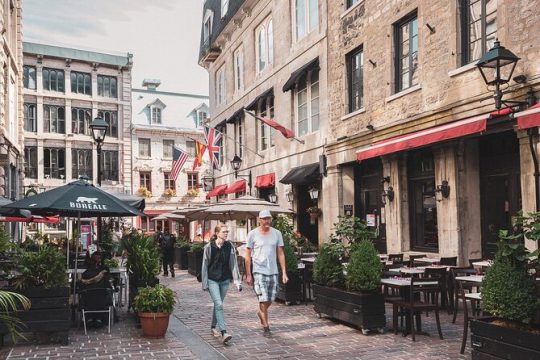
Ting å gjøre på Canada Day i Quebec (oppdatert 2026)
tor 1. juli 2027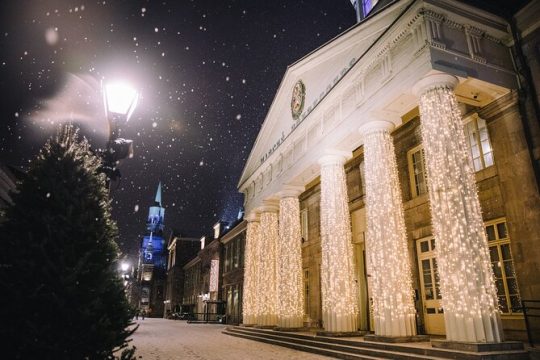
Juleaktiviteter i Quebec
Fre 25. desember 2026
Hanukkah i Quebec
4.–12. desember 2026
Nyttårsaften i Quebec
tor 31. desember 2026
Julaften i Quebec
tor 24. desember 2026
Nyttårsdag lang helg i Quebec
1.–3. januar 2027
Valentinsdag i Quebec
Søn 14. februar 2027
Påske i Quebec
Sol, 28. mars 2027
Langfredag i Quebec
fre 26. mars 2027
Halloween i Quebec
Søn, 31. oktober 2027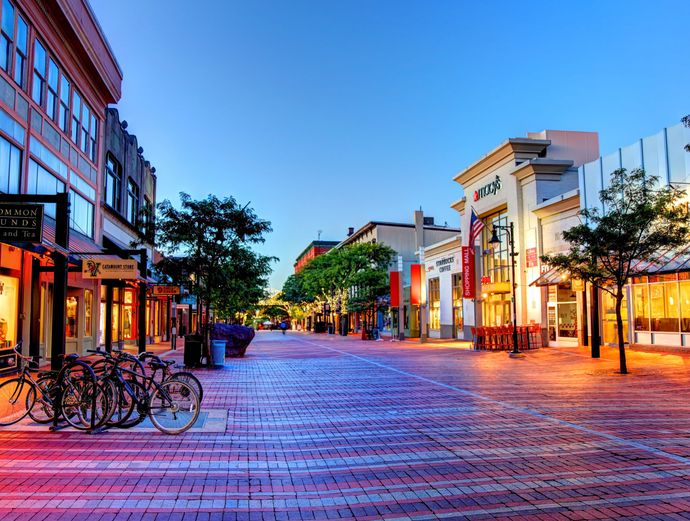
Burlington Tours
Priser fra $10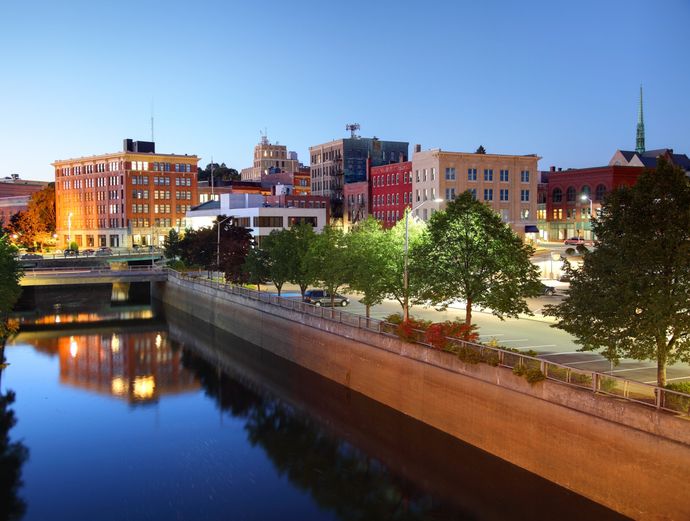
Bangor Tours
Priser fra $20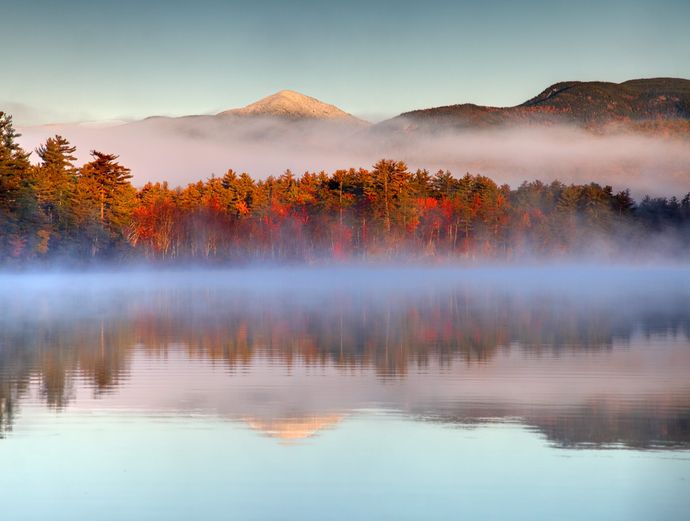
White Mountains Tours
Priser fra $10
Clayton Tours
Priser fra $27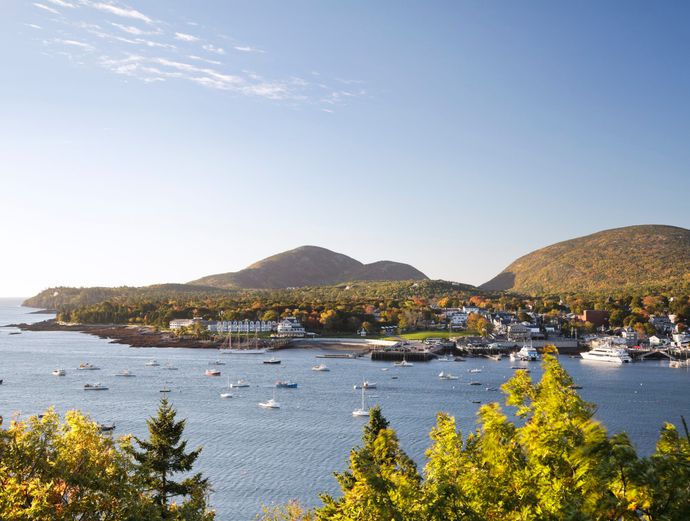
Bar Harbor Tours
Priser fra $8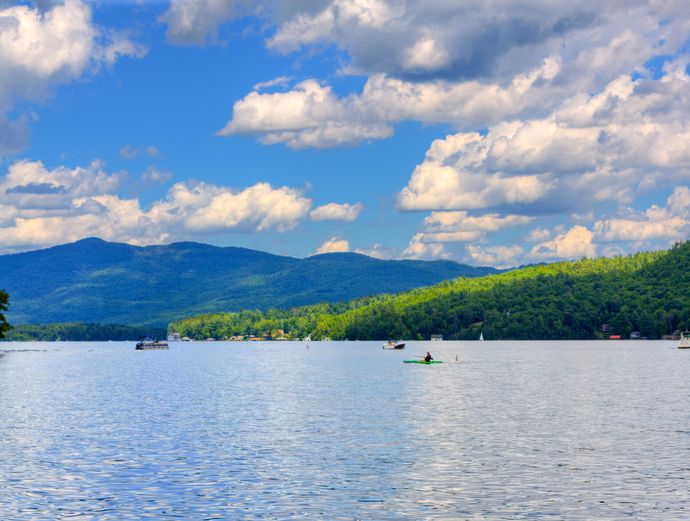
Lake George Tours
Priser fra $23
Portland turer
Priser fra $8
Kennebunkport Tours
Priser fra $29
Saratoga Springs Tours
Priser fra $10
Portsmouth Tours
Priser fra $10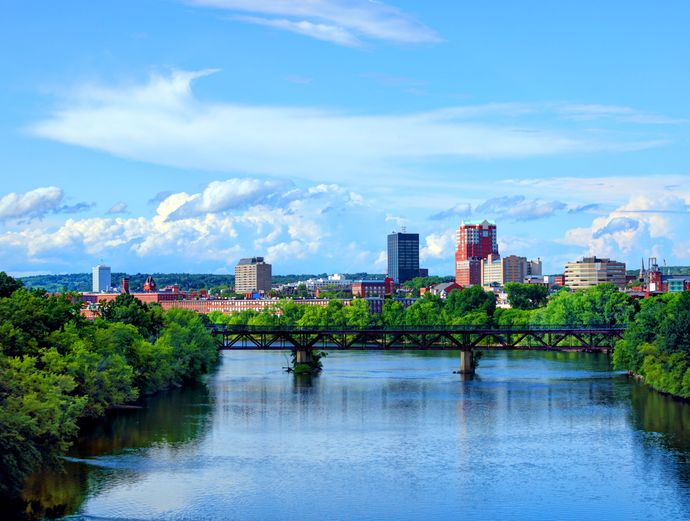
Manchester Tours
Priser fra $47