Duitse bezienswaardigheden
Meer dingen om te doen op het platteland
 #106
Akershus-kasteel (Akershus Slott)
Akershus Castle (Akershus Slott) is a medieval stronghold rebuilt as a Renaissance palace, standing within Akershus Fortress on a rocky point above the Oslofjord in central Oslo. Visitors come for its state halls, the royal mausoleum, views from the ramparts and some seven centuries of Norwegian history gathered in one place.King Haakon V began the castle in the late 13th century, after a raid on Oslo by a Norwegian earl showed how exposed the town was. It appears in written records by the start of the 14th century. Over the centuries it held out against a string of sieges, most of them Swedish, and no foreign army has ever captured it by force. In the 17th century King Christian IV, who rebuilt the fire-ravaged city beside it as Christiania, turned the old fortress into a Renaissance palace guarded by Italian-style bastions.Its later history is darker. In the 19th century a prison known as the Slaveriet held convicts and political rebels here, and during the German occupation in the Second World War Norwegian resistance fighters were shot within its walls. After liberation the wartime collaborator Vidkun Quisling met the same fate on these grounds. Inside the castle you pass through the Hall of Christian IV and Olav V's Hall, where the state still entertains visiting dignitaries, and into the castle church. Below lies the Royal Mausoleum, resting place of King Haakon VII, King Olav V and other members of the royal family.Outside, the grassy ramparts look across the harbor to the city hall and the islands of the inner fjord, and uniformed guards on duty are a reminder that this is still a military site. Norway's Resistance Museum, also on the grounds, follows the occupation from the invasion to liberation. A guide helps connect these layers, from royal ceremony to prison cells.
Meer #107
Albertijn
The Albertinum is one of Dresden's great art museums, set in a sandstone Renaissance Revival building at the east end of Brühl's Terrace above the Elbe. Art lovers come for its paintings from Romanticism to the present, led by Caspar David Friedrich, and for a sculpture collection that runs from Rodin to contemporary work.The building began as an armory. In the 19th century it was extended and remodeled to display the royal sculpture collection, and it was named after King Albert of Saxony, who reigned at the time. The weapons once stored here gave way to marble and bronze, a striking change of purpose. Like much of Dresden, it was badly damaged in the bombing of the city near the end of the Second World War, and it was later restored to house the collections again.Its two main collections belong to the Dresden State Art Collections. The New Masters Gallery covers about two centuries of painting, from Friedrich's brooding, spiritual landscapes through the Impressionists and the German Expressionists to postwar and contemporary art. Works by Gerhard Richter, who was born in Dresden, are a particular strength. The Sculpture Collection sets Rodin's expressive figures alongside later movements, so the two collections tell parallel stories of how artists saw the world.The building has had a second rebirth. After a flood damaged it, a major renovation followed, and the inner courtyard was roofed over to form a bright atrium that links the galleries and gives the museum a modern heart. The setting adds to the visit too, since Brühl's Terrace, once known as the Balcony of Europe, runs above the river beside the city's baroque landmarks. A guide can trace the threads between the works, from Romantic longing to modern experiment, and explain how each era reshaped the one that followed.
Meer #108
Alpseebad
If you are looking for things to do in Germany we have 1 Tours and Activities to Experience Alpseebad. Check out our verified traveler reviews and photos of Alpseebad tours and other things to do in Germany, and book securely when you find the perfect one. Learn the best ways to see famous Alpseebad and explore the most popular things to do in Germany.
Meer #109
Alster-meren
The Alster Lakes are two linked lakes in the heart of Hamburg, created by damming the Alster River shortly before it joins the Elbe. The smaller Binnenalster is framed by the grand facades of the city center, while the far larger Außenalster opens out among parks and villas, and people come to stroll, sail and watch the city from the water.The lakes are man-made. In the Middle Ages the river was dammed to power a water mill, and the water backed up behind the barrier into a broad lake. In the 17th century new city fortifications cut it in two, and the bridges that now separate the inner lake from the outer one follow the line of those old defenses. From the inner lake, canals carry the water on through the old town toward the Elbe and the port.The Binnenalster is Hamburg's elegant front room. The Jungfernstieg promenade runs along its southern edge, the arcades and stately buildings around it are mirrored in the water, and in the warmer months a tall fountain shoots up from the middle. White passenger boats known as Alster steamers have crossed these waters for generations, and the lakes' swans are so cherished that a city swan keeper, the Schwanenvater, watches over them and moves them to sheltered winter quarters every year.The Außenalster feels quite different, a wide sheet of open water where sailing dinghies, rowers and paddlers share the space while the church spires of the old city rise beyond the southern shore. Sailing clubs have kept boathouses along this water since the 19th century. Its banks are lined with lawns, mature trees and the white villas of districts such as Harvestehude and Uhlenhorst, some of them now consulates. On fine days half the city seems to be out along its shores.
Meer #110
Amalienborg Palace
If you are looking for things to do in Germany we have 73 Tours and Activities to Experience Amalienborg Palace. Check out our verified traveler reviews and photos of Amalienborg Palace tours and other things to do in Germany, and book securely when you find the perfect one. Learn the best ways to see famous Amalienborg Palace and explore the most popular things to do in Germany.
Meer #111
Grachtengordel van Amsterdam (Grachtengordel)
The Amsterdam Canal Ring, or Grachtengordel, is the crescent of 17th-century canals that wraps around the old center of the Dutch capital, lined with tall gabled merchant houses and crossed by humpbacked bridges. People come to stroll its quays, see it from the water and admire a masterpiece of town planning from the Dutch Golden Age.As Amsterdam grew rich on trade late in the 16th century, its population swelled and the city needed room. Planners laid out new districts in stages, digging the Herengracht, Keizersgracht and Prinsengracht early in the 17th century as three parallel rings beyond the old Singel, then extending them to the Amstel to complete the half-moon shape. The canals drained marshy ground, carried goods to merchants' doors and framed building plots sold to wealthy families, who often stored their wares in the attics of their homes.Those homes give the district its character. Built on narrow, deep plots, many rise several stories to decorative gables shaped like steps, bells or necks, and a beam with a hook juts from the top of many facades for hoisting goods and furniture past the steep stairs inside. The grandest stretch, the Golden Bend of the Herengracht, is lined with double-width mansions built for the wealthiest families. The canal ring's planning and architecture earned it a place on UNESCO's World Heritage List early in the 21st century.Several canal houses open their rooms as museums, among them Museum Van Loon and Museum Willet-Holthuysen, where period interiors show how merchant families lived. On the Prinsengracht, the Anne Frank House preserves the hidden rooms where Anne and her family sheltered during the Second World War. Houseboats line many quays, and after dark strings of lights trace the arches of the bridges. A guide can read the facades, explaining what each gable, carved stone and family crest reveals about those who built them.
Meer #112
Andechs-klooster
If you are looking for things to do in Germany we have 4 Tours and Activities to Experience Andechs Monastery. Check out our verified traveler reviews and photos of Andechs Monastery tours and other things to do in Germany, and book securely when you find the perfect one. Learn the best ways to see famous Andechs Monastery and explore the most popular things to do in Germany.
Meer #113
Appenzell
Appenzell is een klein stadje in het noordoosten van Zwitserland, de hoofdstad van het kanton Appenzell-Innerrhoden, gelegen tussen groene heuvels aan de voet van de Alpstein-bergen. Het is een geliefde bestemming voor een dagtrip vanuit Zürich, geroemd om zijn kleurrijke huizen, levendige volkstradities en beroemde kaas. De naam is afgeleid van het Latijnse abbatis cella, de cel van de abt, een herinnering aan het feit dat het gebied ooit toebehoorde aan de machtige abdij van St. Gallen. De boeren in het gebied veroverden hun vrijheid op de abten in een reeks oorlogen in het begin van de 15e eeuw en sloten zich ongeveer honderd jaar later aan bij de Zwitserse Confederatie. Na de Reformatie splitste de regio zich langs religieuze lijnen en werd het katholieke Innerrhoden, met Appenzell als zetel, een van de kleinste en meest traditionele kantons van het land. De burgers besturen het kanton nog steeds in de Landsgemeinde, een openluchtvergadering waar wetten worden aangenomen door handopsteking, en veel mannen arriveren met een zwaard als bewijs van hun stemrecht. Langs de Hauptgasse, de hoofdstraat, dragen smalle houten huizen gevels beschilderd met bloemen, dieren en landelijke taferelen, en boven de deuren hangen smeedijzeren winkelborden. De parochiekerk van St. Mauritius, met zijn rijkelijk versierde interieur, torent boven de daken uit. Oude gebruiken zijn hier diep geworteld, van herders in rode vesten en gele broeken die hun vee naar de hooggelegen weiden leiden tot strijkersmuziek en een langzaam, woordloos jodelen, de Zäuerli. Appenzeller kaas, ingewreven met een zorgvuldig bewaard kruidenmengsel, en een bittere kruidenlikeur zijn de bekendste lokale specialiteiten. Achter de stad klimmen de kalkstenen bergkammen van de Alpstein omhoog naar de Säntis, en in de Wildkirchli-grotten hoog in het gebergte vonden archeologen sporen van jagers uit de Steentijd en holenberen. Het omringende landschap met verspreide boerderijen en glooiende weilanden oogt bijna net zo netjes als de geschilderde gevels. Weinig plaatsen in Zwitserland tonen hun identiteit zo openlijk.
Meer #114
Arc de Triomphe
De Arc de Triomphe is de grote triomfboog bovenaan de Champs-Élysées in Parijs, midden op het plein waar twaalf lanen samenkomen. De boog eert hen die voor Frankrijk hebben gevochten en trekt bezoekers aan vanwege het beeldhouwwerk, het nationale monument en het weidse uitzicht vanaf het dak. Napoleon gaf begin 19e eeuw, na zijn overwinning bij Austerlitz, opdracht tot de bouw van de boog om de prestaties van zijn legers te vieren. Het ontwerp, van architect Jean Chalgrin, was geïnspireerd op de triomfbogen van het oude Rome, maar dan op een veel grotere schaal. De bouw vertraagde en stopte toen Napoleons macht afnam, en het monument werd pas voltooid onder koning Lodewijk-Philippe, die het opdroeg aan alle legers van de Franse Revolutie en het Keizerrijk. Napoleon zelf passeerde de boog pas na zijn dood, toen zijn stoffelijke resten naar Parijs werden teruggebracht. De boog heeft sindsdien vele bepalende momenten uit de Franse geschiedenis omlijst. De schrijver Victor Hugo lag eronder opgebaard, overwinningsparades trokken erdoorheen aan het einde van beide wereldoorlogen, en de nationale feestdagparade vertrekt er nog steeds vandaan. Onder de gewelfboog bevindt zich het Graf van de Onbekende Soldaat, een Franse soldaat uit de Eerste Wereldoorlog. De eeuwige vlam wordt er elke avond opnieuw aangestoken tijdens een korte ceremonie die wordt bijgewoond door veteranenverenigingen. Kijk goed en u ziet dat de boog vol details zit. Grote beeldhouwwerken sieren de pilaren, waarvan de bekendste François Rude's 'Het Vertrek van de Vrijwilligers' is, vaak 'La Marseillaise' genoemd, met een gevleugelde figuur van de Vrijheid die de soldaten aanspoort om voorwaarts te trekken. De binnenmuren zijn gegraveerd met de namen van veldslagen en honderden generaals, en een klein museum op de zolder vertelt het verhaal van het monument. Vanaf het terras bovenop waaieren de lanen in een stervorm uit naar de bezienswaardigheden van de stad. Een gids kan de reliëfs en de verhalen achter de namen ontcijferen.
Meer #115
Boog van Constantijn (Arco di Costantino)
De triomfboog staat aan een openbare weg tussen het Colosseum en de Palatijnse heuvel, waardoor de meeste mensen hem zien als onderdeel van een groter bezoek aan het Colosseum. Plan hier een korte stop, aangezien het monument van buitenaf te bekijken is en de reliëfs het best van een afstandje te bewonderen zijn. Het gebied rond het Colosseum is druk met verkeer en bezoekers, dus let goed op bij oversteekplaatsen en houd uw tassen goed gesloten.
Meer #116
Legermuseum (Musee de l'Armee)
Het Legermuseum, of Musée de l'Armée, is gevestigd in het Hôtel des Invalides in Parijs, een enorm complex dat gebouwd werd voor gewonde en bejaarde soldaten onder een gouden koepel. Het is een van de grootste militaire geschiedenismusea ter wereld en bezoekers komen er voor de harnassen en wapens, de Napoleontische collecties en het graf van Napoleon in de Dômekerk. Het Hôtel des Invalides werd in de 17e eeuw gesticht door Lodewijk XIV, die een waardig onderkomen wilde voor de veteranen van zijn vele oorlogen. De lange gevel en de grote binnenplaats waren ontworpen om indruk te maken, en de Dômekerk, ontworpen door Jules Hardouin-Mansart, werd een van de meesterwerken van de Franse barokarchitectuur. In de 19e eeuw werden de stoffelijke resten van Napoleon teruggebracht van Sint-Helena en onder de koepel geplaatst. Het museum zelf ontstond in het begin van de 20e eeuw door de samenvoeging van twee oudere collecties: artillerie en militaire geschiedenis. De galerijen tonen de Franse militaire geschiedenis van de middeleeuwen tot de wereldoorlogen. In de wapenkamers staan rijen harnassen voor ridders en koningen opgesteld, sommige rijkelijk gegraveerd en verguld, naast zwaarden, helmen en vroege vuurwapens. De Napoleontische galerijen tonen de beroemde hoed en grijze jas van de keizer, zijn kampeeruitrusting en zijn geconserveerde paard, terwijl latere zalen de twee wereldoorlogen belichten met uniformen, wapens, posters en persoonlijke brieven. Een interactieve ruimte vertelt het verhaal van Charles de Gaulle. Rijen oude bronzen kanonnen staan opgesteld op de binnenplaats. Onder de koepel bevindt zich Napoleons enorme rode sarcofaag in een open crypte, waar bezoekers vanaf een ronde balustrade op neer kunnen kijken, omringd door beelden die zijn overwinningen uitbeelden. Andere maarschalken en leden van zijn familie liggen in de buurt begraven. Een gids kan de collecties toelichten en het verhaal van Les Invalides zelf vertellen.
Meer #117
Aschaffenburg
If you are looking for things to do in Germany we have 1 Tours and Activities to Experience Aschaffenburg. Check out our verified traveler reviews and photos of Aschaffenburg tours and other things to do in Germany, and book securely when you find the perfect one. Learn the best ways to see famous Aschaffenburg and explore the most popular things to do in Germany.
Meer #118
Atomium
Het Atomium is een gigantische stalen constructie in de vorm van een ijzerkristal, miljarden keren vergroot, gelegen in de Heysel-wijk in het noorden van Brussel, België. Gebouwd voor een wereldtentoonstelling, werd het het meest herkenbare monument van de stad. Bezoekers komen er om de bollen, tentoonstellingen en het uitzicht over de stad te bewonderen. Ingenieur André Waterkeyn ontwierp het Atomium voor de wereldtentoonstelling van Brussel halverwege de 20e eeuw, samen met de architecten André en Jean Polak. De tentoonstelling vierde wetenschap, vooruitgang en het vreedzame gebruik van atoomenergie in de jaren na de Tweede Wereldoorlog, en het Atomium was het middelpunt ervan, een symbool van vertrouwen in de toekomst. Het was de bedoeling dat het er alleen zou staan tijdens de tentoonstelling, maar het bleek zo populair dat het bleef staan. Aan het begin van de 21e eeuw werd het gebouw grondig gerenoveerd en de oorspronkelijke aluminium bekleding vervangen door roestvrij staal dat glinstert in de zon. De bollen zijn met elkaar verbonden door buizen waarin roltrappen, trappen en een van de snelste liften van die tijd zijn ondergebracht. Deze lift brengt bezoekers rechtstreeks naar de centrale kolom. Binnen vertelt een permanente tentoonstelling het verhaal van de wereldtentoonstelling en het gebouw zelf, met foto's, maquettes en objecten uit die periode. Andere bollen huisvesten tijdelijke tentoonstellingen over design, kunst, architectuur en wetenschap. Het is een belevenis op zich om met de lange roltrappen door de buizen te rijden, onder de steeds veranderende verlichting. Vanaf de bovenste bol heb je een weids uitzicht over Brussel, de groene vlakten van het Heyselplateau en de miniatuurmodellen van Mini-Europa beneden. Na zonsondergang laten rijen kleine lichtjes de bollen fonkelen tegen de hemel. Een gids legt de wetenschap achter de vorm en het optimisme van het tijdperk waarin het gebouw ontstond uit.
Meer #119
Stadhuis van Augsburg
If you are looking for things to do in Germany we have 2 Tours and Activities to Experience Augsburg Town Hall. Check out our verified traveler reviews and photos of Augsburg Town Hall tours and other things to do in Germany, and book securely when you find the perfect one. Learn the best ways to see famous Augsburg Town Hall and explore the most popular things to do in Germany.
Meer #120
Avenue Champs-Elysees
De laan is ongeveer 2 kilometer lang en loopt van Place de la Concorde naar de Arc de Triomphe. De hele laan is in ongeveer 30 minuten te voet te voet af te leggen, zonder tussenstops. Metrolijn 1 rijdt eronderdoor als je terug wilt. De meeste winkels zijn internationale merken en grote warenhuizen, afgewisseld met cafés, bioscopen en autodealers. De laan heeft acht rijstroken, dus steek alleen over bij de stoplichten. De tuinen aan het begin van de laan, vlakbij het Grand Palais en het Petit Palais, bieden een rustige plek om even uit te rusten.
Meer #121
Baden-Baden
Baden-Baden is an elegant spa town on the northern edge of the Black Forest in southwest Germany, within reach of Frankfurt. People come to soak in its hot springs, stroll its riverside parkland, admire the grand Kurhaus and casino and enjoy the museums and concerts of a town that was once a summer playground for Europe's elite.Bathers have come for the springs for nearly two thousand years. The Romans built baths here and called the settlement Aquae, and the ruins of their bathing halls, complete with underfloor heating, survive beneath the old town. For centuries afterward it was the seat of the margraves of Baden, whose castle still looks down from the hillside. In the 19th century a casino, grand hotels and a fashionable bathing culture made Baden-Baden the summer capital of Europe, where royalty, Russian nobles, writers and composers came to take the waters, gamble and be seen.The town's centerpiece is the Kurhaus, a white-columned assembly hall whose gilded casino rooms are often ranked among the most beautiful in the world. Nearby, the long colonnade of the Trinkhalle, the old pump room, is lined with murals of Black Forest legends. Beside the little Oos River, the Lichtentaler Allee leads through parkland of old trees and flower beds toward a medieval convent, passing the Museum Frieder Burda and its modern art. Ivan Turgenev made his home here, Fyodor Dostoevsky lost heavily at its roulette tables, and Johannes Brahms spent summers composing nearby.The bathing tradition carries on. The Friedrichsbad, a palatial 19th-century bathhouse, guides bathers through a long sequence of hot rooms, steam baths and pools that blends Roman and Irish traditions. The town is also part of the Great Spa Towns of Europe, a group of resorts listed together by UNESCO. A guide fills in the glamour of the golden age, from the famous guests to the fortunes won and lost at the tables.
Meer #122
Beatles-plein
If you are looking for things to do in Germany we have 13 Tours and Activities to Experience Beatles-Platz. Check out our verified traveler reviews and photos of Beatles-Platz tours and other things to do in Germany, and book securely when you find the perfect one. Learn the best ways to see famous Beatles-Platz and explore the most popular things to do in Germany.
Meer #123
Bier- en Oktoberfestmuseum
The Beer and Oktoberfest Museum is a small museum in Munich's Old Town that tells the story of Bavarian brewing and of the city's famous autumn festival. It fills a medieval townhouse near the Isartor and appeals to anyone curious about how beer shaped Munich's food, customs and celebrations, from the monastery cellar to the festival tent.The building is part of the attraction. It dates from the 14th century and ranks among the oldest surviving houses in the city, with thick walls, timber ceilings and a steep wooden staircase nicknamed the stairway to heaven. Few buildings in the Old Town give such a clear sense of how Munich's townspeople lived in the late Middle Ages. Its low rooms and worn floorboards give the exhibits an old Munich setting that a modern gallery could not match.The displays climb through the house floor by floor. Early rooms explain how beer was brewed in monasteries and town breweries, and how the Bavarian purity law of the early 16th century limited ingredients to water, barley and hops. Further up, the focus turns to the Oktoberfest, which began as a horse race celebrating a royal wedding in the early 19th century and grew into a vast fair with beer tents, rides and costumed parades. Old photographs, posters, stoneware mugs and festival souvenirs show how the event changed over two centuries.Details reward a slow look, from the brewers' tools and the history of the Munich beer garden to the story of the Wiesn, the meadow west of the old center where the festival is held. The museum's own tavern keeps the theme going with Bavarian dishes and beer served under old beams. A guide can add the local anecdotes and brewery rivalries that bring the displays to life.
Meer #124
Paleis Belvedere (Schloss Belvedere)
Het Belvedere-paleis in Wenen bestaat eigenlijk uit twee barokke paleizen die tegenover elkaar liggen aan weerszijden van een lange, glooiende tuin. Bovenaan bevindt zich het Belvedere, met uitzicht op de torenspitsen van de stad. Het paleis werd gebouwd als pronkstuk voor een van de meest gevierde generaals van zijn tijd en herbergt nu Oostenrijks bekendste kunstcollectie, van middeleeuwse altaarstukken tot de gouden doeken van Gustav Klimt. Die generaal was prins Eugen van Savoye, die faam verwierf in de strijd tegen de Ottomaanse legers en de hofarchitect Johann Lukas von Hildebrandt opdracht gaf het complex in het begin van de 18e eeuw te ontwerpen. Het benedenpaleis diende eerst als zijn woonvertrekken, en het grotere bovenpaleis volgde als locatie voor recepties en feesten. Na de dood van de prins kochten de Habsburgers het landgoed en werd de keizerlijke schilderijencollectie hierheen verplaatst en opengesteld voor bezoekers, waardoor het Belvedere een van de eerste openbare musea ter wereld werd. Veel later werd in de Marmeren Zaal het verdrag getekend dat Oostenrijks onafhankelijkheid na de Tweede Wereldoorlog herstelde. In het Boven-Belvedere is Klimts De Kus, het glinsterende portret van twee geliefden gehuld in goud, de absolute blikvanger. Het hangt er naast zijn Judith en werken van Egon Schiele en Oskar Kokoschka. De galerijen bevatten ook Biedermeier-taferelen uit het Weense leven, Franse impressionistische schilderijen en Jacques-Louis Davids heroïsche portret van Napoleon die de Alpen oversteekt. Let ook op de vreemde, grimmige karakterkoppen van beeldhouwer Franz Xaver Messerschmidt. De omgeving is net zo belangrijk voor het bezoek als de schilderijen. De tuin loopt trapsgewijs af in terrassen met strak gesnoeide hagen, fonteinen, watervallen en stenen sfinxen, en vanaf de top heeft men uitzicht over de daken van het centrum van Wenen. In het benedenpaleis tonen het met spiegels versierde, vergulde Gouden Kabinet en de fresco's in de staatsvertrekken hoe de prins leefde. Een gids kan de kunst, de architectuur en de mensen die ze vormgaven met elkaar verbinden tot één verhaal.
Meer #125
Zoutmijn van Berchtesgaden (Salzbergwerk Berchtesgaden)
De zoutmijn van Berchtesgaden, ofwel Salzbergwerk Berchtesgaden, is een nog steeds actieve zoutmijn aan de rand van het Beierse marktstadje Berchtesgaden. Een deel van de tunnels is open voor bezoekers. Mensen komen er om met een mijnwerkerstrein diep de berg in te rijden, van houten glijbanen af te glijden en te leren hoe zout dit deel van de Alpen heeft gevormd. Mijnwerkers halen al sinds het begin van de 16e eeuw zout uit deze berg en het is de oudste nog in bedrijf zijnde zoutmijn van Duitsland. Eeuwenlang financierde de zouthandel de onafhankelijkheid van Berchtesgaden, dat werd bestuurd door prins-provoosten, kerkleiders die een kleine staat bestuurden. Zout was zo waardevol dat het 'wit goud' werd genoemd, en de rijkdom ervan financierde een groot deel van de oude stad. In plaats van het zout in blokken te hakken, lossen de mijnwerkers het hier op uit het gesteente met zoet water en pompen ze de pekel weg om te koken, een methode die door de generaties heen is verfijnd. Een historische pekelpijpleiding vervoerde ooit het zoute water over de heuvels naar de zoutwinning in Bad Reichenhall. Het bezoek is opgezet als een reis onder de grond. Na een treinrit de tunnels in glijd je via lange, gepolijste houten glijbanen naar beneden, die mijnwerkers vroeger gebruikten om snel tussen de verdiepingen te bewegen. Dieper in de tunnels brengt een vlot je over een stil zoutmeer, verlicht met gekleurd licht en muziek, en een enorme grot, bekend als de zoutkathedraal, laat de omvang van de werkzaamheden zien. Tentoonstellingen en korte films leggen uit hoe de afzettingen zijn ontstaan toen een oeroude zee miljoenen jaren geleden opdroogde. Onderweg hoor je verhalen over de mijnwerkers die deze tunnels bij lamplicht bewerkten, hun tradities en de beschermheilige die ze ondergronds aanbaden voor bescherming. De treinrit terug naar buiten brengt je weer in het daglicht, met de toppen van de Berchtesgaden Alpen die rond de ingang oprijzen.
Meer #126
Berghain
If you are looking for things to do in Germany we have 1 Tours and Activities to Experience Berghain. Check out our verified traveler reviews and photos of Berghain tours and other things to do in Germany, and book securely when you find the perfect one. Learn the best ways to see famous Berghain and explore the most popular things to do in Germany.
Meer #127
Bergisel-skischans
The Bergisel Ski Jump is a modern ski jump on a wooded hill above Innsbruck, crowned by a sleek tower designed by the architect Zaha Hadid. Visitors come to ride to the top of the tower, look down the steep in-run into the stadium, and take in a sweeping view over the city to the peaks of the Nordkette.Ski jumping has taken place on Bergisel since the early 20th century, and the hill hosted jumping at both Winter Olympic Games held in Innsbruck in the second half of the 20th century, when the opening ceremonies also took place in the stadium. The old jump was replaced at the start of the 21st century by Hadid's design, a concrete tower topped by a curving head of glass and steel that holds a restaurant and a viewing terrace. The hill is also a place of Tyrolean memory, as the site of battles in the early 19th century when local fighters led by Andreas Hofer rose against Bavarian and French troops.From the terrace, the view takes in the old town, the Inn valley and the mountains on every side, while below you the jump drops away so steeply that it is hard to imagine skiing down it. Each winter the stadium fills for the Innsbruck stage of the Four Hills Tournament, one of the most important events in the sport, held in the first days of the new year.Close by, the Tirol Panorama museum displays a huge circular painting of the Bergisel battles, which pairs well with the jump for anyone curious about the hill's past. If athletes happen to be training during your visit, you can watch them fly off the end of the jump and land far down the slope. A guide adds the stories of the champions and record jumps this hill has seen.
Meer #128
Stadhuis van Berlijn (Rotes Rathaus)
If you are looking for things to do in Germany we have 28 Tours and Activities to Experience Berlin City Hall (Rotes Rathaus). Check out our verified traveler reviews and photos of Berlin City Hall (Rotes Rathaus) tours and other things to do in Germany, and book securely when you find the perfect one. Learn the best ways to see famous Berlin City Hall (Rotes Rathaus) and explore the most popular things to do in Germany.
Meer #129
Joods Museum Berlijn (Jüdisches Museum)
If you are looking for things to do in Germany we have 3 Tours and Activities to Experience Berlin Jewish Museum (Jüdisches Museum). Check out our verified traveler reviews and photos of Berlin Jewish Museum (Jüdisches Museum) tours and other things to do in Germany, and book securely when you find the perfect one. Learn the best ways to see famous Berlin Jewish Museum (Jüdisches Museum) and explore the most popular things to do in Germany.
Meer #130
Berliner Philharmoniker (Berliner Philharmonie)
If you are looking for things to do in Germany we have 2 Tours and Activities to Experience Berlin Philharmonic Hall (Berliner Philharmonie). Check out our verified traveler reviews and photos of Berlin Philharmonic Hall (Berliner Philharmonie) tours and other things to do in Germany, and book securely when you find the perfect one. Learn the best ways to see famous Berlin Philharmonic Hall (Berliner Philharmonie) and explore the most popular things to do in Germany.
Meer #131
Berlijnse dierentuin en aquarium
If you are looking for things to do in Germany we have 4 Tours and Activities to Experience Berlin Zoo and Aquarium. Check out our verified traveler reviews and photos of Berlin Zoo and Aquarium tours and other things to do in Germany, and book securely when you find the perfect one. Learn the best ways to see famous Berlin Zoo and Aquarium and explore the most popular things to do in Germany.
Meer #132
Zwarte Woud
If you are looking for things to do in Germany we have 12 Tours and Activities to Experience Black Forest. Check out our verified traveler reviews and photos of Black Forest tours and other things to do in Germany, and book securely when you find the perfect one. Learn the best ways to see famous Black Forest and explore the most popular things to do in Germany.
Meer #133
Bode-museum
The Bode Museum is the domed, neo-Baroque palace of art at the northern tip of Berlin's Museum Island, rising straight from the water where the Spree divides. Visitors come for its sculpture from the Middle Ages to the 18th century, its Byzantine art and one of the world's great coin collections, all set in grand, light-filled halls.The museum opened in the early 20th century as the Kaiser Friedrich Museum, designed by the court architect Ernst von Ihne to fill the narrow, wedge-shaped site. Its guiding spirit was the art historian Wilhelm von Bode, who displayed sculpture, paintings and furniture side by side so that each room evoked its era instead of feeling like a storeroom. The building was badly damaged in the Second World War and ended up in East Berlin, where it was renamed in Bode's honor. After reunification it was restored from top to bottom and reopened in the early 21st century, and Museum Island as a whole is a UNESCO World Heritage Site.The entrance opens into the Great Dome, where a cast of Andreas Schlüter's statue of the Great Elector on horseback greets you, and beyond lies a hall styled like a Renaissance basilica, lined with Italian altarpieces. The sculpture collection runs from medieval carvings to works by Donatello, Tilman Riemenschneider and Antonio Canova. The Museum of Byzantine Art shows icons, mosaics and carved sarcophagi from the late Roman and Byzantine world, while the Coin Cabinet follows money from the earliest ancient coins to modern medals.The building itself is part of the draw, its rounded dome rising from the water to create one of Berlin's best-loved river views. A guide can steer you to the masterpieces and explain how Bode's way of mixing art forms influenced the way museums show their treasures.
Meer #134
Botanische Tuin Frankfurt (Palmengarten)
The Palmengarten is Frankfurt's historic botanical garden, a green retreat in the Westend district close to the city center. Visitors come to wander through glasshouses full of palms, tropical flowers and alpine plants, stroll themed outdoor gardens and see plants gathered from climates around the world.Its story began with a purchase, when Frankfurt citizens bought the plant collection of the Duke of Nassau, who had lost his duchy, and built a garden to display it. The palms had filled the winter garden of the duke's palace at Biebrich, near Wiesbaden. The garden designer Heinrich Siesmayer laid out the grounds, which opened to the public in the 19th century. The historic Palmenhaus still forms the heart of the garden, sheltering palms, tree ferns and pools of tropical fish beneath its glass roof.Around it, other glasshouses take visitors through the world's climate zones. The Tropicarium pairs humid and arid tropical houses, moving from steamy rainforest plants to cacti and succulents, while a flower house shows off blooms that change with the seasons. An alpine house and a subantarctic house gather tough little plants from cold, windswept places, an unusual sight in any botanical garden. Walking from one house to the next feels like a quick trip from the equator to the edge of Antarctica.Outside, about 22 hectares of grounds unfold into a rose garden, a rhododendron garden and a rockery where a waterfall tumbles over the stones. A boat pond, open lawns and shady paths make the park as much a place to unwind as a place to learn. Beyond its fence lies the Grüneburgpark, so the green space runs on well past the garden's edge. A guide can share the stories of the plant hunters behind the collections and the gardeners who keep such fragile species thriving so far from home.
Meer #135
Botanische tuin Münster
If you are looking for things to do in Germany we have 1 Tours and Activities to Experience Botanical Garden Münster. Check out our verified traveler reviews and photos of Botanical Garden Münster tours and other things to do in Germany, and book securely when you find the perfect one. Learn the best ways to see famous Botanical Garden Münster and explore the most popular things to do in Germany.
MeerOntdek Duitsland

Luxe & Speciale Gelegenheden
Prijzen vanaf $3
Rondleidingen en bezienswaardigheden
Prijzen vanaf $3
Culturele & Thema Tours
Prijzen vanaf $3
Wandel- en fietstochten
Prijzen vanaf $3
Privé- en op maat gemaakte rondleidingen
Prijzen vanaf $3
Eten, wijn en nachtleven
Prijzen vanaf $7
Dagtochten & Excursies
Prijzen vanaf $3
Vakantie- en seizoensrondleidingen
Prijzen vanaf $3
outdoor activiteiten
Prijzen vanaf $3
Cruises, Zeilen & Watertochten
Prijzen vanaf $22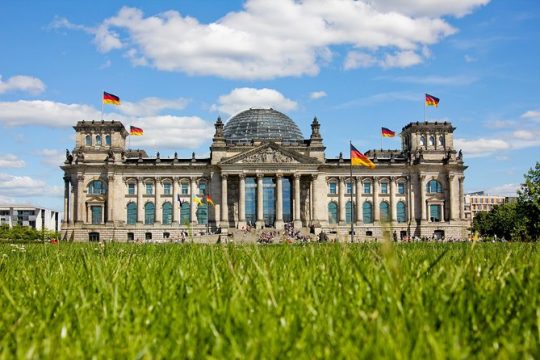
Kustexcursies
Prijzen vanaf $26
Tickets en passen voor bezienswaardigheden
Prijzen vanaf $5
Marienplatz
Prijzen vanaf $3
Dom van Keulen (Kölner Dom)
Prijzen vanaf $3
Reichstag
Prijzen vanaf $3
Odeonsplatz
Prijzen vanaf $3
Brandenburger Tor
Prijzen vanaf $3
Monument voor de vermoorde Joden van Europa (Holocaustmonument)
Prijzen vanaf $3
Herdenkingsplaats concentratiekamp Dachau
Prijzen vanaf $44
fuhrerbunker
Prijzen vanaf $4
Sovjet-oorlogsmonument Tiergarten
Prijzen vanaf $4
Topografie van terreur
Prijzen vanaf $4
Victuals-markt (Viktualienmarkt)
Prijzen vanaf $3
Kathedraal van Onze-Lieve-Vrouw (Frauenkirche)
Prijzen vanaf $3
Activiteiten voor regenachtige dagen in Duitsland

Seniorenvriendelijke rondreizen in Duitsland

Culinaire rondreizen door Duitsland

Familievriendelijke rondreizen door Duitsland

De beste tours en activiteiten voor cultuurliefhebbers in Duitsland

Top 10 Duitsland 2026

Topdagtochten vanuit Duitsland

Dingen om te doen in Duitsland deze zomer

Duitsland Evenementenkalender
Bekijk alle evenementen
Kerstactiviteiten in Duitsland
vr 25 dec 2026
Chanoeka in Duitsland
4–12 december 2026
Oud en Nieuw in Duitsland
Do 31 december 2026
Kerstavond in Duitsland
Do 24 december 2026
Nieuwjaarsdag lang weekend in Duitsland
1–3 januari 2027
Valentijnsdag in Duitsland
Zo, 14 februari 2027
Pasen in Duitsland
Zo 28 mrt.2027
Goede Vrijdag in Duitsland
vr 26 maart 2027