


Attrazioni caraibiche
Altre cose da fare nella regione
 #16
Isola Laguna Blu
Blue Lagoon Island è un'isola privata situata a poche miglia da Nassau, nelle Bahamas, conosciuta anche come Salt Cay. Molti visitatori vengono qui per godersi una giornata di sabbia bianca, acque cristalline color turchese e una laguna riparata, e molti vengono per incontrare delfini, leoni marini e altri animali marini. L'isola si trova di fronte alla capitale, dall'altra parte del porto, eppure sembra lontana dalle sue strade trafficate. Le sue spiagge si affacciano su acque calme e poco profonde e, vicino alla riva, le barriere coralline proteggono pesci autoctoni che gli amanti dello snorkeling possono ammirare mentre nuotano tra le rocce. La laguna, che dà il nome all'isola, è il cuore pulsante della giornata, uno specchio d'acqua protetto ideale per galleggiare, nuotare e incontrare da vicino gli animali che la abitano. La vita marina è la ragione principale per cui molti visitatori intraprendono questo viaggio. Gli operatori guidano sessioni in acqua con delfini e leoni marini della California, mentre nelle acque basse è possibile incontrare razze e squali nutrice. Questi incontri si concentrano tanto sul modo in cui gli animali vivono, si nutrono e vengono curati, quanto sul momento stesso del contatto, e la cura degli animali sull'isola è stata riconosciuta da enti di certificazione per parchi marini e per il benessere degli animali. Soprattutto per i bambini, vedere un delfino emergere a pochi metri di distanza tende ad essere il momento clou della giornata. Oltre agli animali, un parco acquatico gonfiabile galleggia al largo, offrendo la possibilità di arrampicarsi, saltare e scivolare, mentre i gommoni rendono facile rilassarsi sull'acqua. Un piccolo villaggio bahamiano vende artigianato e prodotti locali, e i food truck distribuiscono snack e gelati. Una passeggiata naturalistica guidata permette di scoprire la flora, la fauna e la storia dell'isola, aggiungendo un lato più tranquillo a una giornata trascorsa principalmente in mare. L'isola ospita anche matrimoni e feste private, con la sabbia e la laguna a fare da sfondo.
altro #17
Laguna del Condado (Laguna del Condado)
If you are looking for things to do in Caribbean we have 17 Tours and Activities to Experience Condado Lagoon (Laguna del Condado). Check out our verified traveler reviews and photos of Condado Lagoon (Laguna del Condado) tours and other things to do in Caribbean, and book securely when you find the perfect one. Learn the best ways to see famous Condado Lagoon (Laguna del Condado) and explore the most popular things to do in Caribbean.
altro #18
Isola di Icacos (Cayo Icacos)
Icacos Island, or Cayo Icacos, is a small, uninhabited cay off the northeast coast of Puerto Rico near Fajardo. Known for its white sand, clear turquoise water and coral reefs, it draws people who want a day of swimming, snorkeling and lazing on a quiet beach away from the mainland.Icacos is the largest of a chain of small islands and reefs off Fajardo known as La Cordillera, which is protected as a nature reserve. The protection keeps the cays free of homes, hotels and roads, and it guards the reefs, seagrass beds and seabirds that depend on these waters. The island takes its name from the icaco, the coco plum, a coastal shrub that grows along Caribbean shores. With no buildings at all, it feels very different from the busy towns along the coast.The main attraction is the water. Pale sand shelves gently into calm, clear shallows, and the colors shift from green to deep blue as the bottom drops away. Around the rocks and nearby reefs, snorkelers find coral, sea fans and schools of bright reef fish, and sometimes rays or sea turtles gliding by. The beach itself is a long curve of fine sand backed by low scrub and sea grape, with the outline of other cays and the green mountains of the main island on the horizon.Life on Icacos is simple. Visitors spend their time floating in the shallows, walking the length of the shoreline and watching pelicans dive for fish. Boats anchor offshore in the calm water, and the reefs nearby make the island part of a wider day spent around the cays of the reserve. A boat crew that knows these waters can point out the best reef spots and the marine life you might otherwise swim straight past.
altro #19
Piazza del Parlamento
If you are looking for things to do in Caribbean we have 10 Tours and Activities to Experience Parliament Square. Check out our verified traveler reviews and photos of Parliament Square tours and other things to do in Caribbean, and book securely when you find the perfect one. Learn the best ways to see famous Parliament Square and explore the most popular things to do in Caribbean.
altro #20
Big Lagoon
Laguna Grande is a bioluminescent lagoon in Fajardo, on the northeastern tip of Puerto Rico, where the water lights up with a blue-green glow when it is stirred at night. Ringed by mangrove forest, it is one of the island's celebrated bio bays, and visitors come to paddle through the dark and watch the water sparkle around them.The glow comes from huge numbers of microscopic plankton called dinoflagellates. When the water around them moves, each one gives off a brief flash of light, a chemical reaction that may help startle the tiny animals that would eat them. In a lagoon like this the flashes add up, so a paddle stroke leaves a trail of light, fish streak past like sparks, and drops falling from a raised hand glitter as they hit the surface.Few places in the world have water bright enough to see this so clearly, and Puerto Rico is lucky to have several. Conditions here suit the plankton. The lagoon is shallow and sheltered, linked to the sea by a narrow channel, and fed by the surrounding mangroves, whose fallen leaves and roots supply nutrients that help the organisms thrive. The mangroves are worth noticing in their own right, with red mangroves standing on arching prop roots in the water and sheltering young fish, crabs and wading birds.The lagoon lies within the protected Las Cabezas de San Juan nature reserve, a stretch of dry forest, beaches and rocky headlands on the corner of the island, crowned by a historic lighthouse. That protection keeps the shore wild and the nights dark, both vital for the glow. Out on the water, away from city lights, with stars overhead and light swirling below, it is a quiet and memorable way to spend an evening in Puerto Rico.
altro #21
Spiaggia di Macao (Playa Macao)
Macao Beach is a long, open stretch of golden sand on the Atlantic coast north of the main Punta Cana resort strip in the Dominican Republic. Unlike the hotel-lined beaches nearby, it keeps a wilder, local feel, and people come to surf, eat fresh fish at simple shacks and see a less polished side of the coast.The beach takes its name from the small village of Macao behind it, a farming and fishing community that was here long before the region's resort boom. Dominican beaches are public by law, and Macao shows that idea clearly, with families from nearby towns sharing the sand with travelers from around the world. Development here has stayed light compared with the coast to the south, so long stretches are still backed by coconut palms rather than buildings.The bay curves between low rocky headlands, and the water shades from pale turquoise near the shore to deep blue beyond the breakers. With little to break the Atlantic swell, waves roll in steadily, and the beach has become one of the best-known places to learn to surf in the eastern Dominican Republic. Behind the sand, open-sided kitchens fry whole fish and green plantains, and cracked coconuts are sold fresh from the palms. Sea grape bushes and leaning palms throw patches of shade along the top of the beach.Macao is also a classic stop on the dusty off-road buggy trips that cross the farmland and villages of the interior, so the beach has a lively, sociable energy. For many visitors it offers a first taste of the coast as Dominicans enjoy it, informal, unhurried and often set to merengue and bachata from a nearby speaker. A local guide can share the story of the village and of the cattle ranches and cane fields inland.
altro #22
Maho Beach
Maho Beach is a short stretch of sand on the Dutch side of Sint Maarten, famous around the world because it lies at the very end of the runway at Princess Juliana International Airport. Visitors come to watch airliners sweep in just above their heads as they land, a sight that has made the beach a magnet for plane spotters.The spectacle is a matter of geography. The runway starts just beyond the beach and a narrow road, so arriving planes have to cross the shore at remarkably low height to touch down in time. Big jets loom overhead with wheels down and engines roaring, and each arrival sets off cheers and a burst of raised cameras and phones. Takeoffs have their own drama, as the engines throw a hot gale of sand and spray back across the beach.Between flights, Maho is simply a pretty Caribbean beach, with soft pale sand and clear turquoise water curving around a small bay. The beach bars along the shore give it a festive, easygoing mood, and the Maho area just behind is one of the island's livelier corners, with resorts, casinos and restaurants. Swimmers bob in the surf while others lie on towels facing the sea, one eye always on the sky.Its home island adds to the story. The island is split between Dutch Sint Maarten and French Saint-Martin, making it one of the smallest on Earth divided between two nations, and its airport serves as a gateway to the smaller islands of the northeastern Caribbean. With little flat ground to spare between the hills, the lagoon and the sea, the runway was built right up to the shore. A guide can tell the old legend of how the Dutch and the French settled their border with a walking race around the island.
altro #23
Cable Beach
Cable Beach is a long curve of white sand on the north shore of New Providence Island, west of downtown Nassau in the Bahamas. Backed by large resorts, it draws travelers for its clear turquoise water, its watersports and its easy mix of beach days, dining and nightlife close to the capital.According to local tradition, the beach takes its name from a telegraph cable laid across the seabed late in the 19th century to link Florida with the Bahamas, which came ashore close by. Tourism took off after the Second World War, when hotels began to rise along the sand, among them the first air-conditioned hotel in the area, which also housed what was then the country's largest casino. The restaurant and hotel entrepreneur Howard Deering Johnson chose it for his first venture outside the United States. Promoters sold the strip as the Bahamian Riviera.After the Bahamas gained independence, the area went through lean years as newer resorts across the harbor and on other islands drew visitors away, and the government bought struggling hotels before returning them to private hands. A new wave of building followed, crowned by the sprawling Baha Mar resort, which replaced older hotels with towers, pools, a casino and a golf course.Cable Beach is also a community in its own right, with homes and businesses along the roads behind the hotels, and it forms part of greater Nassau on New Providence, the most populous island in the Bahamas. Out from the shore, the water shifts from pale green over the sand to deep blue where the sea floor drops away, a palette that changes with the light through the day. A guide can add the wider story of Nassau, from its days as a haven for pirates to its rise as a resort capital.
altro #24
Coco Bongo Punta Cana
Coco Bongo Punta Cana is a show and nightclub in the Bávaro area of Punta Cana, where acrobatics, tribute concerts and a dance party blend into one long night. People come for its Las Vegas-style mix of live performance, music and spectacle, a lively change from quiet evenings at the resort.Coco Bongo started on Mexico's Caribbean coast, borrowing its name from the nightclub in the film The Mask, and the brand also runs venues in Cancún and Playa del Carmen. The Punta Cana club brings the same formula to the Dominican Republic, turning a nightclub into a stage where the line between show and party barely exists. Performers appear not only on the main stage but also in the air above the crowd, so there is often something happening wherever you look.The show is a fast-changing run of acts. Acrobats swing overhead in a Spider-Man battle with the Green Goblin, fought out in midair above the audience. A Kiss tribute brings painted faces, roaring guitars and pyrotechnics, and a Michael Jackson tribute recreates the moonwalk and his best-known dance routines. Between the big numbers, dancers, live music and movie-inspired scenes keep the energy high, with costume changes and set pieces arriving in quick succession.Giant screens surround the room, and cameras pick out audience members to beam them up live, with kiss cams, shot challenges and look-alike performers pulling the crowd into the action. As the night goes on, the stage acts give way to a full club party, with confetti, lights and music filling the space. For many visitors it becomes the big night out of their Caribbean trip. It suits groups of friends, couples celebrating and anyone who likes a party with a full production behind it.
altro #25
Distilleria di liquore di Curaçao
The Curaçao Liqueur Distillery is the small working distillery in Willemstad where the island's famous orange liqueur is made, housed in Landhuis Chobolobo, a bright yellow colonial country house. Visitors come to learn how a bitter local orange became a drink known around the world, and to taste the result where it is produced.The story starts with the oranges. Spanish settlers brought Seville oranges to Curaçao early in the colonial era, but the dry climate and poor soil changed the trees, and the fruit they bore, called laraha, turned too bitter to eat. Someone discovered that the dried peel gave off a sweet, rich scent, and the islanders began distilling its oils into a liqueur. In the late 19th century the Senior and Chumaceiro families started selling it from their pharmacy in small amounts. After the Second World War they bought the Chobolobo estate, a former plantation house, and the distillery has been there ever since.The process is still simple and largely done by hand. The laraha peels are dried in the sun, then soaked and placed in a cloth sack with a blend of spices. The sack hangs inside a heated copper still for several days while the oils are drawn out, and the spirit is then rested and distilled again. The liqueur comes out clear, and the famous blue, along with orange, green and red versions, is added with coloring afterward. Inside the landhuis you can see the old copper still, displays on the history of the estate, and bottles in the distinctive shape of the brand, with a tasting bar where the flavors are poured.Outside, the yellow walls and white trim of the old mansion recall the plantation houses that once dotted the island's dry countryside. A guide makes the most of the visit, turning a short tasting into the story of how one stubborn fruit gave Curaçao its best-known export.
altro #26
Christ Church Cathedral
Christ Church Cathedral is the Anglican cathedral of Nassau, standing on George Street in the old center of downtown, and it is regarded as the mother church of the Anglican faith in The Bahamas. Visitors step inside for its Gothic-style stonework, its memorial tablets and the long story of a church that has risen again and again on the same ground.The site holds the first church built in the islands, raised in the early days of English settlement under the Lords Proprietors, the noblemen granted the colony by the Crown. One building after another was destroyed and replaced, so the church you see is the fifth to stand here. When Nassau was declared a city in the 19th century, the parish church was raised to the rank of cathedral in the same year.The present church is a solid Gothic-style building of cut stone taken from a local quarry, its pointed windows and thick walls giving it a calm, sturdy presence on the busy street. Inside, wall tablets recall hardships that Nassau residents endured in earlier times, and reading them is one of the most moving parts of a visit, a record in stone of island families and their losses.As the mother church of Anglicans across the islands, the cathedral has long stood at the center of religious life in The Bahamas, and it remains a working parish rather than a museum. The town itself began as Charles Town and was renamed Nassau late in the 17th century in honor of King William III, a prince of the House of Orange-Nassau. The streets around the cathedral share the same layered past, and Parliament Square, with its pink government buildings and statue of Queen Victoria, lies only a short stroll away.
altro #27
Isola di Tintamarre
L'isola di Tintamarre è una piccola isola disabitata al largo della costa nord-orientale di Saint Martin, protetta come parte della riserva marina dell'isola. I viaggiatori la raggiungono via mare per nuotare e fare snorkeling nelle sue acque cristalline, passeggiare su spiagge deserte e scoprire un lato più tranquillo e selvaggio dei Caraibi, lontano dalle affollate località turistiche dell'isola principale. Gli abitanti del luogo la chiamano spesso "Isola Piatta", e basta uno sguardo per capirne il perché: a differenza della collinare Saint Martin, Tintamarre si erge solo di poco sopra il livello del mare. Per un certo periodo fu una tenuta privata, con attività agricole e allevamento di animali, e a metà del XX secolo possedeva persino una piccola pista di atterraggio che serviva un servizio aereo locale. Alla fine, sia gli abitanti che gli aerei se ne andarono, la terra fu restituita alla natura e le rovine di vecchi edifici e le tracce dell'ex pista di atterraggio sono tutto ciò che rimane di quel passato più movimentato. Da allora, la fauna selvatica dell'isola ha avuto spazio per riprendersi. Le tartarughe marine si nutrono nelle praterie di posidonia al largo, i pesci di barriera sfrecciano tra le rocce vicino alla riva e gli uccelli marini si riposano lungo la frastagliata costa esposta ai venti. Baie Blanche, sul lato occidentale riparato, è una lunga curva di sabbia chiara, orlata da bassi alberi e bagnata da acque turchesi, ed è il punto in cui la maggior parte delle imbarcazioni getta l'ancora. Nell'entroterra, alcuni sentieri attraversano la macchia arida e le praterie verso la costa orientale, dove le onde dell'Atlantico si infrangono con forza contro gli scogli e l'oceano aperto si estende fino all'orizzonte. Le chiazze di morbida argilla chiara vicino alla spiaggia sono una curiosità locale, e il contrasto tra la baia tranquilla e il lato opposto più aspro conferisce all'isola due atmosfere molto diverse a pochi passi di distanza. I subacquei conoscono le acque circostanti per un rimorchiatore affondato che si è trasformato in una barriera corallina artificiale, ora incrostata di coralli e brulicante di pesci. Gli equipaggi che navigano spesso qui sanno indicare dove le tartarughe tendono a emergere e quale tratto di barriera corallina è più vivace in quel determinato giorno.
altro #28
Baia bioluminescente (Mosquito Bay)
Mosquito Bay, also known as Puerto Mosquito, is a shallow, mangrove-lined bay on the south coast of Vieques, an island off eastern Puerto Rico. People come to see its water light up after dark, when every paddle stroke and passing fish leaves a trail of blue light, in a bay often ranked as the brightest of its kind anywhere.The light comes from a single-celled organism, a dinoflagellate called Pyrodinium bahamense, which flashes blue whenever the water around it is disturbed. These tiny plankton live in a few places around the Caribbean, but they gather here in huge numbers. The bay's warm, fairly shallow water and the mangroves along its edges create the conditions they need, and the red mangrove matters most, as its roots and fallen leaves feed the rich, sheltered waters of the lagoon. The lack of building around the shore has helped keep the water dark and clean.The bay is one of only a handful in the Caribbean that glow all year, and one of three in Puerto Rico. Its brilliance has earned it a place in record books, and it is protected as a natural reserve and a U.S. National Natural Landmark, with its mangrove shores also valued as an important home for birds. Legend says the name has nothing to do with insects. It is said to come from the Mosquito, a ship sailed by the pirate Roberto Cofresí, one of the most famous figures in Puerto Rican folklore.Out on the water, the effect is hard to picture until you see it. Dip your fingers in and they come out shimmering, and fish dart through the dark leaving streaks like sparks. Overhead, far from city lights, the sky over Vieques fills with stars, so the glow seems to come from above and below at once. A guide adds the science behind the light and keeps each outing gentle on a fragile place.
altro #29
Isola di Culebra
Culebra is a small island municipality off the east coast of Puerto Rico, part of the group often called the Spanish Virgin Islands. Travelers come for its slow pace, clear water and white-sand beaches, above all Flamenco Beach, along with coral reefs and a wildlife refuge that protects much of the surrounding islands.Its past is far more turbulent than its calm suggests. Taíno people are thought to have sought refuge here, and pirates and fishermen used its sheltered bays before Spanish settlers arrived in the late 19th century. Soon after Puerto Rico came under United States rule, the Navy took land around the main bay, and residents moved to the new town of Dewey. For decades the islands served as a gunnery and bombing range, until protests by local people pushed the Navy to leave in the late 20th century.Nature has reclaimed much of that ground. The Culebra National Wildlife Refuge, created in the early 20th century by Theodore Roosevelt, is one of the oldest bird sanctuaries in United States territory. Tens of thousands of seabirds, including brown boobies and sooty terns, return to nest on the cays, and leatherback, green and hawksbill turtles lay their eggs on the beaches.Flamenco Beach is the island's best-known sight, a long arc of fine white sand framed by dry hills, where rusting tanks covered in bright paint recall the military years. Beyond it, Tamarindo and Carlos Rosario offer snorkeling over reefs alive with fish, and the tiny island of Culebrita has a ruined lighthouse, once among the oldest in the Caribbean, and rocky pools where the surf rushes in. The little town of Dewey, with its colorful houses and small harbor, sets the easygoing tone. A local guide can lead you to reefs and coves that are hard to find on your own.
altro #30
Pirati di Nassau
Pirates of Nassau è un museo interattivo nel centro di Nassau, capitale delle Bahamas, che ricrea l'atmosfera della città come rifugio di pirati all'inizio del XVIII secolo. I visitatori possono percorrere scene a grandezza naturale per scoprire come vivevano, combattevano e spendevano il bottino i bucanieri durante l'Età d'Oro della Pirateria. La storia che si cela dietro è reale. Intorno alla fine del XVIII secolo, Nassau divenne una base prediletta dai pirati. Il suo porto poco profondo teneva lontane le grandi navi da guerra delle marine europee, ma si adattava alle imbarcazioni veloci e leggere che i predoni prediligevano, e le navi mercantili che navigavano al largo delle isole erano facili prede. Per alcuni anni di anarchia, la città ospitò quello che viene spesso definito il più grande raduno di pirati che il Nuovo Mondo abbia mai visto, tra cui Barbanera e Calico Jack. Il museo ricrea proprio quell'epoca d'oro. Sottocoperta, sulla replica della nave pirata, le amache pendono sopra i cannoni stivati, i marinai sperperano le loro quote al gioco e una scena inquietante mostra il carpentiere di bordo che funge anche da chirurgo. In un'altra sezione, i cannoni tuonano sul ponte assediato attorno a Barbanera, al secolo Edward Teach, e al suo equipaggio, mentre le famose pirate Anne Bonny e Mary Read litigano su come spartirsi il tesoro. Suoni e luci contribuiscono a trasformare le sale in una storia, anziché in una serie di teche espositive. Pannelli esplicativi illustrano la fine dell'era della pirateria, con l'arrivo di un governatore reale che offrì la grazia a chi si arrendeva e la forca a chi non lo faceva, e raccontano il destino dei capitani più famigerati di Nassau. Armi d'epoca e altri reperti completano le esposizioni. Una visita guidata a piedi attraverso la vecchia Nassau permette di collegare il museo al porto e alle strade coloniali che un tempo appartenevano ai pirati. È una storia raccontata con un tocco ludico, che i bambini tendono a ricordare con piacere.
altro #31
Parco nazionale delle Isole Vergini
Virgin Islands National Park covers much of St. John in the US Virgin Islands, protecting forested hills, white-sand bays and coral reefs. Visitors come to snorkel in clear water, hike shaded trails to plantation ruins and ancient rock carvings, and relax on some of the loveliest beaches in the Caribbean.The park was created in the middle of the 20th century, largely on land that the philanthropist Laurance Rockefeller bought and gave to the nation. Protected waters and a separate national monument for the coral reefs were added later. Long before that, Danish colonists cleared the steep hillsides for sugar plantations in the 18th century, worked by enslaved Africans, and a revolt on St. John was one of the earliest large slave uprisings in the Americas.Forest has since reclaimed most of the old cane fields, but the ruins remain. At Annaberg, the stone windmill tower, factory walls and slave quarters of a sugar estate look out over the sea, with displays that tell the story of the people forced to work there. The Reef Bay Trail winds down through the forest to rock carvings left by the Taíno, the island's early inhabitants, beside a pool below a seasonal waterfall.Trunk Bay, the best-known beach, has an underwater snorkel trail with signs on the seabed that name the corals and fish. Along the north shore, Cinnamon, Maho and Hawksnest bays curve between green headlands, and sea turtles graze the seagrass in their calm shallows. At the dry southeastern tip of the island, cactus and century plants cling to windswept Ram Head, a contrast to the leafy valleys inland. A guide can point out plants once used in bush medicine and trace how the island turned from plantation land into a protected park.
altro #32
Atlantide, isola del paradiso
Atlantis is the huge ocean-themed resort on Paradise Island, just across the harbor from downtown Nassau in the Bahamas. Beyond its hotel towers, visitors come for a network of lagoons that the resort bills as the world's largest open-air marine habitat, along with a water park and beaches themed on the legend of the lost city of Atlantis.The theme runs through everything. Plato's ancient tale of a drowned island civilization inspired the design, and the resort plays it out in mock ruins, sculpture and grand halls. In The Dig, visitors walk through passageways dressed as the excavated streets of the lost city, peering through glass at marine life that has settled among the ruins. From the Great Hall of Waters in The Royal, guests can look into the Ruins Lagoon, where about 20,000 reef and open-ocean fish swim among the sunken ruins.The habitat holds more than 250 marine species across a string of lagoons. In the Predator Lagoon, a tunnel about 100 feet long runs under the water, so sharks, rays, barracuda, sawfish and giant grouper glide around and above visitors. One of the water park's slides sends riders through a clear tube inside the Mayan Temple shark lagoon. Stingray Lagoon, Green Turtle Lagoon and a shallow nursery for young animals round out the collection, and the critically endangered smalltooth sawfish is among the residents.Conservation sits alongside the spectacle. The green turtle lagoon holds a breeding group of these endangered animals, and the resort takes part in rehabilitating and repopulating sea turtles. The sheer scale of the habitat, set beside pools, beaches and a busy water park, makes Atlantis feel less like a single attraction than a small world of its own. A guide can name the species and explain the care behind them.
altro #33
Bonaire National Marine Park
Il Parco Marino Nazionale di Bonaire è un'area marina protetta che circonda l'intera isola caraibica di Bonaire e la sua piccola isola vicina disabitata, Klein Bonaire. Le sue barriere coralline iniziano a pochi passi dalla riva e subacquei e amanti dello snorkeling vengono da tutto il mondo per ammirare le acque cristalline, i coralli sani e l'abbondanza di pesci e tartarughe. Bonaire è stata tra le prime isole a impegnarsi nella protezione del proprio mare. Gli isolani hanno vietato la pesca subacquea con l'arpione molto prima che la maggior parte delle altre isole ci pensasse, e il parco marino, creato alla fine del XX secolo, è diventato uno dei primi del suo genere al mondo. Una fondazione naturalistica locale gestisce il parco e il suo approccio prudente, con ormeggi fissi per le imbarcazioni al posto delle ancore, è spesso considerato il motivo per cui le barriere coralline sono in condizioni migliori rispetto a molte altre isole caraibiche. Lungo la costa occidentale riparata, la barriera corallina forma una stretta piattaforma vicino alla spiaggia prima di scendere a picco nelle acque blu profonde. Lungo la strada costiera, decine di siti sono segnalati da pietre gialle dipinte, ognuno dei quali invita a immergersi. Sott'acqua si possono avvistare pesci pappagallo, pesci angelo, murene, polpi e qualche cavalluccio marino o pesce rana, oltre a tartarughe embricate e verdi, gorgonie e imponenti formazioni coralline. Il relitto di una nave mercantile chiamata Hilma Hooker giace sulla sabbia tra due barriere coralline ed è uno dei siti di immersione più famosi dell'isola. Klein Bonaire, una bassa isola di macchia e spiaggia al largo della costa, è circondata da barriere coralline. Il parco si estende anche tra le mangrovie e le praterie di posidonia di Lac Bay sul lato sopravvento, zone di riproduzione per giovani pesci e conchiglie. Una guida vi aiuterà a individuare le creature che si mimetizzano tra i coralli e vi spiegherà come la barriera corallina riesce a mantenersi in vita.
altro #34
Forte Cristiano
If you are looking for things to do in Caribbean we have 10 Tours and Activities to Experience Fort Christian. Check out our verified traveler reviews and photos of Fort Christian tours and other things to do in Caribbean, and book securely when you find the perfect one. Learn the best ways to see famous Fort Christian and explore the most popular things to do in Caribbean.
altro #35
Orient Bay Beach Bay
If you are looking for things to do in Caribbean we have 17 Tours and Activities to Experience Orient Bay Beach. Check out our verified traveler reviews and photos of Orient Bay Beach tours and other things to do in Caribbean, and book securely when you find the perfect one. Learn the best ways to see famous Orient Bay Beach and explore the most popular things to do in Caribbean.
altro #36
Spiaggia di Betsabea
Bathsheba Beach is a wild stretch of shore on the Atlantic coast of Barbados, in the fishing village of Bathsheba in the parish of St. Joseph. Instead of calm Caribbean water, visitors find crashing surf, giant rock formations rising from the shallows and a rugged, windswept beauty that makes it a favorite with photographers and surfers.The great boulders that define the beach are pieces of the coral limestone that once capped this part of Barbados. As the land below eroded, chunks broke away and tumbled toward the sea, and the pounding Atlantic has since worn their bases narrow, leaving them shaped like giant mushrooms. The coast here belongs to the Scotland District, a hilly, eroded region named for its resemblance to the Scottish Highlands, where the island's older rocks show through. A railway once ran along this shore, and Bathsheba grew as a seaside retreat for island families, with fishing boats pulled up on the sand below.The main draw is the scenery. Waves break white against the boulders, palms lean over the sand, and green hills rise steeply behind the village. Nearby, the Soup Bowl is one of the best-known surf breaks in the Caribbean and has hosted international competitions, drawing surfers from around the world to its powerful reef waves. At the southern end, Tent Bay shelters the brightly painted boats of local fishermen, and above the village, Andromeda Botanic Gardens covers a hillside with tropical plants and views of the sea.Bathsheba feels a world away from the calm resorts of the west coast, and many visitors rank its scenery among the most striking in Barbados. A local guide can share the story of the east coast, from the old railway to the fishing families who still work these waters, and explain how the great rocks came to stand in the surf.
altro #37
Spiaggia di Bavaro (Playa Bavaro)
Bavaro Beach, or Playa Bavaro, is a long stretch of white sand on the east coast of the Dominican Republic, at the heart of the Punta Cana resort area. Travelers come for its calm, clear water, its rows of coconut palms and a lively shoreline lined with hotels, beach bars and fishing boats.For a long time this coast was a quiet place of coconut groves and small fishing villages, reached by rough roads. In the late 20th century the first resorts began to appear, and the area grew into one of the busiest beach destinations in the Caribbean. Even so, the older way of life has not disappeared. At El Cortecito, colorful wooden fishing boats are still pulled up on the sand, a reminder of the village that was here before the hotels.A coral reef a little way offshore takes the force out of the Atlantic waves, so the water near the beach is mostly gentle, shading from pale green to deep turquoise. The sand is fine and soft underfoot, and palms lean over it in many places, giving patches of natural shade. Walking along the waterline, you pass from one resort frontage to the next, with stretches that feel busy and social and others that are surprisingly peaceful.Out on the water, sails and parasails dot the horizon, and the reef draws snorkelers to look at fish, sea fans and coral heads. Vendors stroll the beach selling crafts, coconuts and fresh fruit, and small restaurants serve grilled fish and Dominican dishes with a view of the sea. Because the beach faces east toward the open ocean, sunrise is a quiet highlight, when the sand is nearly empty and the light turns the water gold. Merengue and bachata drift from the beach bars later in the day. A local guide can point out the reef spots where the marine life is richest.
altro #38
Parco oceanico del mondo dei coralli
Coral World Ocean Park is a marine park and aquarium on Coki Point, on the northeast shore of St. Thomas in the US Virgin Islands. It is known for its underwater observatory, which looks straight out onto a living reef, and families come to meet sea lions, sharks, turtles and tropical fish without needing to dive.The park grew up around the reef that fringes Coki Point, and its centerpiece is the observatory, a tower set in the sea and joined to the shore by a walkway. Below the waterline, windows look directly into the reef, so whatever wild fish and other creatures happen to be passing become part of the show. No two visits to the windows are quite the same, which is much of the appeal.Around the grounds, open-air pools and tanks introduce more of Caribbean sea life. Shark Shallows holds young nurse and lemon sharks, stingrays and sea turtles have their own pools, and a touch tank brings children face to face with smaller sea creatures. Sea lions and dolphins live in separate pools, and all of the dolphins were born in human care. On land, a nature trail passes iguanas and tortoises, and an aviary houses bright lorikeets.For those who want to get wet, the park offers ways into the water that need no diving certificate, from strolling the sea floor in a helmet that keeps your head dry to breathing through a long hose from a raft at the surface. Behind the scenes, the park works on coral restoration and on rescuing and caring for injured marine animals, and its staff use the exhibits to teach visitors about protecting Caribbean reefs. A trainer leading an encounter can explain how the animals are cared for and what threatens their wild cousins.
altro #39
Grotta dell'Indio
If you are looking for things to do in Caribbean we have 11 Tours and Activities to Experience Cueva del Indio. Check out our verified traveler reviews and photos of Cueva del Indio tours and other things to do in Caribbean, and book securely when you find the perfect one. Learn the best ways to see famous Cueva del Indio and explore the most popular things to do in Caribbean.
altro #40
Spiaggia di Flamenco (Playa Flamenco)
Flamenco Beach is a long, horseshoe-shaped bay of white sand on the north shore of Culebra, a small island off the east coast of Puerto Rico. It is often ranked among the finest beaches in the Caribbean, and people come for its clear turquoise water, easy swimming and snorkeling over nearby reefs.The beach takes its name from the flamingos that once lived in the lagoon behind it. For much of the 20th century, though, Culebra played a very different role. The United States Navy used the island and its waters for gunnery and bombing practice, and the land around Flamenco was part of the training grounds. Islanders protested for years, and after a long local campaign the Navy withdrew in the later decades of the century.Reminders of that era still sit on the sand. Old military tanks, rusting at the edge of the beach, have been covered in bright murals and graffiti, and they have become Flamenco's best-known photo stop. Once the Navy left, the land around the bay passed into public hands, and much of the surrounding island and its offshore cays became part of a national wildlife refuge. That protection explains why no tall hotels crowd the dunes and why the bay still feels open and natural.Most visitors spend their time swimming in the sheltered water, walking the long curve of the shore and looking for fish, rays and sea turtles around the rocks. Sea grape trees give patches of shade behind the sand, and low green hills wrap around the bay, keeping the scene calm and quiet. Behind the beach, the old lagoon that gave Flamenco its name still attracts herons and other wading birds. A guide can share the island's Navy history and the stories behind the painted tanks.
altro #41
luna di miele spiaggia
Honeymoon Beach is a curve of soft white sand on the north shore of St. John in the US Virgin Islands, inside Virgin Islands National Park beside Caneel Bay. People come to swim in calm, clear water, laze under the trees and snorkel over a reef that starts close to shore.The beach owes its protected setting to Laurance Rockefeller, the conservationist and philanthropist who bought large parts of St. John in the middle of the 20th century and donated the land to create the national park. He also developed the Caneel Bay resort next door, and Honeymoon Beach was long one of its quieter stretches of sand. Long before, St. John was a Danish colony, and the hillsides above these bays were cleared for sugar plantations worked by enslaved Africans, whose uprising in the 18th century was a landmark in Caribbean history.Rocky headlands shelter the bay, so the water is usually calm and clear enough to see your toes as you wade in. Along the rocks, coral and sea fans hide parrotfish, blue tang and other reef fish, and sea turtles are sometimes spotted grazing on seagrass farther out. Behind the sand, the slopes are cloaked in dry tropical forest, and the path from Cruz Bay passes lookouts over the harbor and across the water toward St. Thomas.True to its name, the beach has a gentle, romantic feel, with dappled shade under the trees and sailboats swinging at anchor beyond the swimmers. It makes a fine introduction to St. John, where most of the land and much of the surrounding sea are protected as parkland. A guide can name the fish and corals you meet and explain how the park works to keep these reefs healthy.
altro #42
Magens Bay
Magens Bay è un'ampia spiaggia riparata sulla costa settentrionale di St. Thomas, nelle Isole Vergini Americane, situata all'estremità di una profonda baia a forma di cuore, circondata da verdi colline. La sua lunga distesa di soffice sabbia bianca e le sue acque calme e cristalline la rendono il luogo preferito dell'isola per una giornata al mare. La baia appartiene al pubblico da generazioni. Dopo la Seconda Guerra Mondiale, l'imprenditore Arthur Fairchild donò i terreni circostanti agli abitanti delle Isole Vergini affinché la costa rimanesse accessibile a tutti, anziché finire in mani private. Un ente pubblico creato appositamente si occupa tuttora della spiaggia e della zona boschiva retrostante. La forma della baia spiega gran parte del suo fascino. Due lunghe lingue di terra si estendono ai lati e si ripiegano attorno all'acqua, in modo che le onde dell'Atlantico perdano la loro forza prima di raggiungere la riva. Alberi di uva di mare e palme si protendono sul retro della spiaggia, offrendo piacevoli zone d'ombra, e la sabbia digrada dolcemente verso l'acqua, che cambia colore dal turchese pallido vicino alla riva al blu più intenso più al largo. Piccoli pesci sfrecciano sul fondale sabbioso e i pellicani ripiegano le ali e si tuffano per catturare un pasto non lontano dai bagnanti. Lontano dalla sabbia, un sentiero si inerpica nella foresta collinare e attraversa un arboreto piantato con alberi tropicali e arbusti fioriti, un lato più tranquillo del parco che molti bagnanti non vedono mai. Sulla strada che scende dalla cresta centrale dell'isola, i punti panoramici offrono la classica vista della baia nel suo insieme, il suo profilo arrotondato incorniciato dalle colline e punteggiato da barche a vela. Chi è cresciuto a St. Thomas può aggiungere aneddoti locali, dal passato marinaro dell'isola alle famiglie che da generazioni fanno picnic su questa spiaggia.
altro #43
Maho Bay
If you are looking for things to do in Caribbean we have 29 Tours and Activities to Experience Maho Bay. Check out our verified traveler reviews and photos of Maho Bay tours and other things to do in Caribbean, and book securely when you find the perfect one. Learn the best ways to see famous Maho Bay and explore the most popular things to do in Caribbean.
altro #44
Mercato Marigot
If you are looking for things to do in Caribbean we have 7 Tours and Activities to Experience Marigot Market. Check out our verified traveler reviews and photos of Marigot Market tours and other things to do in Caribbean, and book securely when you find the perfect one. Learn the best ways to see famous Marigot Market and explore the most popular things to do in Caribbean.
altro #45
Stagno delle ostriche
If you are looking for things to do in Caribbean we have 14 Tours and Activities to Experience Oyster Pond. Check out our verified traveler reviews and photos of Oyster Pond tours and other things to do in Caribbean, and book securely when you find the perfect one. Learn the best ways to see famous Oyster Pond and explore the most popular things to do in Caribbean.
altroScopri i Caraibi
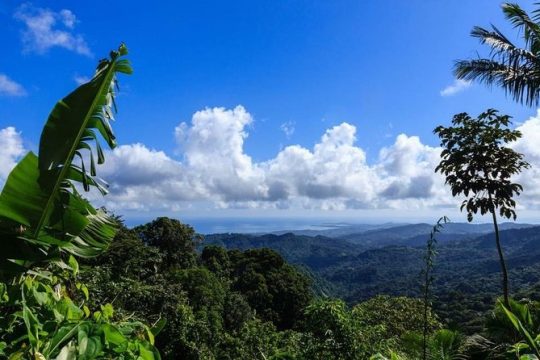
Lusso e occasioni speciali
Prezzi da $5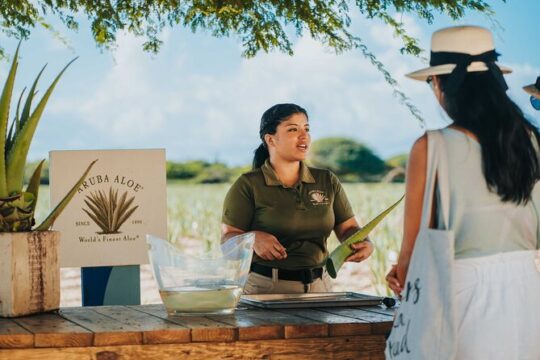
Tour e visite guidate
Prezzi da $5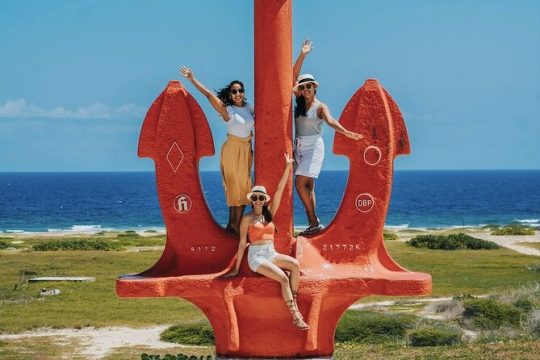
Escursioni sulla spiaggia
Prezzi da $5
Attività all'aperto
Prezzi da $5
Crociere, vela e tour acquatici
Prezzi da $15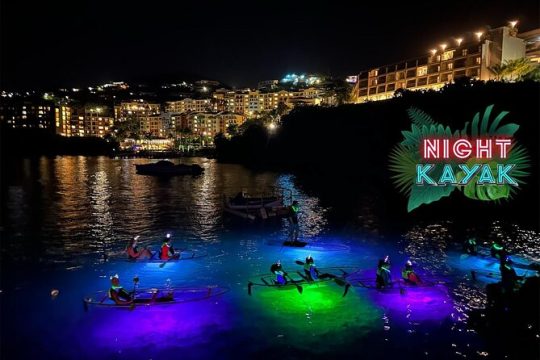
Sport acquatici
Prezzi da $15
Gite ed escursioni giornaliere
Prezzi da $20
Tour culturali e tematici
Prezzi da $5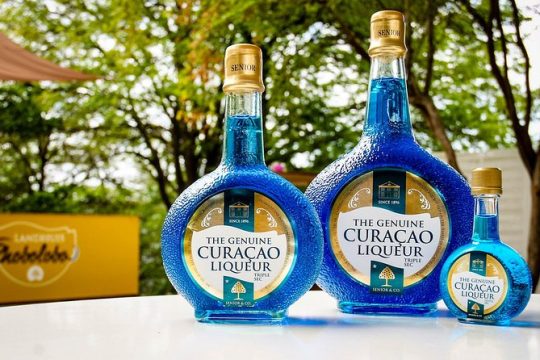
Tour a piedi e in bicicletta
Prezzi da $5
Cibo, vino e vita notturna
Prezzi da $5
Tour privati e personalizzati
Prezzi da $5
Trasferimenti e trasporti via terra
Prezzi da $5
Parco Nazionale di El Yunque
Prezzi da $25
Isola delle Rose
Prezzi da $64
Rovine del mulino d'oro di Bushiribana
Prezzi da $40
Cappella Alto Vista
Prezzi da $40
Scala della Regina
Prezzi da $20
Arawak Cay
Prezzi da $55
Formazioni rocciose di Ayo e Casibari
Prezzi da $40
Forte Fincastle
Prezzi da $20
Government House
Prezzi da $15
Luquillo Beach
Prezzi da $45
Paradise Island
Prezzi da $54
Palm Beach
Prezzi da $63
Attività nei giorni di pioggia nei Caraibi

Tour adatti agli anziani nei Caraibi
Tour gastronomici nei Caraibi

Tour dei Caraibi adatti alle famiglie
I migliori tour e attività per gli amanti della cultura nei Caraibi

Top 10 dei Caraibi 2026
Le migliori gite di un giorno dai Caraibi

Cosa fare ai Caraibi quest'estate

Calendario degli eventi caraibici
Visualizza tutti gli eventi
Attività natalizie nei Caraibi
Venerdì, 25 dicembre 2026
Hanukkah nei Caraibi
4-12 dicembre 2026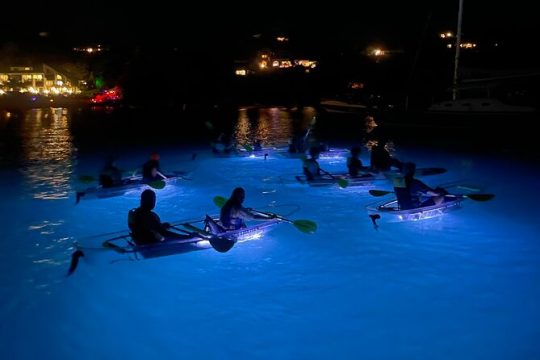
Capodanno ai Caraibi
Giovedì 31 dicembre 2026
Vigilia di Natale nei Caraibi
Giovedì 24 dicembre 2026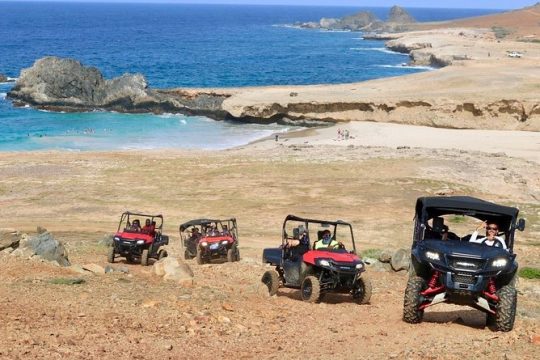
Lungo weekend di Capodanno ai Caraibi
1-3 gennaio 2027
San Valentino ai Caraibi
Domenica 14 febbraio 2027
Pasqua ai Caraibi
Domenica 28 marzo, 2027
Venerdì Santo nei Caraibi
Venerdì 26 marzo 2027


