


Vietnam attractions
More things to do in the country
 #16
Ho Chi Minh Mausoleum
You can visit on your own, but a guided walking tour gives context that the silent file past the chamber cannot. Half-day tours often link the mausoleum with the Ho Chi Minh Museum, the stilt house, One Pillar Pagoda and Ba Dinh Square, and carry on to the Imperial Citadel. A guide also helps you time the short morning window and meet the dress rules. This is a formal, solemn visit: you file past the chamber in a single line and silence is expected. Cover your shoulders and knees, and skip shorts, sleeveless tops and see-through clothing. Large bags, phones and cameras are not allowed in, so leave them behind or hand them in at the counters. Food and drink are not permitted, and photography and filming are banned inside the chamber. The walk past the chamber is short, but allow extra time for the queue and for the museum and grounds nearby.
More #17
Hoa Lo Prison
You can walk through the museum on your own and read the displays at your own pace. A guided visit adds depth, explaining the French colonial period, the lives of political prisoners and the later wartime chapter. Many visitors pair it with a walking tour of the French Quarter and nearby landmarks such as the opera house, or a wider Hanoi city tour. Only part of the original prison survives as a museum, since much of the site was redeveloped with towers. The displays focus mainly on the French colonial period, including a guillotine room with original equipment and quarters for Vietnamese political prisoners. Original French colonial walls still stand, and reconstructed cells are part of the exhibits. The subject matter covers imprisonment and executions, so think about whether it suits young children.
More #18
Lake of the Restored Sword (Hoan Kiem Lake)
Most people explore the lake on their own by walking the shore path, crossing the red bridge to the temple and spotting Turtle Tower in the middle of the water. A guided walking tour adds the legend of the magic sword and links the lake with the nearby Old Quarter, while an evening or street food walk suits the traffic-free weekend streets. The lake is small, about 700 m long, so a relaxed stroll around the shore suits most ages and fitness levels. Ngoc Son Temple stands on Jade Island and is reached by the red The Huc Bridge, so allow time to cross and look around. Cover your shoulders and knees when entering the temple, and carry a light scarf or long trousers in hot weather. Temple hours differ between weekdays and weekends, and the bridge can close during big public celebrations. The streets around the lake close to vehicles on weekend evenings, which makes strolling with children or strollers easier.
More #19
Marble Mountains
You can explore on your own by following the stone stairways between the caves, pagodas and viewpoints. A guide helps explain the Buddhist and Hindu shrines in Huyen Khong cave and the stories behind the carvings. Half day tours often add Linh Ung Pagoda at the foot of the hills and the nearby stone carving village, and some link the stop with Hoi An or Da Nang beaches. The Marble Mountains are five limestone and marble hills, and Water Mountain is the one most visitors climb. Allow at least two hours, longer if you explore several caves and pagodas. Dress modestly, and remove shoes and hats before entering pagodas and cave shrines. The routes involve many stone steps, so wear sturdy shoes, and bring a hat and water. An elevator takes you part of the way up Water Mountain, but the caves and viewpoints still require stairs.
More #20
Ninh Binh
Ninh Binh is a region of northern Vietnam, south of Hanoi, known for limestone peaks that rise sheer from rice paddies and slow, winding rivers. Travelers come to be rowed through flooded caves, climb to hilltop viewpoints and explore temples from the time when this was the seat of an early Vietnamese kingdom.In the 10th century Hoa Lu, guarded by a ring of mountains, was the capital of Dai Co Viet, one of the first independent Vietnamese states, under the Dinh and Early Le dynasties. The court later moved north to the site of present-day Hanoi, but temples honoring the Dinh and Le kings still stand among the peaks. The surrounding Trang An landscape is listed by UNESCO for both its natural beauty and its archaeology, since its caves hold traces of prehistoric people who lived among these hills.The classic outing is a slow boat ride, with local rowers, some of them pulling the oars with their feet, guiding small sampans along rivers and through low caves where you duck beneath dripping stone. Tam Coc, whose name means three caves, winds past fields of rice that turn from green to gold before harvest, while Trang An's longer routes link caves with riverside temples, and its cliffs served as a backdrop for the film Kong: Skull Island. At Mua Cave, a long stone staircase climbs to a summit crowned by a dragon sculpture and wide views over the valley. The vast Bai Dinh Pagoda and the cliffside Bich Dong Pagoda add a spiritual dimension.Beyond the main boat landings, quiet lanes thread between village homes, lotus ponds and farmland, and the Van Long wetland reserve shelters rare Delacour's langurs along with herons and other water birds. Local cooking adds another reason to linger, with mountain goat a regional specialty. A guide can share the legends and history tied to each cave and temple.
More #21
Son Tra Mountain (Monkey Mountain)
If you are looking for things to do in Vietnam we have 2 Tours and Activities to Experience Son Tra Mountain (Monkey Mountain). Check out our verified traveler reviews and photos of Son Tra Mountain (Monkey Mountain) tours and other things to do in Vietnam, and book securely when you find the perfect one. Learn the best ways to see famous Son Tra Mountain (Monkey Mountain) and explore the most popular things to do in Vietnam.
More #22
Tam Coc
Most visitors take the rowed boat ride along the Ngo Dong River, which winds past rice fields and limestone peaks and through three caves. A guided outing adds context on the landscape and village life. Many day tours combine Tam Coc with nearby Hoa Lu and the Trang An landscape, often with hotel pickup from Hanoi. Cycling the quiet village lanes before or after the boat ride is a relaxed extra. The rowed boat trip suits most ages, and the small boats seat only a few people each. Plan on about 1.5 to 2 hours for the round trip through rice fields and three small caves. Bring a hat, sun protection and water, plus a light rain jacket if the weather looks wet. Local rowers often steer with their feet, which is part of the experience. The boats are low and open, so wear shoes with good grip and step in carefully.
More #23
Temple of Literature (Van Mieu-Quoc Tu Giam)
You can walk the courtyards on your own, but a guided visit adds the stories behind the steles, the old imperial academy and the Confucian sanctuary. An interpretation service and an evening tour are offered on site, and calligraphy sessions let you try the brush yourself. Many visitors pair the temple with the Imperial Citadel of Thang Long and the Hoa Lo Prison Museum in a half-day city tour. Dress modestly, skip shorts and tank tops, and remove your hat when you enter the sanctuary area. The site is a series of open courtyards with a pavilion, a well and rows of stone steles on turtles, so expect plenty of walking outdoors. Calligraphy practice and heritage education sessions are offered, which suits families and anyone curious about Confucian scholarship. An evening program on some nights gives a different, quieter view of the courtyards after the day crowds leave.
More #24
Thang Long Water Puppet Theatre
The Thang Long Water Puppet Theatre is a Hanoi theater devoted to water puppetry, one of Vietnam's oldest folk arts, set beside Hoan Kiem Lake in the Old Quarter. Audiences come to watch lacquered wooden puppets dance across a pool of water to live traditional music, in shows that need no shared language to enjoy.The art began in the villages of the Red River Delta, where farmers performed in flooded rice fields when the waters rose. The water served as the stage, hiding the mechanics and letting the figures appear to glide and splash across the surface. In time the art moved from village ponds to purpose-built stages like this one, where a pool replaces the flooded field. Its name, Thang Long, is an old name for Hanoi itself. The theater carries that rural tradition into the capital, keeping the old craft alive for new generations and visitors from abroad.Behind a bamboo screen, puppeteers stand waist-deep in water and work the figures with long rods and hidden strings, so the audience sees only the puppets moving as if on their own. A traditional orchestra sits to one side, playing drums, gongs, bamboo flutes and the dan bau, a one-stringed instrument with a haunting, bending tone. Singers narrate each scene, giving voice to the characters.The short episodes draw on everyday rural life and old legends. Farmers plant rice, fishermen cast their nets, dragons spout water and folk heroes have their moment, while scenes of harvest celebrate the rhythm of the farming year. The humor is gentle and visual, and children and adults alike laugh at the same splashes and surprises. It offers a direct line to the village culture that shaped northern Vietnam, all within one performance. Knowing a little of the stories beforehand, perhaps from a guide, adds depth to every scene.
More #25
Thien Mu Pagoda
Thien Mu Pagoda is a Buddhist temple on Ha Khe Hill above the north bank of the Perfume River, just west of central Hue in Vietnam. Its slender seven-story tower is often called the unofficial symbol of the city, and visitors come for its river views, its peaceful grounds and its long, sometimes turbulent history.The name means Temple of the Celestial Lady. Legend says an old woman dressed in red and blue appeared on the hill, foretold that a lord would one day raise a pagoda on this spot to bring prosperity to the land, and then disappeared. Hearing the story, the governor Nguyen Hoang ordered the temple built at the start of the 17th century. The tower, called Phuoc Duyen, was added in the 19th century under Emperor Thieu Tri, with each of its stories dedicated to a different Buddha. In the 20th century the pagoda became a center of Buddhist protest against the government of Ngo Dinh Diem.The octagonal brick tower rises in seven tiers, with a pavilion on either side. One shelters a huge bell cast in the early 18th century and said to have carried for miles, and the other holds a stele on the back of a great marble turtle, a symbol of long life. Inside the main hall, a smiling Maitreya Buddha sits between two bodhisattvas. Toward the back of the grounds stands the pale blue Austin car in which the monk Thich Quang Duc was driven to a Saigon crossroads, where he burned himself to death in protest at the Diem government's treatment of Buddhists, an image that shocked the world.Seen from a boat on the Perfume River, the tower rising above the trees is one of the classic images of Hue. A guide can explain the Buddhist symbols around the grounds and the pagoda's place in the history of the Nguyen lords and emperors.
More #26
Tra Nhieu
If you are looking for things to do in Vietnam we have 1 Tours and Activities to Experience Tra Nhieu. Check out our verified traveler reviews and photos of Tra Nhieu tours and other things to do in Vietnam, and book securely when you find the perfect one. Learn the best ways to see famous Tra Nhieu and explore the most popular things to do in Vietnam.
More #27
Tra Que Village
Tra Que is a traditional vegetable and herb farming village on the edge of Hoi An in central Vietnam, where neat green beds stretch toward the river. Visitors come to see how farmers grow fragrant herbs by age-old methods, try their hand at planting and watering, and cook with ingredients picked minutes before. It is a gentle, rural contrast to the busy lanes of the old town.Local accounts trace the village back several centuries, to families who settled here to supply food to Hoi An when it was a busy trading port. The town drew merchants from China, Japan and Europe, and Tra Que's gardens helped keep its markets stocked. Hoi An's old town, now a UNESCO World Heritage site, lies only a short distance away.Farmers here still use traditional techniques. The raised beds are fertilized mainly with aquatic weed gathered from the river, a low-chemical method locals credit for the herbs' strong aroma. Basil, perilla, Vietnamese coriander and spring onions grow in tidy rows, and farmers walk between the beds with watering cans hung from shoulder poles, a scene that has changed little over generations. The air along the narrow paths carries the scent of basil and other herbs. Even a short visit shows how much care goes into the greens that end up on plates across town.Visitors can join in. Hands-on sessions let visitors work the beds alongside farmers, and cooking classes put the fresh harvest to use in the kitchen. The village has been recognized by a United Nations tourism body as a notable tourism village, a sign of how well it has shared its way of life without losing it. A local guide can explain the rhythms of the farming year and the role these herbs play in central Vietnamese cooking, from fresh rolls to cao lau, Hoi An's signature noodle dish.
More #28
Ba Na Hills
Ba Na Hills is a mountain resort high in the Truong Son range west of Da Nang, in central Vietnam, reached by a long cable car from the lowlands. People come for the cool air, the views over forest and coast, the Golden Bridge held up by giant hands and a summit cluster of gardens, a French-style village and amusement rides.The story begins in the early 20th century, when French colonists looked for an escape from the heat of the coast and built a hill station about 1,500 meters above sea level. Villas and other comforts followed, and the mountain became a fashionable retreat. After the colonial era ended and through years of war, the settlement fell into ruin and was largely abandoned. In the early 21st century, developers rebuilt the summit as a large resort, adding cable cars, themed attractions and a new village designed to recall the original French settlement.The Golden Bridge is the most photographed spot, a curving gold walkway that seems to rest in the palms of two enormous hands sculpted to look like weathered stone. Nearby, the French Village mixes cobbled squares, a Gothic-style church and pastel facades, while flower gardens spread across terraces in bright color. The Linh Ung Pagoda, with its tall white statue of the Buddha, looks out over the valleys, and an old wine cellar dug into the mountain in the colonial period holds bottles and barrels.Indoors, a large amusement park offers rides, games and attractions loosely inspired by the novels of Jules Verne, which makes the resort popular with families. The ride up on the cable car is an experience in itself, gliding high above forested ridges and mountain streams. A guide can share the story of the original hill station as you explore.
More #29
Binh Tay Market (Cho Binh Tay)
If you are looking for things to do in Vietnam we have 2 Tours and Activities to Experience Binh Tay Market (Cho Binh Tay). Check out our verified traveler reviews and photos of Binh Tay Market (Cho Binh Tay) tours and other things to do in Vietnam, and book securely when you find the perfect one. Learn the best ways to see famous Binh Tay Market (Cho Binh Tay) and explore the most popular things to do in Vietnam.
More #30
Cai Be
If you are looking for things to do in Vietnam we have 4 Tours and Activities to Experience Cai Be. Check out our verified traveler reviews and photos of Cai Be tours and other things to do in Vietnam, and book securely when you find the perfect one. Learn the best ways to see famous Cai Be and explore the most popular things to do in Vietnam.
More #31
Cai Rang Floating Market (Cho Noi Cai Rang)
If you are looking for things to do in Vietnam we have 4 Tours and Activities to Experience Cai Rang Floating Market (Cho Noi Cai Rang). Check out our verified traveler reviews and photos of Cai Rang Floating Market (Cho Noi Cai Rang) tours and other things to do in Vietnam, and book securely when you find the perfect one. Learn the best ways to see famous Cai Rang Floating Market (Cho Noi Cai Rang) and explore the most popular things to do in Vietnam.
More #32
Can Gio Mangrove Biosphere Reserve
The Can Gio Mangrove Biosphere Reserve is a vast coastal wetland southeast of central Ho Chi Minh City, where the region's rivers meet the sea. Known as the city's green lung, it draws visitors with boat rides through mangrove channels, macaques on Monkey Island, a bat lagoon and colonies of nesting birds.Can Gio's story is one of recovery. Much of the forest was damaged during the war, and in the years that followed it was painstakingly replanted. The new mangroves took hold so well that UNESCO named Can Gio Vietnam's first mangrove biosphere reserve, and the forest stands as an encouraging example of a damaged coast brought back to life. The reserve spreads across tens of thousands of hectares of forest, waterways and mudflats, acting as a natural buffer between the city and the sea.Wildlife is a big part of the visit. On Monkey Island, troops of long-tailed macaques roam freely and show little fear of people, while at the bat lagoon bats roost among the trees. Thousands of birds nest in the treetops, and the mudflats along the coast feed migratory shorebirds. In all, the reserve supports hundreds of animal species.The Vam Sat area offers one of the best ways to get a feel for the forest. Boardwalks lead into the mangroves, where tangled roots rise from the mud, and an observation tower lifts you above the canopy for a view of green stretching to the horizon. Boat routes slip along narrow channels beneath arching branches, a peaceful way to watch for birds and other wildlife. Standing in the hush of the forest, it is hard to believe one of Asia's busiest cities lies so close. A guide can explain how mangroves shield the coast and shelter young fish.
More #33
Cantonese Assembly Hall (Hoi Quan Quang Dong)
If you are looking for things to do in Vietnam we have 1 Tours and Activities to Experience Cantonese Assembly Hall (Hoi Quan Quang Dong). Check out our verified traveler reviews and photos of Cantonese Assembly Hall (Hoi Quan Quang Dong) tours and other things to do in Vietnam, and book securely when you find the perfect one. Learn the best ways to see famous Cantonese Assembly Hall (Hoi Quan Quang Dong) and explore the most popular things to do in Vietnam.
More #34
Cao Dai Temple (Toa Thanh Tay Ninh)
If you are looking for things to do in Vietnam we have 2 Tours and Activities to Experience Cao Dai Temple (Toa Thanh Tay Ninh). Check out our verified traveler reviews and photos of Cao Dai Temple (Toa Thanh Tay Ninh) tours and other things to do in Vietnam, and book securely when you find the perfect one. Learn the best ways to see famous Cao Dai Temple (Toa Thanh Tay Ninh) and explore the most popular things to do in Vietnam.
More #35
Cham Island (Cu Lao Cham)
The Cham Islands, known in Vietnamese as Cu Lao Cham, are eight small islands scattered in the South China Sea off the coast of Hoi An. Travelers come for coral reefs, clear water and quiet beaches, and for a glimpse of island life in the fishing villages of a protected marine park.The islands form the heart of Cu Lao Cham Marine Park, which UNESCO recognizes as a biosphere reserve. Their name recalls the Cham, the people whose kingdoms once ruled this stretch of the Vietnamese coast. The waters around them shelter many species of coral and fish, which makes the reefs a draw for snorkelers and divers. The largest island, Hon Lao, rises to a central peak more than 500 meters high, its forested slopes dropping steeply toward the sea. On its cliffs, swallows build the nests that islanders harvest, a prized product that brings income to the community.Two fishing villages sit on Hon Lao, where daily life follows the sea and the catch. In the hills stands a pagoda about 300 years old, a quiet place of worship that has served the islanders for centuries. Bai Chong is the best-known beach, a favorite spot to swim and rest after time on the water.Under the surface, the marine park shows its real wealth. Snorkelers float above coral gardens alive with reef fish, while divers explore deeper parts of the reef. Some visitors camp overnight, waking to the sound of the sea and the empty beaches of early morning. The islands make a refreshing contrast to the lantern-lit streets of Hoi An, trading old merchant houses for green hills and open water. A guide can share stories of island life, from the swallow-nest harvest to the old pagoda, and lead you to the best snorkeling spots.
More #36
Cholon (Saigon Chinatown)
If you are looking for things to do in Vietnam we have 2 Tours and Activities to Experience Cholon (Saigon Chinatown). Check out our verified traveler reviews and photos of Cholon (Saigon Chinatown) tours and other things to do in Vietnam, and book securely when you find the perfect one. Learn the best ways to see famous Cholon (Saigon Chinatown) and explore the most popular things to do in Vietnam.
More #37
Da Nang Cathedral (Pink Church)
If you are looking for things to do in Vietnam we have 1 Tours and Activities to Experience Da Nang Cathedral (Pink Church). Check out our verified traveler reviews and photos of Da Nang Cathedral (Pink Church) tours and other things to do in Vietnam, and book securely when you find the perfect one. Learn the best ways to see famous Da Nang Cathedral (Pink Church) and explore the most popular things to do in Vietnam.
More #38
Dong Ba Market (Cho Dong Ba)
If you are looking for things to do in Vietnam we have 1 Tours and Activities to Experience Dong Ba Market (Cho Dong Ba). Check out our verified traveler reviews and photos of Dong Ba Market (Cho Dong Ba) tours and other things to do in Vietnam, and book securely when you find the perfect one. Learn the best ways to see famous Dong Ba Market (Cho Dong Ba) and explore the most popular things to do in Vietnam.
More #39
Dong Xuan Market
You can browse on your own through the covered halls, which sell fabric, clothing, household goods and handicrafts, with food stalls at the rear. A guided food or walking tour of the Old Quarter helps you find the best stalls and explains what you are tasting. On Friday to Sunday evenings the streets nearby fill with the night market, which pairs well with a market visit and a street food stroll. Allow about 90 minutes to browse the market, and longer if you stop for a bowl of noodles at the food stalls. Most stalls prefer cash, so bring small notes. Keep your bag zipped and in front of you in the crowded aisles. Shoes with good grip help, because the floors can be slippery when wet. Bargaining is common at many stalls, and it is polite to ask before photographing a vendor's goods.
More #40
Golden Dragon Water Puppet Theater
If you are looking for things to do in Vietnam we have 1 Tours and Activities to Experience Golden Dragon Water Puppet Theater. Check out our verified traveler reviews and photos of Golden Dragon Water Puppet Theater tours and other things to do in Vietnam, and book securely when you find the perfect one. Learn the best ways to see famous Golden Dragon Water Puppet Theater and explore the most popular things to do in Vietnam.
More #41
Hanoi Old Quarter
Hanoi's Old Quarter is the city's historic merchant district, a dense web of narrow streets just north of Hoan Kiem Lake. Travelers come to wander its lanes of shops, temples and street kitchens, where trade streets that began centuries ago still hum with motorbikes, vendors and the smell of grilled pork and fresh herbs.The quarter grew up beside the royal citadel in the 11th century, as craftsmen from surrounding villages settled here to supply the court. Each guild gathered on its own street, and the names stuck: many begin with Hang, meaning goods, followed by what was once sold there, from silk and silver to paper and tin. A few still keep to their old trade, so one block may be all tin boxes and the next all paper lanterns and offerings. The typical building is the tube house, a narrow shopfront that runs deep into the block, with a courtyard or two and family rooms behind the trading floor.Among the shophouses sit smaller landmarks. Bach Ma Temple, honoring a white horse that legend says showed the king where to build the city walls, is counted among the oldest temples in Hanoi. O Quan Chuong is the last surviving gate of the old city, and Dong Xuan Market, built under French rule, fills a vast hall with fabrics, dried goods and household wares. Restored merchant houses show how families once lived and traded under one roof.Food is half the reason to come. Bowls of pho, bun cha and banh cuon are served to diners on low plastic stools along the pavement, egg coffee comes from upstairs cafes, and at night the corners fill with people sharing cheap draft beer. A local guide makes the street food less daunting, ordering the right dishes and showing how each one is eaten.
More #42
Hoa Lu
Hoa Lu is the site of Vietnam's 10th-century capital, set among steep limestone peaks near Ninh Binh in the north of the country. Travelers come to visit the temples of the early emperors who ruled from here and to see how they used the mountains themselves as the walls of their citadel.The capital was founded by Dinh Bo Linh, who ended years of civil war among rival warlords and united the country. He took the name Dinh Tien Hoang, called his realm Dai Co Viet and made his home region its seat, choosing a flat valley hemmed in by cliffs. Gaps between the peaks were closed with earthen walls anchored by wooden stakes, forming an inner and an outer citadel. Soon after his death the throne passed to Le Dai Hanh, founder of the Early Le dynasty, who turned back invading armies from China.Hoa Lu's time as capital was brief. Early in the 11th century the founder of the Ly dynasty moved the court north to Thang Long, the city that became Hanoi, and the old citadel gradually gave way to rice fields and villages. Only fragments of its earthen walls survive, uncovered by archaeologists, but the memory of the two kings endured. Their temples stand on the former palace grounds, placed with water in front and mountains behind, and hold statues of the rulers along with Queen Duong Van Nga, who was married to both.Around the temples, the landscape is the other draw. Paddy fields and ponds lie at the foot of jagged karst peaks, and footpaths lead to small pagodas and royal tombs, including the tomb of Dinh Tien Hoang on a nearby mountain. Nhat Tru Pagoda, ordered built by Le Dai Hanh, keeps an ancient carved stone pillar. With a guide, the scattered shrines come together into a clear story of how an early Vietnamese kingdom was won and held, set within the wider Trang An landscape.
More #43
Hoi An Ancient Town
Hoi An Ancient Town is the old trading quarter of Hoi An, on the Thu Bon River in central Vietnam, and one of the best-preserved historic ports in Southeast Asia. Its lanes of timber shophouses, Chinese assembly halls and lantern-hung shopfronts draw visitors who want to see how a busy merchant town looked centuries ago.Long before the Vietnamese arrived, the river mouth was a port of the Champa kingdom on the maritime Silk Road. Vietnamese settlers took control from the late 15th century, and by the early 17th century merchants from China and Japan had come to trade and settle, turning the town into one of the busiest ports in the region. Its fortunes faded in the 19th century as the river silted and trade shifted to the new port of Da Nang, and that decline, by halting development, preserved the old streets almost intact.The result is a compact grid of streets whose layout still reflects the town of the 17th and 18th centuries, protected as a UNESCO World Heritage Site. More than 1,000 old houses survive, many of them narrow, deep shophouses of dark timber with tiled roofs, where families traded at the front and lived behind. The Chinese communities built ornate assembly halls for worship and meeting, and the Japanese left a small wooden covered bridge, guarded by statues of monkeys at one end and dogs at the other, that has become the symbol of the town.French colonial townhouses with shutters and yellow walls add another layer, and at dusk silk lanterns glow along the river and in the doorways, reflected in the water as small boats drift past. Tailors, cafes and family-run kitchens serving local specialties keep the old town busy with everyday life. A guide can read the mix of Chinese, Japanese, Vietnamese and French influences written into its beams, carvings and shrines.
More #44
Hon Ga Choi Island (Fighting Cocks Island)
If you are looking for things to do in Vietnam we have 2 Tours and Activities to Experience Hon Ga Choi Island (Fighting Cocks Island). Check out our verified traveler reviews and photos of Hon Ga Choi Island (Fighting Cocks Island) tours and other things to do in Vietnam, and book securely when you find the perfect one. Learn the best ways to see famous Hon Ga Choi Island (Fighting Cocks Island) and explore the most popular things to do in Vietnam.
More #45
Hue Citadel (Dai Noi)
Hue Citadel is the walled former seat of Vietnam's last royal dynasty, the Nguyen, on the northern shore of the Perfume River in central Vietnam. Inside its moats and ramparts lies Dai Noi, the Imperial City, where visitors wander among gates, throne halls, temples and gardens that once formed the heart of the country's court.Emperor Gia Long ordered the complex built after he unified Vietnam at the start of the 19th century, and his successor Minh Mang enlarged it to its full scale. Geomancers helped choose the site, and the plan borrowed from Confucian ideas and from the Forbidden City in Beijing, with the most important buildings lined up along a central axis. The outer citadel walls run for nearly 10 kilometers, while the Imperial City has its own wall and moat, and deeper still sat the Purple Forbidden City, open only to the royal family.The grand entrance is the Meridian Gate, Ngo Mon, the main southern gateway once reserved for the emperor. Beyond it stands the Thai Hoa Palace, the throne hall where every Nguyen emperor was crowned beneath walls inscribed with poetry. Look also for the Hien Lam Pavilion, the dynastic temples and the old bronze cannons. War struck the complex hard in the 20th century, and after the Battle of Hue only about 10 of its major sites remained intact.Restoration has slowly brought many halls and gateways back, and the ruins between them now tell their own story of loss. The citadel is part of the Complex of Hue Monuments, a UNESCO World Heritage Site, and the last emperor, Bao Dai, gave up his throne here, closing the dynastic era. Walking from rebuilt pavilions to grassy foundations gives a vivid sense of how grand the court once was. A guide helps connect the coronations, the court rituals and the scars of war to the stones around you.
MoreDiscover Vietnam

Tours & Sightseeing
Prices from $5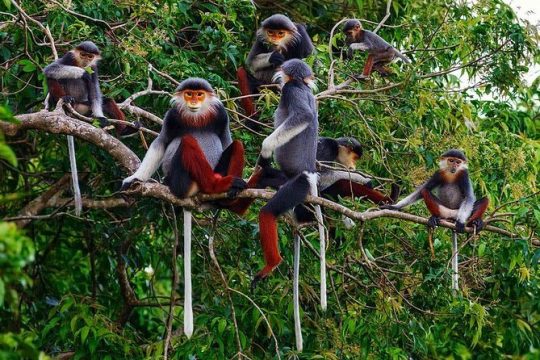
Luxury & Special Occasions
Prices from $5
Cultural & Theme Tours
Prices from $5
Private & Custom Tours
Prices from $5
Walking & Biking Tours
Prices from $5
Day Trips & Excursions
Prices from $16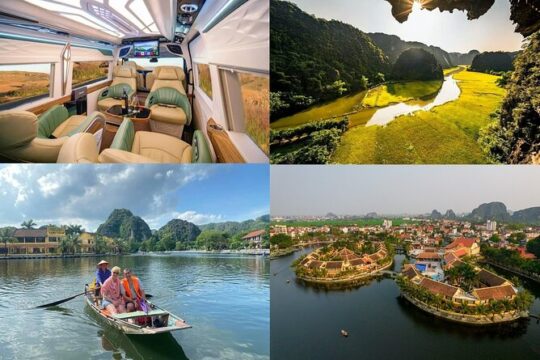
Shore Excursions
Prices from $18
Food, Wine & Nightlife
Prices from $16
Outdoor Activities
Prices from $16
Cruises, Sailing & Water Tours
Prices from $20
Shows, Concerts & Sports
Prices from $9
Water Sports
Prices from $12


Reunification Palace (Independence Palace)
Prices from $25
Saigon Central Post Office
Prices from $25
Saigon Opera House (Opéra de Saïgon)
Prices from $25
War Remnants Museum (Bao Tang Chung Tich Chien Tranh)
Prices from $25
Ben Thanh Market (Cho Ben Thanh)
Prices from $17
Cu Chi Tunnels
Prices from $14
My Son Sanctuary
Prices from $19
Bitexco Financial Tower
Prices from $59
Dong Khoi Street (Duong Dong Khoi)
Prices from $59
Jade Emperor Pagoda
Prices from $28
Saigon Notre Dame Cathedral (Cathédrale Notre-Dame de Saïgon)
Prices from $28
An Dinh Palace
Prices from $20
Hanukkah in Vietnam
Dec 4–12, 2026
New Year’s Eve in Vietnam
Thu, Dec 31, 2026
New Year’s Day long weekend in Vietnam
Jan 1–3, 2027
Things to do on Lunar New Year in Vietnam (Updated 2026)
Sat, Feb 6, 2027
Senior-friendly tours Vietnam
74 tours & activities
Vietnam Foodie Tours
50 tours & activities
Family-friendly Vietnam Tours
168 tours & activities
The best tours and activities for culture lovers in Vietnam
89 tours & activities
Top 10 Vietnam 2026
10 tours & activities
Top Day Trips from Vietnam
88 tours & activities
Things to do in Vietnam this summer
188 tours & activities
 From $6
 From $11
 From $31
 From $44


