Save Today Black Friday 05HRS 54MIN 39SEC Up to 20% off gift cards BLACK FRIDAY
GIFT CARD SAVINGS
$100 – $249SAVE 5% $250 – $499SAVE 10% $500 – $999SAVE 15% $1,000+SAVE 20% Shop gift cards Discount applied automatically at checkout. Each card keeps its full value.
Save Today Black Friday 05HRS 54MIN 39SEC
UP TO 20% OFF GIFT CARDS
$100–$249(save 5%) $250–$499(save 10%) $500–$999(save 15%) $1,000+(save 20%)
Shop gift cards Discount applied automatically at checkout. Each card keeps its full value.
Uttar Pradesh

Cool things to do in Uttar Pradesh

Welcome to Uttar Pradesh

Uttar Pradesh is India's most populous state, a wide plain of farmland and river towns in the north of the country where some of the world's most celebrated monuments sit only a few hours apart from some of its oldest living rituals. Mughal emperors built their marble tombs and red sandstone forts here, and Hindu pilgrims have come for millennia to bathe in sacred waters and pray at riverside temples. For a first-time visitor, that pairing is the great draw: one part of a trip is about architecture and imperial history, the other about faith, ceremony and daily life lived in public. The experiences on offer reflect both sides. Heritage and archaeology tours explain who built what and why, cultural tours open doors to temples, markets and workshops, and walking tours take you through lanes far too narrow for a car. Most outings are private, so a guide can tailor the day to your interests and your stamina, and a large share include pickup from your hotel, which takes the stress out of busy streets. Departures cluster in the morning, when the light is soft and the heat is gentler, and about half of the choices run as full-day trips. Nearly all can be cancelled for free, ratings from past guests are excellent, and a good number welcome children. Plan on early starts, because the best moments here tend to come before the crowds and the midday sun arrive.

Agra

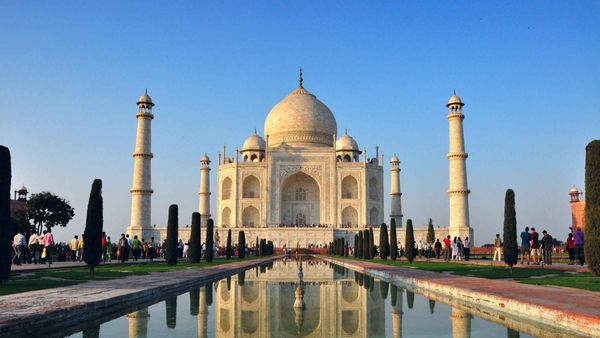
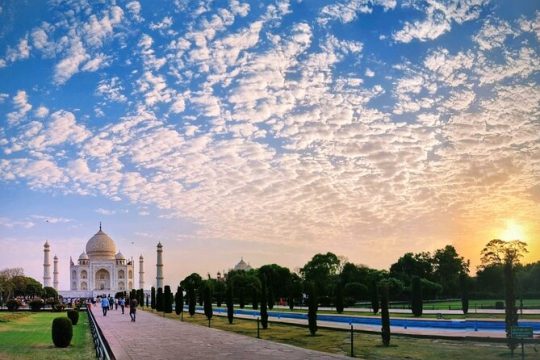
Few skylines anywhere carry the weight of this one. The Taj Mahal, the white marble mausoleum an emperor raised for his late wife, rises above the Yamuna River, and seeing it change color from dawn pink to bright midday white is reason enough to stay overnight. Across a bend in the river stands Agra Fort, a walled red sandstone citadel of palaces, audience halls and courtyards where Mughal rulers lived and governed. The smaller Tomb of Itimad-ud-Daulah, often nicknamed the Baby Taj, shows the delicate stone inlay that later reached its peak in the larger monument. A short drive away, Fatehpur Sikri preserves an entire abandoned royal capital of mosques, gateways and palace pavilions.

Historical and heritage tours dominate here, and most come as private sightseeing with a car, driver and licensed guide. Full-day outings let you cover the main monuments without rushing, while bus and minivan options suit travelers arriving on a day trip from the capital. Cultural and theme tours add marble inlay workshops, local food or a look at how artisans still practice old crafts. Check closing days before you book, since some monuments shut one day a week, and bring a scarf or light layer for sites that ask for modest dress.

Varanasi

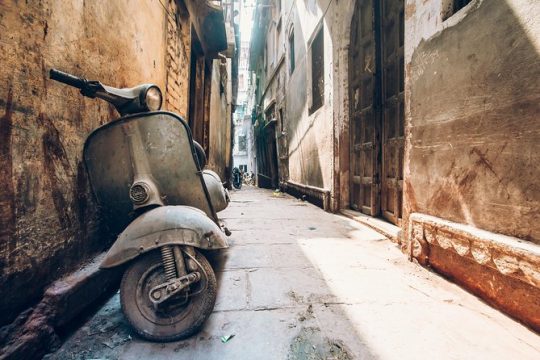
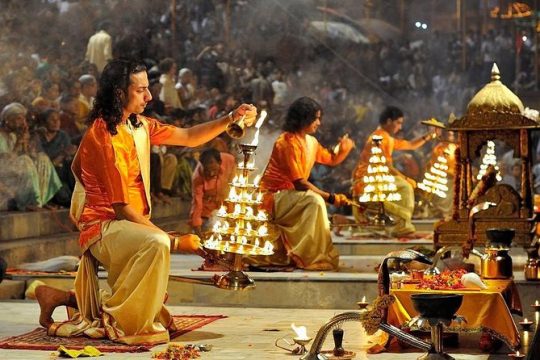
On the western bank of the Ganges (Ganga), this ancient city ranks among the oldest continuously inhabited places on earth, and it feels like nowhere else in India. Stone steps called ghats lead down to the water along the curve of the river, where pilgrims bathe, priests chant and boats drift past at first light. Dashashwamedh Ghat hosts the nightly aarti, a ceremony of fire, bells and song that draws crowds onto the steps and onto boats moored just offshore. At Manikarnika Ghat, funeral pyres burn day and night, a solemn sight that visitors should approach with quiet respect and no cameras. Inland, a maze of alleys winds toward the Kashi Vishwanath Temple (Golden Temple), one of the holiest shrines to Shiva.

Cultural tours are the natural fit, ideally with a guide who can explain the rituals you will see and the customs around them. A sunrise boat ride along the ghats is the classic first outing, often followed by a walk through the old quarter for street food, silk weaving and small shrines tucked between houses. Archaeology and heritage tours head out to Buddhist ruins nearby, and full-day trips combine several of these threads. Dress modestly and ask before taking photos, as this is a working sacred city first and a tourist stop second.

Read more
Top 10 attractions in Uttar Pradesh
Taj Mahal#1
4.9 (21,474)

Taj Mahal

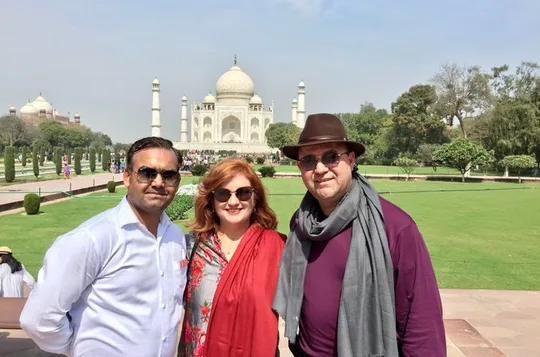
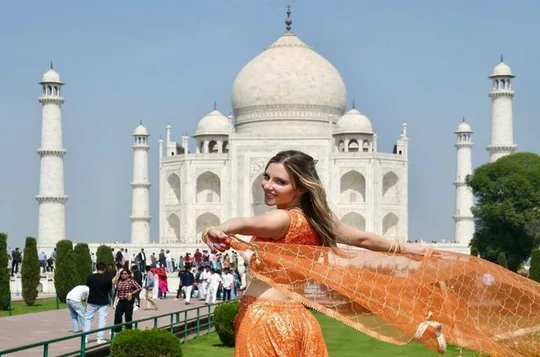
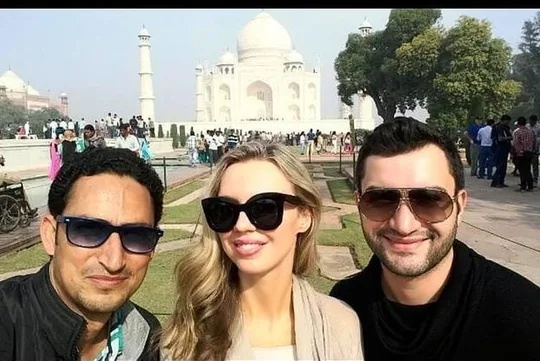
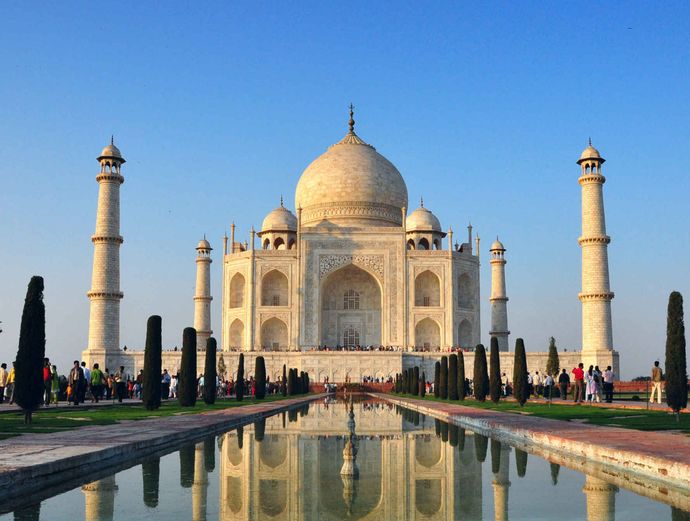
The Taj Mahal is the white marble tomb that the Mughal emperor Shah Jahan built in Agra, in northern India, for his beloved wife Mumtaz Mahal. Often called the most beautiful building in the world, it draws travelers for its flawless symmetry, its delicate inlaid stone and a dome that seems to change color with the light.Mumtaz Mahal died in childbirth in the 17th century, and the grieving emperor ordered a tomb worthy of her. Thousands of masons, carvers and calligraphers worked on it for around two decades, following a design usually credited to the architect Ustad Ahmad Lahauri, with white marble from Rajasthan and precious stones gathered from across Asia. Shah Jahan's ending was bittersweet, for after his son Aurangzeb deposed him, he spent his last years confined in Agra Fort with a view of the tomb, and he now rests beside his wife inside it.The approach is carefully staged. You pass through a towering red sandstone gateway, and the tomb appears framed in its arch, floating above a formal garden divided into quarters by water channels and a reflecting pool. The marble is covered with flowers inlaid in carnelian, jade and lapis lazuli, and verses from the Quran frame the arches, the letters growing larger as they rise so they look even from below. Four slender minarets stand at the corners, built to lean slightly outward, and a red sandstone mosque on one side is matched by an identical twin on the other to keep the symmetry intact. Inside, the cenotaphs of the emperor and empress sit behind a marble screen carved as finely as lace.One detail rewards a close look, since the emperor's cenotaph, placed beside his wife's, is the only element in the whole complex that breaks the perfect balance. A guide can explain how the garden, the river and the inscriptions were meant to evoke the gardens of heaven.

More
Agra Fort#2
4.9 (20,559)

Agra Fort

Agra Fort is a massive red sandstone fortress on the banks of the Yamuna River in Agra, India, for generations the main residence of the Mughal emperors. Within its walls lie marble palaces, audience halls and terraces, and visitors come to see the seat of an empire and the view across the river to the Taj Mahal.A brick fort stood here before the Mughals, but the emperor Akbar rebuilt it on a grand scale in the 16th century, enclosing a crescent of land along the river within double walls of red sandstone. His grandson Shah Jahan, builder of the Taj Mahal, transformed the interior in the 17th century, replacing some of Akbar's sandstone buildings with palaces of white marble inlaid with semiprecious stones. The fort is a UNESCO World Heritage site in its own right.The fort's most poignant story belongs to Shah Jahan himself. After his son Aurangzeb seized the throne, the old emperor spent his last years confined in the fort, and tradition says he gazed from the octagonal marble tower of Musamman Burj across the river to the tomb he had built for his wife Mumtaz Mahal. Nearby, the Khas Mahal opens onto a terrace of fountains and gardens, and the Sheesh Mahal, a former royal bathhouse, has walls set with tiny mirrors that once sparkled in lamplight.Elsewhere, the Diwan-i-Am, a long pillared hall of audience, is where the emperor heard petitions from his subjects, while the more intimate Diwan-i-Khas received nobles and ambassadors. Jahangiri Mahal, a sandstone palace built for the women of Akbar's court, blends Hindu and Central Asian design in its carved brackets and courtyards. The fort later changed hands between Maratha and British forces, and British residents sheltered here during the uprising of the mid-19th century. A guide can tell which emperor built which hall and why.

More
Dashashwamedh Ghat#3
4.9 (67)

Dashashwamedh Ghat

Dashashwamedh Ghat is the principal ghat, or flight of stone steps, leading down to the Ganges in Varanasi, close to the Kashi Vishwanath Temple at the heart of the old city. It is the busiest and most celebrated of the city's riverfront ghats, and people come above all for the Ganga Aarti, the prayer ceremony of fire and song held here at dusk.The name means the ghat of ten horse sacrifices. Hindu legend tells that Brahma performed ten ashvamedha rituals here, in some versions to welcome Shiva back to the city, which made the spot one of the holiest on the river. The present stone ghat dates from the 18th century, when the Maratha leader Peshwa Balaji Baji Rao had it built, and toward the end of that century Ahilyabai Holkar, the queen of Indore, added a haveli and other buildings nearby.The steps are alive from first light. Pilgrims bathe in the river and offer prayers, priests sit under bamboo umbrellas reading scriptures and performing rituals, flower sellers and boatmen call out, and sadhus, families and travelers mingle on the stone. The scene captures the devotion, noise and color of Varanasi, often called one of the oldest living cities in the world and for many Hindus the holiest of all.The highlight comes at dusk with the Ganga Aarti. Young priests in matching robes line up on platforms facing the river, conch shells sound, and to the rhythm of bells and devotional songs they raise and circle tall brass lamps blazing with flame, offering light to the goddess Ganga. Smoke, incense and chanting fill the air, while small leaf boats carrying flowers and candles drift away on the water. Special versions mark religious festivals. A guide can explain each stage of the ritual and the meaning of the offerings.

More
Fatehpur Sikri#4
4.9 (453)

Fatehpur Sikri

If you are looking for things to do in Uttar Pradesh we have 2 Tours and Activities to Experience Fatehpur Sikri. Check out our verified traveler reviews and photos of Fatehpur Sikri tours and other things to do in Uttar Pradesh, and book securely when you find the perfect one. Learn the best ways to see famous Fatehpur Sikri and explore the most popular things to do in Uttar Pradesh.

More
Ganges (Ganga)#5
4.9 (92)

Ganges (Ganga)

The Ganges, known in India as the Ganga, is Hinduism's most sacred river, and Varanasi is one of the places where its spiritual life is most visible. Along the riverbank, dozens of stepped ghats lead down to the water, and travelers come to watch pilgrims bathe and pray, drift past on a boat and join the evening aarti ceremony.The river rises in the western Himalayas and flows for about 2,500 kilometers across the Gangetic Plain before ending in a vast delta on the Bay of Bengal. For Hindus it is more than a waterway: it is worshipped as the goddess Ganga, and bathing in its water is believed to wash away sins. Families carry its water home for rituals, and many hope to have their ashes scattered in it.Varanasi, one of the oldest continuously inhabited cities in the world, wraps around a bend of the river, and its ghats form a long, layered waterfront of temples, palaces and stone steps. Most ghats are used for bathing, washing and prayer, while a few are reserved for cremations, where funeral pyres burn day and night. Dying in Varanasi is believed to bring liberation from the cycle of rebirth, which is why the burning ghats hold such importance. Walking between them reveals a city where daily life and devotion are hard to separate.Each evening at Dashashwamedh Ghat, priests perform the aarti, an offering of light to the river with brass lamps, chanting, bells and incense, while crowds gather on the steps and in boats. At dawn the mood is quieter, as early bathers wade in and the sun rises over the far bank, a scene many visitors watch from the water. A guide can explain the meaning behind the rituals you see, helping turn a moving spectacle into something you truly understand.

More
Kashi Vishwanath Temple (Golden Temple)#6
4.9 (67)

Kashi Vishwanath Temple (Golden Temple)

If you are looking for things to do in Uttar Pradesh we have 1 Tours and Activities to Experience Kashi Vishwanath Temple (Golden Temple). Check out our verified traveler reviews and photos of Kashi Vishwanath Temple (Golden Temple) tours and other things to do in Uttar Pradesh, and book securely when you find the perfect one. Learn the best ways to see famous Kashi Vishwanath Temple (Golden Temple) and explore the most popular things to do in Uttar Pradesh.

More
Manikarnika Ghat#7
4.9 (159)

Manikarnika Ghat

Manikarnika Ghat is the main cremation ground of Varanasi and one of the oldest sacred ghats on the Ganges, in the city many Hindus regard as their holiest. Families bring their dead here in the belief that cremation on this spot can bring moksha, release from the cycle of rebirth, and travelers come to witness these rites with quiet respect.Its name means jewel of the ear, and several legends explain it through a lost earring, said in different tellings to have belonged to the god Shiva or to his consort Sati. Close by lie a sacred pond, the Manikarnika Kund, and a temple. The stone steps have been rebuilt several times over the centuries, yet the ghat's purpose has stayed the same.The rites here never really stop. Bodies wrapped in cloth are carried to the water's edge, wood is stacked for the pyres, and the funeral attendants who tend them supply the flame from a fire said never to have gone out. Smoke drifts over the river, chants rise from the mourners, and the scene moves between grief, ritual and the everyday work of the riverbank.Many visitors find Manikarnika among the most moving places in Varanasi, because it shows openly what much of the world keeps out of sight. Death here is not hidden behind closed doors but woven into the daily life of the city, and the calm of the families and attendants leaves a deep impression. The ghat also helps explain why many Hindus hope to spend their final days in Varanasi and why families travel long distances to cremate loved ones here. A knowledgeable guide can describe the meaning of each stage of the ceremony, turning a bewildering scene into an understanding of how faith shapes the end of life.

More
Mehtab Bagh (Moonlight Garden)#8
4.9 (5,823)

Mehtab Bagh (Moonlight Garden)

Mehtab Bagh, the Moonlight Garden, is a Mughal riverside garden in Agra on the far bank of the Yamuna, directly facing the Taj Mahal. People come for the quiet, unobstructed view of the mausoleum across the water, especially its reflection in the garden's pool, and for a sense of how the Mughals designed their gardens and tombs as one composition.The site is linked to the earliest days of the dynasty: Babur, the first Mughal emperor, is said to have laid out a chain of gardens along this bank of the river, and Mehtab Bagh was the last of them. When Shah Jahan built the Taj Mahal for his wife Mumtaz Mahal in the 17th century, the garden was given a plan lined up exactly with the tomb, extending the Taj complex across the river. From here, the emperor and his court could admire the white marble shining under the moon, which gave the garden its name.Over time the river flooded the garden again and again, burying it under silt until little more than ruined walls and a tower remained. Archaeologists excavated it late in the 20th century and found the outline of a classic charbagh, a garden divided into four parts by walkways and water channels, with a large octagonal pool at the riverside edge and the remains of fountains and pavilions. The garden was then replanted with the kinds of flowering and fruit trees, shrubs and grasses the Mughals favored, based on pollen and plant remains found in the soil. The story of a black marble twin of the Taj planned for this spot is a legend, though it still captures imaginations.As you walk the long central path toward the river, the Taj grows larger with every step, framed by trees and open sky, seen from an angle most visitors to the tomb never get. A guide can explain the symbolism of the garden's layout.

More
Sarnath#9
4.9 (92)

Sarnath

If you are looking for things to do in Uttar Pradesh we have 1 Tours and Activities to Experience Sarnath. Check out our verified traveler reviews and photos of Sarnath tours and other things to do in Uttar Pradesh, and book securely when you find the perfect one. Learn the best ways to see famous Sarnath and explore the most popular things to do in Uttar Pradesh.

More
Tomb of Itimad-ud-Daulah#10
4.9 (13,047)

Tomb of Itimad-ud-Daulah

The Tomb of Itimad-ud-Daulah is a Mughal mausoleum on the east bank of the Yamuna River in Agra, often nicknamed the Baby Taj. Faced in white marble and covered in delicate stone inlay, it is smaller and more intimate than the Taj Mahal, and visitors come to admire craftsmanship that many see as a first draft for its famous successor.The tomb was commissioned in the early 17th century by Nur Jahan, the powerful wife of the emperor Jahangir, for her father, Mirza Ghiyas Beg. A Persian who rose to become one of the highest officials in the empire, he carried the title Itimad-ud-Daulah, which means pillar of the state. Her mother lies beside him in the central chamber, and other members of the family rest in the rooms around it. The family link runs deeper still: his granddaughter was Mumtaz Mahal, the empress for whom the Taj Mahal was later built.This was the first Mughal tomb to be faced almost entirely in white marble rather than red sandstone, and its surfaces are covered with inlay of colored stones set into the marble. Look closely and you will find cypress trees, flower vases, fruit and even wine vessels among the geometric patterns. Slender towers rise at the four corners, finely carved lattice screens filter light into the interior, and the inner rooms keep traces of painted decoration.The tomb stands at the center of a walled Persian-style garden cut by water channels, entered through sandstone gateways, with a pavilion on the river side looking out over the Yamuna. Away from the grand scale of the Taj, the setting invites a slower look at detail. A guide can decode the symbols worked into the stone and explain how Nur Jahan's taste shaped Mughal art.

More

Good to know Uttar Pradesh

A trip through Uttar Pradesh starts early and follows a guide's rhythm. Most travelers book private outings with hotel pickup, giving mornings to the monuments of Agra or the riverbanks of Varanasi and resting through the hottest hours.

Evenings bring river ceremonies, busy markets and long dinners. Agra is all marble and imperial history, while Varanasi centers on prayer and ritual by the water, so most visitors give each city its own days.

The state suits first-time visitors to India, families and older travelers who like a driver to handle the logistics.

The cool, dry months from October through March are the most comfortable for Agra and Varanasi alike, with clear mornings and pleasant afternoons for long sightseeing days.

December and January can bring dense fog that delays trains and softens monument views, so leave slack in your plans and keep a later start in reserve.

Heat builds across the plains from April through June, so keep outings to early morning. The monsoon runs roughly July to September, with heavy showers, humidity and a high river that can cancel boat rides.

  • Agra lies a few hours from Delhi by expressway or fast train, so many come on a day trip.
  • Varanasi sits much farther east, and most travelers reach it by domestic flight or overnight train.
  • Private drivers handle transfers well, and two nights in each city keeps the pace comfortable.
  • Book monument tours a few days ahead, with free cancellation in case fog delays a train.
  • Carry a scarf, sunscreen and bottled water, and wear slip-on shoes for temple visits.
  • Always ask before you photograph people at the ghats.
Uttar Pradesh
Peak season Oct – Mar
Local Currency Indian Rupee (₹)
Weather now
Language(s) Gujarati
Time Zone IST (+5:30)
Country Code +91
Attractions 10
Tours 13
Reviews 3,656

Frequently Asked Questions

The answers provided below are based on answers previously given to customers' questions.

Activity name

Discover Uttar Pradesh