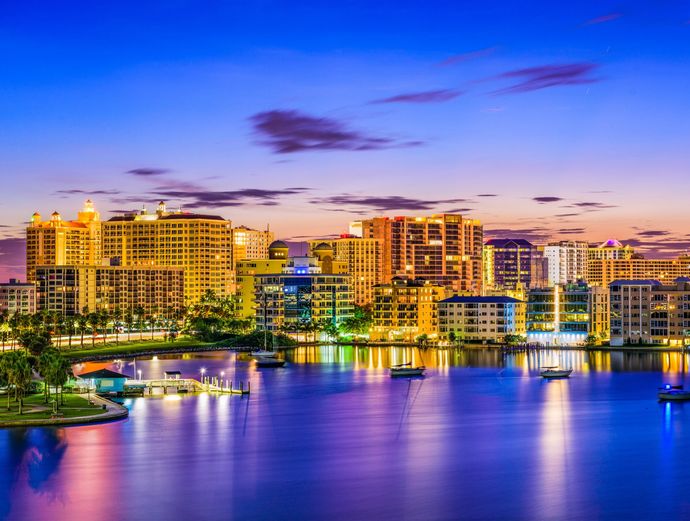
Punta Sam attractions
More things to do in the city
 #16
Grand Cenote (Gran Cenote)
Gran Cenote, often called the Grand Cenote, is a natural freshwater swimming hole just outside Tulum on Mexico's Riviera Maya, on the road toward Coba. Its clear pools connect through shallow caves full of rock formations, and people come to swim, snorkel and dive in water so transparent that you can see every stalactite and fish below.Like the other cenotes of the Yucatán Peninsula, Gran Cenote formed when the roof of an underground cavern collapsed, opening a window into the water flowing through the limestone below. It is part of Sac Actun, one of the longest underwater cave systems in the world, which runs for great distances beneath the forest. For the ancient Maya, cenotes like this were sacred places, sources of fresh water and gateways to the underworld, and many were linked to rituals and offerings.The site is made up of several open pools joined by wooden walkways and short cave sections. Snorkelers float through passages lined with stalactites and stalagmites, some of which formed when the caves were dry, long before sea levels rose and flooded them. Sunlight pours through the openings and falls in shafts through the water, lighting up the pale rock and the white sand on the bottom. Small turtles paddle near the platforms, small fish dart between the roots that hang down from above, and bats often roost in the darker overhangs.For certified divers, the cenote is a gateway to deeper cavern routes, where guides lead the way into chambers well beyond the reach of snorkelers. On the surface, the green jungle around the pools frames the scene and gives a sense of how hidden these places once were. A guide can explain how the caves formed, what the formations mean and why the Maya held such places sacred.
More #17
Isla Pasión
Isla Pasión is a small island lying off Cozumel's northern tip, within reach of San Miguel, the island's main town. Its name means Passion Island, and people go for a slow, peaceful day by the sea, with pale sand, clear shallow water and snorkeling over reefs that form part of the vast Mesoamerican Barrier Reef.The Mesoamerican Barrier Reef is the largest reef system in the Atlantic Ocean, stretching along the coasts of Mexico, Belize, Guatemala and Honduras, and the waters around Cozumel are among its most celebrated stretches. Cozumel itself was a sacred island for the ancient Maya, who came on pilgrimage to honor Ixchel, goddess of fertility and the moon. The north end of the island, near Isla Pasión, is far less developed than the cruise piers and hotels farther south, and much of its shoreline is fringed by mangroves and calm lagoons.On the island itself, the pace slows right down. The day revolves around swimming, floating over coral and sea grass, and lazing in a hammock in the shade. Snorkelers can watch colorful reef fish and other marine life drift among the coral, while others simply settle into the sand and listen to the water. The small scale of the place gives it a castaway feel, a world apart from the bustle of San Miguel.Much of the appeal lies in the colors of the sea around the island, which shift from pale green over the sand to deeper blue farther out. The wider reef system shelters sea turtles, rays and a great variety of fish, and the clear water makes it easy to see how rich these Caribbean reefs can be. For many visitors, an unhurried day here becomes the most relaxing memory of a stay on Cozumel. A guide or boat crew can point out marine life along the way and share local stories about the island.
More #18
Jolly Roger Pirate Ship
If you are looking for things to do in Punta Sam we have 1 Tours and Activities to Experience Jolly Roger Pirate Ship. Check out our verified traveler reviews and photos of Jolly Roger Pirate Ship tours and other things to do in Punta Sam, and book securely when you find the perfect one. Learn the best ways to see famous Jolly Roger Pirate Ship and explore the most popular things to do in Punta Sam.
More #19
Las Coloradas (Pink Lakes)
If you are looking for things to do in Punta Sam we have 56 Tours and Activities to Experience Las Coloradas (Pink Lakes). Check out our verified traveler reviews and photos of Las Coloradas (Pink Lakes) tours and other things to do in Punta Sam, and book securely when you find the perfect one. Learn the best ways to see famous Las Coloradas (Pink Lakes) and explore the most popular things to do in Punta Sam.
More #20
Muyil
If you are looking for things to do in Punta Sam we have 21 Tours and Activities to Experience Muyil. Check out our verified traveler reviews and photos of Muyil tours and other things to do in Punta Sam, and book securely when you find the perfect one. Learn the best ways to see famous Muyil and explore the most popular things to do in Punta Sam.
More #21
Puerto Morelos Reef National Park (Parque Nacional Arrecife de Puerto Morelos)
Puerto Morelos Reef National Park is a protected stretch of coral reef and lagoon off the village of Puerto Morelos, between Cancun and Playa del Carmen on Mexico's Caribbean coast. People come to snorkel and dive over healthy coral just offshore, among sea turtles, rays and schools of colorful fish.The reef is part of the Mesoamerican Barrier Reef, the long chain of coral that runs from the tip of the Yucatán down toward Honduras. Puerto Morelos began as a small fishing and port village, and when hotel building spread along the coast late in the 20th century, local fishermen, scientists and residents pressed for the reef in front of their town to be protected. Their campaign led to the creation of the national park, and the village has kept a relaxed, small-town feel. A marine research station run by Mexico's national university studies the reef from the shore here.Between the beach and the reef lies a calm lagoon with sandy patches and meadows of seagrass, where sea turtles graze and rays rest on the bottom. The reef crest breaks the waves farther out, and beside it grow brain corals, sea fans, sponges and branching elkhorn and staghorn corals. Blue tangs, parrotfish, sergeant majors, angelfish and barracuda are common, and nurse sharks and spotted eagle rays sometimes pass by. In deeper water, divers find coral walls, ledges and a sunken navy ship that has become an artificial reef. On shore, the village's famous leaning lighthouse, tilted by high winds decades ago and left standing at an angle, is a favorite landmark and a symbol of the town's resilience.A guide in the water helps you spot the creatures hiding in the coral and shares how the community protects its reef.
More #22
Punta Mosquito
Punta Mosquito is a sandy point east of the town on Isla Holbox, a long, low island off the northern coast of Mexico's Yucatán Peninsula. People come to wade across its shallow sandbars, watch flamingos and shorebirds feed in the shallows, and enjoy one of the wildest stretches of shore on the island.Holbox is little more than a ribbon of sand, about 40 kilometers long and only about a kilometer and a half wide, separated from the mainland by a shallow lagoon. Most of it is wild mangrove and empty beach, and the island lies within the Yum Balam protected area, set aside late in the 20th century to safeguard its wetlands and wildlife. Its name is said to mean black hole in Yucatec Maya. Fishing has long been the island's main livelihood, with lobster the prize catch.The point sits where the beach gives way to low dunes and mangroves, and the water beyond it stays shallow for a long way out, broken by sandbars that shift with the wind and tide. That mix of calm shallows and sheltered mangrove makes it rich feeding ground. American flamingos sieve the mud for food through much of the year, their pink color drawn from the small creatures they eat, and pelicans and many other water birds work the same shallows.Beyond the birds, the point has a quiet beauty: pale sand, turquoise water and a horizon of open sea. The rest of Holbox shares the same unhurried feel, with no paved roads and a single small town, and the island is also known for whale sharks offshore in summer and glowing water at Punta Cocos on its western tip. A local guide knows the birds by name and can explain how this fragile corner of the reserve is protected.
More #23
Rio Secreto Nature Reserve
Rio Secreto is a nature reserve near Playa del Carmen on Mexico's Riviera Maya, set around an underground river that winds through flooded caves in the limestone beneath the jungle. Visitors come to walk and float through clear fresh water in caverns hung with thousands of stalactites, a hidden side of the Yucatán that most beach visitors never see.The Yucatán Peninsula is a vast slab of porous limestone with almost no rivers on its surface. Rainwater sinks through the rock instead, dissolving tunnels and chambers as it flows toward the sea through an immense web of caves. Over many thousands of years, dripping water built up the mineral formations that fill them. Where a cave roof gives way, the result is a cenote, the kind of natural well that supplied the ancient Maya with water and that they saw as a doorway to Xibalba, the underworld.The reserve's own story is short by comparison. Its entrance is said to have been found by a local landowner who followed an iguana into a hole in the ground, and the caves were opened to small guided groups only after careful study. The reserve calls itself a crystal museum, and the name fits, with stalactites hanging like chandeliers, columns joining floor to ceiling and water so clear that the rocky bottom seems close enough to touch.Underground, the journey alternates between rocky paths and pools where a wetsuit and life jacket keep you afloat beneath low ceilings, with only the beam of a helmet light to show the way. The passages narrow and open again into wider chambers, each with its own shapes and echoes. The reserve treats conservation as part of the visit, and a guide brings the cave to life by explaining how slowly each formation grows and why this hidden water matters to the whole region.
More #24
Xcaret
Xcaret is a large eco-archaeological park on the Riviera Maya coast just south of Playa del Carmen, within easy reach of Cancun, set around the ruins of an ancient Maya port. Visitors float through underground rivers, meet wildlife and watch Mexican culture come alive in music, dance and costume.Long before the park, this cove was P'ole, a busy Maya port whose name is tied to merchants and their goods. Xcaret itself means small inlet in Mayan, after the sheltered water that made it a natural harbor for trading canoes. Its oldest buildings date from the early centuries AD, though most of what survives belongs to the last centuries before the Spanish arrived, and a wall once guarded the town against raids from the sea. Marriages between its rulers and families on Cozumel point to close political ties, and the town was still lived in when Spanish expeditions reached the coast. Several original structures still stand inside the park.The park opened in the late 20th century, built to showcase this heritage along with the region's wildlife and landscapes. Its signature experience is drifting through underground rivers that run through caves and open sinkholes in the limestone. Around them you find a butterfly pavilion, a coral reef aquarium, a sea turtle nursery and habitats for jaguars, flamingos and other native animals, plus a recreated Maya village and a hillside cemetery honoring Mexican traditions of the dead.Culture fills the day, from the Papantla flyers spinning down from a tall pole to mariachi music, and it peaks in the evening spectacle, a sweeping journey through Mexican history with a huge cast, a pre-Hispanic ball game and regional dances. A guide helps you join the ruins, rivers and shows into one picture of the Yucatán's past and present.
More #25
Xel-Ha
If you are looking for things to do in Punta Sam we have 15 Tours and Activities to Experience Xel-Ha. Check out our verified traveler reviews and photos of Xel-Ha tours and other things to do in Punta Sam, and book securely when you find the perfect one. Learn the best ways to see famous Xel-Ha and explore the most popular things to do in Punta Sam.
More #26
Xenses Park
If you are looking for things to do in Punta Sam we have 10 Tours and Activities to Experience Xenses Park. Check out our verified traveler reviews and photos of Xenses Park tours and other things to do in Punta Sam, and book securely when you find the perfect one. Learn the best ways to see famous Xenses Park and explore the most popular things to do in Punta Sam.
More #27
Xplor Park
Xplor Park is an adventure park in the jungle south of Playa del Carmen, on Mexico's Riviera Maya. It is built around the region's limestone caves, underground rivers and cenotes, and people go to spend a day flying above the treetops, driving through the forest, and paddling and swimming beneath the ground.The Yucatan Peninsula has almost no rivers on the surface. Rainwater soaks through the porous rock and carves channels and caverns below, and where a cave roof collapses, a cenote opens up, a natural well of clear fresh water. The ancient Maya treated these pools as sacred entrances to the underworld. Xplor takes that hidden landscape and turns it into a playground, letting visitors move through it in several different ways over the course of a day.The zip lines are the headline: two circuits of seven lines each, running high above the jungle and finishing with a splash into the water. In the amphibious vehicles, visitors take the wheel themselves and bounce along jungle tracks, through water and into caves. On the underground river, you paddle a raft through dim passages lit by natural openings in the rock overhead, and on the swimming route you float through fresh water past stalactites hanging from the cave ceiling.Smaller thrills fill the gaps. A raft slide drops riders into a wave pool, and a hammock zip line carries you down to a cenote. Between activities, the cool, damp air of the caves is a welcome change from the heat outside, and the light falling through the openings turns the water a glowing blue. Guides along the circuits keep everyone moving safely and point out rock formations that took thousands of years to grow, drip by drip.
MoreDiscover Punta Sam

Luxury & Special Occasions
Prices from $20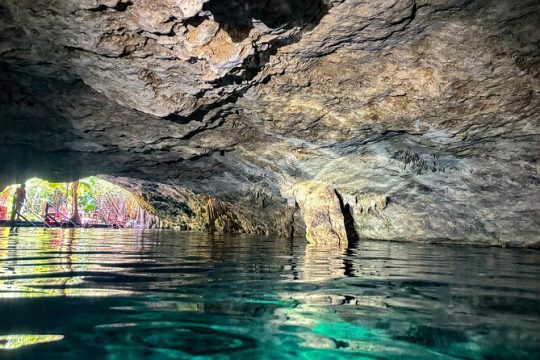
Tours & Sightseeing
Prices from $20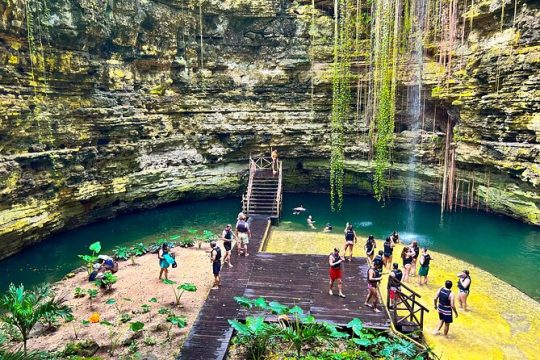
Cultural & Theme Tours
Prices from $20
Day Trips & Excursions
Prices from $20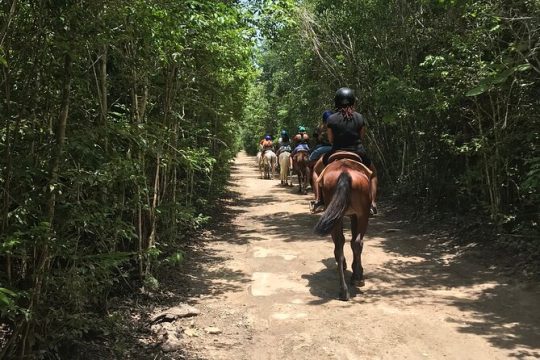
Outdoor Activities
Prices from $20
Holiday & Seasonal Tours
Prices from $59
Water Sports
Prices from $28
Cruises, Sailing & Water Tours
Prices from $44VIP & Exclusive Tours
Prices from $59
Food, Wine & Nightlife
Prices from $28
Weddings & Honeymoons
Prices from $28
Multi-day & Extended Tours
Prices from $149
Tulum Archeological Site
Prices from $20
Chichen Itza
Prices from $20
Mayan Ruins of Coba (Zona Arqueológica de Cobá)
Prices from $20
Cenote Nohoch Nah Chich
Prices from $59
Isla Mujeres
Prices from $28
Cenote Ik Kil
Prices from $115
Isla Blanca
Prices from $65
Playa Norte (North Beach)
Prices from $85
Akumal
Prices from $99
Cenote Azul Bacalar
Prices from $119
Cenote Dos Ojos
Prices from $175
Cenote Suytun
Prices from $155


Punta Sam Event Calendar
View all events
Things to do on Three Kings Day in Punta Sam (Updated 2026)

Things to do on Day of the Dead in Punta Sam (Updated 2026)

Hanukkah in Punta Sam
Dec 4–12, 2026
New Year’s Eve in Punta Sam
Thu, Dec 31, 2026
New Year’s Day long weekend in Punta Sam
Jan 1–3, 2027
Valentine's Day in Punta Sam
Sun, Feb 14, 2027
Easter in Punta Sam
Sun, Mar 28, 2027
Good Friday in Punta Sam
Fri, Mar 26, 2027
Cinco De Mayo in Punta Sam
Wed, May 5, 2027
Halloween in Punta Sam
Sun, Oct 31, 2027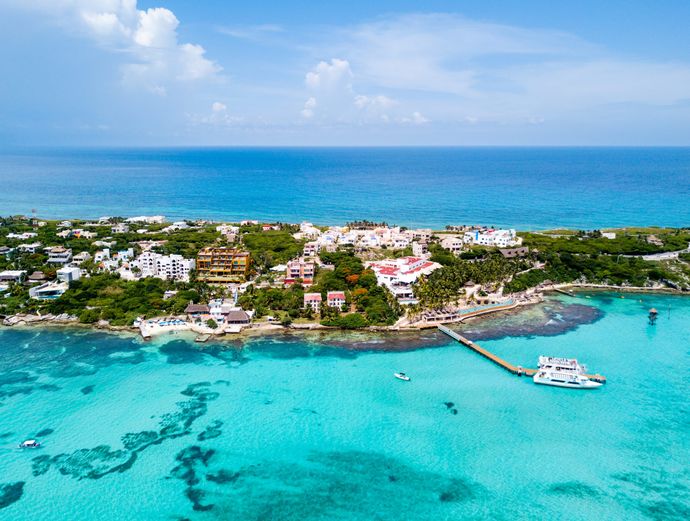
Isla Mujeres Tours
Prices from $31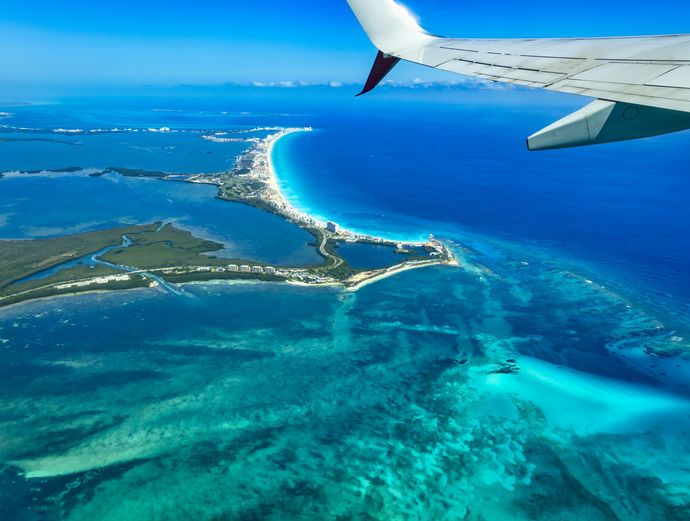
Cancun Tours
Prices from $3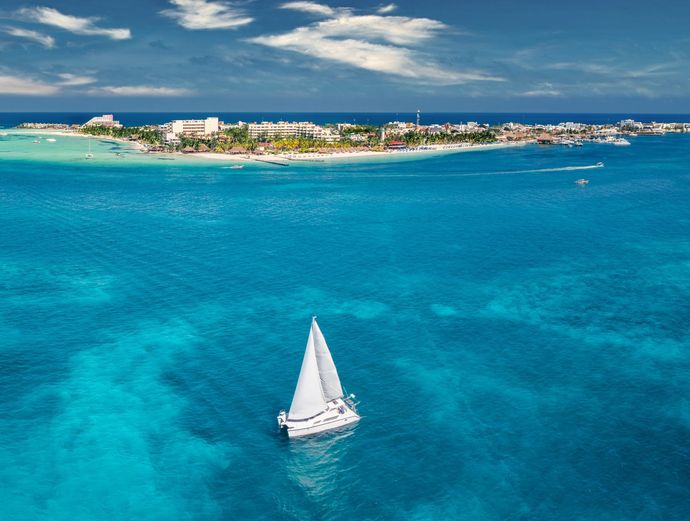
Cozumel Tours
Prices from $10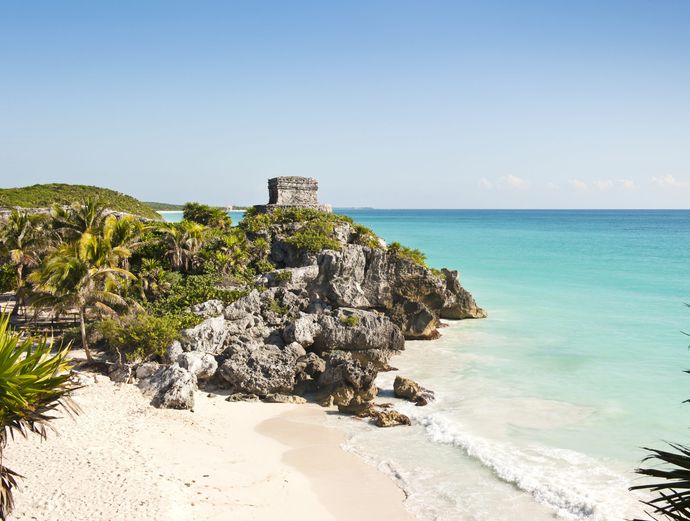
Tulum Tours
Prices from $5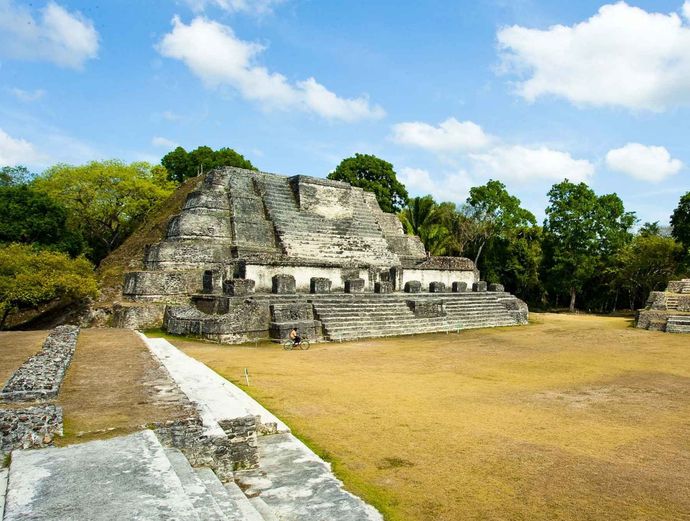
Belize City Tours
Prices from $79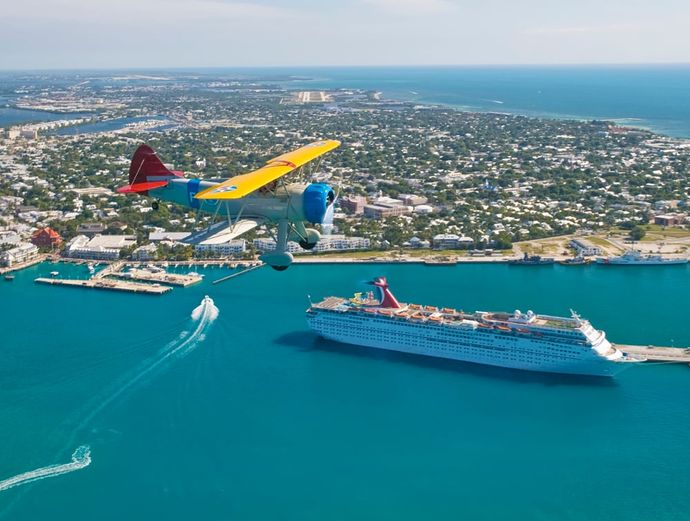
Key West Tours
Prices from $4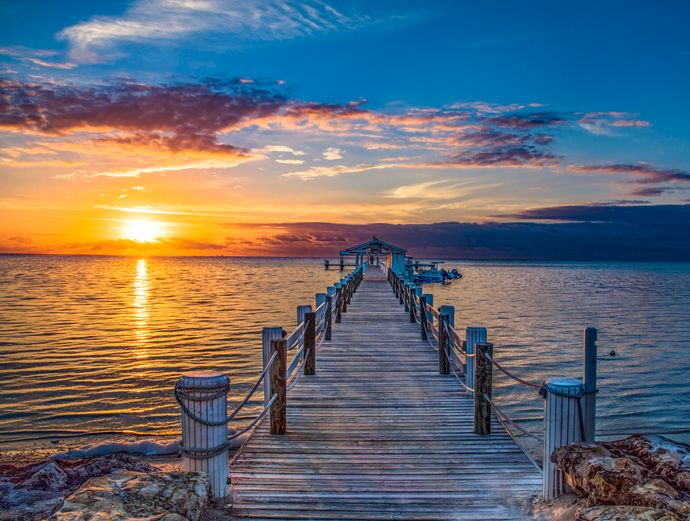
Islamorada Tours
Prices from $93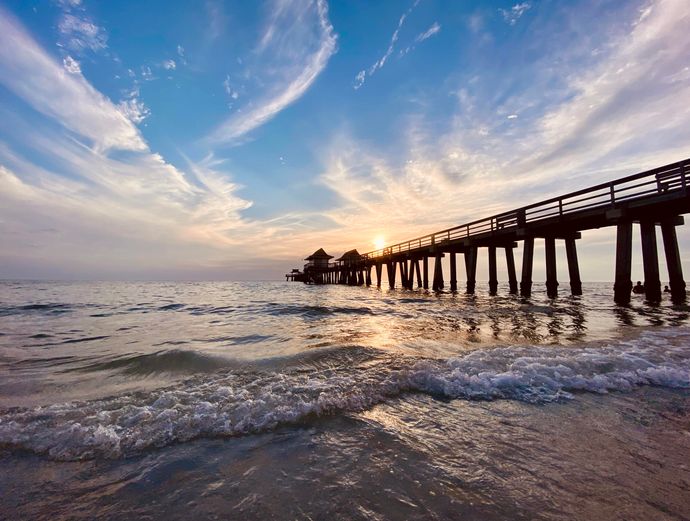
Naples Tours
Prices from $10
Everglades National Park Tours
Prices from $31
Key Largo Tours
Prices from $15
Fort Myers Tours
Prices from $8