Frequently Asked Questions
The answers provided below are based on answers previously given to customers' questions.
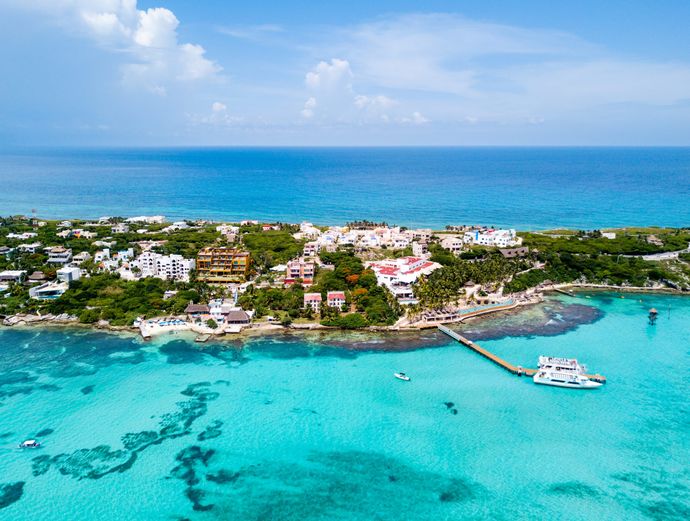
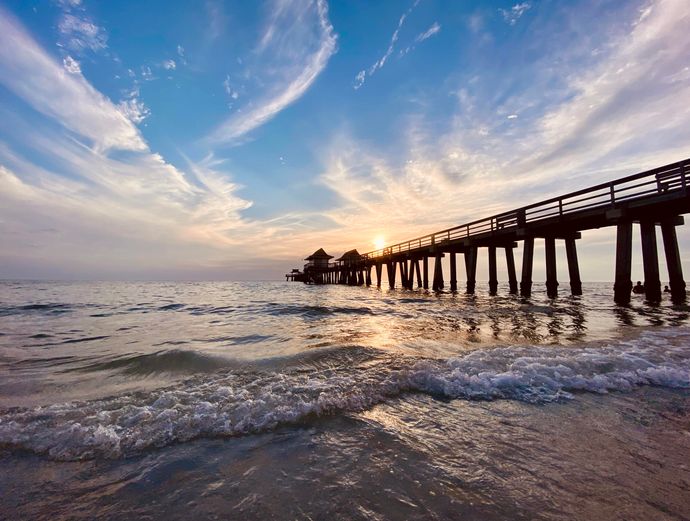
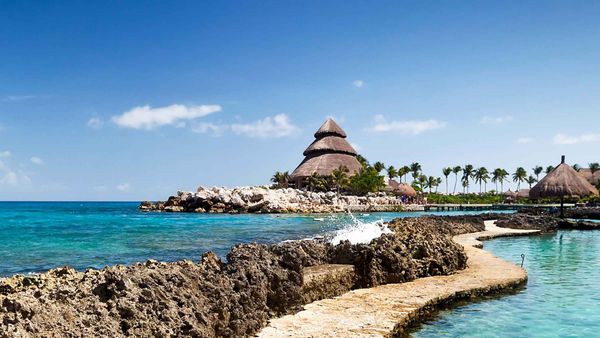
Progreso is the Gulf coast port of the Yucatán, a laid-back beach town with a seaside promenade and a very long pier that carries cruise passengers far out over the shallow green water. From here, the Maya world is close at hand: ancient cities, limestone sinkholes called cenotes and the colonial streets of Mérida all lie within an easy drive. Most tours fill four to eight hours, start in the morning and are planned with cruise schedules in mind. Nearly all welcome children, almost every one is shared rather than private, and all can be canceled free of charge.
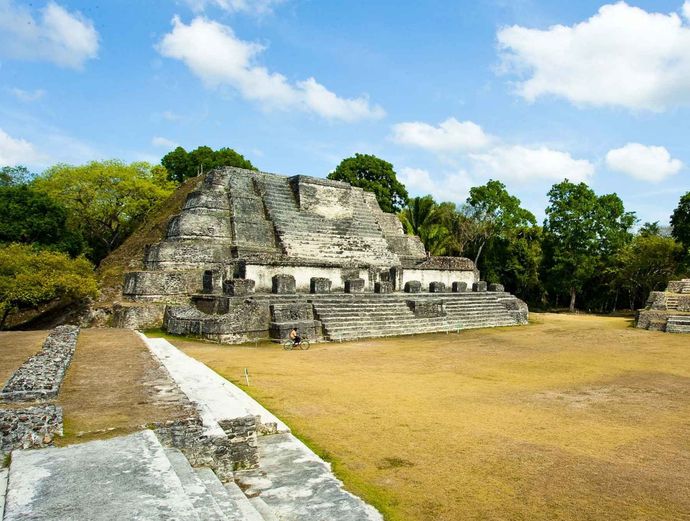
The closest ancient site is Dzibilchaltun, a short drive inland, where a long white causeway leads to a small temple and a clear cenote invites a cool swim after the walk. Further south, Mayapan was one of the last great Maya capitals, with a round observatory and a compact central pyramid that you can often explore with few other visitors around. The biggest name is El Castillo, the stepped Pyramid of Kukulkán at Chichén Itzá, a longer day that pays off with the most famous building in the region. Guides bring these places to life by explaining Maya astronomy, ball games and the calendar.
Not every outing is about history. Water sports along the coast cover activities such as snorkeling and paddling, and some excursions pair a cenote swim with time on the beach. Guides on these active outings handle the gear and the safety briefing, so beginners can join in comfortably. For more of a rush, off-road ATV rides bounce along jungle trails toward hidden swimming holes, popular with teenagers and active couples. Food tours add a taste of the peninsula, with dishes such as slow-roasted pork, fresh ceviche and handmade tortillas.
Many visitors arrive by ship, and much of what is on offer is built around a single day in port. Shore excursions meet near the pier and return in time for departure, while port transfers simply take you to Mérida or another town so you can explore on your own. Bus and minivan tours keep the logistics simple, which helps families with young children and first-time visitors to Mexico. If your ship stays only a short while, a visit close to the coast is the calmer choice.
If you have one day, choose between a nearby ruin with a cenote swim and the longer trip to Chichén Itzá, since trying to do both is a stretch. With more time, base yourself in Progreso or Mérida and spread the ruins across separate mornings, leaving afternoons for the beach and evenings for dinner along the promenade. Some tours run into the evening, but you will plan most nights yourself. Start early on ruin days to avoid the strongest midday heat.
#1Dzibilchaltun is an ancient Maya city just north of Merida on Mexico's Yucatan Peninsula. Its ruins spread around a broad plaza, a large freshwater cenote and the small Temple of the Seven Dolls, famous for the way the rising sun lines up with its doorways at the equinoxes, and a museum on site tells the wider Maya story.People lived here for roughly two thousand years, until the Spanish arrived, a remarkably long run for any Maya city. At its height Dzibilchaltun was a large and busy center, its districts linked by sacbeob, the raised causeways the Maya paved with stone. Its name is usually translated as the place where there is writing on flat stones. After the conquest, Franciscan friars built an open chapel in the old plaza, and its stone shell still stands among the Maya ruins.The Temple of the Seven Dolls sits at the far end of a long white causeway east of the plaza. It takes its name from seven small clay figures left in the building as an offering, and its doorways were aligned so that at sunrise on the spring and autumn equinoxes the sun shines straight through, a precise piece of Maya astronomy. Back in the main plaza, Structure 44 runs along one side, one of the longest buildings anywhere in the Maya area.Near the plaza, the Xlacah cenote is a large open sinkhole that once supplied the city with fresh water, and ritual objects recovered from its depths show it was also a sacred place. The Museum of the Maya People rounds off the visit with sculpture, pottery and other finds that follow Maya life through the centuries. A good guide can connect the stones, the water and the sky into a single story.
More
#2El Castillo, also called the Pyramid of Kukulkán, is the great stepped temple at the center of Chichen Itza, the ancient Maya city in Mexico's Yucatán. People come to see its sharp-edged terraces and serpent-carved stairways, and to understand how its builders tied stone to the calendar and the sun.The Maya raised the pyramid between the 8th and 12th centuries as a temple to Kukulkán, the Feathered Serpent, a god closely related to the Aztec Quetzalcoatl. Square terraces climb to a small temple at the summit, and stairways run up all four sides. The steps of the four stairways, counted with the top platform as a final step, add up to about 365, the number of days in the Maya solar year. Carved serpent heads guard the foot of the north stairway, and their feathered bodies run up the balustrades.Around the spring and autumn equinoxes, the low afternoon sun throws a row of triangular shadows down the side of the northern stairway, and a serpent of light and shade seems to slither down to meet the stone head at its base. Whether the builders planned the effect is still debated, but it has made the pyramid famous. An older temple lies hidden inside. Archaeologists tunneling in during the 20th century found a reclining Chac Mool figure and a jaguar throne painted red and set with green jade, sealed away when the outer pyramid was built over them.The pyramid also sits above a hidden cenote, a water-filled sinkhole beneath the limestone, and a raised causeway leads from its plaza to the Sacred Cenote, where the Maya made offerings. Around it stand the Temple of the Warriors, with its rows of carved columns, and the Great Ball Court, so the pyramid anchors a whole ceremonial landscape. A guide can link the carvings to Maya astronomy and explain how the city rose to power.
More
#3If you are looking for things to do in Progreso we have 2 Tours and Activities to Experience Mayapan. Check out our verified traveler reviews and photos of Mayapan tours and other things to do in Progreso, and book securely when you find the perfect one. Learn the best ways to see famous Mayapan and explore the most popular things to do in Progreso.
MoreProgreso runs at a beach town pace. Most mornings go to a half-day trip inland, to Maya ruins or a cenote for a swim, and you are back on the coast by early afternoon for seafood and a walk on the sand.
Evenings are quiet, with dinner along the waterfront and a stroll as the heat eases. Some visitors give a day to the colonial streets of Merida.
Almost every outing is shared and family friendly, which suits cruise passengers, families with kids and anyone after a relaxed base near history.
November to April is the dry season, with warm days, lower humidity and calm seas for boat trips. It is the most comfortable and busiest time, so book cruise-day trips well ahead.
Late spring turns very hot, so visit ruins early in the day and rest at midday. From June to November the wet season brings humid days and short afternoon showers.
Mexican families fill the beaches around Easter week and in July and August, when the town feels lively and the seafront stays busy late.

The answers provided below are based on answers previously given to customers' questions.