


Oceania attractions
More things to do across the continent
 #76
Adelaide Gaol
Adelaide Gaol is a former prison on Gaol Road, on the western edge of central Adelaide beside the Torrens River parklands. Now a museum and heritage site, it draws visitors who want to walk its cell blocks and yards and learn what prison life was like through much of South Australia's history.The gaol was built in the early years of the colony and stayed in use for a very long time, holding prisoners through the colonial era and well into the 20th century before it finally closed. Few prisons in Australia ran for so long, and the stone buildings carry layers of change, from the original colonial design to later additions made as ideas about punishment shifted. Its high walls make it one of the city's most distinctive historic buildings.The site tells the story of the gaol from its founders to its closing years. You can step into cells, cross exercise yards and read about the daily routine of inmates and the staff who watched over them. Capital punishment is part of the story, and the hangings carried out at the gaol are told plainly. The experiences of the women held here get their own attention, a side of prison history that is often overlooked. Personal stories run throughout, so the place reads as a record of real lives rather than an empty building.The thick walls, heavy doors and narrow cells make the history feel close, and the quiet of the empty blocks is part of the effect. The gaol also runs school programs that use the site to teach about justice and punishment in earlier times. A guide brings out the stories of prisoners, guards and the people who ran the place, along with the darker chapters behind its walls.
More #77
Adelaide River
Adelaide River is a small country town on the Stuart Highway in Australia's Top End, south of Darwin, where the highway crosses the river of the same name. Travelers stop for its moving Second World War cemetery, its old railway station and a pub with a famous resident, making it a natural break on the road through the Northern Territory.The town grew up in the 19th century, first as a camp for the workers building the Overland Telegraph Line and then as an overnight stop for travelers heading to the Pine Creek goldfields, with a hotel on the riverbank. When the North Australia Railway arrived late in the century, Adelaide River became a railway town, and its old rail bridge over the river still carries traffic.Its quiet life changed with the Second World War. Soon after Japanese air raids struck Darwin, the area became a major military base, with an airfield and tens of thousands of Australian and American troops camped nearby. Field hospitals were set up here, and the Adelaide River War Cemetery began as their burial ground. Cared for by the Commonwealth War Graves Commission, it holds service personnel along with civilians killed in the raids, and a memorial recalls those whose bodies were never found. Neat rows of graves set in green lawns beneath tropical trees make it one of the most peaceful places in the Territory.Beyond the cemetery, the town has a few more stories to tell. The old railway station, saved when the line closed, became a heritage precinct with restored vehicles and rolling stock from the original North Australia Railway. At the Adelaide River Inn, the bar is home to Charlie, the water buffalo who appeared in the film Crocodile Dundee, a much-loved local who was stuffed after his death. A guide can fill in the wartime stories that the quiet streets no longer show.
More #78
Australian Butterfly Sanctuary
The Australian Butterfly Sanctuary is a large walk-through butterfly aviary in Kuranda, the rainforest village in the hills above Cairns in tropical north Queensland. Visitors come to stroll among free-flying tropical butterflies, many of them native to the surrounding rainforest, and to learn how these delicate insects grow from tiny eggs into winged adults.Kuranda sits on the edge of the Wet Tropics, the ancient rainforest that cloaks the coastal ranges of far north Queensland and is protected as a World Heritage Area. That forest is home to some of Australia's most colorful butterflies, and the sanctuary gathers many of them inside its netted flight aviary. Dense tropical planting, including the food plants that caterpillars depend on, gives the space the feel of a rainforest clearing, and butterflies drift between leaves, blossoms and the paths themselves, often settling on visitors who stand still long enough.The stars are the region's own species. The Ulysses butterfly flashes electric blue as it flies, then all but vanishes when it folds its wings to show their dark undersides. In the wild it tends to fly fast and high, so seeing one at close range is a rare treat. The Cairns birdwing, Australia's largest butterfly, glides past in green, gold and black, while smaller species add reds, oranges and soft browns, and part of the fun is learning to tell them apart as they feed and rest.Beyond the aviary, the laboratory turns the visit into a lesson in transformation. It focuses on the stages most people never notice in the wild, from eggs and hungry caterpillars to the chrysalis from which a new butterfly emerges and slowly unfolds its wings. A guide can point out the tricks these insects use to survive, from warning colors to clever camouflage.
More #79
Cascade Brewery
Cascade Brewery is a working brewery in South Hobart, Tasmania, housed in a towering sandstone building at the foot of Mount Wellington. It has been making beer since the early years of the colony, and visitors come to see the brewhouse, follow the brewing process and relax in its old gardens.The brewery was founded by Peter Degraves, an English-born businessman who arrived in Van Diemen's Land in the early 19th century. He first set up sawmills along the Hobart Rivulet, then turned to brewing, drawn by the clean water that tumbles off the mountain through a series of small cascades, which gave the brewery its name. Degraves had a turbulent life, including years in debtors' prison, yet the business he started outlasted him and grew into one of Australia's best-known beer makers. Bushfires swept through the area in the 20th century and badly damaged the building, which was restored behind its original facade.The pale stone front, with its tall central tower and rows of arched windows, looks more like a castle or a mill than a factory, and it appears on the brewery's labels. Inside, the brewhouse shows the journey from malt and hops to finished beer, with copper vessels, fermenting tanks and the bottling line. The Tasmanian tiger, the striped marsupial now extinct and long linked with the brand, turns up on signs and labels throughout the site.Beside the brewery, the heritage gardens were once part of the founding family's estate, with lawns, old trees and flower beds set against the slopes of the mountain. Old brewing equipment and photographs around the site show how the work was done in earlier eras. A guide brings out the stories of the convicts, settlers and brewers whose work shaped this corner of Hobart.
More #80
Darling Harbour
If you are looking for things to do in Oceania we have 40 Tours and Activities to Experience Darling Harbour. Check out our verified traveler reviews and photos of Darling Harbour tours and other things to do in Oceania, and book securely when you find the perfect one. Learn the best ways to see famous Darling Harbour and explore the most popular things to do in Oceania.
More #81
Double Bay
Double Bay is a harborside neighborhood in Sydney's eastern suburbs, a few kilometers from the city center, known for its fashion boutiques, cafes and leafy streets running down to the water. People come for an unhurried day of shopping, long lunches and harbor views, in one of the most polished corners of the city.The suburb takes its name from its bay on Sydney Harbour, a double curve of shoreline between Point Piper and Darling Point split by a small point, with the eastern half known as Blackburn Cove. In the early years of the colony, fishermen sheltered their boats here, and by the early 19th century cattle farms and market gardens growing lettuce spread through the valleys behind the shore.Life on the waterfront once centered on a boatshed run by the champion sculler Charles Messenger, whose sons rowed passengers across the harbor. One of them, Dally Messenger, grew up here and became one of the great early stars of rugby league. Chris Watson, Australia's first Labor prime minister, also lived in the suburb. Most homes here are apartments, mixed with grand houses on the harbor slopes, and the shopping streets earned such a reputation for luxury that Sydneysiders nicknamed the suburb Double Pay. It is also the administrative seat of the Municipality of Woollahra.Within a few blocks you find designer labels, galleries, cafes and restaurants, along with heritage buildings such as a compressed-air ejector station from the city's early sewer system. Grand heritage-listed homes, among them Fairwater, long the harborside estate of philanthropist Mary Fairfax, stand on the slopes nearby. Steyne Park, with its war memorial, looks across moored yachts to the open harbor. A harbor cruise or a guided walk adds the stories of the neighboring bays and the mansions above them.
More #82
Gallery Walk
If you are looking for things to do in Oceania we have 9 Tours and Activities to Experience Gallery Walk. Check out our verified traveler reviews and photos of Gallery Walk tours and other things to do in Oceania, and book securely when you find the perfect one. Learn the best ways to see famous Gallery Walk and explore the most popular things to do in Oceania.
More #83
Huka Falls
Huka Falls is a powerful set of rapids and falls on the Waikato River just north of Taupō, on New Zealand's North Island, where the river is forced through a narrow rock gorge. People come to watch the bright turquoise water thunder over the drop and to walk the trails along the river.The Waikato, New Zealand's longest river, flows out of Lake Taupō broad and calm. A short way downstream it suddenly squeezes into a rock channel only about 15 meters wide, and the water races through this chute before tumbling over a final ledge of roughly 7 to 9 meters into a churning pool. At an average flow, the river carries enough water to fill an Olympic swimming pool in about 11 seconds.The falls take their name from the Māori word for foam, a fitting description of the white water boiling at the base. The vivid blue-green color comes from clear lake water and the way light passes through it as it rushes along. Upstream at the lake outlet, control gates added in the middle of the 20th century regulate the flow for the hydroelectric stations farther down the river. A footbridge spans the gorge just above the drop, giving a close look at the force of the water as it passes underneath.Downstream, the river continues to the Aratiatia Rapids, where dam gates are opened at set times to send water crashing through a rocky channel, and the Craters of the Moon steam field lies a short way from the falls. The banks around the gorge are lined with native bush and viewing platforms. Lake Taupō itself fills the caldera of a huge volcano, the source of some of the largest eruptions in the planet's recent geological history. A guide can explain the volcanic forces that shaped the Taupō region and point out the plants and birds along the way.
More #84
Hyde Park Barracks Museum
If you are looking for things to do in Oceania we have 11 Tours and Activities to Experience Hyde Park Barracks Museum. Check out our verified traveler reviews and photos of Hyde Park Barracks Museum tours and other things to do in Oceania, and book securely when you find the perfect one. Learn the best ways to see famous Hyde Park Barracks Museum and explore the most popular things to do in Oceania.
More #85
Lake Wabby
Lake Wabby is an emerald-green lake on the eastern side of K'gari, the great sand island long known as Fraser Island, off the Queensland coast. No other lake on the island is as deep, and visitors come for the striking meeting of green water, bushland and a towering wall of pale sand sliding into the lake.The lake exists because of sand. A natural spring feeds it, and its water was trapped when wind-blown sand piled up and blocked the flow, making it what scientists call a barrage lake. It has no outlet, and at its deepest it reaches about 12 meters. On one side, the Hammerstone Sandblow, a huge dune pushed inland by the winds off the ocean, creeps into the water a little at a time, and in the long run it is expected to swallow the lake completely.That slow burial gives the lake its unusual look. Steep sand slopes drop straight into deep water, and the shallows near the dune glow a bright jade before shading into darker green. Unlike most of the island's lakes, whose water is too acidic for much aquatic life, Wabby supports a good range of fish, with more than a dozen species recorded. Swimmers float in the cool water beneath the dune, and from the lookout above you can see the whole contrast of forest, sand and lake at once.The lake also matters to the Butchulla people, the Traditional Owners of K'gari, whose name for the island is now its official one. The island as a whole is listed by UNESCO for its giant dunes, rainforest growing in sand and rare perched lakes. A guide can explain how wind, water and sand shaped this landscape, and why a lake this beautiful is also, in geological terms, living on borrowed time.
More #86
Lone Pine Koala Sanctuary
Lone Pine Koala Sanctuary is a wildlife park in Fig Tree Pocket, on the western side of Brisbane, and is recognized as the oldest and largest koala sanctuary of its kind in the world. Visitors come to see koalas at close range, mingle with kangaroos and meet dozens of other native species.The sanctuary was founded by Claude Reid in the early 20th century as a refuge for sick, injured and orphaned koalas, at a time when the animals were still hunted for their fur. It began with just two koalas, Jack and Jill. The name comes from a lone hoop pine planted by the Clarkson family, who first owned the riverside land. During the Second World War, American visitors, among them the wife of General Douglas MacArthur, came to see the animals, and the sanctuary's fame spread far beyond Australia.Koalas remain the heart of the park, and the Koala Forest enclosure alone holds more than 30 of them, dozing in forks of eucalyptus or slowly chewing leaves. Around them live some 80 Australian species, from wombats, platypus, echidnas and Tasmanian devils to dingoes, emus, cassowaries and flying foxes, along with birds of prey, reptiles and frogs. Rainbow lorikeets add a blaze of color and noise to the grounds.The park is also a place of serious science. The Brisbane Koala Science Institute, set up here with the city council, runs a laboratory and a koala biobank, a store of genetic material that supports research into protecting wild koalas. Fees once charged for holding koalas helped fund new enclosures and eucalyptus plantations to feed the animals. A guide can explain how the sanctuary grew from a small refuge into a research center, and share stories of the animals that visitors see along the way.
More #87
Margaret River
Margaret River is a small town and the wider region around it in the far south-west of Western Australia. It is known for its wineries, surf beaches, limestone caves and tall forests, and travelers come for long lunches at cellar doors, days along a wild coastline and a relaxed country pace.The Wadandi people have cared for this stretch of country between Cape Naturaliste and Cape Leeuwin for many thousands of years, and their stories are tied to its caves, rivers and coast. European settlers arrived in the 19th century and cleared land for farming and timber. The region's modern reputation began in the second half of the 20th century, when a doctor from Perth planted vines after reading that the soils and climate resembled those of Bordeaux. Others followed, and the area became one of Australia's best-known wine regions, especially for cabernet sauvignon and chardonnay.Small family wineries sit beside larger estates, many with restaurants, galleries and gardens. Between the vineyards are dairies, chocolate makers, breweries and art studios. To the west, the coast faces the Indian Ocean, with powerful surf breaks that draw professional contests and quieter bays for swimming and snorkeling. Inland, the Boranup Forest is a hushed stand of tall, pale-trunked karri trees.Beneath the limestone ridge that runs along the cape lie many caves, several open to visitors, with delicate formations and underground streams and lakes. At the southern tip, Cape Leeuwin Lighthouse stands near the point where the Indian and Southern Oceans meet, and migrating whales pass close to the coast. The town itself has a laid-back main street of cafes and shops beside the river that gives it its name. A guide can explain how winemakers read the region's soils and ocean breezes.
More #88
Mrs Macquarie's Chair
Mrs Macquarie's Chair is a seat cut into the sandstone rock at the tip of Mrs Macquarie's Point, beside Sydney's Royal Botanic Garden. It is one of the city's favorite lookouts, and people come for the classic view across the harbor to the Opera House and Harbour Bridge, along with a slice of colonial history.Convicts cut the seat in the early 19th century for Elizabeth Macquarie, wife of Lachlan Macquarie, then governor of New South Wales. Folklore says she liked to sit here and watch for ships arriving from Britain, a long-awaited link to home in the young colony, and she often walked out to the point to take in the view. Her husband had a road built around the Government Domain to reach it, and it carries her name because she planned the route herself.Above the seat, an old stone inscription describes the road, recording its length and its completion in the colony's early years. Long before the colonists arrived, the Gadigal people knew this headland as Yurong Point. The chair itself faces northeast toward Fort Denison, the small fortified island in the middle of the harbor, and beyond it toward the open sea. Sandstone shelves around it make natural seats for watching the water.Look west and one of Sydney's best-known scenes opens up, with the white sails of the Opera House set against the great arch of the Harbour Bridge and ferries and yachts crossing the water in between. The point is also a favorite place to gather for big celebrations on the harbor, when crowds spread across the lawns to watch. A guide can share the stories of the Gadigal, the convicts and the governor's wife who all left their mark on this small headland.
More #89
North Head Historic Reserve (Maungauika)
If you are looking for things to do in Oceania we have 23 Tours and Activities to Experience North Head Historic Reserve (Maungauika). Check out our verified traveler reviews and photos of North Head Historic Reserve (Maungauika) tours and other things to do in Oceania, and book securely when you find the perfect one. Learn the best ways to see famous North Head Historic Reserve (Maungauika) and explore the most popular things to do in Oceania.
More #90
Odyssey Sensory Maze
The Odyssey Sensory Maze is an indoor walk-through attraction in central Auckland, set in the lower basement of the Metro Centre on Queen Street. It is a maze of themed zones, each built around a different sense, and visitors come for a playful, slightly disorienting hour of light, sound and surprises underfoot.The idea is simple: instead of looking at exhibits, you move through a series of spaces designed to play with your perception. The same team runs a sister maze in Queenstown, and the Auckland version brings the concept to the middle of the city's main shopping street. It sits below a busy entertainment complex, and stepping down into the basement feels like leaving the street behind for a stranger, darker world.Each zone works on a different sense. Some rely on lighting effects and color, shifting what your eyes tell you about the shape of the room. Others use sound, with noises that seem to come from everywhere at once. Optical illusions make floors and walls look wrong, so balance and judgment come into play. Dark passages ask you to feel your way forward, and surfaces underfoot change from soft to firm to textured, since guests go barefoot or in socks and the floor becomes part of the experience. Hands-on and feet-on sensations turn the walk into something closer to a game than a gallery.The maze appeals to families with older children, groups of friends and anyone looking for something offbeat in the city center. It is the kind of place where people laugh at their own reactions, compare notes on which zone threw them most and come out blinking into the light. For travelers spending a day on foot around Queen Street, it adds an unexpected break from shops, cafes and harbor views. Because the experience depends on reactions rather than information, there is no story to follow, just a series of spaces to explore at your own speed.
More #91
Perth Mint
The Perth Mint is the oldest working mint in Australia, set in a limestone building in East Perth, Western Australia. It was founded to turn the gold of the state's great rushes into coins, and visitors come to see its gold displays and rare coins and to watch molten gold being poured into a bar.The mint opened at the very end of the 19th century as a branch of Britain's Royal Mint, after gold strikes at Coolgardie and Kalgoorlie drew prospectors from around the world to the West. It refined the miners' gold and struck gold sovereigns for the British Empire, and it stayed under British control for decades before passing to the Western Australian government. It remains a working mint, refining gold and producing bullion and collector coins, including the gold Nugget and silver Kookaburra series.The original building, with pale limestone walls and a quiet central courtyard, is one of the finest heritage buildings in Perth, and it feels a world away from the glass towers of the city center a short walk away. The Melting House, where gold was once melted down for refining, keeps the heat and drama of the old work alive.The displays bring the gold rush to life with natural nuggets in remarkable shapes, historic coins and the tools of the early refiners. The most famous piece is a gold coin weighing about one tonne, roughly 80 centimeters across and stamped with a kangaroo, which the mint describes as the largest gold coin in the world. Seeing a fortune in metal at close range has a way of making the gold rush feel real. A guide explains how prospectors found and sold their gold, how the mint tests its purity and why this quiet corner of Perth once mattered so much to the wider empire.
More #92
Rottnest Island
Rottnest Island is a low, sandy island in the Indian Ocean off Perth and Fremantle, ringed by white beaches, clear bays and reefs. People cross to swim and snorkel in sheltered coves, explore salt lakes and lighthouses, and meet the quokka, the small, round-faced marsupial that has made the island famous.To the Whadjuk Noongar people the island is Wadjemup, a place linked to the spirit world, and it was cut off from the mainland when sea levels rose thousands of years ago. Dutch navigator Willem de Vlamingh landed in the late 17th century and, mistaking quokkas for large rats, called it a rats' nest, the origin of its name.The colonial story is darker. For much of the 19th century and into the 20th, the island held a prison for Aboriginal men and boys taken from across Western Australia, and many died there; the octagonal Quod building and a burial ground remain as places of reflection. Later the island became a military post, and the big guns and tunnels at Oliver Hill date from the Second World War. Holiday cottages, a governor's summer residence and the settlement at Thomson Bay grew up around these older layers.The island's appeal lies mostly outdoors. Bays such as the Basin, Little Salmon Bay and Parakeet Bay offer clear water over limestone reefs, while salt lakes in the interior turn shades of pink and draw migratory shorebirds. Wadjemup Lighthouse stands on the island's high point, and at the far western tip, Cathedral Rocks is home to a colony of New Zealand fur seals, with humpback whales sometimes passing offshore. Shipwrecks lie scattered around the reefs, and the quokkas, found almost everywhere, have become stars of countless smiling selfies. A guide can add the stories behind the wrecks and the island's harder chapters.
More #93
Tamborine National Park
Tamborine National Park is a cluster of rainforest reserves on Tamborine Mountain, a plateau in the Gold Coast hinterland of southeast Queensland. Visitors come for walks to waterfalls and rock pools, groves of tall palms and giant fig trees, and cool green forest high above the busy coast.The park holds a special place in Queensland's conservation history. Its Witches Falls section was declared the state's first national park in the early 20th century, and the park has since grown into more than a dozen separate reserves scattered across the plateau, with villages, farms and galleries in between. The mountain is built of old volcanic basalt, and its rich soils support subtropical rainforest of red cedars and strangler figs, groves of piccabeen palms and cycads, hoop pines and open eucalypt forest. The plateau itself is about 8 km long and rises to more than 500 meters.Each section has its own character. At Witches Falls, a circuit winds down through rainforest past giant strangler figs to the falls that gave the reserve its name, while the Palm Grove walk passes beneath a canopy of piccabeen palms. In the Joalah section, Curtis Falls pours over a dark basalt face into a rock pool, and The Knoll has its own waterfall at Cameron Falls. At Cedar Creek the water tumbles gently over the rocks rather than plunging, filling a string of rock pools along the way.Wildlife is part of the appeal. Lyrebirds, satin bowerbirds and eastern whipbirds call from the undergrowth, brush-turkeys scratch through the leaf litter, lorikeets flash through the canopy, and platypus live in the creeks. On sunny rocks at The Knoll, black skinks bask in the warmth. A guide with a sharp ear can pick out the birdcalls and point out the shy creatures most visitors walk past.
More #94
Tasman Glacier (Haupapa)
The Tasman Glacier, or Haupapa, is New Zealand's longest and largest glacier, a vast river of ice flowing from the Southern Alps through Aoraki/Mount Cook National Park on the South Island. Visitors come to look across its milky meltwater lake, where icebergs drift beneath the country's highest peaks, and to see a glacier that is visibly changing.The glacier runs for about 24 kilometers from high snowfields past the flanks of Mount Tasman and Aoraki/Mount Cook, and in places its ice is around 600 meters thick. Its lower reaches lie buried under rock and gravel carried down from the peaks, which is why the ice there looks gray rather than white. For much of the 20th century the glacier ended in a jumble of rubble, but as it thinned and retreated, meltwater pooled at its snout and formed Tasman Lake, now several kilometers long and more than 200 meters deep. Great slabs of ice break away into it, and the earthquake that struck Christchurch is thought to have helped trigger a collapse of tens of millions of tons.From the lookout above the lake, you gaze down on gray-green water scattered with icebergs, some streaked with grit and others glowing blue, hemmed in by towering banks of moraine the ice left behind. Far up the valley the rubble-covered glacier curves toward the snowy heights, with Aoraki/Mount Cook, New Zealand's tallest mountain, close by. Beside the track lie the Blue Lakes, small ponds left in hollows of the moraine, while the braided Tasman River carries the meltwater south toward Lake Pukaki.Few places show a warming climate at work so plainly, since the whole lake has appeared within living memory. A guide can explain how the ice carved this valley and what its future may hold.
More #95
Twelve Apostles
The Twelve Apostles are a group of tall limestone stacks rising from the Southern Ocean off Port Campbell National Park in Victoria, Australia. Standing just off the Great Ocean Road, they are the best known sight on that coast, and people come to watch the waves break around them and the cliffs change color with the light.The stacks were carved by the sea. Over millions of years, wind and swells from the Southern Ocean have worn away the soft limestone cliffs, first cutting caves, then arches, and finally leaving pillars of rock standing alone offshore. The process has never stopped. Stacks have collapsed into the sea within living memory, and new ones are slowly forming as the cliffs retreat. Despite the name, there were never twelve: the group was once known as the Sow and Piglets, and the grander title was chosen to draw travelers.From the clifftop lookouts, the view runs along a coastline of sheer golden walls and wave-cut platforms, with the stacks lined up in the surf. Some still tower above the water, while others have been worn down to stumps that vanish under big swells. A short way along the coast, Gibson Steps lead down to the beach, where you can stand at the foot of the cliffs and see two of the stacks rising from the sand and surf.This stretch belongs to the Shipwreck Coast, where rocky reefs, fog and big seas sank many sailing ships in the 19th century, among them the Loch Ard, whose story is told at a gorge nearby. Seabirds nest on the ledges, and the cliffs and kelp-lined shallows support a surprising range of marine life. A guide can share the stories of the wrecks and the forces still reshaping the shore.
More #96
Viaduct Harbour
If you are looking for things to do in Oceania we have 8 Tours and Activities to Experience Viaduct Harbour. Check out our verified traveler reviews and photos of Viaduct Harbour tours and other things to do in Oceania, and book securely when you find the perfect one. Learn the best ways to see famous Viaduct Harbour and explore the most popular things to do in Oceania.
More #97
Waitemata Harbour
If you are looking for things to do in Oceania we have 8 Tours and Activities to Experience Waitemata Harbour. Check out our verified traveler reviews and photos of Waitemata Harbour tours and other things to do in Oceania, and book securely when you find the perfect one. Learn the best ways to see famous Waitemata Harbour and explore the most popular things to do in Oceania.
More #98
Adelaide Zoo
Adelaide Zoo is a compact, non-profit zoo in the green parklands that ring the center of South Australia's capital. As the second-oldest zoo in Australia, it mixes heritage buildings, old shade trees and animals from about 250 species, and it is best known for its giant pandas, a rare sight in this part of the world.The zoo opened in the late 19th century, when Adelaide was still a young colonial city, and its early grounds took shape around formal gates, ornamental gardens and handsome animal houses. Several of those structures survive, and five buildings, among them the Frome Road entrance, are protected on the state heritage register. Over the generations its purpose shifted from simple display toward conservation and breeding programs, with the money it raises going back into caring for wildlife.The giant panda centre is the headline attraction, with indoor and outdoor enclosures where the pandas spend their days eating bamboo, climbing and dozing. Elsewhere, the Nocturnal House flips day and night so you can watch bilbies, bettongs and other shy native animals moving about in low light. Paths also lead past tigers, orangutans, birds and Australian species, all under mature trees that make the grounds a botanical garden in their own right.Children have their own children's zoo and learning spaces, and the grounds are small enough that young legs rarely tire. The location beside the River Torrens and next to the Botanic Garden ties the zoo into Adelaide's belt of parkland, so an outing here feels part of a longer stroll through green city space. Many locals come back again and again, treating the zoo as a familiar part of growing up in the city. A keeper talk or guided experience adds personal stories about individual animals and the conservation work the zoo backs, which brings its residents to life.
More #99
Avon River
The Avon River, known in Māori as Ōtākaro, is the gentle, willow-lined river that winds through the heart of Christchurch on New Zealand's South Island. People come to glide along it in a flat-bottomed punt, paddle past the Botanic Gardens and Hagley Park, and stroll its banks through a city that has rebuilt itself around the water.Its Māori name means a place to play, recalling the children who played on the banks while food was gathered nearby. The English name came from John Deans, one of the first Scottish settlers on the plains, who named it in the 19th century after a river of the same name in his native Scotland. The echo of Shakespeare's Avon is a coincidence, although the planners of the new settlement had once meant to name the river after the playwright himself.From its source in the western suburbs, the river meanders past leafy gardens, loops around the Botanic Gardens and runs through the central city beneath a string of bridges. The most moving is the Bridge of Remembrance, a stone memorial arch honoring those who served in the First World War. Weeping willows trailing into the water and the historic boat sheds give the central stretch an old English feel, and from a punt you can watch ducks paddling and trout and eels moving in the clear water below.Downstream, the river tells a harder story. The earthquakes that shook Christchurch in the early 21st century badly damaged the land along its eastern reaches, and whole neighborhoods beside the water were cleared. Much of that ground has since been set aside as a green corridor of parks, wetlands and trails running from the rebuilt city center to the estuary near Sumner, and the Avon has become the backbone of a greener city.
More #100
Birdworld Kuranda
Birdworld Kuranda is a walk-through bird park in the rainforest village of Kuranda, in the hills above Cairns in tropical North Queensland. Visitors come to wander among more than 350 birds, many of them flying free, and to meet colorful parrots and rare species up close in a garden of ponds and waterfalls.Kuranda began as a small settlement on the edge of the rainforest and grew into a popular hill village once the railway from the coast reached it, with markets, galleries and wildlife parks drawing visitors up from Cairns. Birdworld is part of that story. It sits inside the Kuranda Heritage Markets, laid out under a high mesh canopy so the birds can fly through a planted copy of the rainforest around them, rather than sit in small cages.The enclosure is built as a loop of paths through dense tropical plants, with streams, small waterfalls and ponds where waterbirds paddle and feed. Bright macaws from South America and noisy cockatoos and lorikeets from Australia land on railings, branches and sometimes on visitors' shoulders. The park's best-known resident is its cassowary, a tall, flightless bird of the northern rainforests with a horn-like casque on its head and bright blue skin on its neck, rarely seen at such close range in the wild. A separate finch aviary holds tiny birds flitting through the bushes. With parrots from South America sharing branches with Australian natives, a single loop covers birds from several continents.A visit is as much about sound as color, with whistles, squawks and chatter echoing under the canopy and the splash of water in the background. Children in particular enjoy the moment a lorikeet lands within reach. A keeper or guide can tell the species apart and explain how each one lives in the wild, from what it eats to the threats it faces in its native forests.
More #101
Cairns Aquarium
Cairns Aquarium is a modern public aquarium in the center of Cairns, built to show the waters of tropical north Queensland from rainforest creek to open ocean. Visitors come to meet sharks, rays, turtles and reef fish face to face, and to see the life of the Great Barrier Reef up close without getting wet.The aquarium is laid out as a journey through ten habitats, following water as it travels from the mountains to the deep. Rivers and streams lead to a billabong, a rainforest gallery and tangled mangroves, then out to the reef and the Coral Sea. Along the way you pass more than 70 tanks holding upward of 15,000 animals, plus a trail of fossil replicas recalling the strange creatures unearthed at Riversleigh, one of Australia's richest fossil sites, and a deep-sea display built from models.The showpiece is the Coral Sea Oceanarium, a vast tank holding nearly two million liters of water and modeled on one of the ribbon reefs along the outer edge of the Great Barrier Reef. Gray reef sharks and zebra sharks cruise past rays and large fish while you watch from the viewing windows. The aquarium also has the largest freshwater tank in Australia, and it shows rarely seen creatures such as the emerald tree monitor, a slender green lizard that lives in the treetops, and the Jardine River turtle.Behind the displays, the aquarium works as a research and education center. Its turtle rehabilitation unit nurses rescued sea turtles back to health so they can be released into the ocean, and it is also known for displaying captive-bred olive sea snakes, a sight few other aquariums offer. Even the neighboring restaurant is part of the experience, with a tank that lets diners eat beside swimming fish.
More #102
Canterbury Museum
If you are looking for things to do in Oceania we have 6 Tours and Activities to Experience Canterbury Museum. Check out our verified traveler reviews and photos of Canterbury Museum tours and other things to do in Oceania, and book securely when you find the perfect one. Learn the best ways to see famous Canterbury Museum and explore the most popular things to do in Oceania.
More #103
Cashel Street
Cashel Street is the heart of City Mall, the main pedestrian shopping street in central Christchurch, on New Zealand's South Island. People go to stroll its rebuilt lanes of shops and cafes, cross the Bridge of Remembrance over the Avon River and see how the city has remade itself after its earthquakes.The mall, also called Cashel Mall, links two sections of Cashel Street with the Bridge of Remembrance and part of High Street. The bridge is a memorial to the First World War, its stone arch standing near the spot where soldiers are said to have crossed the river on their way to the front. Its quiet dignity sets a different tone from the shopping streets around it, and walking beneath the arch is a moment of reflection in the middle of a busy day.The earthquakes devastated the central city, and much of the mall was lost. While rebuilding began, a temporary mall made of brightly painted shipping containers kept shops trading, and it became a symbol of the city's determination. The Cashel Street section was among the first parts of the center to reopen, and the container mall has since given way to a riverside market and new shopping lanes, with fresh buildings standing where older ones fell.The Ballantynes department store, a long-standing Christchurch name, anchors the mall, and around it cafes, boutiques and public art fill the streets. Sculpture and murals added during the rebuild give the center a fresh, creative edge. The willow-lined Avon flows close by, while the bars and restaurants of Oxford Terrace and the shops of Colombo Street are only a few minutes away. Walking the length of the mall, old and new sit side by side, and the street reads as a living record of how a city chooses to rebuild.
More #104
Christchurch Botanic Gardens
The Christchurch Botanic Gardens are the green heart of the city, a spread of lawns, glasshouses and themed gardens within a bend of the Avon River. People come to walk among old trees and roses, step into the warm conservatories and enjoy a plant collection that has grown for more than a century and a half.The gardens date from the early years of the Canterbury settlement, when an English oak was planted to mark the marriage of the Prince of Wales to Princess Alexandra of Denmark, and that tree still stands. Over the following decades gardeners added trees and plants from around the world alongside New Zealand natives, and many of the trees planted by those early generations now tower over the lawns and riverside paths. Together with neighboring Hagley Park, they form the largest open space in central Christchurch.Highlights include the Central Rose Garden, a circle of formal beds, and a heritage rose garden of older varieties. Cuningham House, a glasshouse from the early 20th century, keeps tropical plants in steamy warmth, and neighboring glasshouses show cacti, succulents and seasonal flowers. A New Zealand section gathers native plants, and the herb, rock and water gardens each have their own character. The ornate, brightly painted Peacock Fountain, cast in England, is a favorite place for photos.The Avon River curls along the edge of the gardens under willows and old trees, and punts drift by on the water, a scene that helps give Christchurch its reputation as the most English of New Zealand's cities. A modern visitor center stands among the older features. A guide can name trees you would otherwise pass by and share the stories of the people who shaped the gardens over the generations.
More #105
Christchurch Tram
The Christchurch Tram is a heritage tram service that circles the central city of Christchurch, on New Zealand's South Island. Restored vintage trams run a loop of roughly 4 km, and the drivers talk passengers through the city's past as they go, which makes the ride a relaxed, friendly first look at a city center that has been largely rebuilt.Trams first appeared on Christchurch streets in the late 19th century, pulled by horses and steam engines before electric cars took over, and they carried the city's commuters until buses replaced them in the middle of the 20th century. Decades later, a short heritage line returned to the central streets, run with lovingly restored cars as an attraction for visitors rather than as everyday transport. While much of the city center was being renewed, the tram paused for a time, then came back on a longer route that links old landmarks with newly built districts.Part of the pleasure is the trams themselves, old cars restored with care that draw their power from overhead electric wires and rattle along at an easy pace. The loop passes the Botanic Gardens, the Terrace and Riverside Market, Margaret Mahy Playground and New Regent Street, a short pedestrian lane of pastel shopfronts in the Spanish Mission style. The drivers' stories range from the city's early days to the earthquakes and the long rebuild, so riders come away knowing what once stood on empty lots and what has risen in its place.For many visitors the tram works as a moving history lesson and a gentle way to get their bearings in a city that keeps changing. Riding with a driver who knows the streets well adds the small local stories that a map alone cannot give.
MoreDiscover Oceania
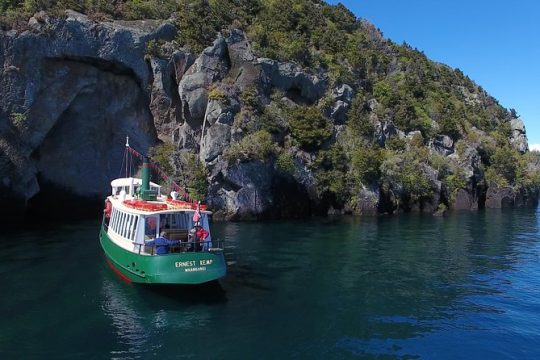
Luxury & Special Occasions
Prices from $5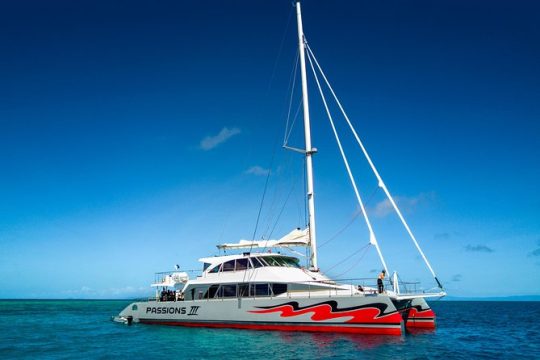
Tours & Sightseeing
Prices from $3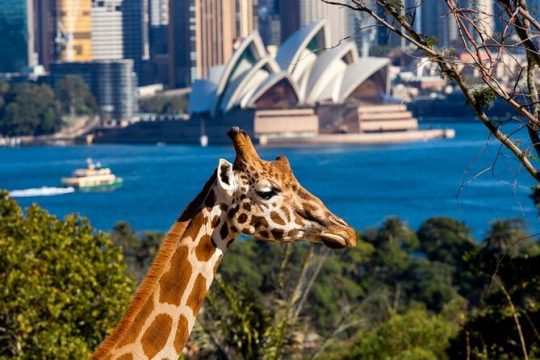
Outdoor Activities
Prices from $7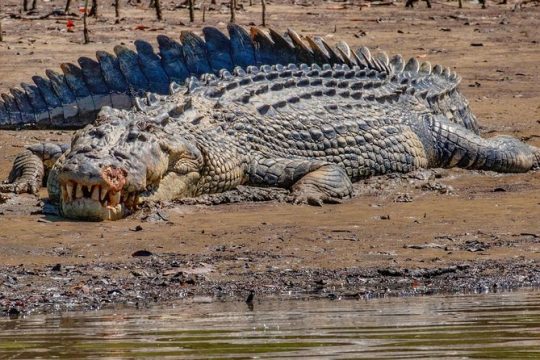
Cruises, Sailing & Water Tours
Prices from $17
Cultural & Theme Tours
Prices from $3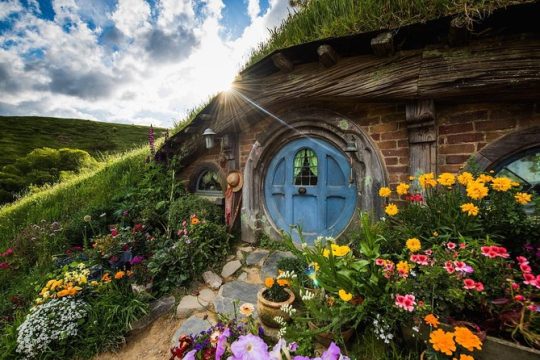
Sightseeing Tickets & Passes
Prices from $10
Day Trips & Excursions
Prices from $10
Walking & Biking Tours
Prices from $3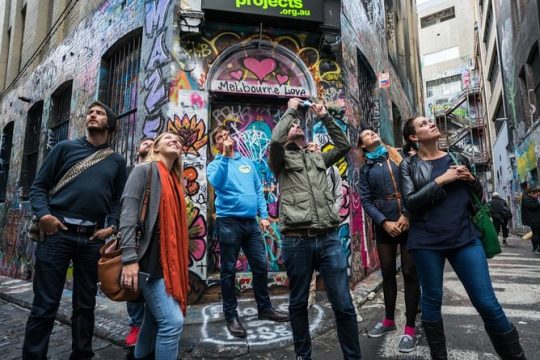
Food, Wine & Nightlife
Prices from $5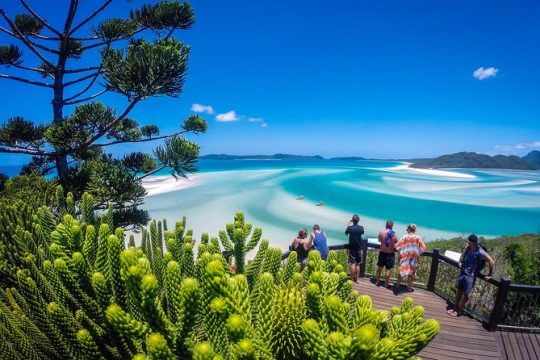
Water Sports
Prices from $11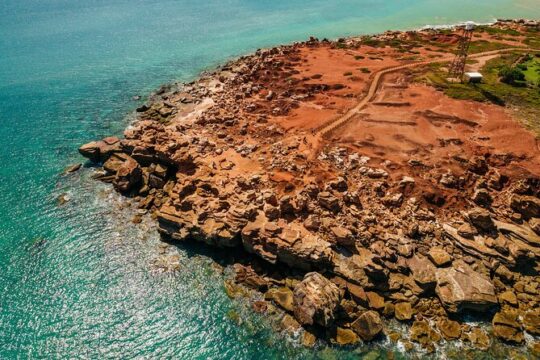
Shore Excursions
Prices from $7
Theme Parks
Prices from $10
Taronga Zoo Sydney
Prices from $26
Sydney Opera House
Prices from $10
Great Barrier Reef
Prices from $73
Sydney Harbour Bridge
Prices from $10
Mine Bay Maori Rock Carvings
Prices from $31
Sydney Harbour
Prices from $12
Lake Wakatipu
Prices from $44
Wai-O-Tapu Thermal Wonderland
Prices from $27
Whitehaven Beach
Prices from $84
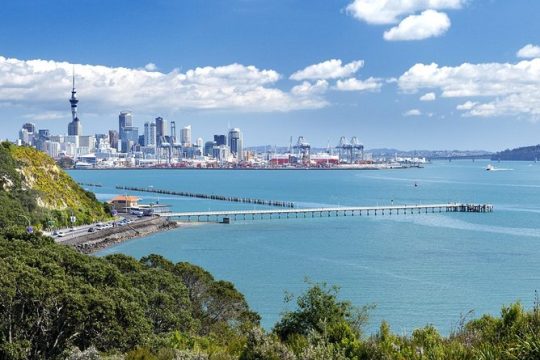
Auckland Sky Tower
Prices from $12
Hill Inlet
Prices from $149
Melbourne Cricket Ground (MCG)
Prices from $26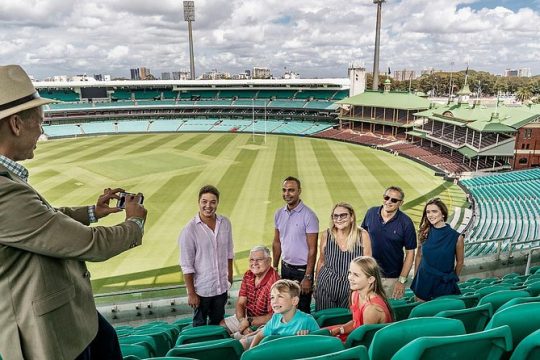




Oceania Event Calendar
View all events
Christmas activities in Oceania
Fri, Dec 25, 2026
Hanukkah in Oceania
Dec 4–12, 2026
New Year’s Eve in Oceania
Thu, Dec 31, 2026
Christmas Eve in Oceania
Thu, Dec 24, 2026
New Year’s Day long weekend in Oceania
Jan 1–3, 2027
Valentine's Day in Oceania
Sun, Feb 14, 2027
Easter in Oceania
Sun, Mar 28, 2027
Good Friday in Oceania
Fri, Mar 26, 2027


