


Oceania attractions
More things to do across the continent
 #16
Eli Creek
Eli Creek is a clear freshwater stream that runs out across the eastern beach of K'gari, the World Heritage-listed sand island off the Queensland coast also known as Fraser Island. It is the largest creek on that side of the island, and travelers come to walk its boardwalk and drift down its cool, glassy current toward the beach.K'gari is the largest sand island in the world, formed over many thousands of years from sand swept north along the coast by wind and ocean currents. Rain sinks into its towering dunes and collects in a great store of groundwater, which seeps out slowly into springs and creeks. That long journey through the sand filters the water, and it is why Eli Creek runs so clear that every ripple of its sandy bed shows through. The creek carries a huge volume of fresh water every day, enough to carve its own channel across the beach before it meets the surf.A wooden boardwalk follows the creek inland through pandanus palms, ferns and coastal scrub, with the water sliding past just below. At its upper end the walk meets the stream, and the usual plan is to step in and let the gentle current carry you back to the beach. The water stays cool even on hot days, a welcome contrast to the glare of the open beach.The Butchulla people are the traditional owners of K'gari, and their name for the island is now its official one. Fresh water has always been central to life on an island made of sand, and creeks like this one have sustained people for generations. Eli Creek also makes a natural pause on the long eastern beach, not far from the rusting wreck of the Maheno. A guide can explain how the island stores and releases its water and share the Butchulla stories tied to this coast.
More #17
Lake McKenzie
If you are looking for things to do in Oceania we have 10 Tours and Activities to Experience Lake McKenzie. Check out our verified traveler reviews and photos of Lake McKenzie tours and other things to do in Oceania, and book securely when you find the perfect one. Learn the best ways to see famous Lake McKenzie and explore the most popular things to do in Oceania.
More #18
Maheno Shipwreck
If you are looking for things to do in Oceania we have 12 Tours and Activities to Experience Maheno Shipwreck. Check out our verified traveler reviews and photos of Maheno Shipwreck tours and other things to do in Oceania, and book securely when you find the perfect one. Learn the best ways to see famous Maheno Shipwreck and explore the most popular things to do in Oceania.
More #19
Coral Sea Marina
Coral Sea Marina is a busy marina and resort precinct at Airlie Beach on Queensland's Whitsunday coast, and a launching point for trips to the Whitsunday Islands and the Great Barrier Reef. Its forest of masts, waterfront dining and wide harbor views make it a pleasant place in its own right.Long known as Abell Point Marina, it occupies a sheltered bay on the western edge of Airlie Beach. Its berths hold everything from local fishing boats and charter yachts to visiting superyachts, so there is always something coming or going on the water. Airlie Beach grew up as the gateway to the Whitsundays, and much of the town's sailing life is centered here.Beyond the breakwater lie the Whitsunday Islands, a scatter of mostly uninhabited, forested islands protected as national parks, with the Great Barrier Reef farther out to sea. Whitehaven Beach, famous for its pure white silica sand, is the best-known of the island beaches. The Coral Sea, which lends the marina its name, stretches east from this coast toward the open Pacific. Sailing among the islands is a long-standing Whitsunday tradition, and the marina is where many of those voyages begin.On land, grassy terraces and lookouts give wide views over the masts toward the islands, and waterside tables make a fine spot to watch the boats come home. Green hills rise behind the harbor, and the bright water of the bay gives the setting a relaxed, tropical feel. Trips from here open the door to turtles, reef fish, coral gardens and the humpback whales that visit these waters each year. A skipper or guide adds local knowledge of the tides, reefs and island lore, turning a simple boat ride into a richer day on the water.
More #20
Yarra River
The Yarra River is the river that runs through the middle of Melbourne, flowing down from forested ranges east of the city and out into Port Phillip Bay. Through the center its banks are lined with gardens, promenades, rowing sheds and bridges, and people come to walk beside it, watch the rowers and see Melbourne from the water.Long before the city was built, the Wurundjeri people knew the river as Birrarung, a name often translated as river of mists, and its banks were a place for fishing, gathering and ceremony. European settlers founded Melbourne beside it in the 19th century, drawn by a rocky ledge known as the falls that held back the tide and kept the water upstream fresh. The ledge was removed later that century, and the name Yarra is thought to come from an early surveyor who mistook a local word for the river's name.The central stretch shows two sides of the city. Southbank's restaurants and towers crowd the southern edge, while the northern bank opens into the lawns of Birrarung Marr and Alexandra Gardens, where rowing clubs keep their boathouses close to the water. Princes Bridge links the two banks near Flinders Street, and the river continues past parkland toward the Royal Botanic Gardens. The water is often a muddy brown, which locals like to joke about, but the color comes mostly from fine clay soil carried down from the hills.Further upstream the river changes character again, narrowing into steep, tree-lined bends at Yarra Bend Park, where cliffs, bushland and a historic boathouse make it feel far from the city. Paddlers, cyclists and birdwatchers share these quieter reaches. A guide can bring the river's past into view, pointing out where the old wharves stood, where the falls once ran, and how the Wurundjeri connection to Birrarung lives on along its banks.
More #21
Brisbane River
The Brisbane River is the long, winding river that loops through the heart of Brisbane, Queensland's capital, before reaching Moreton Bay. People come to see the city from the water, stroll the riverside parklands and boardwalks, and take in the bridges, cliffs and skyline that line its banks.The river runs for more than 340 kilometers, the longest in South East Queensland, rising at Mount Stanley far inland and tracing a series of tight bends as it passes through the city. Its Turrbal name is Maiwar, and the Aboriginal people of the area gave names to its separate reaches and bends rather than to the river as a whole. The first Europeans known to have found it were four shipwrecked convicts, and the explorer John Oxley later named it for Governor Thomas Brisbane while scouting for a penal settlement. The city itself grew from that settlement on the river's banks.The river has shaped the city's story in other ways too. Its silty water earned it the local nickname the Brown Snake, and it has flooded Brisbane many times, with major floods in the 19th, 20th and 21st centuries. Sixteen major bridges now cross it, among them the steel Story Bridge, opened during the Second World War. Below the surface live bull sharks and the ancient Queensland lungfish, a reminder that this is still a wild river at heart.Along the inner-city reaches, the banks have become some of Brisbane's favorite public spaces. South Bank Parklands hosts the Riverfire festival, with fireworks over the water, and the volcanic rock of the Kangaroo Point Cliffs rises opposite the City Botanic Gardens, drawing climbers and picnickers. A guide can point out landmarks and share the stories of floods, convicts and river trade that are easy to miss from the shore.
More #22
Hillarys Boat Harbour
Hillarys Boat Harbour is a marina and waterfront precinct on the Indian Ocean coast in Perth's northern suburbs. People come to walk the boardwalk, eat beside the water, swim at a small sheltered beach and head out to sea on cruises, fishing trips or the ferry to Rottnest Island.The harbor was the first major marina built along Perth's northern coastline. Work on its rock breakwaters began in the late 20th century, and within a few years the basin was taking boats. Soon afterward came Sorrento Quay, a cluster of shops, cafes and restaurants set along the water, which turned a working boat harbor into a place where locals spend an afternoon out. A later redevelopment added a tavern, more pens for private boats and a terminal for the island ferry, so the harbor serves sailors, anglers and day-trippers side by side.Much of the appeal is simple and close at hand. The boardwalk curves around the basin past moored yachts, charter boats and fishing vessels, and the timber walkways and storefronts of the quay give it the feel of a small seaside village. Inside the breakwaters the water stays calm, which makes the little beach a favorite with families who want gentle swimming away from the open surf. The Aquarium of Western Australia sits nearby, adding a look at the marine life found along the state's long coastline.Plenty of visitors treat Hillarys as a launch point. Cruises head out along the coast and into open water, charters go out after fish, helicopter flights lift off for a view of the shoreline from above, and the ferry crosses to Rottnest Island for a day among its quiet bays. A skipper or guide on the water can point out the reefs, the sea life and the shape of the coast that you would never notice from the quay.
More #23
Hosier Lane
If you are looking for things to do in Oceania we have 30 Tours and Activities to Experience Hosier Lane. Check out our verified traveler reviews and photos of Hosier Lane tours and other things to do in Oceania, and book securely when you find the perfect one. Learn the best ways to see famous Hosier Lane and explore the most popular things to do in Oceania.
More #24
Milford Sound
Milford Sound is a deep fiord in the far southwest of New Zealand's South Island, inside Fiordland National Park. Sheer rock walls, Mitre Peak and waterfalls that pour straight into the sea draw travelers here to cruise, kayak or fly over one of the country's best-known landscapes.Despite its name, this is a fiord rather than a river valley flooded by the sea, since glaciers carved it over millions of years before the Tasman Sea flowed in. Māori know it as Piopiotahi, after a legend in which a single piopio bird flew here to mourn the hero Māui, who had died trying to win immortality for humankind. The English name came from a sealer, John Grono, who named it after Milford Haven in his native Wales. The writer Rudyard Kipling is often quoted calling it the eighth wonder of the world.The fiord runs about 15 kilometers inland from the Tasman Sea, and Mitre Peak rises nearly 1,700 meters above its dark water. Two waterfalls flow all year, Lady Bowen Falls near the head of the fiord and Stirling Falls, which drops about 150 meters down the cliffs. Because so much rain falls here, a layer of tea-colored fresh water sits on top of the salt water, dimming the light enough for black coral, usually a deep-sea species, to thrive in the shallows. Fur seals rest on the rocks, bottlenose dolphins often swim alongside boats, and the fiord is a breeding ground for the Fiordland penguin.Milford Sound lies within Te Wāhipounamu, a World Heritage area spanning much of the island's wild southwest. Seen from the water, the scale only becomes clear when a passing vessel or kayak gives the cliffs something to measure against. A guide or skipper adds the stories behind the place names and knows where seals and dolphins like to gather.
More #25
Agincourt Reef
Agincourt Reef is a ribbon reef on the outer edge of the Great Barrier Reef, out in the Coral Sea off Port Douglas in tropical north Queensland. Divers and snorkelers come for its clear water, healthy coral gardens and big marine life, including sea turtles, reef sharks and giant potato cod.Ribbon reefs are long, narrow walls of coral that run along the edge of the continental shelf, where the seabed drops away into the deep. Seen from the air, the ribbon reefs trace a broken line of turquoise against the darker ocean beyond. Agincourt lies about 45 km from Port Douglas, far enough offshore to be less affected by river runoff from the mainland, which helps explain the clarity of its water. Its two sides feel like different worlds: a sheltered inner side of shallow lagoons and coral outcrops, and an outer face that plunges steeply toward the open sea.On the sheltered side, bommies, or coral towers, rise toward the surface, crowded with reef fish, while giant clams sit wedged among the coral with their colorful mantles open to the light. Turtles cruise between the outcrops, schools of trevally sweep past, and massive potato cod patrol the deeper edges. Along the outer wall, where the water deepens, swim-throughs and drop-offs bring encounters with open-ocean species that rarely visit the shallower inner reefs.Because the reef lies so far from land, the day revolves around pontoons moored at its edge, floating bases with underwater observatories and semi-submersible rides that let non-swimmers see the coral without getting wet, while glass-bottom boats glide over the shallows. A marine biologist or reef guide can explain how corals feed and grow, and why this stretch of the world's largest coral reef system is so prized.
More #26
Fiordland National Park
Fiordland National Park covers the rugged southwest corner of New Zealand's South Island, a vast wilderness of deep fiords, rainforest, lakes and mountains. People come to cruise Milford Sound and Doubtful Sound, walk some of the country's great tracks and see waterfalls, dolphins and penguins in some of the wildest country in the land.The fiords were carved by glaciers during the ice ages, which ground deep valleys into the granite mountains that the sea later flooded. In Māori tradition, the god Tū-te-raki-whānoa shaped this coast with his adze, and the area was visited for greenstone, food and shelter. The explorer James Cook sailed along the coast in the 18th century and gave Doubtful Sound its name, unsure whether he could sail back out. Sealers and whalers followed, but the land was too steep and wet for farming, so it stayed wild. It was set aside as a national park in the early 20th century and is part of a larger World Heritage Area.Milford Sound, known in Māori as Piopiotahi, is the most famous fiord, with sheer cliffs rising from the water to the peak of Mitre Peak and waterfalls that plunge straight into the sea after rain. Doubtful Sound is larger and quieter, with long arms branching into the mountains. Forests of beech and podocarp trees drip with moss and ferns, and great walks such as the Milford, Kepler and Routeburn tracks pass through them. Wildlife includes fur seals, bottlenose dolphins and the rare Fiordland crested penguin, while the cheeky kea parrot is a familiar sight at roadside stops. The takahē, a flightless bird once thought extinct, was rediscovered in the park's mountains.A guide on the water or the trail explains how the landscape formed and points out the plants and animals found nowhere else.
More #27
Royal Botanic Garden and The Domain
If you are looking for things to do in Oceania we have 41 Tours and Activities to Experience Royal Botanic Garden and The Domain. Check out our verified traveler reviews and photos of Royal Botanic Garden and The Domain tours and other things to do in Oceania, and book securely when you find the perfect one. Learn the best ways to see famous Royal Botanic Garden and The Domain and explore the most popular things to do in Oceania.
More #28
Barron Gorge National Park
If you are looking for things to do in Oceania we have 19 Tours and Activities to Experience Barron Gorge National Park. Check out our verified traveler reviews and photos of Barron Gorge National Park tours and other things to do in Oceania, and book securely when you find the perfect one. Learn the best ways to see famous Barron Gorge National Park and explore the most popular things to do in Oceania.
More #29
Bondi Beach
Bondi Beach is Sydney's most famous stretch of sand, a broad golden crescent of surf on the eastern edge of the city, framed by sandstone headlands. People come to swim, surf, people-watch along the promenade and soak up the easygoing beach culture that has made Bondi a symbol of Australian life around the world.The name is usually traced to an Aboriginal word for water breaking over rocks, and Aboriginal rock engravings still mark the headland at North Bondi. Trams brought day-trippers from the city in the late 19th century, and once the old ban on daytime sea bathing was lifted early in the 20th century, Bondi became the place to swim. The Bondi Surf Bathers' Life Saving Club, founded soon afterward, is often called the oldest surf lifesaving club in the world.Lifesavers have pulled countless swimmers from the surf, most famously on Black Sunday shortly before the Second World War, when a set of freak waves dragged hundreds of people out to sea at once and the club's members brought most of them back. Behind the sand stands the Bondi Pavilion, a grand bathing hall from between the wars that now houses a theater and community arts spaces. At the southern end, the Bondi Icebergs pool lets swimmers do laps in seawater as waves spill over its edge.Beyond the beach, Campbell Parade is lined with cafes, surf shops and restaurants, and the clifftop path heading south passes sandstone coves and ocean pools toward Tamarama and Bronte, with an outdoor sculpture exhibition staged along it each year. A skate bowl sits behind the sand, and the beach is on Australia's National Heritage List. A local guide adds stories of surf culture, lifesaving and the suburb's changing fortunes that a casual visit would miss.
More #30
Collins Street
If you are looking for things to do in Oceania we have 13 Tours and Activities to Experience Collins Street. Check out our verified traveler reviews and photos of Collins Street tours and other things to do in Oceania, and book securely when you find the perfect one. Learn the best ways to see famous Collins Street and explore the most popular things to do in Oceania.
More #31
Franz Josef Glacier
Franz Josef Glacier is a great river of ice flowing down from New Zealand's Southern Alps toward the rainforest of the South Island's West Coast, close to the small village that shares its name. People come to walk its dramatic valley, fly over its icefalls and land on the glacier itself for a rare close-up look.Its Māori name, Kā Roimata o Hine Hukatere, means the tears of Hine Hukatere. In the legend, Hine Hukatere loved to climb in the mountains and persuaded her lover, Wawe, to join her, but he was swept to his death, and her flowing tears froze into the glacier. The German explorer Julius von Haast named it in the 19th century after the Austrian emperor Franz Joseph. Fed by heavy snowfall high in the mountains, the glacier moves unusually fast and has advanced and retreated many times, though its face has pulled a long way back up the valley within living memory.The valley walk shows the glacier's power even from a distance. The track winds through rainforest thick with ferns and mosses, then out onto a broad, rocky riverbed between sheer walls of rock scraped smooth by the ice, with waterfalls spilling down the cliffs after rain. At the end, the view looks up the valley to the crevassed glacier tumbling from the snowfields, with the gray Waiho River rushing out from beneath the ice. Short side walks lead to viewpoints such as Sentinel Rock and to Peters Pool, a small kettle lake known for its mirror-like reflections.Up on the ice, the scene changes completely, with blue caves, arches and pinnacles that form and vanish as the glacier moves. The glacier lies within Te Wāhipounamu, a World Heritage Area that covers much of the southwest of the South Island. A guide explains how the ice flows and reads its shifting surface to find a safe route.
More #32
Old Melbourne Gaol
Old Melbourne Gaol is a former prison in the center of Melbourne, on Russell Street, built of bluestone in the 19th century. It held men, women and children for crimes from murder to vagrancy, and today visitors walk its cell blocks to hear the stories of the people locked up and executed there.Work on the gaol began in the early years of the colony, and Melbourne grew so fast during the gold rush that the prison was overcrowded soon after it opened. New wings followed, modeled on the strict penal ideas of the time, which kept prisoners isolated and silent in small cells. At its largest the complex covered an entire city block, with exercise yards, a hospital, a chapel and a bath house. The most famous prisoner was the bushranger Ned Kelly, who spent his last months here and was hanged on the gallows inside the building. The gaol closed in the early 20th century, and much of it was demolished, but the main cell block survived and is now cared for by the National Trust.Inside, three levels of narrow cells rise around a long central hall with iron walkways, a stark and echoing space. The cells hold displays on individual prisoners and their crimes, and a collection of death masks, cast from executed prisoners, reflects the old belief that the shape of the skull revealed character. The gallows remain in place. An exhibition looks at the women and children who passed through the gaol, often for poverty rather than serious crime. Next door, the City Watch House, a police lockup used until near the end of the 20th century, shows a more recent side of Melbourne's justice system.The building can feel grim, but it gives a vivid picture of crime and punishment in a young colonial city. A guide brings individual cases into focus and explains how the prison shaped Melbourne's history.
More #33
Royal Botanic Gardens Victoria
The Royal Botanic Gardens Victoria spread across a sweep of lawns, lakes and plant collections on the south side of the Yarra River, a short walk from central Melbourne. Locals and visitors come to stroll, picnic and admire plants gathered from across Australia and the world in one of the country's best-loved landscaped gardens.The site was set aside in the middle of the 19th century, on land that had long been a meeting place for Aboriginal people of the Kulin nation. Its look owes most to William Guilfoyle, a director in the late 19th century who reshaped stiff, orderly beds into rolling lawns, curving paths and carefully framed views. He turned a former river lagoon into the Ornamental Lake and planted for drama, using palms, conifers and lush subtropical foliage to make a garden meant to be wandered and discovered rather than simply studied.The gardens hold thousands of plant species arranged in themed collections. Fern Gully is a damp, green hollow shaded by tree ferns, while the Arid Garden shows cactuses and succulents from dry lands. Guilfoyle's Volcano, an old water reservoir on a rise, has been reborn as a planted crater with views to the city skyline. Other favorites include the Australian Forest Walk, the herb and rose collections and the Ian Potter Foundation Children's Garden, where young visitors splash, dig and explore.Look for birdlife on the lakes, black swans and ducks among them, and for the Separation Tree, an old river red gum linked to the celebrations when Victoria became a separate colony. The old Melbourne Observatory and the Shrine of Remembrance share the surrounding parkland, adding history to a garden walk. A guide can name the trees and plants that most people stroll straight past.
More #34
Sea World Gold Coast
Sea World Gold Coast is a marine theme park on The Spit at Main Beach, on Queensland's Gold Coast in Australia. It combines animal exhibits and shows with roller coasters and water rides, and families come for close views of dolphins, sharks, penguins and polar bears beside the Broadwater.The park began as a venue for water ski shows, founded by the local showman Keith Williams, whose performers mixed daredevil stunts with aqua ballet. When it moved to a newly dredged lake on The Spit, it took the name Sea World and added dolphins and other marine displays. It later absorbed animals and exhibits from a rival marine park and grew steadily into a full theme park, and it became one of the best-known attractions in Australia. From those first ski shows to its present mix of animals and rides, the park has always leaned on spectacle on the water.Animals remain the heart of the park. Shark Bay is a set of large lagoons where tiger sharks and bull sharks can be seen from above and below the waterline, and Ray Reef holds more than 100 rays gliding through shallow pools. One area keeps penguins from Antarctica and another keeps Australia's own little penguins, while the park's Arctic animals have a coastal enclosure of their own. Seals and sea lions share a harbor-style habitat, and dolphin presentations show off the animals' speed and agility.For thrill seekers, the rides include a launched roller coaster, a water coaster and a tall wooden coaster, with gentler rides for younger children. The park also runs a research and rescue foundation that helps stranded and injured marine animals, and a seabird aviary cares for birds that cannot return to the wild. Learning about that rescue work adds depth to a day spent watching the animals.
More #35
Auckland Harbour Bridge
The Auckland Harbour Bridge is the steel motorway bridge that carries traffic across the Waitematā Harbour between central Auckland and the North Shore, and its humped outline is one of the city's best-known sights. Visitors come to admire it from the waterfront, climb over its arch or leap from it on a bungy cord.Before it opened, the North Shore depended largely on ferries. Dorman Long, the British firm that had built the Sydney Harbour Bridge, teamed up with Cleveland Bridge to construct it in the mid-20th century, finishing three weeks ahead of schedule, but the original four lanes were soon overwhelmed. Within a decade the Japanese firm Ishikawajima-Harima Heavy Industries had attached two extra lanes to each side, and Aucklanders have called them the Nippon clip-ons ever since.The bridge runs for about a kilometer, from St Marys Bay on the city side to Northcote Point, and its main span rises roughly 43 meters above high water, high enough for yachts and ships to pass below. A long movable barrier divides the traffic, and specially built machines shift it across the deck to change the balance of lanes. Below the city end, the masts of Westhaven Marina crowd the water, and the steel arch rising above them is a favorite subject for photographers.Because the bridge was built without footpaths or cycle lanes, it has been at the center of a long debate about how people without cars should cross the harbor. Thousands of protesters once walked over it to make their point, and several plans for a separate path have been announced and then dropped. A guide can share these stories while pointing out landmarks around the harbor, from the city skyline to the volcanic cone of Rangitoto on the horizon.
More #36
Central Station Rainforest
If you are looking for things to do in Oceania we have 11 Tours and Activities to Experience Central Station Rainforest. Check out our verified traveler reviews and photos of Central Station Rainforest tours and other things to do in Oceania, and book securely when you find the perfect one. Learn the best ways to see famous Central Station Rainforest and explore the most popular things to do in Oceania.
More #37
Circular Quay
Circular Quay is the harbor front at the head of Sydney Cove, the busy waterfront where the city's ferries come and go between the Sydney Opera House and the Sydney Harbour Bridge. People come for the harbor views, the ferry rides and the easy walk between the city's best-known landmarks.The cove has a long story. The Gadigal people knew it as Warrane long before British ships arrived, and it was here that the First Fleet came ashore in the late 18th century to found the colony of New South Wales. A small freshwater stream, the Tank Stream, once fed the cove and drew the first settlers to it. In the 19th century the muddy shoreline was reclaimed and shaped into a semicircular stone quay, which gave the place its name, even though its edge has long since been straightened.Over time the quay became the city's front door. Ferry wharves line the water, a railway station and an elevated expressway run above them, and the passenger terminal on the western side receives large cruise ships. The sandstone Customs House faces the water from the south, and the Art Deco building beside the cruise terminal now holds the Museum of Contemporary Art, with the old lanes of The Rocks rising just behind it.Most people treat the quay as a place to linger. Street performers gather along the promenade, ferries churn in and out with a steady rumble, and the open water frames the sails of the Opera House on one side and the steel arch of the bridge on the other. Hopping on a ferry here is one of the simplest ways to see the harbor from the water, past headlands, bays and island forts. A guide adds the convict history and Aboriginal story behind a waterfront that many visitors only pass through.
More #38
Echo Point Lookout
If you are looking for things to do in Oceania we have 49 Tours and Activities to Experience Echo Point Lookout. Check out our verified traveler reviews and photos of Echo Point Lookout tours and other things to do in Oceania, and book securely when you find the perfect one. Learn the best ways to see famous Echo Point Lookout and explore the most popular things to do in Oceania.
More #39
Featherdale Wildlife Park
Featherdale Wildlife Park is a compact wildlife park in Doonside, in Sydney's western suburbs, focused on Australian native animals. Visitors come for close encounters with the country's best-known creatures, from koalas and wombats to kangaroos and wallabies in open walk-through enclosures. It is one of the easiest places near the city to meet them face to face.The park covers only about seven acres, but it packs in a remarkable range of native species, and its layout brings people unusually close to them. Koalas are the stars, with around 50 living across several habitats, and visitors can stand beside them for a gentle pat under a keeper's eye. Kangaroos and wallabies hop freely through three walk-through areas, where they happily take food from visitors' hands.Beyond the koalas and kangaroos, paths lead past wombats, reptiles and many native birds, and the walk-through aviary flashes with the bright plumage of lorikeets. Wombats, sturdy burrowing marsupials, often win fans with their stocky build and unhurried waddle. Penguins add a touch of the southern coastline to the mix, and a farmyard corner lets younger children feed friendly domestic animals.For many international travelers, this is the first chance to see Australia's marsupials up close, and the experience brings the textbook facts to life: koalas dozing in the forks of trees between meals of eucalyptus leaves, kangaroos lounging in the shade, and sometimes a joey peering out of its mother's pouch. Children can follow a self-guided adventure trail around the park, and older kids can spend a day helping the keepers behind the scenes. A guide on a day trip from the city can share stories about the animals, how they survive in the Australian bush and why many of them need protection.
More #40
Lake Tekapo
Lake Tekapo is a long glacial lake in the Mackenzie Basin of New Zealand's South Island, inland from Christchurch, known for its milky turquoise water, the little stone Church of the Good Shepherd on its shore and famously dark night skies. Travelers come to photograph the color, walk the lakeshore and gaze up at the stars.Tekapo is the second biggest of three neighboring lakes in the basin, alongside Pukaki and Ōhau, and it runs for more than 25 kilometers from the braided Godley and Macaulay rivers in the north to the township at its southern end. Those rivers bring meltwater down from the Southern Alps, clouded with finely ground rock known as glacial flour, and these suspended particles scatter sunlight to give the lake its startling color. In Ngāi Tahu tradition, the lake was dug by the ancestral explorer Rākaihautū, and its Māori name is Takapō.The Church of the Good Shepherd, built of local stone as the first church in the Mackenzie Basin, has a clear altar window that frames the lake and mountains where stained glass might be. Nearby, a bronze collie honors the working sheepdogs that made farming this rugged high country possible. Introduced Russell lupins add bursts of purple and pink along the shore, a favorite photograph that also worries ecologists, since the plants change the braided rivers they spread into.After dark, Tekapo becomes a window on the universe. The surrounding region forms the Aoraki Mackenzie International Dark Sky Reserve, one of the largest of its kind, and the University of Canterbury's observatory on Mount John looks down on the township. On clear nights the Milky Way, the Magellanic Clouds and the Southern Cross shine with a brilliance few city dwellers ever see. A guide can name the southern constellations and share the Māori star lore tied to them.
More #41
Mitre Peak
Mitre Peak is the sharp, lofty mountain that rises from the dark water of Milford Sound in Fiordland National Park, on the southwest coast of New Zealand's South Island. It is the defining view of the fiord, and people come to see it tower over the water from the shore or from the deck of a boat.The peak takes its English name from Captain John Lort Stokes, a British naval surveyor who charted this coast in the middle of the 19th century and thought its pointed summit looked like a bishop's mitre. Its Māori name is Rahotu. The slopes fall so steeply that the mountain seems to climb straight out of the fiord, which makes its true height hard to judge until a boat passes beneath it and shrinks to a speck.Milford Sound itself, Piopiotahi in Māori, is in fact a fiord rather than a sound: glaciers gouged it out during the ice ages, and the sea flooded in once the ice retreated. Sheer rock walls rise on both sides, draped in rainforest that somehow clings to bare stone. After heavy rain, countless short-lived waterfalls stream down the cliffs to join permanent falls such as Lady Bowen and Stirling. Fur seals rest on the rocks, dolphins sometimes ride alongside the boats, and the whole landscape belongs to the Te Wāhipounamu World Heritage Area.Seen from the water, the mountain shows different moods. On clear days its outline is crisp against the sky and doubled in the still water, while in rain or low cloud it drifts in and out of view above a sound alive with falling water. Kayakers paddle near its base, and scenic flights pass close to its upper ridges. A guide or a skipper's commentary adds the names, geology and stories that turn a famous view into a landscape you understand.
More #42
Scenic World
Scenic World is a family-run attraction on the cliff edge at Katoomba in the Blue Mountains, west of Sydney, where three rides and a network of boardwalks carry you into and above the Jamison Valley. People come for the plunge into ancient rainforest and the wide views over sandstone cliffs, waterfalls and the Three Sisters.The story starts underground. In the late 19th century, miners dug coal and oil shale from seams at the foot of the escarpment, and a steep haulage line was laid up the cliff to drag the loads to the top. When the mines wound down, the line found a second life hauling weary bushwalkers back out of the valley, and in the middle of the 20th century a local family took over the site and shaped it into the attraction they still run.Each ride shows the landscape from a different angle. The Railway is billed as the steepest passenger railway in the world, dropping through a rock tunnel and a fern-lined gully to the valley floor. The Skyway glides across the gorge high above Katoomba Falls, with a glass panel in the cabin floor that lets you look straight down into the treetops. The Cableway rises and falls along the cliff face, framing Orphan Rock, Mount Solitary and the Three Sisters as it goes.Down in the valley, the Scenic Walkway winds through cool temperate rainforest of tree ferns and coachwoods, part of the Greater Blue Mountains World Heritage Area. Along the boardwalks you pass old mine entrances and rusting machinery left from the mining days, reminders of the men who once worked here in the damp and dark. Listen for lyrebirds scratching in the leaf litter, and look up for glimpses of the cliffs glowing gold in the afternoon light.
More #43
Seventy-Five Mile Beach
If you are looking for things to do in Oceania we have 7 Tours and Activities to Experience Seventy-Five Mile Beach. Check out our verified traveler reviews and photos of Seventy-Five Mile Beach tours and other things to do in Oceania, and book securely when you find the perfect one. Learn the best ways to see famous Seventy-Five Mile Beach and explore the most popular things to do in Oceania.
More #44
State Library Victoria
State Library Victoria is Melbourne's great public library, a grand domed building that fills a whole city block on Swanston Street. Travelers come to stand beneath the dome of its eight-sided reading room, browse galleries of rare books and pictures, and soak up the calm of a library that has served the city for well over a century.The library opened in the middle of the 19th century as the Melbourne Public Library, created at the urging of Governor Charles La Trobe and the judge Redmond Barry while the colony was growing rich on gold. It is Australia's oldest public library and among the earliest free libraries anywhere. The architect Joseph Reed won the competition for its design, and his firm and its successors shaped most of the extensions that followed, as wing after wing was added over the next decades.Its centerpiece is the La Trobe Reading Room, opened in the early 20th century beneath a vast concrete dome that was briefly the largest in the world. Desks radiate from the center like the spokes of a wheel, light pours in through the oculus, and the balconies ringing the upper levels give a dizzying view down onto readers far below. One of those levels holds a permanent exhibition on the history of the book, with more than 300 rare items from the collection. The library's treasures also include the armor of the bushranger Ned Kelly and his Jerilderie Letter, while the older Queen's Hall, the original reading room, has been restored as a study space.Part civic monument and part working library, it serves students, writers and family historians as well as sightseers. A guide can bring out the stories in the stonework and the stacks, and explain why a young colonial city chose to build such a grand home for reading.
More #45
Block Arcade
If you are looking for things to do in Oceania we have 16 Tours and Activities to Experience Block Arcade. Check out our verified traveler reviews and photos of Block Arcade tours and other things to do in Oceania, and book securely when you find the perfect one. Learn the best ways to see famous Block Arcade and explore the most popular things to do in Oceania.
MoreDiscover Oceania
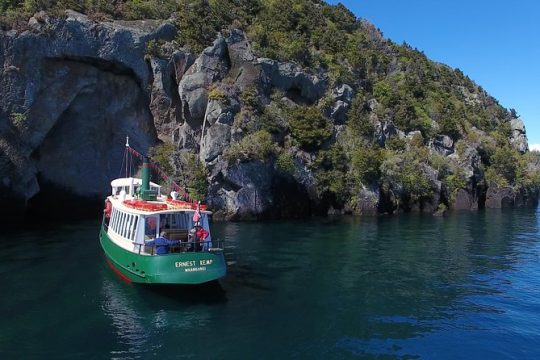
Luxury & Special Occasions
Prices from $5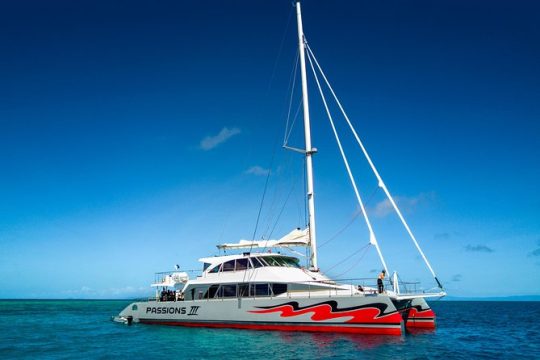
Tours & Sightseeing
Prices from $3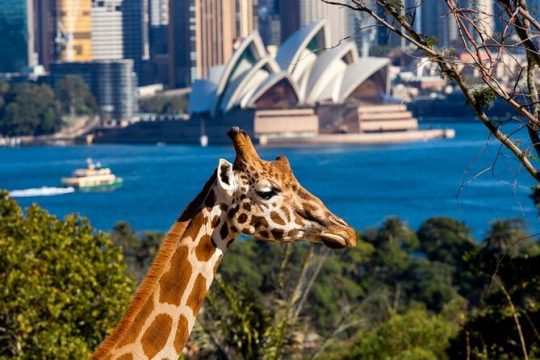
Outdoor Activities
Prices from $7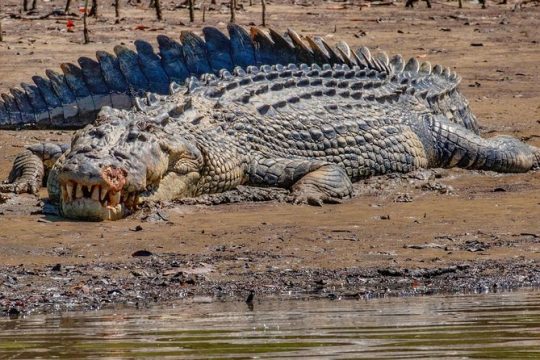
Cruises, Sailing & Water Tours
Prices from $17
Cultural & Theme Tours
Prices from $3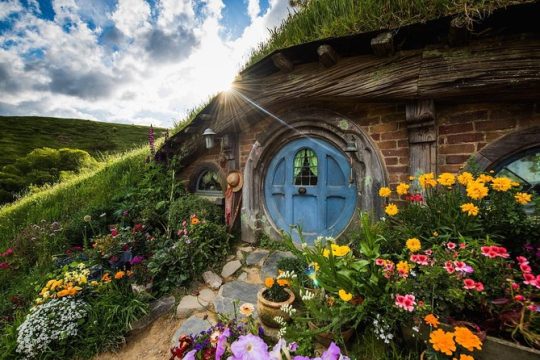
Sightseeing Tickets & Passes
Prices from $10
Day Trips & Excursions
Prices from $10
Walking & Biking Tours
Prices from $3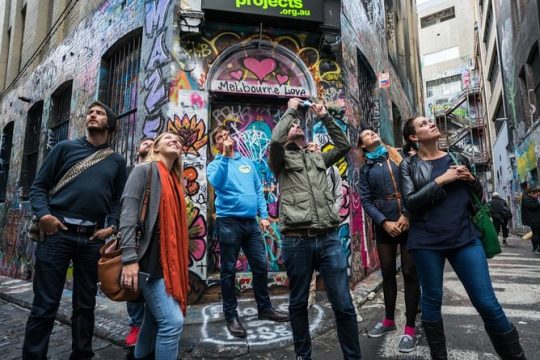
Food, Wine & Nightlife
Prices from $5
Water Sports
Prices from $11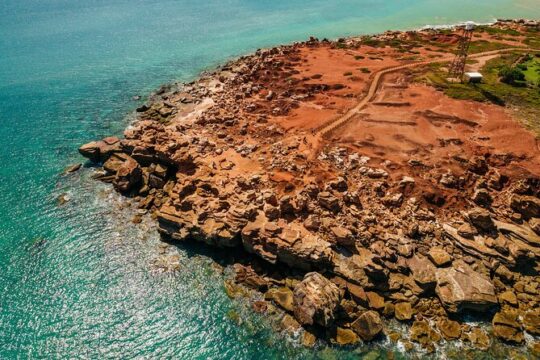
Shore Excursions
Prices from $7
Theme Parks
Prices from $10
Taronga Zoo Sydney
Prices from $26
Sydney Opera House
Prices from $10
Great Barrier Reef
Prices from $73
Sydney Harbour Bridge
Prices from $10
Mine Bay Maori Rock Carvings
Prices from $31
Sydney Harbour
Prices from $12
Lake Wakatipu
Prices from $44
Wai-O-Tapu Thermal Wonderland
Prices from $27
Whitehaven Beach
Prices from $84
Auckland Sky Tower
Prices from $12
Hill Inlet
Prices from $149
Melbourne Cricket Ground (MCG)
Prices from $26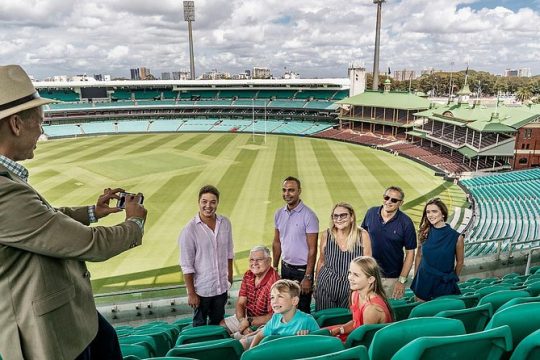




Oceania Event Calendar
View all events
Christmas activities in Oceania
Fri, Dec 25, 2026
Hanukkah in Oceania
Dec 4–12, 2026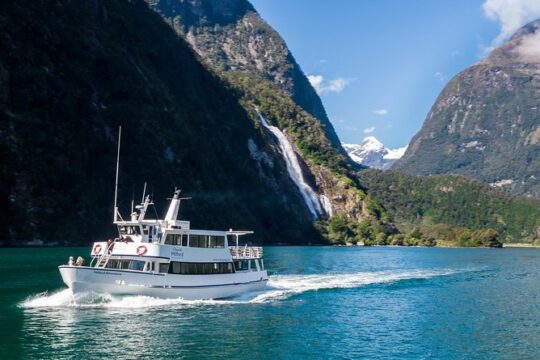
New Year’s Eve in Oceania
Thu, Dec 31, 2026
Christmas Eve in Oceania
Thu, Dec 24, 2026
New Year’s Day long weekend in Oceania
Jan 1–3, 2027
Valentine's Day in Oceania
Sun, Feb 14, 2027
Easter in Oceania
Sun, Mar 28, 2027
Good Friday in Oceania
Fri, Mar 26, 2027


