Nova Scotia attractions
More things to do in the province
 #16
Maritime Museum of the Atlantic
The Maritime Museum of the Atlantic is Halifax's museum of the sea, set right on the downtown waterfront beside the harbor it celebrates. Visitors come for its galleries on shipwrecks, sailing ships and the Royal Canadian Navy, its moving displays on the Titanic and the Halifax Explosion, and its collection of small boats and ship models.Part of the Nova Scotia Museum, it is one of the oldest and largest maritime museums in Canada, and it tells the story of a province whose fortunes have always been tied to the sea. Halifax grew around one of the finest natural harbors in the world, serving as a naval base, a trading port and a gateway for immigrants. The museum's building includes a restored 19th-century ship chandlery, where sailors once bought rope, tools and supplies, its shelves still stocked as they would have been. Outside at the wharf lies the CSS Acadia, a steam-powered survey ship that charted Canada's northern and eastern waters for decades.Some exhibits carry special weight. When the Titanic sank, ships sent from Halifax recovered many of the victims, and the museum holds one of the most important collections of wooden artifacts from the liner, including a deck chair and pieces of ornate carved paneling pulled from the sea. Another gallery tells the story of the Halifax Explosion, when a munitions ship blew up in the harbor during the First World War and flattened much of the city's north end, one of the largest explosions before the atomic age. Elsewhere you find ship portraits and models, naval history, and displays on the many wrecks of Sable Island, long known as the graveyard of the Atlantic.The small craft gallery, filled with dories, canoes and sailing dinghies, shows how ordinary Nova Scotians fished, raced and traveled along the coast. A guide can connect these stories to the working harbor outside the windows.
More #17
Alexander Keith's Brewery
Alexander Keith's Brewery is a historic brewery on Lower Water Street in Halifax, Nova Scotia, close to the city's harbor. Beer lovers and history fans come for a tour of the old brewery building, the story of its Scottish founder and a taste of a brand closely tied to the Maritime provinces.The business began with Alexander Keith, who moved to Halifax from Scotland and set up as a brewer in the busy port town. Keith became a leading citizen and served as the city's mayor, while his beer was brewed here for drinkers across the Maritime provinces. After his time, the brewery passed to the Oland family, another well-known brewing name in the region, and later to larger brewing companies. Through all those changes, the Keith's name stayed bound to Halifax.The brewery building is listed in Parks Canada's database of historic places, and its stone walls give a strong sense of the waterfront's working past. A visit centers on a tour of the building, which explains how beer was made in Keith's day and how his business grew. A taproom and a shop round out the visit, with a chance for adults to taste the beer.The brewery stands in the historic waterfront district, among old stone warehouses and merchant buildings that recall the days of sail. Halifax grew as a garrison and trading port, and brewing was part of the busy commercial life of its streets. For visitors, the appeal is the mix of a good story, a historic setting and a glass of beer at the end. Even those who skip the beer find plenty to enjoy in the life of the founder and the city he helped shape. A guide fills in the colorful details of brewing, trade and civic life in old Halifax.
More #18
Annapolis Valley
The Annapolis Valley is a fertile farming region in western Nova Scotia, running along the Bay of Fundy between the North and South Mountain ranges, within a day trip of Halifax. Visitors come for apple orchards, wineries, Acadian history and small towns such as Wolfville and Annapolis Royal.The valley stretches for more than 120 kilometers, from Annapolis Royal to Wolfville. The two ranges shelter it and create a mild microclimate, while soils left by glaciers suit fruit and vegetables. Apples are its signature crop, and more than 1,000 family farms, most of them small, work the land. Vineyards have also spread around Wolfville, Grand Pré and the Gaspereau Valley, making the area the heart of Nova Scotia's wine country.People lived here long before the orchards. The Mi'kmaq knew the valley for generations before the French founded Port-Royal, one of the earliest European settlements in North America. Acadian settlers then built dykes to turn tidal marshes into farmland, and those green dykelands still spread around Grand Pré. Their story took a tragic turn with the deportation of the Acadians, remembered at Grand-Pré National Historic Site, part of a UNESCO World Heritage site, while Fort Anne in Annapolis Royal is described as the oldest national historic site in Canada.The valley invites an unhurried pace. Country roads link orchards, farm stands and tasting rooms, and Wolfville, home to Acadia University, adds a lively small-town energy with cafes and restaurants. Along the shore, the Bay of Fundy's tides, among the highest in the world, drain and refill the red mudflats twice a day. At the western end, Annapolis Royal keeps its historic streets and gardens. A guide can tie the vines and orchards to the Acadian and Mi'kmaq stories that shaped this land.
More #19
Fortress of Louisbourg National Historic Site
The Fortress of Louisbourg National Historic Site is a reconstructed 18th-century French fortified town on the Atlantic coast of Cape Breton Island, Nova Scotia. Visitors come to walk its streets, step inside its barracks, houses and bastions, and meet costumed townspeople who show what daily life was like in a colonial outpost of France.France founded Louisbourg in the early 18th century on the island it called Île Royale, after giving up Newfoundland and mainland Acadia by treaty. The town grew rich on the cod fishery and on trade with France, the Caribbean and New England, and massive walls rose to guard its harbor. Those defenses were tested twice. New England colonists captured the fortress in a celebrated siege in the middle of the century, only to see it handed back to France in a peace deal, and British forces took it again a decade or so later, opening the way to Quebec. The British then pulled down the walls so they could never be used again.For about two centuries the site lay largely in ruins. Then, in the 20th century, Canada launched one of the most ambitious historical reconstructions in North America, rebuilding about a quarter of the town on its original foundations, partly to give work to Cape Breton coal miners who had lost their jobs. Archaeologists, historians and craftspeople relied on old French plans and records so that the buildings, gardens and fittings would match what once stood there.Inside the walls you can explore the governor's apartments and the soldiers' barracks in the King's Bastion, merchants' and fishermen's homes, tidy kitchen gardens and the quay where ships once unloaded their cargo. Musket firings ring out across the grounds, and hearth fires warm the period kitchens, so the town feels lived in rather than preserved behind glass.
More #20
Halifax Harbour
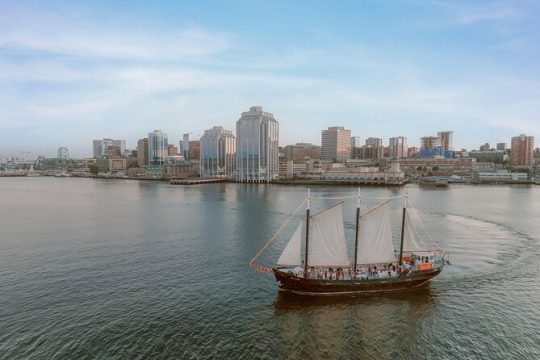
Halifax Harbour is the large natural harbor at the heart of Halifax, Nova Scotia, on Canada's Atlantic coast. Its downtown waterfront is a lively boardwalk of piers, markets and museums, and people come to stroll by the water, watch ships and ferries go by and learn how the sea shaped the city and the country.The harbor began as a glacial valley that flooded as sea levels rose after the last ice age, leaving a deep, sheltered inlet. The Mi'kmaq, who lived along these shores long before Europeans arrived, called it Kjipuktuk, often translated as the great harbor. The British founded Halifax here in the 18th century as a naval and military base, and the port has played a part in Atlantic trade, the navy and two world wars ever since.Its shape tells much of the story. A narrow channel known as the Narrows joins the outer harbor to Bedford Basin, the large, calm upper section where convoys once gathered. Early in the 20th century, a ship loaded with explosives blew up in the Narrows, flattening much of the north end of the city in one of the largest man-made explosions before the atomic age. Islands dot the outer harbor: Georges Island, with its old fort, sits close to downtown, and wooded McNabs Island guards the approach. At the harbor mouth, Sambro Island Lighthouse is described as the oldest operating lighthouse in North America.Along the waterfront, the Halifax Seaport holds the farmers market and the cruise pavilion, and Pier 21, the old gateway where vast numbers of immigrants first set foot in Canada, now houses a museum telling their stories. Between them run boardwalk paths past working tugboats, historic vessels, sculptures and places to eat. Seen from the water, with the city rising behind the piers, the harbor's role becomes clear, and a local guide can link the sights to the people and events behind them.
MoreDiscover Nova Scotia
Luxury & Special Occasions
Prices from $8
Tours & Sightseeing
Prices from $9
Cultural & Theme Tours
Prices from $8
Cruises, Sailing & Water Tours
Prices from $17
Shore Excursions
Prices from $12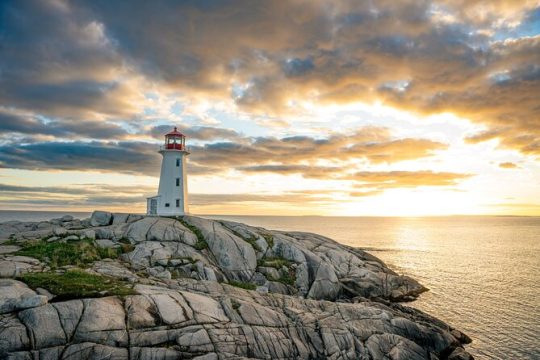
Day Trips & Excursions
Prices from $9
Private & Custom Tours
Prices from $8
Walking & Biking Tours
Prices from $8
Food, Wine & Nightlife
Prices from $22
Outdoor Activities
Prices from $18Fishing
Prices from $106
Holiday & Seasonal Tours
Prices from $22
Halifax Citadel National Historic Site
Prices from $9
Halifax Public Gardens
Prices from $9
St Paul's Church
Prices from $35
Fairview Lawn Cemetery
Prices from $57
Peggy’s Cove
Prices from $52
Canadian Museum of Immigration at Pier 21
Prices from $9
Halifax Seaport Farmers' Market
Prices from $9
Oak Island
Prices from $69
Cabot Trail
Prices from $102
Old Town Clock
Prices from $9
Point Pleasant Park
Prices from $87
Province House
Prices from $10





Nova Scotia Event Calendar
View all events
Things to do on Boxing Day in Nova Scotia (Updated 2026)
Sat, Dec 26, 2026
Things to do on Canada Day in Nova Scotia (Updated 2026)
Thu, Jul 1, 2027
Hanukkah in Nova Scotia
Dec 4–12, 2026
New Year’s Eve in Nova Scotia
Thu, Dec 31, 2026
New Year’s Day long weekend in Nova Scotia
Jan 1–3, 2027
Valentine's Day in Nova Scotia
Sun, Feb 14, 2027
Easter in Nova Scotia
Sun, Mar 28, 2027
Good Friday in Nova Scotia
Fri, Mar 26, 2027
Halloween in Nova Scotia
Sun, Oct 31, 2027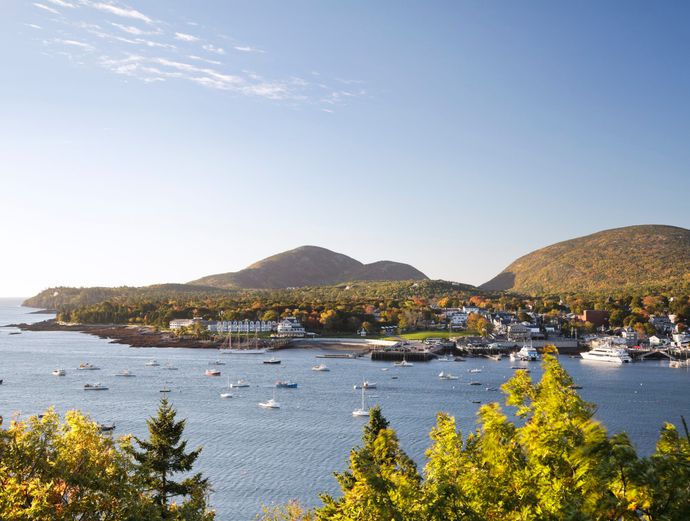
Bar Harbor Tours
Prices from $8
Bangor Tours
Prices from $20
Portland Tours
Prices from $8
Kennebunkport Tours
Prices from $29
Portsmouth Tours
Prices from $10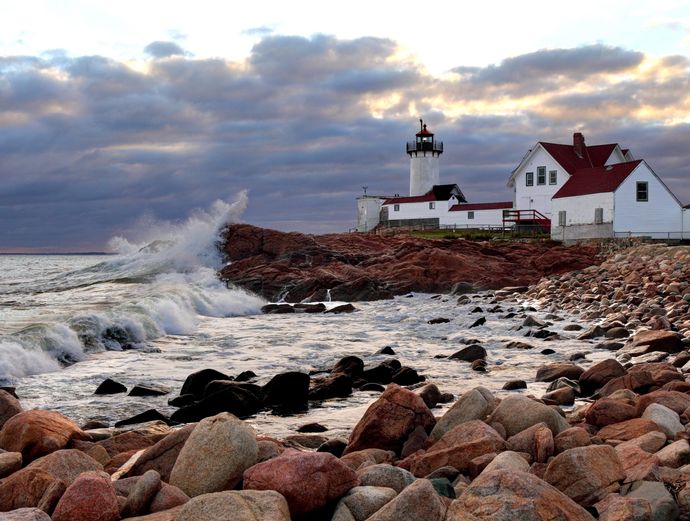
Gloucester Tours
Prices from $12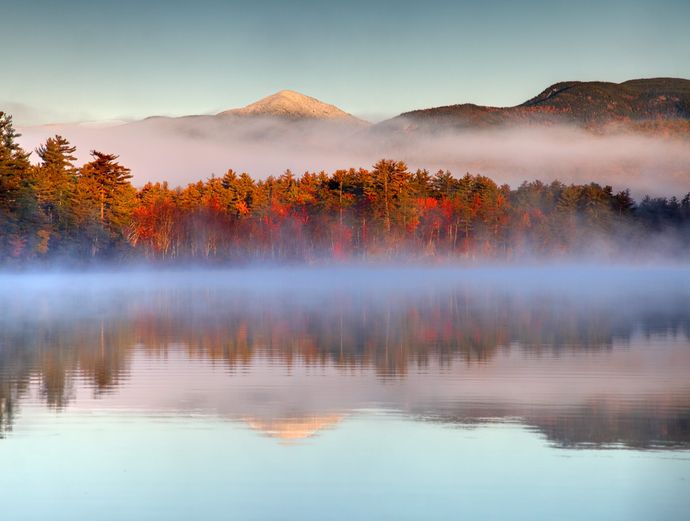
White Mountains Tours
Prices from $10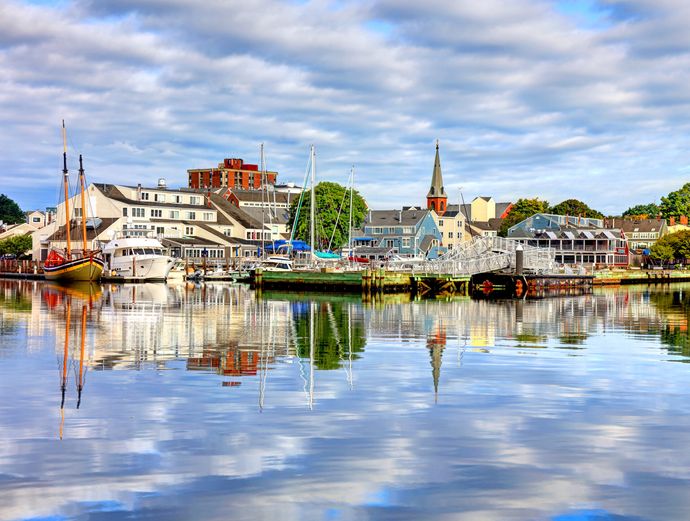
Salem Tours
Prices from $5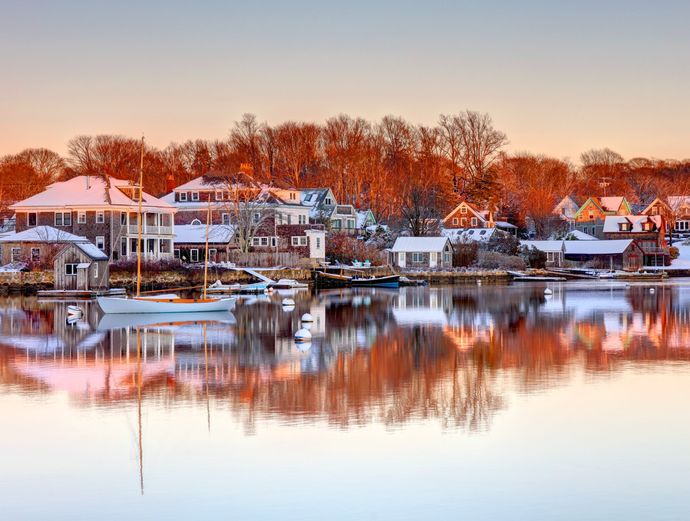
Cape Cod Tours
Prices from $8
Plymouth Tours
Prices from $10
Boston Tours
Prices from $3