Frequently Asked Questions
The answers provided below are based on answers previously given to customers' questions.
Milos is a volcanic island in the western Cyclades, shaped like a horseshoe around a deep natural bay, and its coastline is the main event: white cliffs, sea caves, colored rock and coves you can only reach by water. Most visitors spend at least one long day on a boat, and the activities reflect that, with the large majority lasting four hours or more and many running for most of the day. Ratings are excellent, and free cancellation is standard on most bookings, so you can keep an eye on the wind and adjust.
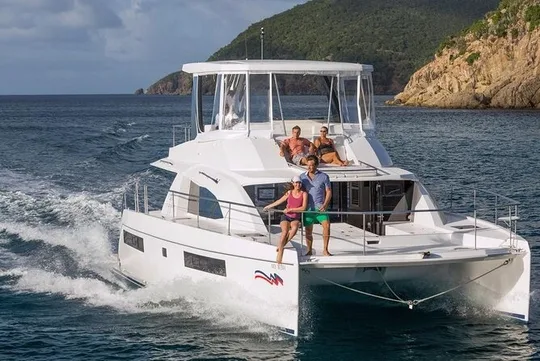
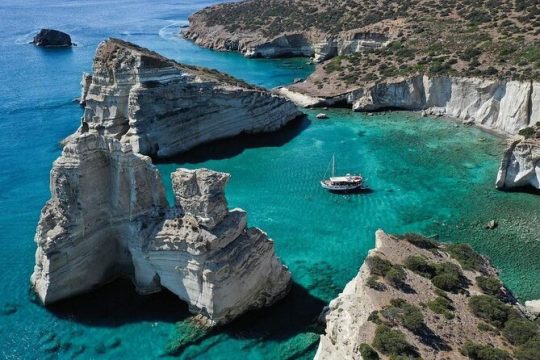
Sailing around the island is the classic way to see Milos. Boats usually leave in the morning from the port of Adamas and follow the south or west coast, stopping at sheltered bays for swimming and snorkeling. The highlight for most people is Kleftiko Beach on the southwest tip, a cluster of tall white rock formations and arches rising from turquoise water, once used as a hideout by pirates. It cannot be reached by road, so a boat is the only way in. Lunch is often served on board, and the pace is easy, with plenty of time in the sea. Long days at sea suit couples and groups of friends, while families with younger children may prefer a shorter or calmer outing.
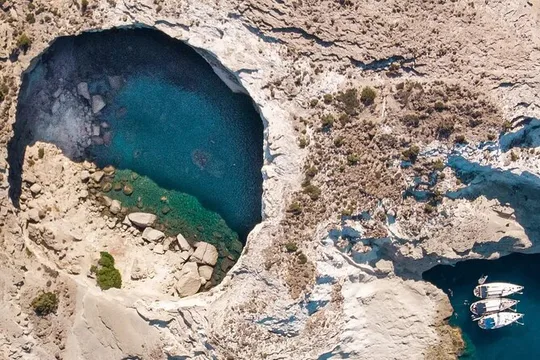
The island's shore is unusually varied. Sarakiniko Beach on the north coast looks almost lunar, with smooth white volcanic rock sloping into a narrow inlet, and it is popular for photos early in the day. Firopotamos Beach is a small fishing hamlet with a little chapel and a calm cove that is good for a swim. Firiplaka Beach on the south coast has long sand backed by striking red and ochre cliffs. Some land outings link several of these by car or minivan, giving you a broad look at the island in half a day.
Plaka, the main village, sits high above the bay with whitewashed lanes, small shops and a viewpoint that draws a crowd at sunset. It makes a pleasant base for an evening meal after a day on the water, and nearby you will find the island's catacombs and the spot where the famous Venus de Milo statue was found. Few organized outings run in the evening, so this is a good time to explore on your own.
About half of the activities are private, which on Milos often means chartering a boat for your own group. Before you book, keep these in mind:
Three or four days lets you take one long sail, spend a morning on the beaches by land, and keep evenings free for Plaka and the fishing villages around the bay.
#1Kleftiko is a cove on the remote southwest coast of Milos, in Greece's Cyclades, where white volcanic cliffs rise from turquoise water in a maze of arches, pillars and sea caves. Travelers come to swim and snorkel among the rocks and to see one of the most striking stretches of coastline in the Aegean.The name comes from the Greek word for a thief or bandit, and local tradition holds that pirates once hid their ships here, tucked behind the rock stacks where passing vessels could not see them. The jagged coast, cut off from the rest of the island by steep cliffs, made an ideal lair, and the stories of raiders lying in wait still cling to the place.Milos itself is a volcanic island, shaped by eruptions long ago, and its coast shows that past in every color, from chalk white to ochre, rust red and gray. At Kleftiko the pale rock has been carved by wind and waves into tunnels you can swim through, narrow channels between towering stacks and caves where the light turns the water a glowing blue. Snorkelers find clear, sunlit water above the rocky seabed, and from the surface you can look up at the sculpted cliffs from below.The cove is part of a wider island story. Milos is where the famous ancient statue known as the Venus de Milo was found, and the island has been mined for obsidian, sulfur and other minerals since ancient times, which helps explain its unusual landscape. A day on the water often shows other dramatic stretches of the coast along the way. A skipper or guide can share the pirate legends and the island's volcanic history as you approach the cliffs.
More
#2If you are looking for things to do in Milos we have 26 Tours and Activities to Experience Sarakiniko Beach. Check out our verified traveler reviews and photos of Sarakiniko Beach tours and other things to do in Milos, and book securely when you find the perfect one. Learn the best ways to see famous Sarakiniko Beach and explore the most popular things to do in Milos.
More
#3If you are looking for things to do in Milos we have 2 Tours and Activities to Experience Firiplaka Beach (Paralia Firiplaka). Check out our verified traveler reviews and photos of Firiplaka Beach (Paralia Firiplaka) tours and other things to do in Milos, and book securely when you find the perfect one. Learn the best ways to see famous Firiplaka Beach (Paralia Firiplaka) and explore the most popular things to do in Milos.
More
#4If you are looking for things to do in Milos we have 6 Tours and Activities to Experience Firopotamos Beach. Check out our verified traveler reviews and photos of Firopotamos Beach tours and other things to do in Milos, and book securely when you find the perfect one. Learn the best ways to see famous Firopotamos Beach and explore the most popular things to do in Milos.
More
#5Plaka is the old neighborhood at the foot of the Acropolis, between Syntagma and Monastiraki squares. Cars are largely banned, so the narrow lanes are shared by walkers, shoppers and diners. Cobblestones and steps make it hard for wheelchairs and strollers, especially in upper Plaka and Anafiotika. Wear comfortable shoes, since the uneven stone is tiring over a full day. Anafiotika is a residential area, so keep your voice down and do not enter open doorways.
MoreMilos runs on island time, with slow mornings, long swims and late dinners. A typical visit centers on one or two big days at sea, then quieter days spent hopping between beaches and whitewashed villages. Most people book a sailing trip around the coast, and many charter a boat just for their own group. The island suits couples, friends and active travelers who love swimming and snorkeling more than busy nightlife or museums.
June brings warm seas and long days before the biggest crowds arrive. July and August are hot and busy, and the strong northern summer wind, the meltemi, can roughen the water on some days. September is a favorite, with the sea still warm and the light softer. Spring and October are calmer and cooler, good for walking, though some boats and tavernas keep shorter hours. In winter the island is very quiet and many services close.
Most travelers arrive by ferry at Adamas, the main port, from Piraeus near Athens or from nearby islands, and short flights land at the small airport. Local buses link the port with the main villages and some beaches, but a rented car, scooter or ATV gives far more freedom on the winding roads. Few outings include pickup, so most boat trips start at the harbor. Book boat trips early in summer, leaving room to move to another day when the wind picks up. Pack reef-safe sunscreen, a hat and water shoes, and carry cash for small tavernas and beach snacks.

The answers provided below are based on answers previously given to customers' questions.