


La Romana attractions
More things to do in the city
 #16
Macao Beach (Playa Macao)
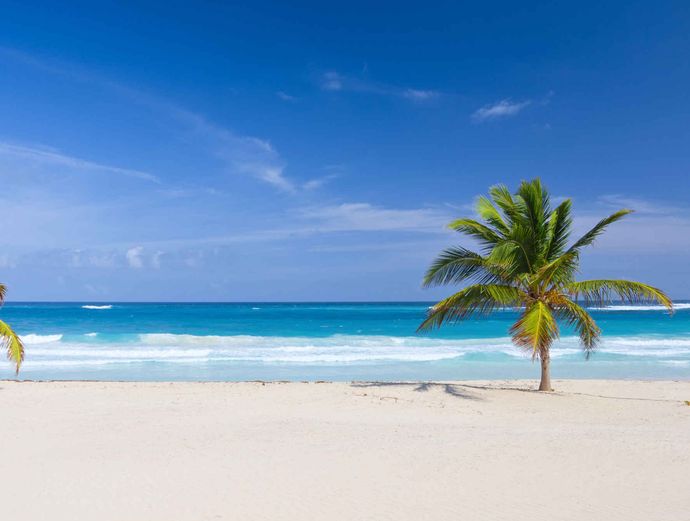
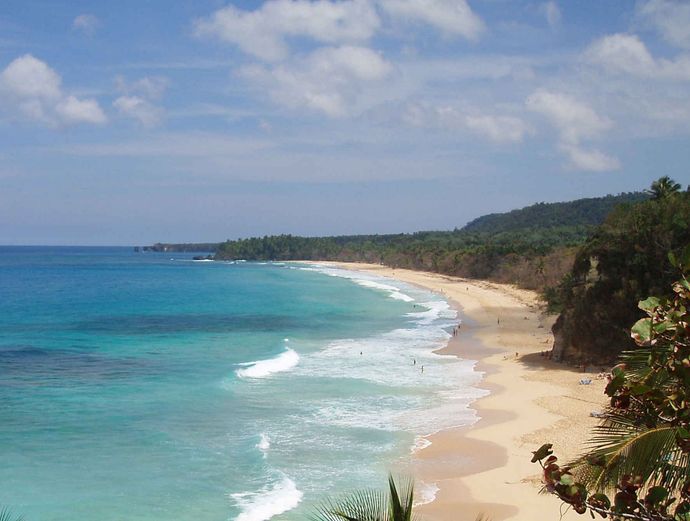
Macao Beach is a long, open stretch of golden sand on the Atlantic coast north of the main Punta Cana resort strip in the Dominican Republic. Unlike the hotel-lined beaches nearby, it keeps a wilder, local feel, and people come to surf, eat fresh fish at simple shacks and see a less polished side of the coast.The beach takes its name from the small village of Macao behind it, a farming and fishing community that was here long before the region's resort boom. Dominican beaches are public by law, and Macao shows that idea clearly, with families from nearby towns sharing the sand with travelers from around the world. Development here has stayed light compared with the coast to the south, so long stretches are still backed by coconut palms rather than buildings.The bay curves between low rocky headlands, and the water shades from pale turquoise near the shore to deep blue beyond the breakers. With little to break the Atlantic swell, waves roll in steadily, and the beach has become one of the best-known places to learn to surf in the eastern Dominican Republic. Behind the sand, open-sided kitchens fry whole fish and green plantains, and cracked coconuts are sold fresh from the palms. Sea grape bushes and leaning palms throw patches of shade along the top of the beach.Macao is also a classic stop on the dusty off-road buggy trips that cross the farmland and villages of the interior, so the beach has a lively, sociable energy. For many visitors it offers a first taste of the coast as Dominicans enjoy it, informal, unhurried and often set to merengue and bachata from a nearby speaker. A local guide can share the story of the village and of the cattle ranches and cane fields inland.
More #17
Mt. Isabel de Torres
Mount Isabel de Torres is the green, cloud-capped mountain that rises straight behind Puerto Plata on the north coast of the Dominican Republic. Visitors ride a cable car to the top for wide views over the city and the Atlantic, a botanical garden and a white statue of Christ with open arms.The mountain is bound up with the city's very name. Local tradition holds that when Christopher Columbus sailed along this coast late in the 15th century, the mist on the summit gleamed like silver, and he named the harbor below the port of silver. The cable car, built in the second half of the 20th century, is often called the only one in the Caribbean, and its swaying cabins climb over a carpet of forest. Much of the mountain is protected as a scientific reserve, keeping its humid upland forest safe from the farms and suburbs below.On the summit stands a smaller version of the famous Christ that watches over Rio de Janeiro, arms spread wide above the rooftops and the bay. The figure has become an emblem of Puerto Plata, its pale outline visible from the streets below whenever the clouds lift. Around it, paths wind through a botanical garden of palms, ferns and flowering plants, with small ponds and lookout points along the edges. From the edge of the summit you can trace the curve of the coast, the old Spanish fort at the harbor mouth and the grid of the historic center, known for its painted Victorian houses.The forest draws birdwatchers too, since island species such as the Hispaniolan woodpecker and the palmchat, the national bird, are found on its slopes. Clouds often roll across the summit, hiding the statue in mist one moment and revealing the sea the next.
More #18
Museum of the Royal Houses (Museo de las Casas Reales)
You can follow the self-guided route with the audio device at your own pace. A guided walking tour of the Colonial Zone adds context, linking the museum to Calle Las Damas, Plaza de España and other colonial landmarks, and a guide can explain the Spanish rule that shaped these rooms. Combined half-day itineraries make an easy way to cover several sights. The museum has two floors and about twenty exhibition rooms, so allow one to two hours. It suits history fans and families, with colonial arms and armor, old maps and recreated government offices. A self-guided route gives a clear order through the island's history, with a portable audio device offered in several languages. There is a lobby and a cafe on site, plus temporary exhibitions that change. The building is a restored colonial palace, so expect stairs and uneven historic floors.
More #19
National Palace
Because the palace is a working government building, a guided tour is the most practical way to see inside. Historical and cultural tours are arranged in advance and take you through the formal, neoclassical interior with a guide who explains its story. Many Santo Domingo city tours pair the palace with the nearby Colonial City, so you can see both in a single day with context along the way. The Palacio Nacional is the working seat of the Dominican government, so access inside is controlled. Interior visits are arranged ahead of time as historical and cultural tours rather than as walk-in sightseeing. Plan on security screening and dress neatly, as you would for any official building. You can admire the neoclassical building from the street along Avenida Mexico even when interior visits are not available. In the holiday season the front gardens and steps have opened to the public in the evening.
MoreDiscover La Romana

Outdoor Activities
Prices from $41
Cruises, Sailing & Water Tours
Prices from $50
Day Trips & Excursions
Prices from $41
Luxury & Special Occasions
Prices from $41
Tours & Sightseeing
Prices from $41
Shore Excursions
Prices from $6
Water Sports
Prices from $50
Classes & Workshops
Prices from $100
Cultural & Theme Tours
Prices from $59
Fishing
Prices from $1,250
Food, Wine & Nightlife
Prices from $70
Private & Custom Tours
Prices from $129


Bayahibe
Prices from $50
Saona Island (Isla Saona)
Prices from $69
Altos de Chavón
Prices from $75
Amber Museum (Museo Del Ámbar)
Prices from $72
Bavaro Beach (Playa Bavaro)
Prices from $795
Catalina Island (Isla Catalina)
Prices from $84
Cayo Levantado (Bacardi Island)
Prices from $300
Cayo Paraiso (Paradise Island)
Prices from $95
Chavón River (Río Chavón)
Prices from $55
Columbus Park (Parque Colon)
Prices from $140
Cueva de las Maravillas
Prices from $139
Fort San Felipe (Fortaleza San Felipe)
Prices from $72
Hanukkah in La Romana
Dec 4–12, 2026
New Year’s Eve in La Romana
Thu, Dec 31, 2026
New Year’s Day long weekend in La Romana
Jan 1–3, 2027
Rainy day activities in La Romana
1 tour & activity
Senior-friendly tours La Romana
5 tours & activities
La Romana Foodie Tours
6 tours & activities
Family-friendly La Romana Tours
58 tours & activities
The best tours and activities for culture lovers in La Romana
10 tours & activities
Top 10 La Romana 2026
3 tours & activities
Top Day Trips from La Romana
24 tours & activities
Things to do in La Romana this summer
61 tours & activities
 From $5
 From $25
 From $8


