Emilia-Romagna attractions
More things to do in the region
 #46
Strada Maggiore
If you are looking for things to do in Emilia-Romagna we have 1 Tours and Activities to Experience Strada Maggiore. Check out our verified traveler reviews and photos of Strada Maggiore tours and other things to do in Emilia-Romagna, and book securely when you find the perfect one. Learn the best ways to see famous Strada Maggiore and explore the most popular things to do in Emilia-Romagna.
More #47
Trevi Fountain (Fontana di Trevi)
The area beside the basin holds about 400 people at a time, so expect a short wait when it is busy. You enter the basin area by the central staircase and leave through the opening on Via dei Crociferi. Sitting on the edge of the basin, eating, drinking and smoking are not allowed. Staff at the entrance, exit and inside manage the flow, and QR codes on the information panels give the history. Tradition says to toss a coin over your left shoulder with your right hand, and the coins go to charity.
More #48
Verona Arena
The Verona Arena is a Roman amphitheater on Piazza Bra, at the heart of Verona, and one of the best preserved buildings of its kind anywhere. People come to walk through a structure that has stood for some two thousand years and to hear opera on the same stage where gladiators once fought.The amphitheater was built in the first century AD, when Verona was a prosperous Roman town, and it originally stood just outside the city walls. Crowds filled its stone tiers for gladiator fights, animal hunts and public spectacles. A powerful earthquake in the early 12th century brought down most of the outer ring, and only a short stretch of four arches, known locally as the Ala, shows how tall and grand the outer facade once was. The inner ring survived almost whole, which is why the oval still feels complete when you stand inside it.Over the centuries the arena found new uses. In the Middle Ages it saw jousts and duels, and in later periods it hosted fairs, games and theater. In the early 20th century a performance of Verdi's Aida launched the opera festival that made the name famous far beyond Italy, and grand productions with huge sets and fine natural acoustics still draw singers and audiences from around the world.Inside, look for the pink and white limestone quarried in the nearby Valpolicella hills, the vaulted corridors that once led spectators to their seats, and the steep stone steps rising toward the upper tiers. From the top, the view takes in Piazza Bra, the red rooftops of the old town and the hills beyond. Walking the shadowy passages beneath the seating gives a sense of how Roman crowds moved through the building on a day of games. A guide can bring the Roman engineering and the arena's many later lives into focus as you walk.
More #49
Verona Historic Center (Verona Centro Storico)
The historic center is compact and mostly walkable, so comfortable shoes matter more than anything else. Piazza Bra, Via Mazzini, Piazza delle Erbe and Juliet's House on Via Cappello sit in one short chain of sights. Juliet's House uses timed ticket slots, with the exit on Via Cappello. Open-air opera in the Arena happens on warm summer nights, so Piazza Bra can be busy in the evening.
MoreDiscover Emilia-Romagna

Luxury & Special Occasions
Prices from $4
Cultural & Theme Tours
Prices from $4
Tours & Sightseeing
Prices from $4
Walking & Biking Tours
Prices from $4
Food, Wine & Nightlife
Prices from $6
Private & Custom Tours
Prices from $4
Outdoor Activities
Prices from $49
Day Trips & Excursions
Prices from $49
Sightseeing Tickets & Passes
Prices from $8
Air, Helicopter & Balloon Tours
Prices from $2,797
Classes & Workshops
Prices from $89
Cruises, Sailing & Water Tours
Prices from $76
Basilica di San Petronio
Prices from $6
Fountain of Neptune (Fontana del Nettuno)
Prices from $6
Sanctuary of the Madonna of San Luca (Santuario della Madonna di San Luca)
Prices from $6
Basilica of San Domenico (Basilica di San Domenico)
Prices from $6
Biblioteca Salaborsa
Prices from $6
Bologna Piazza Maggiore
Prices from $6
Marconi Museum (Museo Marconi)
Prices from $6
National Gallery of Bologna (Pinacoteca Nazionale di Bologna)
Prices from $6
Two Towers (Due Torri)
Prices from $6
Basilica di San Vitale
Prices from $4
Enzo Ferrari Museum (Museo Casa Enzo Ferrari)
Prices from $7
Ferrari Museum (Museo Ferrari)
Prices from $31Rainy day activities in Emilia-Romagna

Senior-friendly tours Emilia-Romagna
Emilia-Romagna Foodie Tours

Family-friendly Emilia-Romagna Tours
The best tours and activities for culture lovers in Emilia-Romagna
Top 10 Emilia-Romagna 2026
Top Day Trips from Emilia-Romagna
Things to do in Emilia-Romagna this summer
Things to do on Ferragosto in Emilia-Romagna (Updated 2026)
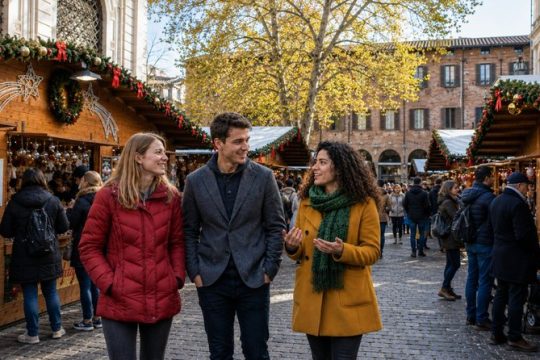
Christmas activities in Emilia-Romagna
Hanukkah in Emilia-Romagna
New Year’s Eve in Emilia-Romagna
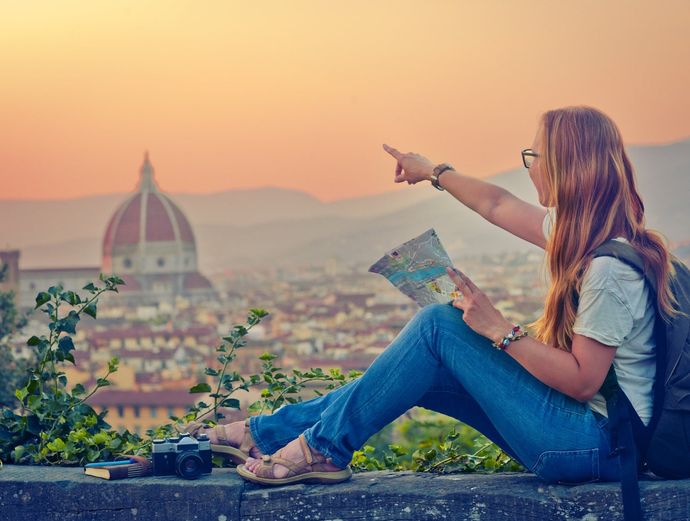
Florence Tours
Prices from $1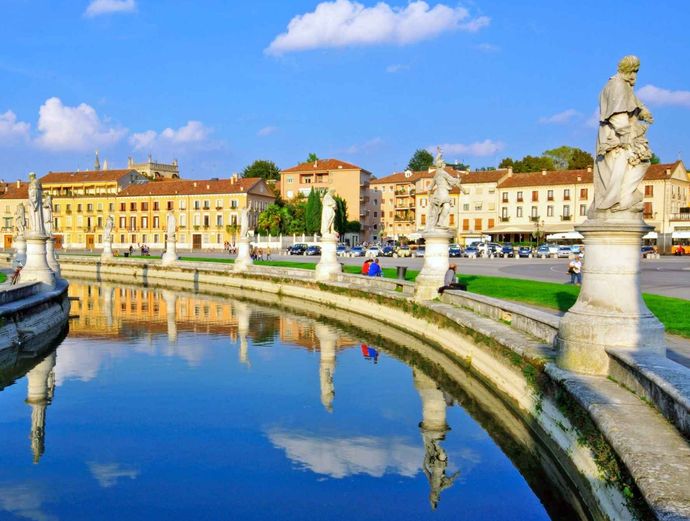
Padua Tours
Prices from $3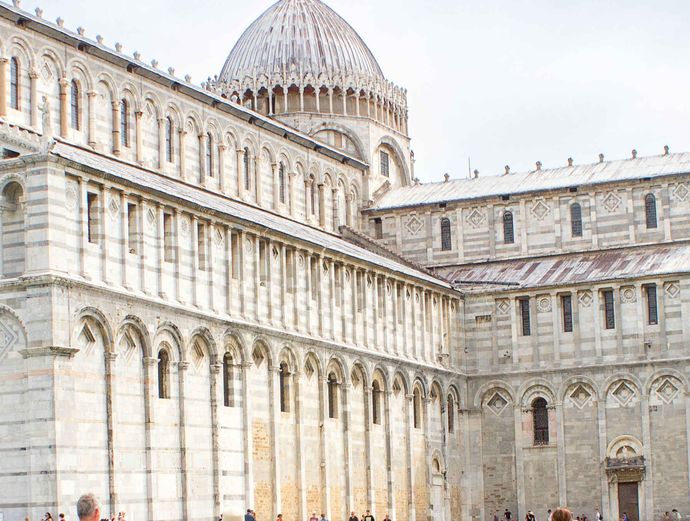
Pisa Tours
Prices from $3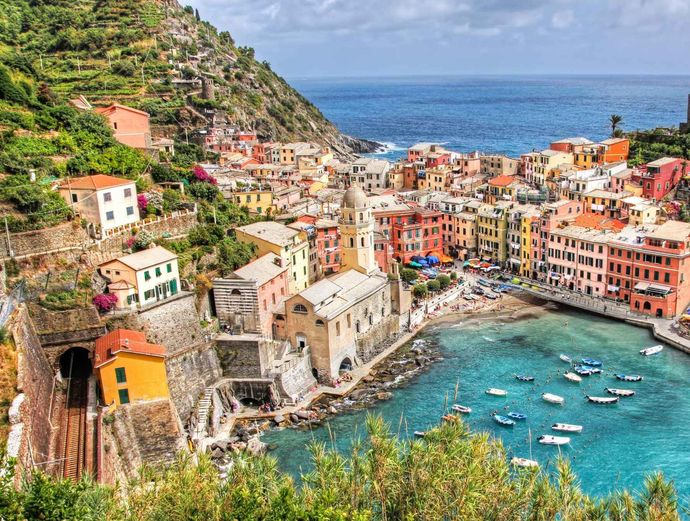
La Spezia Tours
Prices from $29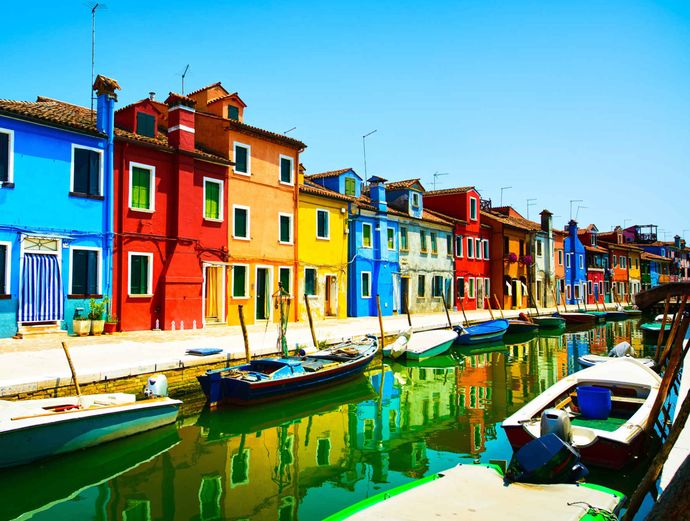
Venice Tours
Prices from $3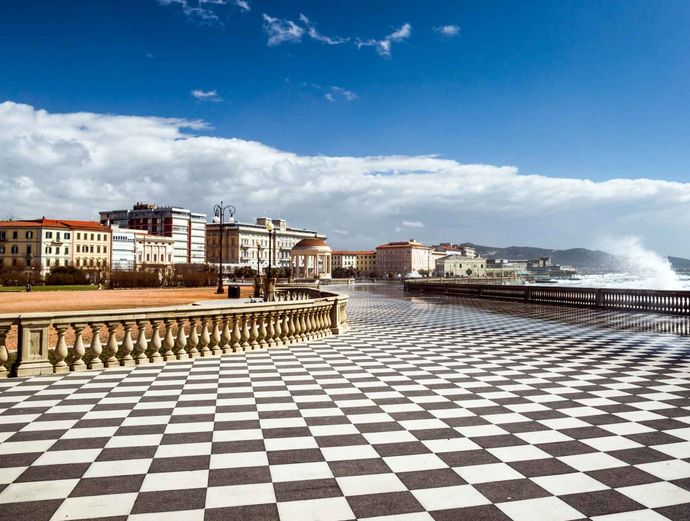
Livorno Tours
Prices from $21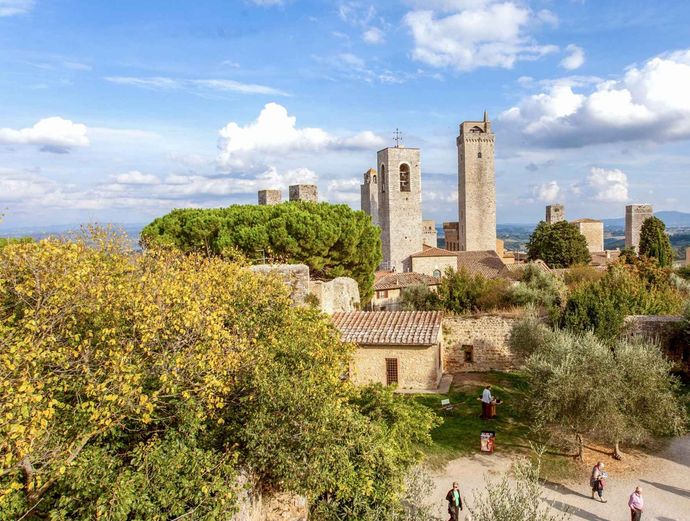
Siena Tours
Prices from $3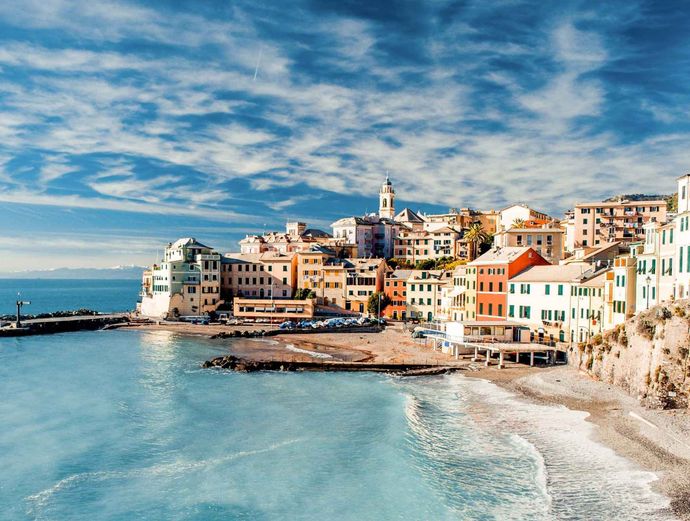
Genoa Tours
Prices from $6
Milan Tours
Prices from $1
Porec Tours
Prices from $27