Cuenca sits high on a rocky ridge in central Spain, wrapped by two deep river gorges, with its old town spilling right up to the cliff edge. The famous hanging houses lean out over the drop, a Gothic cathedral anchors the main square, and narrow lanes wind between stone walls and painted facades. Most of the outings here are easygoing walks through this old quarter, plus a handful of trips out into the striking limestone country around the city. Nearly every option is suitable for children, so a family can plan a few days here without much fuss.
Walking the old town on the ridge
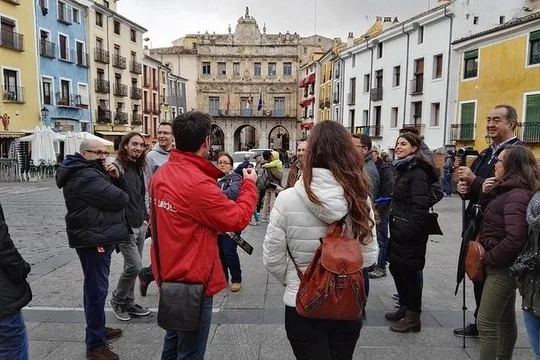
The heart of a visit is the upper town, a compact maze of steep streets, viewpoints and small plazas. A guided walk is the easiest way to make sense of it: you learn why houses were built over the gorge, how the town grew as a frontier stronghold, and where the best angles of the cliffs are hiding. Expect to cross the iron footbridge over the Huécar gorge for the classic view back toward the hanging houses, then climb toward the Plaza Mayor and the cathedral. Many of these walks run about two to four hours, and a few shorter ones fit neatly into a single morning.
Cultural and heritage outings go deeper into the story of the town, from its medieval Christian, Jewish and Muslim past to the modern art that now fills some of its old buildings.
Into the gorges and the hills
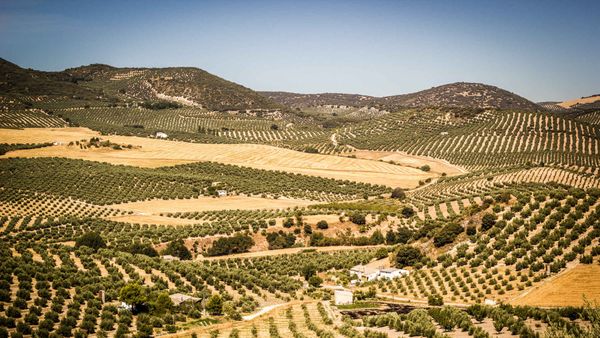
Beyond the walls, the Serranía de Cuenca is a landscape of pine forest, river canyons and odd rock formations shaped by wind and water. Nature, eco and outdoor trips take you into this country, often by minivan, with time on foot at the scenic stops. The Ciudad Encantada, a park of strangely carved limestone outcrops, is the best-known spot nearby. Some outings add a little more adrenaline for travelers who want to move faster or climb higher. Plan a whole day for any trip out here.
Choosing a time of day
Most departures start in the morning, which suits the climb up through the old town before the streets get busy. A smaller number of evening options let you see the cliffs and the hanging houses lit up after dark. Afternoon slots are fewer, so if you only have one free window, plan around the mornings.
- Check whether hotel pickup is included, since only some trips offer it.
- Look at the walking distance and the number of steep sections.
- Confirm the meeting point in the old town, which can be hard to reach by car.
Planning your days in Cuenca
Two days work well for most visitors. Spend the first on a guided walk of the upper town, with an evening stroll to watch the light change on the gorge. Use the second for a trip into the surrounding hills and rock formations. Small group outings are the norm here, and private options are rare, so book early if you want a private guide. Almost every booking can be cancelled free of charge, which makes it easy to lock in a plan and adjust it if the weather turns.
Read more







 From $2