


Caribbean attractions
More things to do in the region
 #136
Cayo Levantado (Bacardi Island)
Cayo Levantado is a small, palm-covered island in Samaná Bay, just off the town of Samaná on the northeast coast of the Dominican Republic. Its soft white beaches and clear turquoise water draw visitors for a day of swimming and lazing in the sun, and many know it by its nickname, Bacardi Island.The nickname comes from a rum advertisement filmed on its sand, whose images of leaning palms and empty beach helped fix the picture of a perfect Caribbean island in the minds of viewers far away. Levantado is Spanish for raised, which suits an island whose forested hump rises sharply from the calm bay. A luxury resort covers much of the island, its villas tucked among the trees.Samaná Bay has a long story of its own. Christopher Columbus anchored here on his first voyage and clashed with the local Ciguayo people, who met his men with arrows, so he named the waters the Gulf of Arrows. In the 19th century freed African Americans settled on the peninsula, and their descendants still keep English-speaking traditions alive in Samaná town. Each winter, humpback whales arrive from the North Atlantic to mate and give birth in the warm, sheltered bay, and the waters around the island become part of their nursery. Los Haitises National Park, with its mangroves and rocky islets, lines the southern shore of the bay.Coconut palms still lean over the sand much as they did in that famous advertisement. On the island, the day moves at an easy pace: wading in water clear enough to show the ripples in the sand, snorkeling near the rocks, eating grilled fish with fried plantains, and watching fishing boats cross toward the green hills of the peninsula. A guide can share the stories of the bay and point out the small islands and coves scattered around it.
More #137
Cayo Paraiso (Paradise Island)
If you are looking for things to do in Caribbean we have 12 Tours and Activities to Experience Cayo Paraiso (Paradise Island). Check out our verified traveler reviews and photos of Cayo Paraiso (Paradise Island) tours and other things to do in Caribbean, and book securely when you find the perfect one. Learn the best ways to see famous Cayo Paraiso (Paradise Island) and explore the most popular things to do in Caribbean.
More #138
Chamberlain Bridge
Chamberlain Bridge is a short crossing over the Careenage in the heart of Bridgetown, the capital of Barbados. Paired with the Independence Arch beside it, it ranks among the city's best-known landmarks, and visitors come for waterfront views, the boats moored along the inlet and the history packed into a few paces.The Careenage is the narrow inlet around which Bridgetown grew, and its name recalls the old practice of careening, tilting ships on their sides to clean and repair their hulls. The city itself is named after a simple bridge built by the island's Indigenous people, which English settlers found when they arrived, and a wooden crossing later stood on this spot. A swing bridge eventually replaced it, built to pivot aside so small vessels could reach the inner basin.The bridge honors Joseph Chamberlain, the British colonial secretary whose financial support helped Barbados recover from a destructive hurricane late in the 19th century. Later the old swing bridge gave way to a modern lift bridge that can rise to let boats pass, and the crossing now serves people on foot rather than general traffic. Beside it stands the Independence Arch, built to mark the island's independence from Britain and a proud symbol of Barbadian nationhood.From the bridge, the view takes in fishing boats and pleasure craft along the Careenage, waterfront cafes and the neo-Gothic Parliament Buildings, home to one of the oldest parliaments in the Commonwealth. When the lifting span rises for a passing boat, the bridge turns into a small spectacle of its own. The area forms part of Historic Bridgetown and its Garrison, a UNESCO World Heritage Site. A guide can bring out the stories of the merchants, sailors and patriots tied to this small stretch of water.
More #139
Chavón River (Río Chavón)
The Chavón River, or Río Chavón, is a river in the eastern Dominican Republic that rises in the country's interior and meets the Caribbean Sea near La Romana. Its lower stretch is calm and framed by tropical greenery, and visitors come for gentle boat trips and for the views from the cliff-top village of Altos de Chavón above it.The river's name may come from a Spanish corruption of a Taíno word, a reminder of the island's first inhabitants. Local stories tell of pirates who used its quiet waters to hide treasure, and in colonial times the river served as a route for moving valuable timber cut from the forests of its basin down to the coast. Above the valley, Altos de Chavón was built in the late 20th century as a re-creation of a Mediterranean village of the 16th century, with stone lanes, a church, an amphitheater and an art school, and it looks out over the water below.On the river itself, the scene is peaceful. Past the dam and bridge upstream of the mouth, the water widens into a broad, still channel lined with palms and dense vegetation, where tourist boats drift slowly between green banks. Near the sea, the river opens out beside the marina of the Casa de Campo resort, where yachts and fishing boats tie up. From the terraces of Altos de Chavón, you can look down on the bends of the river as it curves through the valley toward the coast.The appeal lies in the quiet contrast between the busy resort coast and the calm, green river just inland. A guide on the water can share the local legends and point out the plants and birds along the banks.
More #140
Ciudad Colonial (Zona Colonial)
The Ciudad Colonial, or Zona Colonial, is the historic heart of Santo Domingo, capital of the Dominican Republic, and the oldest permanent European settlement in the Americas. Visitors come to walk its cobbled streets past a string of firsts, from the earliest cathedral in the New World to its oldest fortress, and to enjoy the plazas, cafes and music of a lively old quarter.Bartholomew Columbus, brother of Christopher, founded the city at the end of the 15th century beside the Ozama River, and early in the 16th century it was rebuilt on the west bank on a regular grid of streets that became a model for Spanish towns across the Americas. For a time it was the center of Spanish power in the New World, and it gained the first cathedral, hospital, customs house and university in the Americas. Much of the stone city survived later raids and hurricanes, and it was named a World Heritage Site late in the 20th century.The cathedral, begun early in the 16th century, pairs Gothic vaults with a richly carved Plateresque front in honey-colored coral stone. Along Calle Las Damas, said to be the first paved street in the Americas, stand the Fortaleza Ozama with its stout Tower of Homage and the Panteón de la Patria, where national heroes are buried. At the end of the street, the Alcázar de Colón, the palace of Columbus's son Diego, looks across a broad plaza toward the river, its rooms furnished with period pieces.Between the monuments, the zone is a living neighborhood of brightly painted houses, shady courtyards and small plazas, with music spilling out of cafes and bars. The roofless ruins of the San Nicolás de Bari hospital and of the old Franciscan monastery add a haunting note to a walk. A guide can bring the early colonial era to life and explain how events here shaped the history of the whole Caribbean.
More #141
Club Mobay Departure Lounge
Club Mobay is a departure lounge at Sangster International Airport in Montego Bay, Jamaica, open to travelers whatever class they fly. It gives departing passengers a calm place to eat, drink, work or freshen up before the flight home, away from the busy gate areas of the island's main tourist gateway.Montego Bay is the arrival and departure point for most visitors heading to the resorts along Jamaica's north and west coasts, so the terminal can fill with people leaving at the same time. The idea behind Club Mobay is simple: the last hours of a holiday should feel like part of the trip rather than a chore. Unlike many lounges tied to an airline or a premium ticket, it works as a service that any departing passenger can choose.The lounge covers the basics a traveler wants after checking out of a hotel. There is something to eat and drink, a connection for catching up online and a business center for anyone with work to finish. For those coming straight from the beach, showers offer a chance to rinse off salt and sand before a long flight, and spa treatments let the holiday mood last a little longer. Help with departure formalities is part of the package, so less of the day is spent standing in lines.The lounge has been named among the best airport lounges in the Caribbean, a reputation that rests on its service and setting. For travelers ending a stay on the island, it offers a gentle transition between resort and aircraft: a comfortable seat, a cold drink and a final taste of Jamaican hospitality before boarding. For many guests, it turns the long wait at the airport into one more relaxed hour of the trip.
More #142
Cole Bay Hill
If you are looking for things to do in Caribbean we have 3 Tours and Activities to Experience Cole Bay Hill. Check out our verified traveler reviews and photos of Cole Bay Hill tours and other things to do in Caribbean, and book securely when you find the perfect one. Learn the best ways to see famous Cole Bay Hill and explore the most popular things to do in Caribbean.
More #143
Columbus Lighthouse (Faro a Colón)
The Columbus Lighthouse, or Faro a Colón, is a huge cross-shaped monument in Santo Domingo Este, on the eastern side of the Dominican capital, built to honor Christopher Columbus. Inside lies a marble mausoleum that is said to hold the explorer's bones, along with halls of displays sent by countries across the Americas and beyond, and visitors come for its sheer scale and its unusual story.The idea of a great lighthouse memorial to Columbus dates back to the 19th century, and an international design competition held between the two world wars was won by the young British architect J. L. Gleave. Construction stalled for decades and only resumed under President Joaquín Balaguer, who pushed the project to completion in time for the fifth centenary of Columbus's first voyage to the Americas. The monument opened amid controversy over its cost and over the poor neighborhoods cleared to make way for it.Seen from above, the building forms a vast Latin cross lying on the ground, its stepped concrete walls rising toward the center like a pyramid stretched out of shape. At the crossing stands the ornate mausoleum moved here from the city's cathedral. Its story turns on a lead casket found during cathedral works in the 19th century and inscribed with the admiral's name, a discovery that set Santo Domingo against Spain in a quarrel over the true resting place of Columbus that has never fully been settled.The monument earns its name after dark, when powerful lamps on the roof can beam a cross of light onto the clouds, though they are switched on only rarely because of the heavy power demand. The exhibit rooms in the arms of the cross range from costumes and crafts to historical objects. A guide can untangle the competing claims about the explorer and his legacy.
More #144
Columbus Park Museum
If you are looking for things to do in Caribbean we have 15 Tours and Activities to Experience Columbus Park Museum. Check out our verified traveler reviews and photos of Columbus Park Museum tours and other things to do in Caribbean, and book securely when you find the perfect one. Learn the best ways to see famous Columbus Park Museum and explore the most popular things to do in Caribbean.
More #145
Craighton Estate
Craighton Estate is a coffee plantation in Irish Town, high in Jamaica's Blue Mountains above Kingston, built around a historic great house. Visitors come to learn how the island's prized Blue Mountain coffee is grown and processed, to walk among the coffee trees on the steep slopes, and to taste the result with the hills spread out below.The great house dates from the early 19th century, when coffee estates spread across these cool, misty mountains during the colonial era. Like other Jamaican plantations of that time, it was worked by enslaved people, a history that sits behind the elegant verandas. The estate has passed through several owners since then and is run by a coffee company that restored the house and keeps the farm in production.Blue Mountain coffee is grown only in a defined area of these mountains, where cool temperatures, rich soil, frequent mist and good rainfall slow the ripening of the beans and give the coffee its mild, smooth flavor. On the estate you see the coffee plants up close, often heavy with green or red cherries depending on the season, and learn how the beans are picked, pulped, dried and roasted. The grounds around the house are planted with tropical greenery, and the verandas look out across forested ridges toward Kingston and the sea.Few places let you trace one of Jamaica's best-known exports from the hillside to the cup in one short visit. Irish Town itself is a small mountain community, named, by most accounts, for the Irish coopers who once made barrels here, and the road up passes through some of the greenest country near the capital. A guide who works with the coffee every day can explain why this crop is so highly valued abroad, especially in Japan.
More #146
Crashboat Beach
Crashboat Beach is a lively stretch of sand on the northwest coast of Puerto Rico, in the municipality of Aguadilla. It is loved for its clear blue water, its brightly painted fishing boats and the old concrete pier that juts into the sea, where locals and visitors leap into the water and pelicans gather.The beach owes its name to the air force. Ramey Air Force Base once stood on the heights nearby, and military rescue boats, known as crash boats, raced out from the pier to reach airmen whose planes had gone down in the sea. Over time, sand built up around the pier until boats could no longer dock there, and the working waterfront slowly became the beach people know now. The base has since closed, and its old runway serves the local airport.The remains of that military pier are the beach's landmark. Fishermen cast lines from it, people stretch out on the concrete to sun themselves, and the bravest climb up to jump into the deep water below while friends take photos. Pelicans glide low over the water and dive for fish beside the swimmers. Around it, the sea is often calm and clear enough for snorkeling over rocks and reef, while the waves that roll in at certain times of year draw surfers to the same shore.Crashboat has a local, unpolished character, with food stands, music and families settling in for the day, and it gives a real taste of beach life on Puerto Rico's west coast. The Aguadilla area is known for its surf culture and its relaxed pace, a contrast with the busier beaches around San Juan. A local guide can share the beach's military past and point out the best spots along the reef.
More #147
Cueva de las Maravillas
If you are looking for things to do in Caribbean we have 5 Tours and Activities to Experience Cueva de las Maravillas. Check out our verified traveler reviews and photos of Cueva de las Maravillas tours and other things to do in Caribbean, and book securely when you find the perfect one. Learn the best ways to see famous Cueva de las Maravillas and explore the most popular things to do in Caribbean.
More #148
Curacao Sea Aquarium
The Curacao Sea Aquarium is a marine life park on the Bapor Kibra peninsula, along the coast of Willemstad, where you can see the fish and creatures of the island's reefs up close. Visitors come to meet the island's sea life face to face, watch the animal feedings and see the dolphins at work.The aquarium is built around the sea it displays. Instead of recirculating the same water, it uses an open system that pumps fresh seawater straight from the ocean through the tanks and lets it flow back out through overflows. This means the animals live in the same water that washes the reefs just offshore, and the displays stay close to natural conditions. The focus is on species found around Curacao itself, so a visit doubles as an introduction to what lies beneath the surface on a dive or snorkel off the island.The aquaria hold a wide range of fish and other marine species from the waters around Curacao, giving you a close view of animals that divers usually glimpse only for a moment. Because the tanks share the island's own seawater, the colors and patterns of the creatures inside look much as they do on the reef. Feeding sessions are among the liveliest moments: the sharks circle in fast for their meal, the lobsters emerge from their hiding spots, and the pink flamingos wade in for their own share. A dolphin training demonstration shows how trainers work with the animals through play and signals. Between the exhibits, a terrace serves food and drinks with sea breezes, and a gift shop offers souvenirs.The aquarium suits curious travelers who want to understand Curacao's underwater world before or after going in themselves. A knowledgeable guide can explain the animals' behavior and the reefs they come from.
More #149
Damajagua Falls (27 Charcos)
If you are looking for things to do in Caribbean we have 39 Tours and Activities to Experience Damajagua Falls (27 Charcos). Check out our verified traveler reviews and photos of Damajagua Falls (27 Charcos) tours and other things to do in Caribbean, and book securely when you find the perfect one. Learn the best ways to see famous Damajagua Falls (27 Charcos) and explore the most popular things to do in Caribbean.
More #150
Deadman's Reef (Paradise Cove)
Deadman's Reef is a coral reef just off Paradise Cove, a small beach on the southwest side of Grand Bahama Island west of Freeport. It lies within swimming distance of the sand, so visitors come to snorkel straight from shore over one of the island's most celebrated reefs.That easy access is what sets it apart. Many good reefs can only be reached by boat, but here you can wade in from the beach, put your face in the water and swim out to coral and reef fish. The reef is widely promoted as one of the best on Grand Bahama, and the short distance from shore makes it a natural first reef for many visitors. It is the kind of place where a first look underwater can turn into a long, happy afternoon.Snorkeling is the main draw, but it is not the only way to see the reef. Glass-bottom kayaks let paddlers look down on the coral while staying dry, and ocean kayaks give a wider tour of the cove. Extra gear such as sea scooters, floats and wet suits helps people stay out longer or cover more ground. Each stretch of reef looks a little different, so it pays to drift slowly and look closely at the coral heads and the life around them.On shore, Paradise Cove works as an easygoing base, with a covered deck for shade and a bar and grill for breaks between swims. The name Deadman's Reef sounds ominous, but the place itself has a quiet, unhurried feel. This stretch of the island's southwest coast feels more open and natural than the resort areas around Freeport and Lucaya. A guide in the water can point out fish and coral you might otherwise swim straight past.
More #151
Devil's Bridge National Park
Devil's Bridge National Park protects a natural limestone arch on the wild Atlantic coast of eastern Antigua, near Indian Town Point east of Willikies. Visitors come to watch the surf crash beneath the arch and burst up through blowholes in the rock, a raw and dramatic contrast to the calm beaches on the island's sheltered shores.The arch is the work of the ocean. This shore meets the open Atlantic head on, and the trade winds push in swells that have rolled across the whole width of the ocean. Over a very long time the sea has eaten into the limestone, hollowing out a passage beneath a span of rock. The same pounding has opened shafts through the headland, and when big waves roll in, water surges up through them and explodes into the air as spray.The name carries a darker history. Local tradition holds that in the era of slavery, enslaved Africans from the island's sugar plantations came to this point to end their lives, and the place became linked with the devil. That story lends the headland a solemn weight beneath its natural drama. The area was declared a national park early in the 21st century and is protected as a landscape and seascape.Away from the arch, the headland is a rugged shelf of weathered rock dotted with tough coastal plants, with views along the cliffs and out over the restless water. Close by lies Long Cove, a complete change of mood, where a reef just offshore breaks the swell and leaves calm water that local families love for swimming. Seeing the two side by side shows how much a single reef can change a coastline, and it makes the power of the open Atlantic at the arch all the more striking.
More #152
Devon House
Devon House is a grand 19th-century mansion on Hope Road in Kingston, Jamaica, built by George Stiebel, remembered as the island's first Black millionaire. Restored as a house museum and heritage site, it draws visitors to its elegant period rooms, shady lawns and courtyards, and some of the best-loved ice cream in Jamaica.Stiebel was the son of a German Jewish merchant and a Jamaican mother, and he trained as a carpenter before going to sea. He made his fortune in Venezuela, largely through gold mining, then returned home and built Devon House in the late 19th century as a statement of his success. He became a leading public figure and was appointed Custos of St. Andrew, the highest civic post in the parish. At a time when Jamaican society was sharply divided by color and class, his rise was remarkable.After Stiebel's death the house changed hands, and by the middle of the 20th century it was set to be torn down for new development. The Government of Jamaica stepped in and bought it, then restored the mansion and filled it with antique furniture of the period. It opened to visitors soon afterward. The design blends the balanced lines of Georgian architecture with features suited to the tropics. Inside, the ballroom, drawing rooms and bedrooms are arranged as a wealthy family's home might have been, and wide verandas wrap around the house to catch the breeze.Around the courtyards, the old outbuildings now hold shops selling Jamaican crafts, a bakery and restaurants set under spreading trees, while the ice cream parlor, with its tropical island flavors, has become a Kingston institution. A guide follows Stiebel's extraordinary story room by room and explains what the house reveals about Jamaica after emancipation.
More #153
Diamond Falls Botanical Gardens
Diamond Falls Botanical Gardens are tropical gardens on the Soufrière Estate, just outside the town of Soufrière on the west coast of Saint Lucia. Paths lead through lush planting to a waterfall streaked with mineral colors, and visitors also come to bathe in warm mineral pools fed by the island's volcanic activity.The estate sits in the Soufrière valley, a landscape shaped by the old volcano and overlooked by the twin Pitons, and its history reaches back to French colonial times, when Soufrière served as the island's capital. In the late 18th century, King Louis XVI ordered baths to be built here so that his soldiers stationed on the island could take the waters, which were believed to have healing powers. The original bathhouses fell into ruin during the conflicts of the revolutionary era, when the island changed hands between France and Britain, and they were restored in the 20th century by the family that has owned the estate for generations.The falls owe their character to the dormant volcano next door. The water is a blend of rain and outflow from the Sulphur Springs, often described as a drive-in volcano, and it carries sulfur, iron, copper, magnesium and other minerals that stain the cliff behind the cascade. The stream below is the Diamond River, which runs on through the estate.Around the falls, the garden is a dense, carefully tended mix of tropical flowers, shrubs and tall trees, with shaded paths that make it feel larger than it is. In the stone bathing pools, warm mineral water flows much as it did for the French garrison more than two centuries ago. A guide brings the estate's long story to life and helps you put names to the plants.
More #154
Dickenson Bay
Dickenson Bay is a long beach on the northwest coast of Antigua, a short way north of the capital, St. John's. It is one of the island's busiest and most sociable beaches, known for powdery white sand, calm water and a row of resorts, beach bars and watersports stands along the shore.Antigua is often said to have a beach for every day of the year, and Dickenson Bay ranks among the best known. Its broad sweep of sand looks west over the Caribbean Sea, on the sheltered side of the island, which helps explain the calm conditions that make it so inviting for swimming and paddling. The sand runs far enough for a long barefoot walk from one end of the bay to the other. With that western outlook, evenings here often end with the sun sinking into the sea.Several large resort hotels line the bay, giving it one of the biggest clusters of rooms on the island, and that brings a cheerful, busy atmosphere to the sand. Restaurants and beach bars sit close to the water's edge, ready with cold drinks and a meal for people fresh from a swim, while watersports concessions keep the beachfront lively through the day. Next door to the south, Runaway Bay offers a narrower, quieter strip of sand for anyone who wants a calmer mood.Out on the water, the bay serves as a base for sailing, snorkeling and other watersports, and diving can be arranged to explore the reefs and marine life around Antigua. The island has long lived by the sea, from its days as a base for the British navy to the yachts that gather for regattas in its southern harbors. A local skipper or guide adds a great deal, knowing where the fish gather and how the water behaves from one day to the next.
More #155
Divi Little Bay Beach Resort
Divi Little Bay Beach Resort is a beachfront hotel on the Fort Amsterdam peninsula at the edge of Philipsburg, the capital of Sint Maarten. It sits right on Little Bay Beach, a curve of sand and clear water, and draws visitors who want an easy day of swimming, snorkeling and water sports close to town and to a centuries-old fort.The peninsula has guarded the approach to Great Bay for almost four centuries. The Dutch built Fort Amsterdam here in the early 17th century, their first fort in the Caribbean, but Spanish forces soon seized it and held the island for years. When Peter Stuyvesant, later famous as governor of New Amsterdam, led a Dutch attempt to retake it, a cannonball cost him his leg. The island was eventually shared between the Dutch and the French, an arrangement that still shapes its two-nation identity.The fort's weathered walls and old cannon still crown the headland beside the beach, with views across Great Bay to the harbor and the green hills behind Philipsburg. The resort grew up along the sheltered bay below, so a single stretch of coast joins a lazy beach day with one of the island's oldest historic sites.Philipsburg lies just around the bay, a narrow town squeezed between the sea and the Great Salt Pond, whose salt was once the island's main source of wealth. Its Front Street is lined with shops and restaurants, a beachside boardwalk runs along Great Bay, and the old courthouse on the main square dates from the late 18th century. From the peninsula you can watch cruise ships glide in and out of the harbor. A local guide adds the colonial stories of the forts, salt ponds and sugar plantations that shaped Sint Maarten.
More #156
Doctor's Cave Beach
Doctor's Cave Beach is a small stretch of white sand and clear, calm water on the Hip Strip in Montego Bay, on Jamaica's northwest coast. It is one of the island's best-known beaches, and people come to swim, snorkel over the reefs just offshore and spend an easy day by the sea.The beach has an unusual history. Early in the 20th century a local doctor, Alexander McCatty, gave the land to a bathing club, and a small sea cave on the shore gave the beach its name. Some years later, a visiting English healer declared that the water here had health-giving powers, and his claim drew wealthy visitors from abroad, helping turn Montego Bay from a quiet sugar port into a resort town.The cave itself is long gone, but the name stayed, and the beach is still run by its private club. It lies within the Montego Bay Marine Park, which protects the coral reefs, seagrass beds and fish of the bay, so the water just off the sand is clear and full of life. Snorkelers often spot parrotfish, sergeant majors and other bright reef fish within a short swim of shore.The setting is a big part of the appeal. Palm trees shade the back of the beach, the sand shelves gently into turquoise water, and the bay's sheltered position keeps the sea calm on most days. Behind the gate, the bars, restaurants and craft shops of the Hip Strip carry on the town's long tradition of welcoming visitors. Over the years the beach has drawn generations of Jamaican families as well as travelers, which gives it a friendly, local feel. A guide can add the stories of the bay, its reef and the early days of Jamaican tourism.
More #157
Dorada Beach (Playa Dorada)
Playa Dorada is a golden-sand beach and resort area on the Atlantic coast of the Dominican Republic, just east of the city of Puerto Plata. Travelers come for its calm, reef-sheltered water, its long shoreline lined with hotels and palms, and as an easy base for exploring the country's Amber Coast.The name means golden beach, a nod to the fine, sunny sand that runs for nearly two kilometers along the shore. Its story begins with a government plan. The state, with support from the World Bank, laid in roads, water, power and other services here to draw private hotel investment to the north coast, and the first resorts opened within a decade. It grew into the country's first major beach resort complex and was an early home of the all-inclusive hotel, a style of resort that became common across the Caribbean.Behind the sand, the hotels sit among lawns and palm groves, and the complex wraps around an 18-hole golf course laid out by the American designer Robert Trent Jones Sr. as its centerpiece. Along the shore, reefs shelter parts of the beach from the open Atlantic, so the waves stay moderate and the water shades from pale green to deep blue. A seafront promenade runs past the resorts, and a shopping and dining village sits at the heart of the development.The setting reaches well beyond the resort walls. Puerto Plata itself, founded by the Spanish in the early colonial era, has a center of Victorian gingerbread houses and a 16th-century fortress, Fortaleza San Felipe, guarding its harbor. Above the city rises Mount Isabel de Torres, whose summit holds a botanical garden and a statue of Christ, while the surrounding Amber Coast takes its name from the amber found in the nearby hills. A local guide can bring these stories together and add the music, food and history that a beach day alone leaves out.
More #158
El Limón Waterfall (Cascada El Limón)
El Limón Waterfall is a tall jungle cascade in the hills of the Samaná Peninsula in the northeast of the Dominican Republic, near the village of El Limón. It drops about 40 meters over a rock face into a freshwater pool, and visitors come for the forest setting, the roar of the water and a swim beneath the falls.The falls belong to the Sierra de Samaná, the line of green hills that runs along the spine of the peninsula between the Atlantic coast and Samaná Bay. Here the El Limón River pours over a cliff in the forest, crashing into a natural pool ringed by boulders and rock walls. Spray drifts across the clearing and keeps the surrounding rocks and plants damp and green. The cool, fresh water of the pool is a welcome contrast to the warm sea along the nearby beaches.The forest around the falls is a mix of native trees and small farms, with royal palms rising above the canopy and wild pineapples growing among the undergrowth. It is good country for birds. Look for the palmchat, the national bird of the Dominican Republic, which builds large shared nests in palm crowns, as well as the Hispaniolan woodpecker and the tiny broad-billed tody, a bright green bird with a red throat.For the families of El Limón and the hamlets nearby, the falls have long been a source of work, from tending horses for the trail to running small roadside restaurants, so a trip here is also a glimpse of rural life on the peninsula. More adventurous visitors can go canyoning and rappelling down the river. A local guide can name the trees, fruits and birds you pass along the way.
More #159
Emancipation Park
Emancipation Park is a landscaped public park in New Kingston, the business and hotel district of Jamaica's capital, where Oxford Road meets Knutsford Boulevard. Named for the end of slavery in Jamaica, it is a green, open space for walking, jogging and relaxing, and its bold Redemption Song sculpture is one of the most talked-about monuments on the island.The park opened in the early 21st century and takes its name from emancipation, the moment when slavery ended across the British Caribbean in the 19th century. Its design leans into that story. It carries Jamaica's national motto, Out of Many, One People, as a theme, and symbols from West Africa, the ancestral homeland of most Jamaicans, are worked into the grounds. Monuments honor Jamaica's National Heroes, and the paths, lawns and water features are laid out to invite people to linger rather than pass through.The centerpiece is Redemption Song, a monumental bronze by the Jamaican sculptor Laura Facey, named after the Bob Marley song. Two towering nude figures, a man and a woman, stand in a pool of water near the entrance and gaze upward, as if rising out of the past toward freedom. When it was unveiled the sculpture stirred a fierce public debate over its nudity, and it is now a familiar landmark of New Kingston. The Adinkra symbols, which come from the Akan peoples of Ghana, each stand for a proverb or idea, and spotting them makes a gentle game on a stroll.Beyond its monuments, the park works as Kingston's shared backyard. A track loops the perimeter for walkers and runners, many of the trees carry name plaques, and a covered pavilion draws chess players and family gatherings. Couples come for wedding photos, and the stage hosts public events and celebrations. A guide can add the story of emancipation and link the park to the city's other landmarks of Jamaican history.
More #160
Encuentro Beach (Playa Encuentro)
If you are looking for things to do in Caribbean we have 1 Tours and Activities to Experience Encuentro Beach (Playa Encuentro). Check out our verified traveler reviews and photos of Encuentro Beach (Playa Encuentro) tours and other things to do in Caribbean, and book securely when you find the perfect one. Learn the best ways to see famous Encuentro Beach (Playa Encuentro) and explore the most popular things to do in Caribbean.
More #161
English Harbour
English Harbour is a historic natural harbor and town at the southern tip of Antigua, home to Nelson's Dockyard and the old British forts that guarded it. People come to wander the restored Georgian naval yard, watch yachts in its sheltered anchorage and look out from the old gun positions on Shirley Heights.The harbor's shape made its history. Deep, narrow and ringed by hills, it offered British warships a safe haven from storms, and the Royal Navy built a dockyard on its shore in the 18th century. A young Horatio Nelson served here, commanding the navy's Northern Division from his ship years before his fame at Trafalgar. Much of the work of building and running the yard fell to enslaved Africans, a part of its story that deserves equal attention. After the navy left in the 19th century, the buildings fell into decay until restoration in the 20th century brought them back to life.Nelson's Dockyard is the heart of the place. Its restored stone and brick buildings, once storehouses, workshops and officers' quarters, hold a museum, cafes, an inn and small shops, and the tall stone pillars of the old boathouse still stand by the water. Fort Berkeley guards the harbor entrance from a slim point of land, and Clarence House, once home to a senior naval official, overlooks the water from a nearby hillside. High to the east, the ruined batteries and barracks of Shirley Heights look over both English and Falmouth Harbours.Together with Falmouth Harbour next door, English Harbour is a center of Caribbean yachting, and the masts of visiting boats crowd the same waters where frigates once lay at anchor. The dockyard and its surroundings belong to a national park recognized by UNESCO as a World Heritage Site. A guide gives voice to both sides of the yard's past, the officers who commanded here and the workers who built it.
More #162
Falmouth Cruise Port
Falmouth Cruise Port is the cruise pier and terminal at Falmouth, a small historic town on Jamaica's north coast in the parish of Trelawny. Passengers come ashore here to explore a town known for its Georgian buildings and to set out for the rivers, beaches and plantation houses of the countryside beyond.Falmouth was founded in the second half of the 18th century and grew wealthy on the sugar, rum and coffee shipped from its wharves. For a time it ranked among the busiest trading ports in the Caribbean, and it was also a place where enslaved Africans were brought ashore, a painful part of the town's past. Planters and merchants built fine homes and public buildings, and so much of that Georgian townscape survives that the waterfront district is a national heritage site.The cruise port was built to bring big modern ships to the edge of this old town, and the historic streets begin just beyond its gates. Water Square is the heart of the historic district, home to the old Albert George market building. St. Peter's Anglican Church, dating from the 18th century, is one of the largest Anglican churches in Jamaica, and the courthouse has been rebuilt in the style of the elegant original, where the local elite once gathered for balls. The William Knibb Memorial Baptist Church honors a minister who campaigned against slavery.Wealthy families left their mark too, in Barrett House, the home of Edward Barrett, one of the town's founders, and Tharp House, the home of John Tharp, once among the richest men in Jamaica. A walk past the old wharves, churches and merchant houses shows how this small town once tied Jamaica to the wider Atlantic world. A local guide brings the layered past into focus, from the sugar trade to the long fight for freedom.
More #163
Fern Gully
Fern Gully is a winding stretch of road just inland from Ocho Rios, on Jamaica's north coast, running through a deep, narrow gorge shaded by giant tree ferns. Travelers come for the cool green light and walls of foliage, a sudden change from the bright beaches just a short way behind them.The gully is widely described as an old riverbed cut into the limestone hills, and the road now follows its twisting floor. For generations it carried much of the traffic between the north coast and the island's interior, and for many visitors it still marks the green gateway to Ocho Rios. The shaded, damp walls of the gorge suit ferns perfectly, and many kinds grow here, from delicate fronds clinging to the rock to tree ferns that arch high overhead.Their fronds meet above the asphalt, filtering the sunlight into a soft green glow and keeping the air noticeably cooler than on the coast. Vines trail down the rock faces, birds call from the canopy, and after a shower the whole gully drips and gleams. In places the gorge narrows until the canopy almost closes, and the road feels more like a forest track than a highway. Local carvers set out their work along the roadside, adding a touch of island craft to the wall of green.Fern Gully is less a destination than an experience, the feeling of passing through a living green corridor on an island better known for its beaches. It offers a glimpse of the wet, forested hills that rise behind the resorts, a side of Jamaica many coastal visitors miss. A guide can name the plants you pass and share the local lore that has grown up around the gorge.
More #164
Fort Charles
If you are looking for things to do in Caribbean we have 2 Tours and Activities to Experience Fort Charles. Check out our verified traveler reviews and photos of Fort Charles tours and other things to do in Caribbean, and book securely when you find the perfect one. Learn the best ways to see famous Fort Charles and explore the most popular things to do in Caribbean.
More #165
Fort James
If you are looking for things to do in Caribbean we have 8 Tours and Activities to Experience Fort James. Check out our verified traveler reviews and photos of Fort James tours and other things to do in Caribbean, and book securely when you find the perfect one. Learn the best ways to see famous Fort James and explore the most popular things to do in Caribbean.
MoreDiscover Caribbean
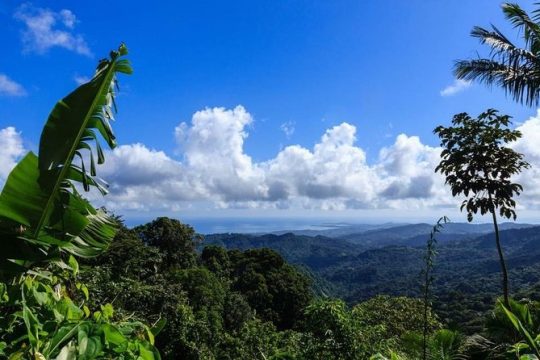
Luxury & Special Occasions
Prices from $5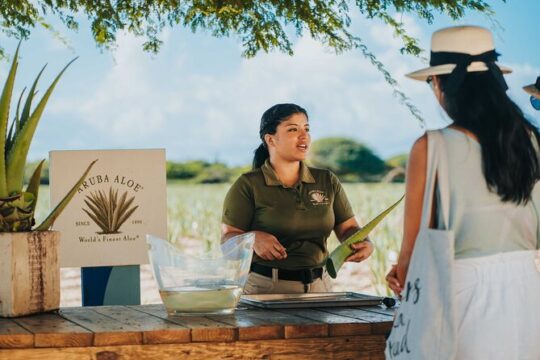
Tours & Sightseeing
Prices from $5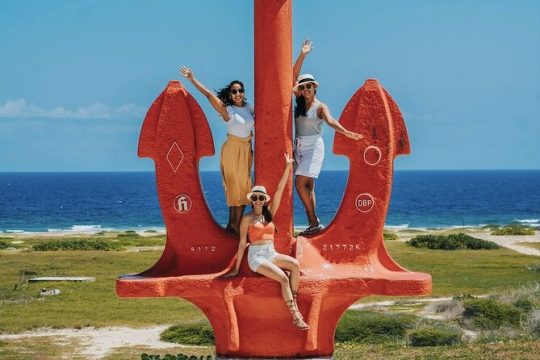
Shore Excursions
Prices from $5
Outdoor Activities
Prices from $5
Cruises, Sailing & Water Tours
Prices from $15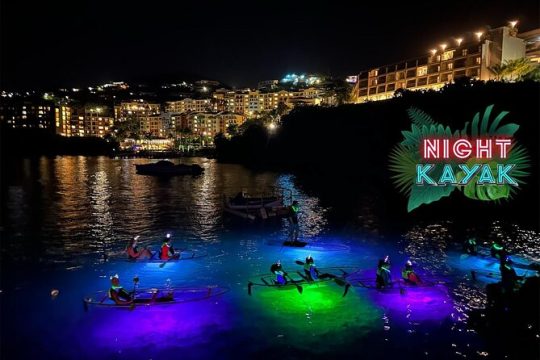
Water Sports
Prices from $15
Day Trips & Excursions
Prices from $20
Cultural & Theme Tours
Prices from $5
Walking & Biking Tours
Prices from $5
Food, Wine & Nightlife
Prices from $5
Private & Custom Tours
Prices from $5
Transfers & Ground Transport
Prices from $5
El Yunque National Park
Prices from $25
Rose Island
Prices from $64
Bushiribana Gold Mill Ruins
Prices from $40
Alto Vista Chapel
Prices from $40
Queen's Staircase
Prices from $20
Arawak Cay
Prices from $55
Ayo and Casibari Rock Formations
Prices from $40
Fort Fincastle
Prices from $20
Government House
Prices from $15
Luquillo Beach
Prices from $45
Paradise Island
Prices from $54
Palm Beach
Prices from $63





Caribbean Event Calendar
View all events
Christmas activities in Caribbean
Fri, Dec 25, 2026
Hanukkah in Caribbean
Dec 4–12, 2026
New Year’s Eve in Caribbean
Thu, Dec 31, 2026
Christmas Eve in Caribbean
Thu, Dec 24, 2026
New Year’s Day long weekend in Caribbean
Jan 1–3, 2027
Valentine's Day in Caribbean
Sun, Feb 14, 2027
Easter in Caribbean
Sun, Mar 28, 2027
Good Friday in Caribbean
Fri, Mar 26, 2027


