


Baltimore attractions
More things to do in the city
 #16
Baltimore Museum of Industry
The Baltimore Museum of Industry is a museum of working life on the Patapsco River waterfront, set in a former oyster cannery on Key Highway. It shows how Baltimore earned its living, from canning and garment making to printing and machine work, through recreated workshops, historic machines and a veteran steam tugboat. It suits anyone curious about how ordinary people built a major American port city.The museum began as a project of the mayor's office, set up to preserve the story of the downtown industries that had shaped the city. In the 19th century Baltimore was one of the country's great canning centers, packing oysters, fruit and vegetables for markets far beyond Maryland. It later found a fitting home on the site of the old Platt Oyster Cannery, where workers once canned the Chesapeake Bay's oysters, and it has grown into a broad record of the factories, shops and trades that kept Baltimore busy.Inside, whole workplaces have been rebuilt. You can walk through a cannery, a garment loft and a machine shop, then into a print shop and an old-fashioned pharmacy, each filled with the tools and equipment people once used every day. Food exhibits recall household names tied to Baltimore, including McCormick spices, Domino Sugar and Esskay meats, while the research library and photo archive hold rare books, manuscripts and a huge collection of prints and negatives.Docked beside the museum is the steam tug Baltimore, the oldest surviving steam tugboat and a National Historic Landmark, a reminder of the busy port that fed the factories on shore. Throughout the galleries, the focus stays on the people who ran the machines, packed the cans and stitched the clothes. A guide can connect the equipment to the families whose wages and skills depended on it.
More #17
Capitol Hill
Capitol Hill rewards a slow day on foot. Tours of the historic Capitol are the best way to see inside, with a guide explaining the rooms and the history behind them, and reserving in advance is recommended. Pair a tour with the nearby Library of Congress, Supreme Court and Folger Shakespeare Library, or join a guided walking tour of the neighborhood's rowhouses, parks and Eastern Market. Capitol Hill is mostly a residential neighborhood of 19th-century rowhouses, so plan to walk between its sights. The Capitol Visitor Center is the main entrance for the U.S. Capitol, and every visitor goes through security screening. The Visitor Center is fully accessible, allows strollers and service animals, and offers wheelchairs, open-captioned films and sign-language interpreting. Leave time before a tour, because the last Capitol tour of the day starts at 3:20 p.m. Eastern Market on 7th Street SE has indoor stalls, outdoor farmers' stands and a weekend flea market.
More #18
Edgar Allan Poe House & Museum
If you are looking for things to do in Baltimore we have 2 Tours and Activities to Experience Edgar Allan Poe House & Museum. Check out our verified traveler reviews and photos of Edgar Allan Poe House & Museum tours and other things to do in Baltimore, and book securely when you find the perfect one. Learn the best ways to see famous Edgar Allan Poe House & Museum and explore the most popular things to do in Baltimore.
More #19
FBI Headquarters
Most people see the building from the street as part of a wider walk. A guided walking tour of Pennsylvania Avenue or the Federal Triangle adds the story behind the building, the history of federal law enforcement and the landmarks around it. Spy, crime and history themed tours in Washington often include this stop alongside the Capitol and other sights, and a guide makes sense of what you see. The building is a working federal headquarters, so most visitors view and photograph it from the public sidewalk. Expect security presence around the building, and follow any instructions from officers on site. It is a short stop that fits well into a walk along Pennsylvania Avenue past the Federal Triangle buildings. Nearby museums and cafes make it easy to build a longer outing around the visit.
More #20
Franklin Delano Roosevelt Memorial
The Franklin Delano Roosevelt Memorial is a sprawling open-air memorial beside the Tidal Basin in Washington, DC, honoring the president who led the United States through the Great Depression and the Second World War. Instead of a single statue, it unfolds as a walk through granite rooms, waterfalls and sculptures, and visitors come to trace his era step by step.Roosevelt himself asked for something modest, a plain block of stone no larger than his desk, and that small marker stands outside the National Archives. The larger memorial took decades of planning before the landscape architect Lawrence Halprin's design was finally built and dedicated late in the 20th century. Halprin arranged it as a sequence of outdoor rooms, one for each of Roosevelt's terms in office, so the story moves forward as you walk.Each room has its own mood. The hardship of the Depression comes alive in George Segal's bronze figures, among them a weary rural couple and a line of men waiting for bread. Later the walls break into tumbled blocks of granite to evoke the war, and the waterfalls grow louder and wilder. Quotations carved along the way include his famous reminder that the only thing we have to fear is fear itself.The memorial also sparked debate over how to show a president who used a wheelchair after polio, a fact he largely kept from the public. The main statue shows him seated, wrapped in a cape, with his beloved dog Fala at his side, and after campaigning by disability advocates a second statue was added near the entrance showing him in a wheelchair. Eleanor Roosevelt appears too, standing before the emblem of the United Nations in honor of her work for human rights, a rare tribute to a first lady in a presidential memorial. A guide can draw out the stories behind each quotation and sculpture.
More #21
Hard Rock Café Baltimore
If you are looking for things to do in Baltimore we have 1 Tours and Activities to Experience Hard Rock Café Baltimore. Check out our verified traveler reviews and photos of Hard Rock Café Baltimore tours and other things to do in Baltimore, and book securely when you find the perfect one. Learn the best ways to see famous Hard Rock Café Baltimore and explore the most popular things to do in Baltimore.
More #22
Hirshhorn Museum and Sculpture Garden
Most people explore the museum on their own, moving through the galleries at their own pace and using the QR codes on labels for extra background on their phones. A guided visit adds helpful context to challenging contemporary work. The museum sits on the National Mall, so it also pairs well with a walking tour of nearby Smithsonian museums and monuments. The round building shows modern and contemporary art, so it suits teens and adults more than small children. The campus and exhibitions are accessible, with captioning and assistive listening available. Scan the QR codes on artwork labels to tailor your visit, so bring a charged phone and headphones. The sculpture garden lies across Jefferson Drive, sits below street level and is reached by ramps.
More #23
John F. Kennedy Center for the Performing Arts
Most visitors come for a performance, whether a concert, opera, play or dance in one of the theaters. Free daily tours led by volunteers cover the original building, the REACH or both, and they are a good way to see the halls, the art and the history behind the center. Pair a visit with an early dinner on site or a stroll on the terrace before the show. The center holds several theaters and halls, so check which one your performance is in before you arrive. Free guided tours cover the original building, the REACH or both, and the tours are wheelchair accessible. Touch tours and sign-interpreted tours are available on request with advance notice. The roof terrace has river and city views, and you can eat at the KC Café or the Roof Terrace restaurant.
More #24
Korean War Veterans Memorial
You can walk the memorial on your own and read the inscriptions at your own pace. Park rangers lead programs on the National Mall, including evening walks, and a guided tour of the nearby memorials adds history you will not get from the signs. Many visitors pair it with the Lincoln Memorial and the other memorials on a walking, bike, or evening bus tour. The memorial is open around the clock, so you can visit in daylight or in the evening. Most visitors spend 30 to 45 minutes among the statues, the mural wall, and the pool. The path changes from sidewalk to stone near the entrance and can be slippery when wet. The circular pool has no barrier at its edge, and the granite benches have no backs or armrests. The Cost of Freedom wayside has audio, braille, and tactile elements.
More #25
Library of Congress
The Library of Congress, on Capitol Hill in Washington, DC, is the research library of the US Congress and the largest library in the world. Visitors come for its Thomas Jefferson Building, a lavish Beaux-Arts palace of marble, mosaics and murals, and for a look into one of the grandest reading rooms in America.Congress created the library at the start of the 19th century, when the government moved to Washington, and kept its books inside the Capitol. British troops burned the building little more than a decade later, and the collection was lost. Thomas Jefferson offered his own library as a replacement, and Congress bought thousands of his books, whose range of subjects, from philosophy to cookery, set the library's ambition to collect knowledge of every kind.When the collection outgrew the Capitol, a separate building was raised across the street, opening at the end of the 19th century and later named for Jefferson. Its Great Hall soars through two floors of white marble to stained-glass skylights, and nearly every surface carries murals, mosaics or inscriptions by American artists celebrating learning and the arts. The domed Main Reading Room, ringed with statues that stand for branches of knowledge, is admired from an overlook high above the desks. Exhibitions bring out treasures such as a Gutenberg Bible, one of very few complete copies printed on vellum, and the hand-lettered Giant Bible of Mainz.Beyond books, its collections take in maps, photographs, sound recordings, films and manuscripts, including the papers of many presidents and Jefferson's rough draft of the Declaration of Independence. The library also runs the US Copyright Office and appoints the national poet laureate. A guide can unpack the building's dense symbolism, explaining the allegories, mottoes and names worked into its ceilings and walls.
More #26
Lincoln Memorial
You can explore on your own at any hour, reading the speeches carved into the chamber walls and enjoying the view along the National Mall. A guided tour adds depth, with a guide explaining the history of the memorial and the civil rights gathering held on its steps, and linking it with the nearby Korean War Veterans and Vietnam Veterans memorials. Evening and open-air tours show the monuments lit up after dark. The memorial suits almost every visitor, including families, history fans and anyone who wants a classic Washington view over the Reflecting Pool. Most visits take 30 to 60 minutes, and the main steps number 87, so allow time and energy for the climb. An elevator to the memorial chamber is located to the left of the main steps for visitors who cannot climb. Accessible parking is limited, with a handful of street spaces on Daniel Chester French Drive just south of the memorial, and parking nearby is scarce. Restrooms with accessible stalls and family restrooms are located near the accessible parking, across from the memorial.
More #27
Martin Luther King, Jr. Memorial
The Martin Luther King, Jr. Memorial honors the civil rights leader on the northwest shore of the Tidal Basin in Washington, DC, on a line between the Lincoln and Jefferson memorials. Its centerpiece, a towering granite figure of Dr. King emerging from a block of stone, draws visitors who come to reflect on his words and the long struggle for equal rights.It was the first memorial on the National Mall dedicated to an African American and to a person who was not a president. The idea came from Dr. King's own fraternity, Alpha Phi Alpha, and the project took years of fundraising and planning before it was dedicated early in the 21st century. Even the street address carries meaning, since its number recalls the year the landmark Civil Rights Act became law, a measure Dr. King had fought for.The design grows out of a line in the I Have a Dream speech about hewing a stone of hope from a mountain of despair. Visitors enter through a passage cut between two massive granite blocks, the Mountain of Despair, and find that a third piece has been pushed forward into the open, the Stone of Hope, with Dr. King carved into its face, arms folded, gazing across the water toward the Jefferson Memorial. The figure was carved by the Chinese sculptor Lei Yixin.Curving around the plaza, a long granite wall carries quotations from Dr. King's sermons, speeches and writings across his career, on justice, democracy, hope and love. One inscription on the statue itself caused controversy when a shortened version of his words about being a drum major for justice was criticized for changing their meaning, and it was later removed. A guide can set each quotation in the moment Dr. King first spoke or wrote it.
More #28
National 9/11 Pentagon Memorial
Most people visit on their own and read each victim's name as they walk the benches. A guided visit adds the stories behind the memorial and the events at the Pentagon, which many find moving. Many Washington DC sightseeing tours and private guided outings stop here, and it pairs well with a visit to Arlington National Cemetery nearby. The memorial is an outdoor site beside the Pentagon where you can learn about each victim as you walk through. The grounds are wheelchair accessible, with benches, a restroom and drinking water. Eating and drinking are not allowed inside the memorial except for water, and pets are not allowed other than service animals. Photography is permitted inside the memorial but is restricted on pathways, vehicle areas and drop-off zones. There is no public parking at the memorial, so plan to arrive by Metro or drop-off.
More #29
National Air and Space Museum
You can explore at your own pace, mixing the aircraft and spacecraft galleries with a planetarium show or an IMAX film. A guided tour adds the stories behind the famous objects and keeps a large, busy museum easy to follow, which helps first-time visitors and families. The museum sits on the National Mall, so it pairs well with a walking tour of nearby Smithsonian museums and monuments in a single day. Timed-entry passes are required for every visitor, including young children, and you can reserve several at once. A pass does not limit how long you stay, but if you leave the building you need another pass to get back in. Everyone goes through a security checkpoint, so carry as little as you can to move through faster. Strollers and mobility aids are allowed, and wheelchairs can be borrowed at the security desk on a first-come basis. Outside food is not allowed, but bottled water is, and Mars Café on the lower level serves meals and snacks.
More #30
National Mall
You can walk the Mall on your own at whatever pace you like, but a guided walking, bike or open-top bus tour links the memorials with the stories behind them. Evening tours show the monuments after dark, and ranger-led night walks are another option. Guides cover a lot of ground efficiently, which helps on a stretch of nearly two miles. The Mall is open 24 hours a day, so you can visit at any hour. It stretches about 1.9 miles from the Capitol steps to the Lincoln Memorial, so plan on a lot of walking. The Washington Monument keeps its own hours, and going up requires a timed-entry ticket. Smithsonian museums line both sides of the Mall, and each has its own opening hours. Besides the memorials, you can try paddle boats, bike tours and ranger-led night walks.
More #31
National Museum of African Art
You can wander the galleries on your own at any time during opening hours, or join a guided tour that adds context on the works and the cultures behind them. Docent-led visits and small-group walking tours of the National Mall often pair the museum with the neighboring Smithsonian Castle, the garden, and other museums nearby, making an easy half day or full day in the area. Most visitors spend one to two hours here, which makes it an easy stop between other museums on the National Mall. Security staff check bags at entry, and large bags, luggage, wheeled bags, and full-length umbrellas cannot go into the galleries. Lockers are available, but leaving bulky items at your hotel makes entry faster. The building is accessible for wheelchairs, and strollers are welcome in the galleries. Most of the museum is underground beneath the Enid A. Haupt Garden, which sits between the museum and the Smithsonian Castle.
More #32
National Museum of the American Indian
You can explore the galleries on your own, but a guided tour adds context and helps you choose among the exhibits. The museum also fits well into a guided National Mall itinerary that takes in the Capitol and nearby Smithsonian museums such as the Freer Gallery. Admission is free and tickets are not required, so it is easy to drop in alongside other museums on the National Mall. Plan on at least two hours to see the exhibits. Mitsitam Native Foods Cafe has five stations serving regional dishes, so you can eat without leaving the building. Cafe hours can be shorter than museum hours, so plan your meal for midday rather than late afternoon. The National Native American Veterans Memorial is near the museum and is worth adding to your visit.
More #33
National World War II Memorial
Many visitors explore on their own, reading the inscriptions and finding the pillar for their home state. Rangers also give talks during the day. A guided walking or bus tour places the memorial alongside the Lincoln Memorial, the Reflecting Pool and the Washington Monument, which is a practical way to cover the Mall in a few hours. Evening tours show the monuments lit up and are cooler in summer. The memorial is open 24 hours a day, and rangers answer questions daily from 9:30 a.m. to 10:00 p.m. It is an outdoor site on the National Mall with little shade, so bring water and sun protection in summer. Plan on 30 to 45 minutes to see the state and territory pillars, the Freedom Wall and the two arches. The fountains are turned off during winter. Accessible parking spaces are provided at the memorial, and the plaza suits wheelchairs and strollers.
More #34
St. John’s Church
If you are looking for things to do in Baltimore we have 5 Tours and Activities to Experience St. John’s Church. Check out our verified traveler reviews and photos of St. John’s Church tours and other things to do in Baltimore, and book securely when you find the perfect one. Learn the best ways to see famous St. John’s Church and explore the most popular things to do in Baltimore.
More #35
Supreme Court of the United States
You can explore the public areas on your own, including the court-related exhibitions, and attend a Courtroom lecture when one is offered. Oral arguments and opinion announcements are also open to the public. A guided walking tour of Capitol Hill adds context by pairing the Court with the Capitol and the Library of Congress, and a guide helps you make the most of a short visit. Every visitor and bag goes through security screening with a magnetometer and x-ray machine, and waits are longest from March through June. Food and drinks, including bottled water, stay outside; you can eat and drink only in the café and the ground-floor vending alcove. Coat checks run only during Court sittings, but unattended lockers near the public restrooms hold small items on the ground and first floors. Non-flash photos are fine in public areas, but photography and recording are not allowed in the Courtroom, and drones are banned on the grounds. An accessible entrance is on Maryland Avenue, elevators serve all public areas, and wheelchairs are available at the entry on request.
More #36
The White House
The White House is the home and office of the President of the United States, set on Pennsylvania Avenue in downtown Washington, DC. People come to stand at the fence of the most famous address in American politics and, when they can arrange it, to walk through the historic state rooms inside.George Washington picked the site and approved a neoclassical design by the Irish-born architect James Hoban, but he never lived there. John Adams became the first president to move in, at the very end of the 18th century. During a war with Britain early in the 19th century, British troops set the mansion on fire, and it was rebuilt within the surviving stone walls. The white paint that covered them gave the house its everyday name, which Theodore Roosevelt later made official. The West Wing and the Oval Office were added in the early 20th century, and after the Second World War the interior was found so unsound that it was gutted and rebuilt inside the original shell.A visit takes in rooms on the ground and state floors. The East Room, the largest, has hosted receptions, weddings, press conferences and the lying in state of presidents. The oval Blue Room looks out over the South Lawn, while the Green Room and Red Room are smaller parlors furnished with fine early American pieces. The State Dining Room, under a portrait of Abraham Lincoln, seats formal banquets. Along the corridors hang portraits of presidents and first ladies, and display cases hold china chosen by different administrations. Outside, the north front with its columned porch faces Lafayette Square, and the curved South Portico rises above the lawn toward the Washington Monument.A guide fills in the people behind the rooms, from the first ladies who restored them to the decisions made a few steps away.
More #37
Thomas Jefferson Memorial
The Thomas Jefferson Memorial is a domed, columned monument beside the Tidal Basin in Washington, DC, honoring the author of the Declaration of Independence and third president of the United States. Visitors come to stand before his towering bronze statue, read his words carved into the walls and take in the views across the water.The memorial was designed by John Russell Pope, who drew on the Pantheon in Rome and on Jefferson's own love of classical architecture, seen in his designs for Monticello and the University of Virginia. Its site and style stirred debate, and protesters even chained themselves to cherry trees that were to be cleared for construction. President Franklin D. Roosevelt laid the cornerstone and dedicated the finished memorial during the Second World War, on the anniversary of Jefferson's birth.The war left its mark on the statue. Metal was scarce, so the first figure of Jefferson was a painted plaster cast, and the bronze by sculptor Rudulph Evans replaced it only after the war ended. Jefferson stands in a long fur-collared coat, gazing toward the White House across the water. Around him, panels carry passages from the Declaration of Independence, his writings on religious freedom and his thoughts on how laws and institutions must change with the times, while a frieze below the dome carries his vow of eternal hostility against every form of tyranny over the mind of man.Jefferson's legacy is complicated, since the man who wrote that all men are created equal held people in slavery at Monticello throughout his adult life, and a visit invites reflection on both sides of that story. The setting adds to the experience: the cherry trees ringing the basin, first given by the city of Tokyo, frame the white marble, and the dome is mirrored in the still water. A guide can connect the memorial to the city plan and to the other monuments in view.
More #38
U.S. Air Force Memorial
Most people visit on their own, walking the paths between the spires, statues and inscription walls. A guided tour of the Washington, D.C. area military memorials often includes this stop with Arlington National Cemetery and the Pentagon, and a guide can explain the symbolism of the spires and the missing-man formation. Combining sights in one guided outing saves you from handling parking and logistics yourself. The memorial is an outdoor site, so dress for the weather before you set out. Three stainless steel spires of different heights rise above the grounds, with bronze Honor Guard statues and two granite inscription walls nearby. A glass contemplation wall is engraved with four jets in missing-man formation. Parking is limited and first come, first served, so plan extra time on busy days. The memorial closes on federal holidays and for special events, so check for closures before you travel.
More #39
U.S. Capitol
A reserved Capitol tour takes you through the building's most historic spaces, and the Visitor Center has exhibits you can browse on your own. A guided walking tour of Capitol Hill or the National Mall adds context about the buildings and the people who shaped them. Many visitors pair the Capitol with the nearby Library of Congress and Supreme Court on one itinerary. Capitol tours run on timed-entry passes, so reserve online or through your senator's or representative's office before you go. The Capitol Visitor Center is the main entrance and sits beneath the East Front plaza. Expect security screening and plan to arrive well ahead of your reservation time. The Visitor Center has no bag storage, so leave large bags at your hotel. Visitors with mobility needs can request an on-demand shuttle to the entrance through the Office of Congressional Accessibility Services.
More #40
U.S. Marine Corps War Memorial
You can walk around the memorial on your own in an hour or two, or request a ranger program. Many guided tours of Washington include it as a stop, often paired with Arlington National Cemetery or the monuments across the river. Evening and sunset tours show the skyline at dusk. A summer Sunset Parade adds music and precision drill. The grounds are open from 6 am to midnight year-round, and the flag flies day and night. Plan one to two hours for a self-guided walk around the memorial and its views across the river to the monuments. The small parking lot has a one-hour limit, so allow extra time on busy days. Paved paths link the parking area, plaza and restrooms, and service animals are welcome. On summer Tuesday evenings the Marine Corps holds a Sunset Parade, and the plaza closes to the public for several hours around it.
More #41
United States Botanic Garden
Both the Conservatory and the outdoor gardens are easy to explore on your own with the visitor guide map. A guided visit adds depth on the orchids, the jungle room and the plants behind them. The garden sits on the Capitol grounds, so many visitors pair it with a guided Capitol Hill or National Mall walking tour. The Conservatory has themed plant rooms, including orchids, a jungle with a raised canopy walk, a desert and a Hawaii house. Plant rooms are humid and only the galleries and a few other areas are air-conditioned, so dress in layers you can remove. Photos are fine for personal use, but photo shoots and video shoots are not permitted. Step-free routes are marked on the visitor map, and wheelchairs can be borrowed in the Conservatory lobby on a first-come basis. Food and drink are allowed and there are outdoor tables; leashed pets are welcome outdoors but not inside the Conservatory.
More #42
United States Holocaust Memorial Museum
The United States Holocaust Memorial Museum is America's national memorial to the Holocaust, set just off the National Mall in Washington. Visitors come to learn how the Nazi persecution and murder of Europe's Jews unfolded, to see objects and testimony from those who lived through it and to consider how such crimes become possible.Congress chartered the museum late in the 20th century, after a presidential commission chaired by the survivor and writer Elie Wiesel called for a living memorial. The building, designed by the architect James Ingo Freed, is meant to unsettle, with brick towers, steel bridges and bare metal that echo the camps and ghettos without copying them. At its heart, the skylit Hall of Witness rises several stories, crossed by glass walkways etched with the names of destroyed communities and victims' first names.The Permanent Exhibition unfolds over three floors, moving from the Nazi rise to power through ghettos and killing centers to liberation and its aftermath. Many visitors pick up an identification card at the start that follows one real person through those years. Along the way stand a railcar of the type used for deportations, a heap of shoes taken from prisoners at Majdanek and the Tower of Faces, lined with family photographs from one Lithuanian town whose Jews were murdered. The exhibition ends with filmed testimony from survivors, giving the last word to people who were there.Remember the Children: Daniel's Story retells these events through the eyes of a boy, and another exhibition traces the long history of antisemitism up to the present. The six-sided Hall of Remembrance, lit by daylight and an eternal flame, is a quiet place to light a candle and reflect. Upstairs, a resource center helps families look for traces of relatives who survived or were lost.
More #43
Vietnam Veterans Memorial
The Vietnam Veterans Memorial is the long black granite wall on the National Mall in Washington, DC, engraved with the names of the Americans who died or went missing in the Vietnam War. People come to pay their respects, to find the name of a relative or friend, and to experience one of the most moving memorials in the country.The memorial began with a veteran, Jan Scruggs, who wanted a lasting tribute to those who served in a war that had deeply divided the nation. A fund raised private donations, and a national design competition drew a huge number of entries. The winner was Maya Lin, then an architecture student, whose plan for a simple polished wall cut into the earth broke sharply with the heroic statues of older war memorials. It caused fierce debate, and as a compromise a bronze statue of three soldiers and a flagpole were added nearby. A separate sculpture honoring the women who served, many of them nurses, came later.The design works on visitors in quiet ways. Two walls meet in a shallow V, one arm pointing toward the Washington Monument and the other toward the Lincoln Memorial. As you walk down the path, the wall rises beside you and the names multiply until they tower overhead at the center, then fall away again as you climb back out. The names are listed in the order the casualties occurred rather than by rank, beginning and ending at the apex, so the war reads as a single story. The polished stone reflects your own face and the sky behind you, placing the living alongside the dead.Visitors often take pencil rubbings of names on paper, and many leave flowers, letters, photographs and medals at the foot of the wall. The park service collects and keeps these offerings. A guide can share the stories of the memorial's creation and of some of the people whose names it carries.
More #44
Washington Monument
The Washington Monument is the tall white marble obelisk at the center of the National Mall in Washington, DC, built to honor George Washington, the country's first president. Visitors come to see the city's most recognizable landmark up close and to ride to the top for views across the capital and its memorials.The idea of a national memorial to Washington was debated for many years, but construction began only in the middle of the 19th century, to a design by Robert Mills. Money ran short, the Civil War intervened, and the half-built shaft stood unfinished for more than two decades. When work resumed, builders could not match the original stone, and a subtle change in the color of the marble shows where they picked up again. The obelisk was finally completed late in the 19th century and capped with a small pyramid of aluminum, then a rare and costly metal.On its completion it was the tallest structure in the world, a title it held until the Eiffel Tower rose in Paris, and it is still the tallest obelisk on earth. Inside, the walls of the shaft are set with memorial stones donated by states, cities, organizations and foreign nations. From the observation level near the top, small windows look out in every direction, toward the Capitol, the White House, the Lincoln Memorial and across the Potomac into Virginia.The monument also anchors the layout of the Mall. It stands near the crossing of two axes, one running from the Capitol to the Lincoln Memorial and the other from the White House to the Jefferson Memorial, and a ring of American flags flutters around its base. Visible from almost anywhere in central Washington, it works as a compass point for anyone finding their way between the museums and memorials. A guide can add the story of the long struggle to build it and the symbolism behind its plain, soaring form.
MoreDiscover Baltimore
Luxury & Special Occasions
Prices from $10
Cultural & Theme Tours
Prices from $10
Tours & Sightseeing
Prices from $10
Cruises, Sailing & Water Tours
Prices from $30
Walking & Biking Tours
Prices from $10
Transfers & Ground Transport
Prices from $27
Food, Wine & Nightlife
Prices from $29
Outdoor Activities
Prices from $65
Classes & Workshops
Prices from $25
Weddings & Honeymoons
Prices from $40
Holiday & Seasonal Tours
Prices from $23
Private & Custom Tours
Prices from $10


Fort McHenry National Monument and Historic Shrine
Prices from $17
Baltimore Federal Hill
Prices from $17
Canton
Prices from $34
Fell’s Point
Prices from $34
Baltimore Inner Harbor
Prices from $12
B&O Railroad Museum
Prices from $17
Babe Ruth Birthplace & Museum
Prices from $10
Baltimore National Aquarium
Prices from $12
Maryland Science Center
Prices from $17
Oriole Park at Camden Yards
Prices from $17
Port Discovery Children’s Museum
Prices from $12
Star-Spangled Banner Flag House
Prices from $17
Hanukkah in Baltimore
Dec 4–12, 2026
New Year’s Eve in Baltimore
Thu, Dec 31, 2026
New Year’s Day long weekend in Baltimore
Jan 1–3, 2027
MLK Day in Baltimore
Jan 16–18, 2027
Senior-friendly tours Baltimore
16 tours & activities
Baltimore Foodie Tours
9 tours & activities
Family-friendly Baltimore Tours
14 tours & activities
The best tours and activities for culture lovers in Baltimore
22 tours & activities
Things to do in Baltimore this summer
28 tours & activities
Baltimore Event Calendar
View all events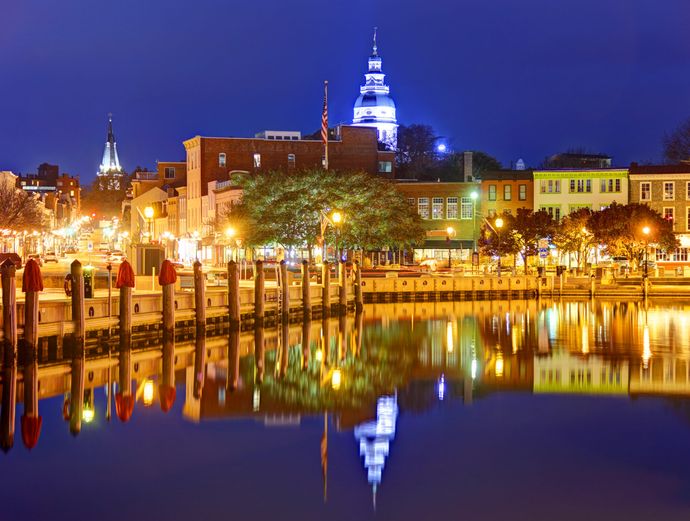
Annapolis Tours
 From $15
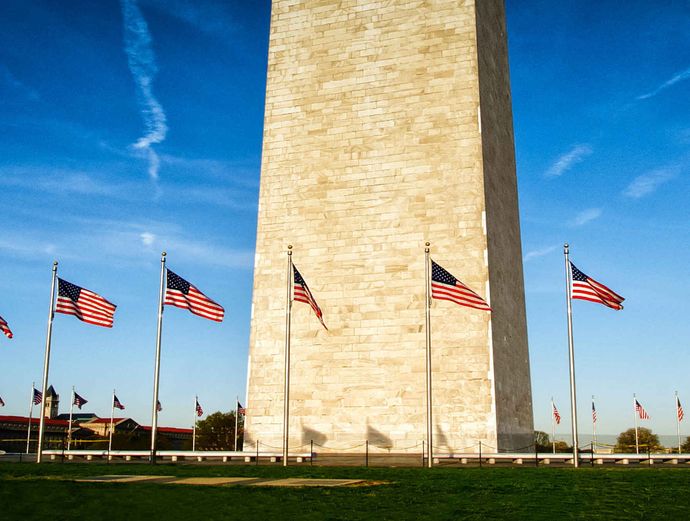
Washington DC Tours
From $3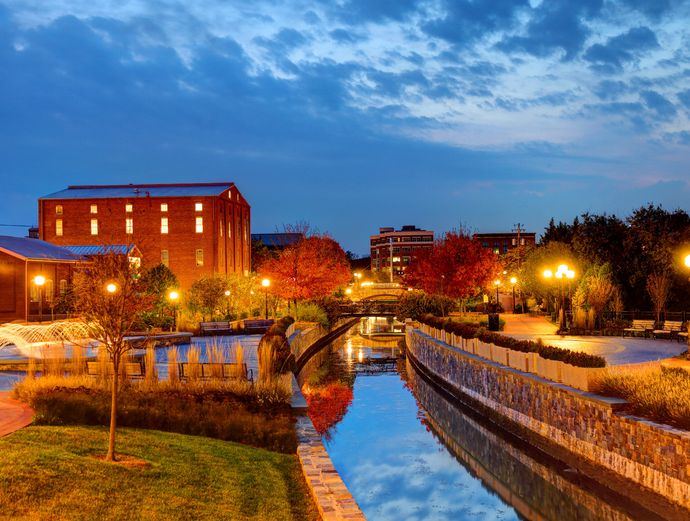
Frederick Tours
From $10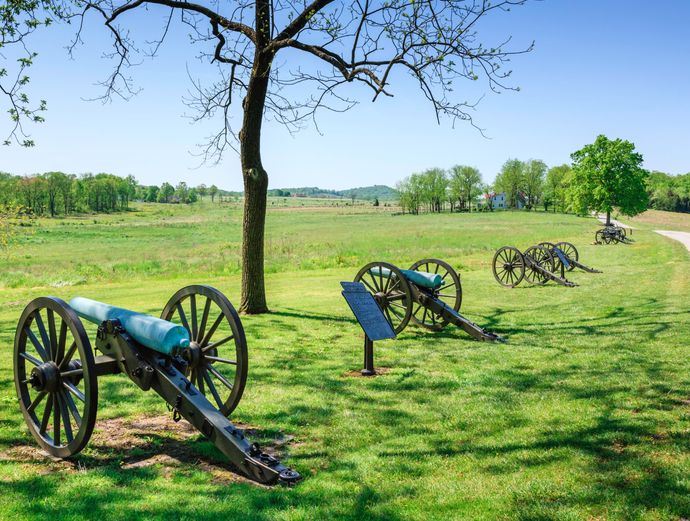
Gettysburg Tours
From $7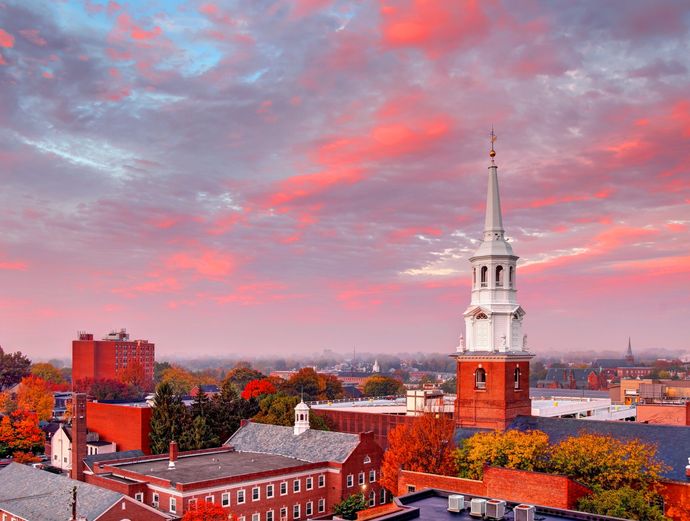
Lancaster Tours
From $12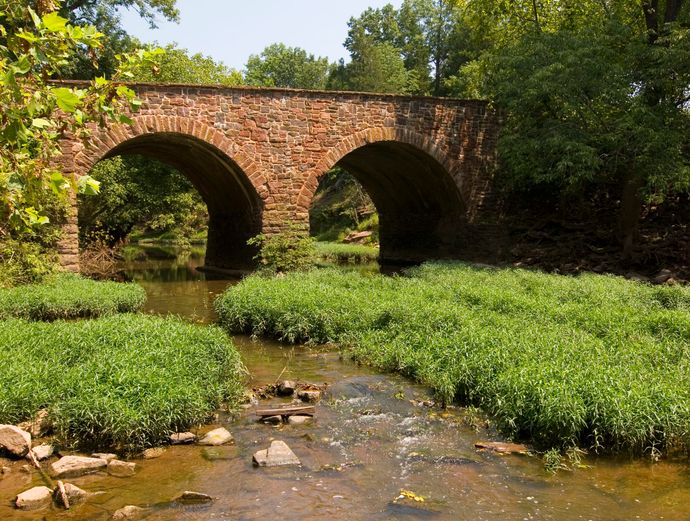
Manassas Tours
From $15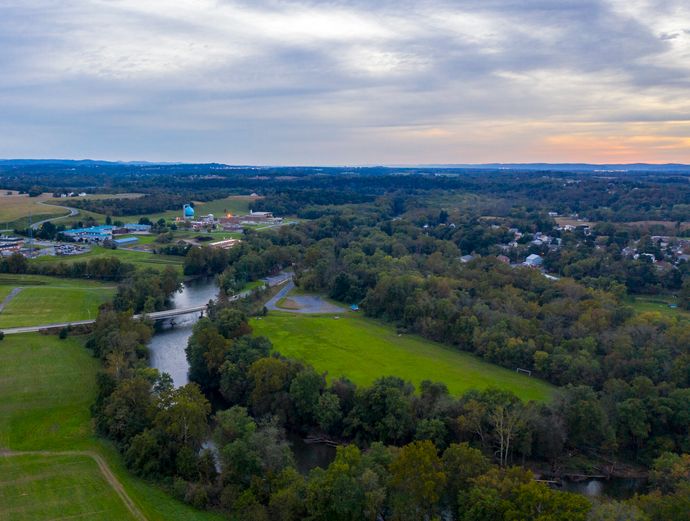
Hershey Tours
From $119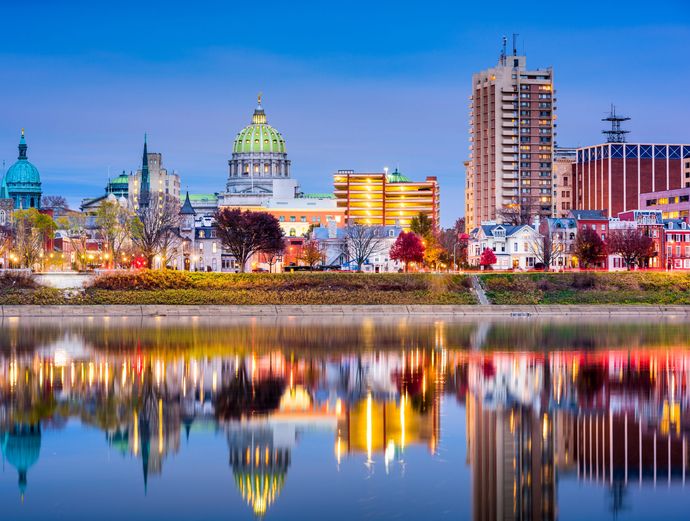
Harrisburg Tours
From $10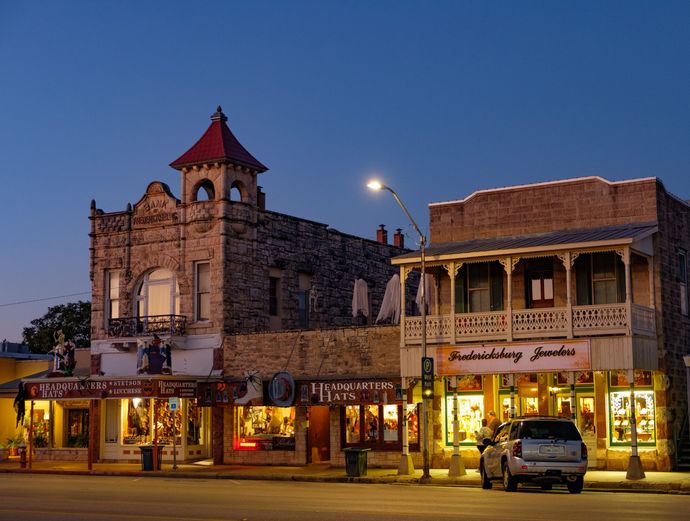
Fredericksburg Tours
From $10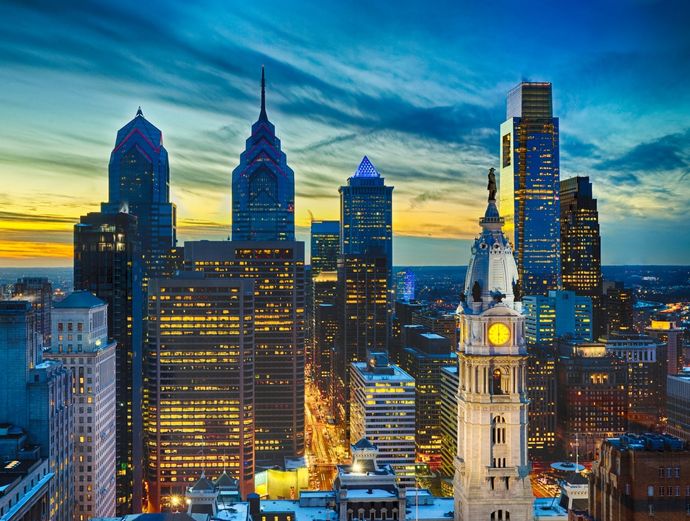
Philadelphia Tours
From $3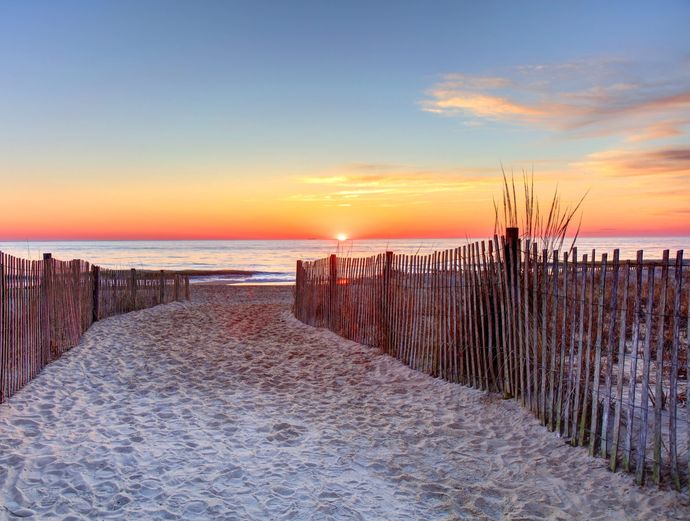
Rehoboth Beach Tours
From $29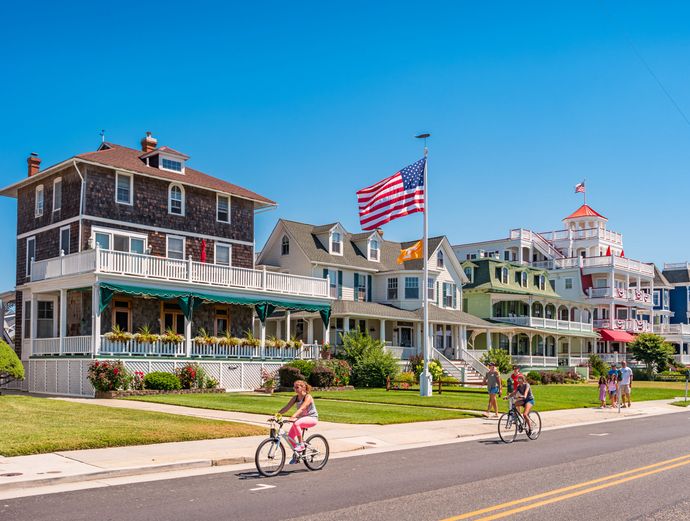
Cape May Tours
From $28

