


Caribiske attraktioner
Flere ting at lave i regionen
 #16
Blue Lagoon Island
Blue Lagoon Island er en privat ø et par kilometer ud for Nassau på Bahamas, også kendt som Salt Cay. Folk kommer for en dag med hvidt sand, klart turkisblåt vand og en beskyttet lagune, og mange kommer for at møde delfiner, søløver og andre havdyr i vandet. Øen ligger på den anden side af havnen fra hovedstaden, men føles langt væk fra dens travle gader. Dens strande vender ud mod roligt, lavt vand, og tæt på kysten huser koralrevene indfødte fisk, som snorklere kan se drive mellem klipperne. Lagunen, der giver øen sit navn, er dagens rolige centrum, en beskyttet vandstrækning, der bruges til at flyde, svømme og komme tæt på de fastboende dyr. Havlivet er hovedårsagen til, at mange besøgende tager turen. Dyrepassere leder sessioner i vandet med delfiner og californiske søløver, mens rokker og ammehajer kan mødes i det lave vand. Disse møder fokuserer lige så meget på, hvordan dyrene lever, spiser og bliver passet, som på selve kontaktøjeblikket, og øens dyrepleje er blevet anerkendt af havparker og humane certificeringsorganer. Især for børn er det at se en delfin komme til overfladen et par meter væk ofte dagens højdepunkt. Ud over dyrene flyder et oppusteligt vandland ud for vandet, hvor man kan klatre, hoppe og rutsje, og baderinge gør det nemt at dovne på vandet. En lille landsby på Bahamas sælger lokalt håndværk og varer, og food trucks uddeler snacks og is. En guidet naturvandring dækker øens planter, dyreliv og historie, hvilket tilføjer en mere rolig side til en dag, der for det meste tilbringes i havet. Øen er også vært for bryllupper og private fester med sandet og lagunen som baggrund.
Mere #17
Condado Lagoon (Laguna del Condado)
If you are looking for things to do in Caribbean we have 17 Tours and Activities to Experience Condado Lagoon (Laguna del Condado). Check out our verified traveler reviews and photos of Condado Lagoon (Laguna del Condado) tours and other things to do in Caribbean, and book securely when you find the perfect one. Learn the best ways to see famous Condado Lagoon (Laguna del Condado) and explore the most popular things to do in Caribbean.
Mere #18
Icacos Island (Cayo Icacos)
Icacos Island, eller Cayo Icacos, er en lille, ubeboet ø ud for Puerto Ricos nordøstkyst nær Fajardo. Den er kendt for sit hvide sand, klare turkisblå vand og koralrev og tiltrækker folk, der ønsker en dag med svømning, snorkling og afslapning på en stille strand væk fra fastlandet. Icacos er den største af en kæde af små øer og rev ud for Fajardo, kendt som La Cordillera, som er beskyttet som et naturreservat. Beskyttelsen holder øerne fri for hjem, hoteller og veje, og den beskytter revene, havgræsbede og havfugle, der er afhængige af disse farvande. Øen har fået sit navn fra icacoen, kokosblommen, en kystbusk, der vokser langs de caribiske kyster. Uden nogen bygninger overhovedet føles den meget anderledes end de travle byer langs kysten. Hovedattraktionen er vandet. Blegt sand skråner blidt ned i rolige, klare, lavvandede områder, og farverne skifter fra grøn til dybblå, når bunden synker. Omkring klipperne og de nærliggende rev finder snorklere koraller, søvifter og stimer af farverige revfisk, og nogle gange rokker eller havskildpadder, der glider forbi. Selve stranden er en lang kurve af fint sand med lav krat og sødrue bagved, med omridset af andre øer og hovedøens grønne bjerge i horisonten. Livet på Icacos er enkelt. Besøgende bruger deres tid på at flyde i det lave vand, gå langs kystlinjen og se pelikaner dykke efter fisk. Både ankrer op i det rolige vand, og revene i nærheden gør øen til en del af en større dag tilbragt omkring reservatets øer. En bådbesætning, der kender disse farvande, kan udpege de bedste steder ved revet og det marine liv, man ellers ville svømme lige forbi.
Mere #19
Parliament Square
If you are looking for things to do in Caribbean we have 10 Tours and Activities to Experience Parliament Square. Check out our verified traveler reviews and photos of Parliament Square tours and other things to do in Caribbean, and book securely when you find the perfect one. Learn the best ways to see famous Parliament Square and explore the most popular things to do in Caribbean.
Mere #20
Den store lagune
Laguna Grande er en bioluminescerende lagune i Fajardo, på den nordøstlige spids af Puerto Rico, hvor vandet lyser op med en blågrøn glød, når det bevæges om natten. Omgivet af mangroveskov er det en af øens berømte bio-bugter, og besøgende kommer for at padle gennem mørket og se vandet glitre omkring dem. Gløden kommer fra et enormt antal mikroskopiske plankton kaldet dinoflagellater. Når vandet omkring dem bevæger sig, udsender hver enkelt et kort lysglimt, en kemisk reaktion, der kan hjælpe med at forskrække de små dyr, der ville spise dem. I en lagune som denne lægger glimtene sig sammen, så et padletag efterlader et spor af lys, fisk stryger forbi som gnister, og dråber, der falder fra en løftet hånd, glitrer, når de rammer overfladen. Få steder i verden har vand, der er klart nok til at se dette så tydeligt, og Puerto Rico er heldig at have flere. Forholdene her passer til planktonet. Lagunen er lavvandet og beskyttet, forbundet med havet af en smal kanal og fodret af de omkringliggende mangrover, hvis nedfaldne blade og rødder leverer næringsstoffer, der hjælper organismerne med at trives. Mangroverne er værd at bemærke i sig selv, med røde mangrover, der står på buede rødder i vandet og giver ly for unge fisk, krabber og vadefugle. Lagunen ligger inden for det beskyttede naturreservat Las Cabezas de San Juan, en strækning af tør skov, strande og klippefyldte forbjerge på hjørnet af øen, kronet af et historisk fyrtårn. Denne beskyttelse holder kysten vild og nætterne mørke, begge dele afgørende for gløden. Ude på vandet, væk fra byens lys, med stjerner over hovedet og lys der hvirvler nedenunder, er det en stille og mindeværdig måde at tilbringe en aften i Puerto Rico.
Mere #21
Macao Beach (Playa Macao)
Macao Beach is a long, open stretch of golden sand on the Atlantic coast north of the main Punta Cana resort strip in the Dominican Republic. Unlike the hotel-lined beaches nearby, it keeps a wilder, local feel, and people come to surf, eat fresh fish at simple shacks and see a less polished side of the coast.The beach takes its name from the small village of Macao behind it, a farming and fishing community that was here long before the region's resort boom. Dominican beaches are public by law, and Macao shows that idea clearly, with families from nearby towns sharing the sand with travelers from around the world. Development here has stayed light compared with the coast to the south, so long stretches are still backed by coconut palms rather than buildings.The bay curves between low rocky headlands, and the water shades from pale turquoise near the shore to deep blue beyond the breakers. With little to break the Atlantic swell, waves roll in steadily, and the beach has become one of the best-known places to learn to surf in the eastern Dominican Republic. Behind the sand, open-sided kitchens fry whole fish and green plantains, and cracked coconuts are sold fresh from the palms. Sea grape bushes and leaning palms throw patches of shade along the top of the beach.Macao is also a classic stop on the dusty off-road buggy trips that cross the farmland and villages of the interior, so the beach has a lively, sociable energy. For many visitors it offers a first taste of the coast as Dominicans enjoy it, informal, unhurried and often set to merengue and bachata from a nearby speaker. A local guide can share the story of the village and of the cattle ranches and cane fields inland.
Mere #22
Maho Strand
Maho Beach is a short stretch of sand on the Dutch side of Sint Maarten, famous around the world because it lies at the very end of the runway at Princess Juliana International Airport. Visitors come to watch airliners sweep in just above their heads as they land, a sight that has made the beach a magnet for plane spotters.The spectacle is a matter of geography. The runway starts just beyond the beach and a narrow road, so arriving planes have to cross the shore at remarkably low height to touch down in time. Big jets loom overhead with wheels down and engines roaring, and each arrival sets off cheers and a burst of raised cameras and phones. Takeoffs have their own drama, as the engines throw a hot gale of sand and spray back across the beach.Between flights, Maho is simply a pretty Caribbean beach, with soft pale sand and clear turquoise water curving around a small bay. The beach bars along the shore give it a festive, easygoing mood, and the Maho area just behind is one of the island's livelier corners, with resorts, casinos and restaurants. Swimmers bob in the surf while others lie on towels facing the sea, one eye always on the sky.Its home island adds to the story. The island is split between Dutch Sint Maarten and French Saint-Martin, making it one of the smallest on Earth divided between two nations, and its airport serves as a gateway to the smaller islands of the northeastern Caribbean. With little flat ground to spare between the hills, the lagoon and the sea, the runway was built right up to the shore. A guide can tell the old legend of how the Dutch and the French settled their border with a walking race around the island.
Mere #23
Kabel Strand
Cable Beach is a long curve of white sand on the north shore of New Providence Island, west of downtown Nassau in the Bahamas. Backed by large resorts, it draws travelers for its clear turquoise water, its watersports and its easy mix of beach days, dining and nightlife close to the capital.According to local tradition, the beach takes its name from a telegraph cable laid across the seabed late in the 19th century to link Florida with the Bahamas, which came ashore close by. Tourism took off after the Second World War, when hotels began to rise along the sand, among them the first air-conditioned hotel in the area, which also housed what was then the country's largest casino. The restaurant and hotel entrepreneur Howard Deering Johnson chose it for his first venture outside the United States. Promoters sold the strip as the Bahamian Riviera.After the Bahamas gained independence, the area went through lean years as newer resorts across the harbor and on other islands drew visitors away, and the government bought struggling hotels before returning them to private hands. A new wave of building followed, crowned by the sprawling Baha Mar resort, which replaced older hotels with towers, pools, a casino and a golf course.Cable Beach is also a community in its own right, with homes and businesses along the roads behind the hotels, and it forms part of greater Nassau on New Providence, the most populous island in the Bahamas. Out from the shore, the water shifts from pale green over the sand to deep blue where the sea floor drops away, a palette that changes with the light through the day. A guide can add the wider story of Nassau, from its days as a haven for pirates to its rise as a resort capital.
Mere #24
Coco Bongo Punta Cana
Coco Bongo Punta Cana er et show og en natklub i Bávaro-området i Punta Cana, hvor akrobatik, hyldestkoncerter og en dansefest blandes til én lang nat. Folk kommer for deres Las Vegas-inspirerede blanding af liveoptrædener, musik og skuespil, en livlig forandring fra de stille aftener på resortet. Coco Bongo startede på Mexicos caribiske kyst og lånte sit navn fra natklubben i filmen The Mask, og brandet driver også spillesteder i Cancún og Playa del Carmen. Punta Cana-klubben bringer den samme formel til Den Dominikanske Republik og forvandler en natklub til en scene, hvor grænsen mellem show og fest knap nok eksisterer. Artister optræder ikke kun på hovedscenen, men også i luften over publikum, så der sker ofte noget, uanset hvor man kigger hen. Showet er en hurtigt skiftende række af optrædener. Akrobater svinger sig over hovedet i en Spider-Man-kamp med Green Goblin, der udkæmpes i luften over publikum. En Kiss-hyldest bringer malede ansigter, brølende guitarer og pyroteknik, og en Michael Jackson-hyldest genskaber moonwalk og hans mest kendte danserutiner. Mellem de store numre holder dansere, livemusik og filminspirerede scener energien høj, med kostumeskift og kulisser, der ankommer i hurtig rækkefølge. Kæmpeskærme omgiver rummet, og kameraer udvælger publikummer til at sende dem live med kiss cams, shot challenges og look-alike performere, der trækker publikum ind i handlingen. Efterhånden som aftenen skrider frem, viger sceneoptrædenerne for en fuld klubfest med konfetti, lys og musik, der fylder rummet. For mange besøgende bliver det den store aften på deres caribiske tur. Det passer til vennegrupper, par, der fejrer, og alle, der kan lide en fest med en fuld produktion bag sig.
Mere #25
Curacao likørdestilleri
The Curaçao Liqueur Distillery is the small working distillery in Willemstad where the island's famous orange liqueur is made, housed in Landhuis Chobolobo, a bright yellow colonial country house. Visitors come to learn how a bitter local orange became a drink known around the world, and to taste the result where it is produced.The story starts with the oranges. Spanish settlers brought Seville oranges to Curaçao early in the colonial era, but the dry climate and poor soil changed the trees, and the fruit they bore, called laraha, turned too bitter to eat. Someone discovered that the dried peel gave off a sweet, rich scent, and the islanders began distilling its oils into a liqueur. In the late 19th century the Senior and Chumaceiro families started selling it from their pharmacy in small amounts. After the Second World War they bought the Chobolobo estate, a former plantation house, and the distillery has been there ever since.The process is still simple and largely done by hand. The laraha peels are dried in the sun, then soaked and placed in a cloth sack with a blend of spices. The sack hangs inside a heated copper still for several days while the oils are drawn out, and the spirit is then rested and distilled again. The liqueur comes out clear, and the famous blue, along with orange, green and red versions, is added with coloring afterward. Inside the landhuis you can see the old copper still, displays on the history of the estate, and bottles in the distinctive shape of the brand, with a tasting bar where the flavors are poured.Outside, the yellow walls and white trim of the old mansion recall the plantation houses that once dotted the island's dry countryside. A guide makes the most of the visit, turning a short tasting into the story of how one stubborn fruit gave Curaçao its best-known export.
Mere #26
Christ Church Cathedral
Christ Church Cathedral is the Anglican cathedral of Nassau, standing on George Street in the old center of downtown, and it is regarded as the mother church of the Anglican faith in The Bahamas. Visitors step inside for its Gothic-style stonework, its memorial tablets and the long story of a church that has risen again and again on the same ground.The site holds the first church built in the islands, raised in the early days of English settlement under the Lords Proprietors, the noblemen granted the colony by the Crown. One building after another was destroyed and replaced, so the church you see is the fifth to stand here. When Nassau was declared a city in the 19th century, the parish church was raised to the rank of cathedral in the same year.The present church is a solid Gothic-style building of cut stone taken from a local quarry, its pointed windows and thick walls giving it a calm, sturdy presence on the busy street. Inside, wall tablets recall hardships that Nassau residents endured in earlier times, and reading them is one of the most moving parts of a visit, a record in stone of island families and their losses.As the mother church of Anglicans across the islands, the cathedral has long stood at the center of religious life in The Bahamas, and it remains a working parish rather than a museum. The town itself began as Charles Town and was renamed Nassau late in the 17th century in honor of King William III, a prince of the House of Orange-Nassau. The streets around the cathedral share the same layered past, and Parliament Square, with its pink government buildings and statue of Queen Victoria, lies only a short stroll away.
Mere #27
Tintamarre Island
Tintamarre Island is a small, uninhabited island off the northeast coast of Saint Martin, protected as part of the island's marine nature reserve. Travelers sail over to swim and snorkel in clear water, walk empty beaches and see a quieter, wilder side of the Caribbean, far from the busy resort towns on the main island.Locals often call it Flat Island, and one look explains why: unlike hilly Saint Martin, Tintamarre rises only a little above the sea. For a time it was worked as a private estate, with farming and grazing animals, and in the middle of the 20th century it even had a small airstrip that served a local air service. The people and the planes eventually left, the land was handed over to nature, and the ruins of old buildings and traces of the former runway are all that remain of that busier past.Since then the island's wildlife has had room to recover. Sea turtles feed in the seagrass beds offshore, reef fish dart among the rocks close to shore, and seabirds rest along the rugged windward coast. Baie Blanche, on the sheltered western side, is a long curve of pale sand backed by low trees and fringed with turquoise water, and it is where most boats drop anchor. Inland, a few paths cross dry scrub and grassland toward the eastern shore, where the Atlantic swell breaks hard against the rocks and the open ocean stretches away to the horizon.Patches of soft pale clay near the beach are a local curiosity, and the contrast between the calm bay and the rough far side gives the island two very different moods within a short walk. Divers know the surrounding waters for a sunken tugboat that has become an artificial reef, now crusted with coral and busy with fish. Crews who sail here often can point out where turtles tend to surface and which patch of reef is liveliest that day.
Mere #28
Bioluminescent Bay (Mosquito Bay)
Mosquito Bay, også kendt som Puerto Mosquito, er en lavvandet bugt omgivet af mangrover på sydkysten af Vieques, en ø ud for det østlige Puerto Rico. Folk kommer for at se vandet lyse op efter mørkets frembrud, når hvert padletag og hver forbipasserende fisk efterlader et spor af blåt lys, i en bugt, der ofte rangeres som den lyseste af sin slags overalt. Lyset kommer fra en encellet organisme, en dinoflagellat kaldet Pyrodinium bahamense, som blinker blåt, når vandet omkring den forstyrres. Disse små plankton lever et par steder rundt om i Caribien, men de samles her i enorme antal. Bugtens varme, forholdsvis lave vand og mangroverne langs dens kanter skaber de betingelser, de har brug for, og den røde mangrove betyder mest, da dens rødder og nedfaldne blade fodrer lagunens rige, beskyttede vand. Manglen på bebyggelse omkring kysten har bidraget til at holde vandet mørkt og rent. Bugten er en af kun en håndfuld i Caribien, der gløder hele året rundt, og en af tre i Puerto Rico. Dens pragt har givet den en plads i historiebøgerne, og den er beskyttet som et naturreservat og et amerikansk nationalt naturmærke, hvor dens mangrovekyster også værdsættes som et vigtigt hjem for fugle. Legenden siger, at navnet intet har at gøre med insekter. Det siges at komme fra Mosquito, et skib sejlet af piraten Roberto Cofresí, en af de mest berømte skikkelser i puertoricansk folklore. Ude på vandet er effekten svær at forestille sig, før du ser den. Dyp fingrene i, og de kommer ud glitrende, og fisk farer gennem mørket og efterlader striber som gnister. Over hovedet, langt fra byens lys, fyldes himlen over Vieques med stjerner, så gløden synes at komme både ovenfra og nedefra på én gang. En guide tilføjer videnskaben bag lyset og holder hver udflugt skånsom mod et skrøbeligt sted.
Mere #29
Culebra Island
Culebra er en lille økommune ud for Puerto Ricos østkyst, en del af den gruppe, der ofte kaldes De Spanske Jomfruøer. Rejsende kommer hertil på grund af det rolige tempo, det klare vand og de hvide sandstrande, især Flamenco Beach, sammen med koralrev og et naturreservat, der beskytter en stor del af de omkringliggende øer. Dens fortid er langt mere turbulent, end dens ro antyder. Det menes, at Taíno-folket søgte tilflugt her, og pirater og fiskere brugte de beskyttede bugter, før spanske bosættere ankom i slutningen af det 19. århundrede. Kort efter at Puerto Rico kom under amerikansk styre, tog flåden land omkring hovedbugten, og beboerne flyttede til den nye by Dewey. I årtier fungerede øerne som skyde- og bombeskydningsbane, indtil protester fra lokalbefolkningen pressede flåden til at forlade øen i slutningen af det 20. århundrede. Naturen har generobret en stor del af dette område. Culebra National Wildlife Refuge, der blev oprettet i begyndelsen af det 20. århundrede af Theodore Roosevelt, er et af de ældste fuglereservater på amerikansk territorium. Titusindvis af havfugle, herunder brune suler og sodterner, vender tilbage for at bygge rede på øerne, og læderskildpadder, grønne skildpadder og havskildpadder lægger deres æg på strandene. Flamenco Beach er øens mest kendte seværdighed, en lang bue af fint hvidt sand indrammet af tørre bakker, hvor rustne tanke dækket af lys maling minder om militærårene. Bag den tilbyder Tamarindo og Carlos Rosario snorkling over rev, der er fyldt med fisk, og den lille ø Culebrita har et ødelagt fyrtårn, engang blandt de ældste i Caribien, og klippefyldte bassiner, hvor brændingen bruser ind. Den lille by Dewey, med sine farverige huse og lille havn, sætter den afslappede tone. En lokal guide kan føre dig til rev og bugter, der er svære at finde på egen hånd.
Mere #30
Pirates of Nassau
Pirates of Nassau er et interaktivt museum i centrum af Nassau, Bahamas' hovedstad, der genskaber byens tid som piratparadis i begyndelsen af det 18. århundrede. Besøgende går gennem scener i naturlig størrelse for at lære, hvordan sørøvere levede, kæmpede og brugte deres bytte i pirateriets guldalder. Historien bag det er virkelig. Omkring begyndelsen af det 18. århundrede blev Nassau en yndet base for pirater. Dens lavvandede havn holdt de store krigsskibe fra de europæiske flåder ude, men passede til de hurtige, lette fartøjer, som plyndrere foretrak, og handelsskibe, der sejlede forbi øerne, blev lette bytter. I et par lovløse år husede byen det, der ofte kaldes den største forsamling af pirater, den nye verden nogensinde har set, blandt dem Blackbeard og Calico Jack. Museet sætter sine scener i den storhedstid. Under dækket på replikaen af piratskibet hænger hængekøjer over stuvede kanoner, sømænd gambler deres andele væk, og en dyster scene viser skibets tømrer, der også fungerer som kirurg. Andre steder brager kanoner på et omringet dæk omkring Blackbeard, født Edward Teach, og hans besætning, og de berømte kvindelige pirater Anne Bonny og Mary Read, der skændes om, hvordan de skal dele deres skatte. Lyd og lys er med til at forvandle rummene til en historie snarere end en række montre. Paneler forklarer, hvorfor pirateriets tidsalder sluttede, da en kongelig guvernør ankom med benådninger til dem, der overgav sig, og galgen til dem, der ikke gjorde, og hvad der blev af Nassaus mest berygtede kaptajner. Våben og andre genstande fra perioden fuldender udstillingerne. En guide på en bredere gåtur gennem det gamle Nassau kan forbinde museet med havnen og de koloniale gader, der engang tilhørte piraterne. Det er historie med en legende kant, og børn har en tendens til at huske den.
Mere #31
Jomfruøerne Nationalpark
Virgin Islands National Park covers much of St. John in the US Virgin Islands, protecting forested hills, white-sand bays and coral reefs. Visitors come to snorkel in clear water, hike shaded trails to plantation ruins and ancient rock carvings, and relax on some of the loveliest beaches in the Caribbean.The park was created in the middle of the 20th century, largely on land that the philanthropist Laurance Rockefeller bought and gave to the nation. Protected waters and a separate national monument for the coral reefs were added later. Long before that, Danish colonists cleared the steep hillsides for sugar plantations in the 18th century, worked by enslaved Africans, and a revolt on St. John was one of the earliest large slave uprisings in the Americas.Forest has since reclaimed most of the old cane fields, but the ruins remain. At Annaberg, the stone windmill tower, factory walls and slave quarters of a sugar estate look out over the sea, with displays that tell the story of the people forced to work there. The Reef Bay Trail winds down through the forest to rock carvings left by the Taíno, the island's early inhabitants, beside a pool below a seasonal waterfall.Trunk Bay, the best-known beach, has an underwater snorkel trail with signs on the seabed that name the corals and fish. Along the north shore, Cinnamon, Maho and Hawksnest bays curve between green headlands, and sea turtles graze the seagrass in their calm shallows. At the dry southeastern tip of the island, cactus and century plants cling to windswept Ram Head, a contrast to the leafy valleys inland. A guide can point out plants once used in bush medicine and trace how the island turned from plantation land into a protected park.
Mere #32
Atlantis, Paradise Island
Atlantis is the huge ocean-themed resort on Paradise Island, just across the harbor from downtown Nassau in the Bahamas. Beyond its hotel towers, visitors come for a network of lagoons that the resort bills as the world's largest open-air marine habitat, along with a water park and beaches themed on the legend of the lost city of Atlantis.The theme runs through everything. Plato's ancient tale of a drowned island civilization inspired the design, and the resort plays it out in mock ruins, sculpture and grand halls. In The Dig, visitors walk through passageways dressed as the excavated streets of the lost city, peering through glass at marine life that has settled among the ruins. From the Great Hall of Waters in The Royal, guests can look into the Ruins Lagoon, where about 20,000 reef and open-ocean fish swim among the sunken ruins.The habitat holds more than 250 marine species across a string of lagoons. In the Predator Lagoon, a tunnel about 100 feet long runs under the water, so sharks, rays, barracuda, sawfish and giant grouper glide around and above visitors. One of the water park's slides sends riders through a clear tube inside the Mayan Temple shark lagoon. Stingray Lagoon, Green Turtle Lagoon and a shallow nursery for young animals round out the collection, and the critically endangered smalltooth sawfish is among the residents.Conservation sits alongside the spectacle. The green turtle lagoon holds a breeding group of these endangered animals, and the resort takes part in rehabilitating and repopulating sea turtles. The sheer scale of the habitat, set beside pools, beaches and a busy water park, makes Atlantis feel less like a single attraction than a small world of its own. A guide can name the species and explain the care behind them.
Mere #33
Bonaire National Marine Park
Bonaire National Marine Park is a protected marine area that rings the whole Caribbean island of Bonaire and its small uninhabited neighbor, Klein Bonaire. Its coral reefs begin just steps from the shore, and divers and snorkelers come from around the world for clear water, healthy coral and an abundance of fish and turtles.Bonaire was an early leader in protecting its sea. The islanders banned spearfishing long before most places thought of it, and the marine park, created in the late 20th century, became one of the first of its kind anywhere. A local nature foundation manages the park, and its careful approach, with fixed moorings for boats in place of dropped anchors, is often credited with keeping the reefs in better shape than on many Caribbean islands.Along the sheltered west coast, the reef forms a narrow shelf near the beach before dropping down a steep slope into deep blue water. Dozens of sites are marked along the coast road by painted yellow stones, each one an invitation to wade in. Underwater you might see parrotfish, angelfish, moray eels, octopus and the odd seahorse or frogfish, alongside hawksbill and green turtles, sea fans and towering coral heads. The wreck of a cargo ship called the Hilma Hooker lies on the sand between two reefs and is one of the island's most famous dives.Klein Bonaire, a low island of scrub and beach just offshore, is ringed by its own reefs. The park also reaches into the mangroves and seagrass of Lac Bay on the windward side, nursery grounds for young fish and conch. A guide helps you spot creatures that blend into the coral and explains how the reef keeps itself alive.
Mere #34
Fort Christian
If you are looking for things to do in Caribbean we have 10 Tours and Activities to Experience Fort Christian. Check out our verified traveler reviews and photos of Fort Christian tours and other things to do in Caribbean, and book securely when you find the perfect one. Learn the best ways to see famous Fort Christian and explore the most popular things to do in Caribbean.
Mere #35
Orient Bay Beach
If you are looking for things to do in Caribbean we have 17 Tours and Activities to Experience Orient Bay Beach. Check out our verified traveler reviews and photos of Orient Bay Beach tours and other things to do in Caribbean, and book securely when you find the perfect one. Learn the best ways to see famous Orient Bay Beach and explore the most popular things to do in Caribbean.
Mere #36
Bathsheba Strand
Bathsheba Beach is a wild stretch of shore on the Atlantic coast of Barbados, in the fishing village of Bathsheba in the parish of St. Joseph. Instead of calm Caribbean water, visitors find crashing surf, giant rock formations rising from the shallows and a rugged, windswept beauty that makes it a favorite with photographers and surfers.The great boulders that define the beach are pieces of the coral limestone that once capped this part of Barbados. As the land below eroded, chunks broke away and tumbled toward the sea, and the pounding Atlantic has since worn their bases narrow, leaving them shaped like giant mushrooms. The coast here belongs to the Scotland District, a hilly, eroded region named for its resemblance to the Scottish Highlands, where the island's older rocks show through. A railway once ran along this shore, and Bathsheba grew as a seaside retreat for island families, with fishing boats pulled up on the sand below.The main draw is the scenery. Waves break white against the boulders, palms lean over the sand, and green hills rise steeply behind the village. Nearby, the Soup Bowl is one of the best-known surf breaks in the Caribbean and has hosted international competitions, drawing surfers from around the world to its powerful reef waves. At the southern end, Tent Bay shelters the brightly painted boats of local fishermen, and above the village, Andromeda Botanic Gardens covers a hillside with tropical plants and views of the sea.Bathsheba feels a world away from the calm resorts of the west coast, and many visitors rank its scenery among the most striking in Barbados. A local guide can share the story of the east coast, from the old railway to the fishing families who still work these waters, and explain how the great rocks came to stand in the surf.
Mere #37
Bavaro Strand (Playa Bavaro)
Bavaro Beach, eller Playa Bavaro, er en lang strækning af hvidt sand på østkysten af Den Dominikanske Republik, i hjertet af Punta Cana-feriestedet. Rejsende kommer for det rolige, klare vand, rækkerne af kokospalmer og en livlig kystlinje omkranset af hoteller, strandbarer og fiskerbåde. I lang tid var denne kyst et roligt sted med kokospalmer og små fiskerlandsbyer, der nås via ujævne veje. I slutningen af det 20. århundrede begyndte de første feriesteder at dukke op, og området voksede til en af de travleste stranddestinationer i Caribien. Alligevel er den ældre livsstil ikke forsvundet. Ved El Cortecito trækkes farverige træfiskerbåde stadig op på sandet, en påmindelse om landsbyen, der lå her før hotellerne. Et koralrev lidt væk fra kysten tager kraften ud af Atlanterhavsbølgerne, så vandet nær stranden er for det meste blidt og skifter fra lysegrøn til dyb turkis. Sandet er fint og blødt under fødderne, og palmer læner sig ud over det mange steder og giver pletter af naturlig skygge. Når du går langs vandlinjen, går du fra den ene resortfront til den næste, med strækninger, der føles travle og sociale, og andre, der er overraskende fredelige. Ude på vandet pryder sejl og parasails horisonten, og revet tiltrækker snorklere til at se på fisk, søvifter og koralhoveder. Sælgere slentrer langs stranden og sælger kunsthåndværk, kokosnødder og frisk frugt, og små restauranter serverer grillet fisk og dominikanske retter med udsigt over havet. Fordi stranden vender mod øst mod det åbne hav, er solopgangen et stille højdepunkt, når sandet er næsten tomt, og lyset gør vandet gyldent. Merengue og bachata driver fra strandbarerne senere på dagen. En lokal guide kan udpege de revsteder, hvor det marine liv er rigest.
Mere #38
Coral World Ocean Park
Coral World Ocean Park is a marine park and aquarium on Coki Point, on the northeast shore of St. Thomas in the US Virgin Islands. It is known for its underwater observatory, which looks straight out onto a living reef, and families come to meet sea lions, sharks, turtles and tropical fish without needing to dive.The park grew up around the reef that fringes Coki Point, and its centerpiece is the observatory, a tower set in the sea and joined to the shore by a walkway. Below the waterline, windows look directly into the reef, so whatever wild fish and other creatures happen to be passing become part of the show. No two visits to the windows are quite the same, which is much of the appeal.Around the grounds, open-air pools and tanks introduce more of Caribbean sea life. Shark Shallows holds young nurse and lemon sharks, stingrays and sea turtles have their own pools, and a touch tank brings children face to face with smaller sea creatures. Sea lions and dolphins live in separate pools, and all of the dolphins were born in human care. On land, a nature trail passes iguanas and tortoises, and an aviary houses bright lorikeets.For those who want to get wet, the park offers ways into the water that need no diving certificate, from strolling the sea floor in a helmet that keeps your head dry to breathing through a long hose from a raft at the surface. Behind the scenes, the park works on coral restoration and on rescuing and caring for injured marine animals, and its staff use the exhibits to teach visitors about protecting Caribbean reefs. A trainer leading an encounter can explain how the animals are cared for and what threatens their wild cousins.
Mere #39
Cueva del Indio
If you are looking for things to do in Caribbean we have 11 Tours and Activities to Experience Cueva del Indio. Check out our verified traveler reviews and photos of Cueva del Indio tours and other things to do in Caribbean, and book securely when you find the perfect one. Learn the best ways to see famous Cueva del Indio and explore the most popular things to do in Caribbean.
Mere #40
Flamenco Beach (Playa Flamenco)
Flamenco Beach er en lang, hesteskoformet bugt med hvidt sand på nordkysten af Culebra, en lille ø ud for Puerto Ricos østkyst. Den rangeres ofte blandt de fineste strande i Caribien, og folk kommer hertil for det klare turkise vand, den nemme svømning og snorkling over de nærliggende rev. Stranden har fået sit navn fra flamingoerne, der engang levede i lagunen bag den. I store dele af det 20. århundrede spillede Culebra dog en helt anden rolle. Den amerikanske flåde brugte øen og dens farvande til skyde- og bombeøvelser, og landet omkring Flamenco var en del af træningsområdet. Øboerne protesterede i årevis, og efter en lang lokal kampagne trak flåden sig tilbage i de senere årtier af århundredet. Minder fra den æra ligger stadig på sandet. Gamle militærtanke, der ruster ved strandens kant, er blevet dækket af farverige vægmalerier og graffiti, og de er blevet Flamencos mest kendte fotostop. Da flåden forlod øen, overgik jorden omkring bugten i offentlige hænder, og en stor del af den omkringliggende ø og dens udskærsbjerge blev en del af et nationalt naturreservat. Denne beskyttelse forklarer, hvorfor der ikke findes høje hoteller i klitterne, og hvorfor bugten stadig føles åben og naturlig. De fleste besøgende bruger deres tid på at svømme i det beskyttede vand, gå langs den lange kurve langs kysten og lede efter fisk, rokker og havskildpadder omkring klipperne. Sødruetræer giver skygge bag sandet, og lave grønne bakker omgiver bugten og holder landskabet roligt og stille. Bag stranden tiltrækker den gamle lagune, der gav Flamenco sit navn, stadig hejrer og andre vadefugle. En guide kan dele øens flådehistorie og historierne bag de malede kampvogne.
Mere #41
Bryllupsrejse strand
Honeymoon Beach is a curve of soft white sand on the north shore of St. John in the US Virgin Islands, inside Virgin Islands National Park beside Caneel Bay. People come to swim in calm, clear water, laze under the trees and snorkel over a reef that starts close to shore.The beach owes its protected setting to Laurance Rockefeller, the conservationist and philanthropist who bought large parts of St. John in the middle of the 20th century and donated the land to create the national park. He also developed the Caneel Bay resort next door, and Honeymoon Beach was long one of its quieter stretches of sand. Long before, St. John was a Danish colony, and the hillsides above these bays were cleared for sugar plantations worked by enslaved Africans, whose uprising in the 18th century was a landmark in Caribbean history.Rocky headlands shelter the bay, so the water is usually calm and clear enough to see your toes as you wade in. Along the rocks, coral and sea fans hide parrotfish, blue tang and other reef fish, and sea turtles are sometimes spotted grazing on seagrass farther out. Behind the sand, the slopes are cloaked in dry tropical forest, and the path from Cruz Bay passes lookouts over the harbor and across the water toward St. Thomas.True to its name, the beach has a gentle, romantic feel, with dappled shade under the trees and sailboats swinging at anchor beyond the swimmers. It makes a fine introduction to St. John, where most of the land and much of the surrounding sea are protected as parkland. A guide can name the fish and corals you meet and explain how the park works to keep these reefs healthy.
Mere #42
Magens Bay
Magens Bay is a wide, sheltered beach on the north shore of St. Thomas in the US Virgin Islands, set at the head of a deep, heart-shaped bay ringed by green hills. People come for its long curve of soft white sand and its quiet, clear water, which make it the island's favorite place for a beach day.The bay has belonged to the public for generations. After the Second World War, the businessman Arthur Fairchild gave the land around it to the people of the Virgin Islands so that the shore would stay open to everyone rather than pass into private hands. A public authority created for the purpose still looks after the beach and the forested land behind it.The shape of the bay explains much of its appeal. Two long arms of land reach out on either side and fold around the water, so the Atlantic swell loses its force before it reaches the shore. Sea grape trees and palms lean over the back of the beach and throw welcome patches of shade, and the sand slopes gently into water that shifts from pale turquoise near the edge to deeper blue farther out. Small fish dart over the sandy bottom, and pelicans fold their wings and plunge for a meal not far from the swimmers.Away from the sand, a walking trail climbs into the hillside forest and passes through an arboretum planted with tropical trees and flowering shrubs, a quieter side of the park that many beachgoers never see. On the road down from the island's central ridge, the overlooks give the classic view of the bay as a whole, its rounded outline framed by hills and dotted with sailboats. Someone who grew up on St. Thomas can add the local lore, from the island's seafaring past to the families who have picnicked on this shore for generations.
Mere #43
Maho Bay
If you are looking for things to do in Caribbean we have 29 Tours and Activities to Experience Maho Bay. Check out our verified traveler reviews and photos of Maho Bay tours and other things to do in Caribbean, and book securely when you find the perfect one. Learn the best ways to see famous Maho Bay and explore the most popular things to do in Caribbean.
Mere #44
Marigot marked
If you are looking for things to do in Caribbean we have 7 Tours and Activities to Experience Marigot Market. Check out our verified traveler reviews and photos of Marigot Market tours and other things to do in Caribbean, and book securely when you find the perfect one. Learn the best ways to see famous Marigot Market and explore the most popular things to do in Caribbean.
Mere #45
Østersdam
If you are looking for things to do in Caribbean we have 14 Tours and Activities to Experience Oyster Pond. Check out our verified traveler reviews and photos of Oyster Pond tours and other things to do in Caribbean, and book securely when you find the perfect one. Learn the best ways to see famous Oyster Pond and explore the most popular things to do in Caribbean.
MereOplev Caribien
Luksus og særlige lejligheder
Priser fra $5
Ture og sightseeing
Priser fra $5
Shore Udflugter
Priser fra $5
Udendørs aktiviteter
Priser fra $5
Krydstogter, sejlads og vandture
Priser fra $15
Vandsport
Priser fra $15
Dagsture og udflugter
Priser fra $20
Kultur- og temature
Priser fra $5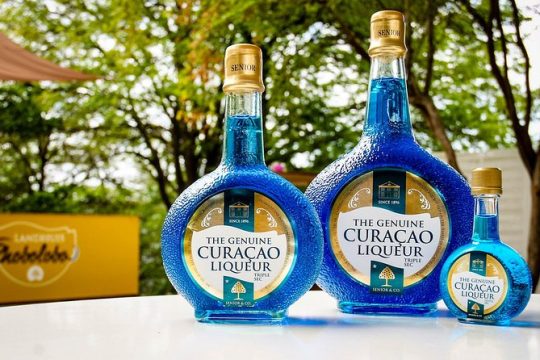
Gå- og cykelture
Priser fra $5
Mad, vin og natteliv
Priser fra $5
Private og tilpassede ture
Priser fra $5
Overførsler & Landtransport
Priser fra $5
El Yunque Nationalpark
Priser fra $25
Rose Island
Priser fra $64
Bushiribana guldmølleruiner
Priser fra $40
Alto Vista kapel
Priser fra $40
Dronningens Trappe
Priser fra $20
Arawak Cay
Priser fra $55
Ayo og Casibari klippeformationer
Priser fra $40
Fort Fincastle
Priser fra $20
Government House
Priser fra $15
Luquillo Beach
Priser fra $45
Paradise Island
Priser fra $54
Palm Beach
Priser fra $63





Caribiske begivenhedskalender
Se alle begivenheder
Juleaktiviteter i Caribien
Fre 25. december 2026
Hanukkah i Caribien
4.-12. december 2026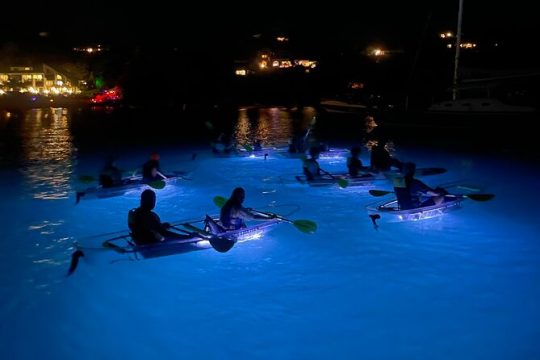
Nytårsaften i Caribien
Torsdag 31. december 2026
Juleaften i Caribien
Torsdag 24. december 2026
Nytårsdag lang weekend i Caribien
1.–3. januar 2027
Valentinsdag i Caribien
Søn, 14. februar 2027
Påske i Caribien
Sol, 28. mar. 2027
Langfredag i Caribien
Fre, 26. marts 2027


