Queensland attractions
More things to do in the state
 #16
Skyrail Rainforest Cableway
Skyrail Rainforest Cableway is a gondola ride that carries visitors over tropical rainforest from Smithfield, on the northern edge of Cairns, up to the mountain village of Kuranda. Gliding just above the treetops of Barron Gorge National Park, part of the Wet Tropics World Heritage Area, it offers a bird's-eye view of one of the oldest rainforests on Earth.The cableway was the vision of local businessman George Chapman, whose family still runs it. Building through protected forest drew strong protests, so the work was planned to leave as light a footprint as possible. Towers stand in small clearings, materials were flown in by heavy-lift helicopters, and no access roads were cut, so workers walked to each site. Equipment was cleaned to keep weeds and plant blights out of the forest, and the company later set up a foundation that funds rainforest research and education.The route runs for more than seven kilometers across the Macalister Range, rising from near sea level to over 500 meters at Red Peak, its highest station. There, boardwalks lead into the forest, with ranger-guided walks along the way. At Barron Falls station, an interpretation center developed with Australia's national science agency explains how the rainforest works, and lookouts face the gorge and the falls, including a cantilevered platform with a glass floor high above the gorge floor.Some gondolas have glass floors too, so you can look straight down into the canopy as you pass over it. From above, the forest is a sea of greens broken by palms, vines and flowering trees, and sharp eyes may catch birds or a flash of electric-blue butterflies. The ride ends among the markets and cafes of Kuranda, high on the tableland. A guide adds the names and stories of the plants and animals you glimpse along the way.
More #17
Whitsundays Passage
The passage is best seen from the water. Sailing cruises and day trips with a skipper handle the tides and channels for you, and many include snorkeling stops. Kayakers can follow the Ngaro Sea Trail between islands, while chartering a yacht suits experienced sailors who want their own route. Guided trips are a relaxed way to reach Hamilton Island and the island coves in one outing. The Whitsunday Passage is a stretch of water between islands off the Queensland coast, so you see it from a boat rather than on foot. Hamilton Island is the busiest hub in the group and a common base for day trips. Some channels have strong tidal flow, so routes and timing depend on the tide and weather. Bring sun protection and swimwear, since most of your time is spent on or in the water.
More #18
Conway National Park
If you are looking for things to do in Queensland we have 3 Tours and Activities to Experience Conway National Park. Check out our verified traveler reviews and photos of Conway National Park tours and other things to do in Queensland, and book securely when you find the perfect one. Learn the best ways to see famous Conway National Park and explore the most popular things to do in Queensland.
More #19
Eurimbula National Park
If you are looking for things to do in Queensland we have 2 Tours and Activities to Experience Eurimbula National Park. Check out our verified traveler reviews and photos of Eurimbula National Park tours and other things to do in Queensland, and book securely when you find the perfect one. Learn the best ways to see famous Eurimbula National Park and explore the most popular things to do in Queensland.
More #20
Heart Reef
Most visitors see Heart Reef on a scenic flight, and the aerial view is the highlight. Helicopter trips from Hamilton Island can add time on a private reef pontoon with a glass-bottom boat ride and snorkeling in a nearby lagoon. Seaplane and light aircraft flights often include Whitehaven Beach and Hill Inlet. Full-day boat cruises to a Hardy Reef pontoon can add a flight, and longer sailing charters reach the outer reef. Heart Reef is best seen from the air, and swimming or snorkeling at the formation itself is not permitted. Scenic flights by helicopter, seaplane, or light aircraft leave from Airlie Beach, Hamilton Island, and Whitsunday Coast Airport. Flights range from about 35 minutes to an hour, and many combine the view with time on a reef pontoon. Snorkeling and diving happen at nearby pontoons and lagoons on Hardy Reef, not at Heart Reef. Flights and boat trips depend on weather and sea conditions, so keep your schedule flexible.
More #21
Marina Mirage
If you are looking for things to do in Queensland we have 3 Tours and Activities to Experience Marina Mirage. Check out our verified traveler reviews and photos of Marina Mirage tours and other things to do in Queensland, and book securely when you find the perfect one. Learn the best ways to see famous Marina Mirage and explore the most popular things to do in Queensland.
More #22
Noosa National Park
Walk the tracks on your own at your own pace, or join a guided walk led by a local naturalist who points out koalas, birds and plants you could easily walk past. Guided options include small-group hikes, combined itineraries with Noosa Heads town and its main beach, and whale-watching outings in season. A guide also helps with route choice and timing on the longer circuits. The park suits walkers of most abilities, with several formal tracks that start from the main day-use area at the headland. Allow a couple of hours for a short walk and longer for the full coastal circuit. Wear sturdy shoes and carry water and sun protection, and walk in daylight only. Pets are not allowed, and the beaches are not patrolled by lifesavers, so take care in the water. Accessible toilets are at the main day-use area and Tea Tree Bay, but the tracks themselves are unpaved and uneven.
More #23
Story Bridge
You can admire the bridge from the riverside paths, ferries and Kangaroo Point Cliffs, then add a meal at Howard Smith Wharves. Guided climbs take you over the steel structure to a lookout platform with views across the city. Brisbane River cruises and city walking tours often pass beneath or near the bridge as part of a longer itinerary. The bridge crosses the Brisbane River between Fortitude Valley and Kangaroo Point, and it is best seen from the riverbanks at either end. Good viewpoints include Howard Smith Wharves and Kangaroo Point Cliffs Park, which both face the bridge across the water. The Adventure Climb is a guided walk of about two and a half hours over the steelwork to a platform roughly 80 meters above the river. The bridge is lit at night, so evening is a good time for photos. It is on the Queensland Heritage Register and carries heavy road traffic every day, so views are best from the riverside paths.
More #24
Australian Butterfly Sanctuary
The Australian Butterfly Sanctuary is a large walk-through butterfly aviary in Kuranda, the rainforest village in the hills above Cairns in tropical north Queensland. Visitors come to stroll among free-flying tropical butterflies, many of them native to the surrounding rainforest, and to learn how these delicate insects grow from tiny eggs into winged adults.Kuranda sits on the edge of the Wet Tropics, the ancient rainforest that cloaks the coastal ranges of far north Queensland and is protected as a World Heritage Area. That forest is home to some of Australia's most colorful butterflies, and the sanctuary gathers many of them inside its netted flight aviary. Dense tropical planting, including the food plants that caterpillars depend on, gives the space the feel of a rainforest clearing, and butterflies drift between leaves, blossoms and the paths themselves, often settling on visitors who stand still long enough.The stars are the region's own species. The Ulysses butterfly flashes electric blue as it flies, then all but vanishes when it folds its wings to show their dark undersides. In the wild it tends to fly fast and high, so seeing one at close range is a rare treat. The Cairns birdwing, Australia's largest butterfly, glides past in green, gold and black, while smaller species add reds, oranges and soft browns, and part of the fun is learning to tell them apart as they feed and rest.Beyond the aviary, the laboratory turns the visit into a lesson in transformation. It focuses on the stages most people never notice in the wild, from eggs and hungry caterpillars to the chrysalis from which a new butterfly emerges and slowly unfolds its wings. A guide can point out the tricks these insects use to survive, from warning colors to clever camouflage.
More #25
Gallery Walk
Most people stroll the strip on their own, ducking into galleries and shops as they please. A guided hinterland tour can add context and take care of the winding mountain drive, often pairing Gallery Walk with rainforest walks, lookouts and tastings. It also works as a relaxed half day within a longer day trip from the Gold Coast or Brisbane. Gallery Walk is a strip of more than 70 shops, galleries and cafes along Long Road on Tamborine Mountain. It suits browsers who enjoy art, crafts, antiques, jewelry, souvenirs and boutique fashion. Opening days and hours vary from shop to shop, so plan a relaxed, unhurried stroll rather than a fixed schedule. Cafes, fudge and gelato shops, and winery and distillery tastings sit along the route, so you can eat and drink as you go. The walk is along a street, so wear comfortable shoes and bring a hat or umbrella for the weather.
More #26
Lake Wabby
Lake Wabby is an emerald-green lake on the eastern side of K'gari, the great sand island long known as Fraser Island, off the Queensland coast. No other lake on the island is as deep, and visitors come for the striking meeting of green water, bushland and a towering wall of pale sand sliding into the lake.The lake exists because of sand. A natural spring feeds it, and its water was trapped when wind-blown sand piled up and blocked the flow, making it what scientists call a barrage lake. It has no outlet, and at its deepest it reaches about 12 meters. On one side, the Hammerstone Sandblow, a huge dune pushed inland by the winds off the ocean, creeps into the water a little at a time, and in the long run it is expected to swallow the lake completely.That slow burial gives the lake its unusual look. Steep sand slopes drop straight into deep water, and the shallows near the dune glow a bright jade before shading into darker green. Unlike most of the island's lakes, whose water is too acidic for much aquatic life, Wabby supports a good range of fish, with more than a dozen species recorded. Swimmers float in the cool water beneath the dune, and from the lookout above you can see the whole contrast of forest, sand and lake at once.The lake also matters to the Butchulla people, the Traditional Owners of K'gari, whose name for the island is now its official one. The island as a whole is listed by UNESCO for its giant dunes, rainforest growing in sand and rare perched lakes. A guide can explain how wind, water and sand shaped this landscape, and why a lake this beautiful is also, in geological terms, living on borrowed time.
More #27
Lone Pine Koala Sanctuary
Lone Pine Koala Sanctuary is a wildlife park in Fig Tree Pocket, on the western side of Brisbane, and is recognized as the oldest and largest koala sanctuary of its kind in the world. Visitors come to see koalas at close range, mingle with kangaroos and meet dozens of other native species.The sanctuary was founded by Claude Reid in the early 20th century as a refuge for sick, injured and orphaned koalas, at a time when the animals were still hunted for their fur. It began with just two koalas, Jack and Jill. The name comes from a lone hoop pine planted by the Clarkson family, who first owned the riverside land. During the Second World War, American visitors, among them the wife of General Douglas MacArthur, came to see the animals, and the sanctuary's fame spread far beyond Australia.Koalas remain the heart of the park, and the Koala Forest enclosure alone holds more than 30 of them, dozing in forks of eucalyptus or slowly chewing leaves. Around them live some 80 Australian species, from wombats, platypus, echidnas and Tasmanian devils to dingoes, emus, cassowaries and flying foxes, along with birds of prey, reptiles and frogs. Rainbow lorikeets add a blaze of color and noise to the grounds.The park is also a place of serious science. The Brisbane Koala Science Institute, set up here with the city council, runs a laboratory and a koala biobank, a store of genetic material that supports research into protecting wild koalas. Fees once charged for holding koalas helped fund new enclosures and eucalyptus plantations to feed the animals. A guide can explain how the sanctuary grew from a small refuge into a research center, and share stories of the animals that visitors see along the way.
More #28
Tamborine National Park
Tamborine National Park is a cluster of rainforest reserves on Tamborine Mountain, a plateau in the Gold Coast hinterland of southeast Queensland. Visitors come for walks to waterfalls and rock pools, groves of tall palms and giant fig trees, and cool green forest high above the busy coast.The park holds a special place in Queensland's conservation history. Its Witches Falls section was declared the state's first national park in the early 20th century, and the park has since grown into more than a dozen separate reserves scattered across the plateau, with villages, farms and galleries in between. The mountain is built of old volcanic basalt, and its rich soils support subtropical rainforest of red cedars and strangler figs, groves of piccabeen palms and cycads, hoop pines and open eucalypt forest. The plateau itself is about 8 km long and rises to more than 500 meters.Each section has its own character. At Witches Falls, a circuit winds down through rainforest past giant strangler figs to the falls that gave the reserve its name, while the Palm Grove walk passes beneath a canopy of piccabeen palms. In the Joalah section, Curtis Falls pours over a dark basalt face into a rock pool, and The Knoll has its own waterfall at Cameron Falls. At Cedar Creek the water tumbles gently over the rocks rather than plunging, filling a string of rock pools along the way.Wildlife is part of the appeal. Lyrebirds, satin bowerbirds and eastern whipbirds call from the undergrowth, brush-turkeys scratch through the leaf litter, lorikeets flash through the canopy, and platypus live in the creeks. On sunny rocks at The Knoll, black skinks bask in the warmth. A guide with a sharp ear can pick out the birdcalls and point out the shy creatures most visitors walk past.
More #29
Birdworld Kuranda
Birdworld Kuranda is a walk-through bird park in the rainforest village of Kuranda, in the hills above Cairns in tropical North Queensland. Visitors come to wander among more than 350 birds, many of them flying free, and to meet colorful parrots and rare species up close in a garden of ponds and waterfalls.Kuranda began as a small settlement on the edge of the rainforest and grew into a popular hill village once the railway from the coast reached it, with markets, galleries and wildlife parks drawing visitors up from Cairns. Birdworld is part of that story. It sits inside the Kuranda Heritage Markets, laid out under a high mesh canopy so the birds can fly through a planted copy of the rainforest around them, rather than sit in small cages.The enclosure is built as a loop of paths through dense tropical plants, with streams, small waterfalls and ponds where waterbirds paddle and feed. Bright macaws from South America and noisy cockatoos and lorikeets from Australia land on railings, branches and sometimes on visitors' shoulders. The park's best-known resident is its cassowary, a tall, flightless bird of the northern rainforests with a horn-like casque on its head and bright blue skin on its neck, rarely seen at such close range in the wild. A separate finch aviary holds tiny birds flitting through the bushes. With parrots from South America sharing branches with Australian natives, a single loop covers birds from several continents.A visit is as much about sound as color, with whistles, squawks and chatter echoing under the canopy and the splash of water in the background. Children in particular enjoy the moment a lorikeet lands within reach. A keeper or guide can tell the species apart and explain how each one lives in the wild, from what it eats to the threats it faces in its native forests.
More #30
Cairns Aquarium
Cairns Aquarium is a modern public aquarium in the center of Cairns, built to show the waters of tropical north Queensland from rainforest creek to open ocean. Visitors come to meet sharks, rays, turtles and reef fish face to face, and to see the life of the Great Barrier Reef up close without getting wet.The aquarium is laid out as a journey through ten habitats, following water as it travels from the mountains to the deep. Rivers and streams lead to a billabong, a rainforest gallery and tangled mangroves, then out to the reef and the Coral Sea. Along the way you pass more than 70 tanks holding upward of 15,000 animals, plus a trail of fossil replicas recalling the strange creatures unearthed at Riversleigh, one of Australia's richest fossil sites, and a deep-sea display built from models.The showpiece is the Coral Sea Oceanarium, a vast tank holding nearly two million liters of water and modeled on one of the ribbon reefs along the outer edge of the Great Barrier Reef. Gray reef sharks and zebra sharks cruise past rays and large fish while you watch from the viewing windows. The aquarium also has the largest freshwater tank in Australia, and it shows rarely seen creatures such as the emerald tree monitor, a slender green lizard that lives in the treetops, and the Jardine River turtle.Behind the displays, the aquarium works as a research and education center. Its turtle rehabilitation unit nurses rescued sea turtles back to health so they can be released into the ocean, and it is also known for displaying captive-bred olive sea snakes, a sight few other aquariums offer. Even the neighboring restaurant is part of the experience, with a tank that lets diners eat beside swimming fish.
More #31
Conway Circuit (Whitsunday Great Walk)
Most people walk the circuit on their own over a few days and camp along the way. If you would rather skip the planning, guided rainforest walks in Conway National Park cover shorter sections with someone who points out the plants, birds and wildlife. Others fit a short loop such as the Wompoo Walk or the Honeyeater Lookout into a day around Airlie Beach, with transport arranged for them. The circuit is about 27 km through Conway National Park between the Forestry Road car park and Airlie Beach, and suits walkers with some bushwalking experience. Plan two to three days with camping, or a very long day if you are fit. Campers need a permit booked ahead and must carry drinking water. Expect steep climbs, heat and humidity, plus leeches after rain, snakes and large spider webs across the track. Shorter walks from the Forestry Road car park include the Kingfisher Circuit and the Wompoo Walk. Wear sturdy shoes, and carry sun protection and plenty of water.
More #32
Kangaroo Point Cliffs Park
You can wander the riverside parkland and clifftop paths on your own, with views of the Story Bridge and the city skyline. For more adventure, guided climbing and abseiling sessions led by qualified facilitators let beginners try the cliffs safely. Kayak hire is available nearby, and the bikeway and riverside paths link the cliffs with South Bank and the city, so a combined walking or cycling day works well. The park is open around the clock and has picnic areas, barbecues, public toilets, seating, bike racks and a clifftop café. A 107-step staircase links the upper and lower sections, so plan for stairs if you are traveling with a stroller or have limited mobility. Rock climbing and bouldering are popular here, and abseiling down the cliffs is done with a guided group. Floodlights light the cliff face at night, which makes an evening visit worthwhile. Parking is metered on River Terrace, Lower River Terrace and nearby streets, so check the signs.
More #33
Mooloolaba
If you are looking for things to do in Queensland we have 4 Tours and Activities to Experience Mooloolaba. Check out our verified traveler reviews and photos of Mooloolaba tours and other things to do in Queensland, and book securely when you find the perfect one. Learn the best ways to see famous Mooloolaba and explore the most popular things to do in Queensland.
More #34
Mossman Gorge
Mossman Gorge is a stretch of lowland rainforest along the Mossman River in the southern part of Daintree National Park, in tropical far north Queensland, Australia. People come to walk among ancient trees, watch clear water tumble over huge granite boulders and learn about the Kuku Yalanji people, whose country this is.The gorge lies within the Wet Tropics of Queensland World Heritage Area, a belt of rainforest often described as among the oldest surviving on Earth. For the Eastern Kuku Yalanji people, the rainforest, the river and the rocks are woven into stories, law and daily life, and they have lived here for many thousands of years. The Mossman Gorge Centre at the entrance was developed as an Indigenous tourism venture, giving local people a direct role in sharing their country with visitors and creating jobs for the community.The forest is dense and layered, with strangler figs wrapping old host trees, buttress roots spreading across the ground and vines hanging from the canopy. Ferns, mosses and orchids cling to the trunks, and the light turns green beneath the leaves. Paths lead to a suspension bridge over Rex Creek and down to the river, where smooth, rounded boulders sit in clear, cool pools. The sound of water is never far away.Wildlife is part of the experience if you are patient and quiet. Boyd's forest dragons cling to tree trunks, electric blue Ulysses butterflies drift through clearings, and brush turkeys scratch in the leaf litter. A lucky few may glimpse a cassowary, the large flightless bird of these forests. An Indigenous guide shares how the forest provides food, medicine and tools, and explains the meaning of places along the river that are easy to pass without noticing.
More #35
Rainforestation Nature Park
Rainforestation Nature Park is a rainforest park outside Kuranda, in the hills above Cairns in tropical North Queensland, set on about 100 acres of forest. Visitors come to ride through the rainforest in an amphibious vehicle, learn about the culture of the local Aboriginal people and meet koalas, kangaroos and other Australian animals.The park has welcomed travelers for about half a century and sits within the Wet Tropics, one of the oldest surviving rainforest regions on Earth. It brings three quite different experiences together on one property, which is why it has long been a favorite stop for families and first-time visitors to the tropical north.The best-known ride is the Army Duck tour. These sturdy amphibious vehicles, built for the military, rumble along forest tracks and then drive straight into the water, carrying passengers through dense greenery and out onto a lake. The driver points out towering trees, climbing vines, ferns and fruiting plants, along with any birds and lizards that appear, and explains how the forest works and how people have used its plants. The Pamagirri Aboriginal Experience shares traditions of the region, with dance performances, didgeridoo playing and boomerang throwing, and the park acknowledges the Djabugay people as the traditional custodians of this land.The Koala and Wildlife Park rounds out the visit. You can see koalas up close, hand-feed wallabies and kangaroos, and come face to face with a southern cassowary, the large flightless bird of these forests, as well as saltwater crocodiles and other native animals. The mix of forest, culture and wildlife makes it an easy introduction to the region. A guide can add context on the rainforest and the Aboriginal stories connected to it.
More #36
Shute Harbour
If you are looking for things to do in Queensland we have 3 Tours and Activities to Experience Shute Harbour. Check out our verified traveler reviews and photos of Shute Harbour tours and other things to do in Queensland, and book securely when you find the perfect one. Learn the best ways to see famous Shute Harbour and explore the most popular things to do in Queensland.
More #37
Currumbin Wildlife Sanctuary
Currumbin Wildlife Sanctuary is a long-running wildlife park on the southern Gold Coast of Queensland, set in rainforest and bushland a short way inland from Currumbin's beaches. People come to see koalas, kangaroos and other Australian animals up close, to watch the famous lorikeet feeding, and to learn about the work of its wildlife hospital.The sanctuary grew out of a flower farm. Its founder, a local beekeeper and grower named Alex Griffiths, began feeding the wild rainbow lorikeets so they would leave his flowers alone, and the daily feeding drew so many onlookers that it became an attraction in its own right. Over the years he added animals and land, and in the later 20th century he handed the sanctuary to the National Trust of Queensland so it could carry on as a place for conservation and education.Paths wind through eucalypt forest and rainforest past koalas, kangaroos, wallabies, Tasmanian devils, cassowaries, crocodiles and dingoes, along with reptiles and birds from across the country. The lorikeet feeding is still a highlight, when clouds of brightly colored birds swoop down to perch on outstretched arms and plates of nectar. A small train loops around parts of the grounds, and free-flight bird shows and keeper talks fill the day. Lost Valley adds a wilder rainforest setting with exotic animals from overseas.Behind the scenes, the Currumbin Wildlife Hospital treats sick, injured and orphaned native animals brought in from across the region, from koalas and possums to birds and sea turtles, and releases as many as possible back to the wild. Watching that work and hearing the vets and keepers explain it is often the part of a visit people remember longest, and it shows that the sanctuary is about far more than display.
More #38
Daintree Rainforest
The Daintree Rainforest is a vast tropical forest in Far North Queensland, running up the coast north of Port Douglas to meet the Coral Sea. Travelers go for its ancient trees, rare wildlife and the unusual sight of dense jungle spilling straight onto white beaches beside the Great Barrier Reef.Scientists count it among the oldest surviving tropical rainforests on Earth, a forest that held on while much of the continent dried out over millions of years. Many of its plants belong to ancient flowering families found almost nowhere else, which makes it a living record of how plant life developed. The Eastern Kuku Yalanji people have cared for this country for thousands of years, and their stories, food plants and place names run through the landscape. The forest takes its name from the Daintree River, and Cape Tribulation on its northern coast was named by Captain James Cook after his ship struck the reef offshore. Much of the area lies within a World Heritage Area.Walking here means looking up into layers of green: strangler figs wrapping old trunks, fan palms opening like umbrellas and tangled vines hanging from the canopy. The southern cassowary, a tall flightless bird with a bright blue neck and a horn-like crest, roams the forest floor, while Boyd's forest dragons cling to tree trunks and blue Ulysses butterflies flash through clearings. Saltwater crocodiles bask along the riverbanks, and the mangroves at the river mouth shelter fish and birds.Along the coast, clear creeks run out of the hills to sandy bays, and boardwalks lead through mangroves and swamp forest. Farther south, Mossman Gorge carries a fast river over granite boulders. A guide who knows the plants can show you which fruits the Kuku Yalanji ate, which leaves sting and where the shyer animals hide.
More #39
Fraser Island
Fraser Island, known by its traditional name K'gari, is the world's largest sand island, stretching along the Queensland coast north of Rainbow Beach. People go to drive its endless surf beaches, swim in clear freshwater lakes, walk through rainforest that grows straight out of the sand, and see the rusting wreck of an old ocean liner.The island is the home of the Butchulla people, whose name for it, K'gari, comes from a story of a spirit who helped create the land and loved it so much she stayed, becoming the island itself. Its European name came from Eliza Fraser, a shipwreck survivor whose dramatic account of her time here in the 19th century spread across the British world. Logging of its tall forests went on for more than a century, until the island's natural value won out. It is now protected as a national park and World Heritage Site, and its traditional name was formally restored.The landscape is full of surprises. Perched lakes such as Lake McKenzie sit in hollows lined with pure white silica sand, their water so clear it glows blue and turquoise. Eli Creek pours fresh water across the beach in a shallow, swift stream you can float down. Inland, the old logging hub of Central Station sits among towering satinay and kauri pines, ferns and a creek so clear it seems empty. On the ocean side, the long beach runs past the colored sand cliffs of the Pinnacles, the rusting hull of the Maheno, washed ashore in a cyclone, and a rocky headland lookout, where sharks, rays and migrating whales can be spotted below.Wild dingoes roam the beaches and dunes, and they are thought to be among the purest dingoes left in eastern Australia. A guide can share the Butchulla stories tied to the lakes and dunes, adding meaning to the scenery.
More #40
Green Island
Green Island is a small coral cay off Cairns in tropical north Queensland, set within the Great Barrier Reef and protected as a national park and marine park. Travelers come to swim and snorkel over coral reefs, walk through a patch of rainforest and spend an easy day on white sand in warm water.The island takes its name from Charles Green, the astronomer who sailed with Captain James Cook along this coast in the 18th century. Long before that, it was a place of importance to the Gunggandji people, who used it for ceremonies and for gathering food from the reef. In more modern times it became one of the first places on the reef to welcome visitors, and an underwater observatory was later set into the sea off its jetty, letting people watch reef life without getting wet.Green Island is a true cay, a low mound of sand and coral rubble that slowly built up on top of the reef and was then colonized by plants. Seeds carried by birds and the tide took root, and a dense vine forest now covers much of the interior. A boardwalk winds through the trees, and interpretive signs explain how the island formed. Along the shore, sand gives way to shallow reef flats, seagrass beds and coral gardens where turtles graze and reef fish dart between the branches. Giant clams sit among the coral, and stingrays glide over the sand.Visitors spend time snorkeling from the beach, walking the island loop, watching birds in the forest and looking for marine life from boats with glass bottoms. A guide or naturalist can explain the reef's living systems and help you spot creatures you might miss.
More #41
North Gorge Walk
If you are looking for things to do in Queensland we have 5 Tours and Activities to Experience North Gorge Walk. Check out our verified traveler reviews and photos of North Gorge Walk tours and other things to do in Queensland, and book securely when you find the perfect one. Learn the best ways to see famous North Gorge Walk and explore the most popular things to do in Queensland.
More #42
North Stradbroke Island (Straddie)
North Stradbroke Island, known as Straddie and by its traditional name Minjerribah, is a large sand island in Moreton Bay, off the coast near Brisbane in Queensland. People go for its surf beaches, clifftop walks and wildlife, and for the unhurried pace of its small island towns.The Quandamooka people are the traditional owners of Minjerribah, and their connection to the island reaches back long before European settlement. Today they manage the island's national park jointly with the Queensland government, so the landscape carries a living cultural story as well as a natural one. The island itself is among the largest sand islands in the world, covering about 275 square kilometers of dunes, freshwater lakes, eucalyptus woodland and low coastal heath.Point Lookout, on the ocean side, is the main visitor town, set on a rocky headland above a string of beaches. The Gorge Walk follows the edge of that headland, with boardwalks and lookouts over blowholes, sheltered coves and open sea, and it is a good place to spot turtles and dolphins in the water below. Each beach has its own character. Main Beach is a long, wild ocean stretch, Cylinder Beach and Home Beach curve gently near the town, and Frenchmans Beach and Flinders Beach feel quieter and more remote.Beyond the coast, the island shelters rare and threatened wildlife, including migratory wading birds that feed on the bay shores and the small wallum frogs that live in its acid heathland swamps. Kangaroos often graze on the grassy slopes at Point Lookout, and koalas live in the island's woodland. The blend of open ocean, quiet bay, lakes and bush makes it easy to fill a day with swimming, walking and watching. A guided trip led by the island's own people adds the stories that sit behind its place names.
More #43
SkyPoint Observation Deck
SkyPoint Observation Deck sits near the top of the Q1 tower in the beachfront heart of Queensland's Gold Coast. From about 230 meters above the sand, its windows look out over Pacific beaches, the green hinterland and a skyline that runs north toward Brisbane, which makes it the simplest way to see the whole region at once.The tower beneath it is Q1, a residential skyscraper that ranks among the tallest buildings in the Southern Hemisphere. Most of its floors hold apartments, but two levels near the summit were opened to the public, first under the name QDeck and later as SkyPoint. From street level the deck is a speck near the top. The slender spire that crowns the building makes it easy to pick out from far along the shore, and its height changed the look of the whole skyline.Up on the deck, glass wraps all the way around, so you can follow the surf beaches south toward the New South Wales border, trace the canals and rivers that wind behind the coast, and pick out the forested ranges of the hinterland to the west. Below, the beachfront promenade and the streets of the resort district look like a scale model. A bistro and bar share the space, and many people linger over a drink while the light shifts across the ocean and the towers.For a bolder outing, the SkyPoint Climb takes harnessed groups outside onto the building's spire, billed as the highest external building climb in Australia. It trades the comfort of glass for wind, open air and a far sharper sense of height. Looking straight down, beachfront hotels shrink to toy size and the surf becomes a thin white line. A guide on the climb shares stories about the tower and names the landmarks below, which helps the scale sink in.
More #44
Bicentennial Walkway
If you are looking for things to do in Queensland we have 1 Tours and Activities to Experience Bicentennial Walkway. Check out our verified traveler reviews and photos of Bicentennial Walkway tours and other things to do in Queensland, and book securely when you find the perfect one. Learn the best ways to see famous Bicentennial Walkway and explore the most popular things to do in Queensland.
More #45
Customs House
If you are looking for things to do in Queensland we have 1 Tours and Activities to Experience Customs House. Check out our verified traveler reviews and photos of Customs House tours and other things to do in Queensland, and book securely when you find the perfect one. Learn the best ways to see famous Customs House and explore the most popular things to do in Queensland.
MoreDiscover Queensland
Luxury & Special Occasions
Prices from $5
Cruises, Sailing & Water Tours
Prices from $20
Tours & Sightseeing
Prices from $6
Outdoor Activities
Prices from $13
Day Trips & Excursions
Prices from $22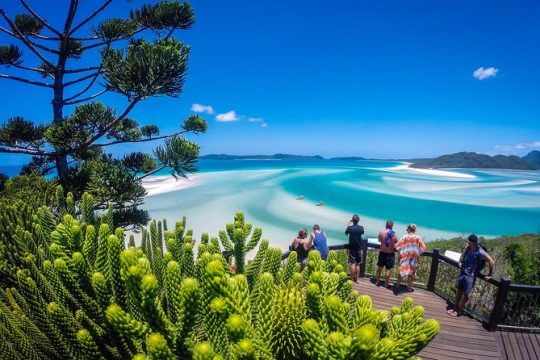
Water Sports
Prices from $15
Walking & Biking Tours
Prices from $5
Food, Wine & Nightlife
Prices from $15
Cultural & Theme Tours
Prices from $5
Shore Excursions
Prices from $15
Transfers & Ground Transport
Prices from $15
Sightseeing Tickets & Passes
Prices from $10


Great Barrier Reef
Prices from $73
Whitehaven Beach
Prices from $84
Hill Inlet
Prices from $149
Fitzroy Island
Prices from $73
Eli Creek
Prices from $187
Lake McKenzie
Prices from $187
Maheno Shipwreck
Prices from $187
Brisbane River
Prices from $30
Coral Sea Marina
Prices from $20
Agincourt Reef
Prices from $188
Barron Gorge National Park
Prices from $79
Sea World Gold Coast
Prices from $20
Hanukkah in Queensland
Dec 4–12, 2026
Things to do on Boxing Day in Queensland (Updated 2026)
Sat, Dec 26, 2026
New Year’s Eve in Queensland
Thu, Dec 31, 2026
Rainy day activities in Queensland
36 tours & activities
Senior-friendly tours Queensland
182 tours & activities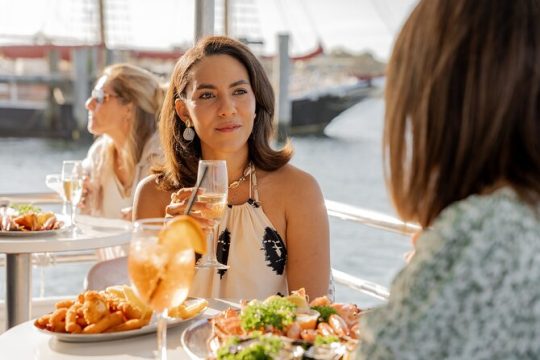
Queensland Foodie Tours
103 tours & activities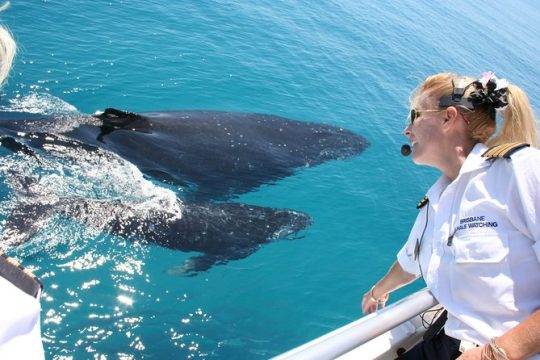
Family-friendly Queensland Tours
547 tours & activities
The best tours and activities for culture lovers in Queensland
112 tours & activities
Top 10 Queensland 2026
10 tours & activities
Top Day Trips from Queensland
208 tours & activities
Things to do in Queensland this summer
542 tours & activities
 From $3